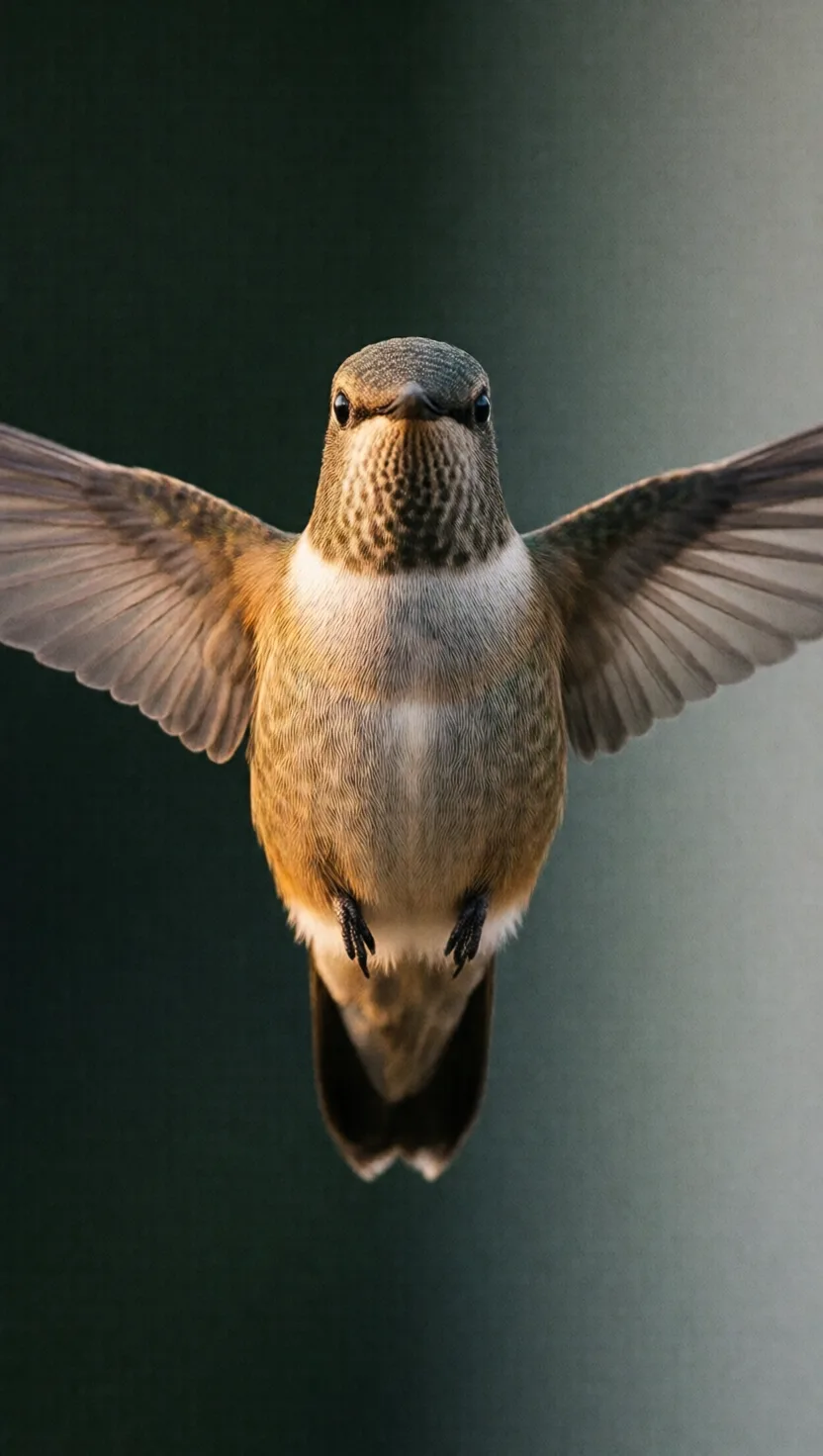
Eight things packed into a hummingbird's tiny body.

DC·141 Deep Cuts
At night it nearly freezes itself solid

At night it nearly freezes itself solid

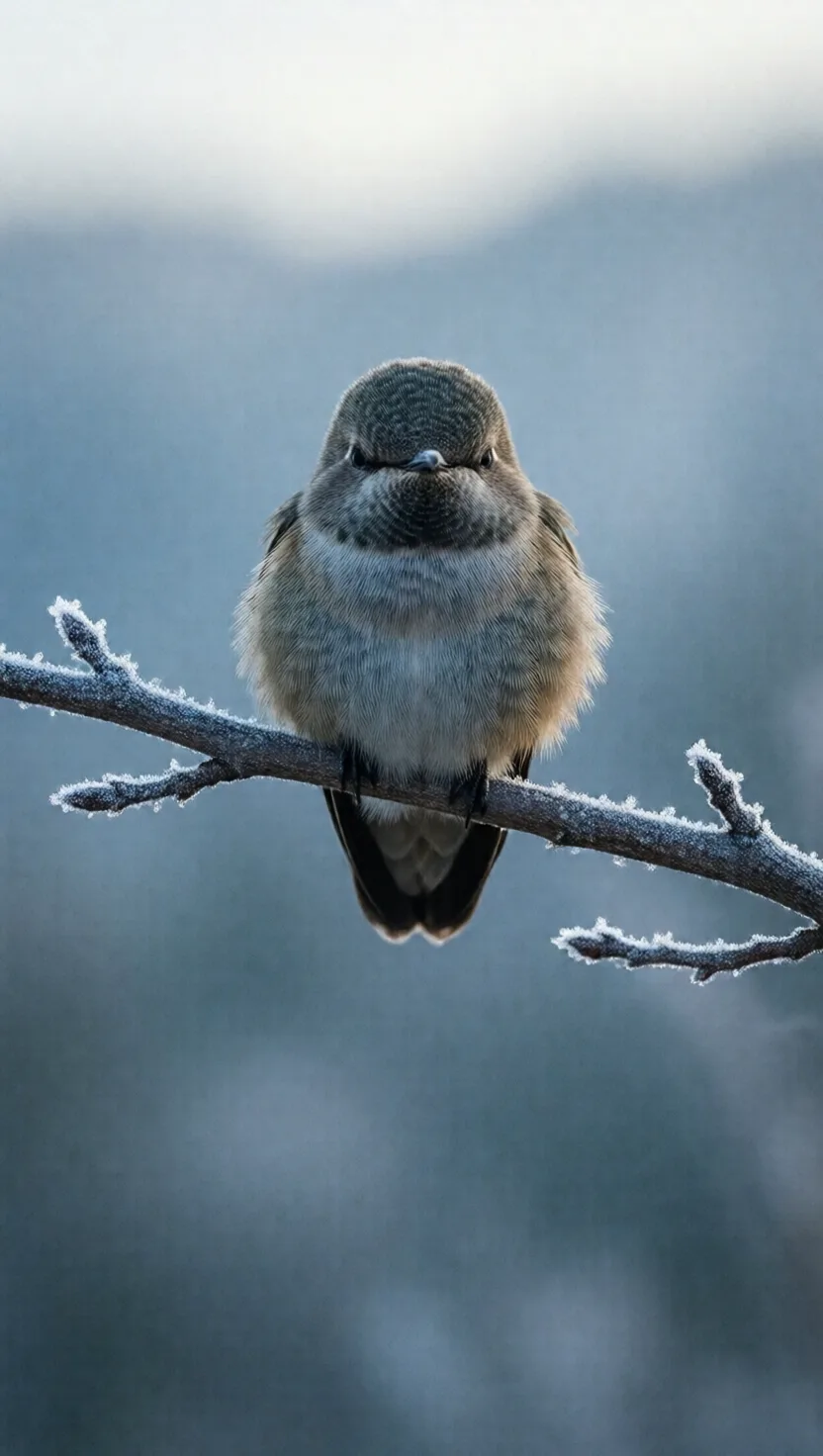
To survive cold Andean nights, some hummingbirds drop into torpor, a nightly mini-hibernation. The black metaltail has been measured cooling from a daytime 40C to a body temperature of 3.26C, the lowest ever recorded in any bird, while its heart slows from around 1,200 beats a minute to roughly 40. By morning it warms itself back up and flies off, having cut its overnight energy use by about 95 percent.
It sees colors you can't picture

It sees colors you can't picture

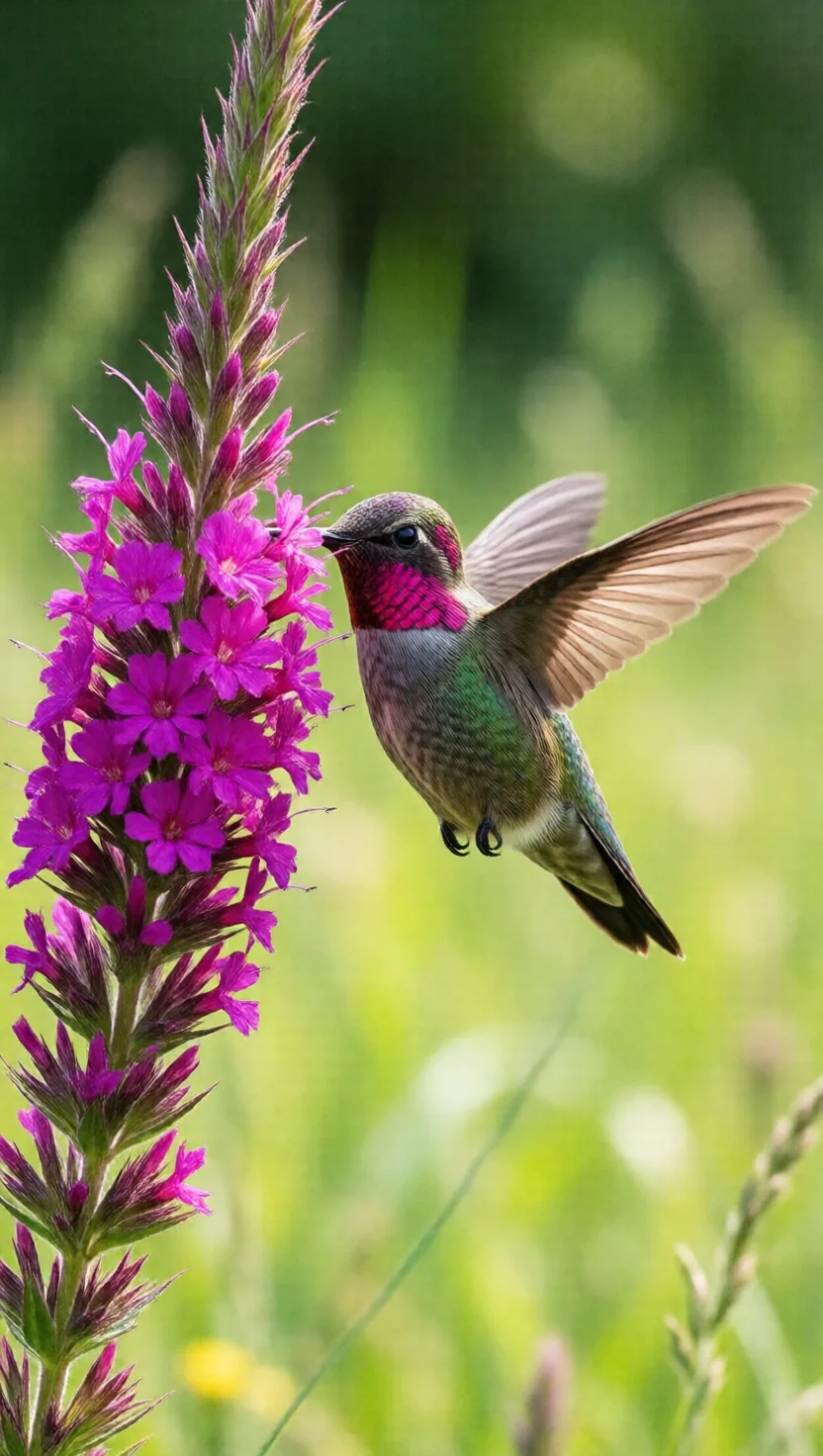
Hummingbirds carry a fourth type of color cone, tuned to ultraviolet, that humans lack. In a 2020 field study, wild broad-tailed hummingbirds were trained to tell apart 'ultraviolet plus green' from plain green, light that looks identical to us. Where we see just one nonspectral color, purple, birds can perceive up to five, including ultraviolet-red and ultraviolet-yellow, letting feathers and flowers flash signals invisible to human eyes.
Its courtship dive pulls nine G's

Its courtship dive pulls nine G's

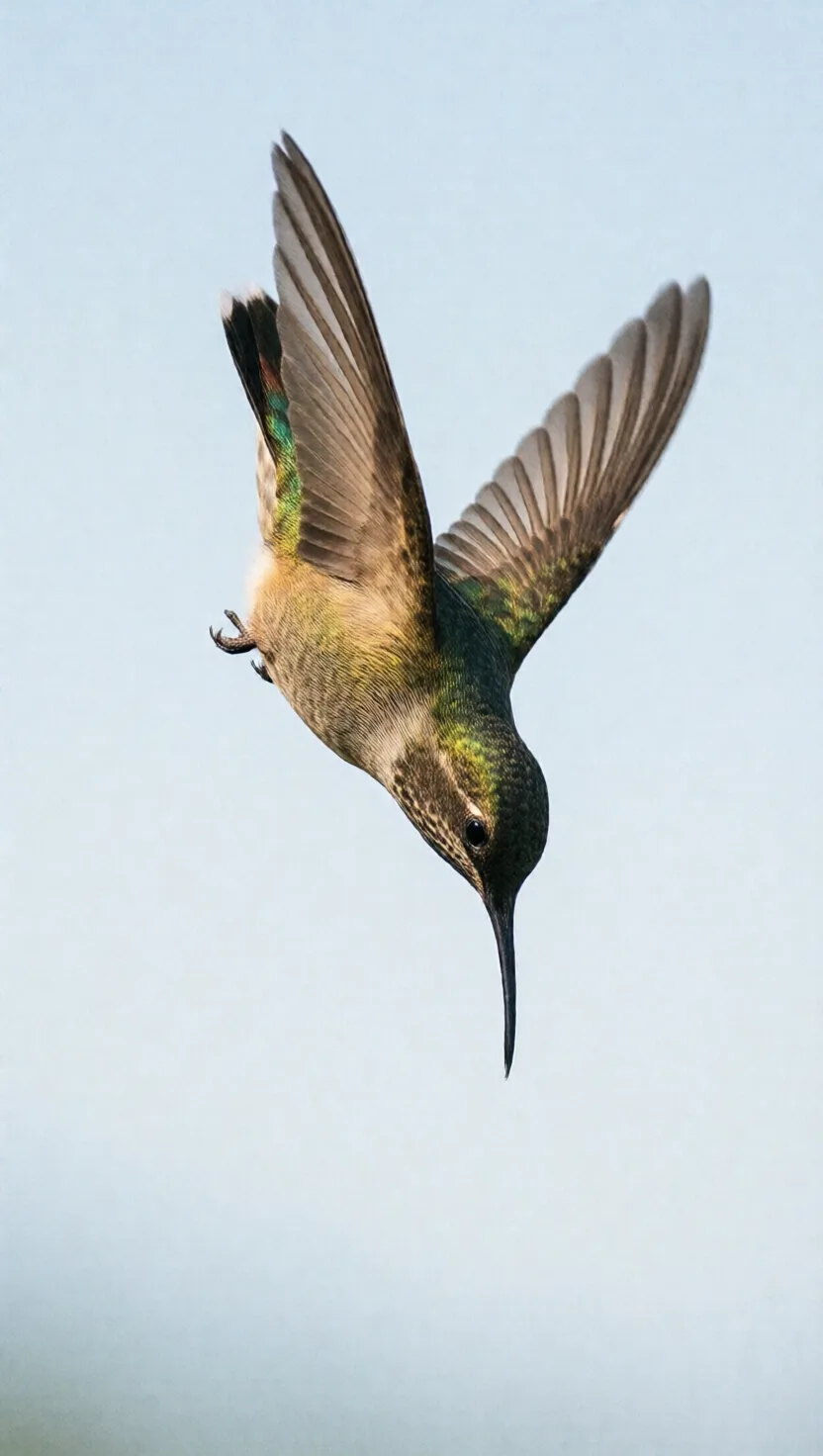
A male Anna's hummingbird climbs high, then plunges toward a female with wings folded, hitting about 27 metres per second, which is 385 of its own body lengths every second, the fastest length-for-length speed of any vertebrate. When it spreads its wings to pull out of the dive, it endures nearly nine times the force of gravity, more than a fighter pilot can take before blacking out, and shrugs it off.
Its beak is longer than its whole body

Its beak is longer than its whole body

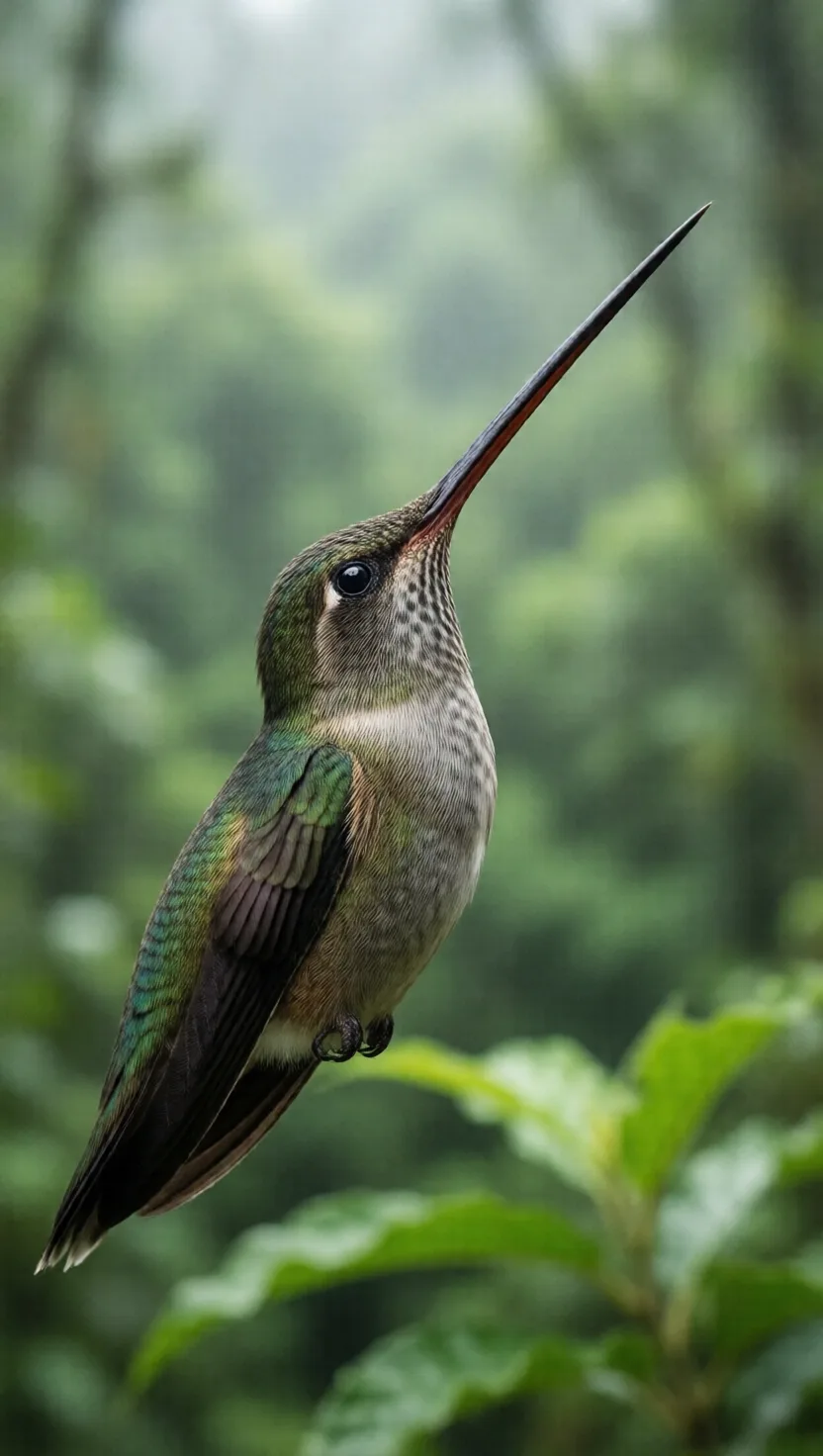
The sword-billed hummingbird of the Andes is the only bird whose beak is longer than the rest of its body. The bill reaches 8 to 12 centimetres, while the body, minus the tail, is only 13 to 14, so the beak can out-measure the bird itself. It evolved to drink from deep trumpet flowers no other pollinator can reach, and is so unwieldy the bird must groom with its feet and perch with its bill tilted up.
It can fly for miles but cannot walk a step

It can fly for miles but cannot walk a step

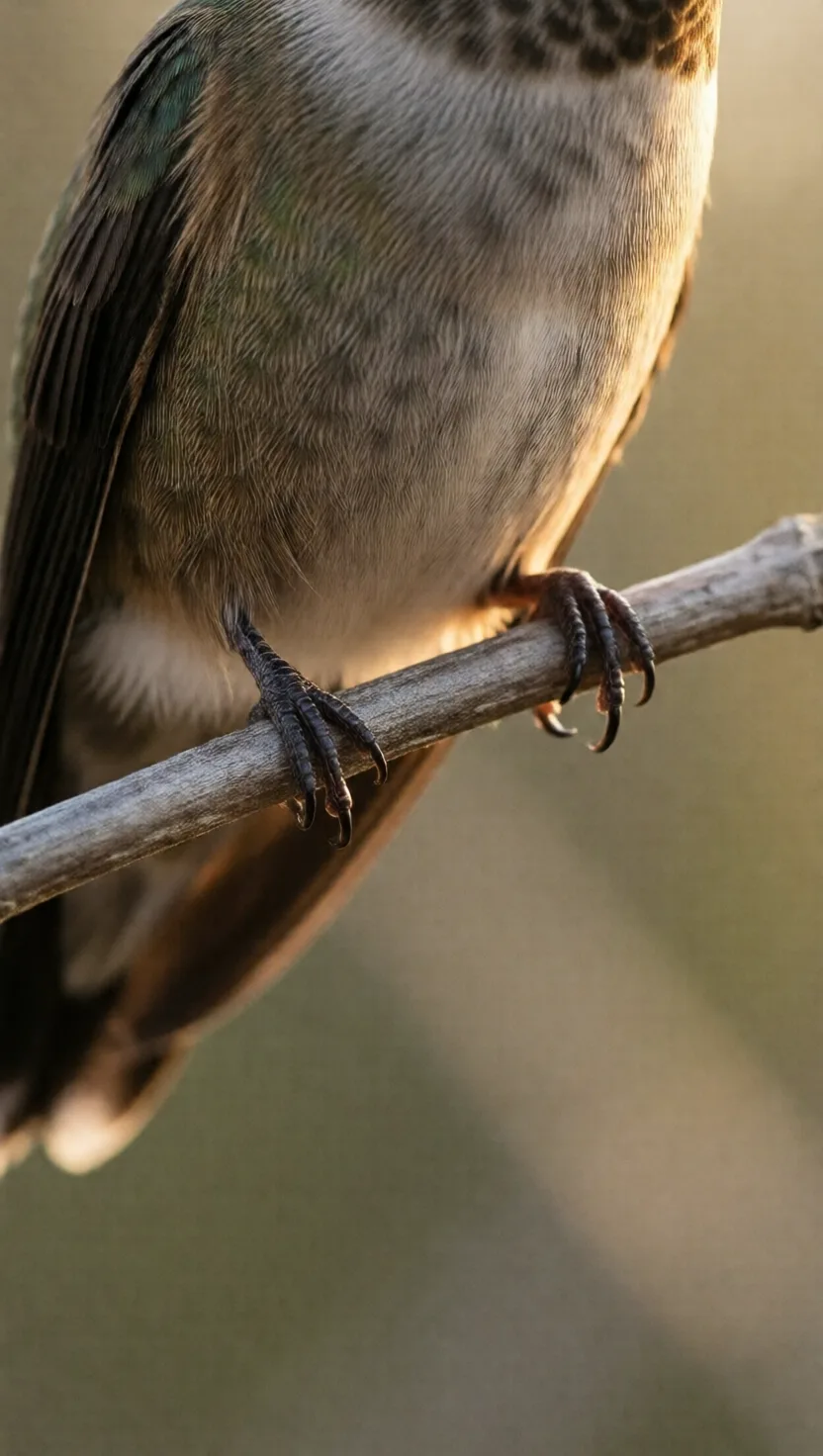
Hummingbirds belong to the order Apodiformes, literally 'the footless ones.' Their legs and feet are so small and weak, and lack a working knee, that they cannot walk, hop or run; to shift even a few centimetres along a branch they must take to the air. The trade-off is total commitment to flight: feet built only to perch, scratch and grip, never to stride.
It rows the air in a figure-eight

It rows the air in a figure-eight

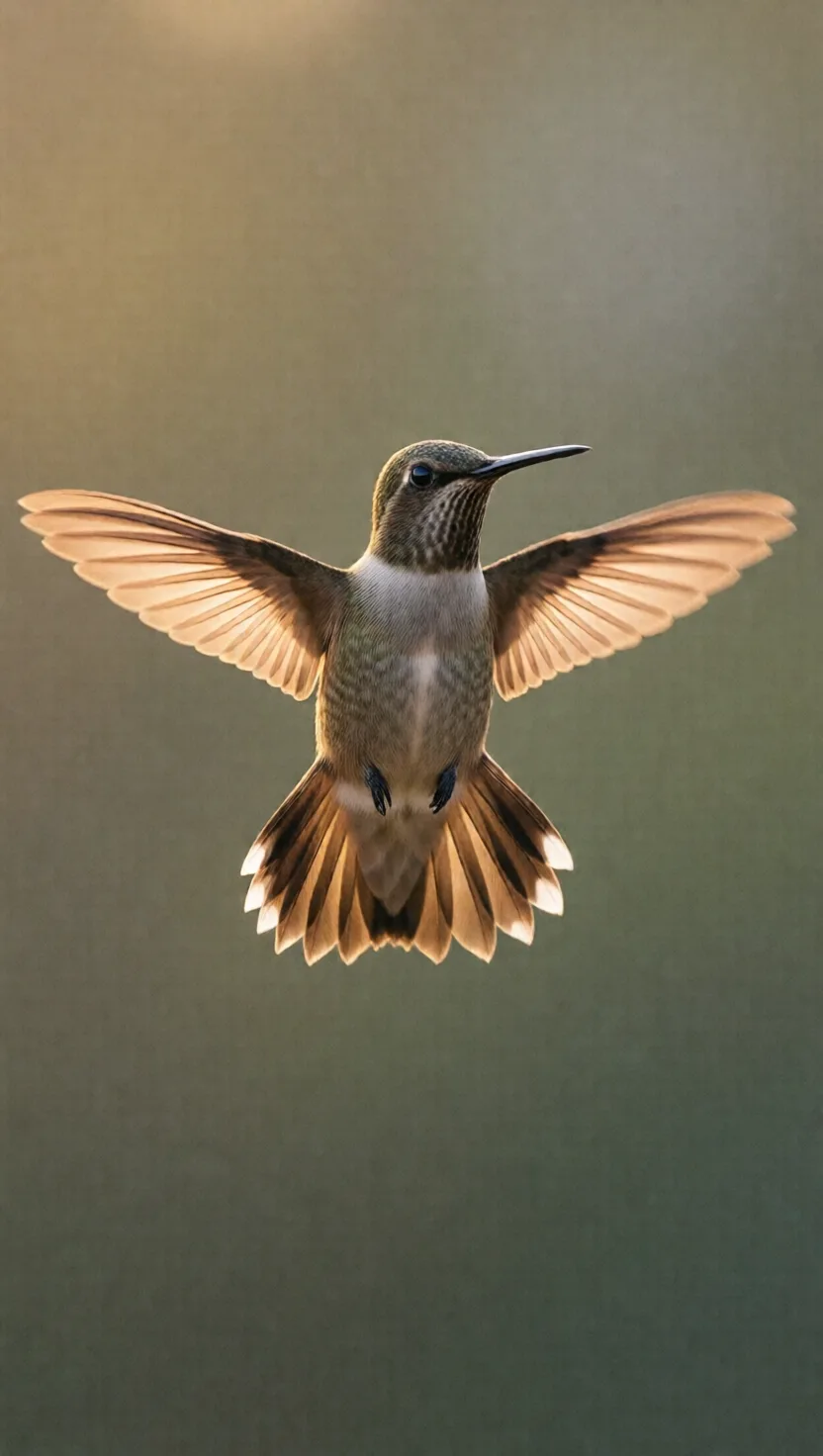
Most birds get lift only on the downstroke; the upstroke is dead weight. A hummingbird instead sweeps its wings in a horizontal figure-eight, twisting them over so they generate lift on the way back too. About 25 percent of its weight support comes from that upstroke alone. The two-way stroke is exactly what lets it hover in place, and fly straight backwards, like no other bird.
It remembers when each flower refills

It remembers when each flower refills

With a brain weighing under 0.2 grams, a hummingbird keeps a precise timetable of its world. Rufous hummingbirds tested with artificial flowers learned which blooms refilled after 10 minutes and which after 20, then timed their return visits to match, tracking not just where hundreds of flowers are but when each one is worth checking again, and flying memorised loop routes between them.
A third of it is flight muscle

A third of it is flight muscle

To beat its wings dozens of times a second and hover, a hummingbird is built around its engine. Its pectoral flight muscles make up 25 to 30 percent of its body mass, the largest proportion of any bird, where 15 percent is more typical. Packed with mitochondria filling up to a third of each muscle cell, those breast muscles give it one of the highest power outputs, pound for pound, of any vertebrate.
tap →swipe ↑ for depthswipe ↓ to exit