Eight things hidden inside your bones

DC·135 Deep Cuts
One bone in you touches no other bone

One bone in you touches no other bone

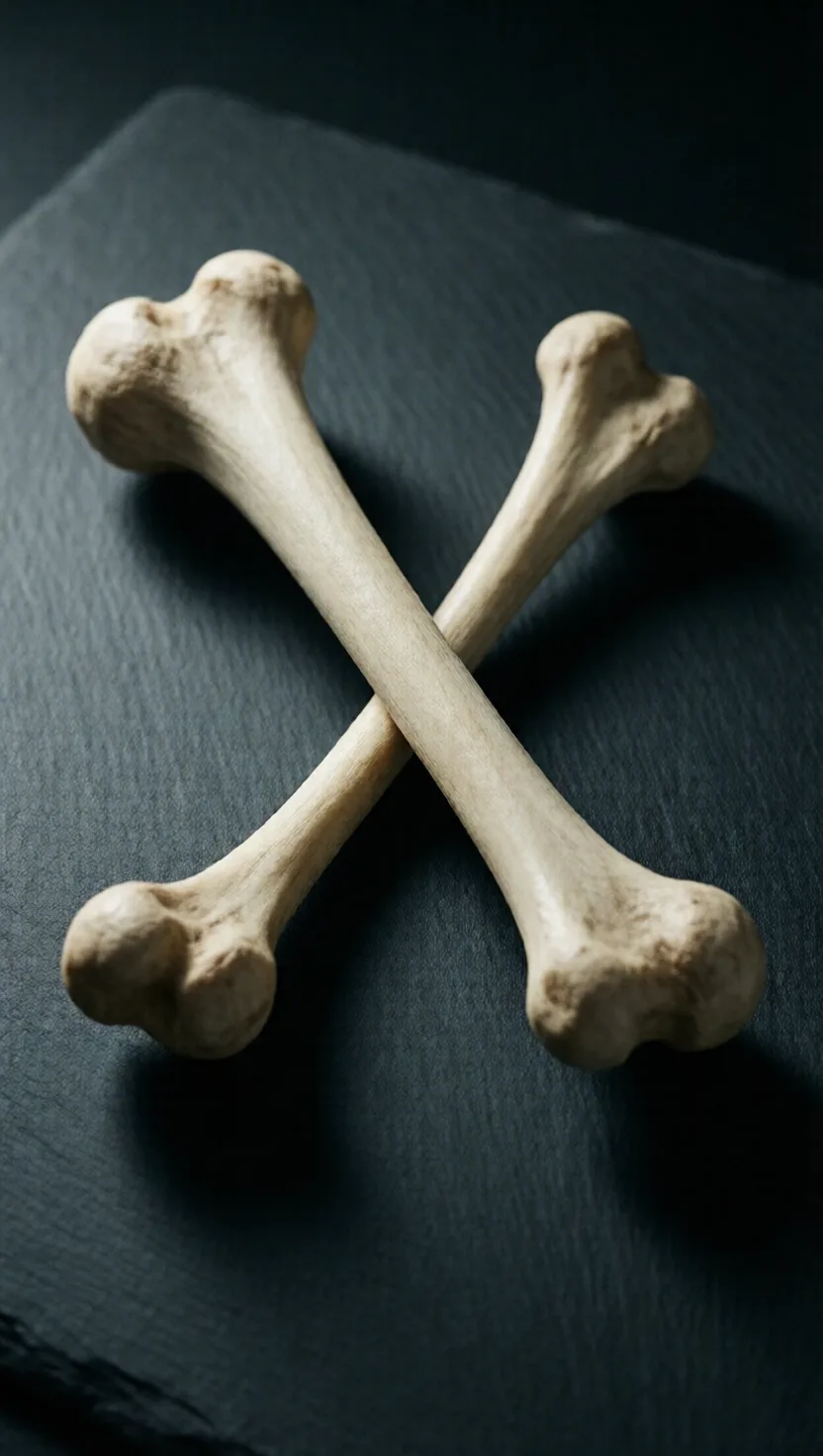
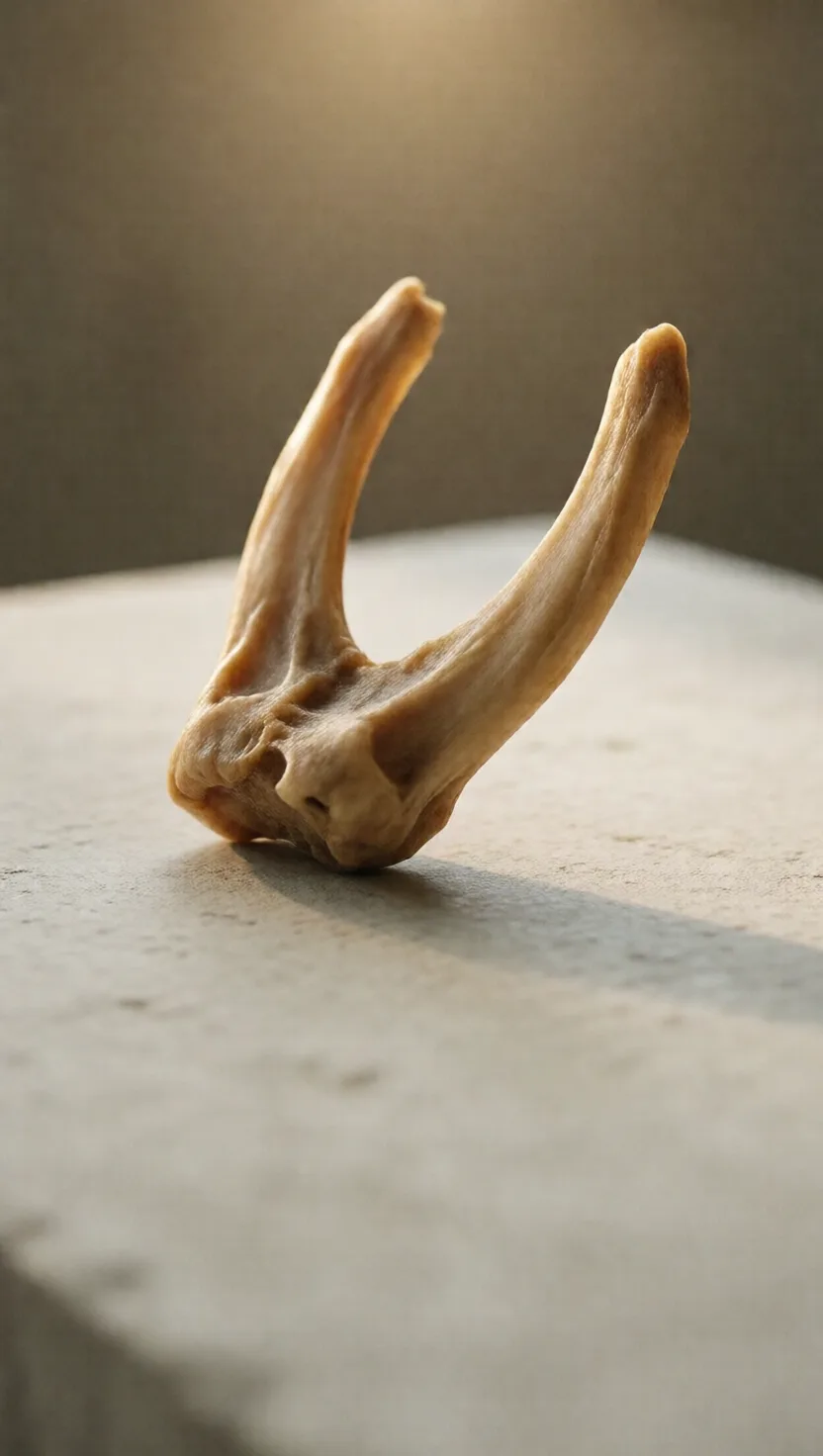
The hyoid is a small U-shaped bone in the front of the neck, just above the voice box. Unlike every other bone in the skeleton, it joins no neighbor at a joint. It hangs entirely in a sling of muscles and ligaments anchored to the skull, jaw, and larynx. That floating mount lets it shift freely as you swallow and speak, giving the tongue muscles a stable yet movable base to pull against.
Bone grows its struts along the lines of stress

Bone grows its struts along the lines of stress

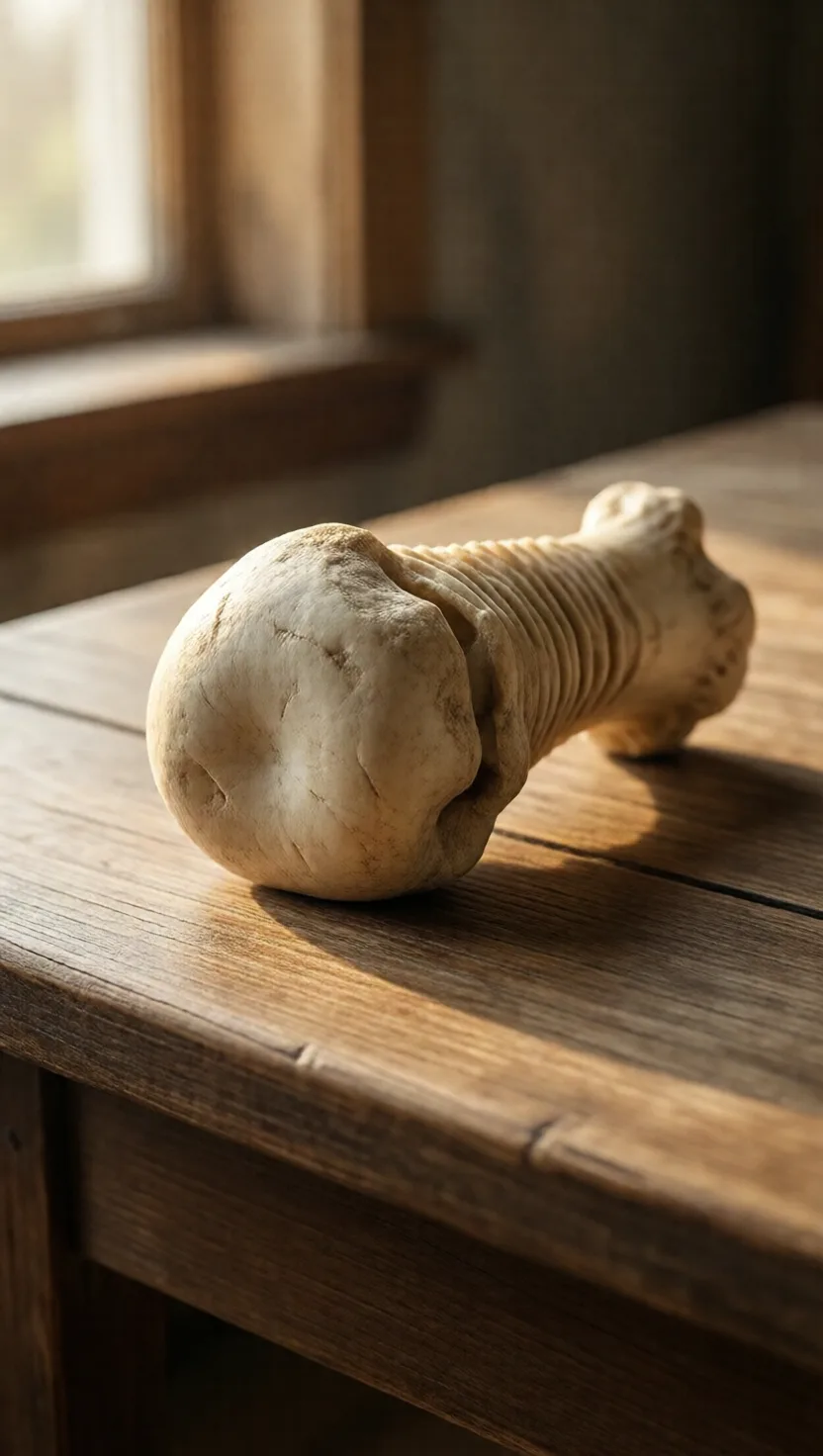
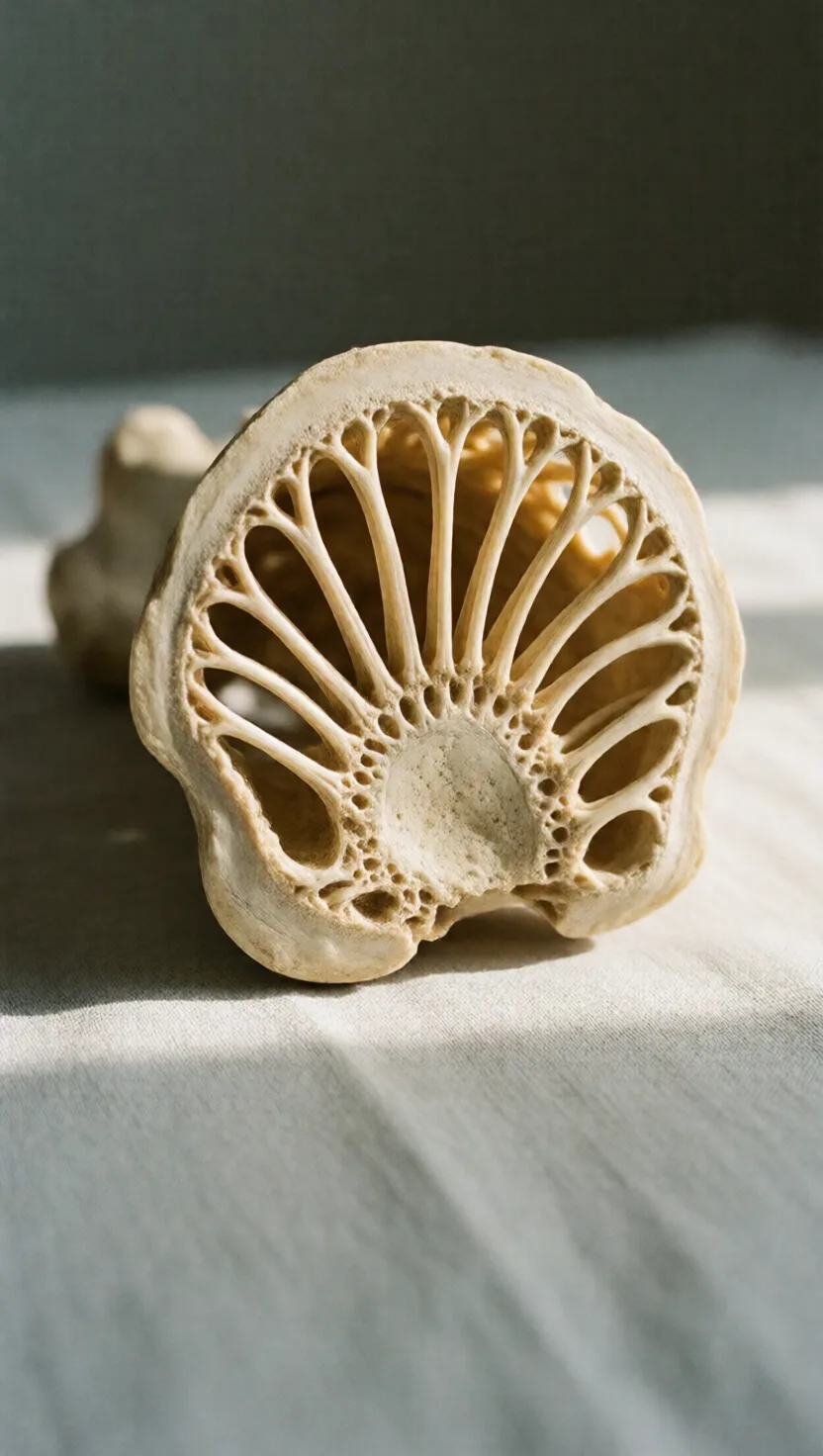
Cut open the head of a thigh bone and the spongy interior is not random foam. The thin bony struts, called trabeculae, fan out in curving arches that trace the exact paths force travels when you stand and walk. Bone-building cells lay down material where load is high and remove it where load is low. The principle, described by Julius Wolff in the 1890s, means your skeleton is constantly re-engineering itself to its own loading.
Squeeze a bone and it makes a tiny electric charge

Squeeze a bone and it makes a tiny electric charge

Bone is piezoelectric: bend or compress it and the crystal-and-collagen structure releases a faint electrical signal. Two researchers, Fukada and Yasuda, measured this in dry bone in 1957. Many scientists think these stress-generated voltages help tell bone cells where to add or remove material, turning the everyday push of walking into a quiet instruction set that keeps the skeleton shaped to its job.
A bird's bones are plumbed into its lungs

A bird's bones are plumbed into its lungs

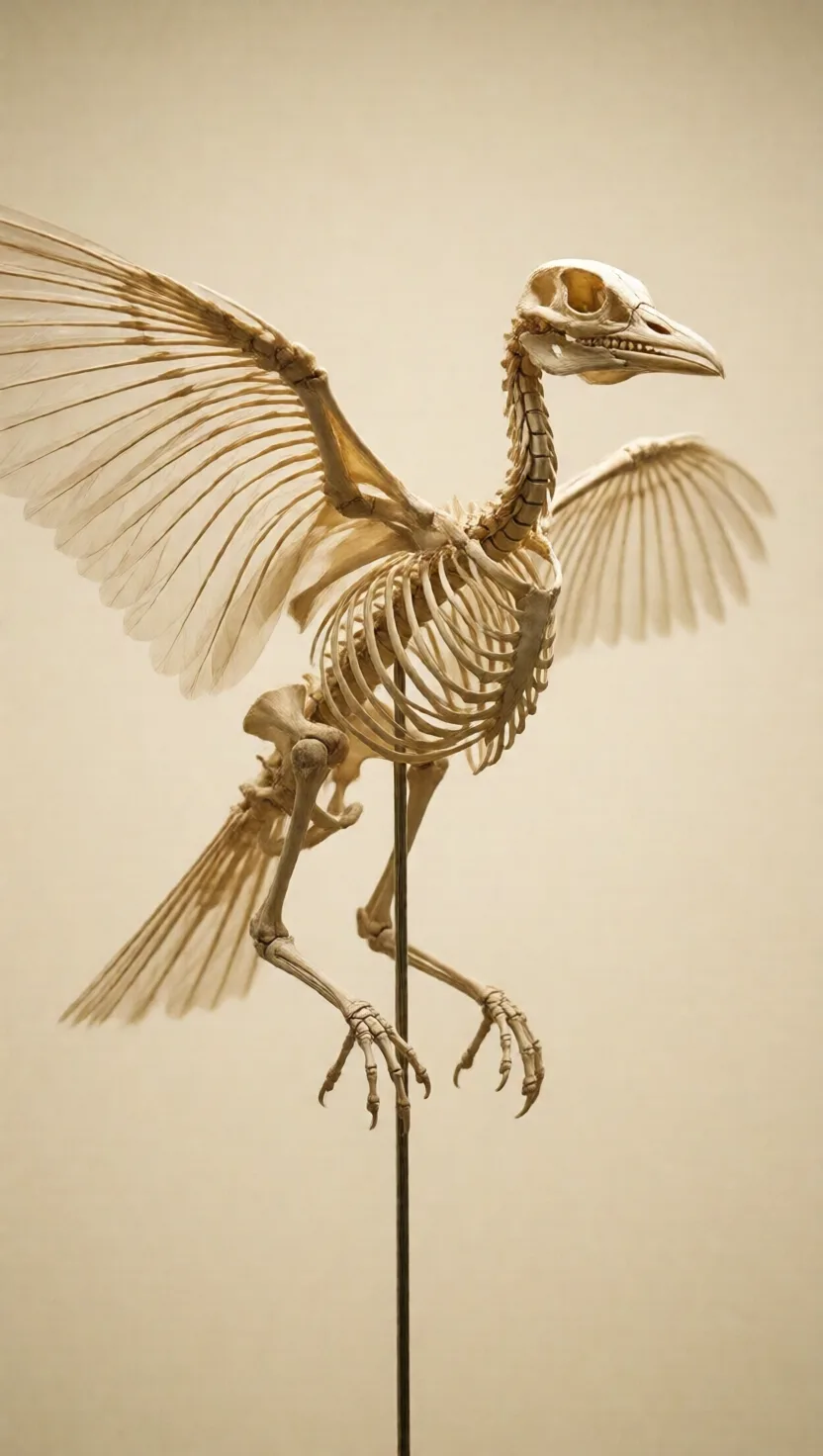
Many bird bones are hollow and air-filled, connected to the lungs through a system of air sacs that reaches deep into the skeleton. Inside, thin crisscrossing struts brace the walls like the trusses of a bridge, keeping the bone strong while cutting weight for flight. In some large soaring birds the wing skeleton can weigh less than the feathers covering it.
Your kneecap floats inside a tendon

Your kneecap floats inside a tendon

The kneecap is the largest sesamoid bone, a bone that forms inside a tendon rather than connecting two bones at a joint. It rides within the thick tendon of the thigh muscles as they cross the knee. By holding that tendon away from the joint, it acts like a pulley, increasing the leverage of the muscles so you can straighten your leg with far less effort.
The hardest bone hears for a whale

The hardest bone hears for a whale

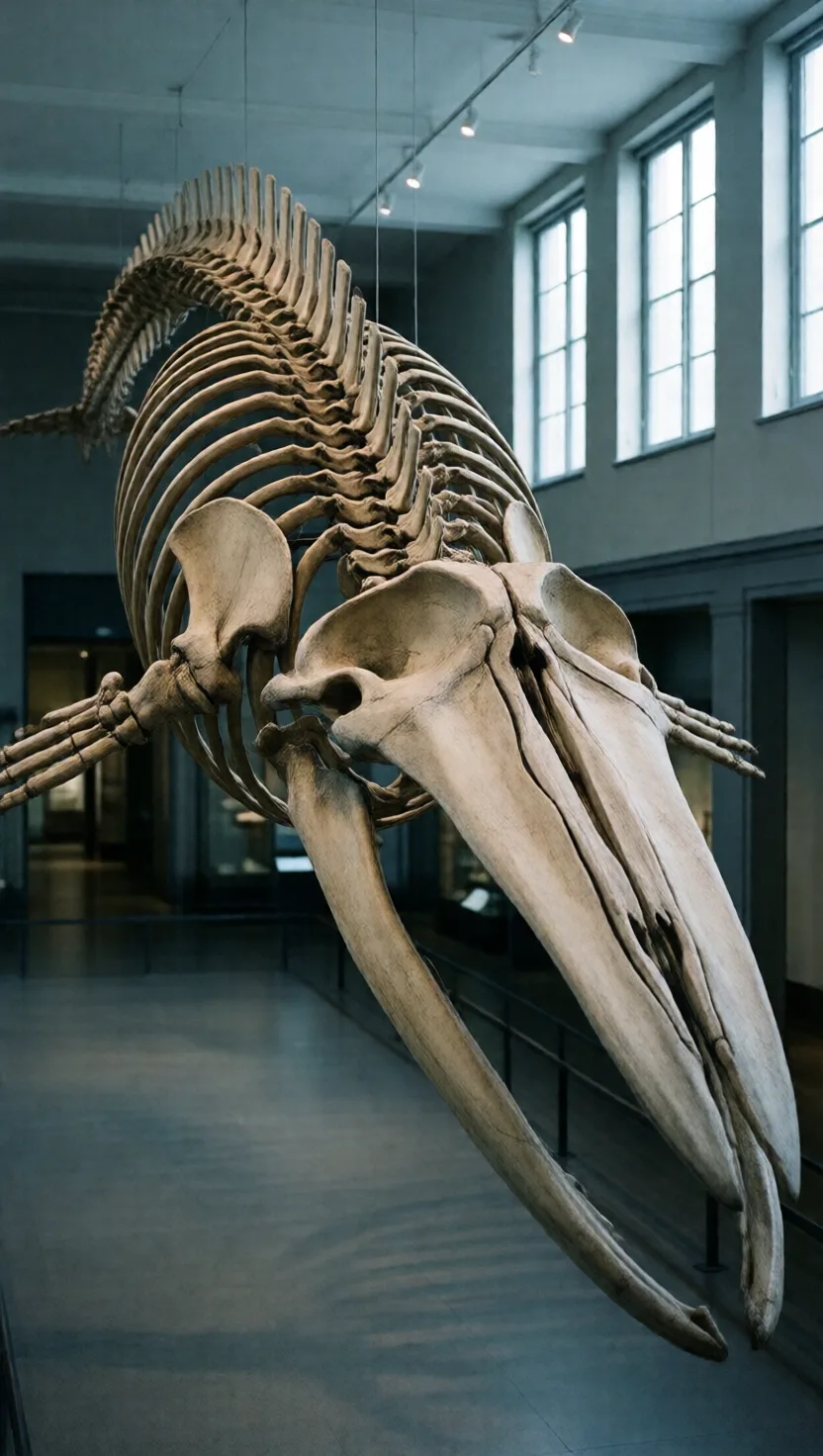
The densest, hardest bone in a mammal is not in the leg but in the ear. A whale's tympanic bulla, the dense bony shell housing the hearing organ, is mineralized far beyond ordinary bone. In whales and dolphins it is suspended away from the skull in foam and sinus spaces, acoustically isolated so each ear can sense the direction of sound underwater, where vibrations would otherwise reach both ears at once.
Your whole skeleton is rebuilt about every ten years

Your whole skeleton is rebuilt about every ten years

Bone is living, restless tissue. One set of cells dissolves old bone while another lays down fresh material in the same spot, a cycle called remodeling that runs everywhere at once. Across the entire adult skeleton the turnover adds up so that, over roughly ten years, you end up with an almost completely new set of bones, quietly replaced piece by piece without your ever noticing.
The wishbone is a spring that powers flight

The wishbone is a spring that powers flight

A bird's wishbone, or furcula, is its two collarbones fused into a single springy V at the front of the chest. High-speed studies of flying birds show it bends apart on the downstroke and snaps back on the upstroke, storing and returning energy like a spring while also helping pump air through the chest. The familiar holiday wishbone is this flight spring.
tap →swipe ↑ for depthswipe ↓ to exit