Eight things hidden in bark and cork

DC·134 Deep Cuts
This tree's skin is peeled, and it lives on

This tree's skin is peeled, and it lives on

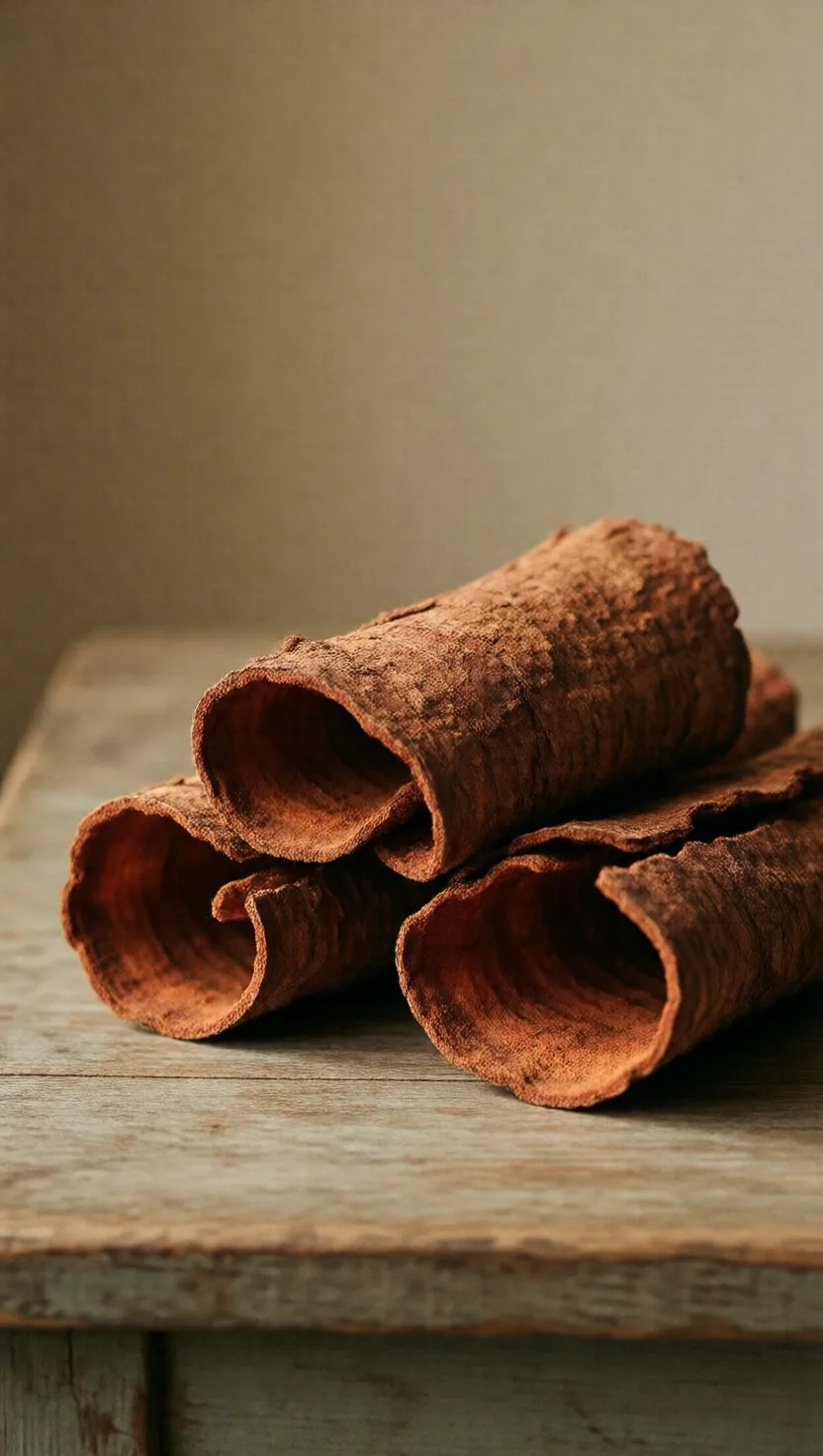
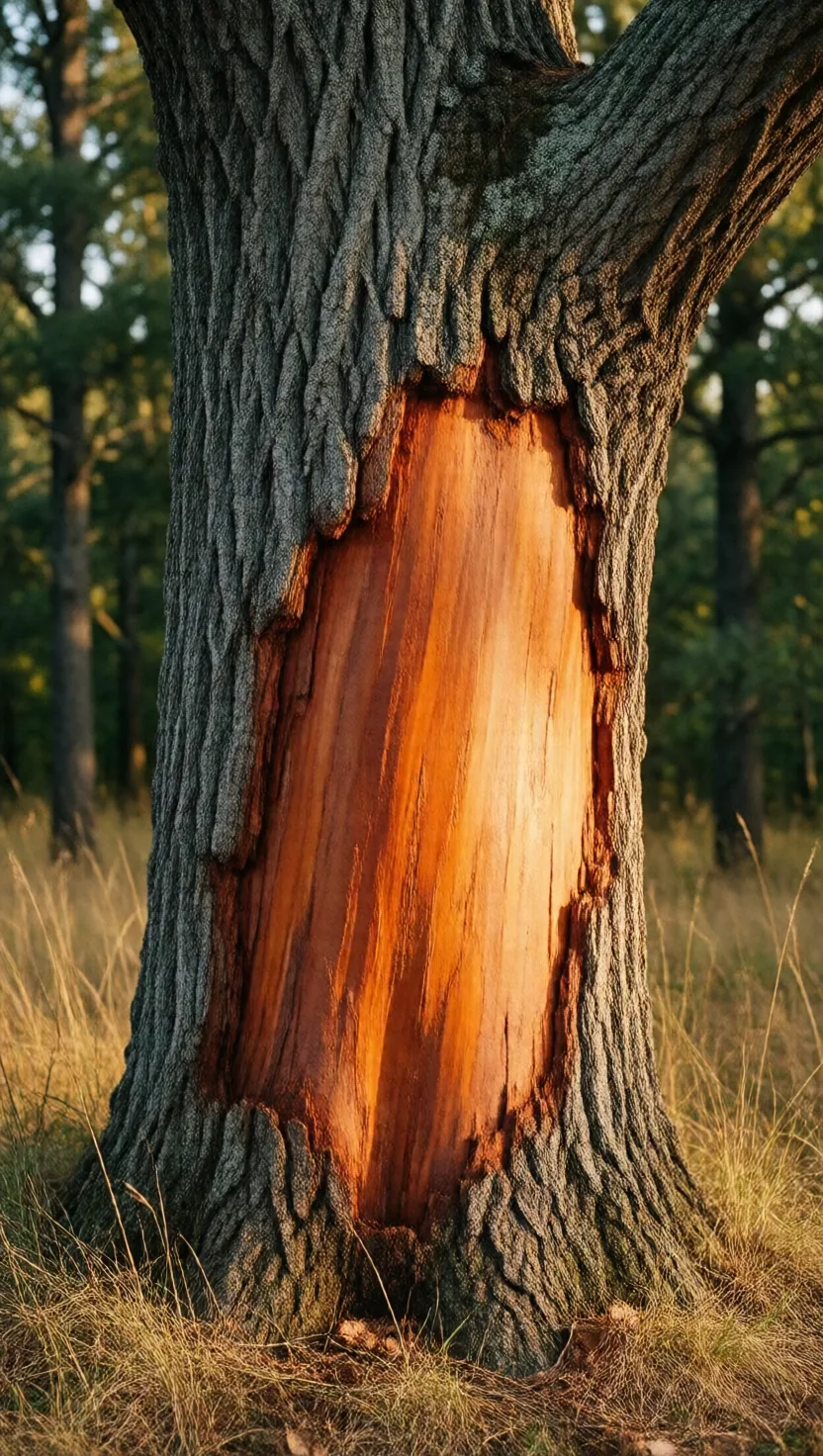
The cork oak (Quercus suber) is one of the only trees whose bark can be stripped clean off without killing it. Harvesters cut the thick outer bark away by hand, exposing a raw reddish-orange under-layer, and the tree simply grows a fresh coat. A single oak can be re-harvested every 9 to 12 years for 150 to 200 years, yielding cork more than a dozen times across one long life.
The word "cell" was born inside a sliver of cork

The word "cell" was born inside a sliver of cork

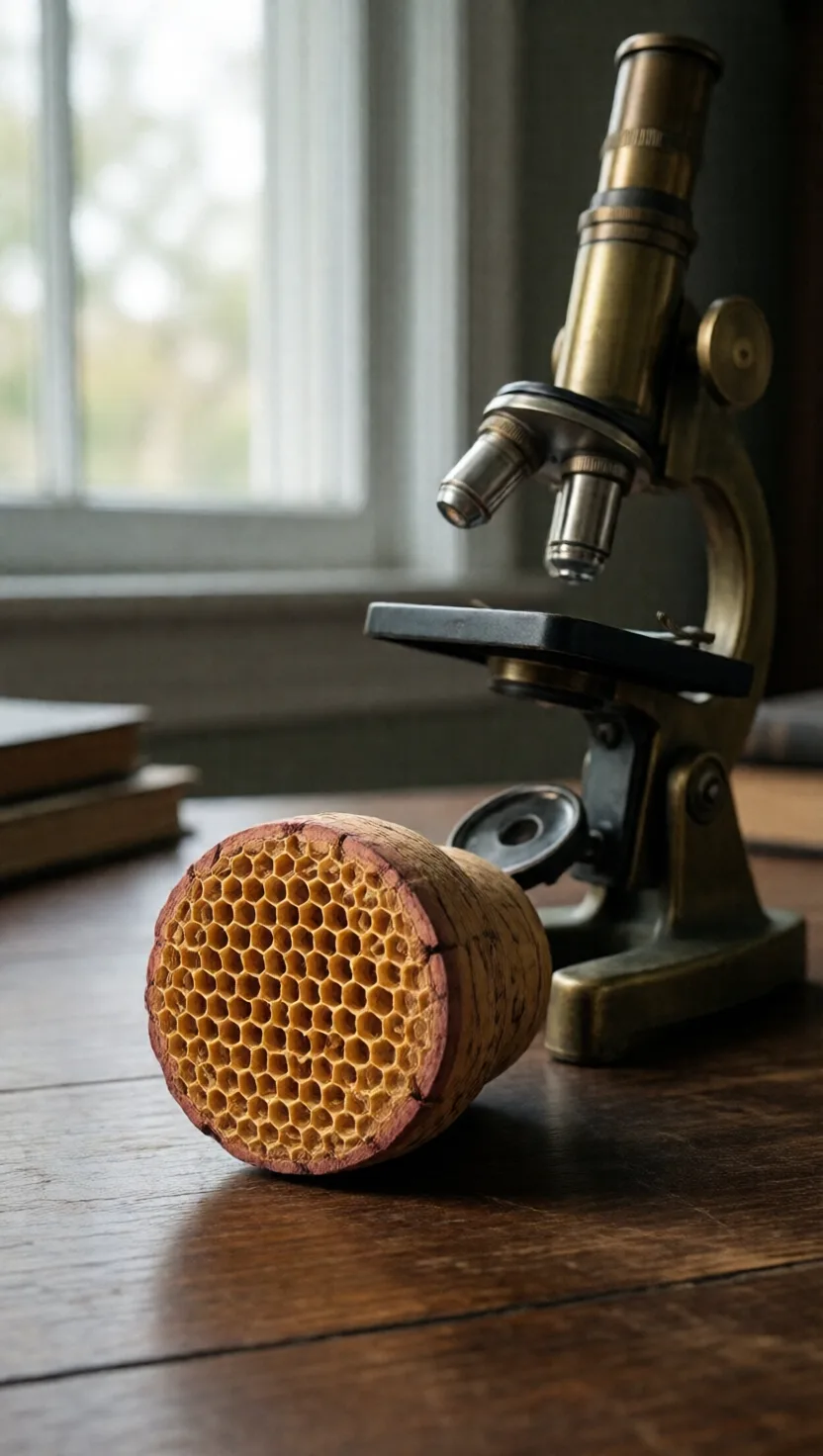
In 1665, Robert Hooke aimed an early microscope at a thin shaving of cork and saw rows of tiny empty boxes. They reminded him of the bare little rooms monks lived in, so he called them cells. The name stuck and became the foundation of all biology. Every time we say a living thing is made of cells, we are echoing a man staring at dead bark in his book Micrographia.
A cork is mostly trapped air, sealed in tiny cells

A cork is mostly trapped air, sealed in tiny cells

Cork feels solid but is over half air. It is built from millions of dead, hollow cells, roughly 40 million packed into a single cubic centimeter, each sealed in a waxy substance called suberin. That suberin makes the walls watertight, so the trapped air cannot escape and liquid cannot get in. This is why a cork floats, springs back when squeezed, and weighs only about one-fifth as much as water.
A champagne cork starts out as a straight cylinder

A champagne cork starts out as a straight cylinder

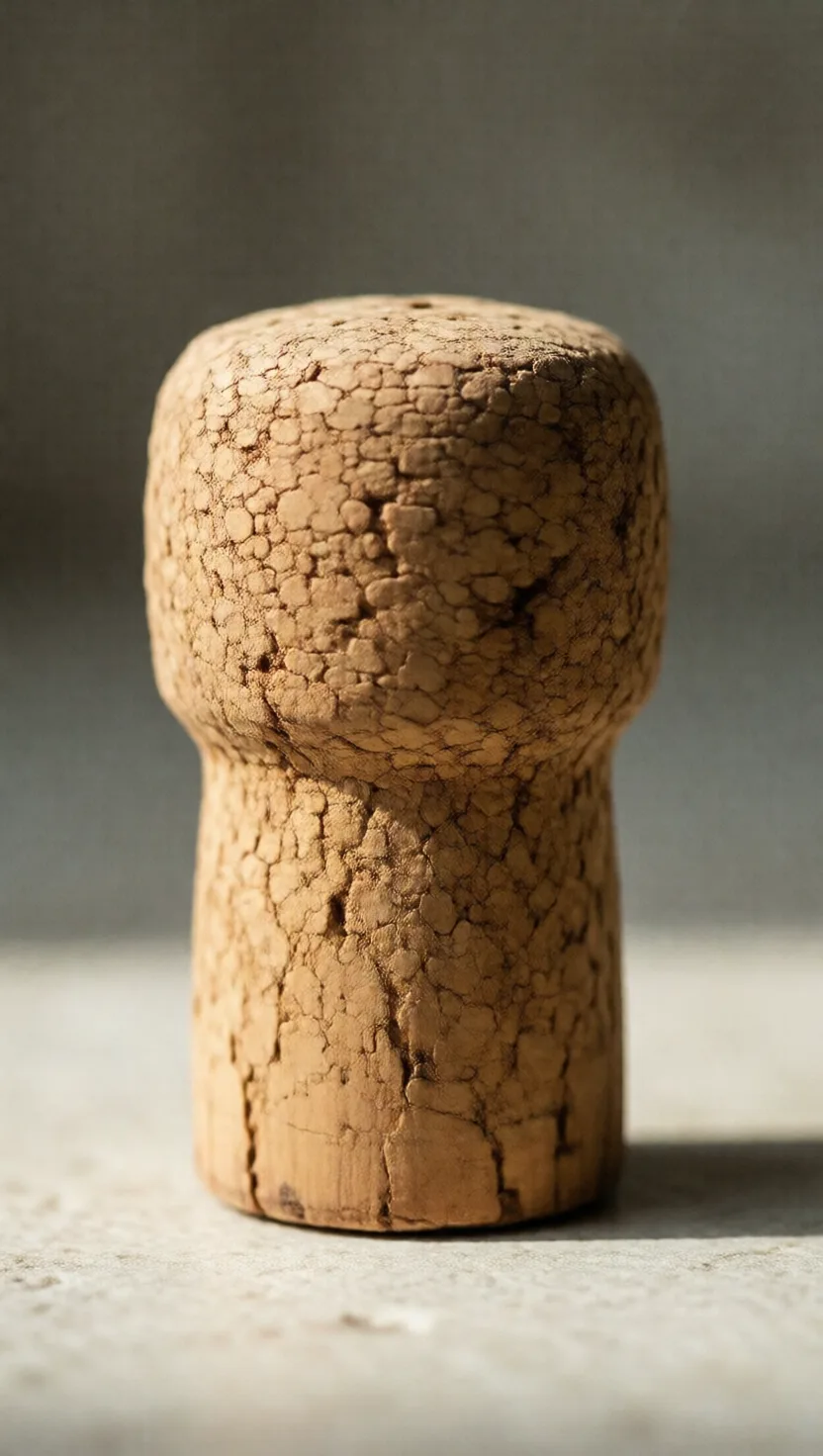
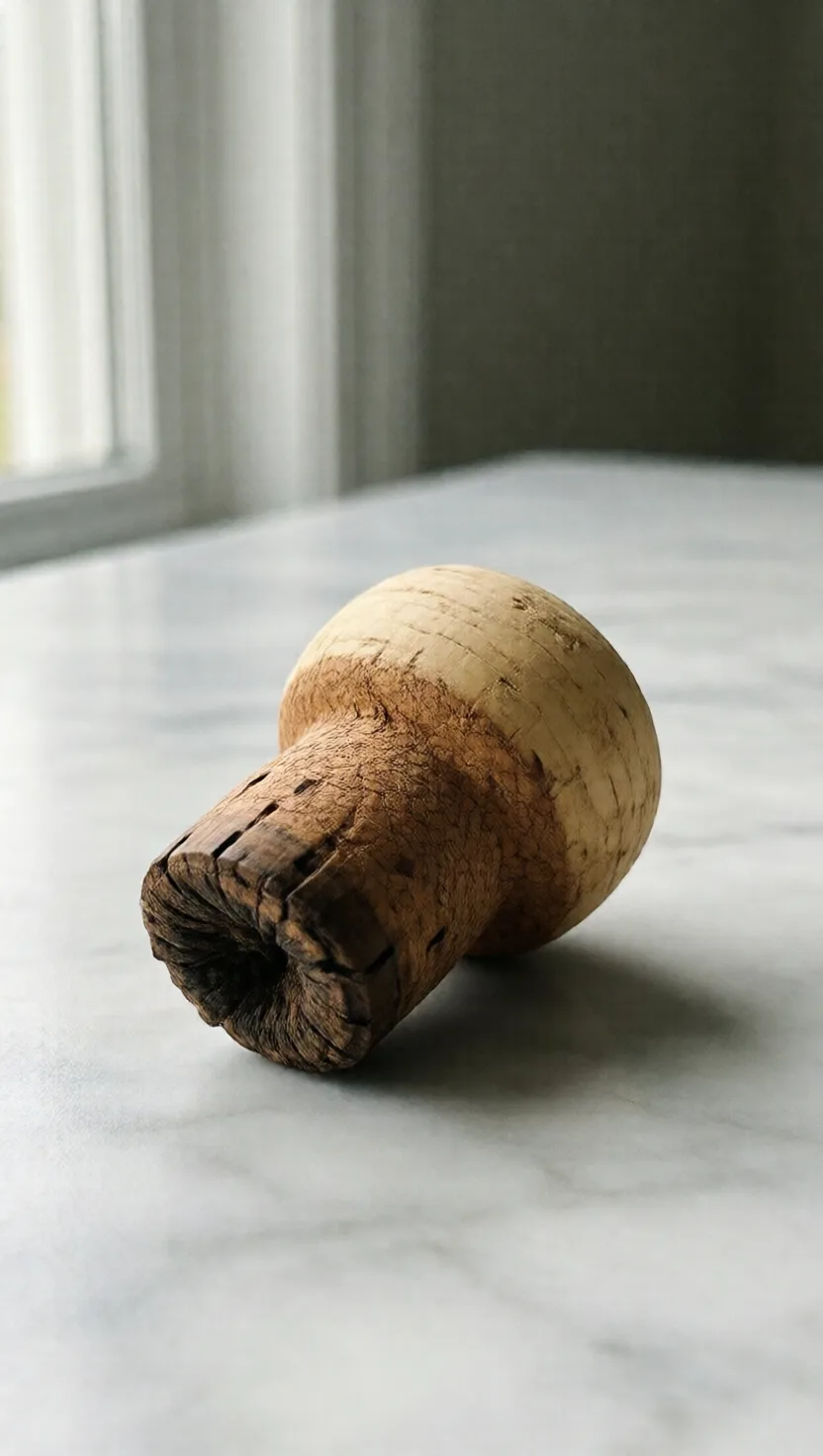
The wide-shouldered mushroom shape of a champagne cork is not how it was made. It begins as a plain straight cylinder about 31 mm across, then gets crushed to nearly half that width and rammed into the bottle neck. The part inside slowly tries to spring back but cannot, while the exposed top stays fat, leaving the familiar mushroom. It must hold back about 6 bar of pressure, roughly three times a car tire.
Cinnamon is just tree bark, rolled up to dry

Cinnamon is just tree bark, rolled up to dry

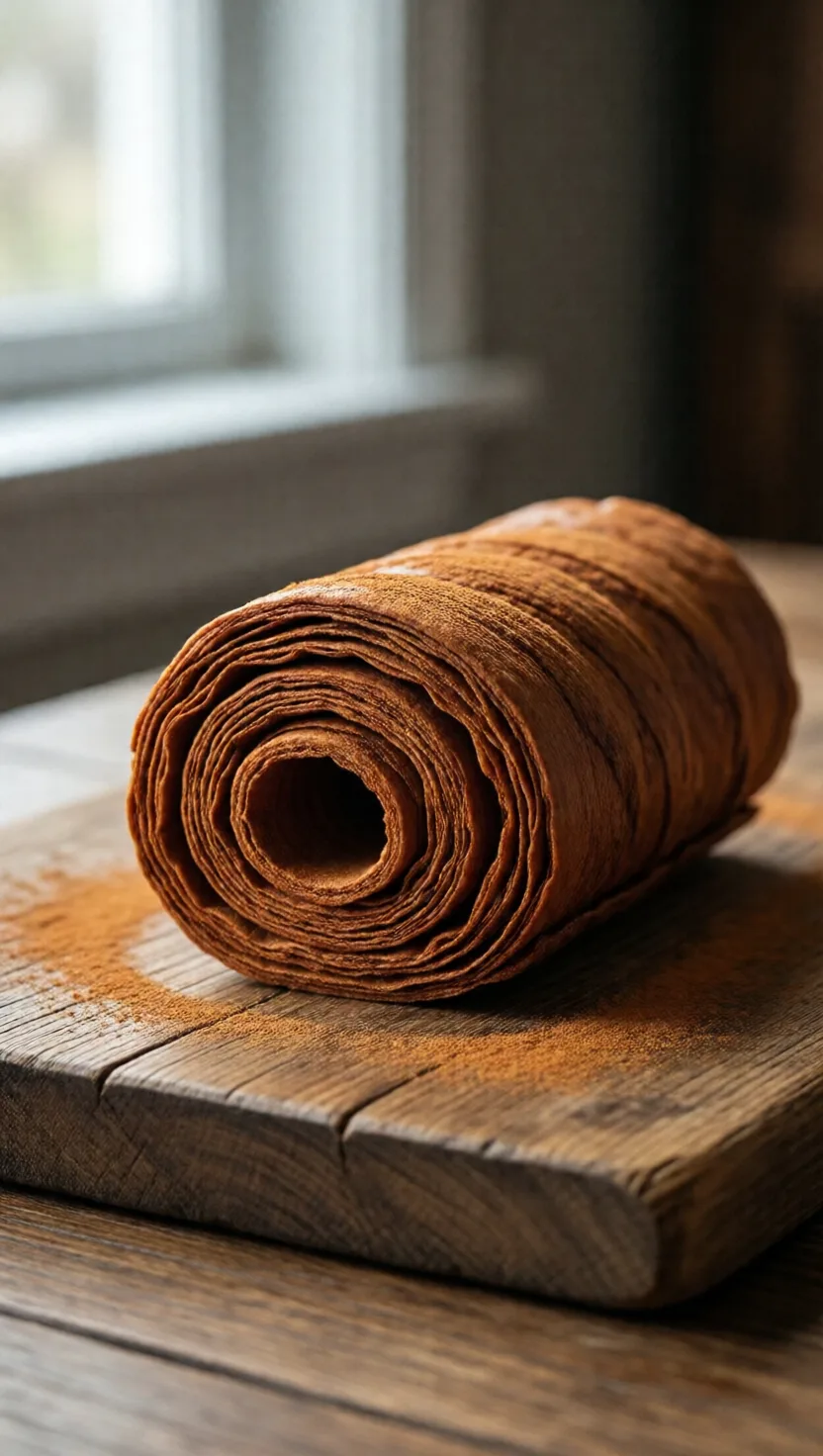
The warm brown stick in your cupboard is bark. Cinnamon comes from the thin inner bark of Cinnamomum trees, peeled away beneath the rough outer skin, where the fragrant oils live. As the freshly cut strips dry, they curl inward on their own and harden into the tight rolls we call quills. So a cinnamon stick is literally a curled sheet of bark from a tropical evergreen tree.
For centuries, bark was the only cure for malaria

For centuries, bark was the only cure for malaria

Long before lab-made drugs, the world's defense against malaria came from a tree. The bark of the South American cinchona tree contains quinine, a bitter compound that fights the malaria parasite. Indigenous peoples of the Andes used it for generations, and by 1681 the powdered bark was a recognized fever remedy in Europe. Quinine was finally isolated from the bark in 1820, and it still treats severe malaria today.
This bark peels off in waterproof paper sheets

This bark peels off in waterproof paper sheets

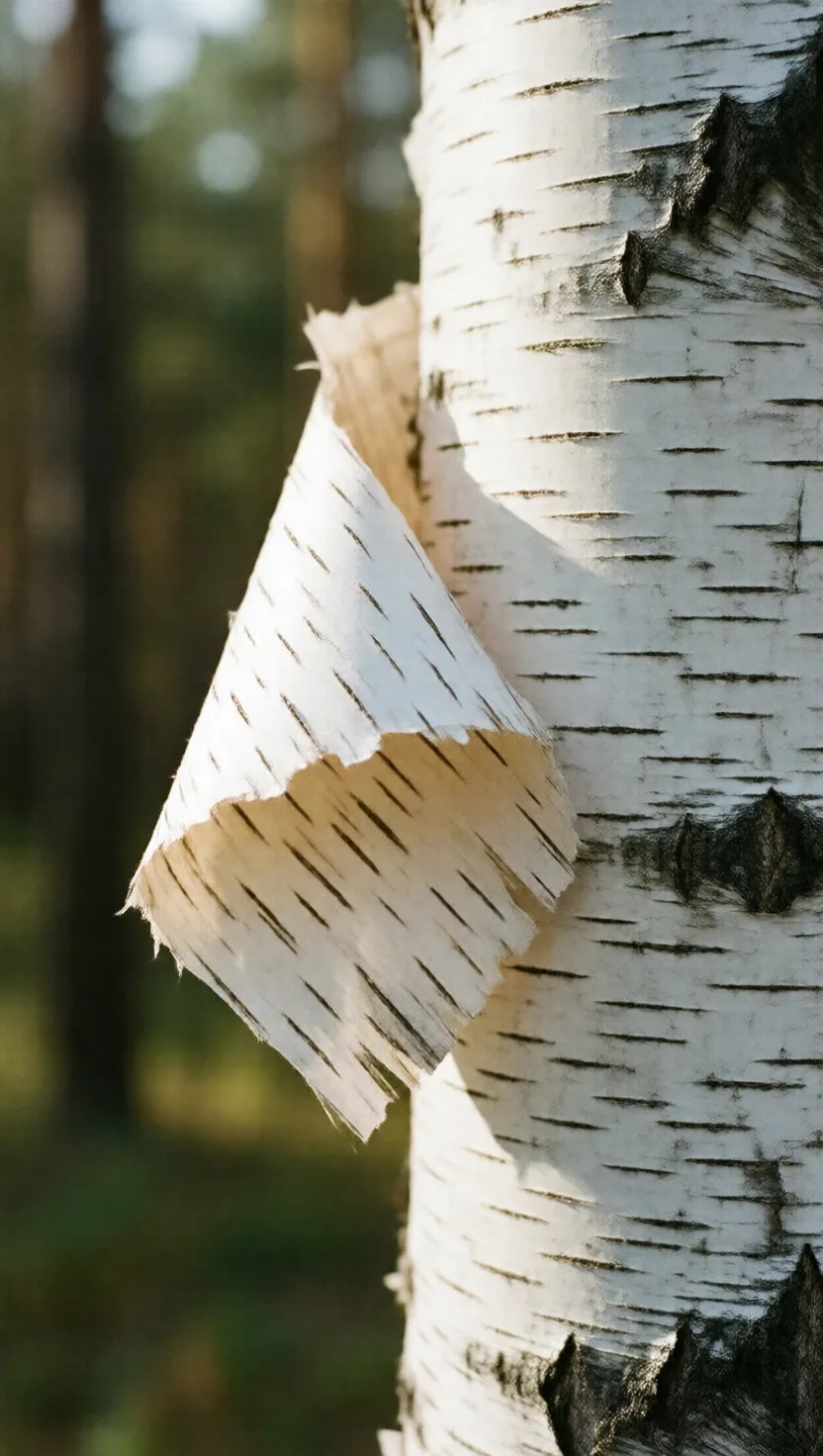
Birch bark separates into thin papery layers that peel away like sheets, marked by the dark horizontal dashes called lenticels that let the tree breathe. The bark is rich in a waxy compound called betulin, which makes it naturally water-repellent and slow to rot. That combination of strength, flexibility, and waterproofing is why people built canoes and watertight containers from birch bark for thousands of years.
This bark can shrug off a forest fire

This bark can shrug off a forest fire

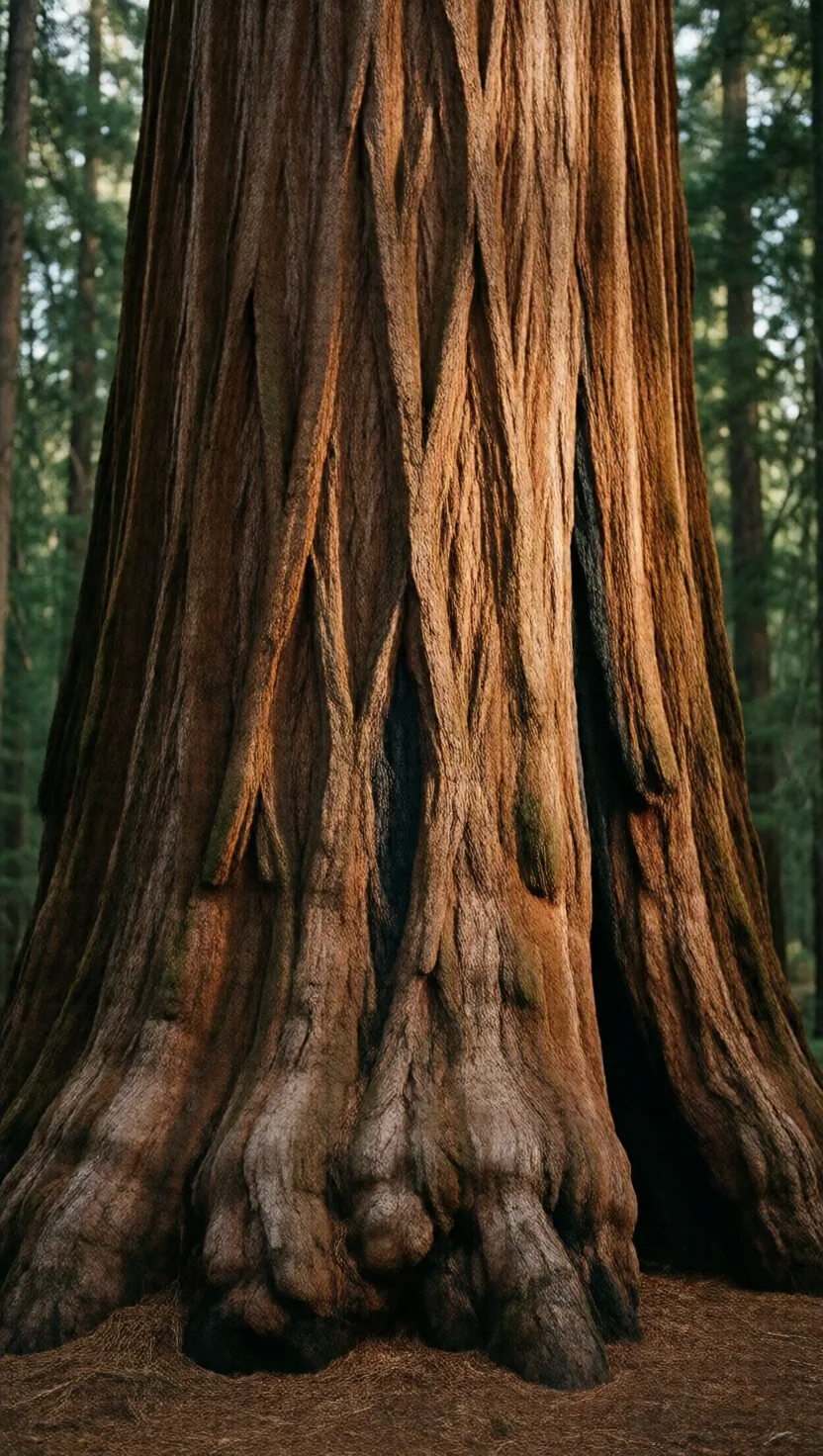
The giant sequoia survives fires that level other trees, and its armor is its bark. The spongy, fibrous outer bark grows up to about two feet thick and is packed with tannins, compounds that resist burning. Instead of catching flame, it chars slowly and insulates the living layer beneath, keeping the inner cambium below the roughly 60 degrees Celsius at which cells die. A mature sequoia has likely never been killed by a single fire.
tap →swipe ↑ for depthswipe ↓ to exit