Eight things the rocks that fall from space reveal

DC·133 Deep Cuts
This crystal lattice took millions of years to grow

This crystal lattice took millions of years to grow

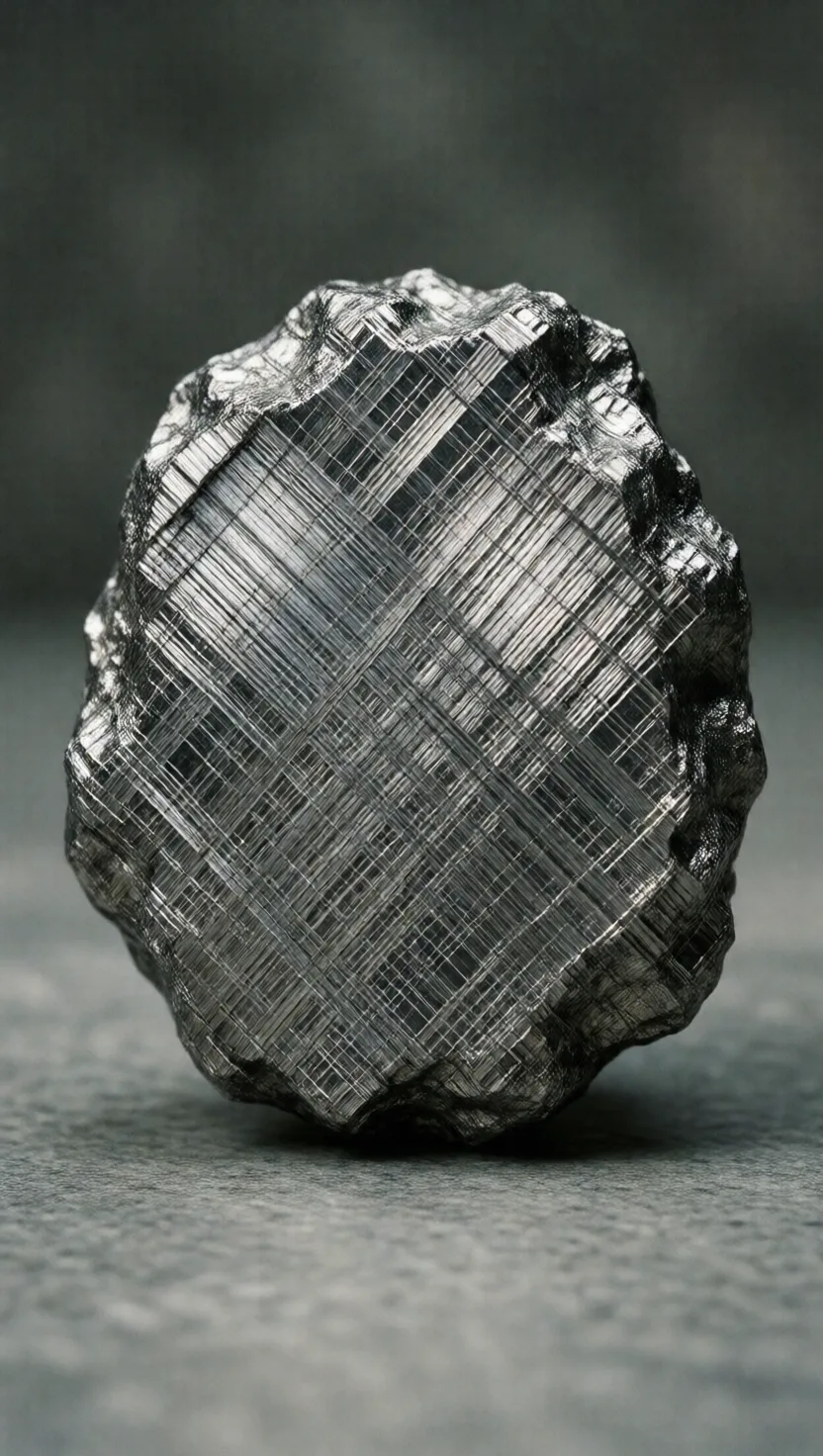
Slice an iron meteorite, polish it, and bathe it in dilute acid, and a lattice of interlocking metal bands appears: the Widmanstatten pattern. It forms only when molten nickel-iron cools at roughly 100 to a few hundred degrees Celsius per million years, slow enough for two alloys, kamacite and taenite, to separate into crystals. No furnace on Earth can fake it; the wide bands mean the metal sat deep inside a slowly cooling asteroid core for ages.
Green gems suspended in space metal

Green gems suspended in space metal

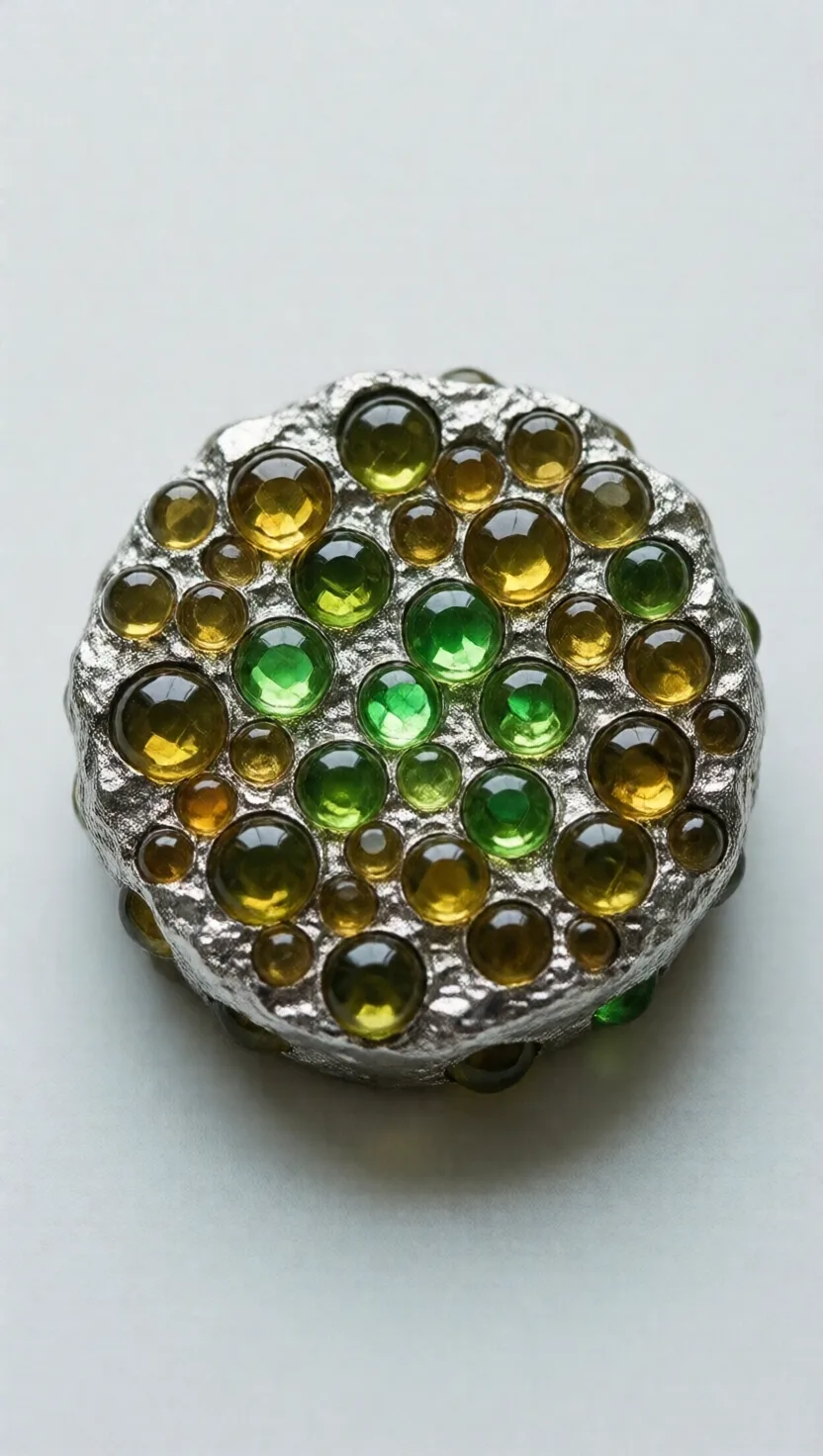
A pallasite is the rarest beauty among meteorites: golden-green olivine crystals, the same mineral as the gem peridot, embedded in a solid nickel-iron metal matrix. They are pieces of a shattered asteroid where molten metal core met rocky mantle, then froze together. Pallasites make up only about 1 percent of all meteorites, and when a slice is cut thin and lit from behind, the olivine glows like stained glass set in steel.
The Arctic's only iron came from the sky

The Arctic's only iron came from the sky

For over a thousand years, Inuit in northwest Greenland had no smelting, yet they carried iron knives and harpoon tips. The metal came from the Cape York meteorite, a 58-tonne iron mass that fell long ago. They cold-hammered chips of it, harder than bog iron thanks to its 7 percent nickel, into tools and traded them across the Arctic. The largest 31-tonne piece, called Ahnighito, was hauled away in the 1890s and is still the heaviest meteorite on public display.
60 tonnes too heavy to ever move

60 tonnes too heavy to ever move

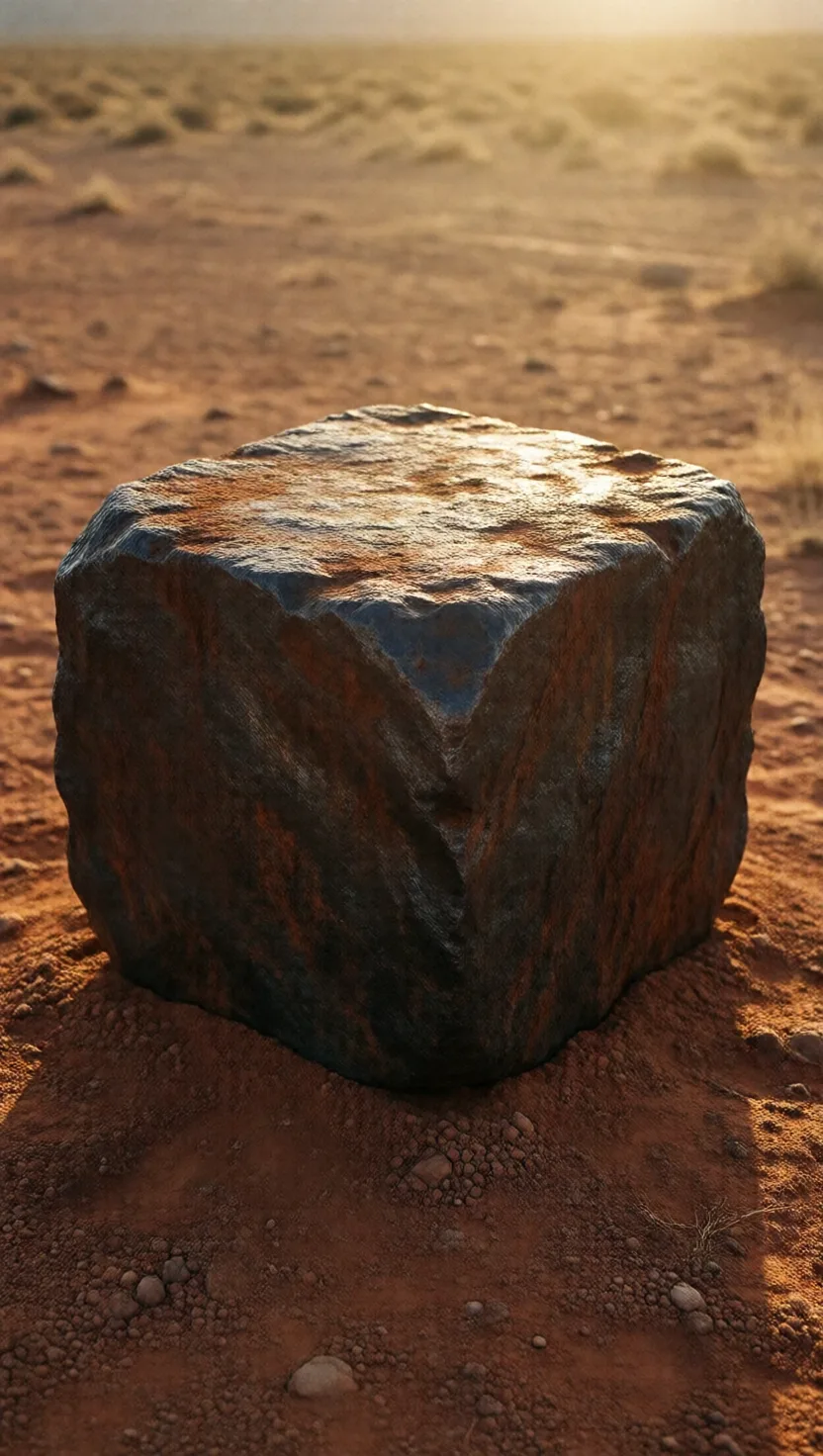
The Hoba meteorite in Namibia is the largest single meteorite ever found, a slab of about 84 percent iron and 16 percent nickel weighing more than 60 tonnes. It fell less than 80,000 years ago, yet there is no impact crater: it is thought to have skimmed in at a shallow angle and slowed in the air, landing almost gently. Discovered by a farmer ploughing in 1920, it has never been moved, because nothing on the farm could lift it.
A black glaze melted on in seconds of falling

A black glaze melted on in seconds of falling

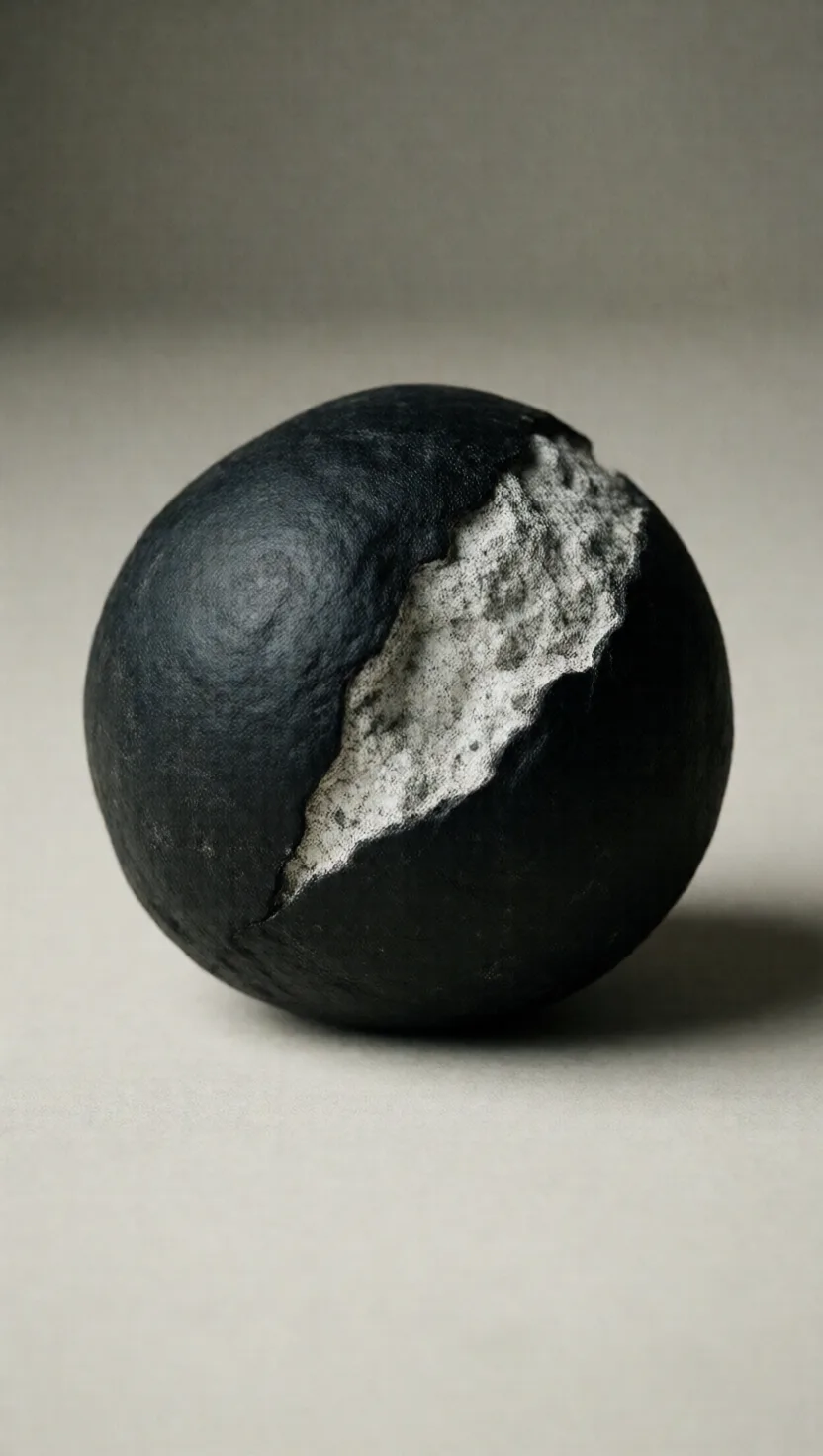
Most freshly fallen meteorites wear a thin black shell called fusion crust. As the rock tears through the atmosphere, its surface heats to thousands of degrees and the outer skin melts, streaming away as it goes; the very last melt to form freezes into a glassy coating rarely more than 1 millimeter thick, dark with tiny magnetite crystals. The inside stays cold and unchanged, so that paper-thin crust is the only part that ever felt the fire of arrival.
This rock carried the building blocks of life

This rock carried the building blocks of life

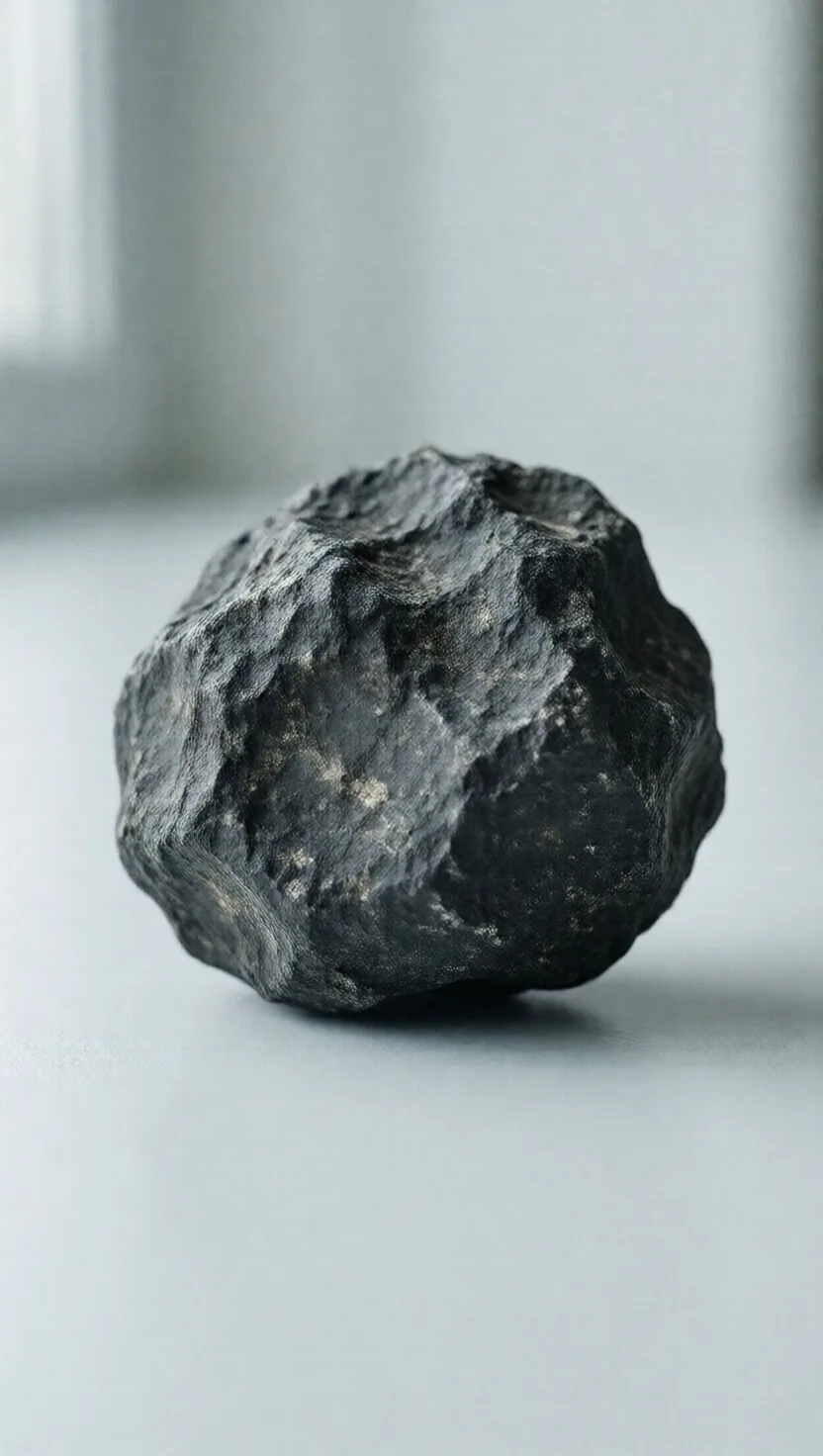
When the Murchison meteorite fell in Australia in 1969, scientists found something startling inside this carbonaceous chondrite: amino acids, the building blocks of proteins. Crucially they came in equal left- and right-handed forms, a balance life never makes, proving they formed in space, not from contamination. Later studies catalogued more than 90 amino acids in it, most unknown in earthly biology, hinting that the chemistry of life was scattered through the early Solar System.
Green glass flung from a crater 250 miles away

Green glass flung from a crater 250 miles away

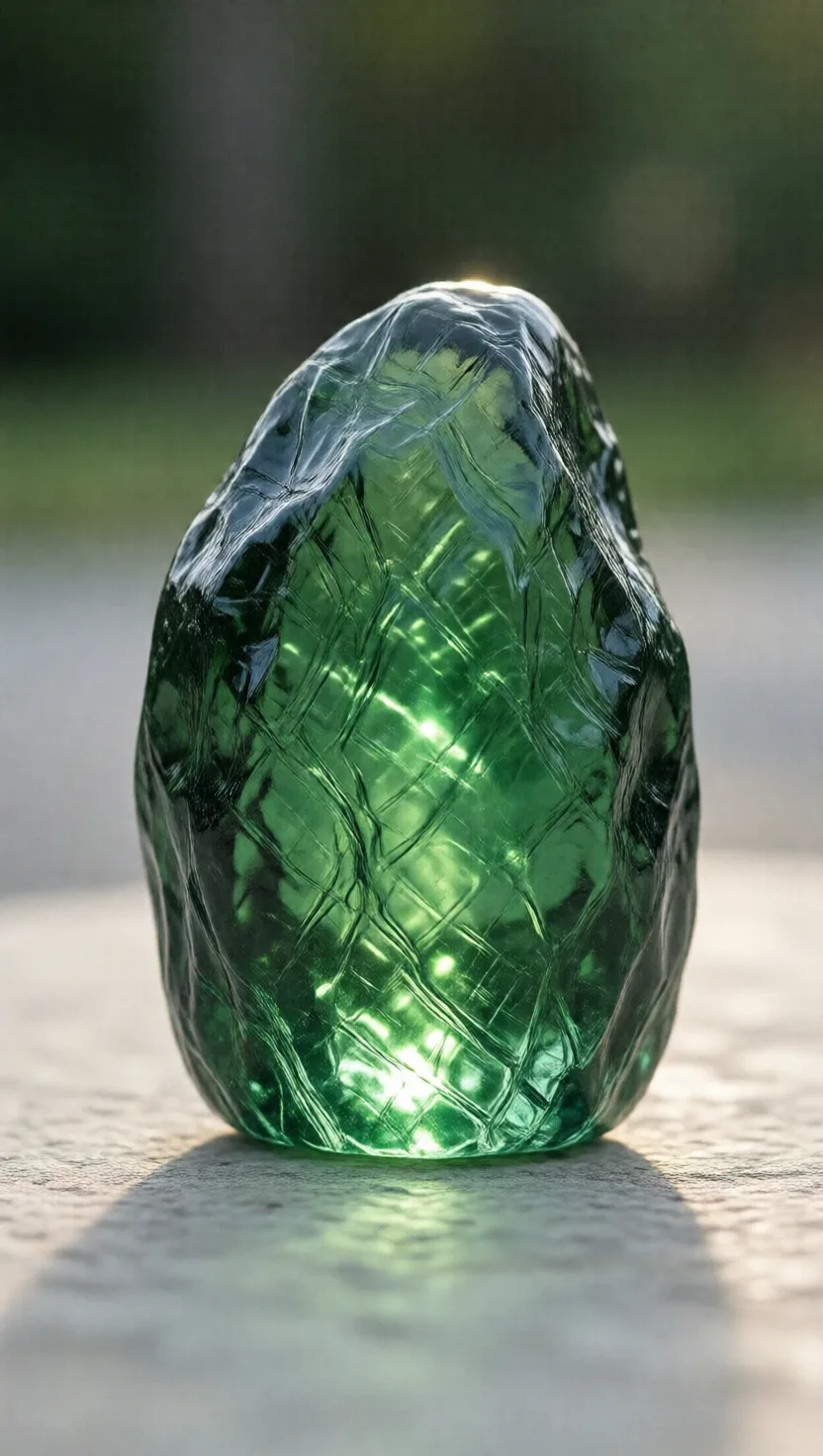
Moldavite is a forest-green natural glass, and it was born from violence. About 14.7 million years ago an asteroid slammed into what is now southern Germany, blasting out the Ries crater and melting the ground. Droplets of molten rock were thrown so high and far they cooled into glass while still airborne, raining down hundreds of kilometers away across Bohemia. Their teardrop and rippled shapes are frozen flight, the only gem-grade green tektite on Earth.
Those thumbprints are scars from the fall

Those thumbprints are scars from the fall

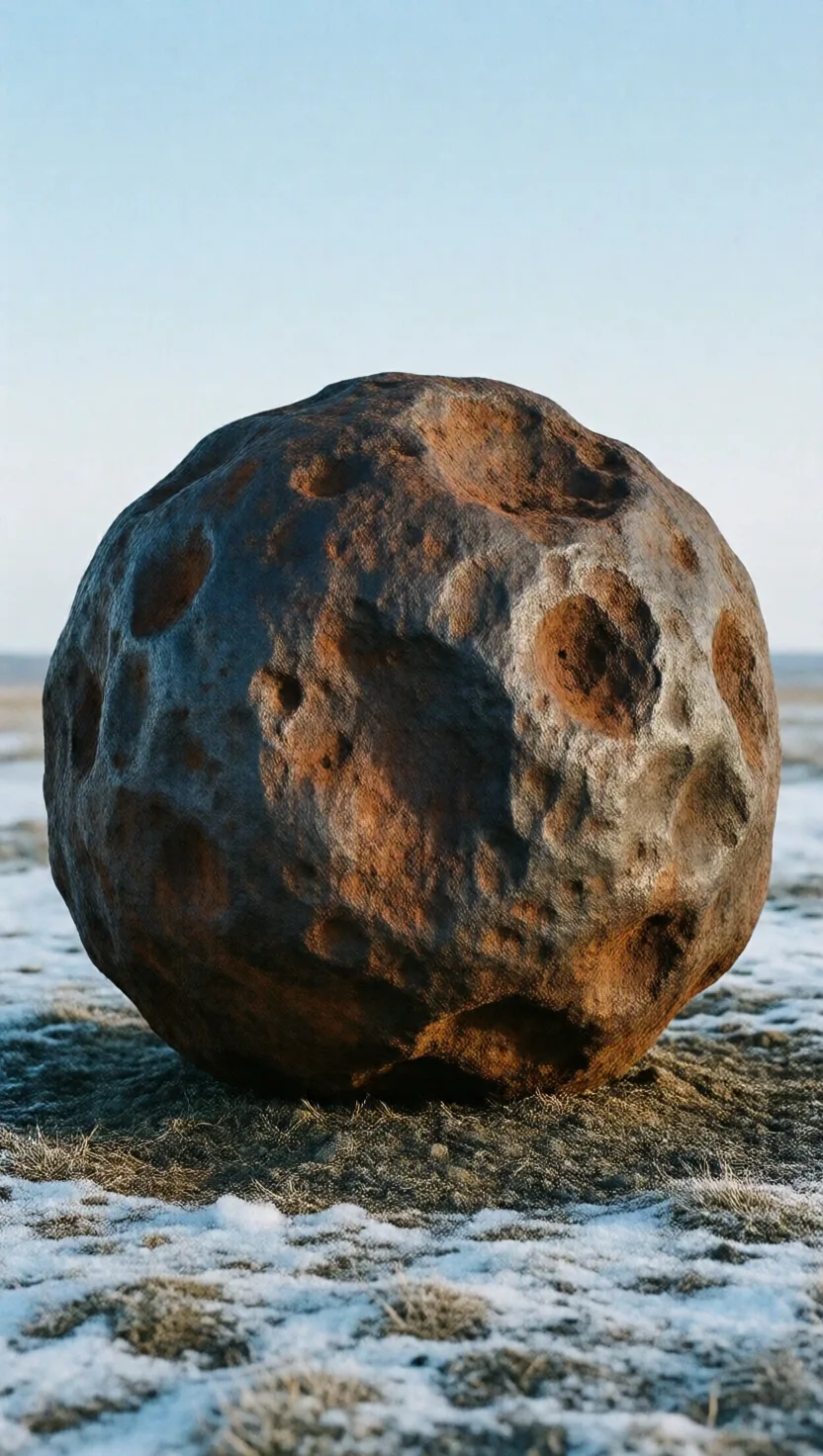
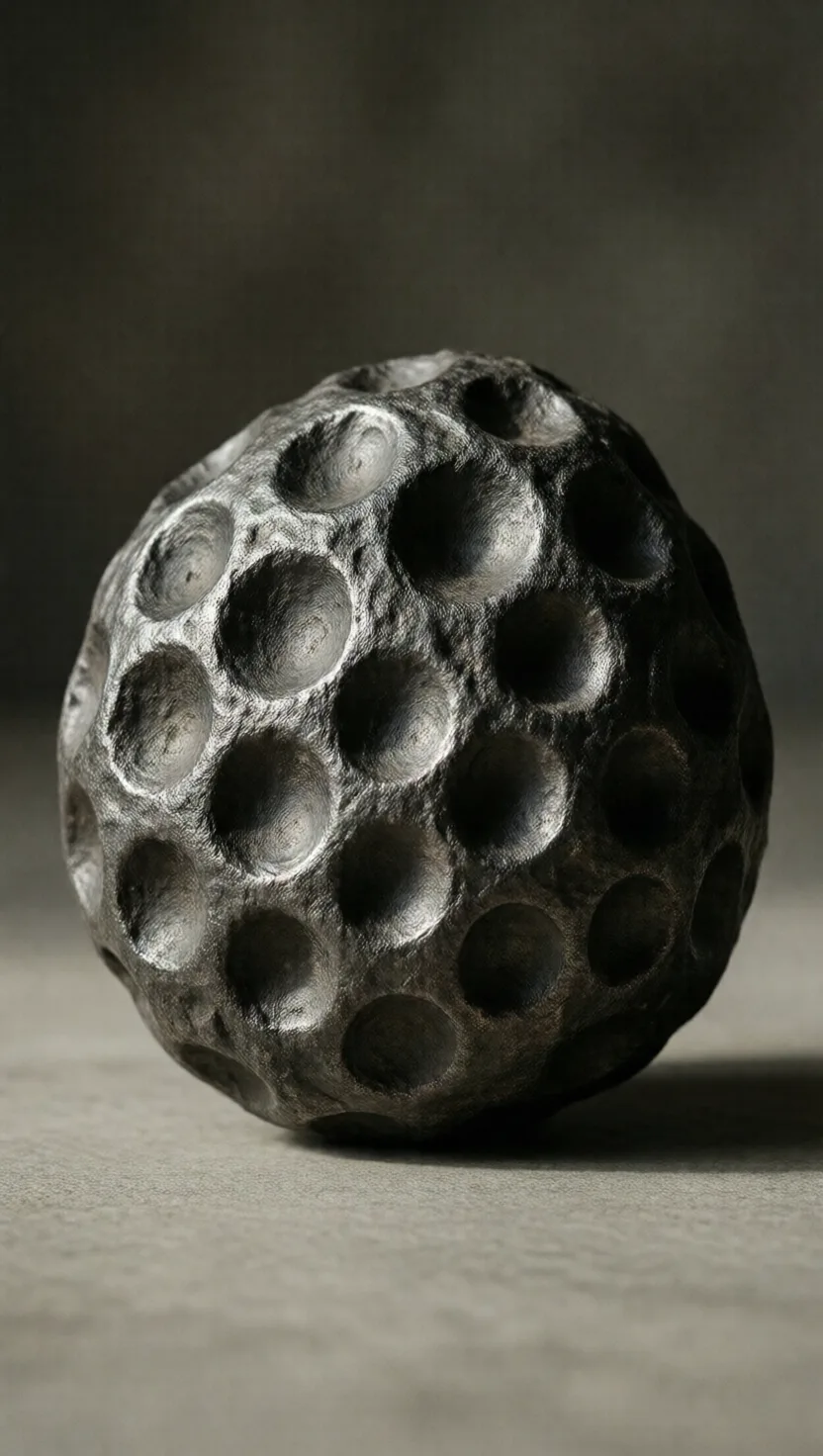
Many meteorites are dimpled with smooth scooped hollows called regmaglypts, often described as looking pressed by giant thumbs. They are not from impact with the ground but from the journey down: as the white-hot rock plunges through the air at hypersonic speed, swirling vortices of superheated gas melt and carve away the surface unevenly, sculpting these rounded pits. Each hollow is a fingerprint of the few searing seconds the stone spent burning through the sky.
tap →swipe ↑ for depthswipe ↓ to exit