Eight things cacti and succulents do to survive

DC·132 Deep Cuts
This plant grows just two leaves for 1,000 years

This plant grows just two leaves for 1,000 years

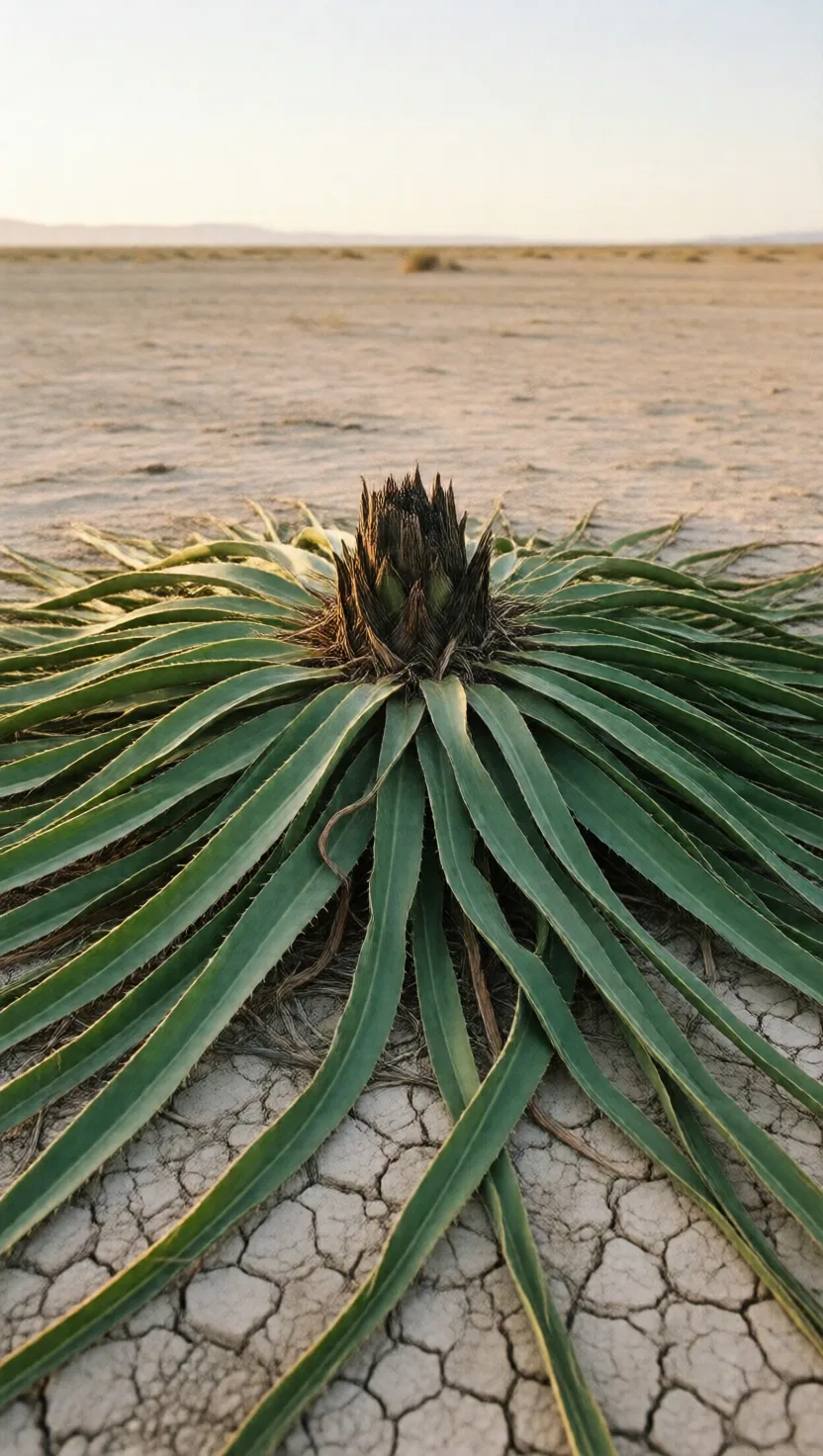
Welwitschia, of the Namib Desert, never grows new leaves. It sprouts exactly two strap-shaped leaves as a seedling and keeps them for life, growing them from the base while the tips fray and split in the wind. Some plants are carbon-dated past 1,000 years old, with the oldest estimated near 2,000. Those same two leaves have been collecting fog and sun the entire time.
This desert cactus leans south like a compass

This desert cactus leans south like a compass

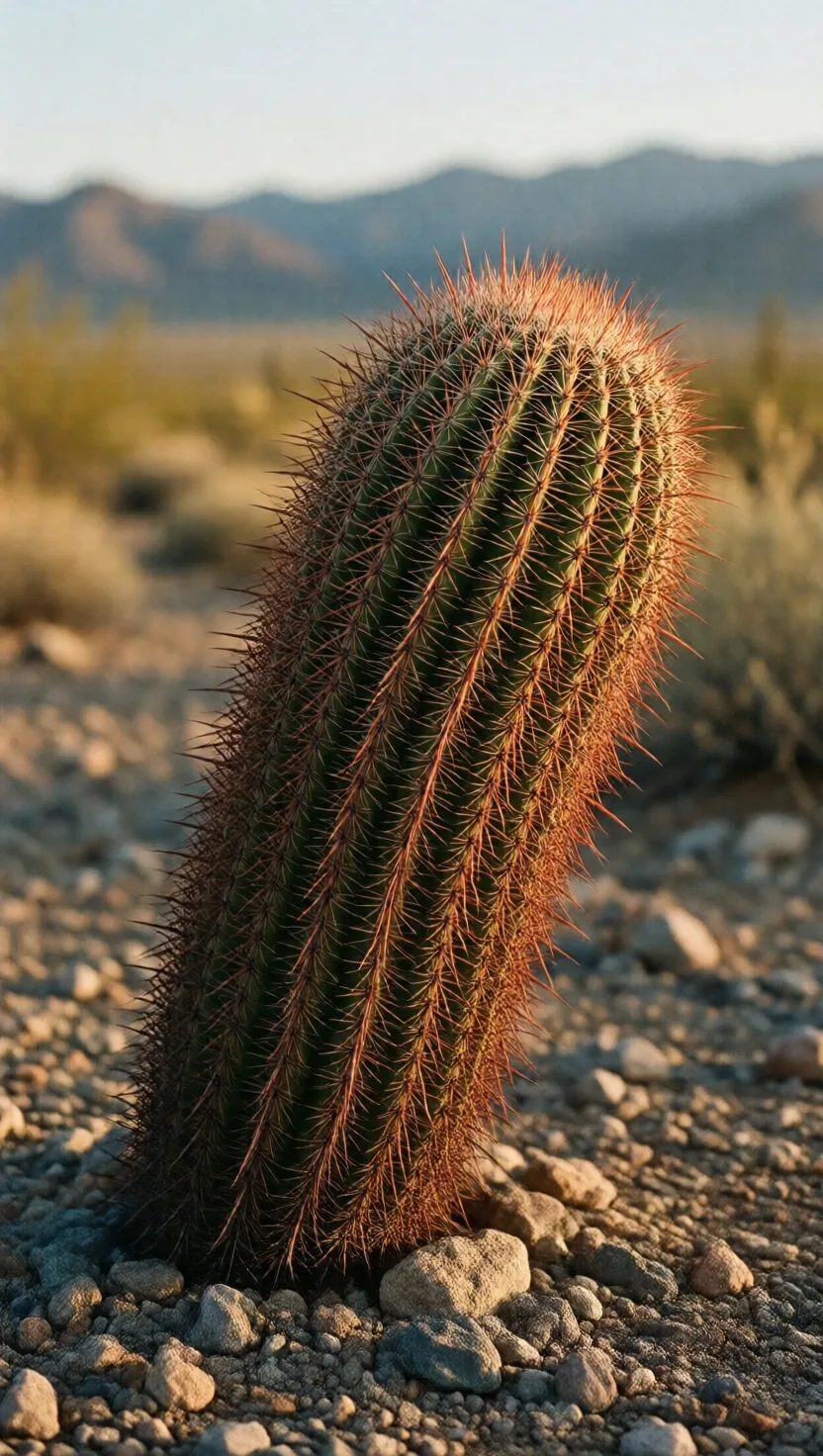
The fishhook barrel cactus earns the nickname compass barrel because mature plants tilt toward the south. The intense afternoon sun slows growth on the sunny side, so the shaded side grows faster and the whole barrel leans, sometimes far enough to topple. The lean grows more pronounced with age over a life of 50 to 100 years, turning the plant into a rough natural direction-finder.
A red dye hides in bugs on this cactus pad

A red dye hides in bugs on this cactus pad

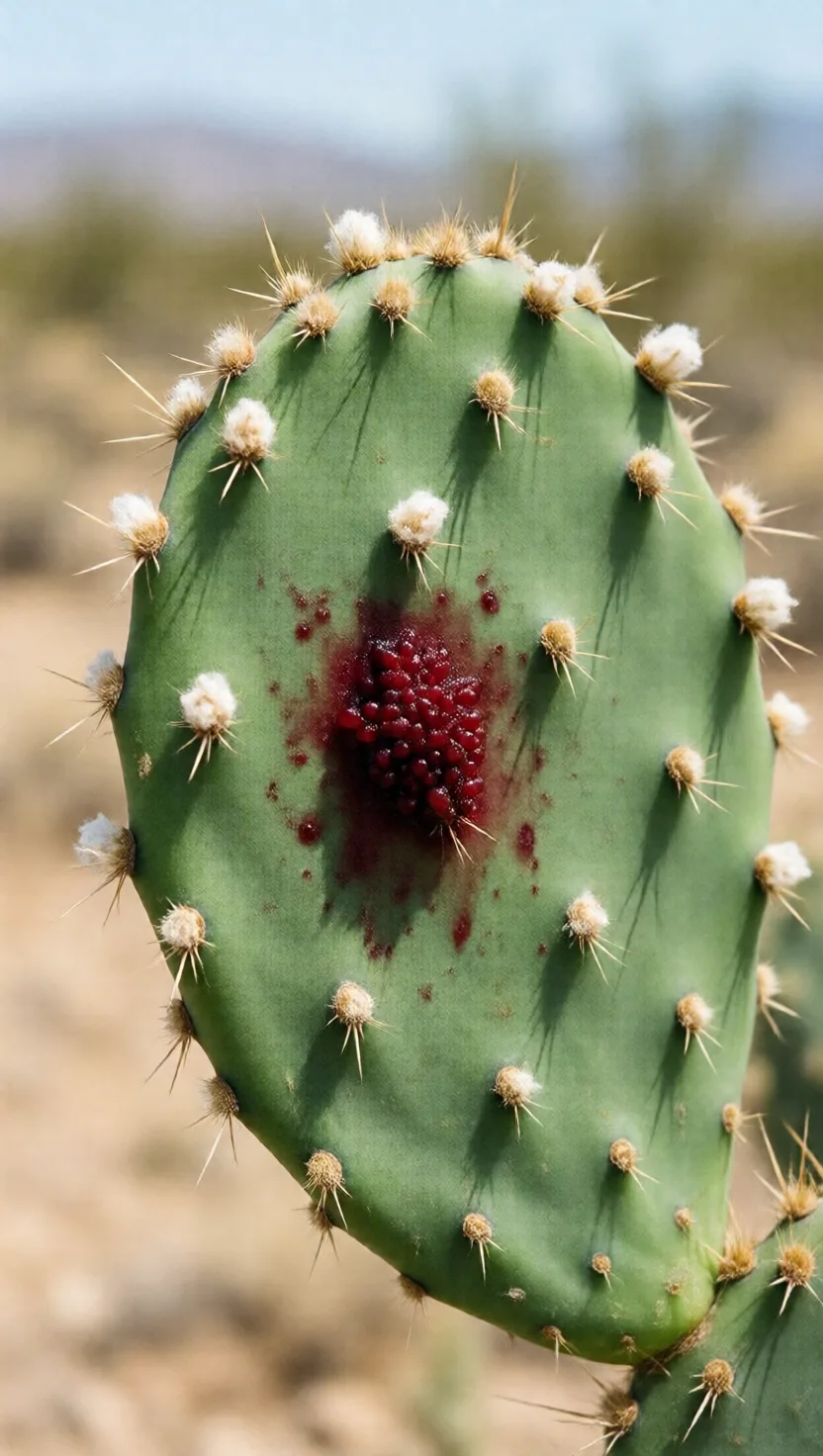
The crimson once prized above gold comes from cochineal, tiny scale insects that live in white waxy clusters on prickly pear pads. The females make carminic acid to deter predators, and crushing them yields a brilliant red still used in food and cosmetics. It takes roughly 70,000 dried insects to make about half a kilogram of dye, which is why the color was so costly for centuries.
It waits decades to bloom once, then dies

It waits decades to bloom once, then dies

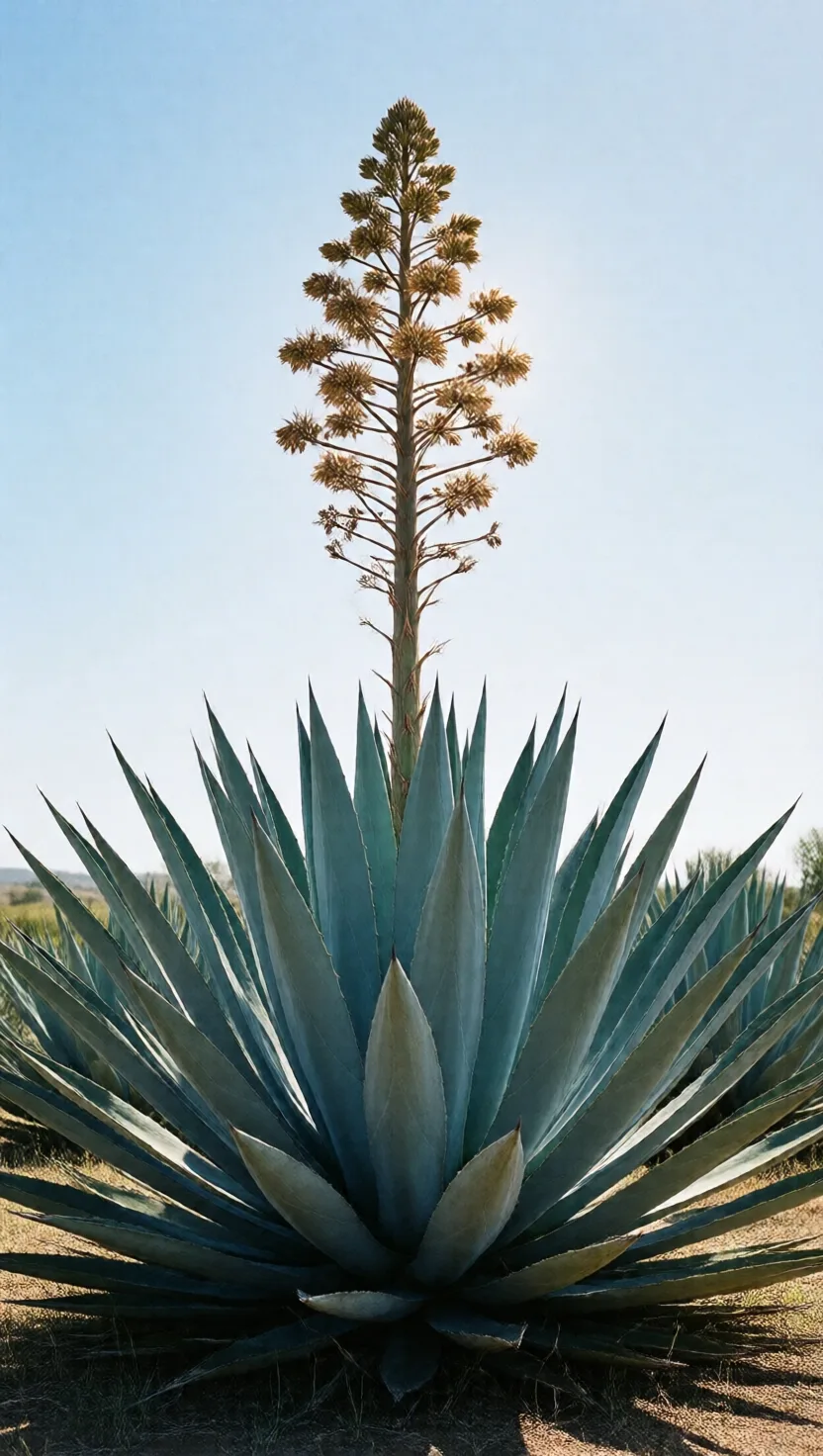
An agave, nicknamed the century plant, spends 10 to 30 years storing energy in its thick rosette of leaves. Then it sends up a single towering flower stalk that can pass 30 feet, growing several inches a day. After this one spectacular bloom the main plant is spent and dies, leaving offshoot pups around its base to carry on. It is monocarpic: one flowering is its whole life's finale.
This giant pleats up like an accordion to drink

This giant pleats up like an accordion to drink

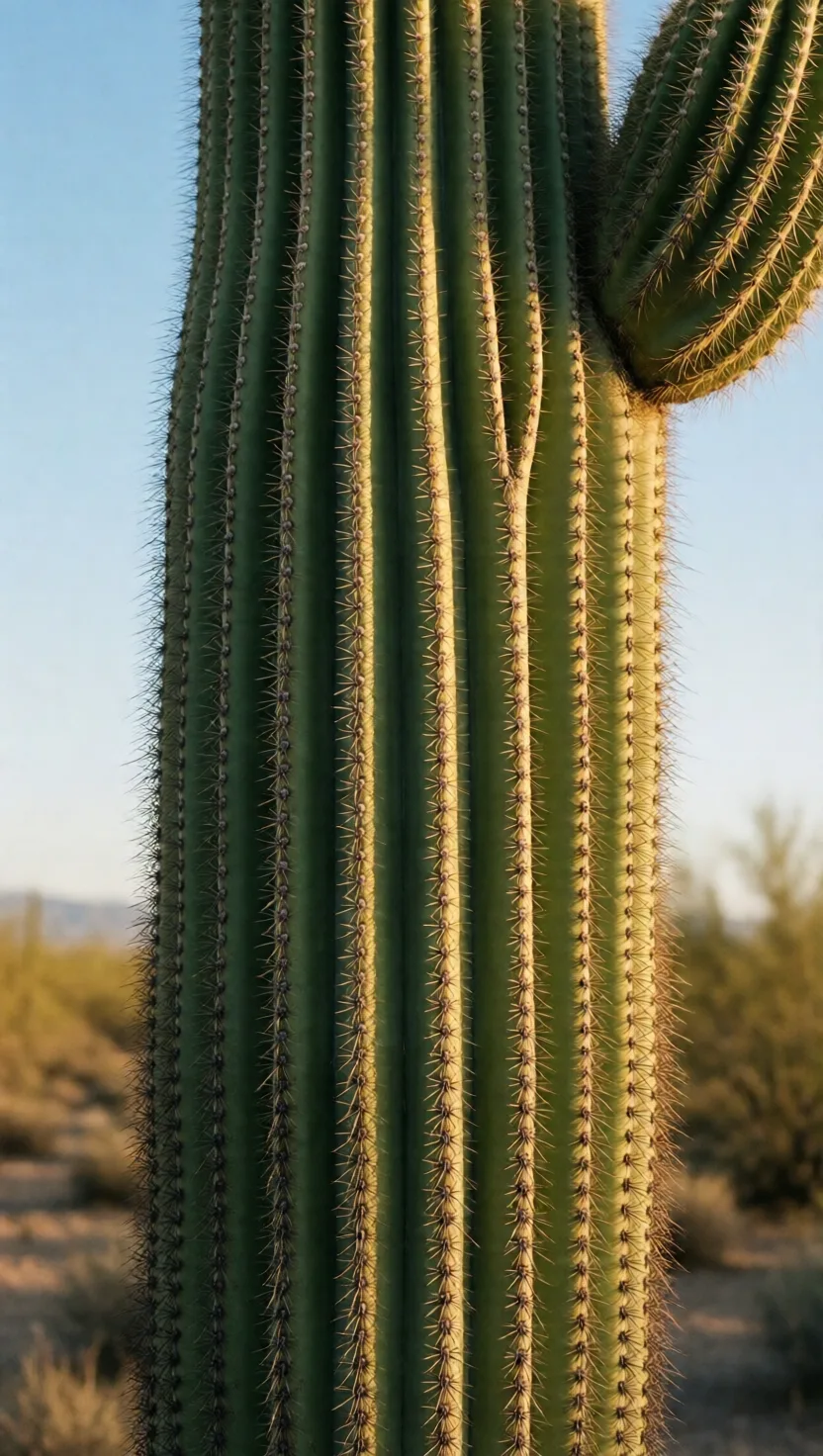
A saguaro's surface is folded into vertical accordion pleats. After rain its shallow roots pull in water fast, and the pleats expand outward so the stem swells without splitting, storing as much as 200 gallons. Fully hydrated, a big saguaro can weigh over a ton, mostly water. As drought returns the pleats contract again, letting the plant ride out months of dry desert heat.
This pebble-like plant is mostly buried, lit within

This pebble-like plant is mostly buried, lit within

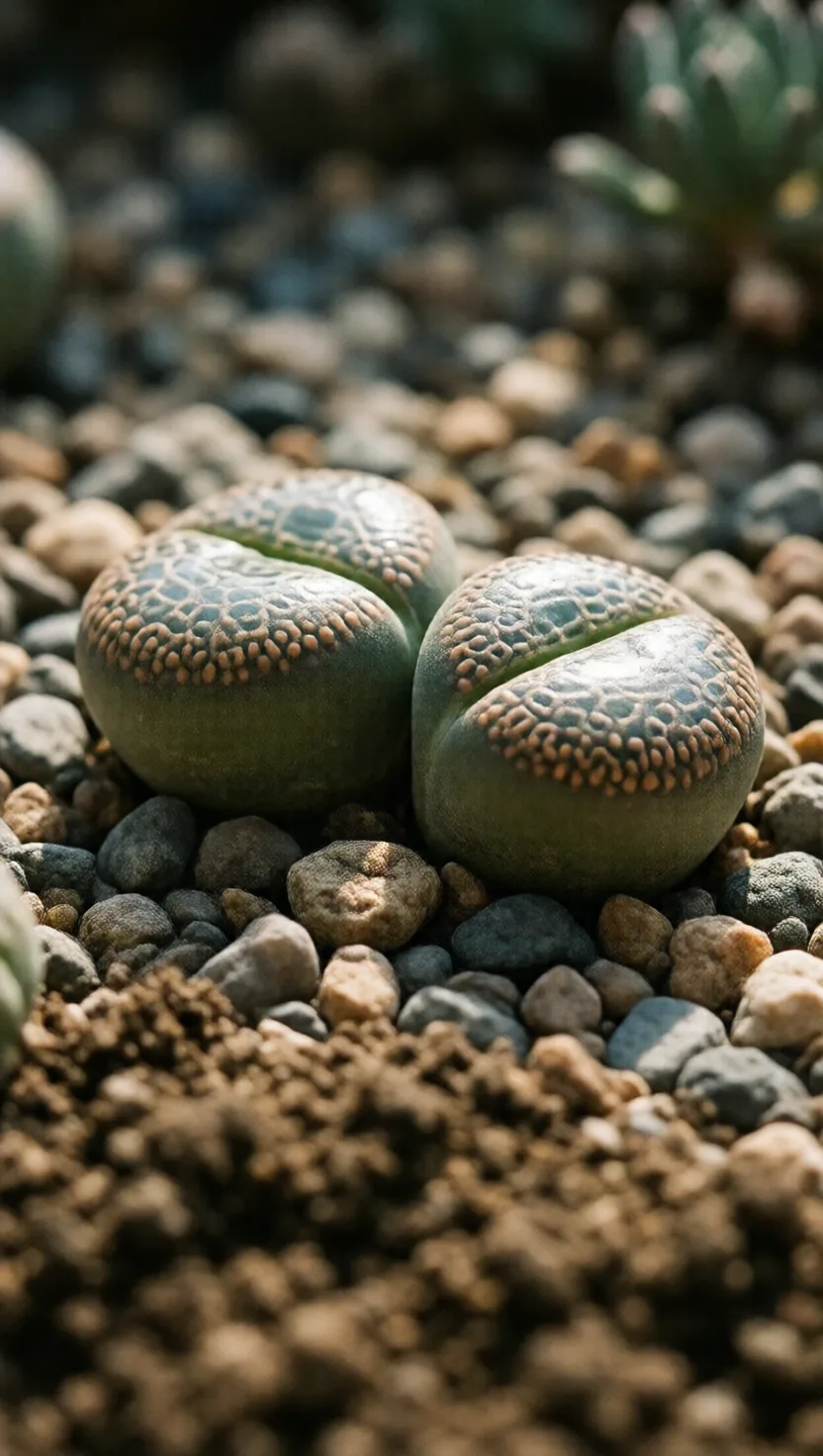
Lithops, the living stones of southern Africa, hide nearly their whole body underground with only a flat top showing, camouflaged among real pebbles. That exposed surface is a translucent leaf window. Light passes through it down into the buried leaf interior, where the chlorophyll actually sits, so the plant photosynthesizes deep below the surface while staying hidden from grazers and shielded from harsh sun.
This succulent breathes at night to save water

This succulent breathes at night to save water

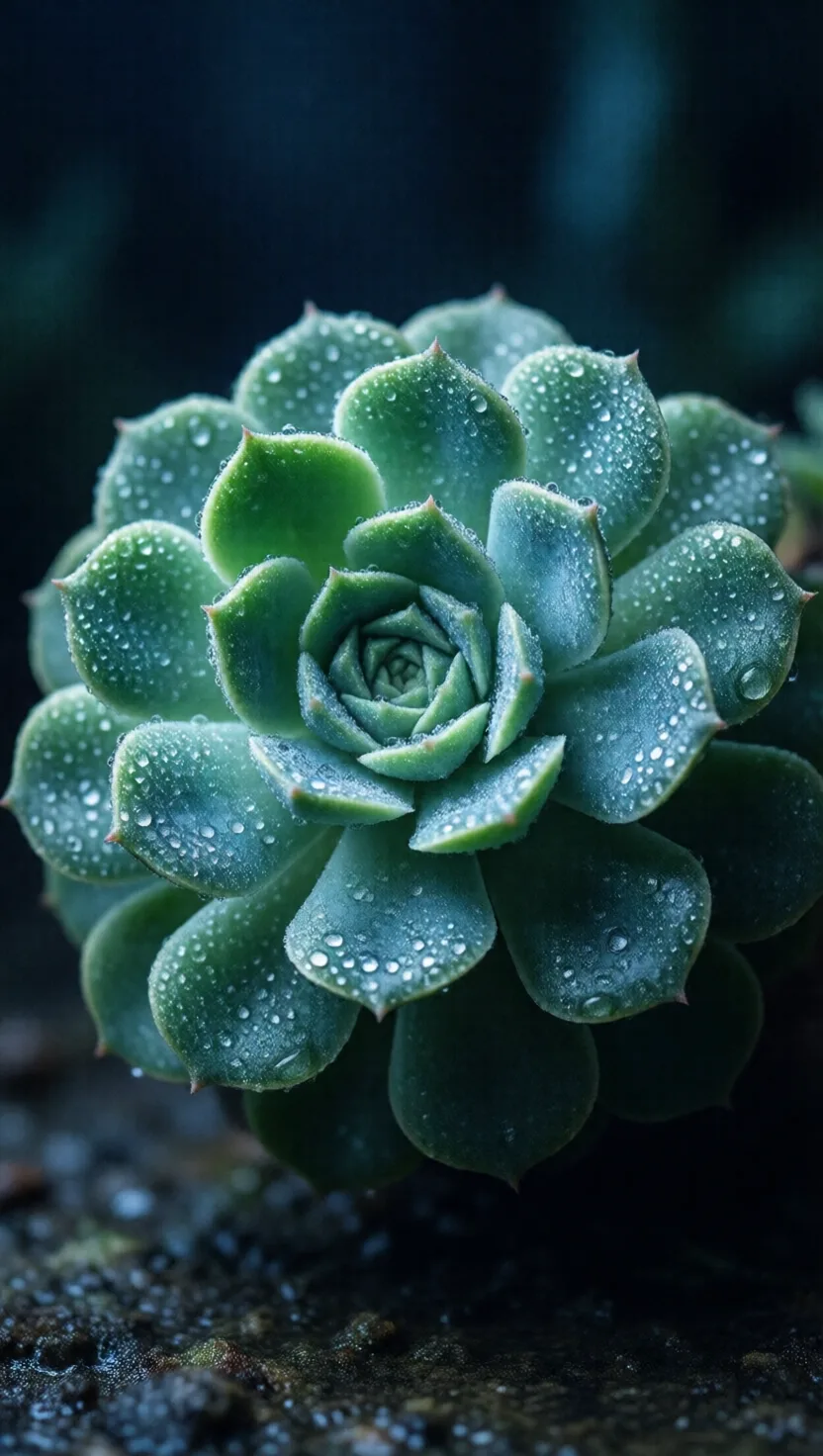
Most plants open their leaf pores by day, but cacti and many succulents flip the schedule. Using CAM photosynthesis they open their stomata only at night, when cool air means far less evaporation, capturing carbon dioxide and storing it as acid. By day the pores stay shut and that stored carbon feeds photosynthesis. Per unit of carbon fixed, CAM plants can lose around ten times less water than ordinary plants.
This crown of flowers opens only in the dark

This crown of flowers opens only in the dark

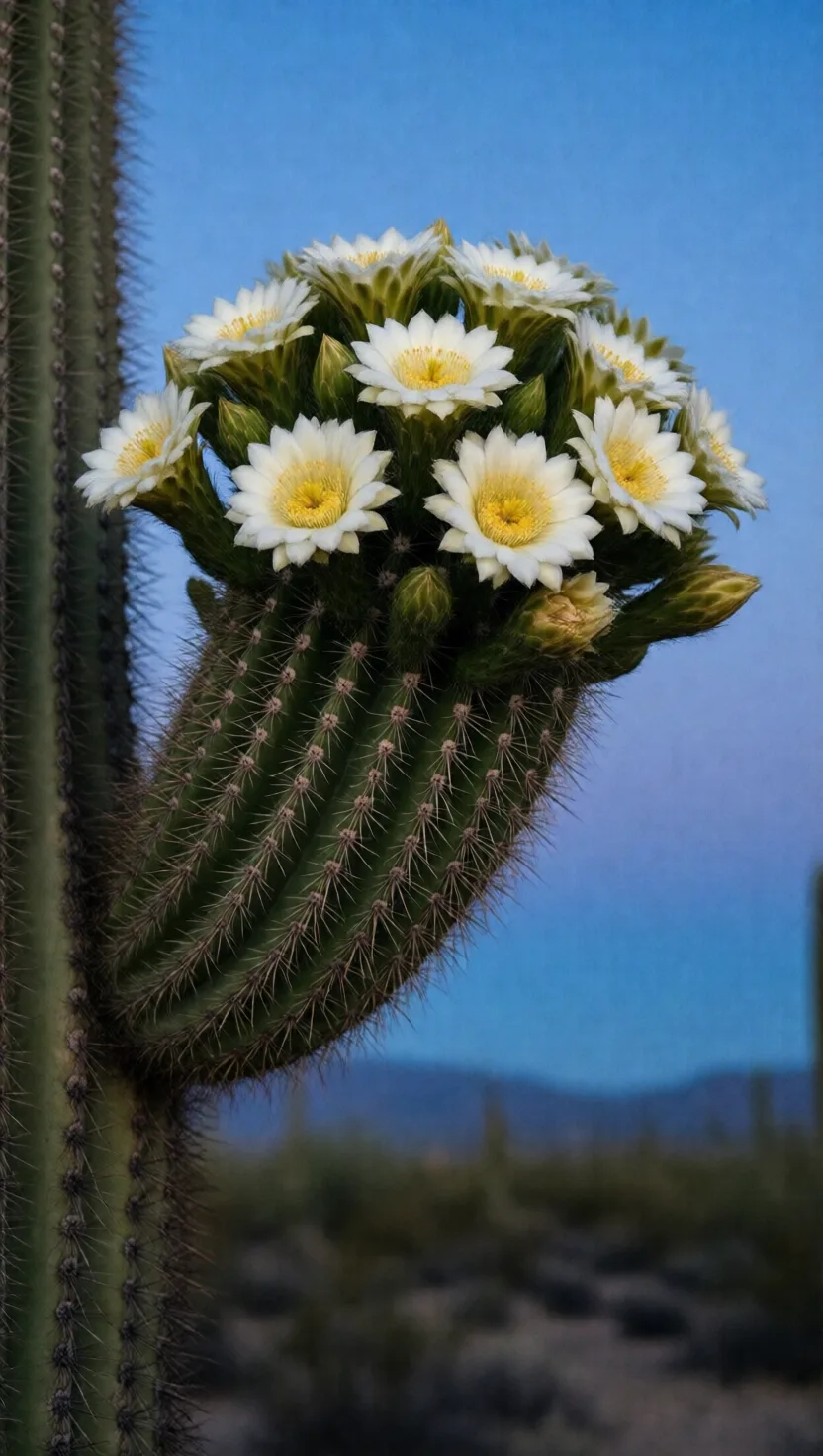
Saguaro blossoms break the daytime habit of most flowers. The creamy white blooms ringing the cactus tips open at night and pour out a melon-like scent that draws migrating lesser long-nosed bats, their main nighttime pollinators. Each flower stays open into the next afternoon for bees and birds, then never reopens. A single flower's window is only about 24 hours, so timing with the bats is everything.
tap →swipe ↑ for depthswipe ↓ to exit