Eight things the octopus and its kin can do

DC·130 Deep Cuts
An octopus can sense light with its skin

An octopus can sense light with its skin

An octopus's skin carries the same light-sensing proteins, called opsins, that line its eyes. Shine light on a patch of isolated octopus skin and the colour cells flex open on their own, with no help from the eyes or brain — fastest under blue light, the colour that reaches deepest in the sea. The skin can't form a sharp image, but it can feel brightness change, as if the whole animal were dusted with eyes.
It rewrites its own genetic code in the cold

It rewrites its own genetic code in the cold

Most animals are stuck with the proteins their DNA spells out. Octopuses, squid and cuttlefish constantly rewrite theirs: they edit the RNA messages between gene and protein at over 50,000 sites — against barely a thousand in humans. When the water turns cold, an octopus dials this editing up at more than 13,000 sites within hours, retuning its nerves to keep working. It is a living rough draft, revised on the fly to match the sea around it.
Most of its mind lives in its arms

Most of its mind lives in its arms

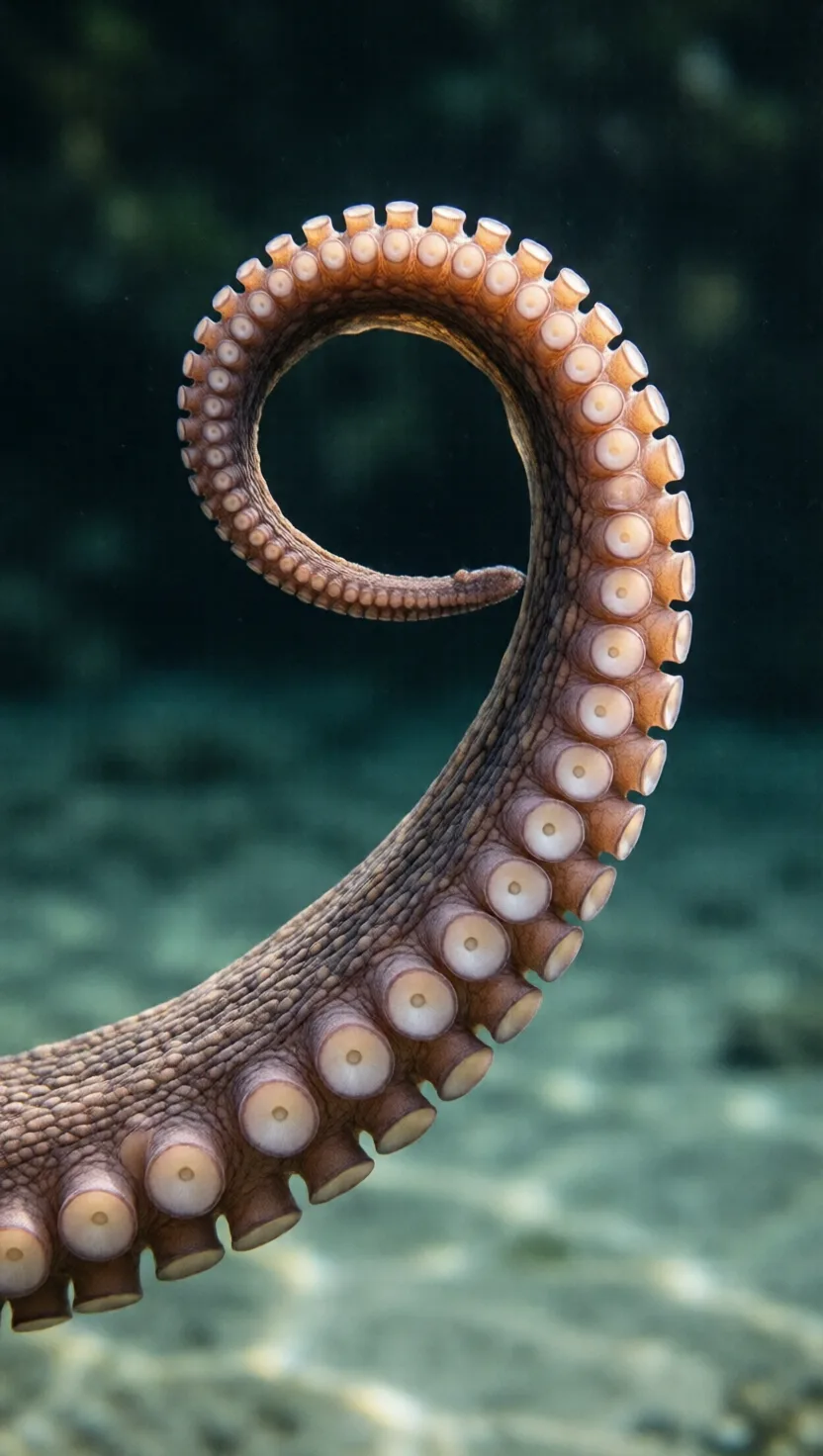
An octopus has around 500 million neurons — about as many as a dog — but more than two-thirds of them sit in its eight arms, not its central brain. Each arm has its own clusters of nerve cells and can taste, feel and decide largely on its own. A severed arm will still reach for and grasp food. The octopus is less one brain commanding eight limbs than nine thinkers loosely sharing a body.
Its suckers taste whatever they touch

Its suckers taste whatever they touch

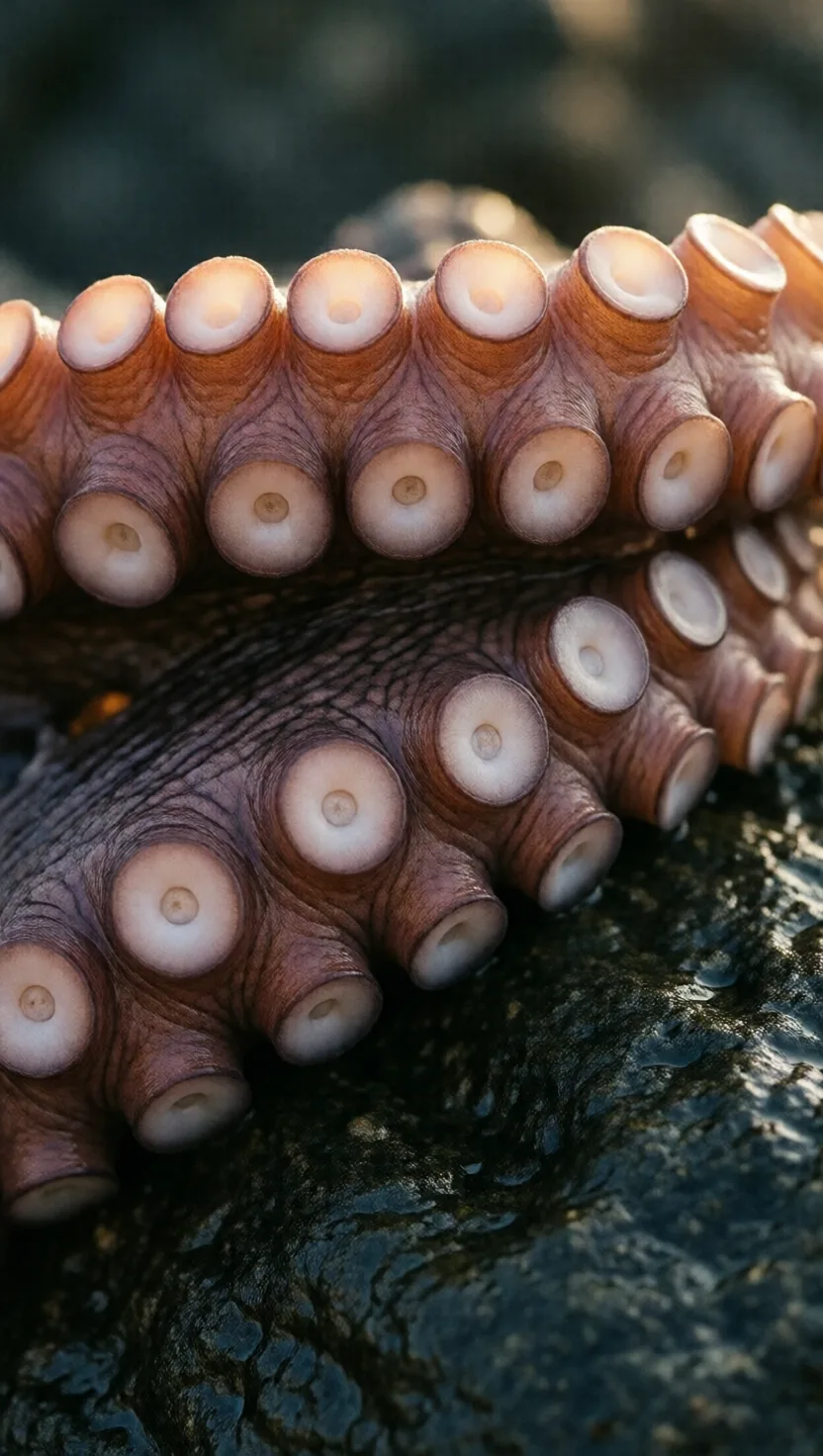
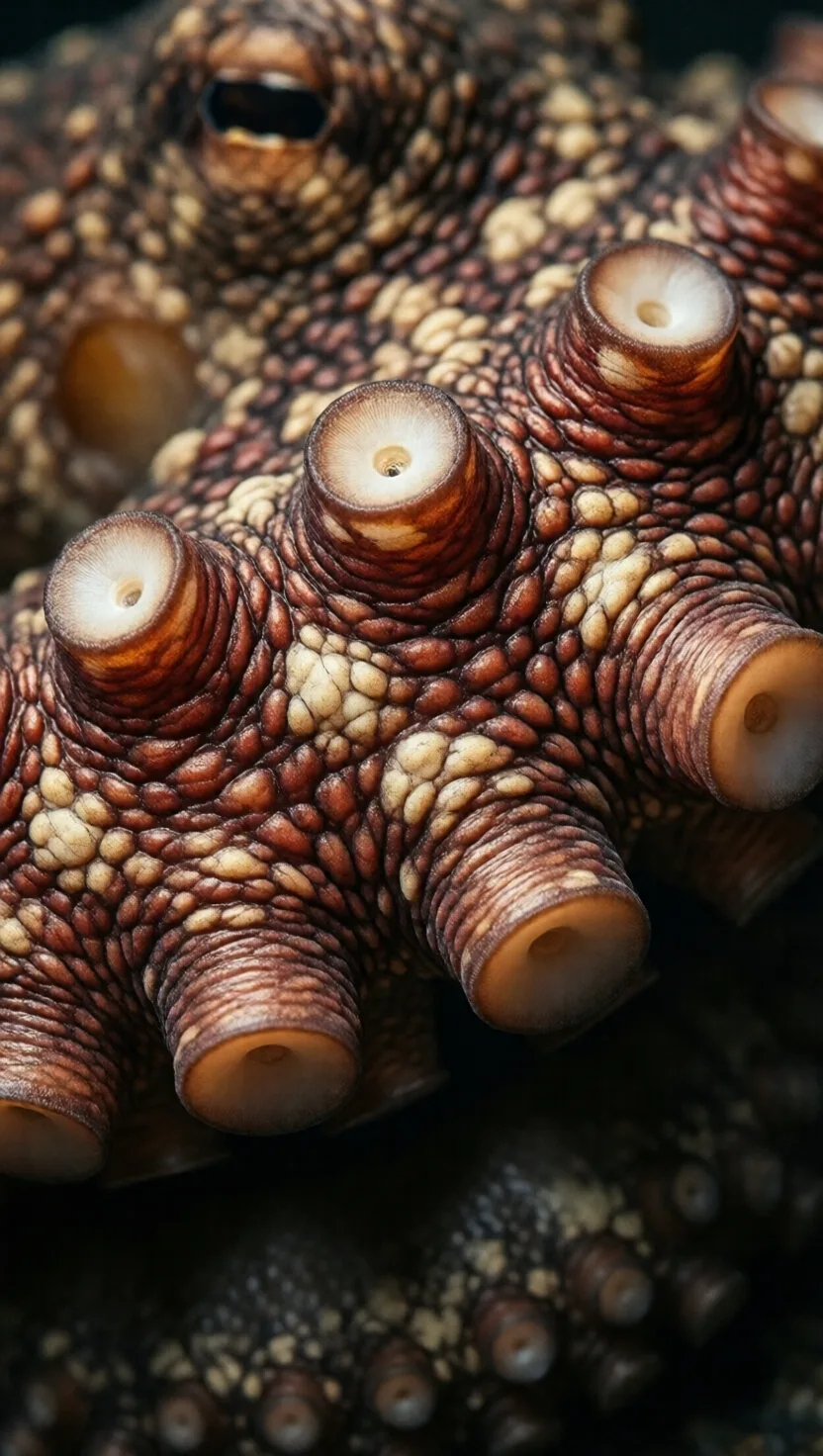
An octopus doesn't need to bring food to its mouth to know what it is. Each sucker is lined with chemotactile receptors — cells that taste by touch, first described in 2020. As an arm gropes blindly into a crevice, the suckers read the chemicals on whatever they brush, sensing a hidden crab or a worth-grabbing morsel before the animal can even see it. Touch and taste become the same sense at the tip of every arm.
The cuttlefish eye has a W for a pupil

The cuttlefish eye has a W for a pupil

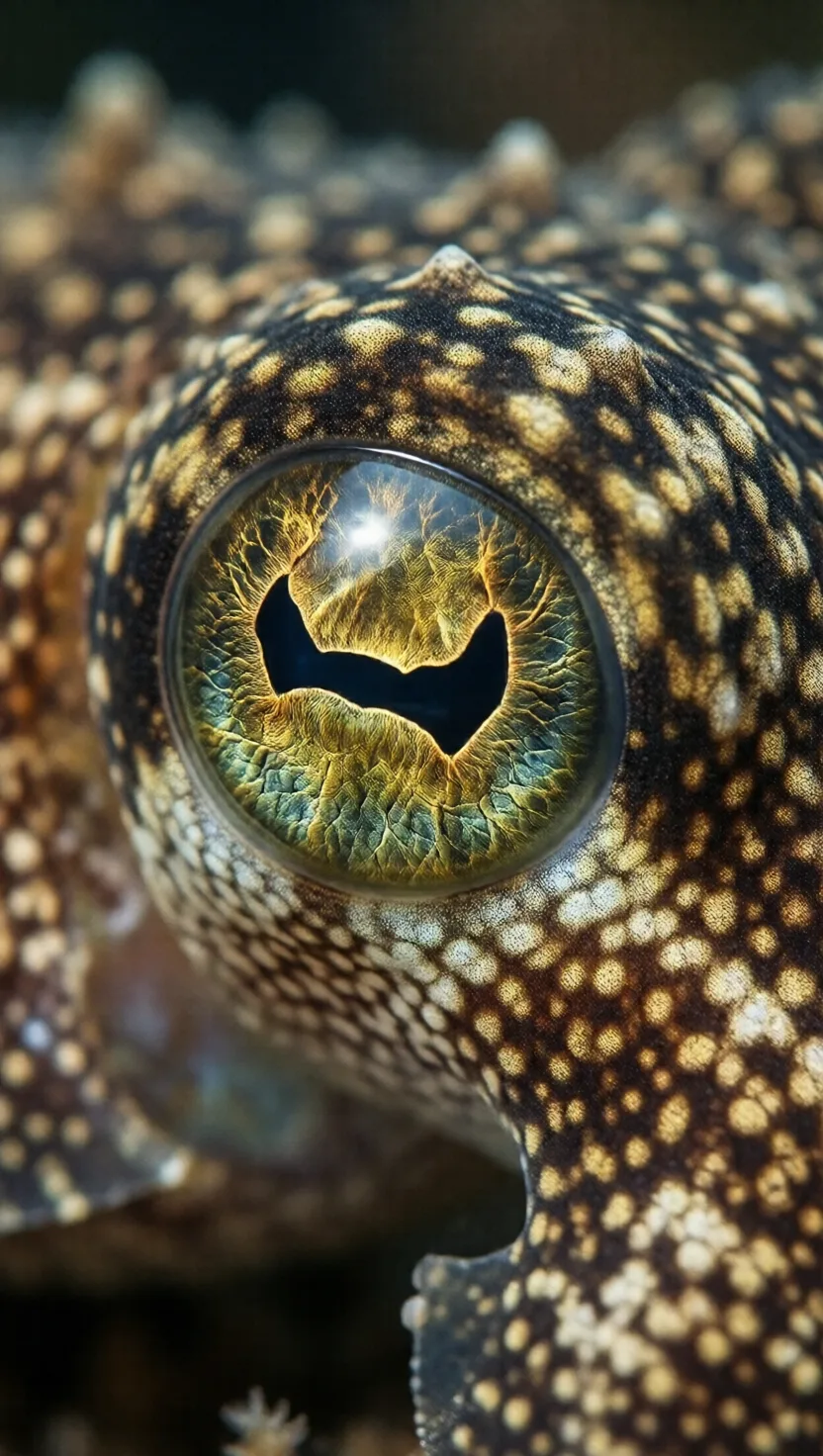
A cuttlefish's pupil isn't a circle but a wavy W. In bright water it closes to that zig-zag to even out the glare pouring down from above, so the dim sideways view — the band where prey and predators appear — stays sharp. The strange shape also helps it read polarised light, a hidden pattern in the sea that cuttlefish use to spot near-invisible prey and signal to each other. One odd pupil, two tricks of underwater light.
She builds a shell with her own arms

She builds a shell with her own arms

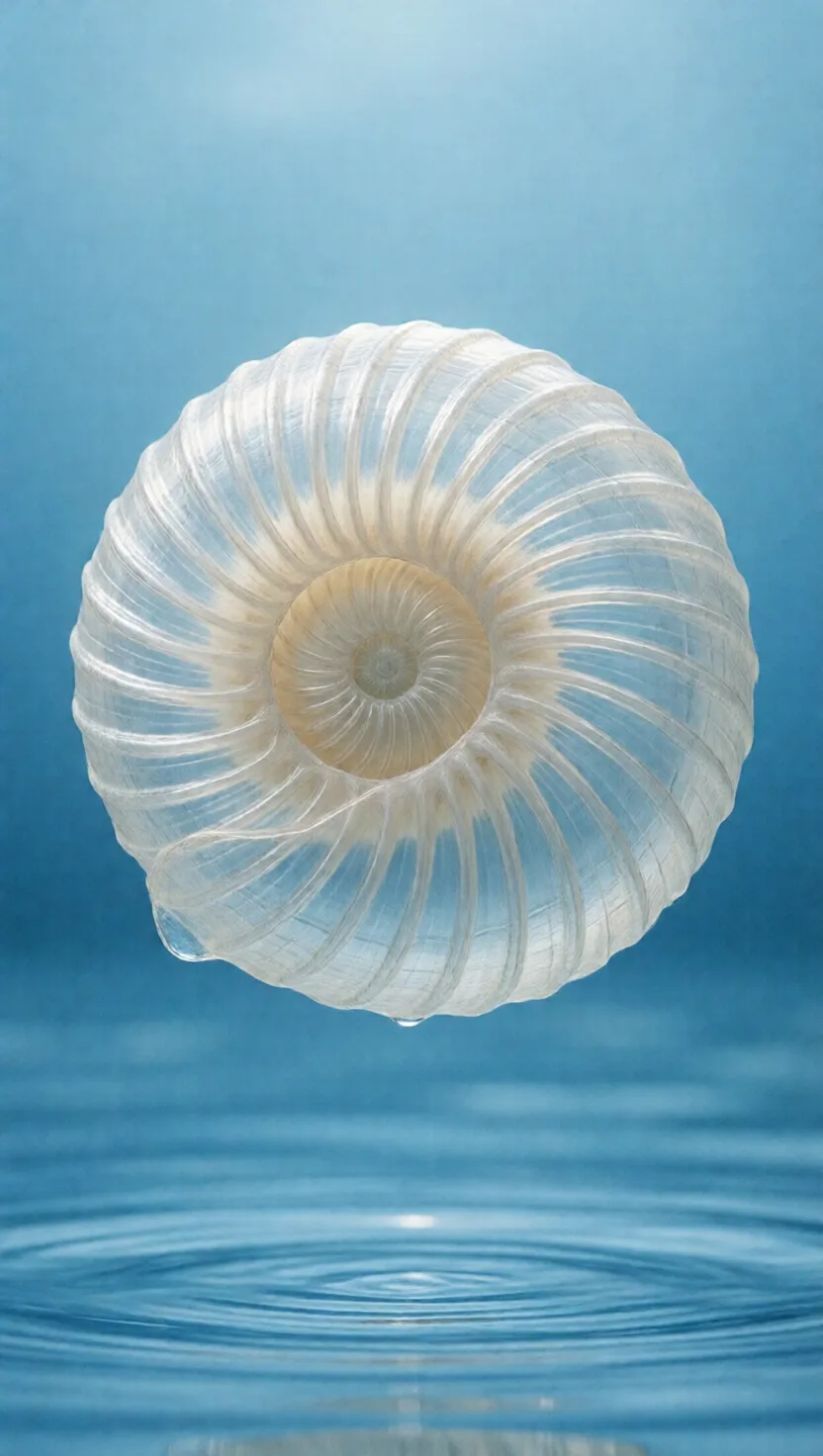
The argonaut, or paper nautilus, is an open-ocean octopus, and the female makes the delicate white spiral often mistaken for a seashell. She secretes it from the tips of two specially webbed arms and uses it as an egg case and a ballast tank — not a true shell grown by the body. The male never builds one and is tiny: about eight times shorter and 600 times lighter than the female who spins her own paper boat.
The 'vampire squid' just eats falling debris

The 'vampire squid' just eats falling debris

Its name means 'vampire squid from hell,' but the deep-sea Vampyroteuthis drinks no blood. It drifts in the dark and trails two sticky filaments, each up to eight times its body length, gathering marine snow — the slow rain of dead plankton, droppings and mucus sinking from above — then wipes the catch into its mouth. In a cold, food-poor zone with almost no oxygen, eating the ocean's leftovers takes barely any energy at all.
A squid nerve taught us how nerves fire

A squid nerve taught us how nerves fire

Squid have a nerve fibre so wide — up to a millimetre, hundreds of times thicker than ours — that it fires their fast escape jet. In the 1940s and 50s, Alan Hodgkin and Andrew Huxley threaded electrodes right inside this single giant axon and watched sodium and potassium ions surge across the membrane. They worked out how every nerve impulse in every animal fires, and won the 1963 Nobel Prize. Modern neuroscience began inside a squid.
tap →swipe ↑ for depthswipe ↓ to exit