Eight things fossils still remember

DC·13 Deep Cuts
A dinosaur's feathered tail, trapped in amber

A dinosaur's feathered tail, trapped in amber

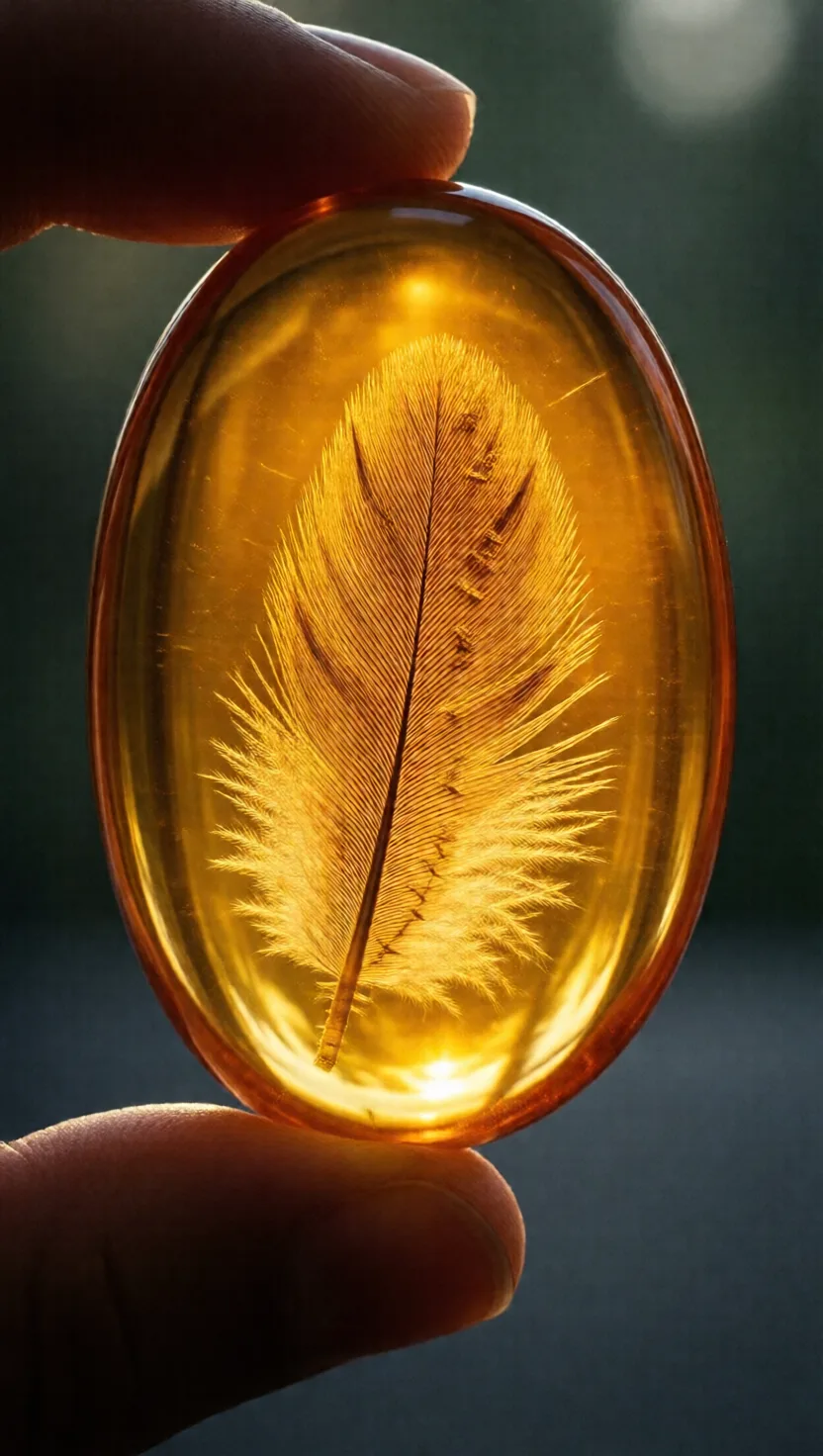
A 99-million-year-old chunk of amber bought at a Myanmar market in 2015 turned out to hold the feathered tail of a small theropod dinosaur — eight tail bones fringed with chestnut-and-white feathers, preserved in three dimensions down to the individual barbs. The bones aren't fused into a stiff rod the way a bird's are, marking it as a true non-bird dinosaur. The trader who found it had assumed the speck inside was a bit of plant.
This dino embryo curled up just like a chick

This dino embryo curled up just like a chick

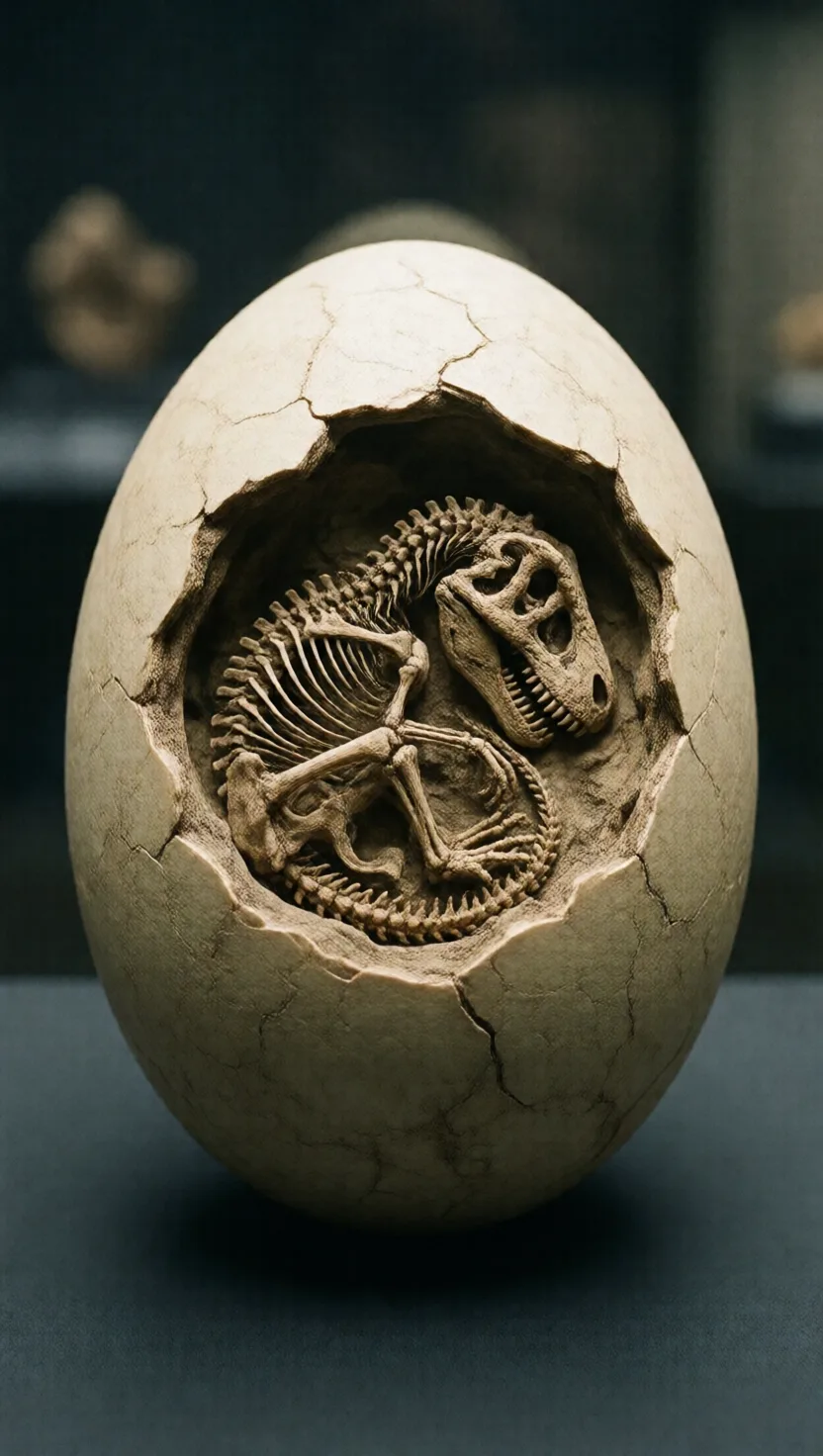
Inside a fossil egg from southern China lies “Baby Yingliang,” a 66-to-72-million-year-old oviraptorosaur embryo so intact it looks ready to hatch. Its head tucks beneath its body with the feet to either side — the same folded “tucking” posture a chicken embryo takes in the days before hatching, a behaviour once thought unique to birds. It is one of the best-preserved dinosaur embryos ever found.
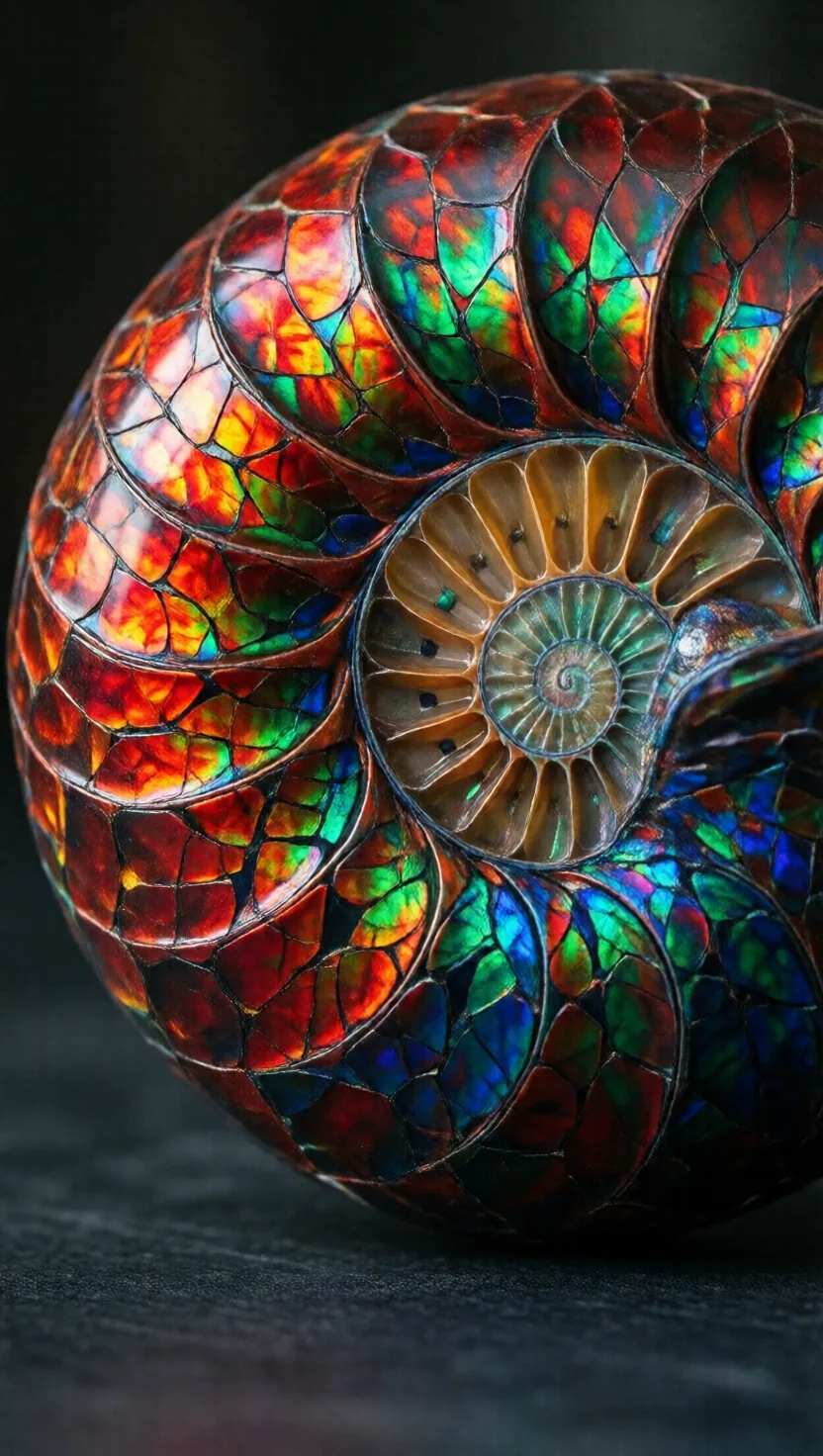
This fiery gem was once an ammonite shell

This fiery gem was once an ammonite shell

Ammolite is the rainbow-coloured fossil shell of ammonites, the coiled squid relatives that vanished 66 million years ago. Burial pressure preserved the shell's aragonite in fine stacked layers that split light into blazing reds, greens and blues, the same way a thin soap film shimmers. Almost all of it comes from one small stretch of Alberta's St. Mary River, and it was recognised as a gemstone only in 1981.
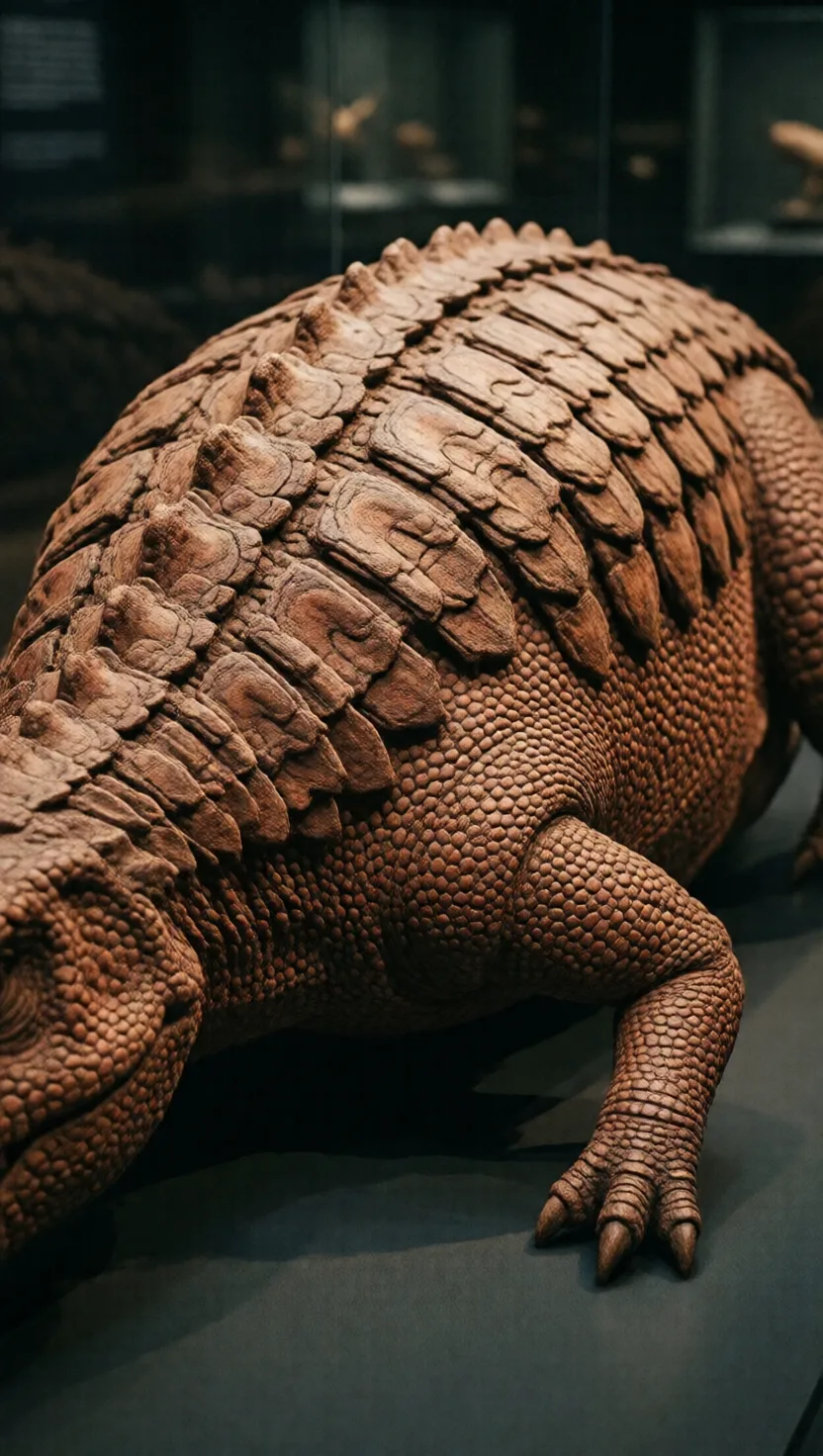
A dinosaur so well preserved its skin survived

A dinosaur so well preserved its skin survived

Miners at an Alberta oil-sands pit in 2011 struck a 110-million-year-old armoured dinosaur preserved like a statue — skin, bony armour plates still in their living positions, even the keratin sheaths intact. Chemical traces of its pigment show it was reddish-brown on top and paler below, a camouflage pattern. Its fossilised stomach still held its last meal: a mouthful of ferns, preserved right down to the plant cells.
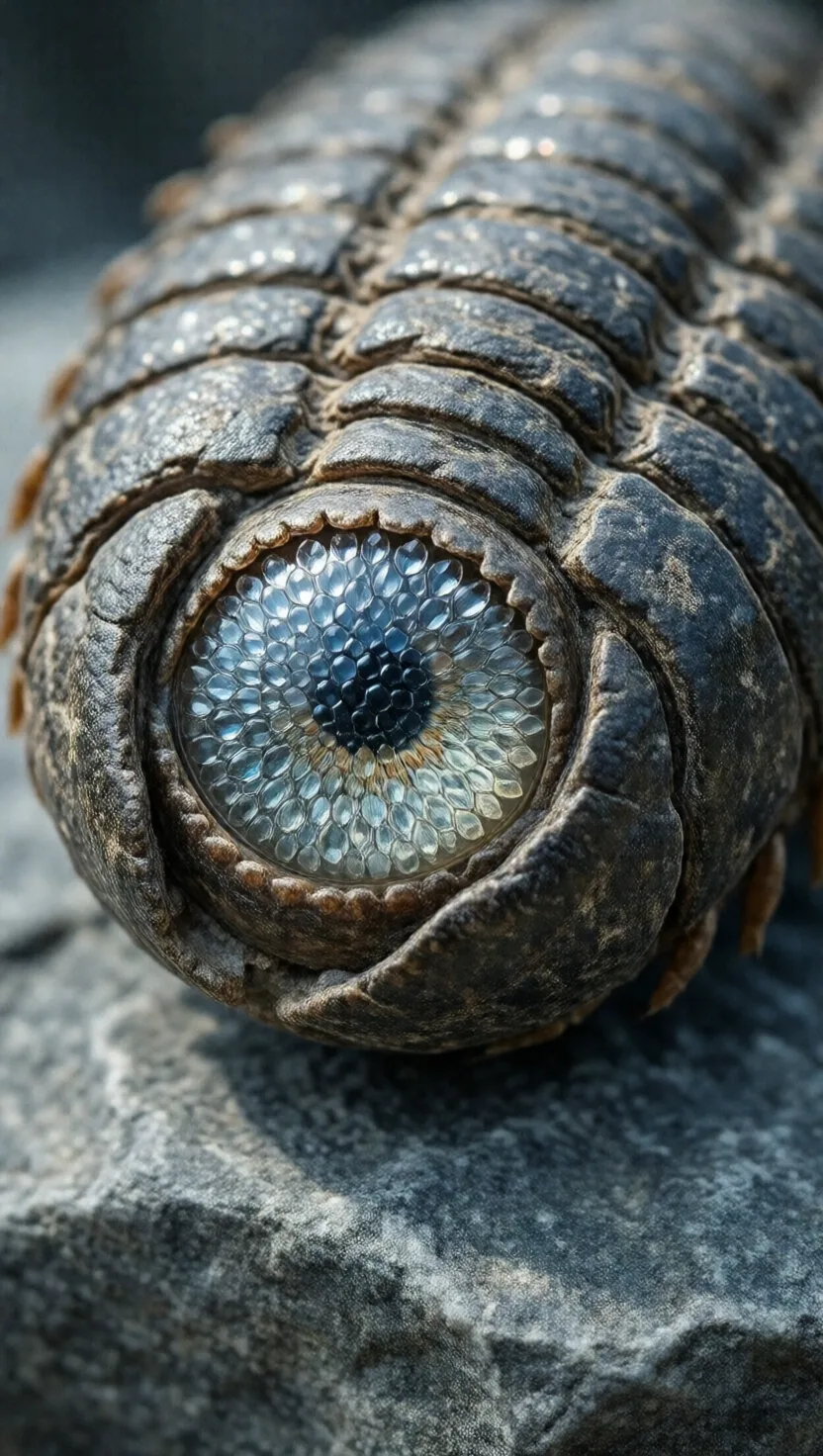
It saw through eyes made of solid crystal

It saw through eyes made of solid crystal

Trilobites — armoured sea creatures that roamed the oceans for nearly 270 million years — grew their eye lenses out of clear calcite, the same mineral as limestone and chalk. Pure calcite is transparent, so light passed straight through the stone to the light-sensing cells beneath. Because the lenses were literally rock, they fossilised intact, leaving some of the oldest hard eyes on Earth still staring out of the stone.
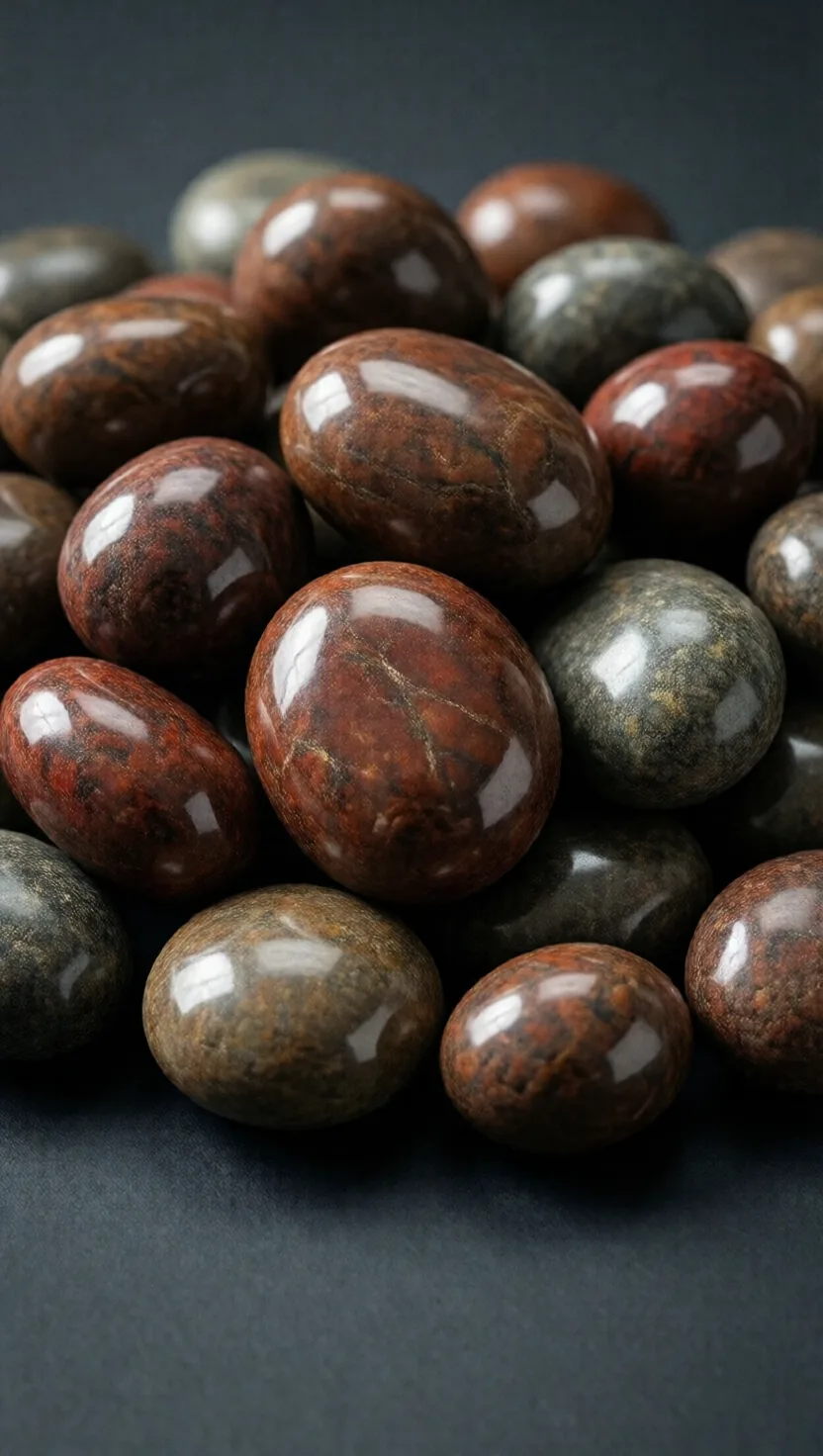
Dinosaurs swallowed stones to chew their food

Dinosaurs swallowed stones to chew their food

Lacking grinding teeth, many plant-eating dinosaurs swallowed rocks that sat in a muscular gut and mashed tough vegetation as the stomach churned — the same trick birds and crocodiles still use today. Decades of tumbling against each other and against fibrous plants buffed these “gastroliths” to a mirror gloss on their high points while the crevices stayed dull, a polish no river or wind can copy.
People once thought these were thunderbolts

People once thought these were thunderbolts

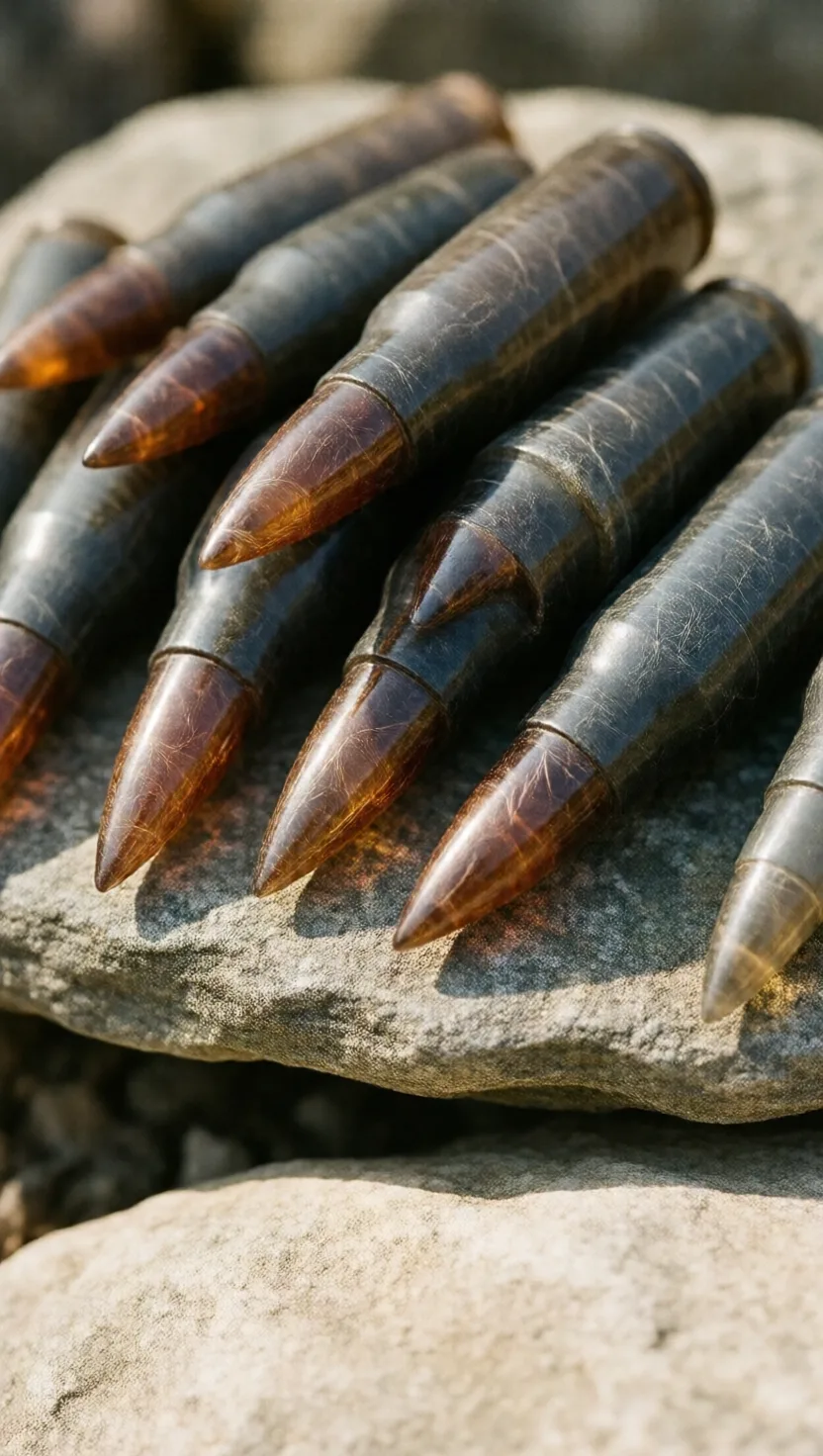
Belemnites were squid-like animals whose bullet-shaped internal skeleton fossilises into smooth dark spikes scattered through Jurassic and Cretaceous rock. Turning them up after storms, the ancient Greeks and later Europeans believed they were thunderbolts hurled down from the sky, and set them on rooftops to ward off lightning. Folk names for them include “devil's fingers,” “thunderstones” and “elf candles.”
These star-shaped beads were once alive

These star-shaped beads were once alive

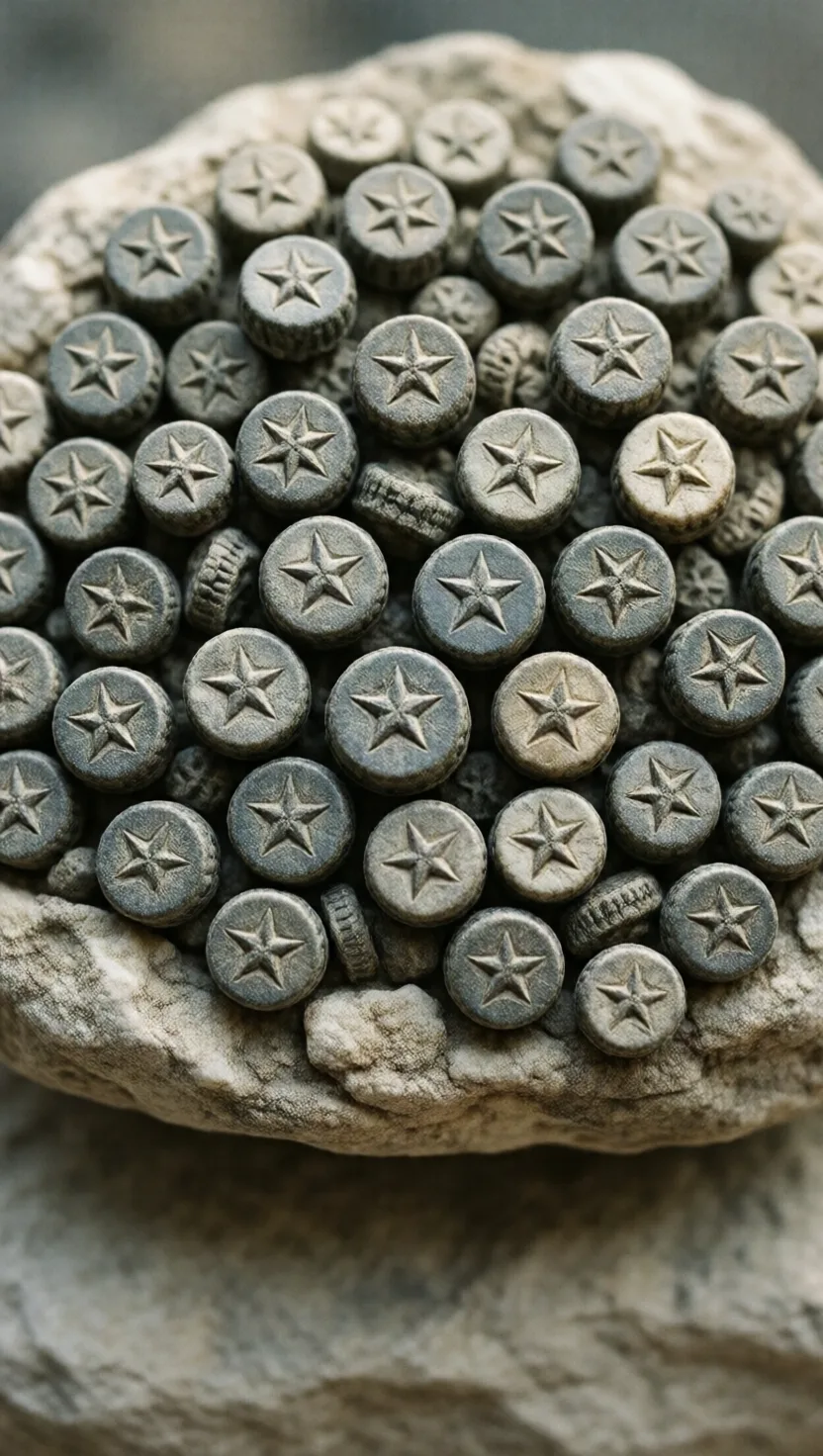
Crinoids, or sea lilies, look like flowers on a stalk but are animals — relatives of starfish and sea urchins that filter food from the water. Their stalks are stacks of button-like discs, and in some species each disc is a tiny five-pointed star, echoing the five-fold symmetry shared by all echinoderms. When the animals die the stalks scatter into these “star stones,” once collected as fairy money and St. Cuthbert's beads.
tap →swipe ↑ for depthswipe ↓ to exit