Eight things fool's gold hides

DC·128 Deep Cuts
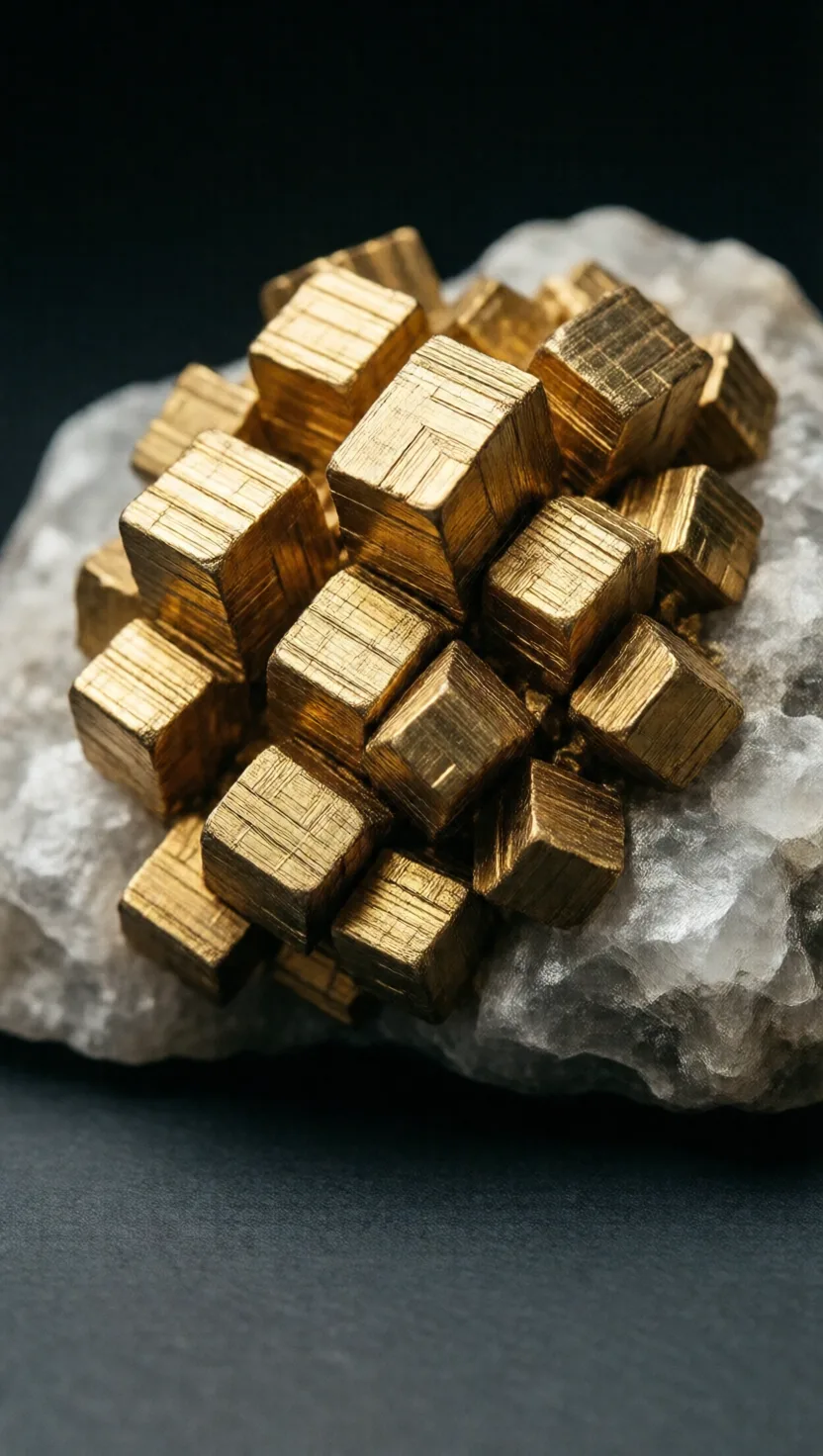
These flawless cubes were never machined

These flawless cubes were never machined

Pyrite can grow into cubes so sharp-edged and mirror-faced they look milled in a workshop, yet no tool ever touched them. Where the mineral forms slowly, iron and sulfur atoms have time to settle into a perfectly cubic lattice, producing razor edges and flat shining faces. The one tell that they're natural is the set of faint parallel grooves striping each face.
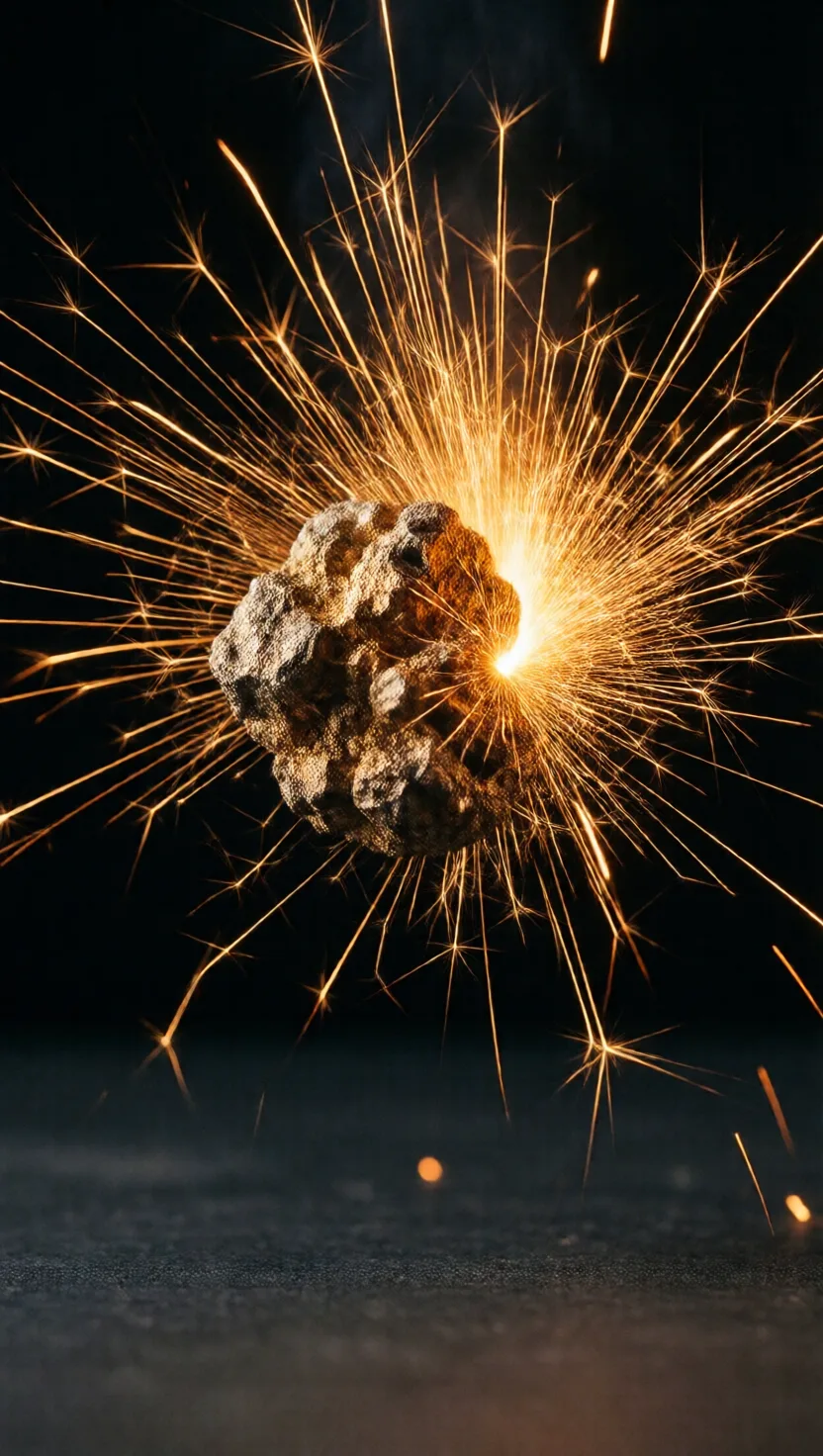
Its name means 'the stone that strikes fire'

Its name means 'the stone that strikes fire'

Pyrite takes its name from the Greek for fire-stone, because struck against steel it throws a shower of sparks. People used it to make fire for thousands of years, and the earliest spring-powered guns put it to work: a wheellock spun a serrated steel wheel against a held lump of pyrite, raining sparks into the powder. Flint only took over the job generations later.
Antique 'marcasite' jewels are really pyrite

Antique 'marcasite' jewels are really pyrite

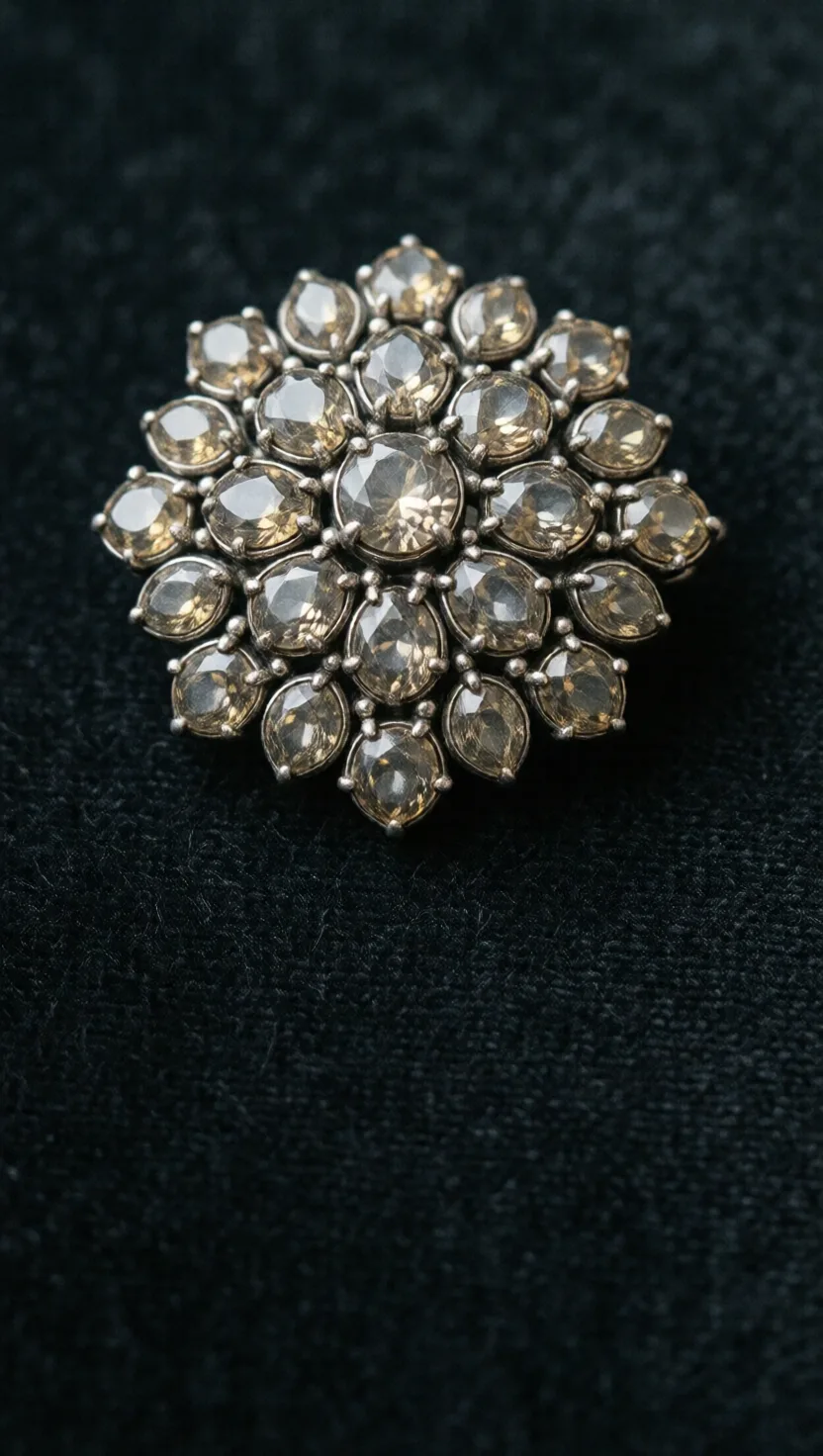
The little glinting steel-gold stones set into antique 'marcasite' brooches are not marcasite at all — they're faceted pyrite. True marcasite is the same iron sulfide but in an unstable form that crumbles and weeps acid, useless in jewellery. So makers cut its sturdier twin instead, and because the two minerals were long called by one name, the wrong label simply stuck.
A flat golden disc that grew, not a fossil

A flat golden disc that grew, not a fossil

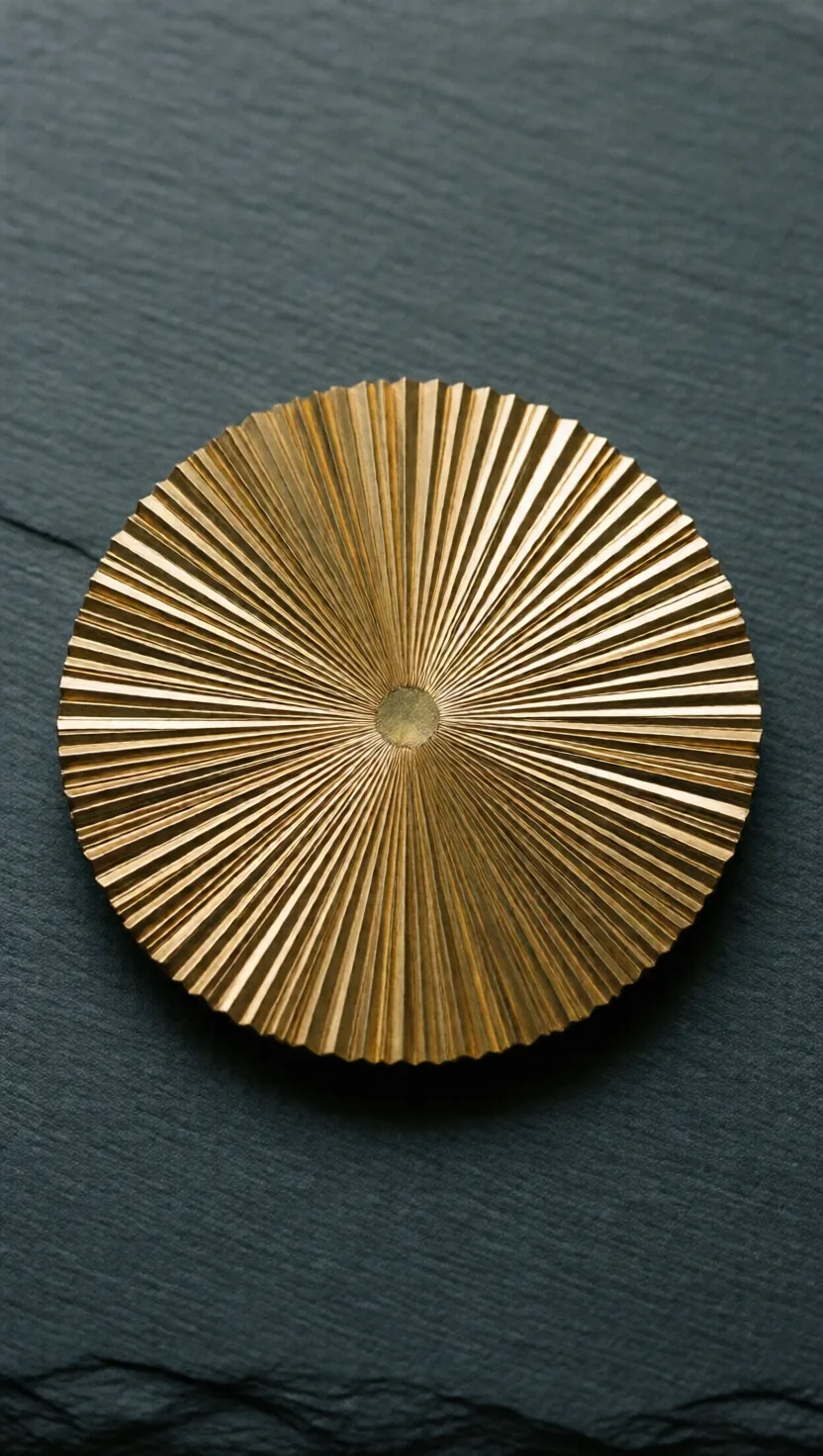
Split the shale between coal seams in parts of the American Midwest and you can find a 'pyrite sun' — a flat round disc with golden rays bursting from its centre. Early miners thought they were fossils. They're not: they're pyrite crystals that were squeezed between thin rock layers, forced to spread sideways into a starburst instead of growing as cubes.
Golden fossils that slowly destroy themselves

Golden fossils that slowly destroy themselves

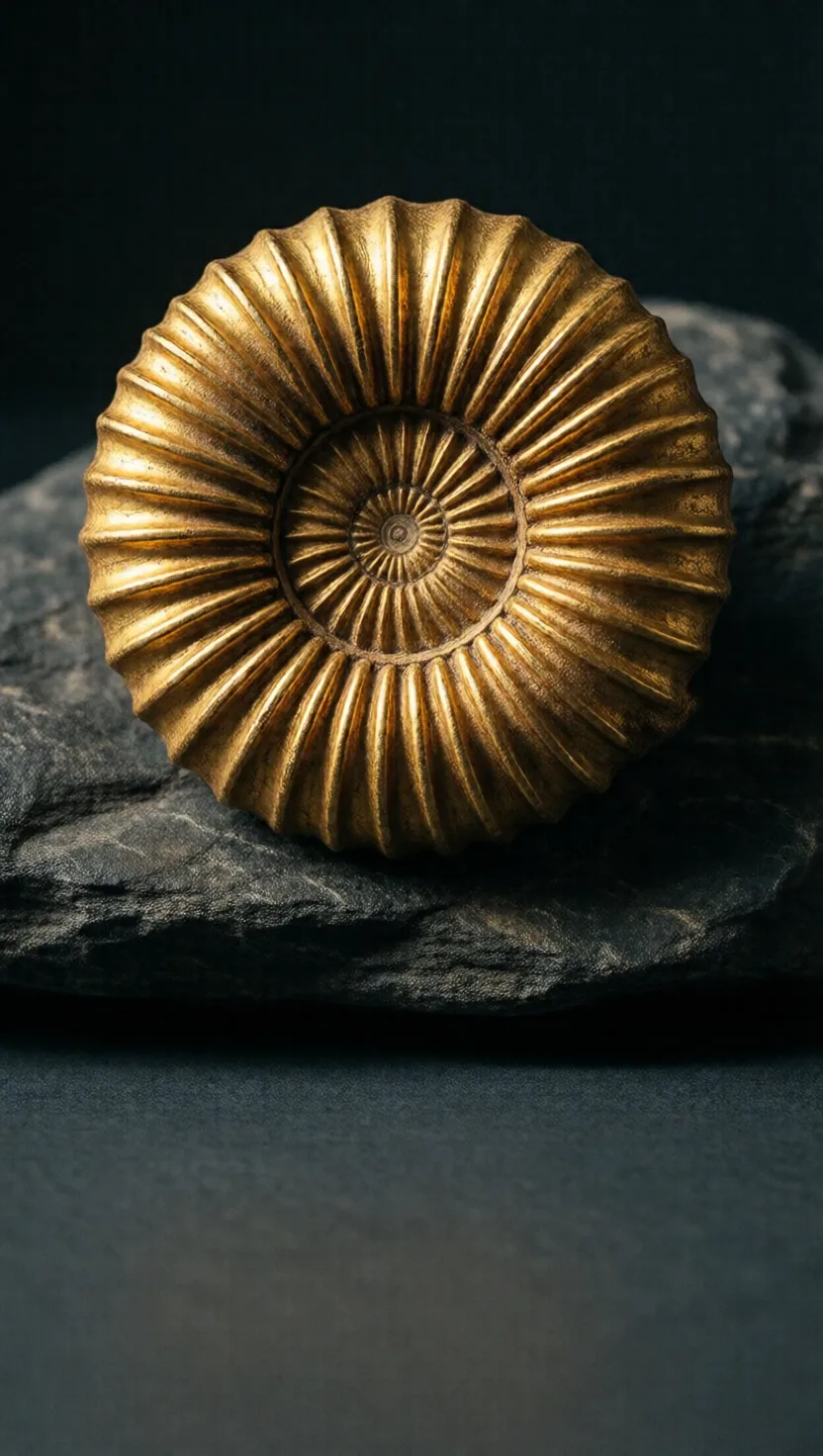
Buried without oxygen, a shell can be replaced atom by atom with pyrite, leaving a fossil that gleams like gold. But bring it into damp air and the pyrite begins to oxidise, turning into iron sulfate and sulfuric acid. The fossil cracks, gives off a sulfur smell, sprouts pale powdery crystals and can crumble to nothing — a slow self-destruction curators dread and call pyrite decay.
Crack this rock open and streams turn orange

Crack this rock open and streams turn orange

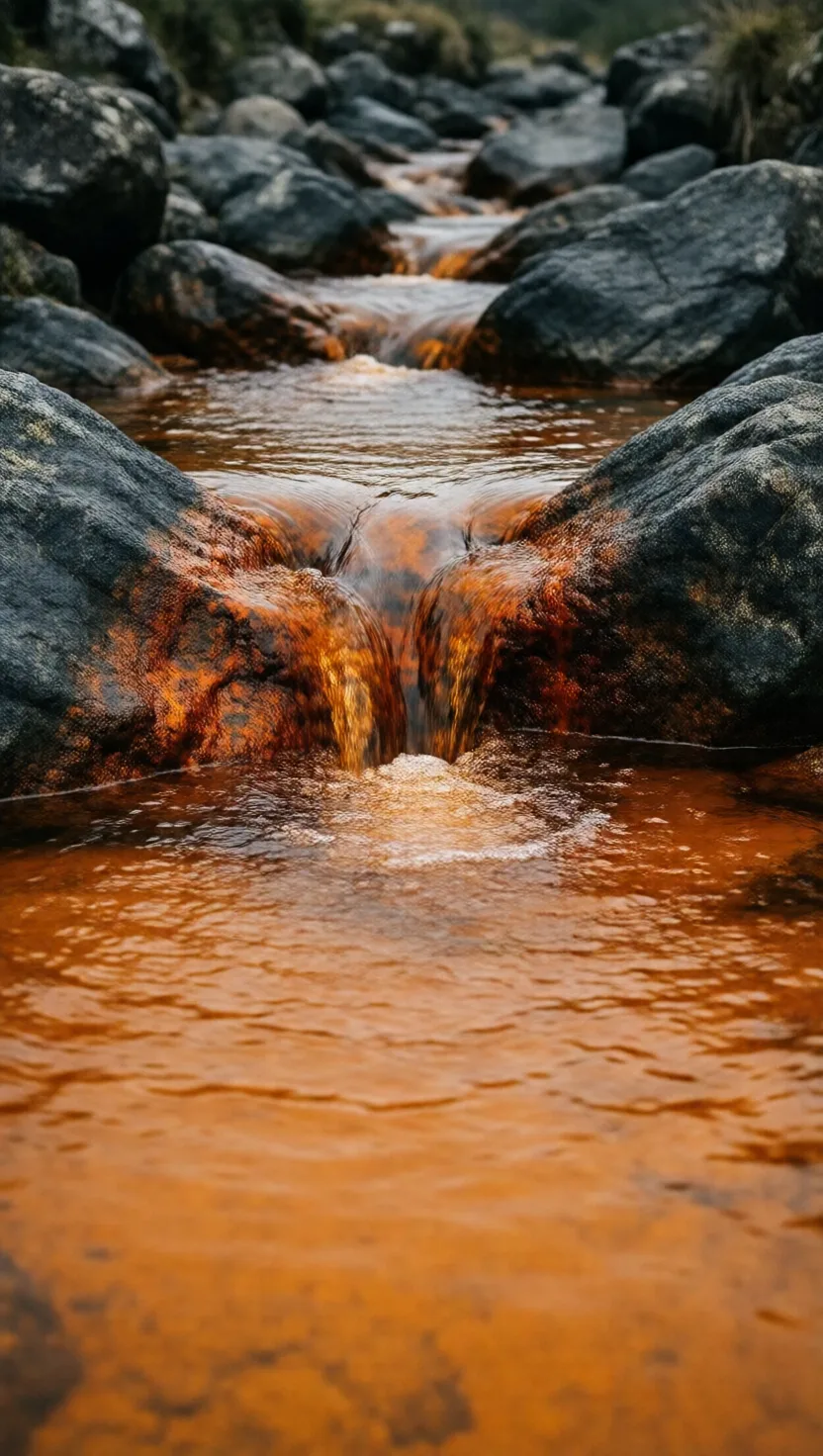
Pyrite is stable while it's buried, but mining exposes it to air and water, and then it oxidises into sulfuric acid. The acid dissolves metals out of the surrounding rock and bleeds into streams, staining the water and stones a vivid rust-orange. Miners have a name for the gritty iron sludge it leaves behind: yellow boy.
He shipped 1,000 tons of gold that was junk

He shipped 1,000 tons of gold that was junk

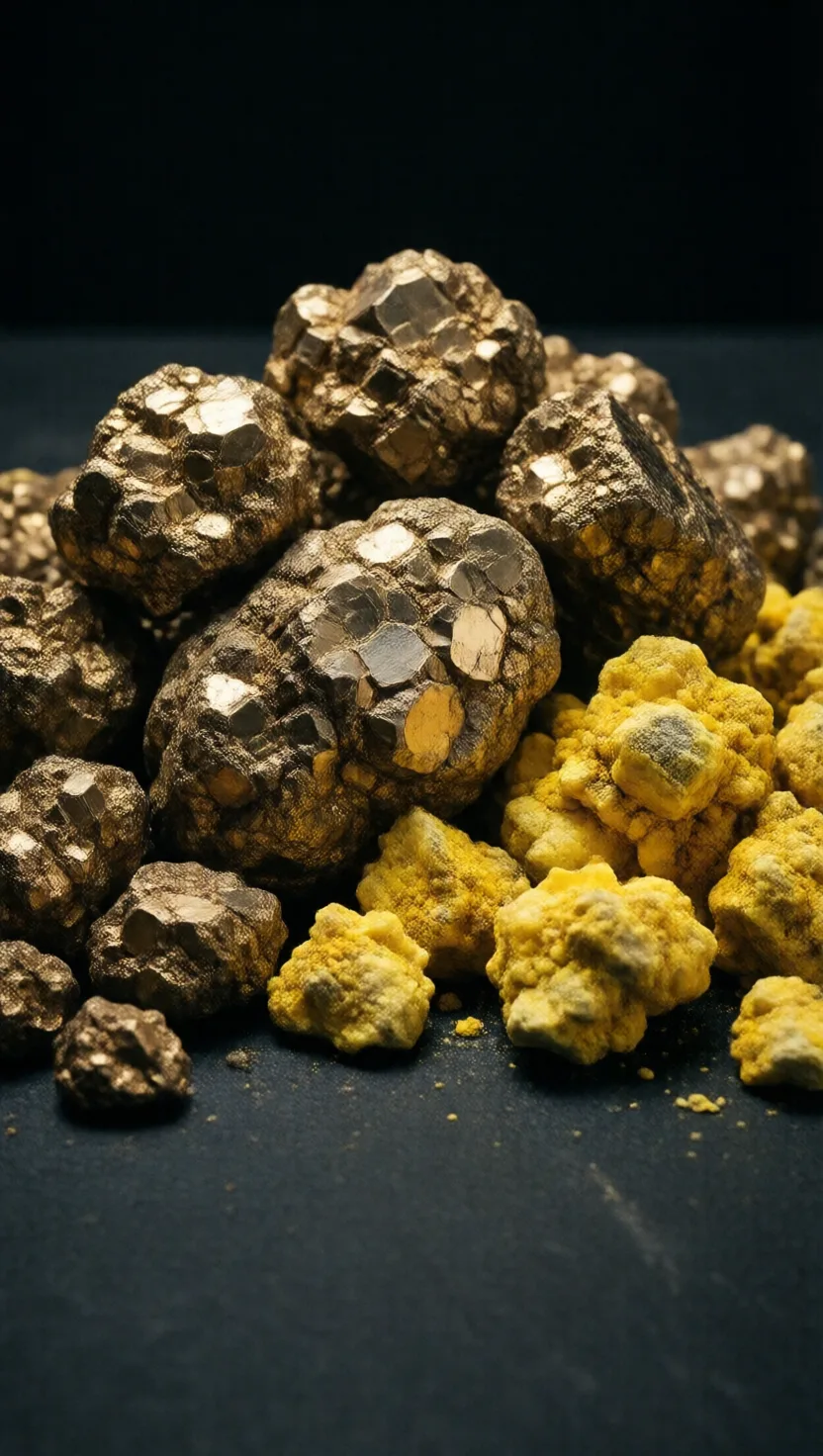
In 1578 an English expedition to the Arctic hauled home more than a thousand tons of glittering ore, certain it was rich in gold. Furnaces back in England told the truth: it was worthless iron pyrite — fool's gold. The vast cargo was abandoned, some of it ending up as broken rubble in walls and roadbeds, one of history's most expensive mistakes about a brassy yellow stone.
The world's acid once came from this rock

The world's acid once came from this rock

Sulfuric acid is the workhorse chemical of industry, and for over a century its sulfur came mostly from pyrite. Roasting the brassy ore drove off its sulfur as gas, which was captured and turned into acid. Even as late as 1960, nearly half of the free world's sulfur still came from roasted pyrite rather than from mined brimstone.
tap →swipe ↑ for depthswipe ↓ to exit