Eight things the moon's metal hides

DC·127 Deep Cuts
Silver blackens from eggs, not from rust

Silver blackens from eggs, not from rust

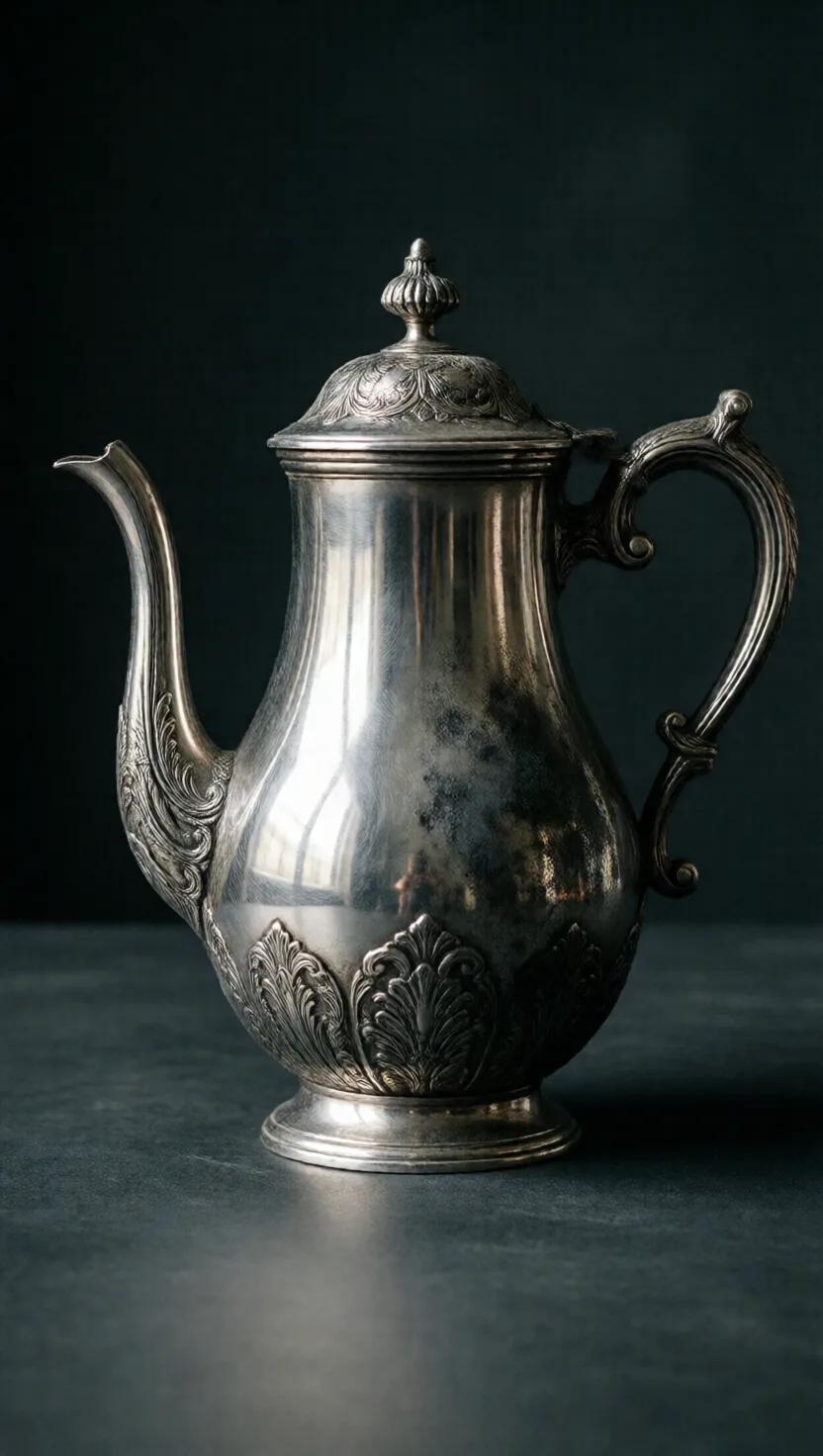
Silver doesn't tarnish by rusting — oxygen barely touches it. The black film is silver sulfide, formed when the metal meets traces of sulfur in the air, in wool, in onions, and especially in eggs. That's why a boiled egg can darken a silver spoon in minutes: the sulfur gas drifting off the yolk reacts straight onto the surface. Polishing simply rubs the thin sulfide layer away again.
A silver coin keeps water from going bad

A silver coin keeps water from going bad

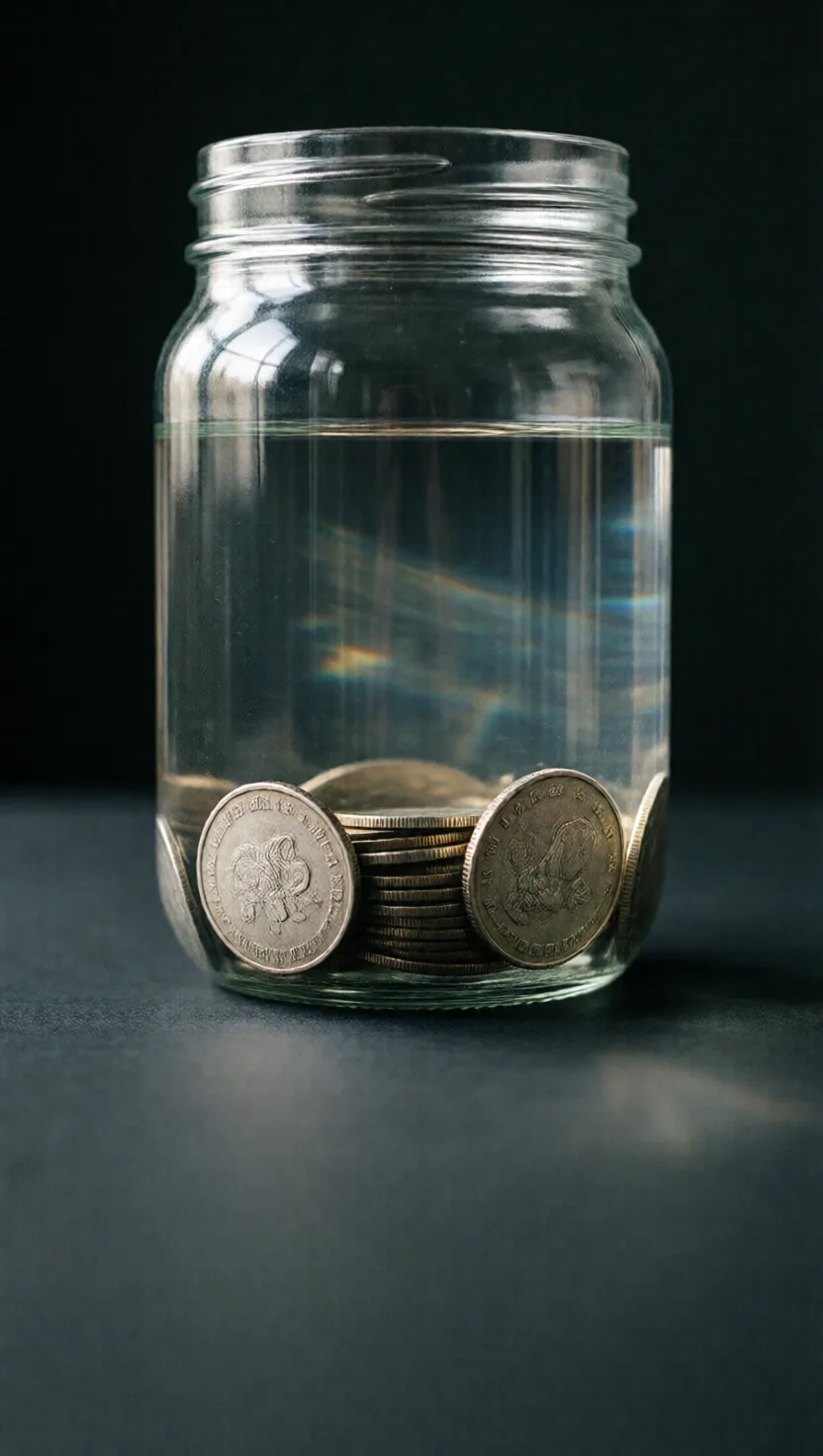
Long before anyone knew what a microbe was, people dropped silver coins into water jugs and milk pails to keep them fresh. They were right. Silver slowly sheds ions that poison bacteria and fungi at concentrations of just parts per billion — a property named the oligodynamic effect in 1893. The same trick still purifies water today, on spacecraft and in filters.
Most 'silver' flutes hold no silver at all

Most 'silver' flutes hold no silver at all

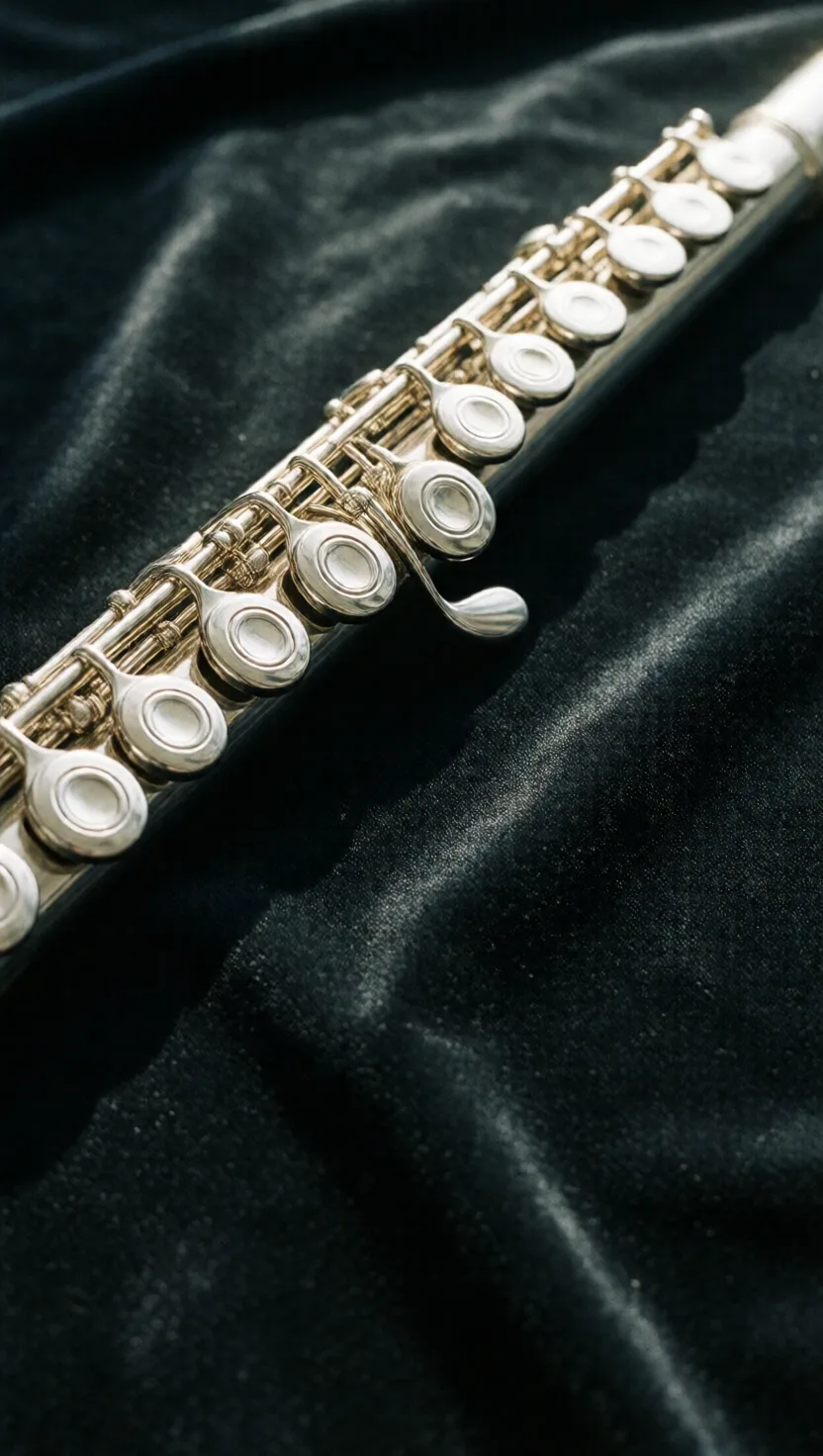
Nickel silver, also called German silver, looks like the real thing but contains not a trace of silver — it's roughly three parts copper to one each of nickel and zinc. It became the standard base for cutlery, coins and band instruments because its colour is so convincing. When old cutlery is stamped EPNS, it means only a thin skin of genuine silver was electroplated over this cheaper metal underneath.
Alchemists called silver the moon's metal

Alchemists called silver the moon's metal

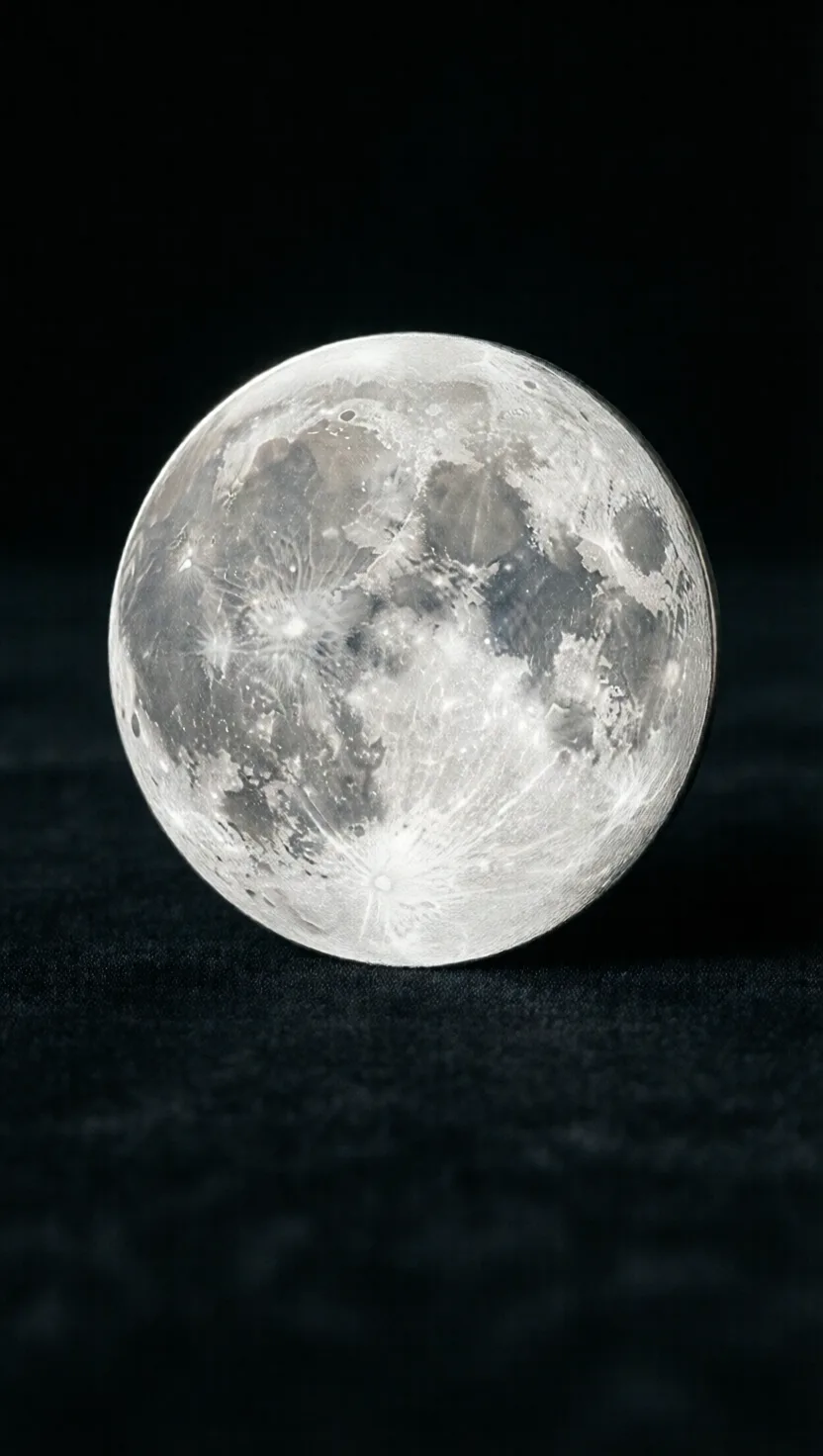
To the old alchemists, gold belonged to the Sun and silver to the Moon — Luna. The pairing stuck to silver's chemistry: fused silver nitrate, moulded into sticks for burning off unwanted flesh, was named lunar caustic. It blackens skin on contact because light alone reduces the silver back to metal, the very reaction that would later make photography possible.
Silver can grow into a glittering tree

Silver can grow into a glittering tree

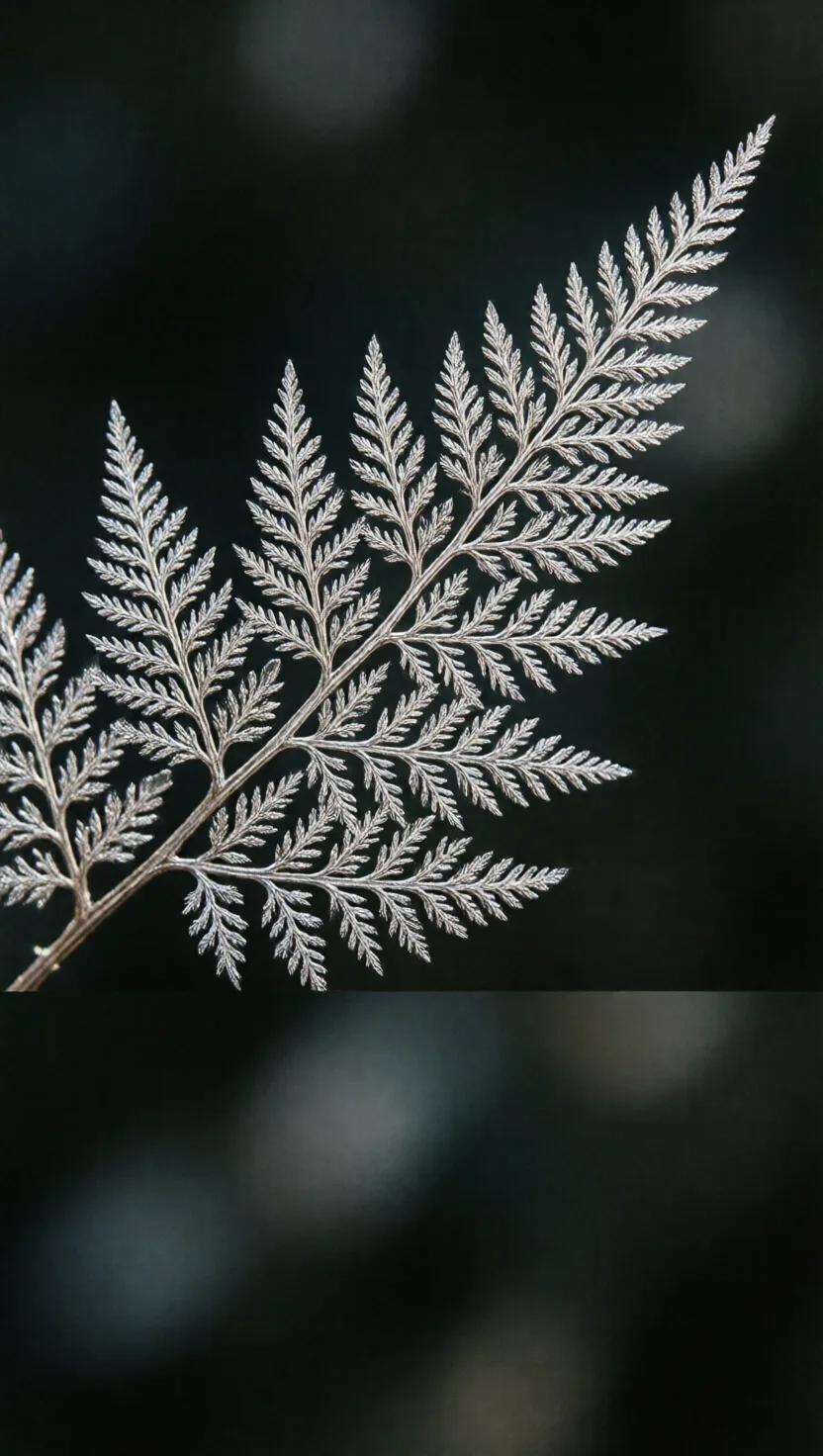
Lower a drop of mercury into a solution of silver nitrate and silver begins to crystallise out of the liquid in branching, fern-like spires — a shimmering metal tree growing before your eyes. Alchemists called it Arbor Dianae, the Tree of Diana, after the moon goddess, and the lifelike growth led some to believe minerals themselves could be alive.
The bang in a party snap is silver

The bang in a party snap is silver

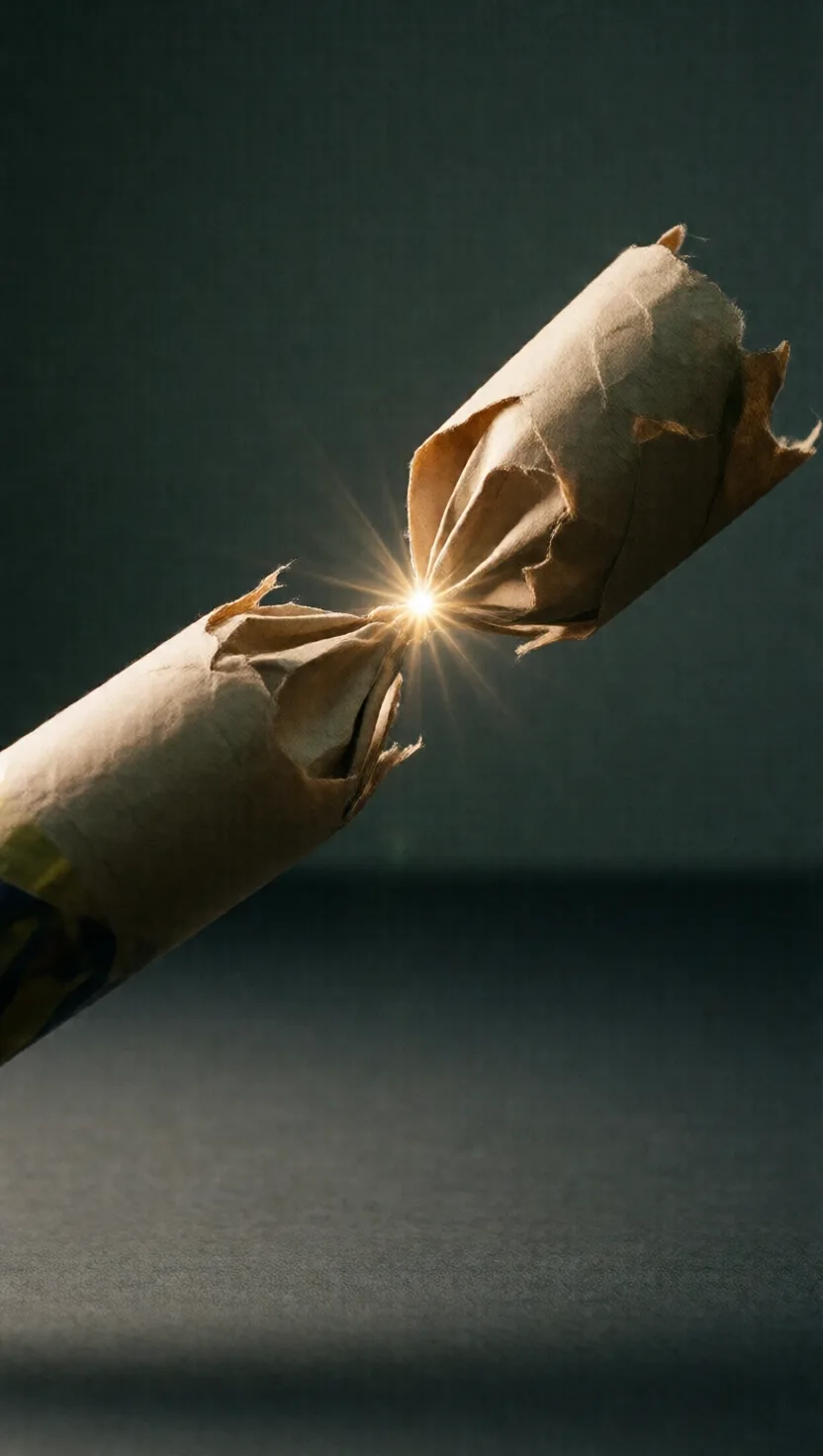
The crack of a pulled cracker or a thrown snapper comes from silver fulminate, a silver compound so touchy it explodes at the lightest knock. Only a few micrograms can be used, dusted onto grit, because any larger pile detonates under its own weight — even a falling drop of water or a stray spark will set it off. It can never be made in bulk, which is exactly why it's safe as a toy.
One mountain flooded the world with silver

One mountain flooded the world with silver

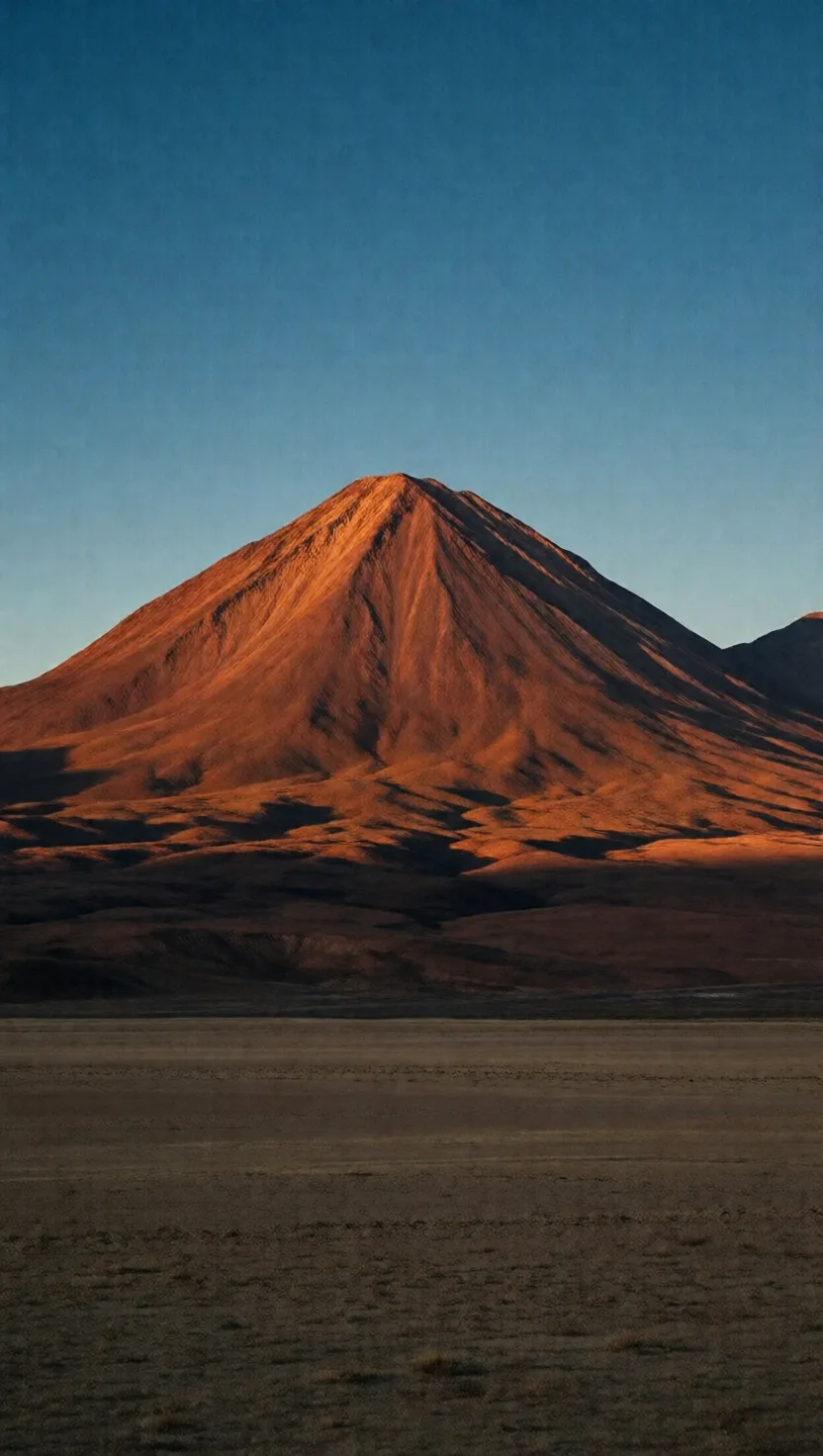
A single cone-shaped peak in the Bolivian highlands, Cerro Rico, poured out roughly 60 percent of all the silver mined on Earth in the second half of the 1500s. So much wealth came out of it that Spanish still carries the phrase 'vale un Potosi' — to be worth a Potosi — meaning worth an absolute fortune.
Renaissance artists drew with a silver wire

Renaissance artists drew with a silver wire

Before the graphite pencil, artists drew with a sharpened silver wire on paper coated with a fine ground. The wire leaves a faint trace of metal that starts as a pale cool grey — and then slowly tarnishes. Over centuries those silvery lines turn a warm sepia brown, so the old drawings we admire have literally aged and deepened in colour since the hand left them.
tap →swipe ↑ for depthswipe ↓ to exit