Eight things wings and scales hide

DC·126 Deep Cuts
The 'dust' on their wings is tiny shingles

The 'dust' on their wings is tiny shingles

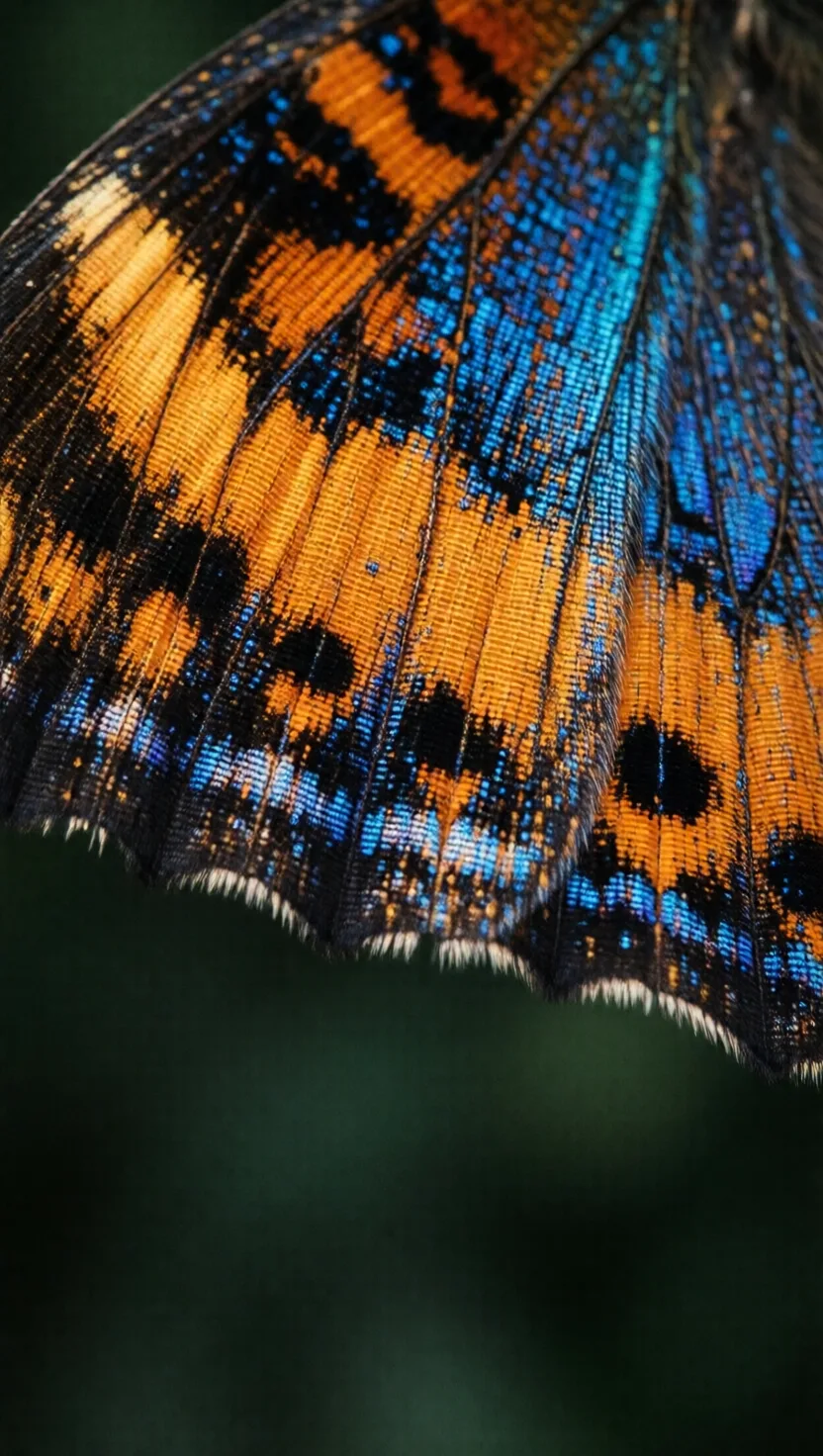
The powder that comes off on your fingers when you touch a butterfly isn't dirt — it's thousands of microscopic scales, flattened hairs laid in overlapping rows like roof tiles. They carry the colour and pattern, shed water, and have one more trick: when the insect blunders into a spider's web, the loose scales tear away and stick to the silk while the butterfly slips free. The whole order is named for them — Lepidoptera means 'scale wing'.
This moth squeaks and robs beehives

This moth squeaks and robs beehives

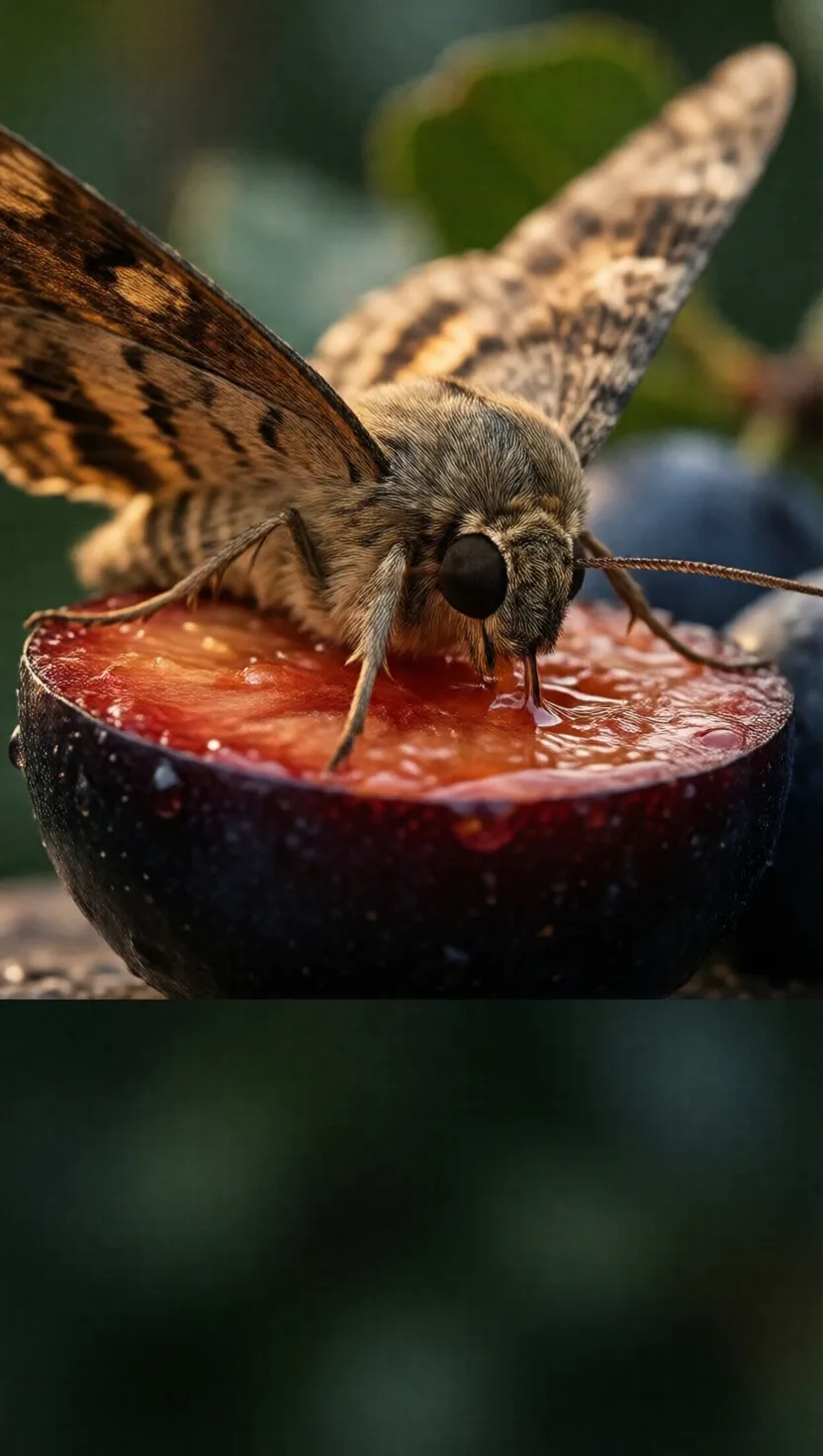
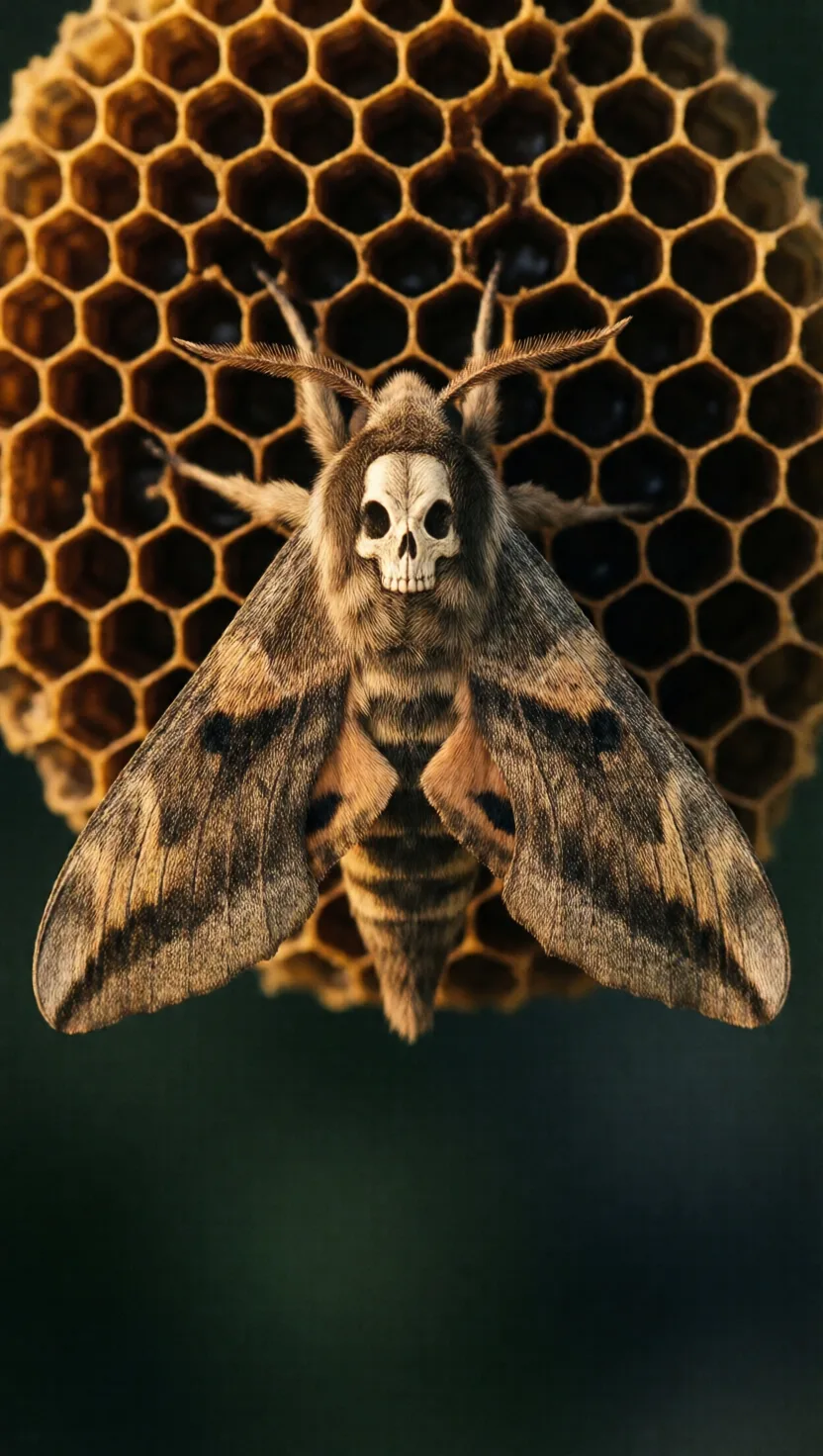
The death's-head hawkmoth, marked with a pale skull on its furry back, walks into honeybee colonies and steals honey without being stung. It coats itself in the same blend of fatty acids the bees wear, so it smells like one of them and stays 'chemically invisible'. If alarmed, it forces air out through its short proboscis and lets out a sharp squeak — a sound thought to help it pass unchallenged inside the hive.
Darwin saw an orchid and predicted a moth

Darwin saw an orchid and predicted a moth

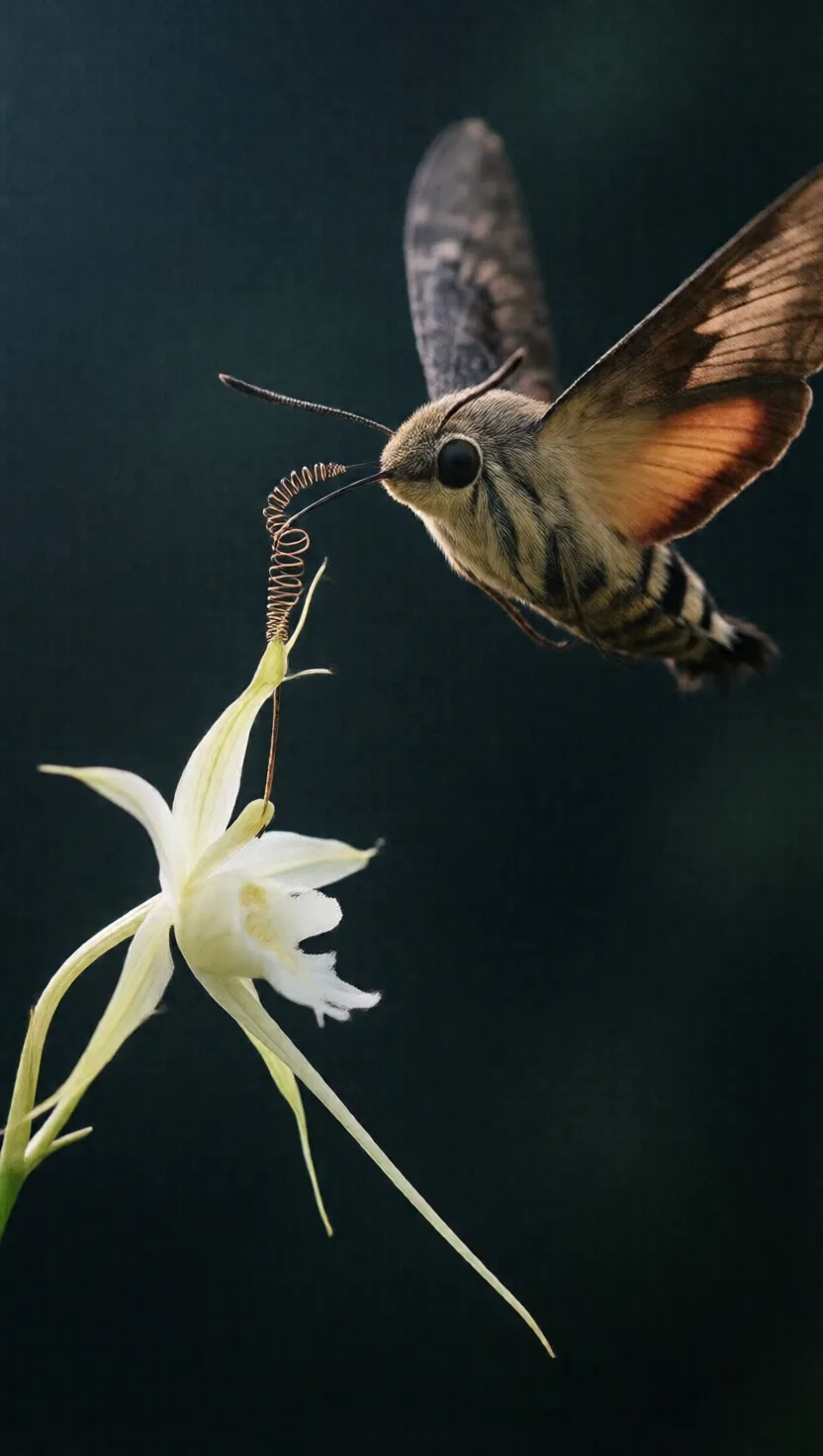
In 1862 Darwin examined a Madagascan orchid with a nectar well nearly 30 centimetres deep and declared there must be a moth with a tongue long enough to reach the bottom. Critics scoffed. The moth — a hawkmoth with a foot-long coiled proboscis — was finally found in 1903 and named praedicta, 'the predicted one'. It was not actually filmed feeding from the orchid until the 1990s, more than 130 years after the guess.
The biggest moth is born unable to eat

The biggest moth is born unable to eat

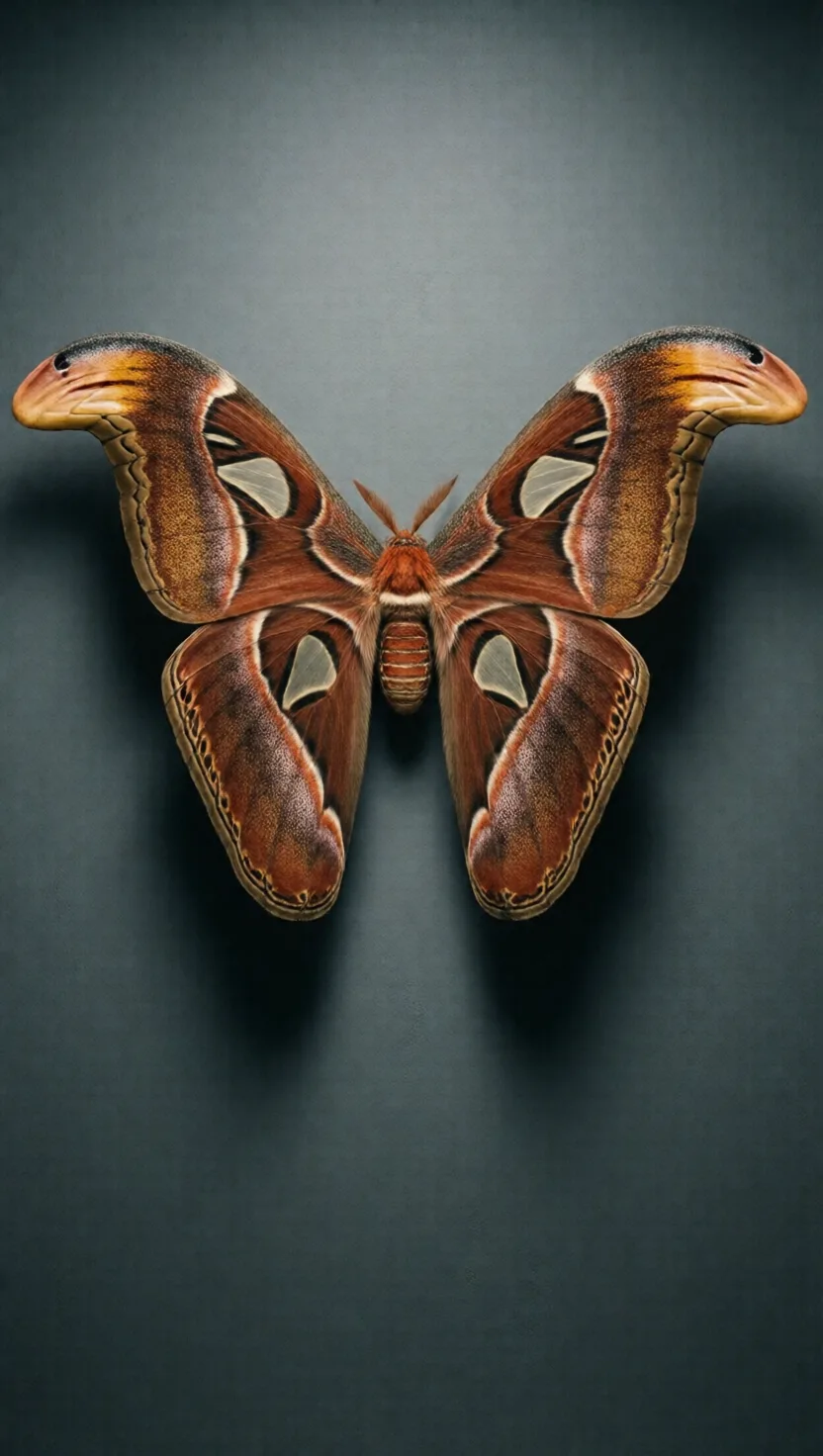
The atlas moth is among the largest moths on Earth, with wings spanning over 25 centimetres, yet the adult has no working mouthparts at all. It never eats. Everything it needs was stored as fat by the caterpillar, and the winged adult lives only about a week, spending that whole short life doing one thing: finding a mate before the fuel runs out.
One moth drills skin and drinks blood

One moth drills skin and drinks blood

Most moths sip nectar; the vampire moth of Asia and Europe drinks blood. The male uses a barbed proboscis — normally for drilling into fruit — to work through the skin of a large animal, raising tiny hooks so it can't be brushed off, and feeds for up to an hour. It's after the salt, which he passes to the female during mating as a nourishing gift. The bite is sore but harmless to people.
A moth recalls what it learned as a grub

A moth recalls what it learned as a grub

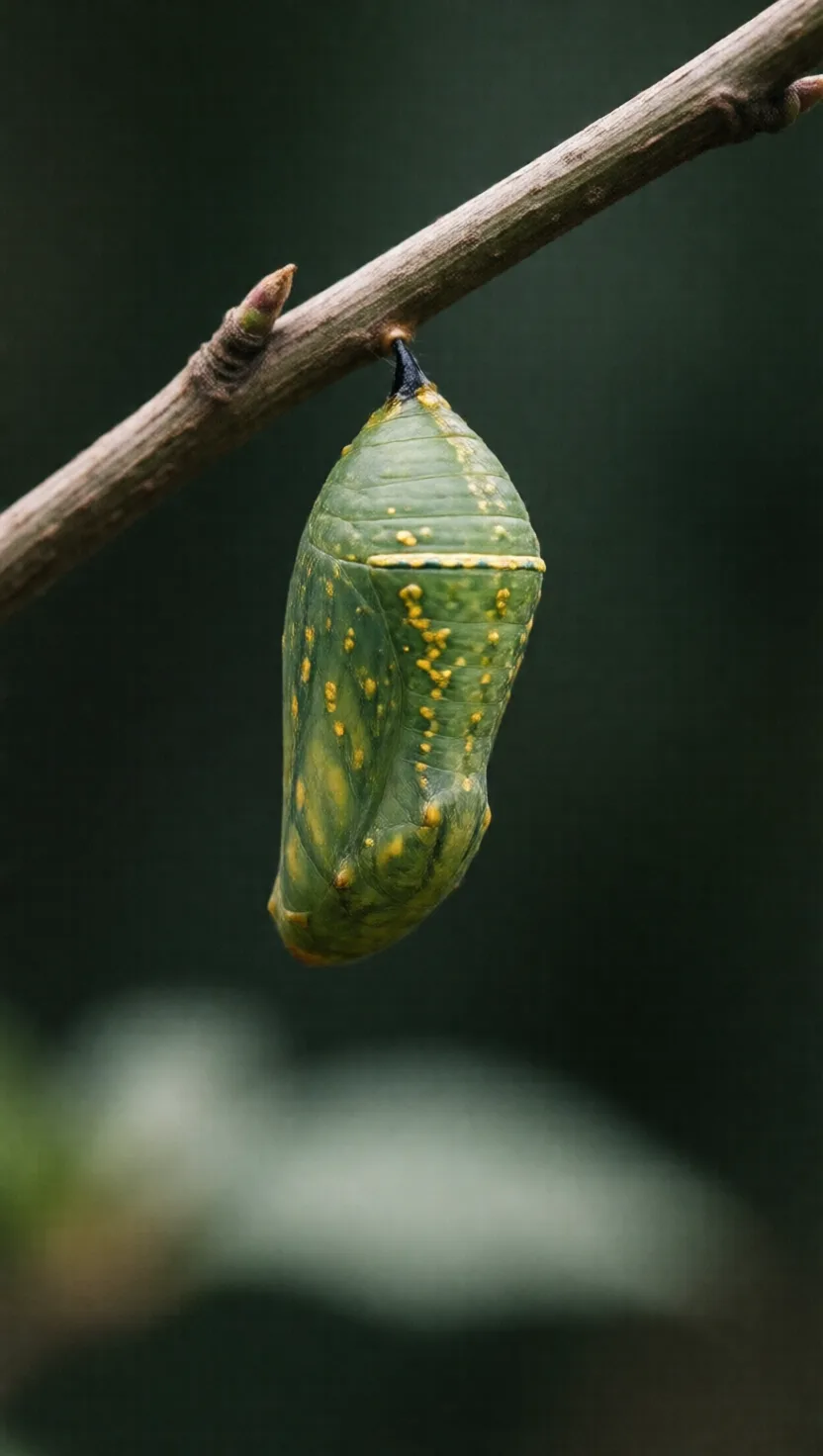
Inside the chrysalis a caterpillar's body breaks down almost completely before reassembling as a moth — so can anything survive the change? In a 2008 experiment, caterpillars were taught to avoid a particular smell using a mild shock. After metamorphosis the adult moths still steered clear of that same odour. A memory, somehow, had been carried across the near-total dissolution of the body.
His antennae catch a single scent molecule

His antennae catch a single scent molecule

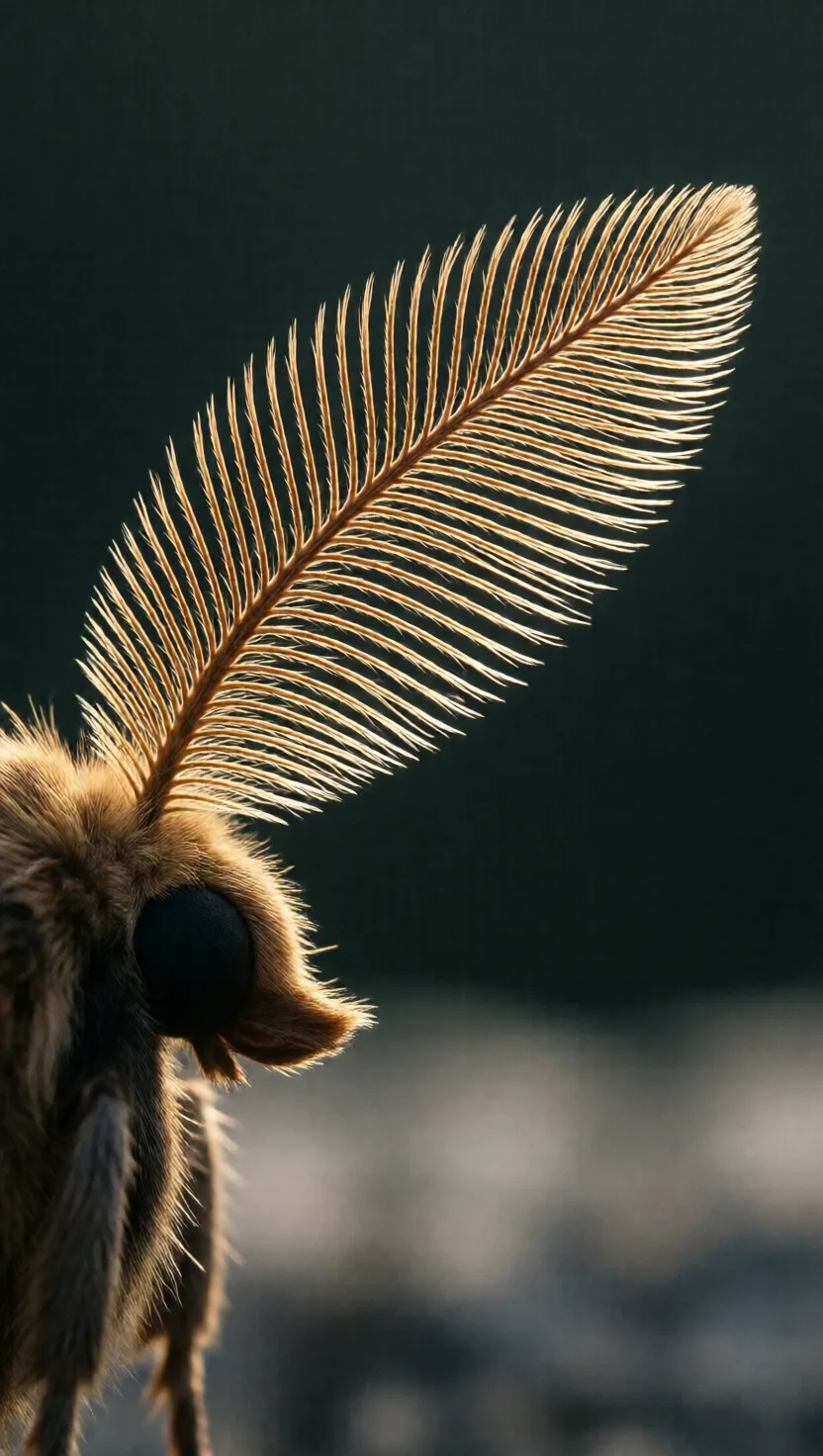
A male silk moth wears two feathery, comb-like antennae built to hunt for one thing: the scent of a female. They are so sensitive that a single molecule of her pheromone landing on them is enough to make a nerve cell fire. With a faint trail drifting on the breeze, he can turn and track her down from a long way off, guided by almost nothing at all.
They crowd on mud to drink salt, not water

They crowd on mud to drink salt, not water

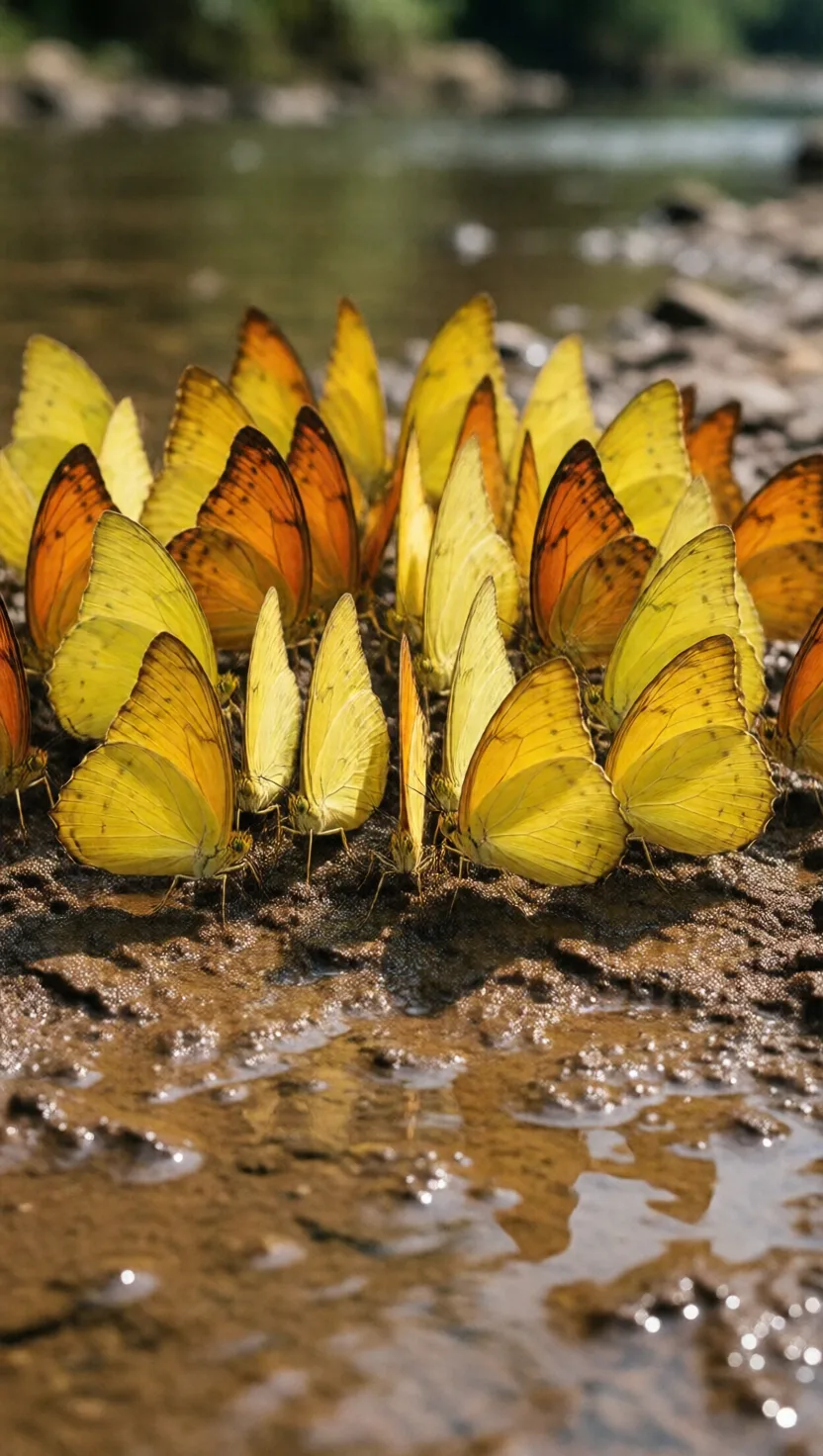
When you see a knot of bright butterflies clustered on wet mud, dung or a damp riverbank, they aren't drinking water — they're after sodium, a salt that's almost absent from flower nectar. It's nearly always the males that gather like this. They store the salt and hand it to the female during mating as a gift that helps her eggs survive. The habit even has a name: puddling.
tap →swipe ↑ for depthswipe ↓ to exit