Eight things hidden in the oldest alloy

DC·125 Deep Cuts
Bend a bar of tin and it screams

Bend a bar of tin and it screams

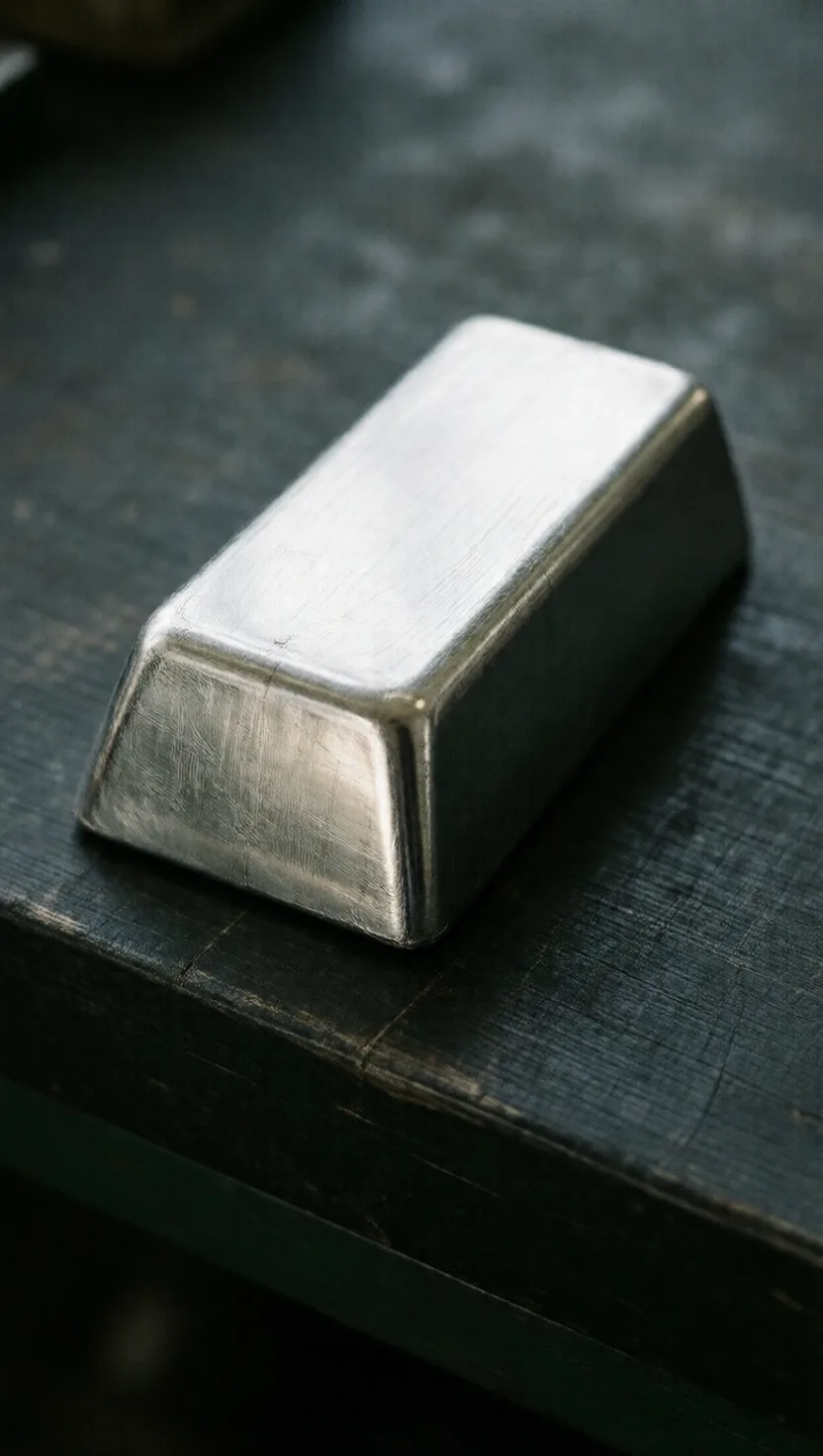
Bend a rod of pure tin slowly and you'll hear it: a faint crackling shriek metallurgists call the tin cry. It isn't the metal breaking. Tin's crystals can't easily slide past one another, so under strain they suddenly flip into mirror-image twins, and each tiny snap of rearranging crystal sends out a click. Thousands of them together make the eerie groan. Indium, cadmium and zinc cry too — but tin's voice is the famous one.
In the cold, tin rots into grey dust

In the cold, tin rots into grey dust

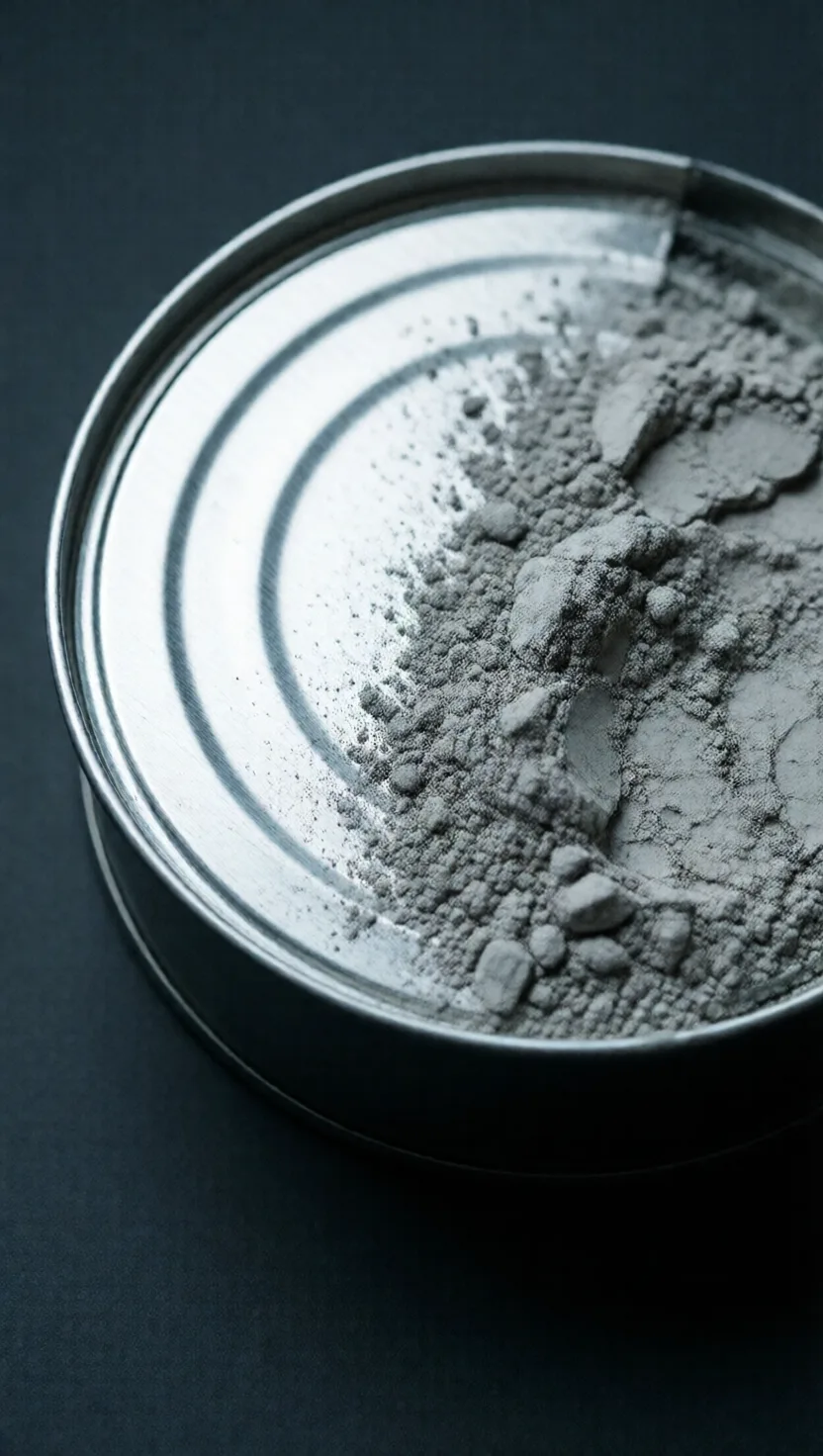
Tin has a hidden weakness. Below 13.2 degrees Celsius the shiny white metal is no longer its stable form, and given time in the cold it slowly rearranges into a dull grey powder that swells about a quarter larger and crumbles away. Worse, it's contagious: a single grey spot seeds the change in the metal around it, so the decay creeps outward like a disease. Old organ pipes and pewter left in freezing churches have quietly fallen to this tin pest.
Two soft metals make one hard one

Two soft metals make one hard one

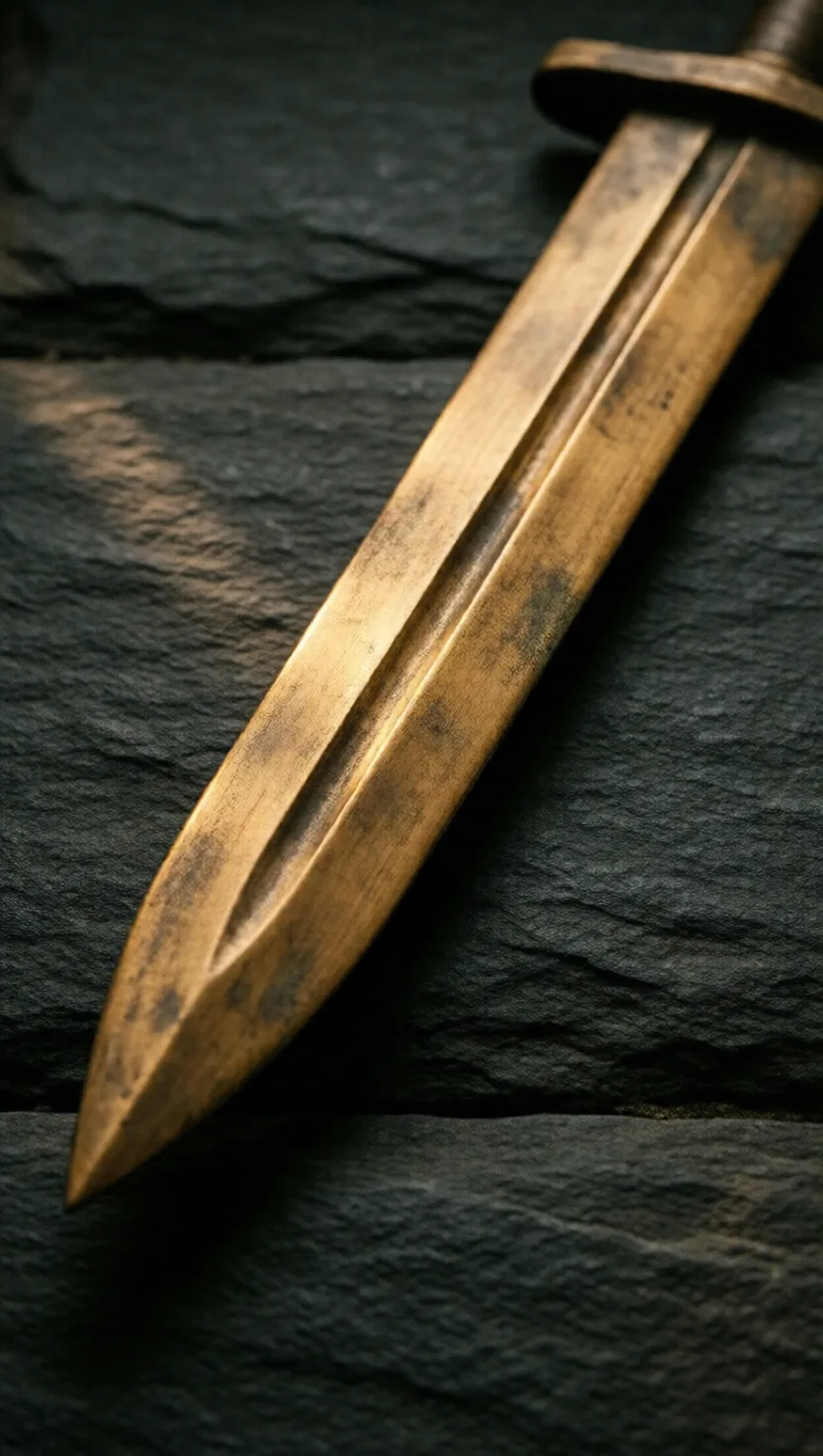
Copper is soft enough to dent with a hammer; tin is softer still. Yet melt about a tenth part tin into copper and you get bronze — harder, tougher and far better at holding an edge than either metal alone. The tin atoms wedge into the copper's crystal grid and stop it slipping. That single trick let early smiths cast blades and tools that out-cut pure copper, and it named an entire age of human history.
A bell rings only with enough tin

A bell rings only with enough tin

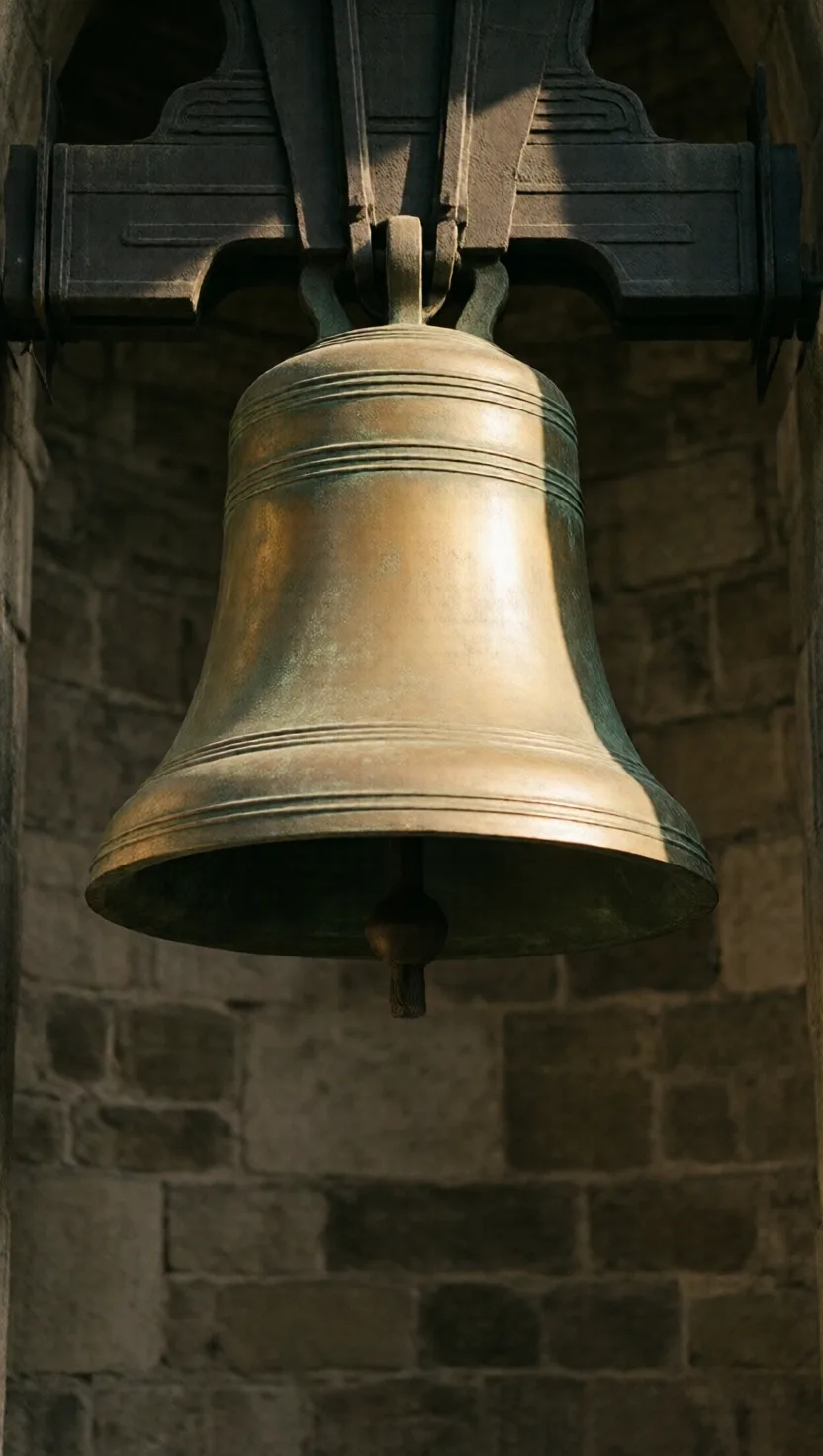
An ordinary bronze tool has about a tenth tin, but a bell needs far more — roughly a fifth to a quarter of its weight, a mix smiths call bell metal. The extra tin makes the alloy stiff and brittle, so it would shatter as a blade, yet that same stiffness is exactly what lets it ring long and clear when struck. The recipe, close to four parts copper to one part tin, has been cast into church bells for well over a thousand years.
A green rot that eats ancient bronze

A green rot that eats ancient bronze

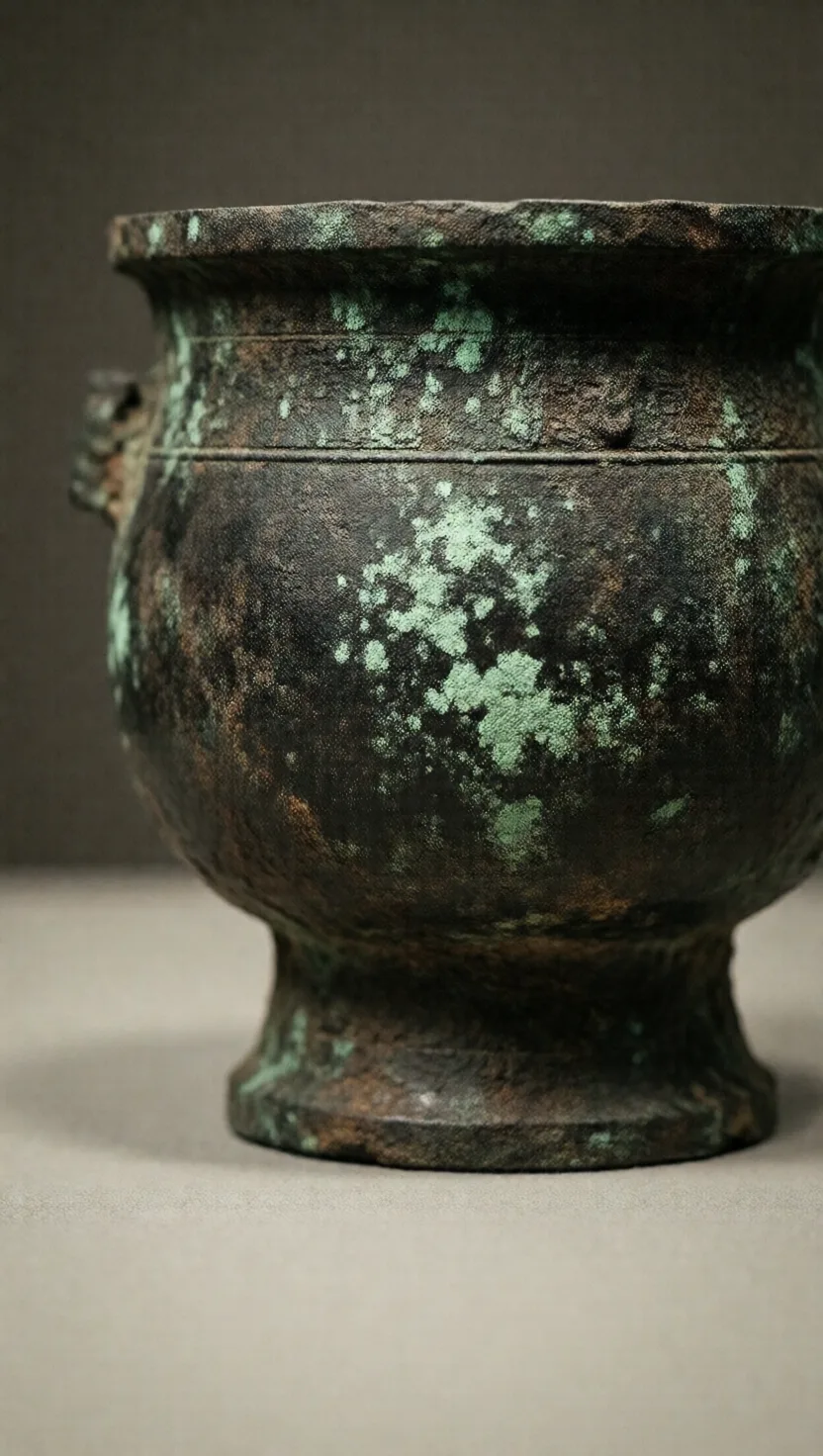
Museums dread it: a powdery, light-green crust that breaks out on old bronze and slowly devours it. The trigger is chloride — often salt soaked up during centuries underground or undersea. It reacts with the copper to form an acid that attacks fresh metal and frees yet more chloride, feeding itself in an endless loop. Conservators call it bronze disease and fight it by keeping the air bone-dry, since damp is what lets the rot spread.
A pewter mug is almost pure tin

A pewter mug is almost pure tin

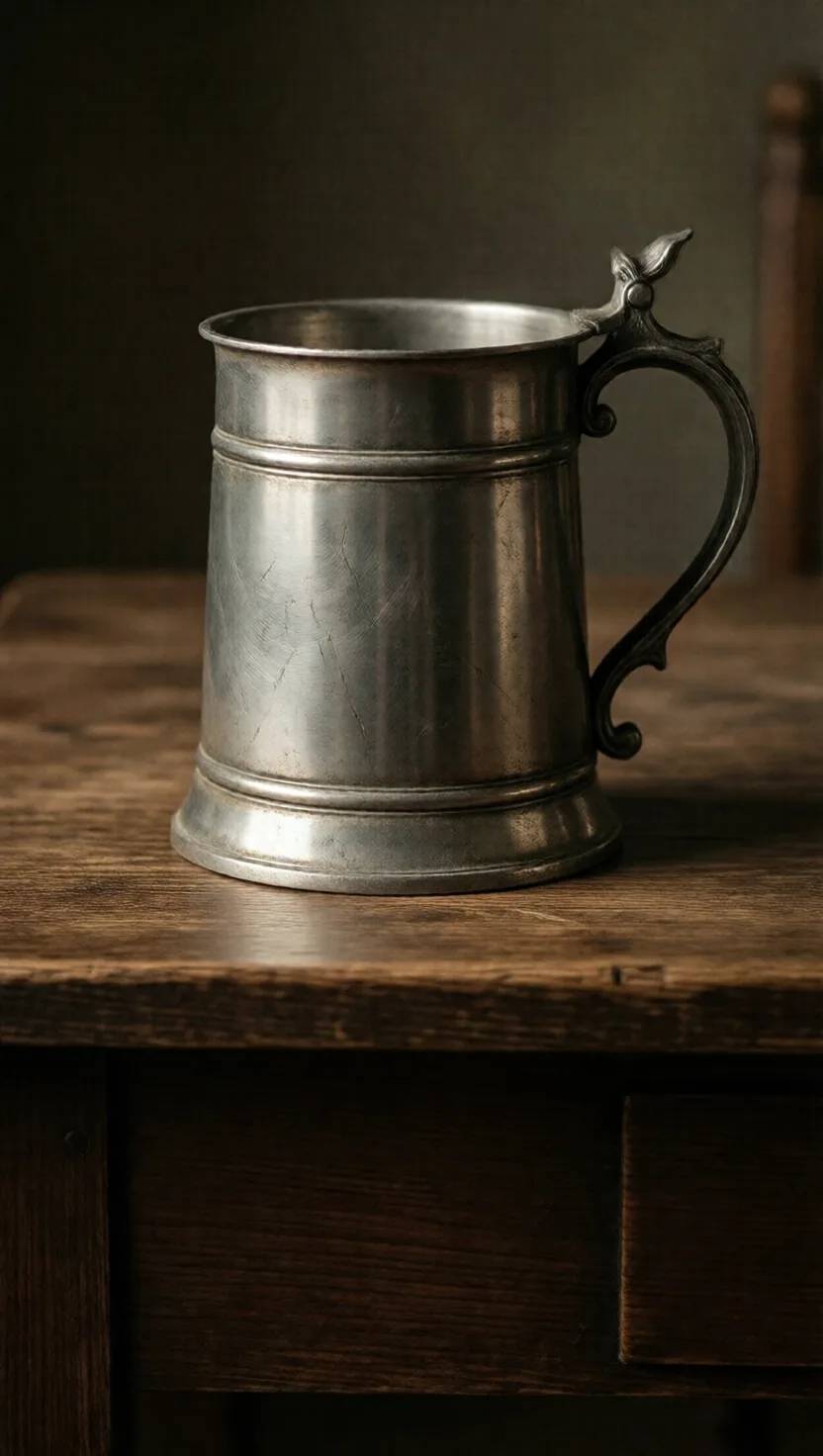
Pewter looks like dull silver, but it's mostly tin — usually nine parts in ten or more, firmed up with a little copper and antimony. That high tin content makes it soft and low-melting, easy for a village craftsman to cast into plates and tankards. For centuries much of it also hid lead, which leached into wine and cider; modern pewter drops the lead entirely. The grey shine on an old tankard is, at heart, the metal from a tin mine.
We meet Greek bronzes as marble ghosts

We meet Greek bronzes as marble ghosts

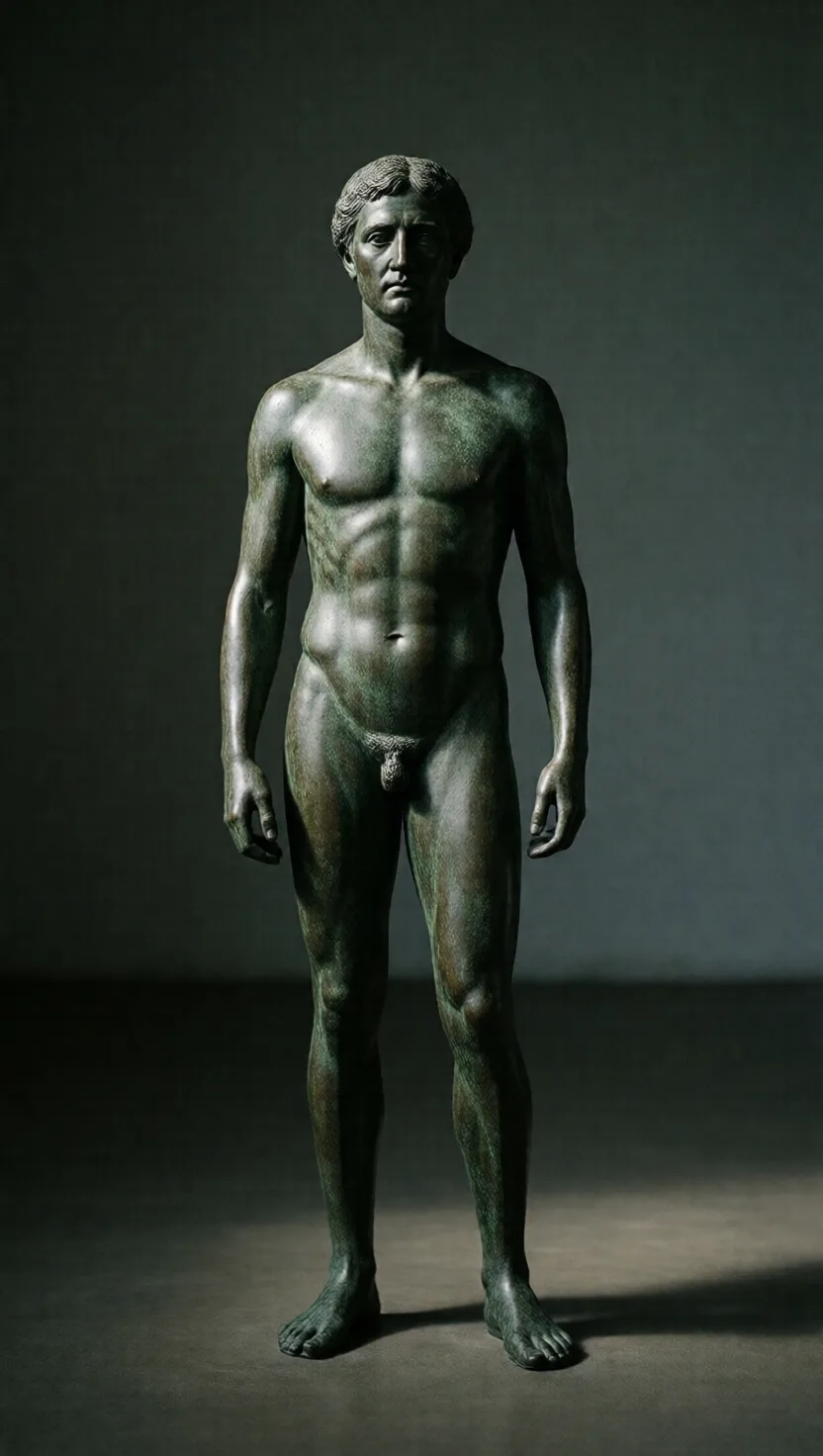
Ancient Greece cast its greatest sculptures in bronze, hollow and lifelike, using the lost-wax method. Almost none survive — bronze was too valuable, and over the centuries statue after statue was melted down for coins, weapons and church bells. The famous originals we still have, like the Riace warriors, mostly survived by accident in shipwrecks. Many celebrated Greek masterpieces are known to us only through the marble copies Roman collectors had made.
A tin can is almost all steel

A tin can is almost all steel

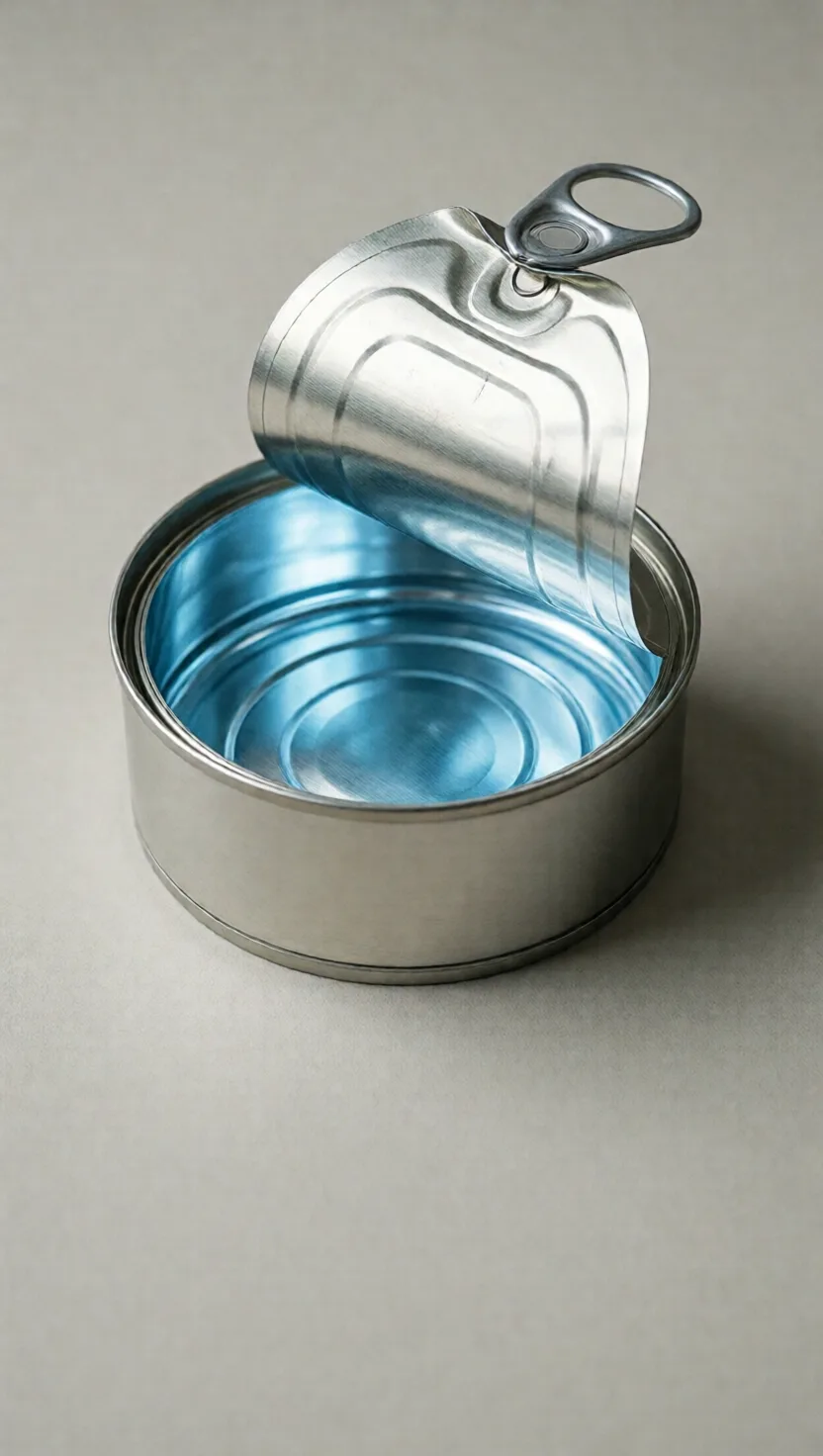
The tin can is a misleading name. It's really a steel can wearing the thinnest imaginable coat of tin — often around a micrometre thick, finer than a hundredth of a sheet of kitchen foil, just enough to stop the steel rusting and tainting the food. Old kitchen tin foil was genuine tin once, but it was swapped for cheaper aluminium in the mid-1900s. So both the tin can and tin foil are barely tin at all.
tap →swipe ↑ for depthswipe ↓ to exit