Eight things about crabs, shrimp and their armoured kin

DC·123 Deep Cuts
The biggest arthropod is mostly legs

The biggest arthropod is mostly legs

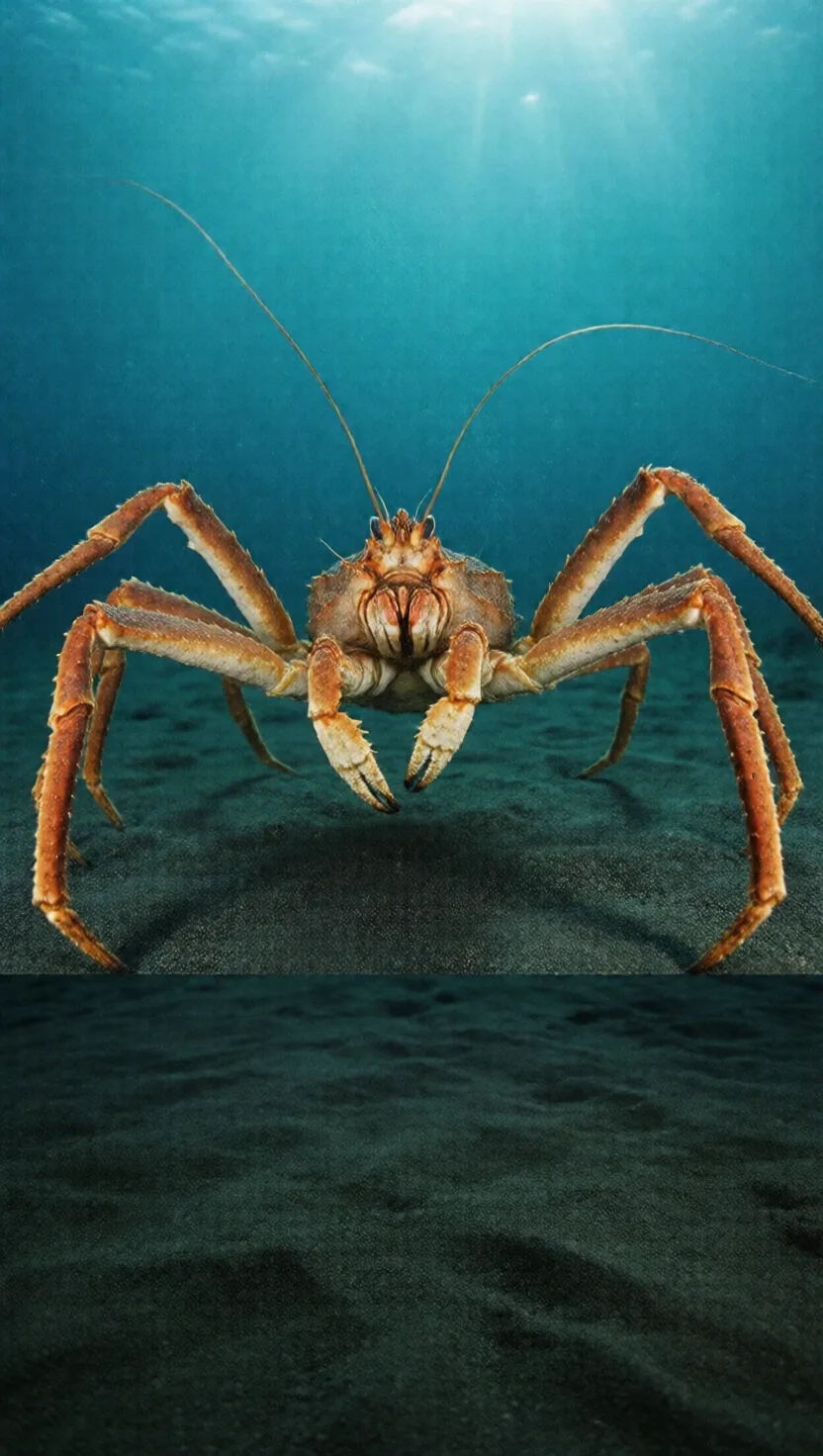
Stretch a Japanese spider crab from claw tip to claw tip and it spans up to 3.7 metres — wider than a person is tall, the greatest leg span of any animal with a jointed exoskeleton. The body stays modest, about the size of a dinner plate; almost all that reach is spindly leg. It walks the seafloor off Japan as deep as 600 metres, scavenging slowly, and can live for decades.
Hermit crabs queue up to swap homes

Hermit crabs queue up to swap homes

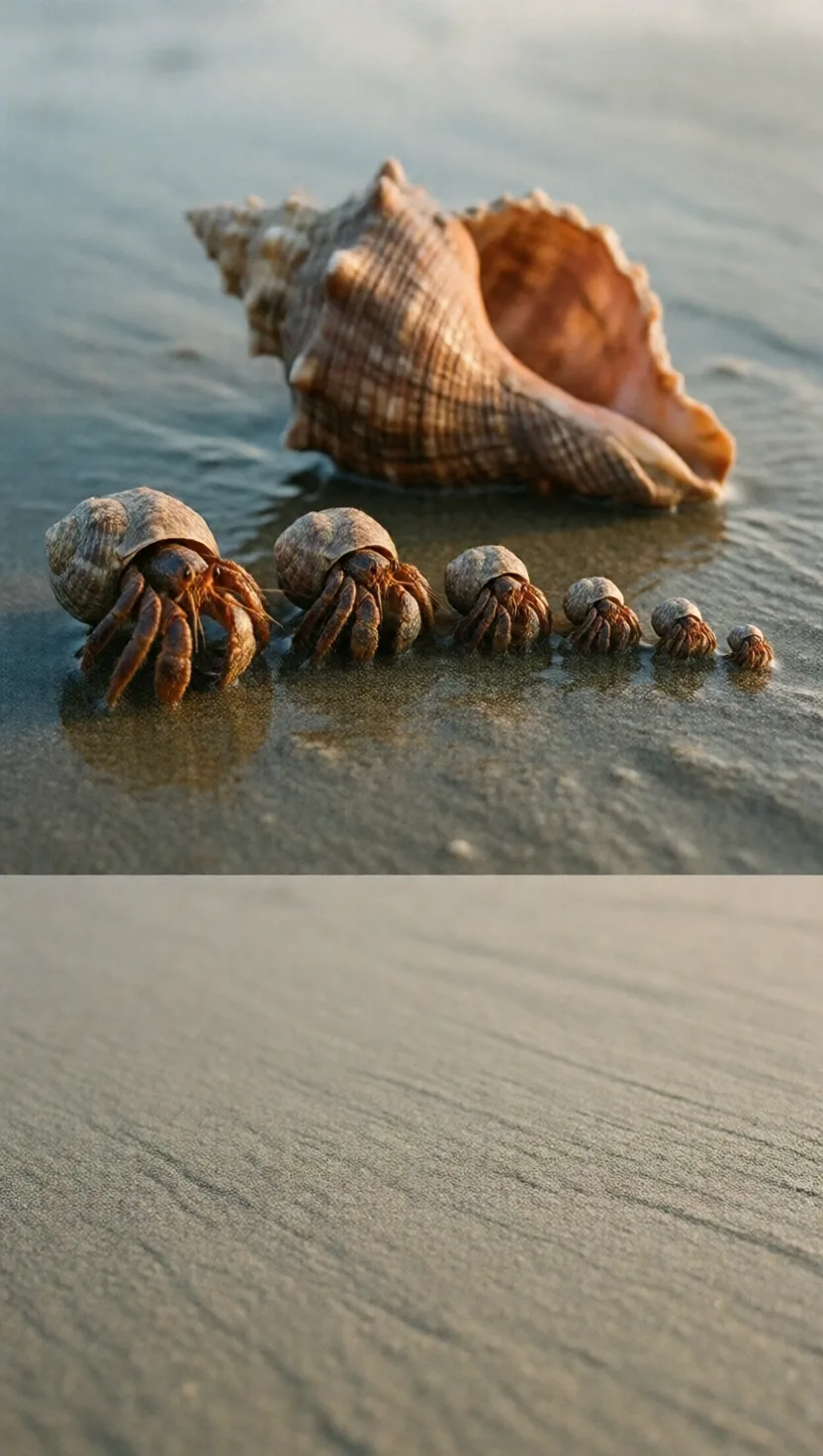
When one big empty shell washes up, hermit crabs don't fight over it — they line up. Gathering from largest to smallest, they wait until the biggest crab claims the new shell, then each crab in turn moves into the home the one above just vacated. A single arriving shell can rehouse a whole chain of crabs in moments. Biologists call it a vacancy chain, one of the few times animals share a resource in an orderly queue.
Blue blood guards every vaccine

Blue blood guards every vaccine

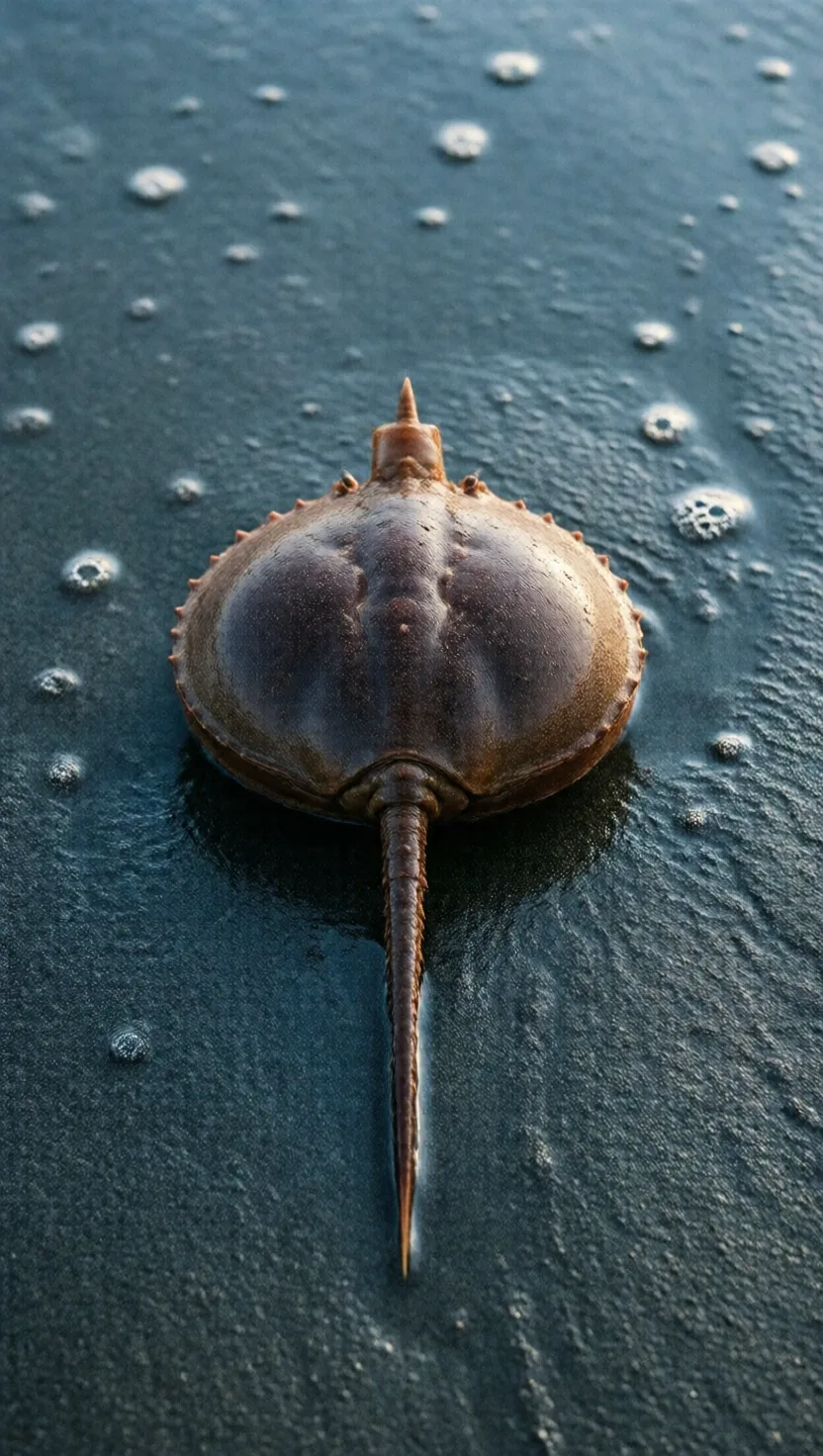
Horseshoe crab blood is sky blue — it carries oxygen with copper instead of iron. It also has a strange talent: special cells clot instantly around bacterial toxins. A test made from that blood, in use since 1977, is dripped onto nearly every injectable medicine and vaccine to check for contamination; if the sample clots, the batch is unsafe. The crabs are bled and returned to the sea, their pale-blue blood quietly standing guard over modern medicine.
The roly-poly is a crab cousin on land

The roly-poly is a crab cousin on land

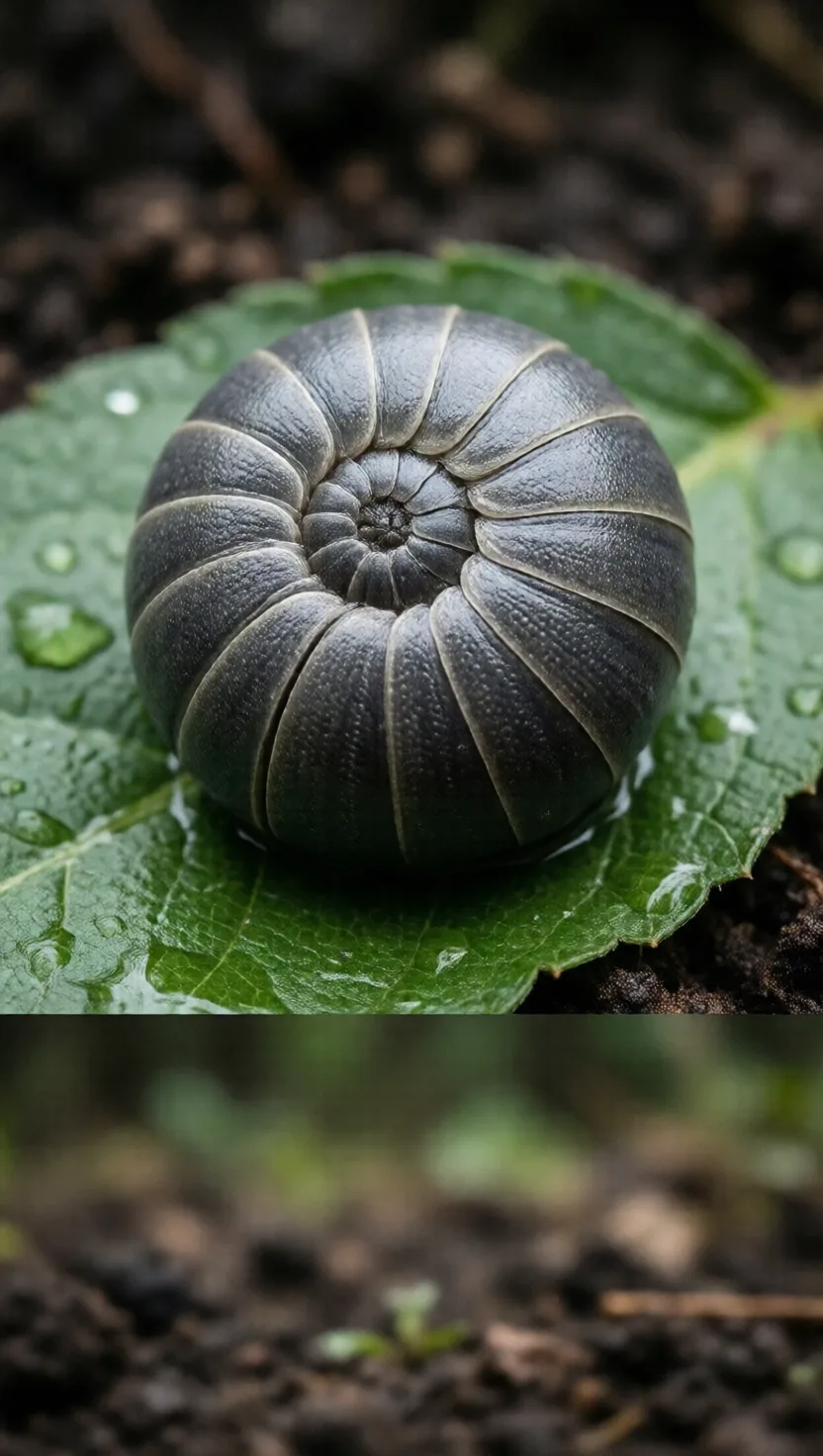
The little grey pill bug that curls into a ball under a flowerpot is not an insect — it's a crustacean, closer kin to crabs and lobsters than to beetles. It never fully left the sea: it breathes through gill-like plates that must stay damp, carries copper-blue blood, and drinks water up through tubes at its rear end. Roll it and it armours into a sphere. It's one of the only crustaceans to live its whole life on dry land.
One claw can outweigh the rest of the crab

One claw can outweigh the rest of the crab

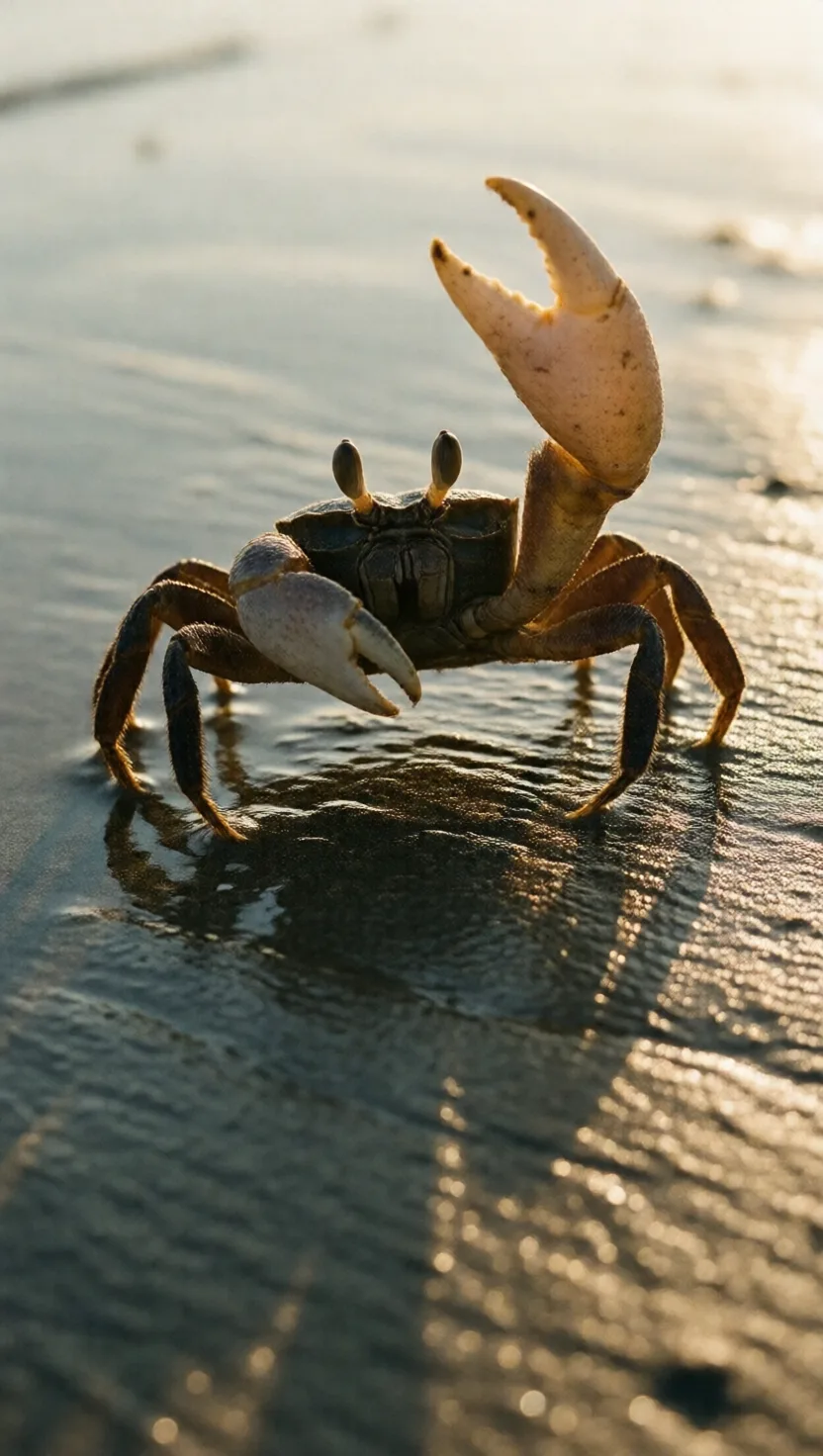
A male fiddler crab grows one claw so enormous it can reach about half his entire body weight, while the other stays small and dainty. He waves the giant claw to court females and to threaten rival males. It's costly to carry and nearly useless for eating — he feeds only with the little one. Lose the big claw and he regrows it, but the replacement comes back lighter and weaker: a fearsome-looking weapon that's secretly bluffing.
A lobster chews inside its stomach

A lobster chews inside its stomach

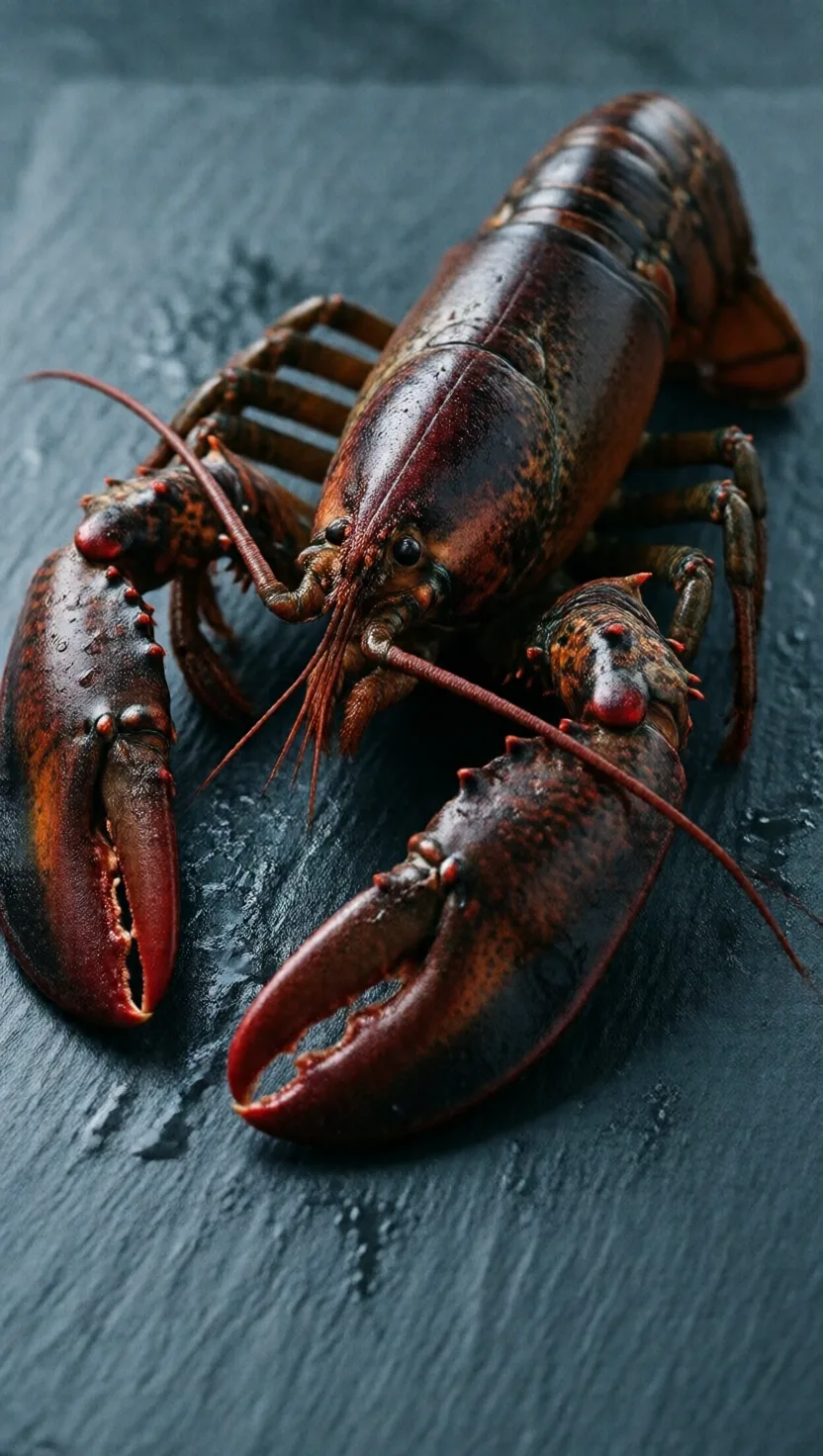
A lobster's mouth barely chews at all. The real grinding happens in its stomach, just behind the eyes, where three hard calcified teeth — one on top, two on the sides — mash food in a structure called the gastric mill. The teeth are built from chitin stiffened with chalk, and the lobster sheds and regrows them every time it moults its shell. So it swallows first and chews second, with teeth it keeps inside its gut.
Its punch boils the water around it

Its punch boils the water around it

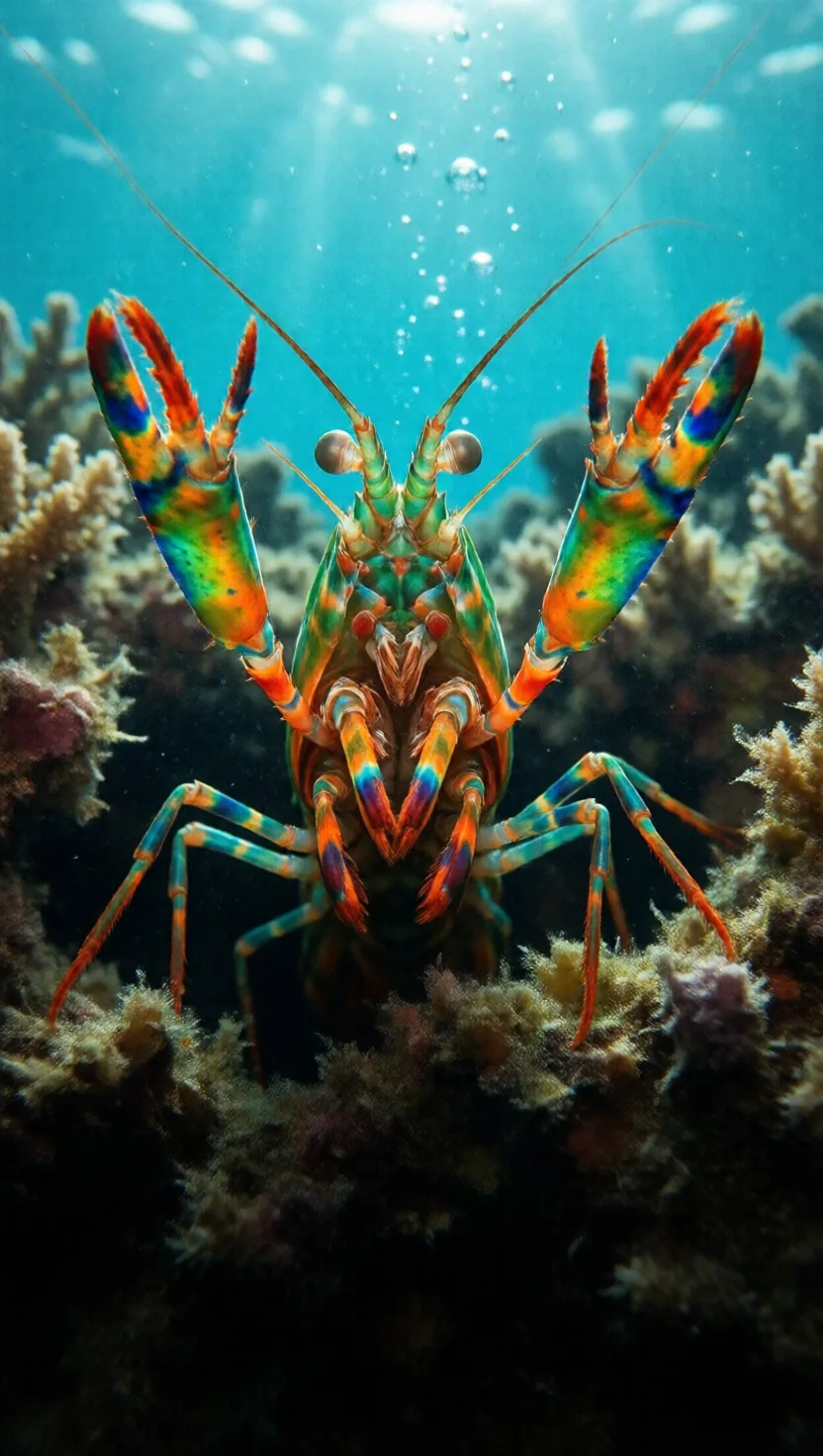
The mantis shrimp's club-like forelimb strikes at up to 23 metres a second, with the acceleration of a bullet leaving a gun. It moves so fast it tears the water apart, leaving a vapour bubble that collapses with a flash and a crack — momentarily heating the water to thousands of degrees. That collapse delivers a second blow, so a mantis shrimp can stun its prey even when the punch itself misses. The force can crack aquarium glass.
A barnacle eats standing on its head

A barnacle eats standing on its head

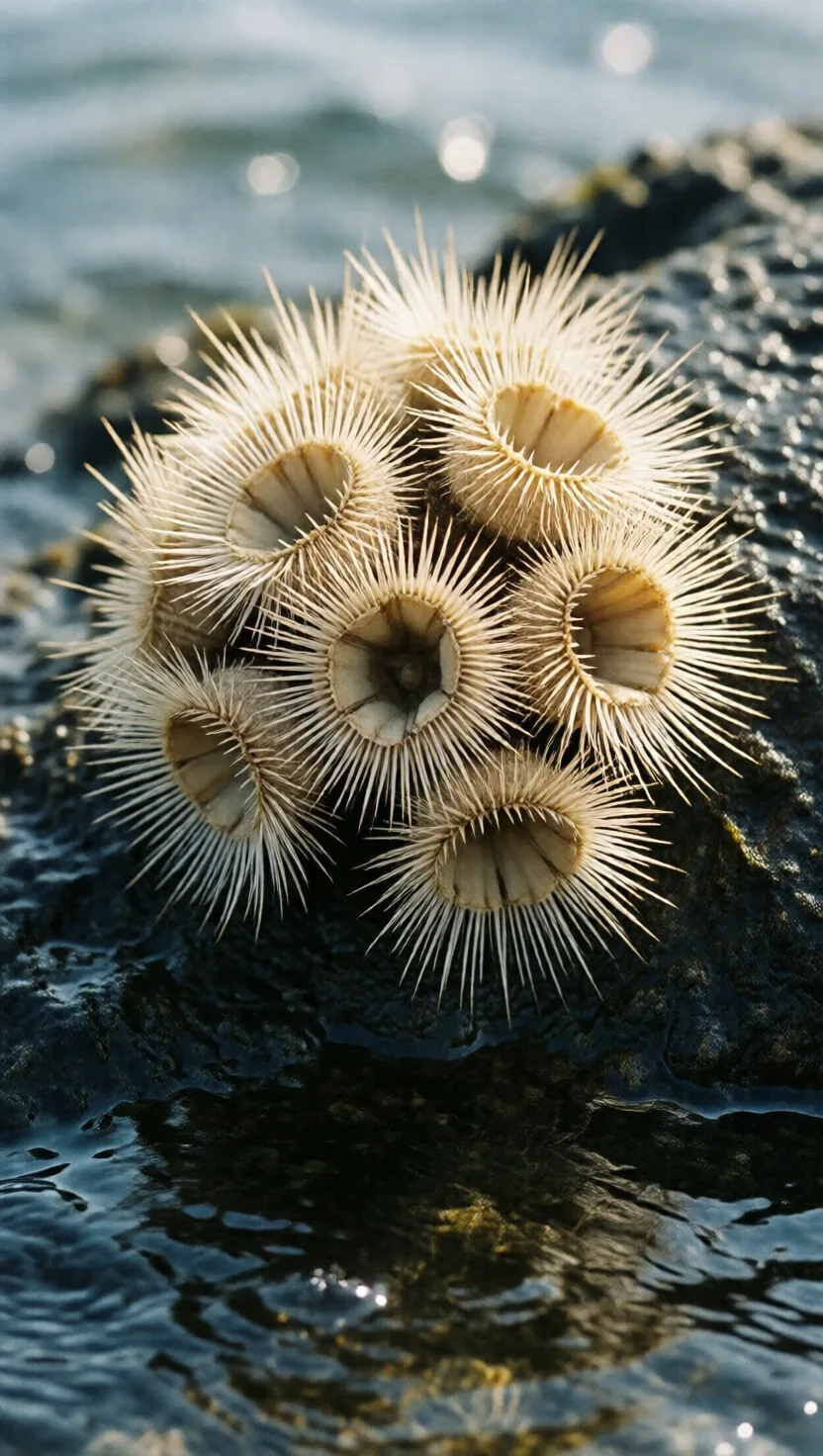
Glued in place for life, a barnacle spends it upside down. As a larva it cements itself to the rock by its forehead, then lies on its back inside a cone of chalky plates. To feed, it opens the top and unfurls six pairs of feathery legs called cirri, sweeping them through the water like a tiny rhythmic hand to rake plankton down into its mouth. Charles Darwin spent eight years studying them — a crustacean that kicks its food in with its feet.
tap →swipe ↑ for depthswipe ↓ to exit