Eight things hidden in a marsupial's pouch

DC·122 Deep Cuts
One animal alone makes cube-shaped droppings

One animal alone makes cube-shaped droppings

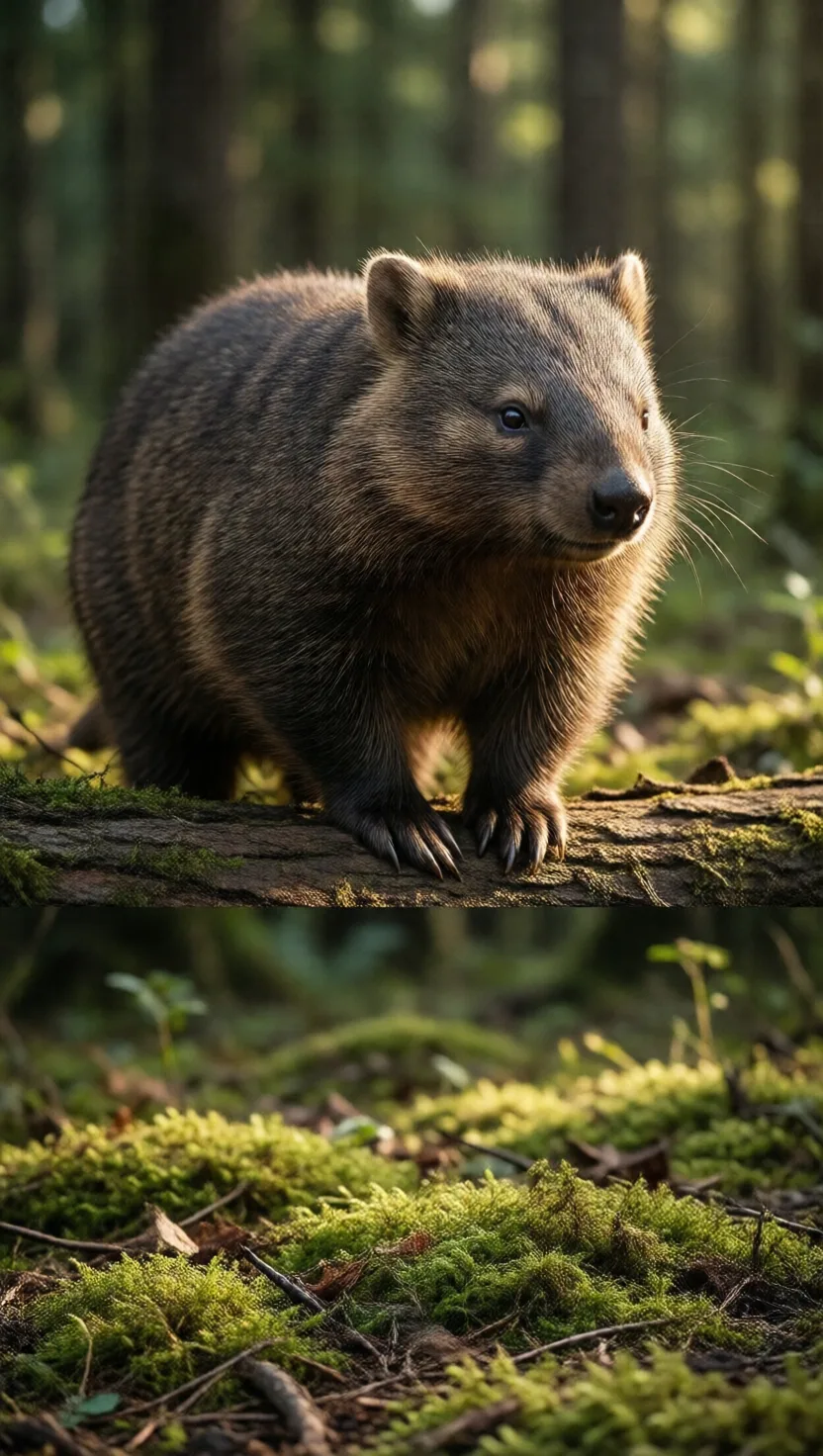
Wombats are the only animals known to produce cube-shaped droppings, leaving neat little blocks to mark their territory on logs and rocks where rounder pellets would just roll away. The cubes form in the last stretch of the intestine, whose walls vary in stiffness around the loop and slowly mould the drying contents into flat sides and corners. A wombat can leave up to 100 cubes a night. The work won a 2019 Ig Nobel Prize.
A koala's fingerprints could fool a detective

A koala's fingerprints could fool a detective

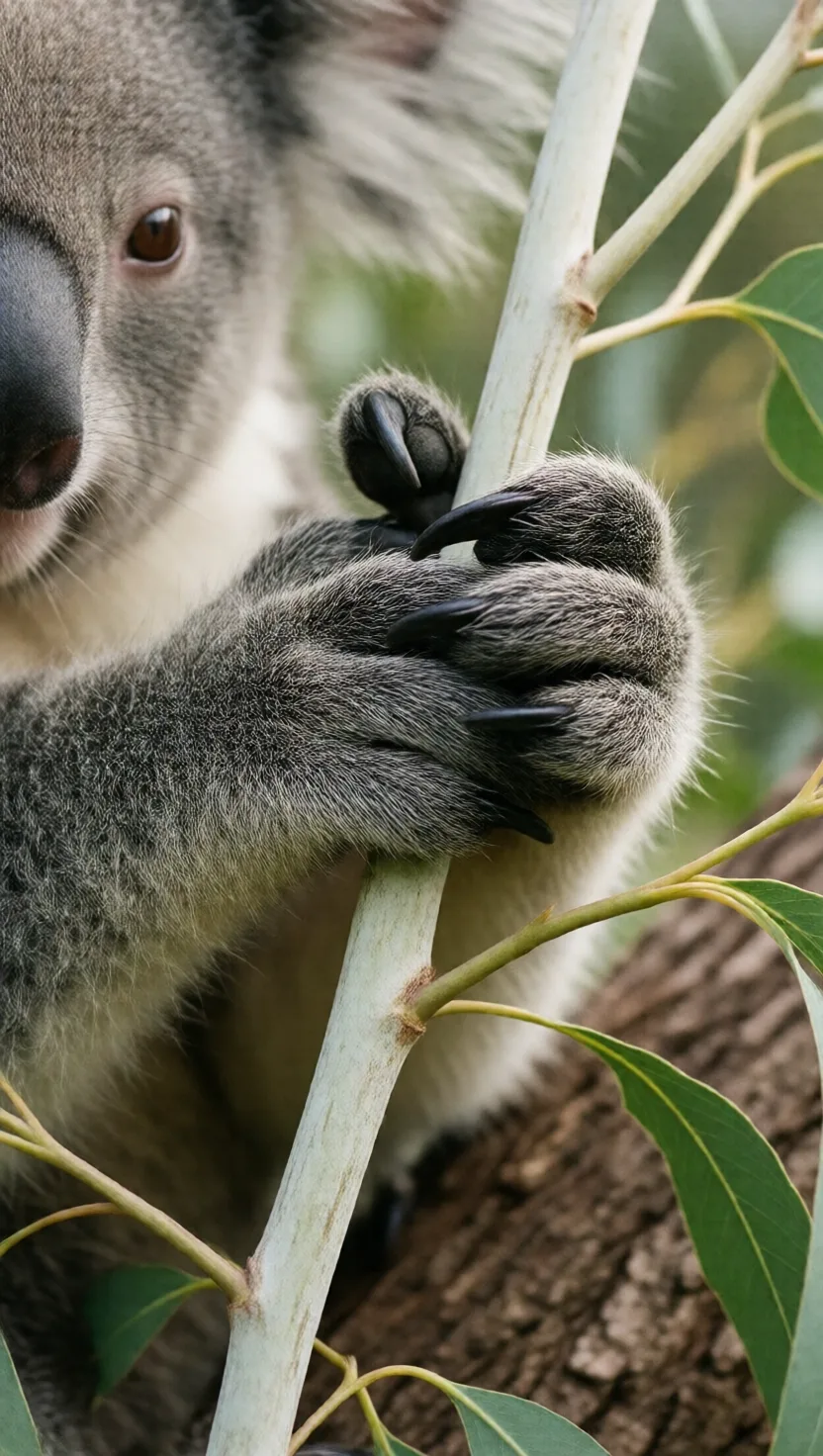
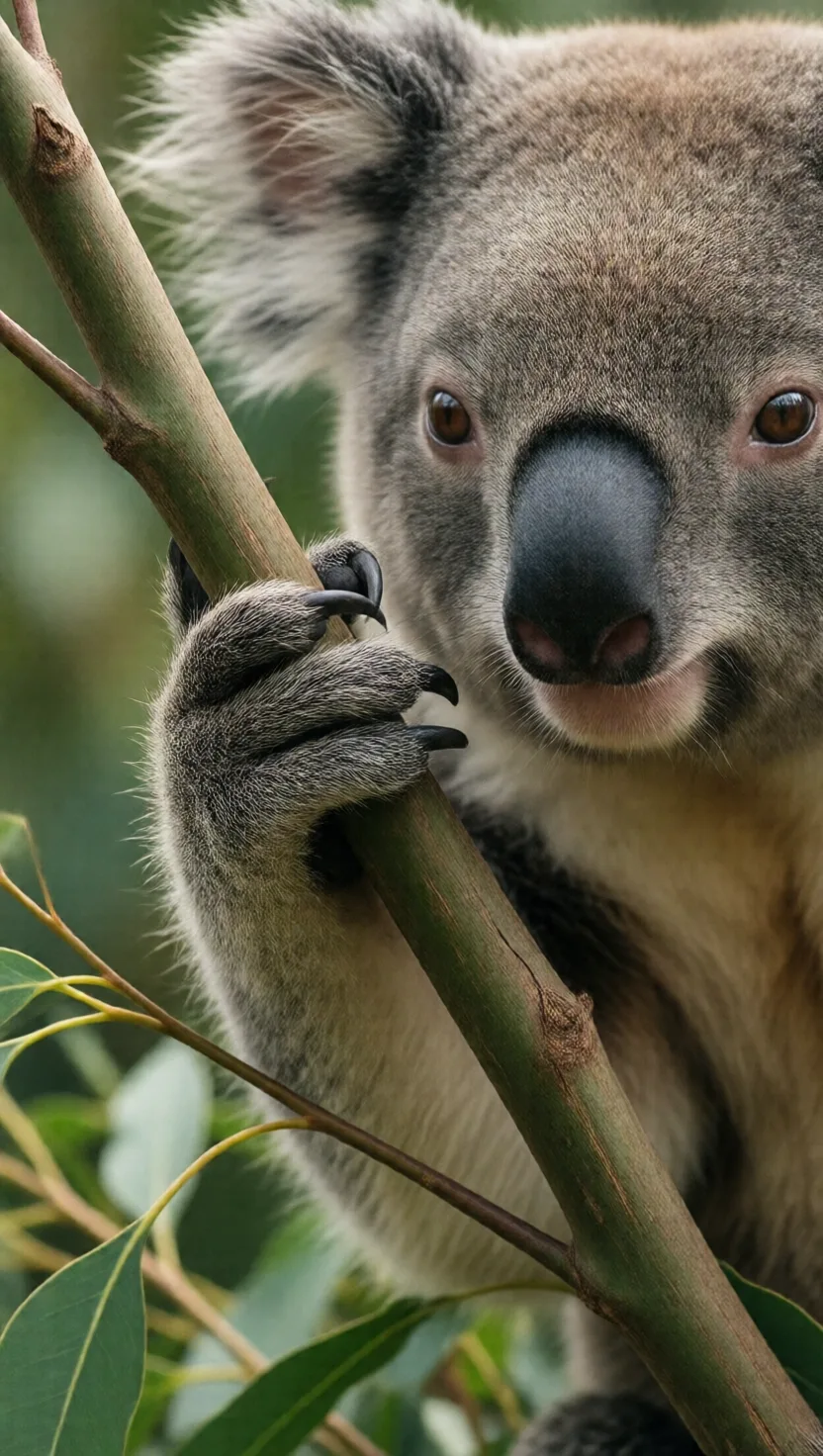
Koalas have fingerprints so like ours that under a microscope even trained examiners struggle to tell them apart, sharing the same loops, whorls and arches. Yet koalas and humans last shared an ancestor around 70 million years ago, so the ridges evolved twice, completely separately. Both lineages needed fine touch and grip, ours for tools, the koala's for clambering up smooth eucalyptus trunks, and arrived at the same fingertip solution.
A kangaroo walks on five legs, not four

A kangaroo walks on five legs, not four

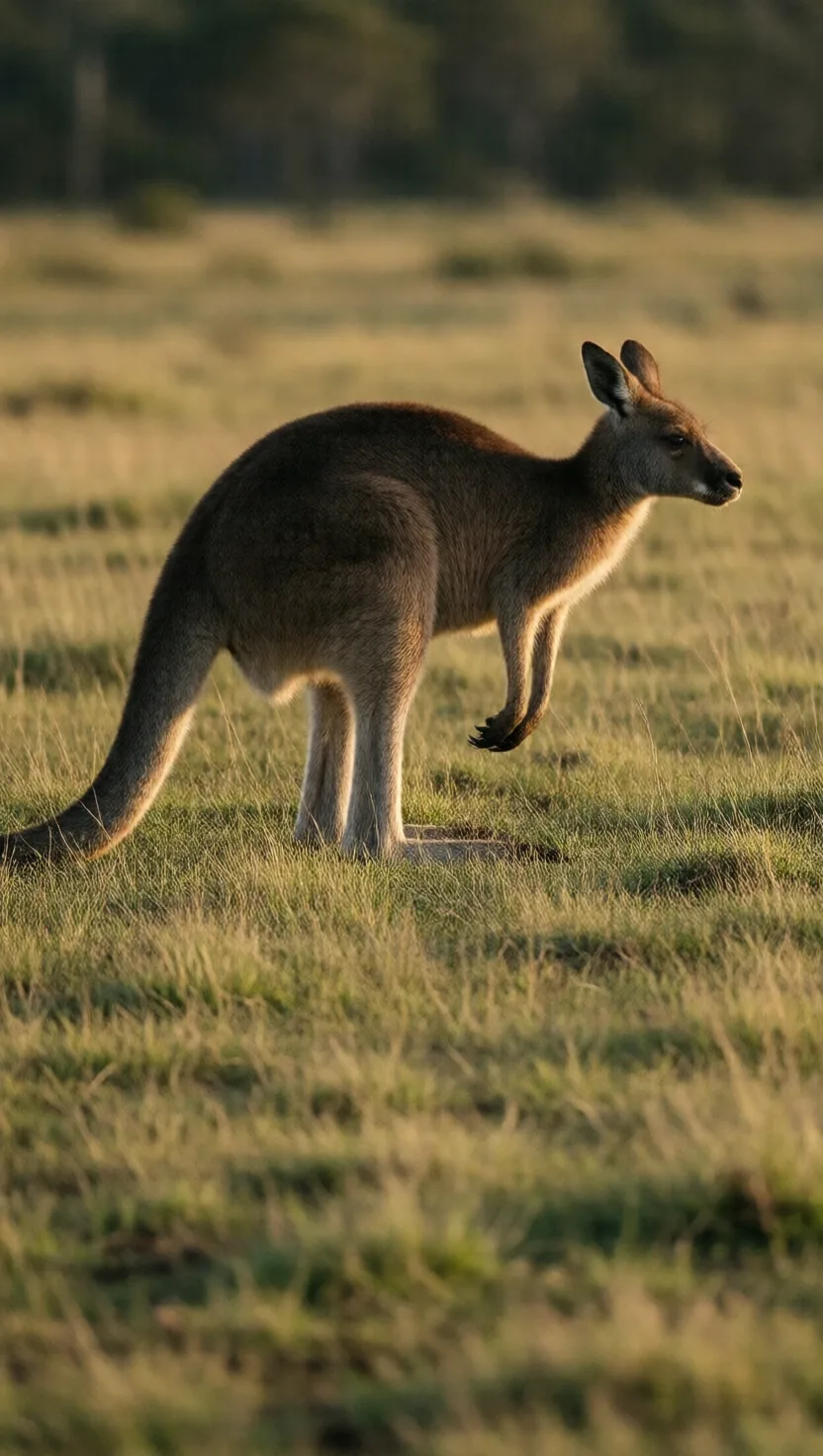
When a kangaroo moves slowly it does not hop; it walks on five legs. It plants its thick tail on the ground like an extra limb, swinging both hind legs forward while the tail and forelimbs take the weight. Force-plate measurements show the tail is no mere prop: it supplies as much forward push as the front and hind legs combined, doing roughly the work a human leg does in walking. Scientists call it the pentapedal, five-footed, gait.
An opossum shrugs off snake venom that kills us

An opossum shrugs off snake venom that kills us

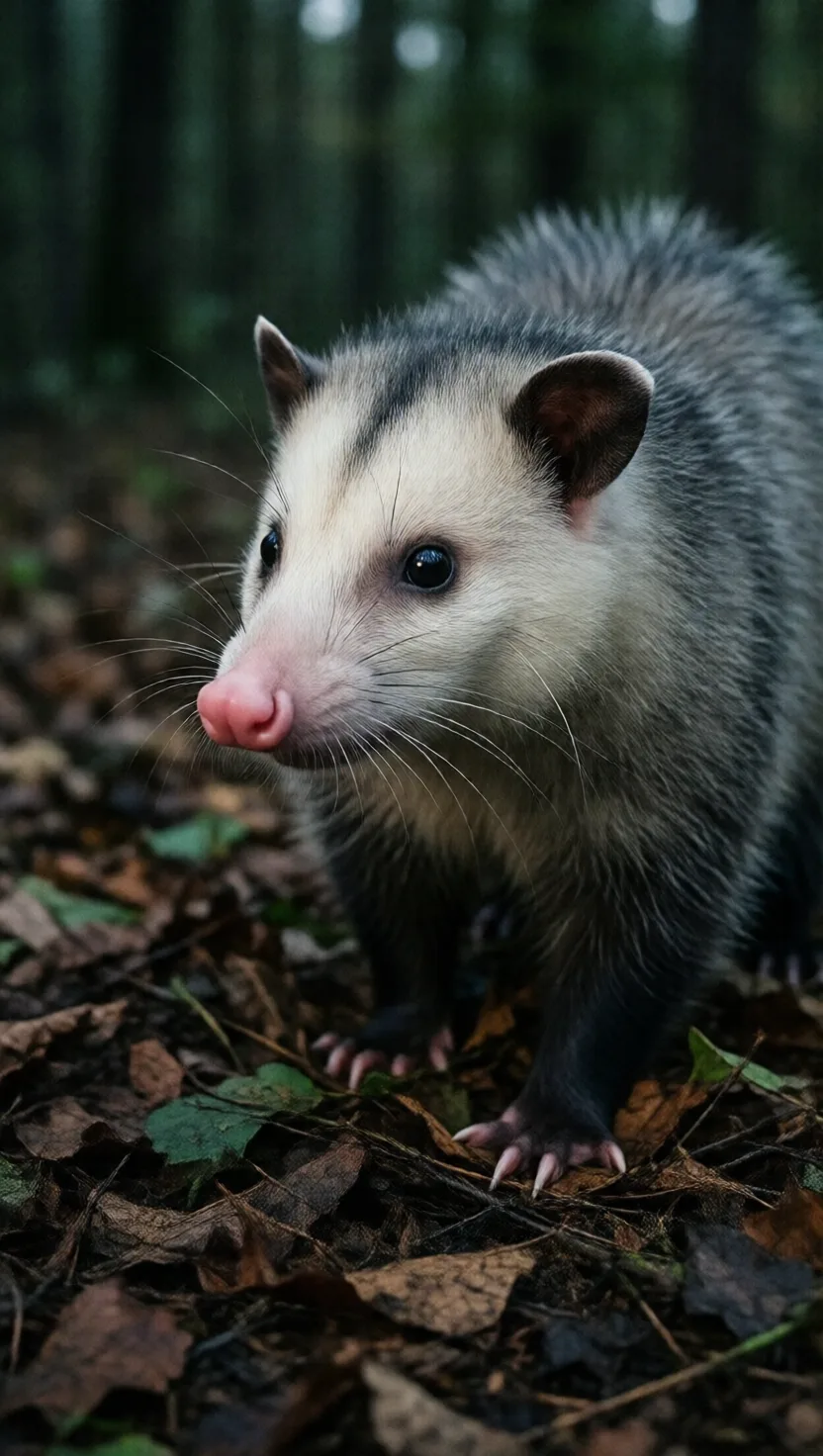
The humble opossum can be bitten by a pit viper and barely notice. Its blood carries a small protein nicknamed lethal toxin neutralizing factor, whose active core is just the first eleven amino acids, and it disarms venoms from rattlesnakes, cobras and vipers alike, along with toxins as varied as ricin and bee sting. Researchers are trying to turn the opossum's molecule into a cheap, universal antivenom that could save thousands of lives.
This pocket-sized marsupial flies on a skin sail

This pocket-sized marsupial flies on a skin sail

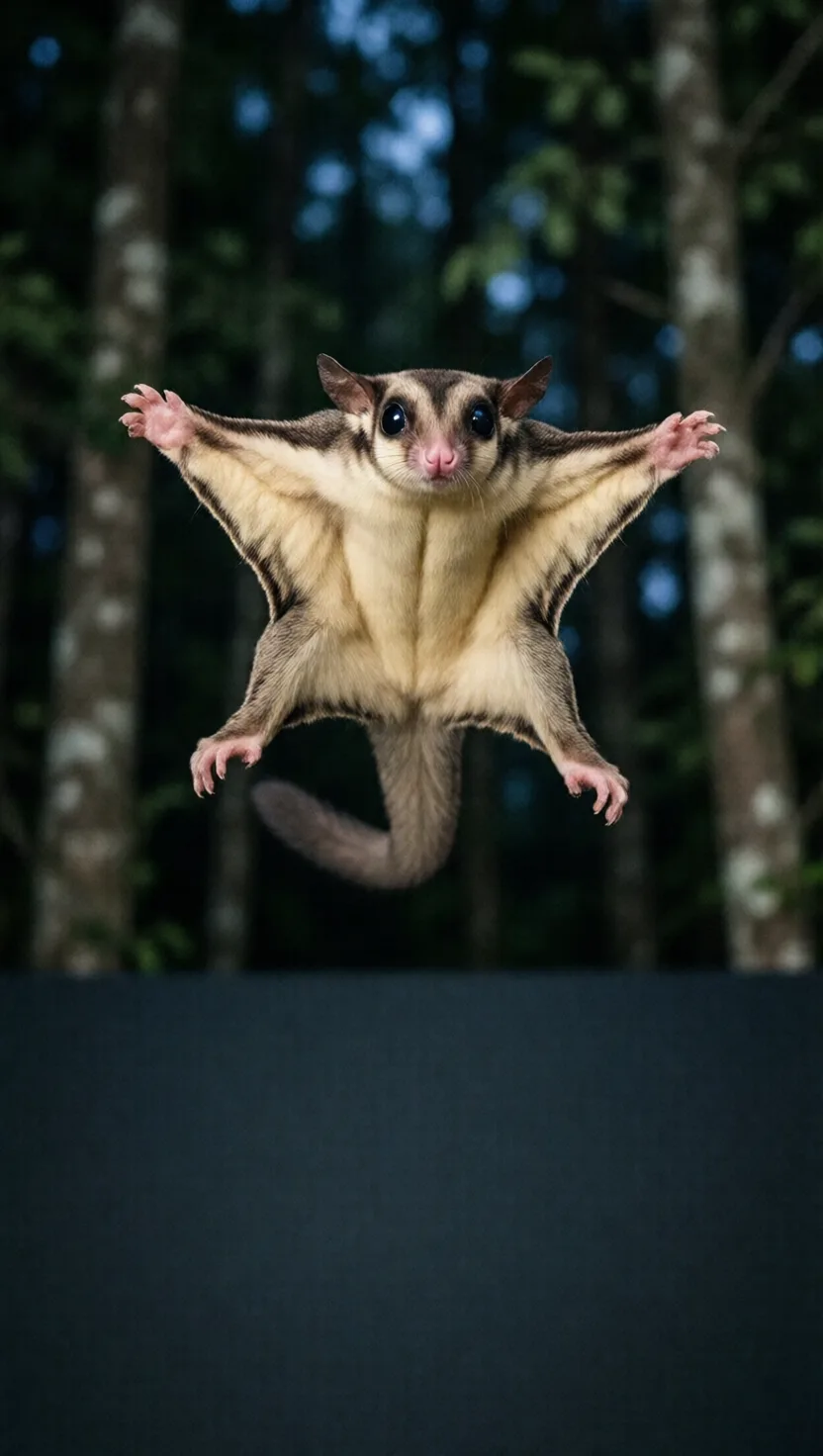
A sugar glider is no bigger than a chipmunk, yet it crosses the forest by air. A thin furred membrane called the patagium stretches from the little finger of each hand to the first toe of each foot; spread wide, it turns the animal into a living parachute. From a high branch it can glide around 45 to 50 metres in a single swoop, steering and braking by tensing the membrane and angling its long bushy tail like a rudder.
Pound for pound, this jaw out-bites a lion

Pound for pound, this jaw out-bites a lion

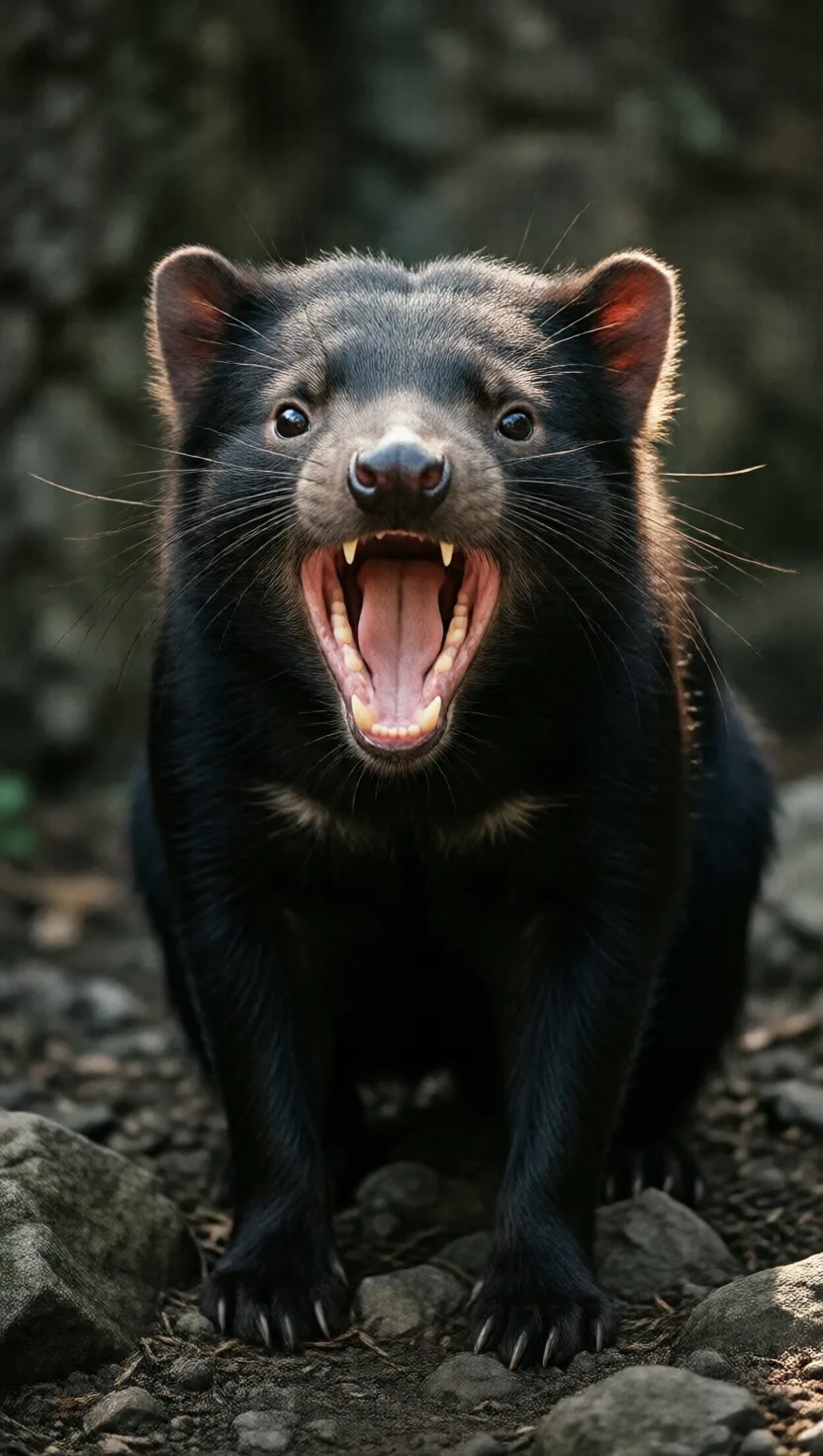
The Tasmanian devil is a stocky marsupial the size of a small dog, but relative to its body it has the most powerful bite of any living mammal predator, with a bite-force quotient of 181 against a lion's 112 or so. Its jaws gape nearly 80 degrees and shut with enough force to crush bone and shear through thick wire, letting the devil devour a carcass whole, fur, teeth and all, leaving almost nothing behind.
A koala grips with two thumbs on each hand

A koala grips with two thumbs on each hand

A koala's front paw has five digits like ours, but two of them are opposable thumbs set against the other three, splitting the hand into a powerful pincer. This double-thumb grip lets the koala clamp a branch from both sides at once and hang on even while it sleeps up to 20 hours a day in the canopy. Rough, ridged pads add extra friction for hauling itself up smooth eucalyptus, the only tree whose leaves it eats.
A newborn kangaroo is the size of a jellybean

A newborn kangaroo is the size of a jellybean

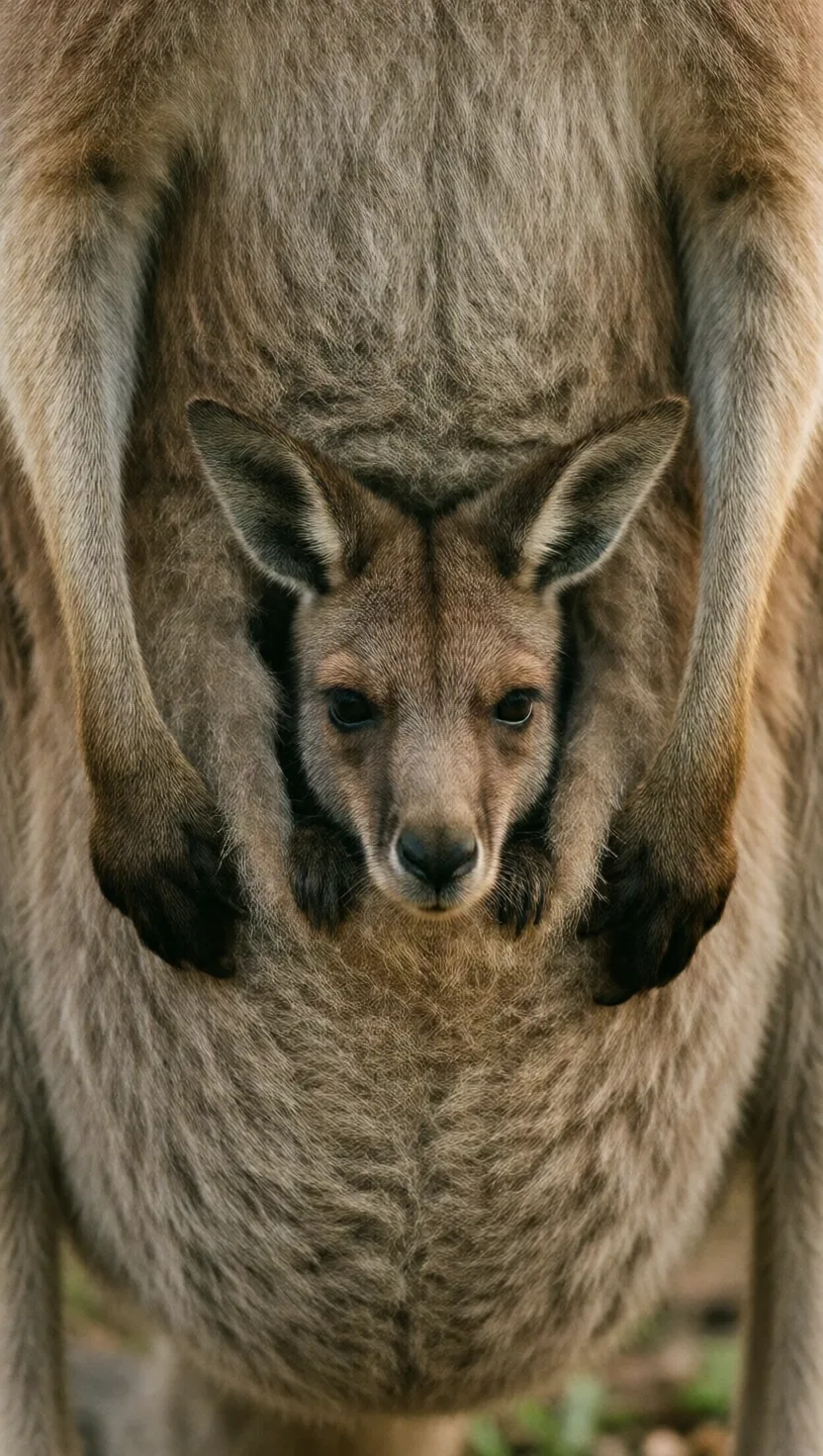
A kangaroo is born after just over a month of pregnancy: pink, blind, earless and barely two centimetres long, weighing less than a gram, about the size of a jellybean. With no help from its mother it hauls itself by its tiny forelimbs up through her fur to the pouch, a climb of around three minutes that it must complete entirely alone. There it latches onto a teat and grows for some nine months before facing the world.
tap →swipe ↑ for depthswipe ↓ to exit