Eight things about gold and precious metals

DC·12 Deep Cuts
Gold is yellow because its electrons move near light-speed

Gold is yellow because its electrons move near light-speed

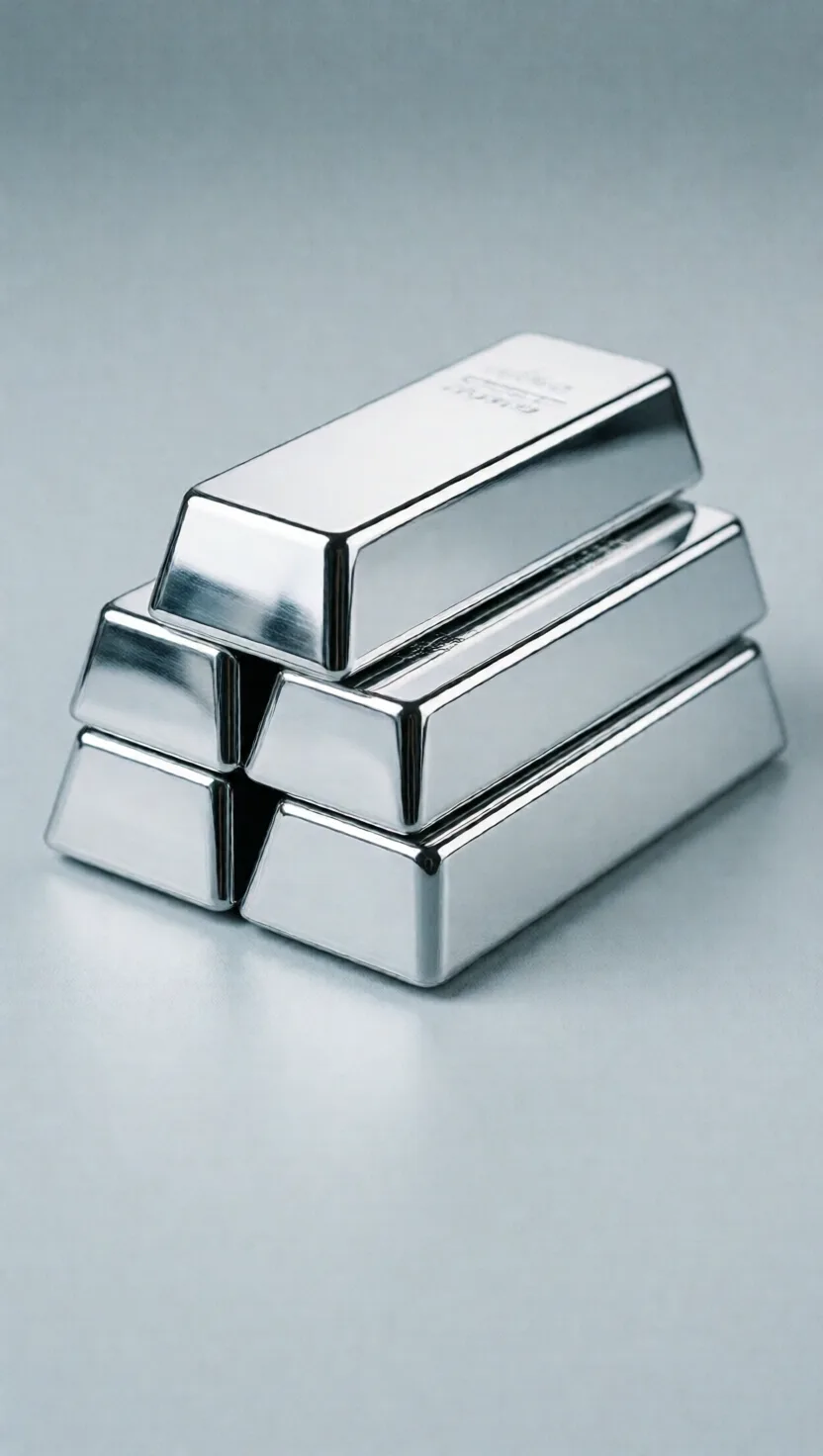
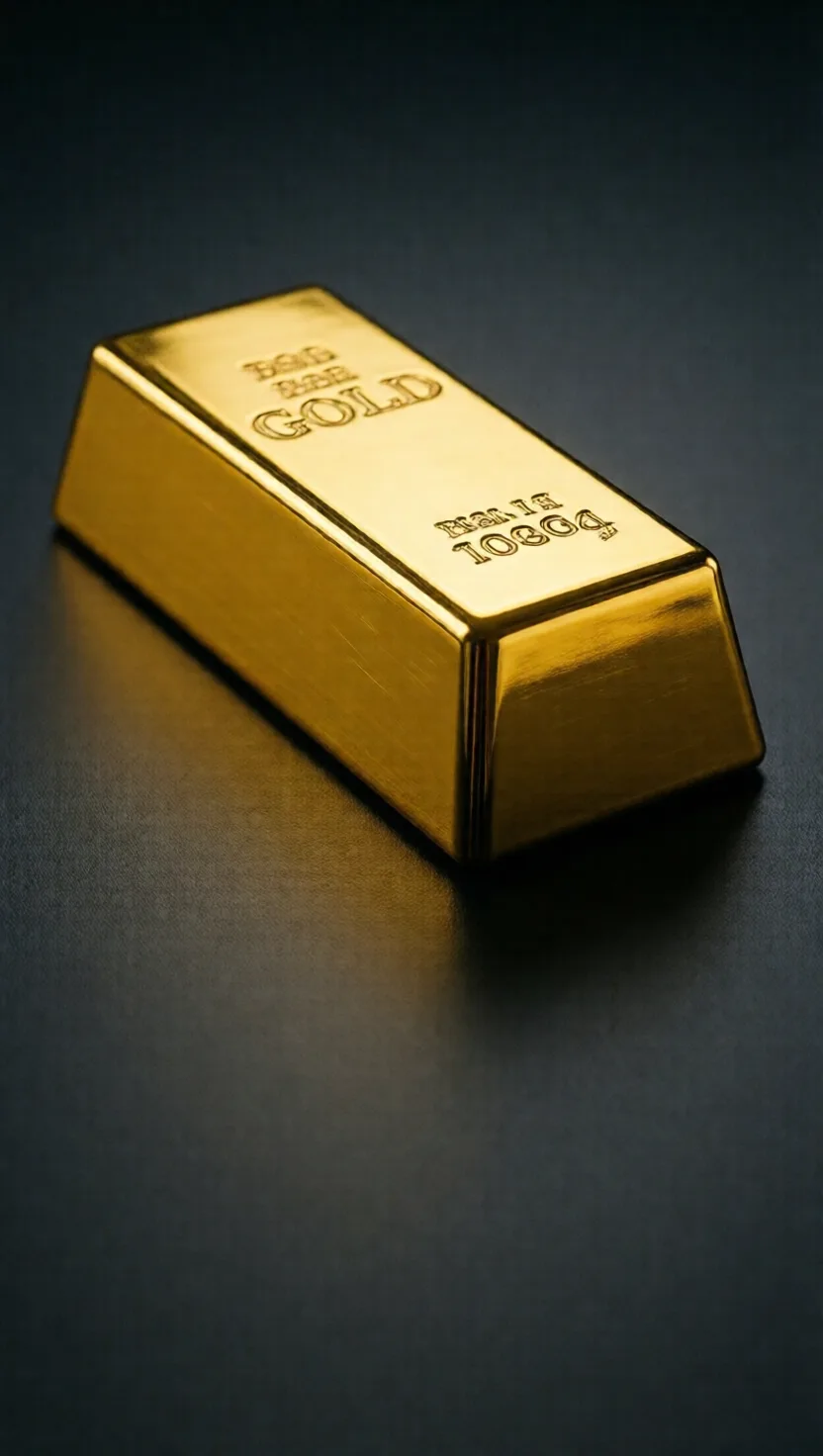
Silver and gold are near-twins on the periodic table, yet one is white and one is golden. The difference is Einstein. Gold's nucleus is so heavy that its inner electrons race at over half the speed of light, and relativity shrinks their orbits. That shifts the energy gap so gold absorbs blue light instead of ultraviolet, and the colour we see is the leftover: warm yellow. Silver's lighter atoms don't run fast enough, so they reflect everything evenly and look white.
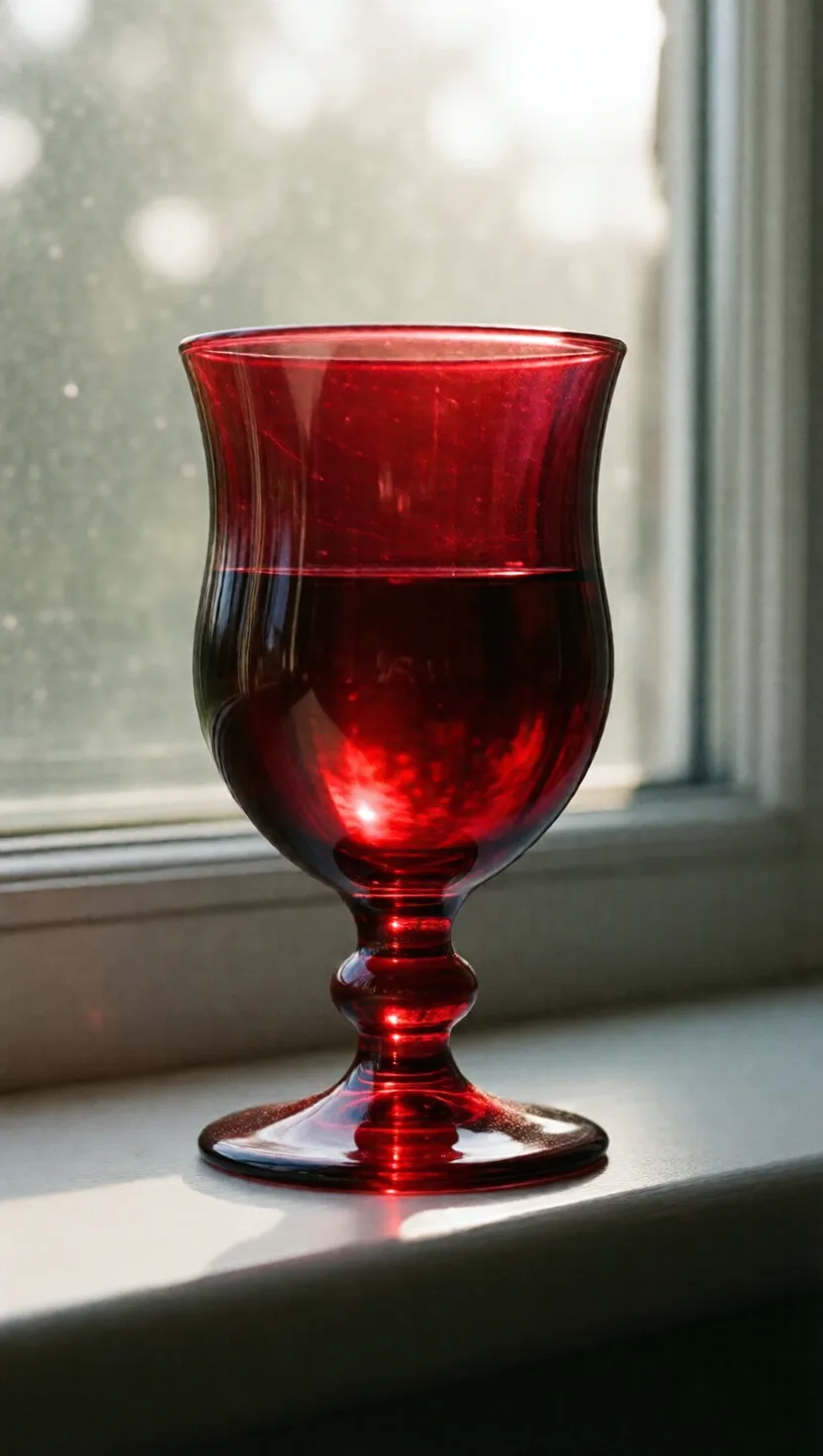
Specks of gold dyed this glass blood-red, not gold

Specks of gold dyed this glass blood-red, not gold

Hammer gold thin and it stays golden. Shatter it into particles a few ten-millionths of a millimetre across and scatter them through molten glass, and the colour flips to deep ruby red. The specks are far smaller than a wavelength of light, so they scatter and absorb it differently than a solid sheet would. Glassmakers were doing this more than 1,600 years ago without knowing why; the same trick makes the rich red of cranberry glass and stained-glass windows today.
Aluminium was once worth more than gold

Aluminium was once worth more than gold

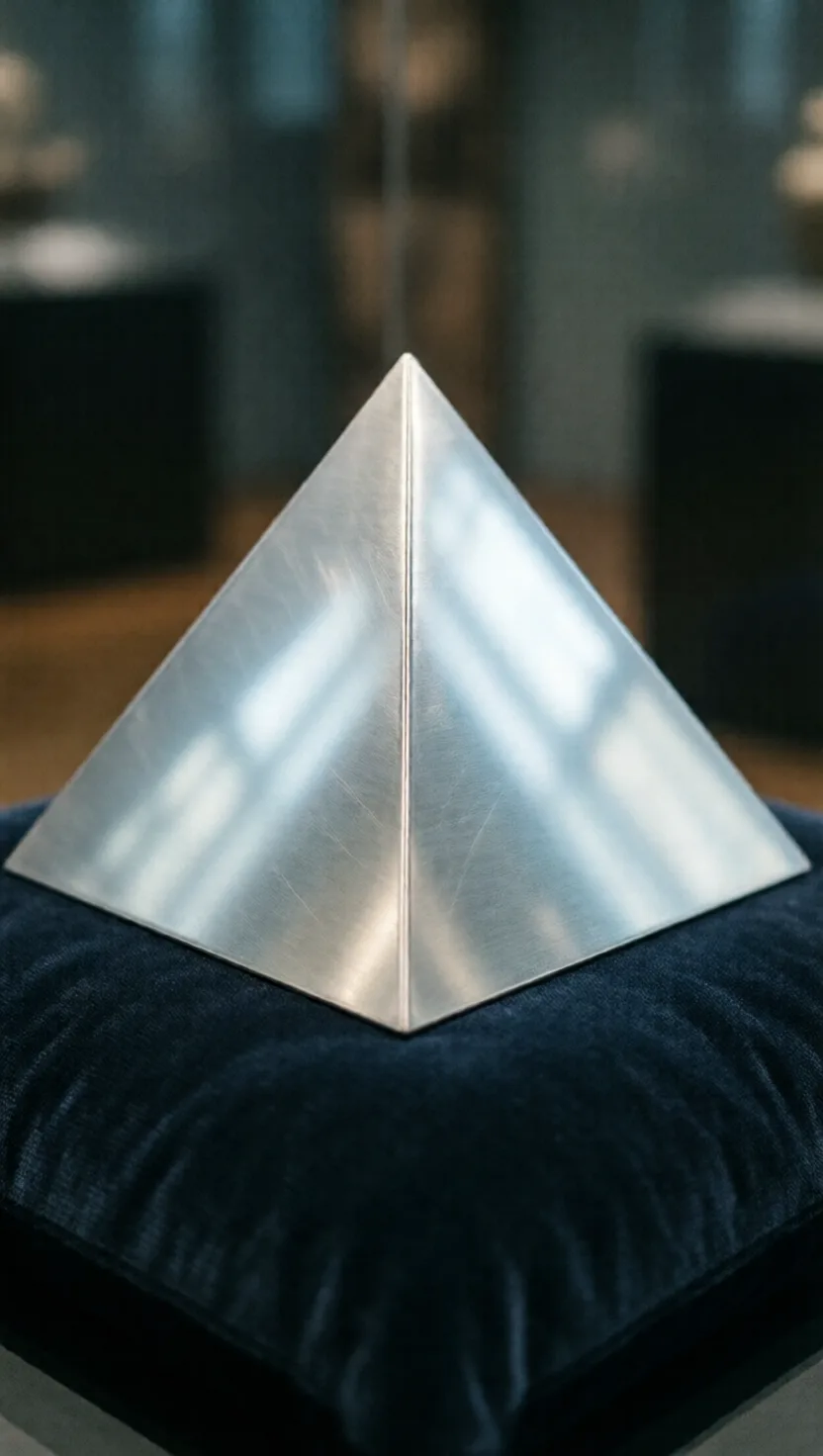
Today it's foil and drink cans, but in the 1850s aluminium was a luxury metal rarer than gold. Locked tightly inside ordinary clay, it was maddeningly hard to extract, so a French emperor reserved aluminium cutlery for his most honoured guests and handed everyone else mere gold. When the Washington Monument was finished in 1884, builders crowned it with a small cast pyramid of aluminium, then the most precious metal they could place at its peak. A cheap smelting process arrived two years later and the price collapsed.
Two Nobel medals hid from the Nazis dissolved in acid

Two Nobel medals hid from the Nazis dissolved in acid

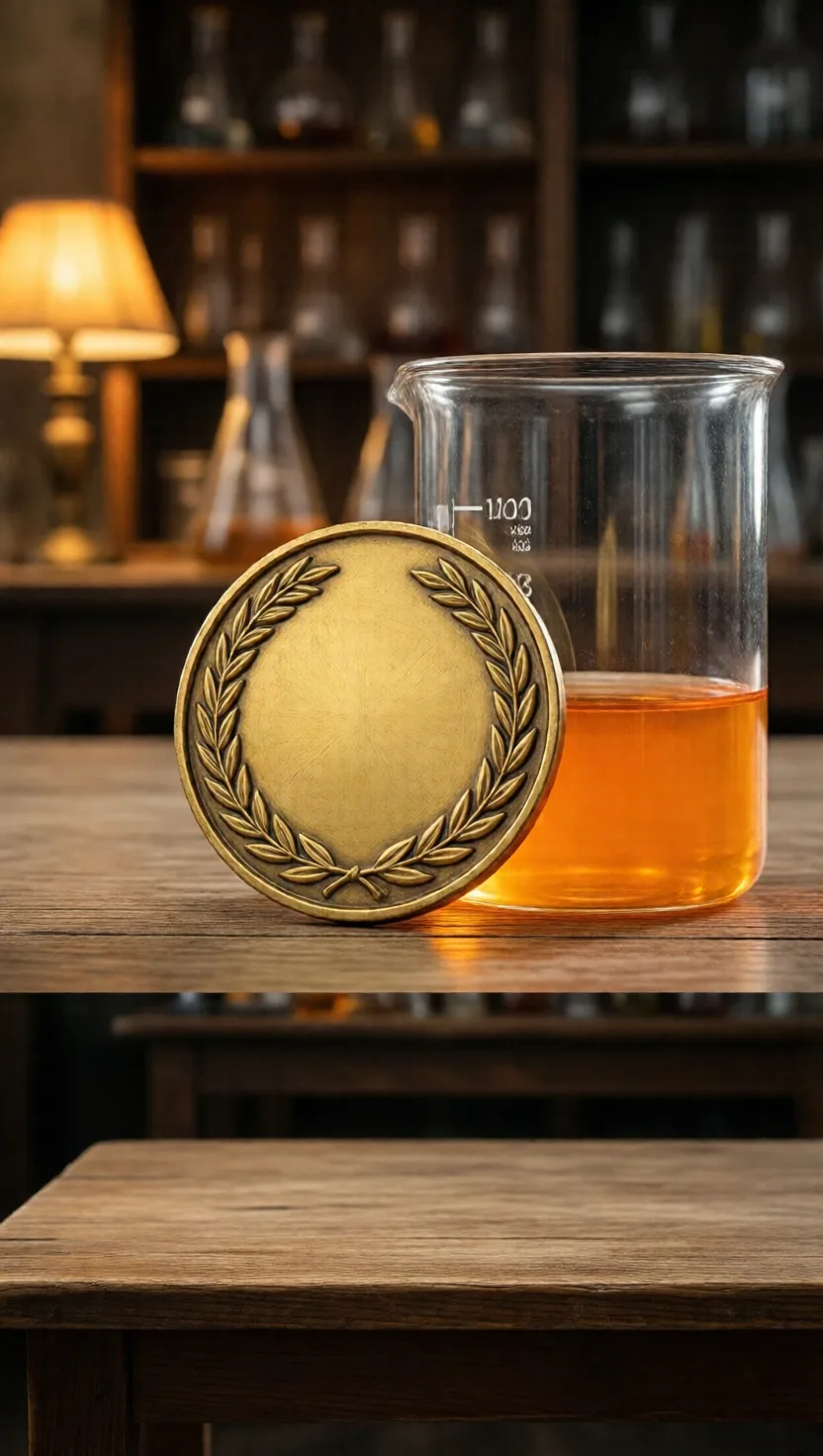
When German troops occupied Copenhagen, a chemist faced a problem: two gold Nobel medals belonging to anti-Nazi physicists were in his lab, and exporting gold was a crime that could expose their owners. So he dissolved them. A blend of nitric and hydrochloric acid, one of the few mixtures that can eat gold, turned the medals into an unremarkable orange liquid left openly on a shelf. Soldiers searched the building and ignored the jar. After the war the gold was recovered and the medals recast.
Nearly all minable gold was delivered by asteroids

Nearly all minable gold was delivered by asteroids

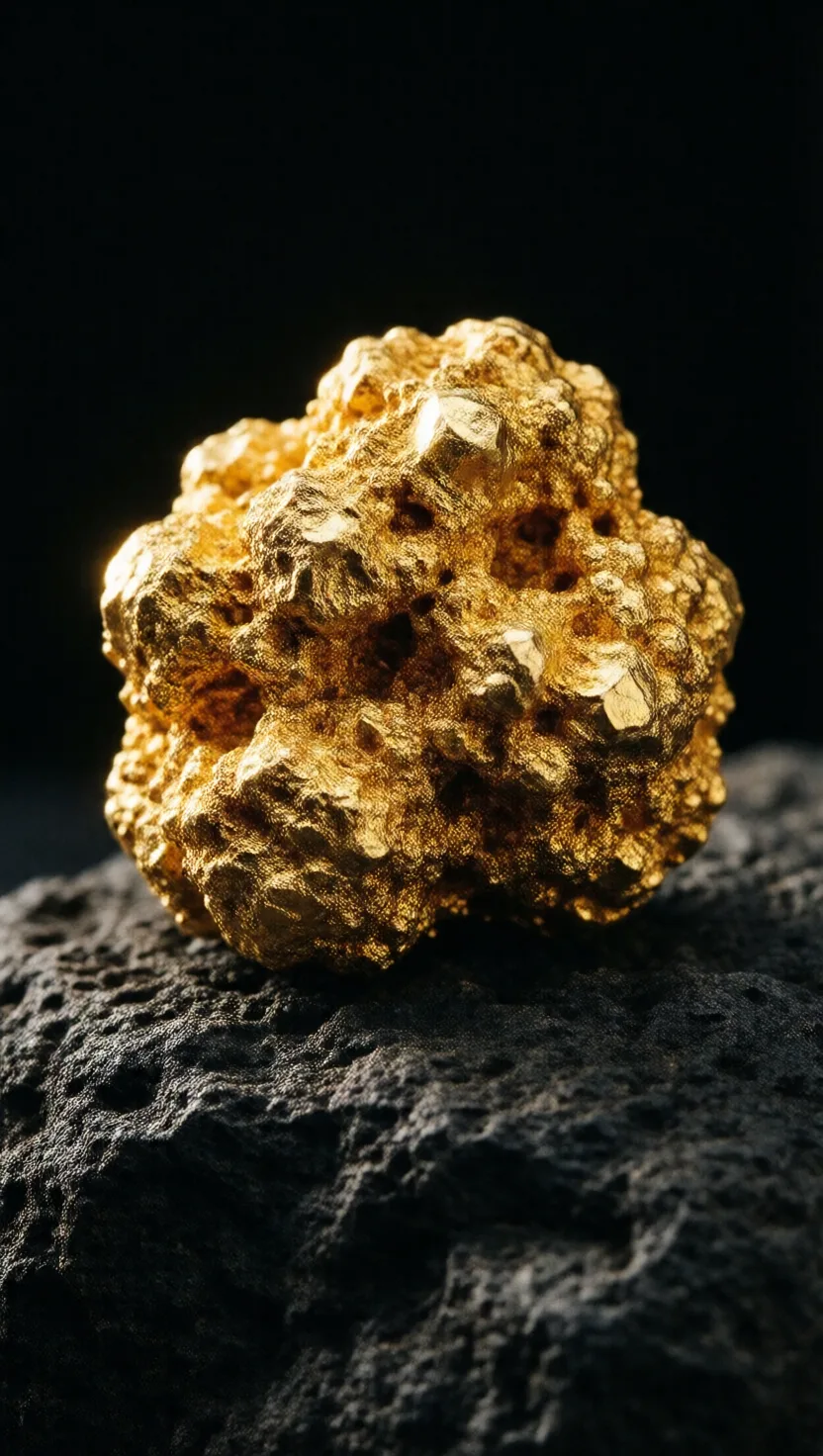
Gold bonds eagerly to iron, so when the young Earth was molten almost all of it should have sunk into the core with the iron, leaving the surface barren. Yet there's gold in the rocks we mine. The leading explanation: a long bombardment of asteroids and meteorites struck the planet after its core had already formed, salting the outer layers with fresh gold and other metals. The gold in a wedding ring, in other words, probably rained down from space billions of years ago.
One gram of gold can cover a whole square metre

One gram of gold can cover a whole square metre

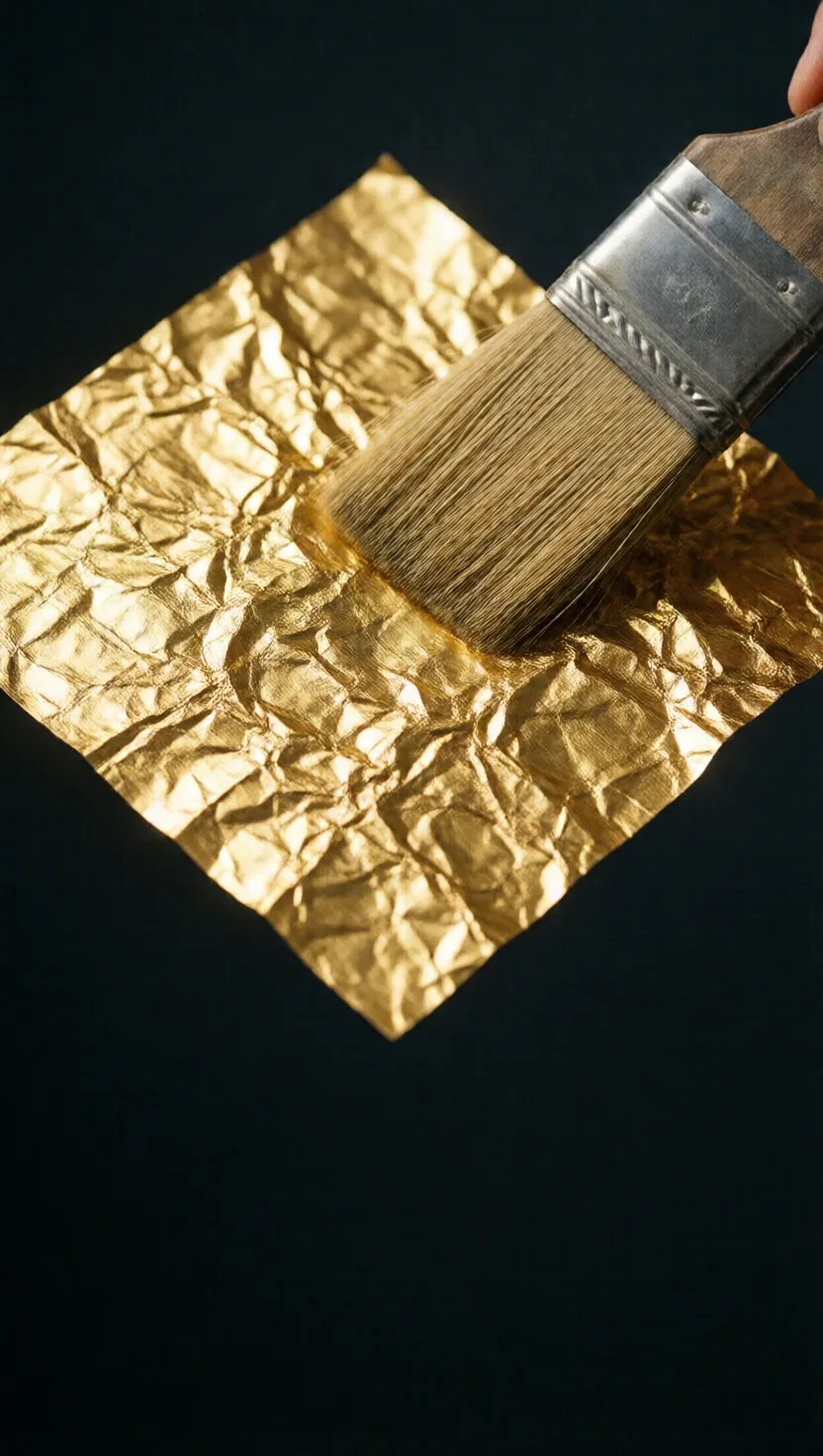
Gold is the most malleable metal known. A single gram, a pellet smaller than a pea, can be beaten into a continuous sheet a full square metre in area. At that point the leaf is only about 100 nanometres thick, a few hundred atoms, so thin that light glows greenish through it. Gilders lift these sheets with a static-charged brush because a single breath will tear them, then lay them onto domes, picture frames and even desserts.
Silver beats gold and copper as the best conductor

Silver beats gold and copper as the best conductor

Of every element, silver carries electricity and heat the best, edging out copper and leaving gold behind. Its outer electrons are unusually free to drift, so current meets less resistance. If it's the champion, why is household wiring copper? Cost. Silver is far too expensive to string through walls by the mile, so we settle for copper and save silver for places where every fraction of conductivity counts: fine electronics, satellites and critical contacts.
The first coins were a wild gold-silver alloy

The first coins were a wild gold-silver alloy

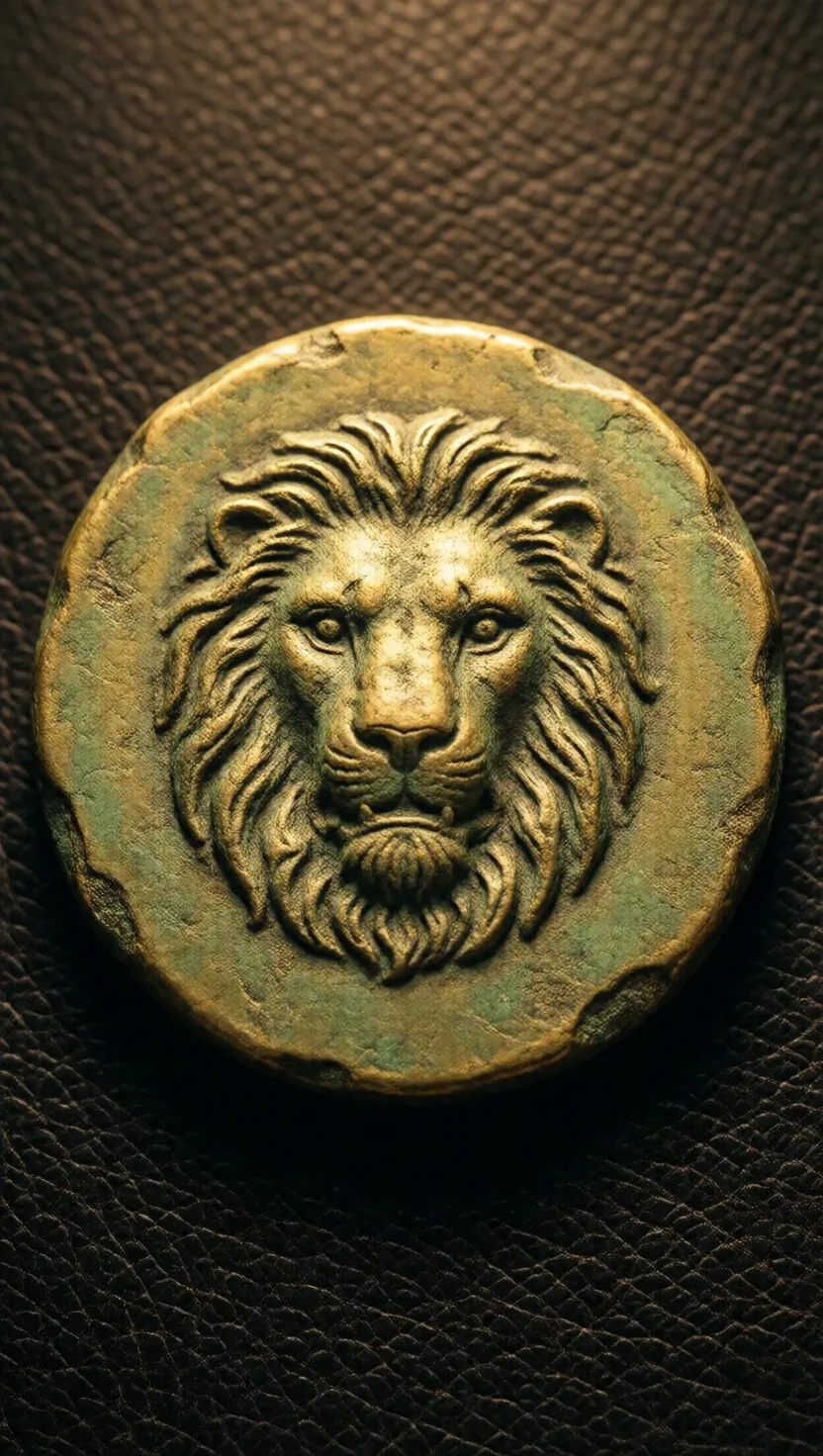
The world's first coins weren't pure gold or silver but electrum, a natural pale-yellow alloy of the two that washed out of a river in ancient Lydia, in what is now Turkey, around 650 BC. Because the gold-to-silver ratio in natural electrum varies, every lump's true value was uncertain, which may be exactly why rulers stamped them: a ruler's mark promised a fixed worth and turned an unreliable nugget into trustworthy money. Pure gold and silver coins came a century later.
tap →swipe ↑ for depthswipe ↓ to exit