Eight things hiding in a stick of white chalk

DC·119 Deep Cuts
A white cliff is compressed plankton armour

A white cliff is compressed plankton armour

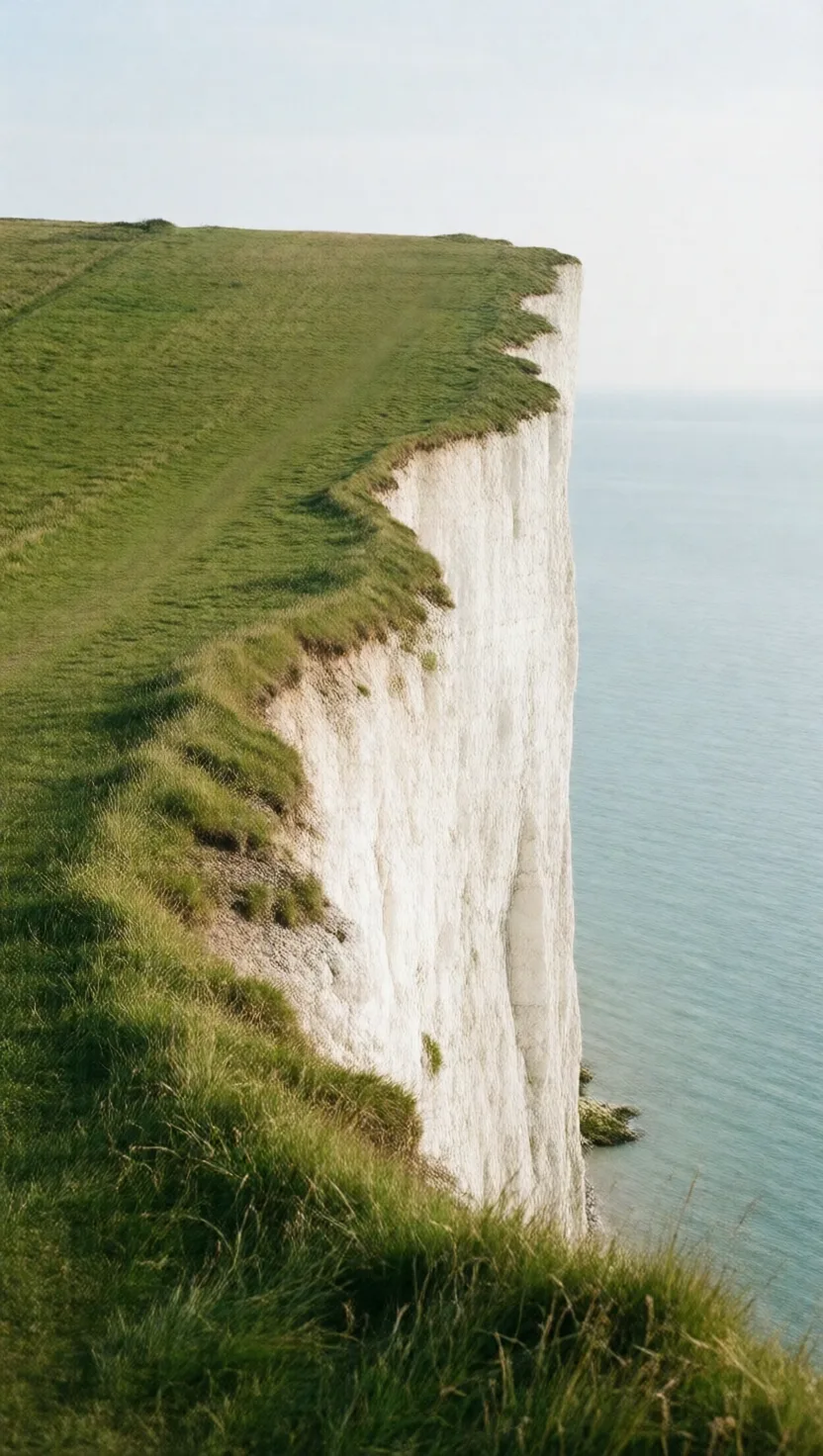
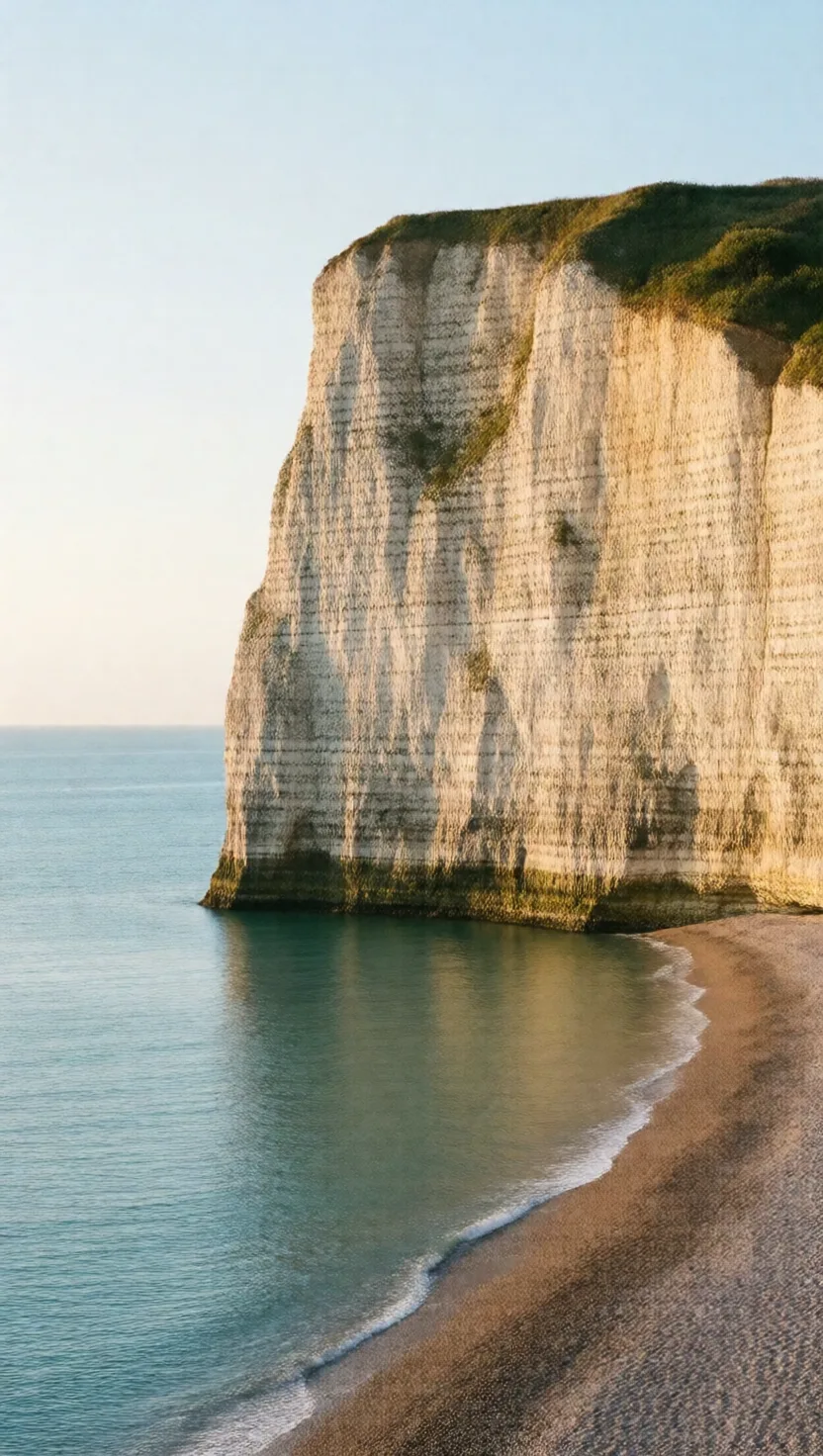
Chalk is built almost entirely from coccoliths: microscopic calcite plates shed by single-celled marine algae called coccolithophores. Each plate is only about 2 to 25 micrometres across. They rained down for tens of millions of years and packed into solid rock, so a towering white sea cliff is essentially the fossilised body armour of countless plankton.
An entire geologic age is named after chalk

An entire geologic age is named after chalk

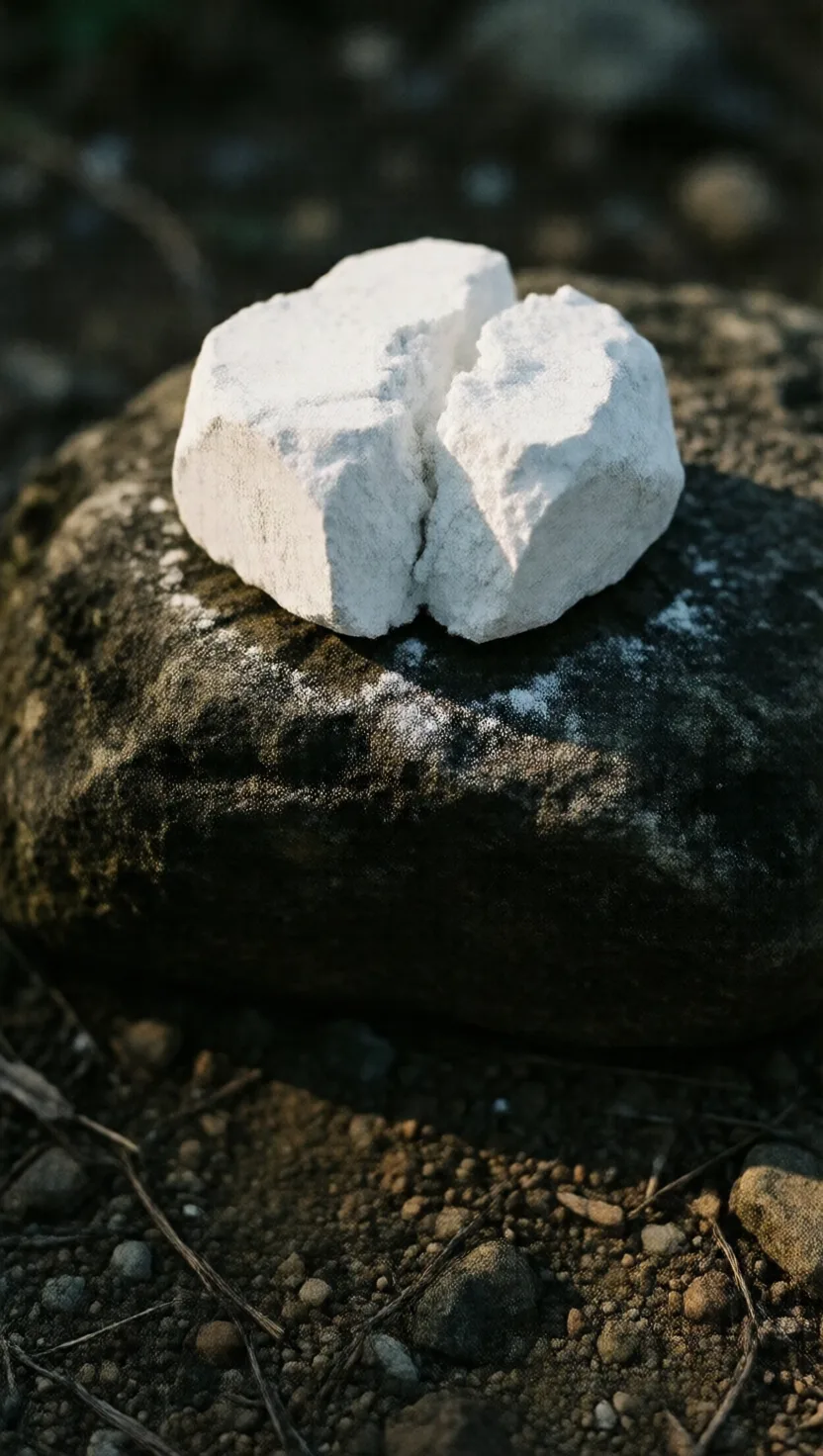
The Cretaceous Period takes its name from the Latin creta, meaning chalk, after the thick chalk beds laid down across western Europe at that time. Belgian geologist Jean d'Omalius d'Halloy defined it in 1822. It spans roughly 145 to 66 million years ago and ends with the asteroid impact that wiped out the non-bird dinosaurs.
Dover's cliffs grew slower than your fingernails

Dover's cliffs grew slower than your fingernails

The chalk of the White Cliffs of Dover accumulated at only about 0.5 millimetres a year, as dead coccolithophores settled onto a warm shallow sea floor. Roughly 180 stacked coccoliths make a single millimetre. Sustained over tens of millions of years in the Late Cretaceous, that whisper-thin rain of plankton built cliffs that now rise around 110 metres.
The dark flints in chalk came from dissolved sponges

The dark flints in chalk came from dissolved sponges

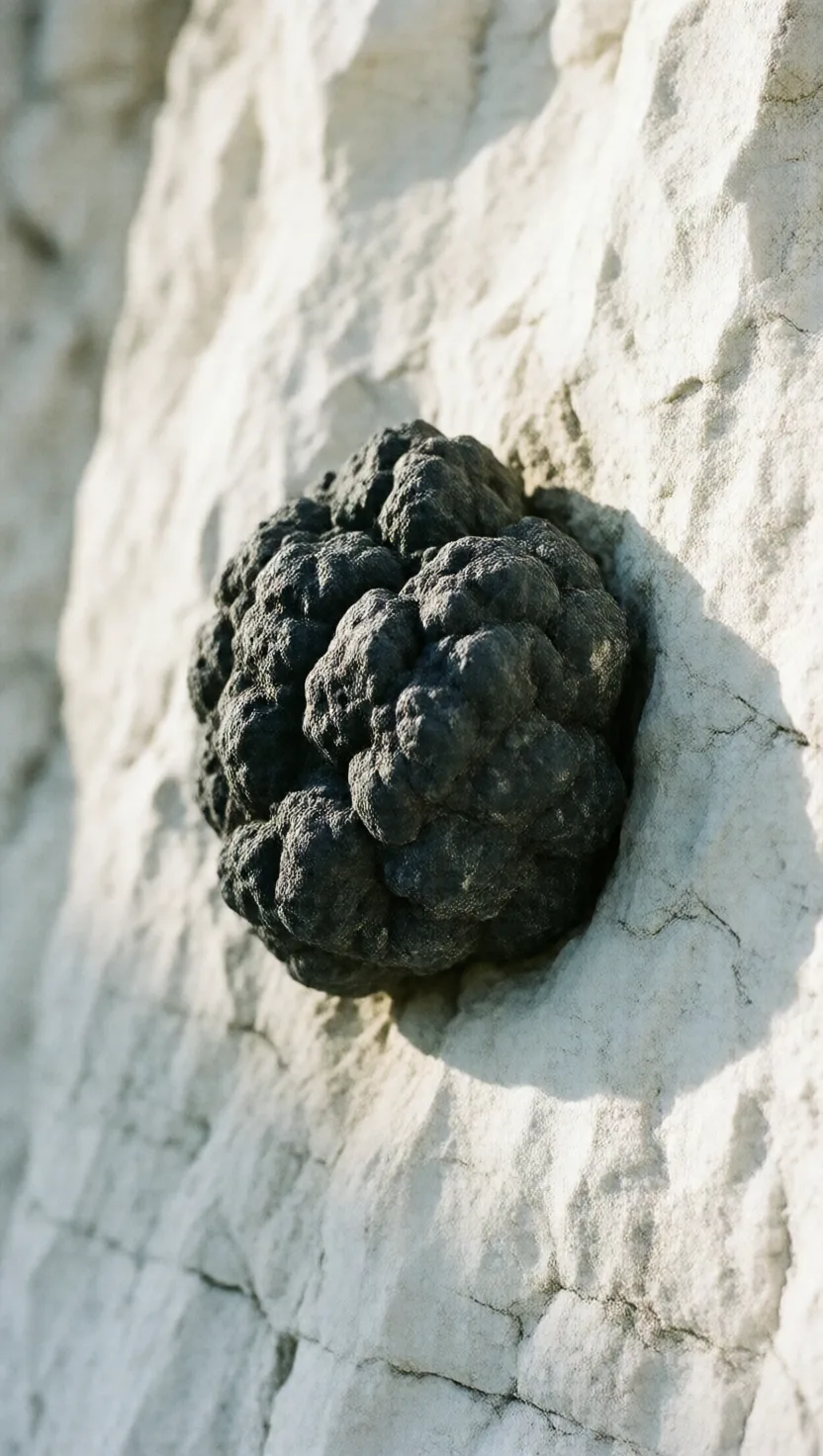
The near-black flint nodules banding white chalk cliffs grew inside the rock. Silica from the skeletons of sea sponges dissolved into the seabed mud, then re-precipitated as a gel, often filling the burrows of buried animals before hardening into dense microcrystalline quartz. That is why flints take such knobbly, branching shapes and sit in neat layers within the chalk.
Blackboard chalk usually isn't chalk at all

Blackboard chalk usually isn't chalk at all

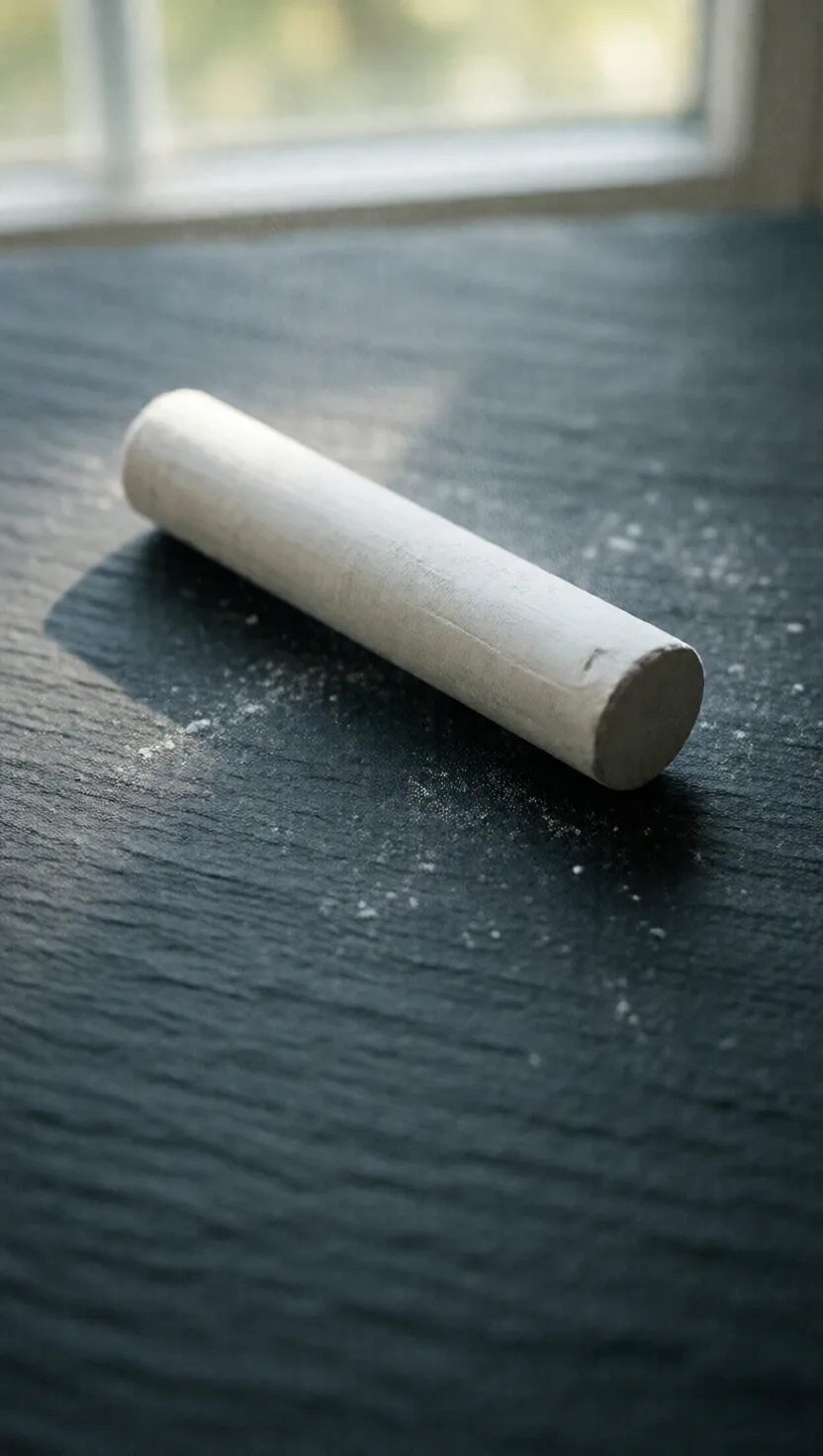
Most white blackboard chalk is not the calcium carbonate rock from the cliffs. It is gypsum: calcium sulfate, the same mineral used in plaster. Manufacturers favoured it because it moulds into clean uniform sticks. Real carbonate chalk is now mainly sold as the larger-particle dustless version, so the everyday stick in a classroom is geologically a different rock entirely.
A climber's chalk is the wrong kind of chalk

A climber's chalk is the wrong kind of chalk

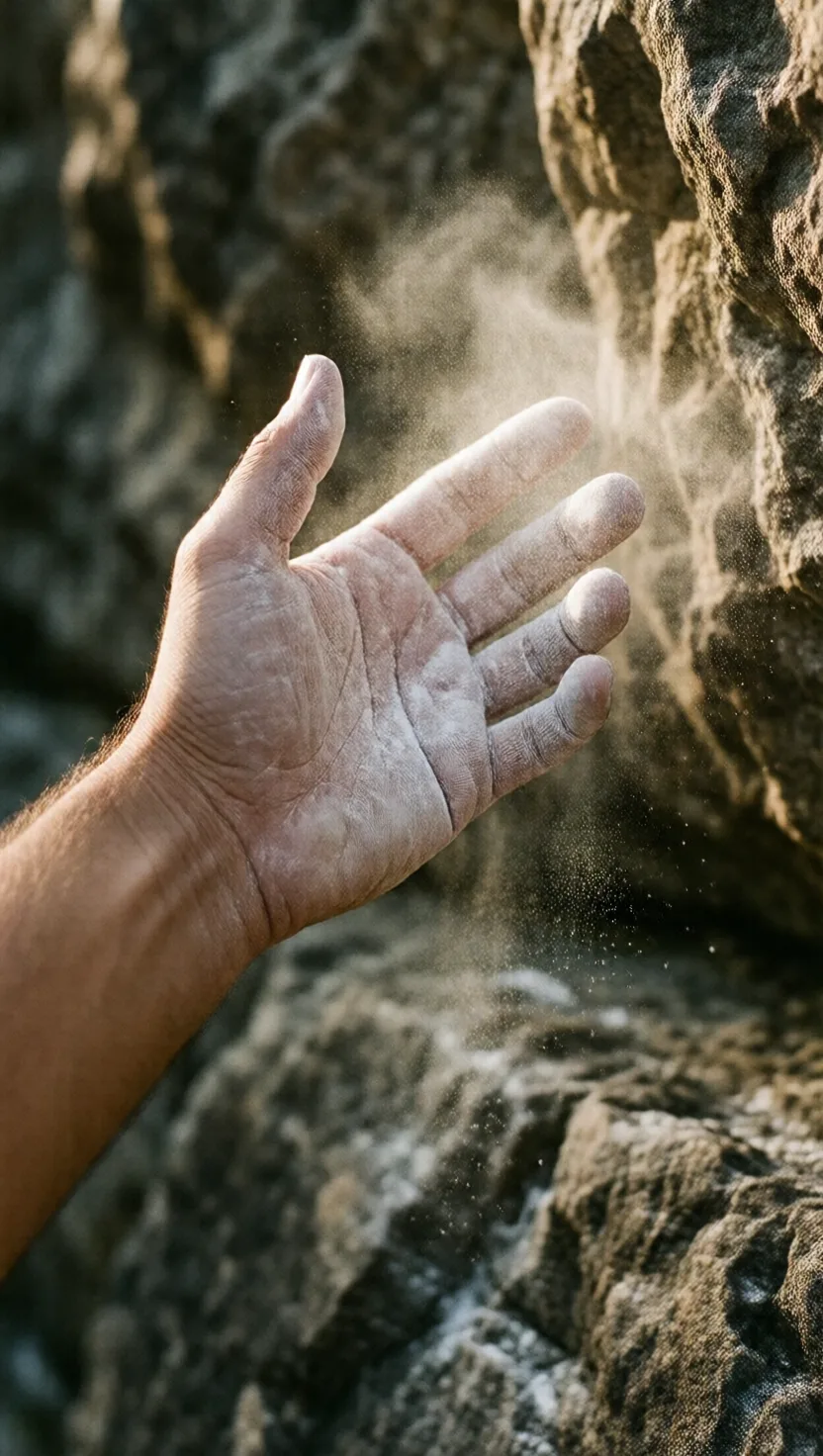
The white powder gymnasts and rock climbers rub on their hands is magnesium carbonate, not the calcium carbonate of geological chalk. The swap is deliberate: magnesium carbonate is nearly insoluble in water, so it keeps absorbing sweat and holding grip, whereas calcium carbonate would soak up moisture and dissolve. Same nickname, completely different compound.
Billiard chalk has zero chalk inside it

Billiard chalk has zero chalk inside it

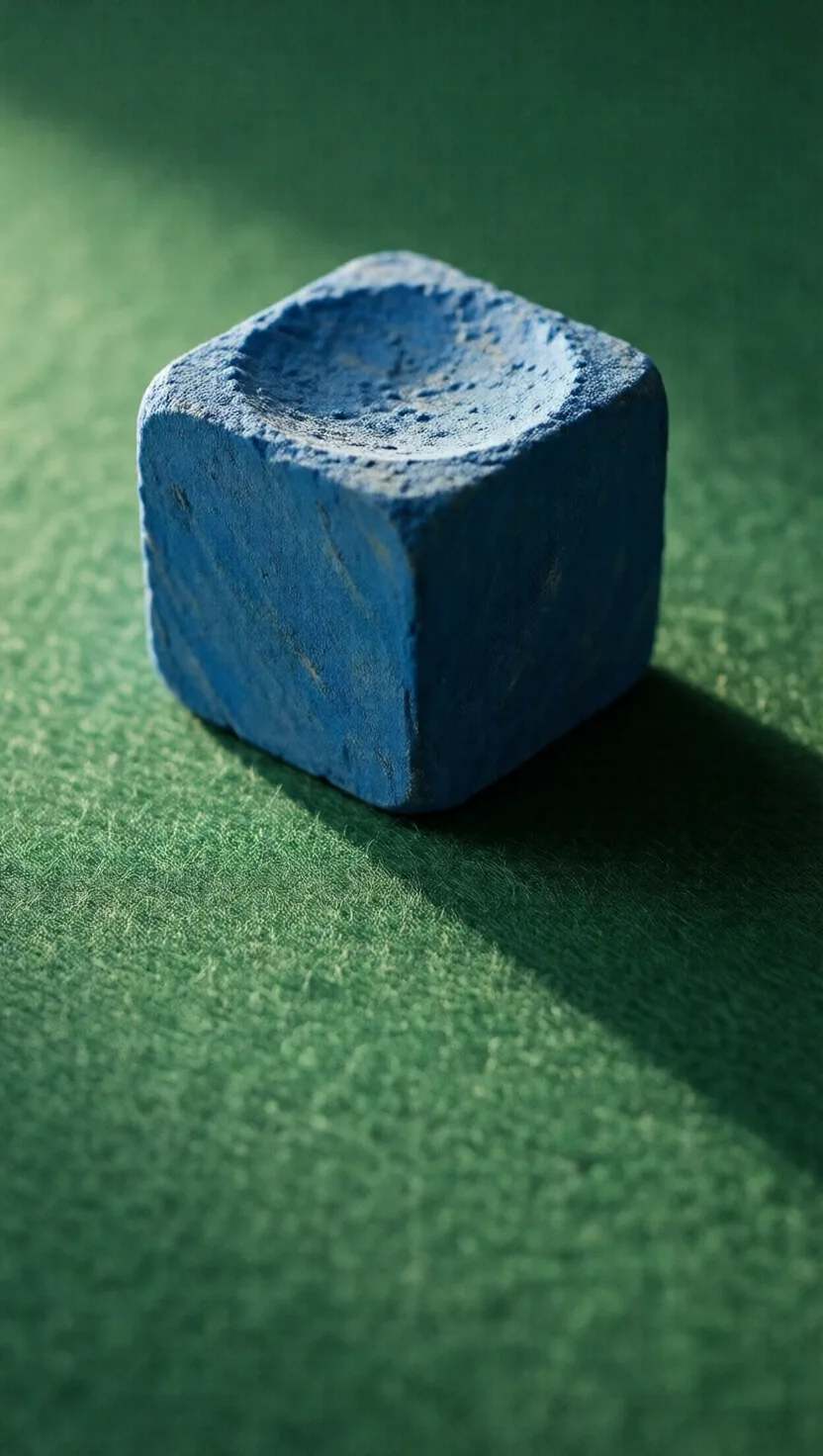
The little blue cube players rub on a cue tip contains no chalk whatsoever. A typical block is 80 to 90 percent finely crushed silica plus a binder and a pinch of hard corundum grit. Those tiny abrasive particles bite into the leather tip and the ball so the cue grips instead of sliding off. The name simply stuck from the era when players once used real chalk.
England guards 85% of the world's chalk streams

England guards 85% of the world's chalk streams

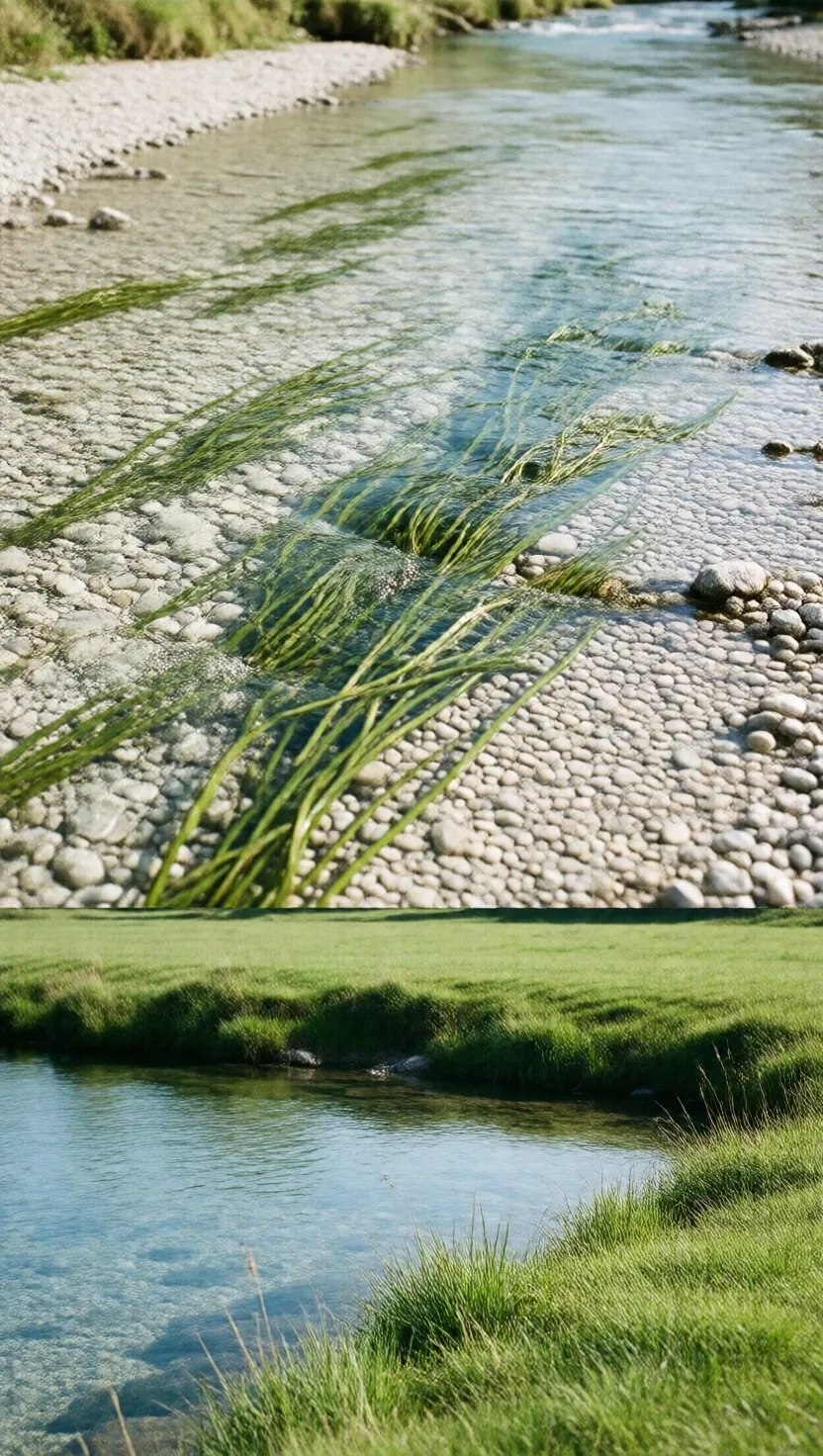
Chalk streams are among Earth's rarest river habitats, with only around 200 worldwide, and roughly 85 percent of them flow in England. They rise from the chalk aquifer, which filters and buffers the water, so they run gin-clear and stay close to a steady 10 degrees Celsius year round, creating an unusually stable home for plants and fish.
tap →swipe ↑ for depthswipe ↓ to exit