Eight things sharks and rays do that the movies never showed

DC·118 Deep Cuts
This shark walks across the reef on its fins

This shark walks across the reef on its fins

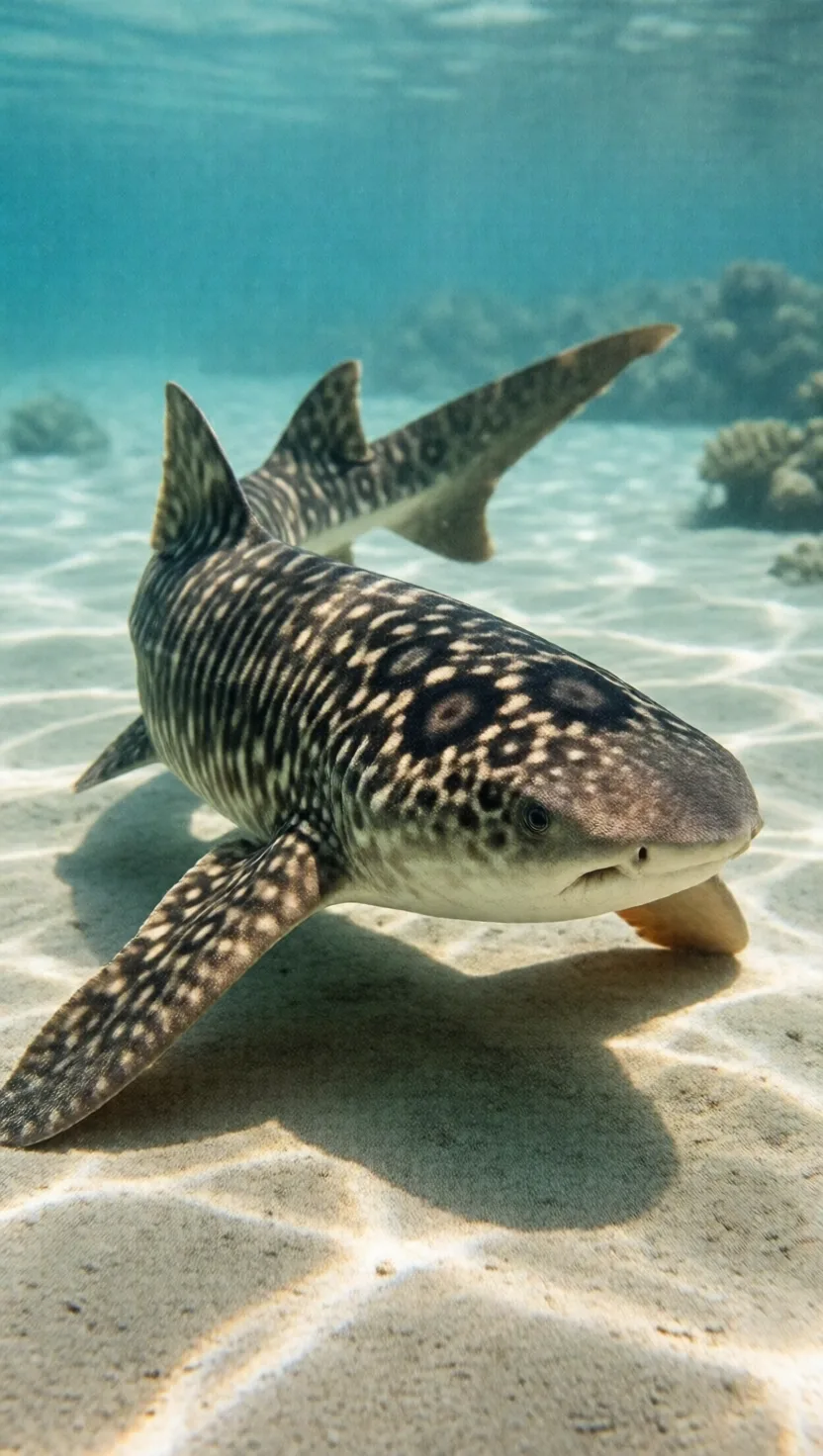
The epaulette shark doesn't just swim. On exposed reef flats it bends its body and rotates its paddle-like pectoral and pelvic fins to roughly 90 degrees, using them as legs to clamber over coral and even across air-exposed rock. It also shrugs off oxygen crashes in stranded tide pools, surviving complete anoxia for up to about two hours by shutting down non-essential brain function.
Inside the womb, the strongest pup eats the rest

Inside the womb, the strongest pup eats the rest

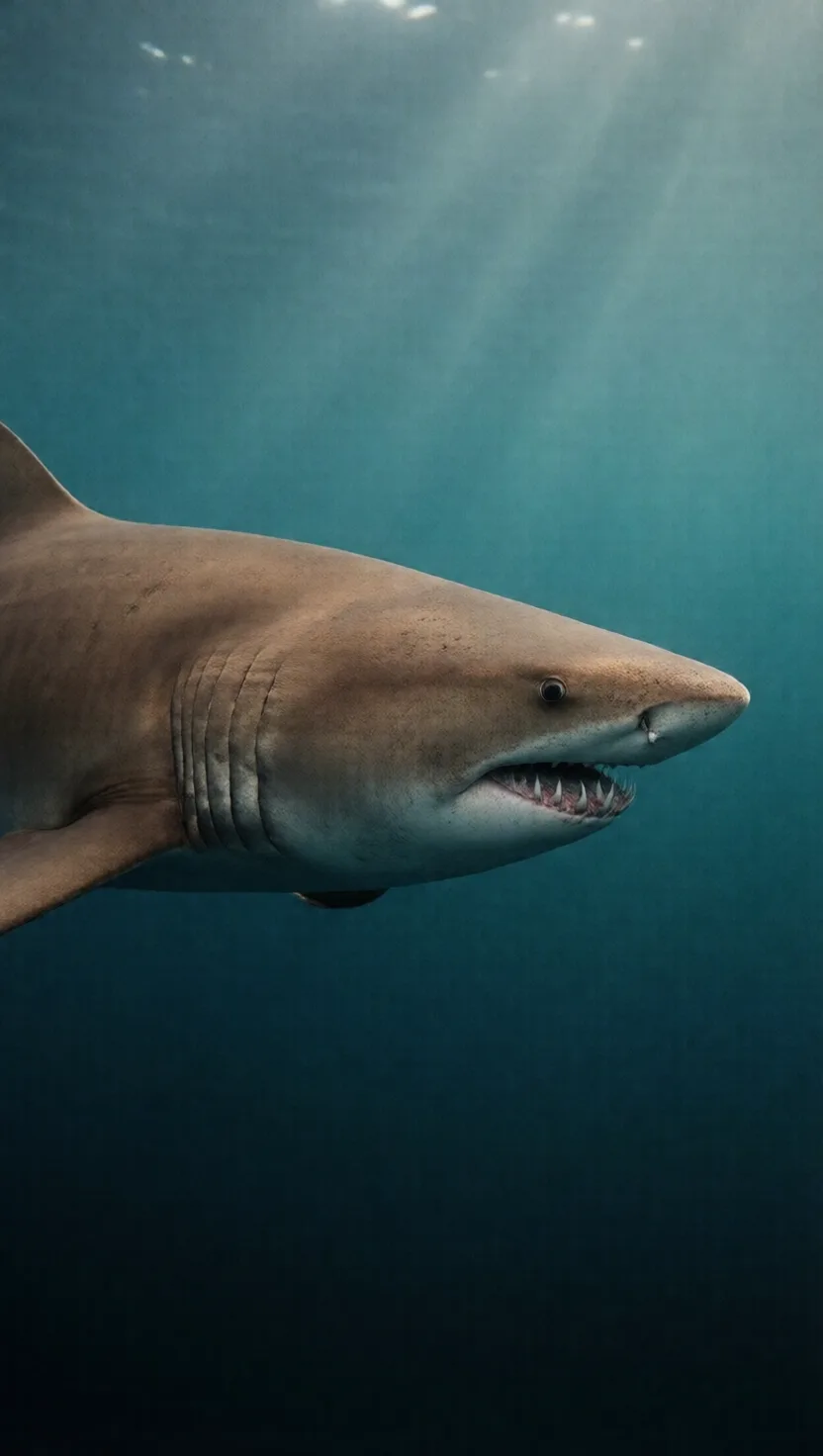
A female sand tiger shark may start pregnancy with many embryos in each of her two uteruses, but only one survives per side. The first embryo to reach about 100 mm hunts and devours its smaller siblings, then feeds on unfertilized eggs for the rest of gestation. She gives birth to just two pups, each already around a metre long and a formidable hunter from day one.
A shark's oily liver is its swim bladder

A shark's oily liver is its swim bladder

Sharks have no gas-filled swim bladder, so they float on fat. The liver can reach up to 25 percent of a shark's body weight, and oils, mostly low-density squalene, can fill 80 percent or more of that liver's volume. Lighter than seawater, it gives near-neutral buoyancy with no effort. Deep-sea species pack the most, which is exactly why they were heavily fished for their oil.
This tiny shark bites plugs out of whales

This tiny shark bites plugs out of whales

The cookiecutter shark is barely 50 cm long but feeds on animals far larger than itself. It seals its fleshy lips to the flank of a tuna, whale or dolphin, drops the pressure inside its mouth like a suction cup, sinks its saw-edged lower teeth in, then spins its body to carve out a clean round plug of flesh about 5 cm across and 7 cm deep, leaving a crater-like wound.
The thresher shark hunts by whipping fish with its tail

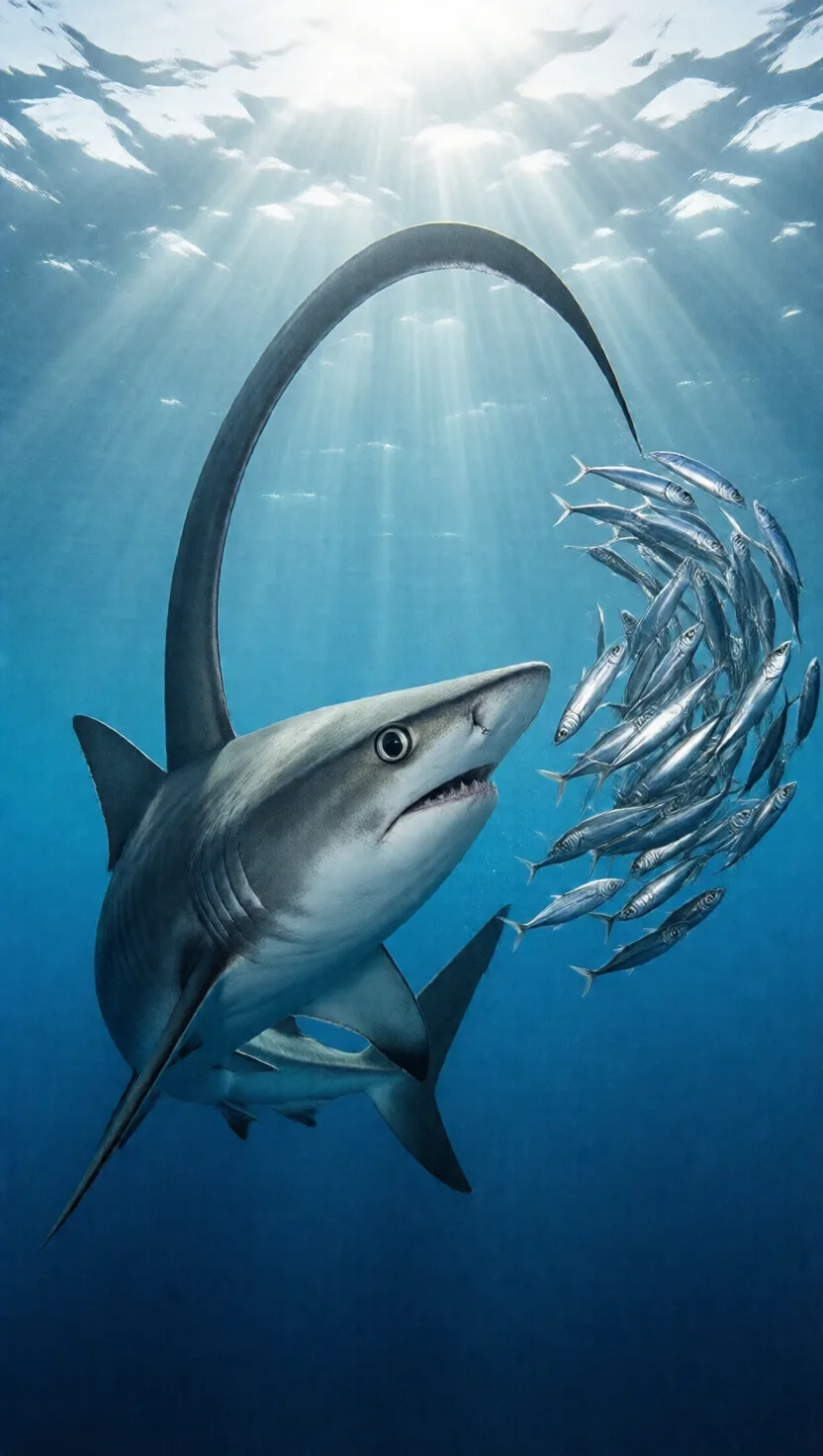
The thresher shark hunts by whipping fish with its tail

The pelagic thresher's enormous upper tail lobe, nearly as long as its body, is a weapon. Diving at a school of sardines, it slings the tail overhead like a whip. Researchers filming hunts in 2013 clocked the tail tip travelling at about 14 metres per second; the shock can stun several fish at once, and roughly a third of these tail-slaps ended with the shark calmly eating the dazed prey.
The sawfish swings its saw to slice fish in half

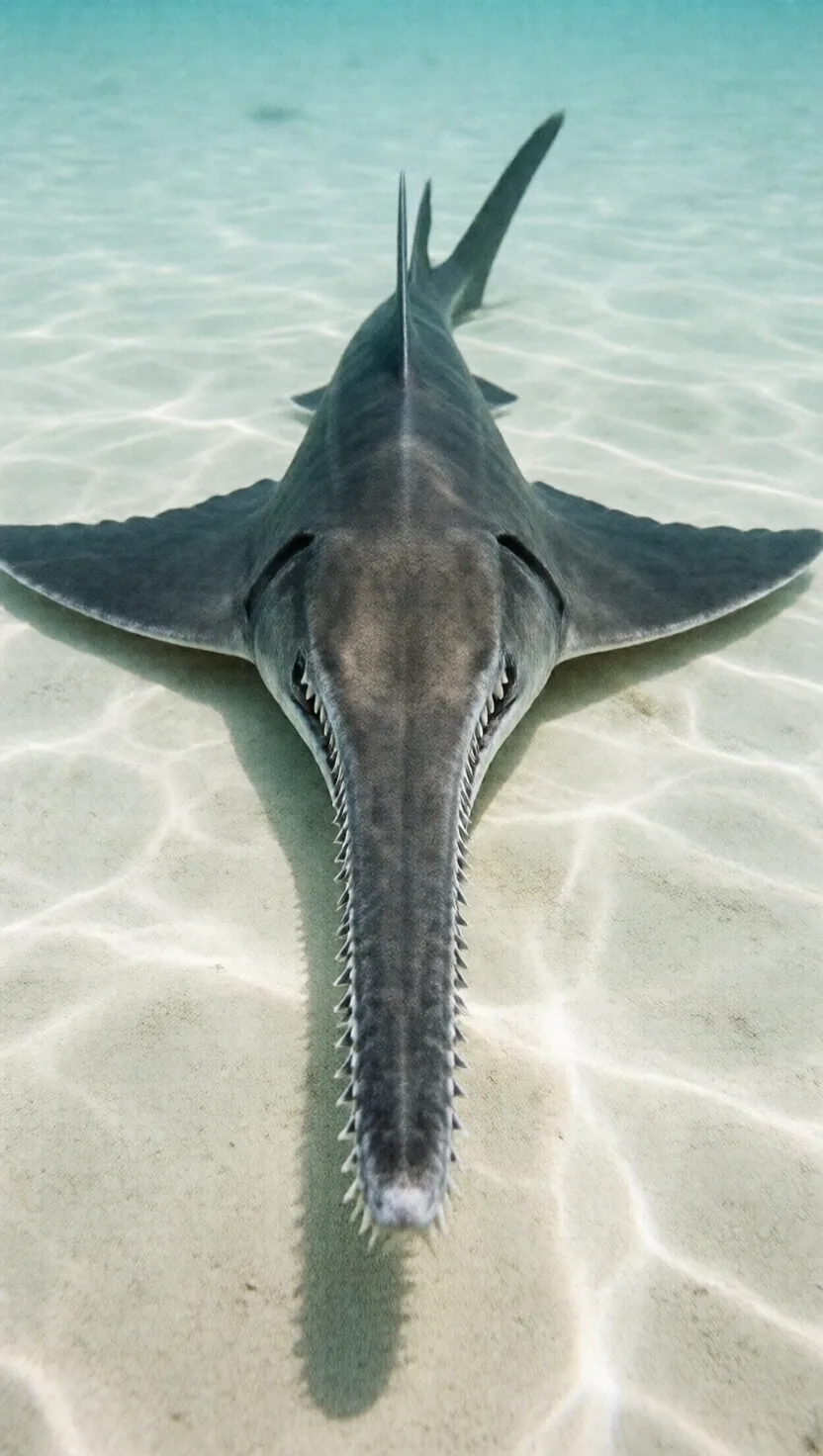
The sawfish swings its saw to slice fish in half

A sawfish's toothed rostrum is a hunting blade, not just a sensor. In 2012 lab experiments, freshwater sawfish lunged at fish and struck with rapid sideways swipes of the saw, sometimes hard enough to cut a fish in two or impale it on the rostral teeth before scraping it off against the seabed to swallow. The saw both detects prey and kills it, a combination unique among long-snouted fishes.
We didn't know this shark existed until 1976

We didn't know this shark existed until 1976

The megamouth shark, a plankton-feeding giant up to about 4.5 metres long, was unknown to science until 15 November 1976, when one snagged on the sea anchor of a ship off Hawaii at roughly 165 metres deep. It was so distinct it needed its own family. Despite its size, it stays hidden in the deep: as of 2025 only about 296 megamouths had ever been caught or sighted.
Most sharks can stop and rest on the seabed

Most sharks can stop and rest on the seabed

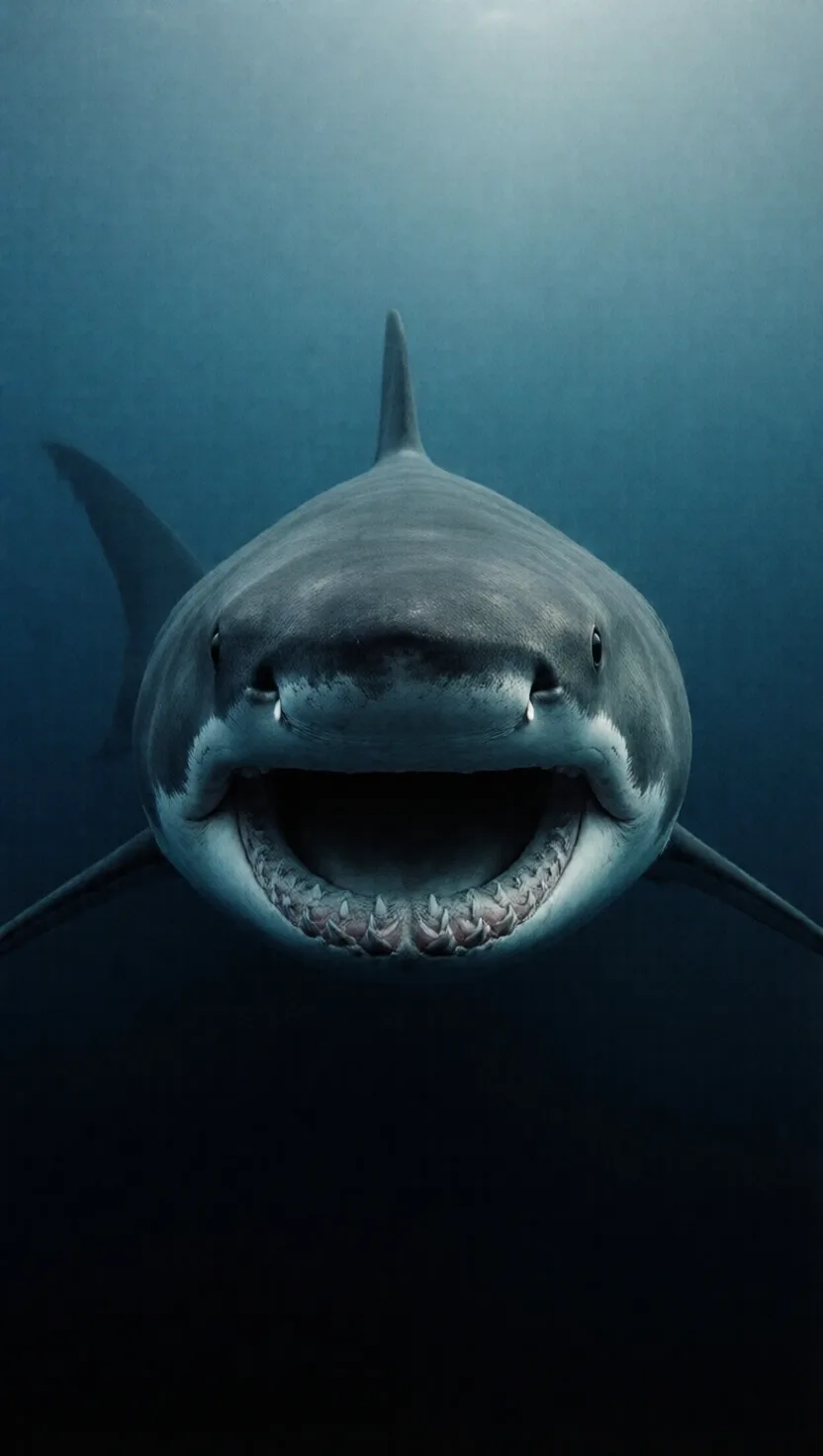
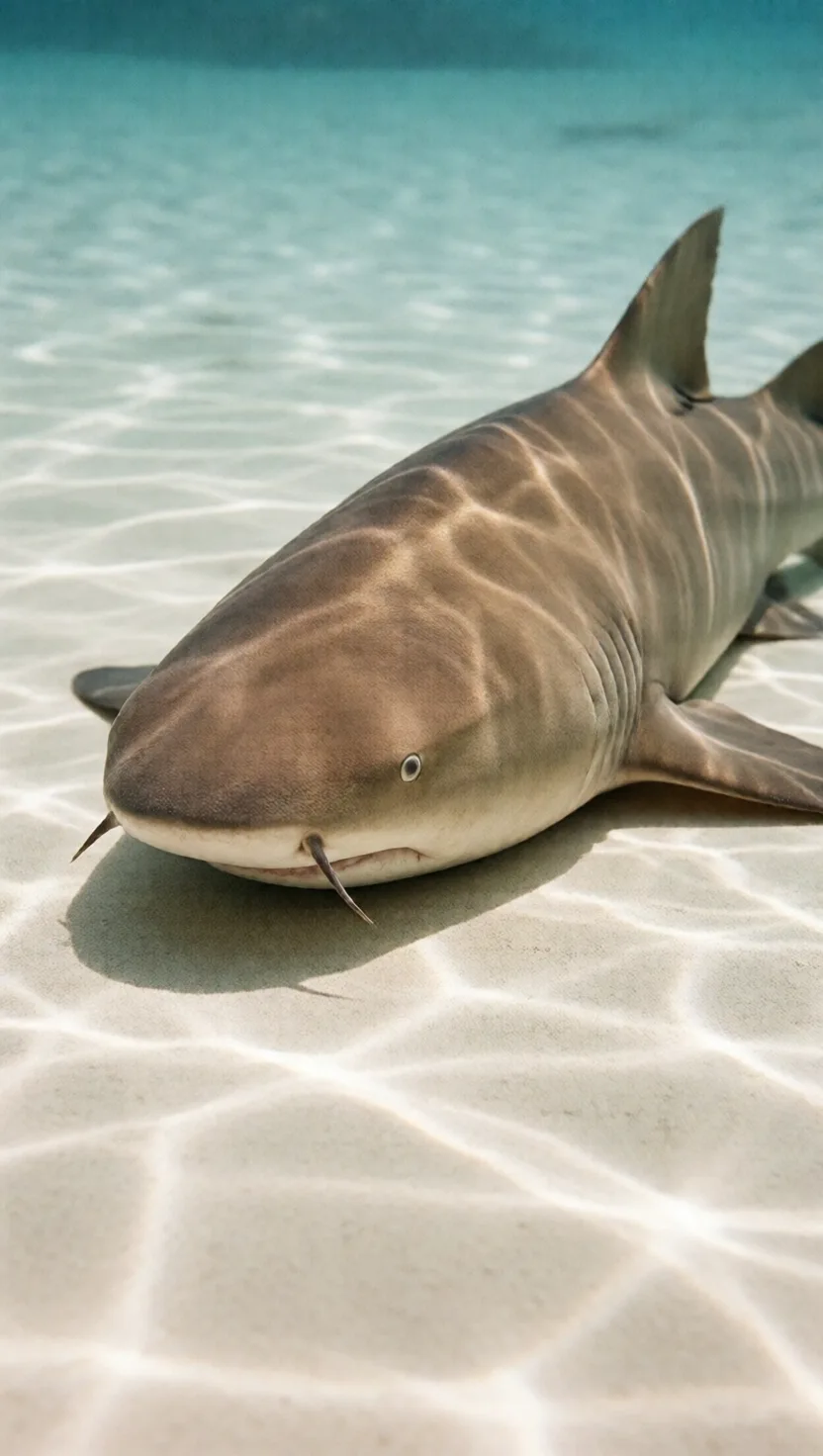
The idea that every shark drowns if it stops swimming is mostly a myth. Only obligate ram ventilators, like great whites, makos and hammerheads, must keep moving to push water over their gills. Most of the 500-plus shark species, including nurse sharks, use buccal pumping: cheek muscles draw water in and over the gills while the animal lies completely still on the bottom, often piled together under ledges.
tap →swipe ↑ for depthswipe ↓ to exit