Eight things about snakes that aren't what you were told

DC·117 Deep Cuts
A pit viper's heat 'vision' is shockingly blurry

A pit viper's heat 'vision' is shockingly blurry

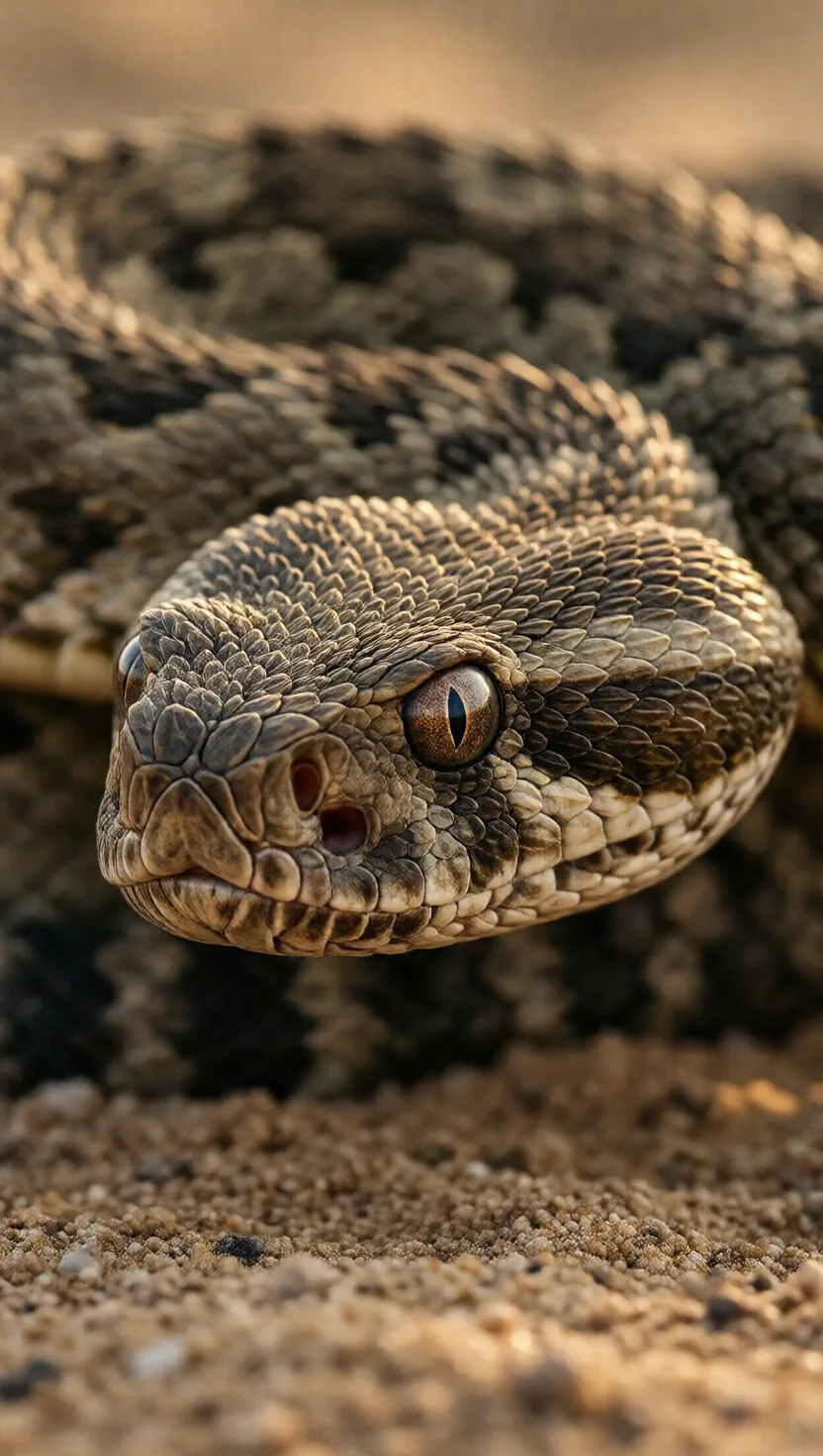
A pit viper's facial pit is a heat-sensing chamber whose membrane reacts to changes as tiny as 0.003C. But a 2022 Journal of Experimental Biology study on Western rattlesnakes found the image is extremely coarse: the organ can't resolve detail finer than about 9 degrees of angle. It senses a warm body and roughly where it is, but nothing like a sharp thermal-camera picture.
A snake's eye is sealed under a clear scale it sheds

A snake's eye is sealed under a clear scale it sheds

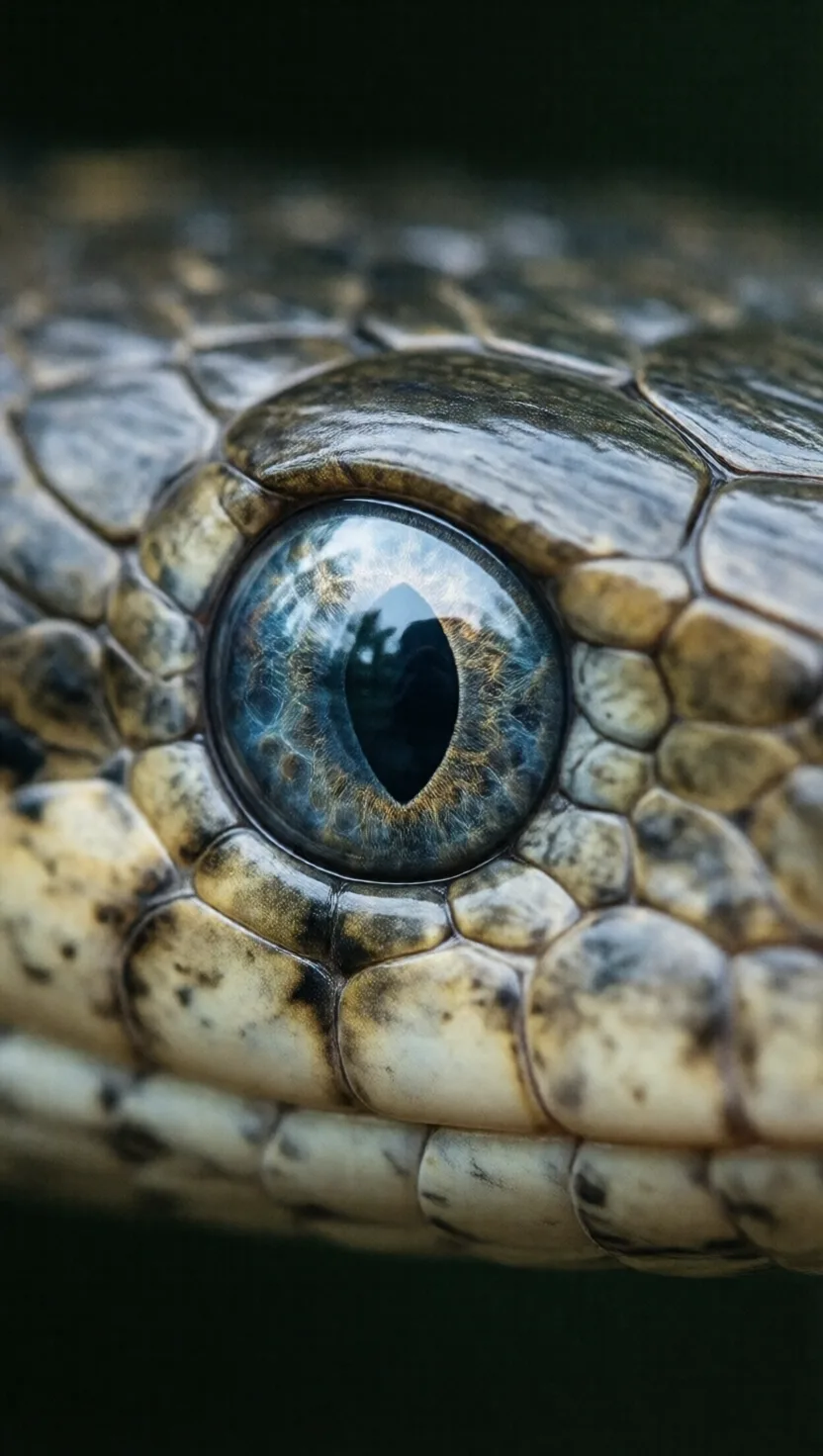
Snakes have no eyelids and never blink. Each eye is capped by a transparent fused scale called the brille or spectacle, a modified scale that protects the eye while leaving it permanently open. It's part of the skin, so it sheds with every molt. Before a shed the brille clouds to a milky blue as fresh skin forms beneath, then peels away inside-out with the rest of the old skin.
Rattle segments count sheds, not years

Rattle segments count sheds, not years

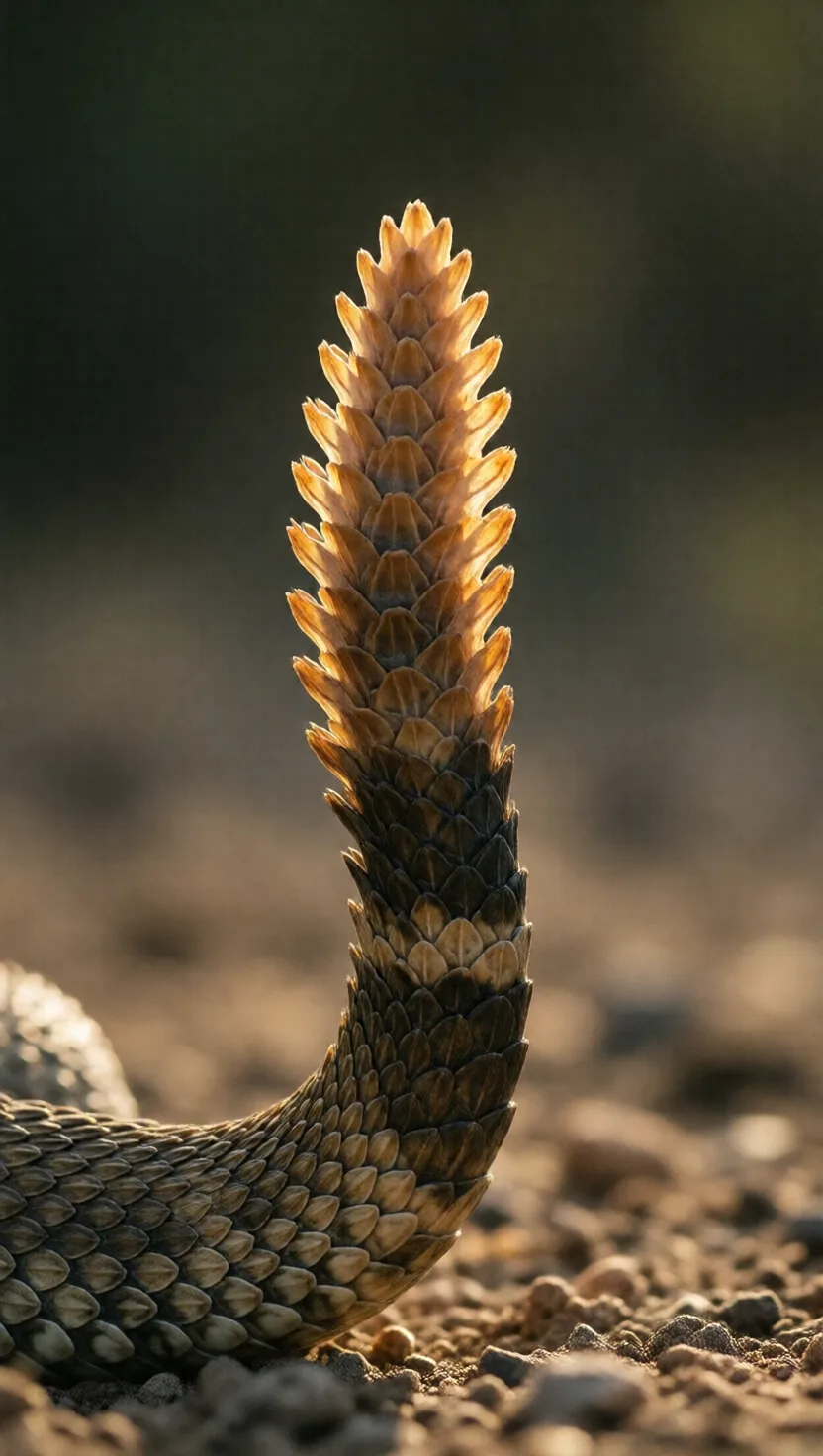
A rattlesnake's rattle is a stack of hollow, loosely interlocking keratin segments, the same protein as fingernails. They don't bang together like a maraca; the segments click against each other when the tail buzzes. A new segment is added every time the snake sheds, and a young snake can shed several times a year, so segment count tracks molts, not age. Tips also break off, making any 'one ring per year' count wrong.
This snake flattens into a wing and glides 100 m

This snake flattens into a wing and glides 100 m

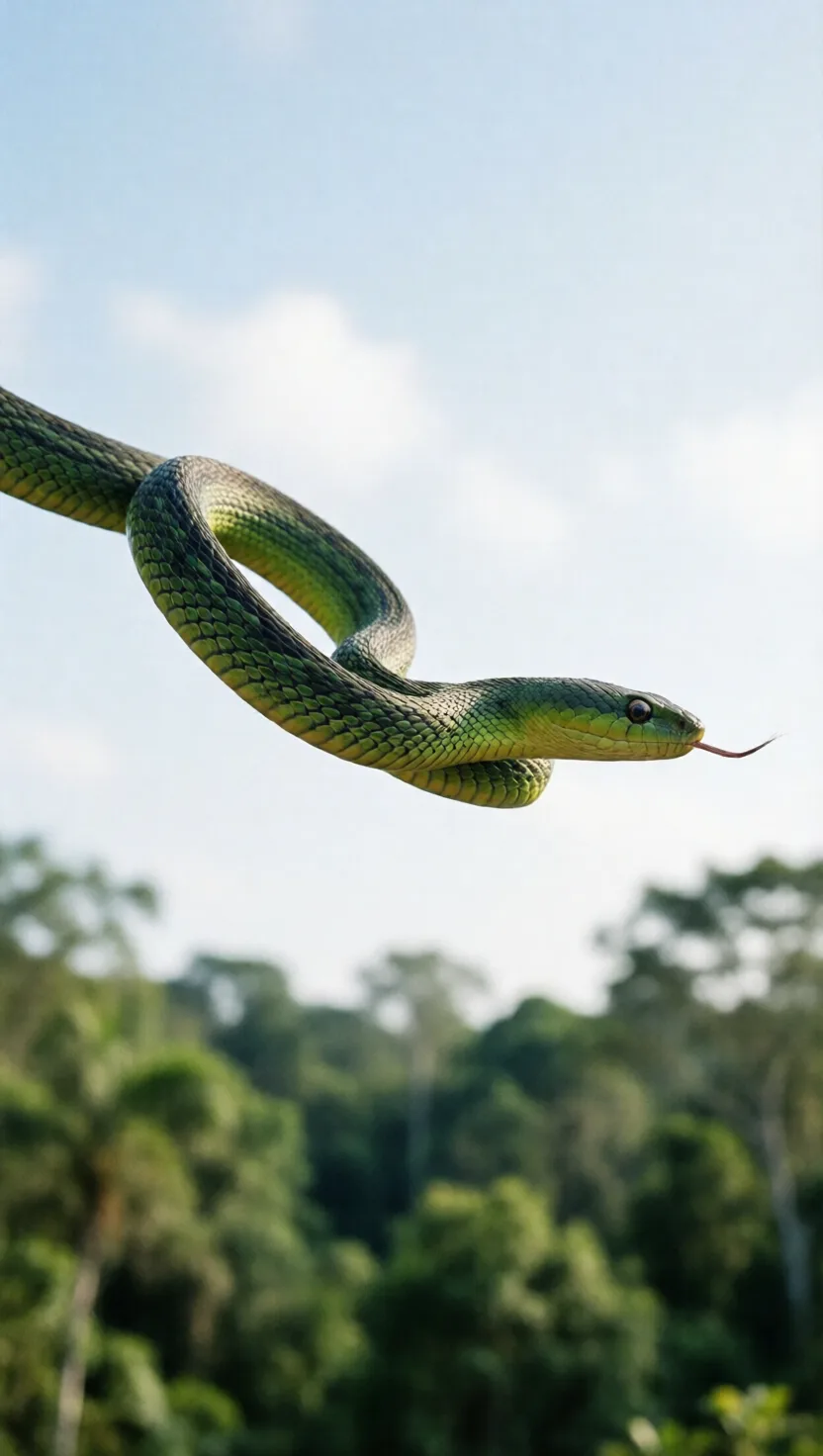
Southeast Asian flying snakes launch from treetops and glide without any wings. The snake sucks in its belly and splays its ribs to turn its round body into a flattened, concave pseudo-wing, then undulates side to side in midair, not to swim through air but to stay rotationally stable. The paradise tree snake can travel as far as 100 metres in a single glide.
This snake eats eggs whole, then spits the shell

This snake eats eggs whole, then spits the shell

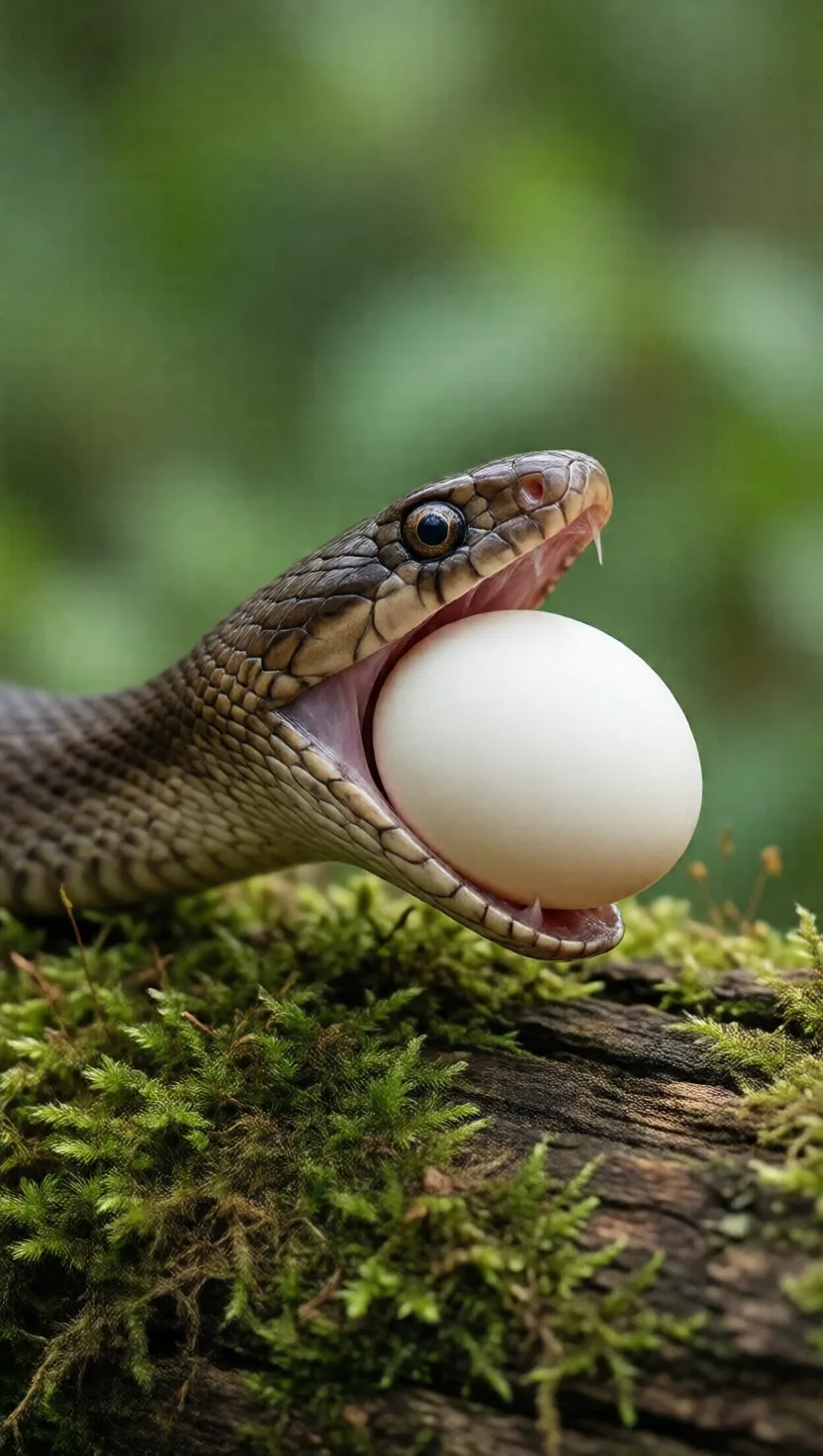
African egg-eating snakes have almost no teeth and live on eggs many times wider than their own heads. They swallow an egg whole, then drive it against sharpened bony spurs projecting down from neck vertebrae 17 through 38, which saw the shell open like an internal can-opener. The snake drains the contents, then regurgitates the flattened, crushed shell in a tidy folded packet.
An entire snake species has never had a male

An entire snake species has never had a male

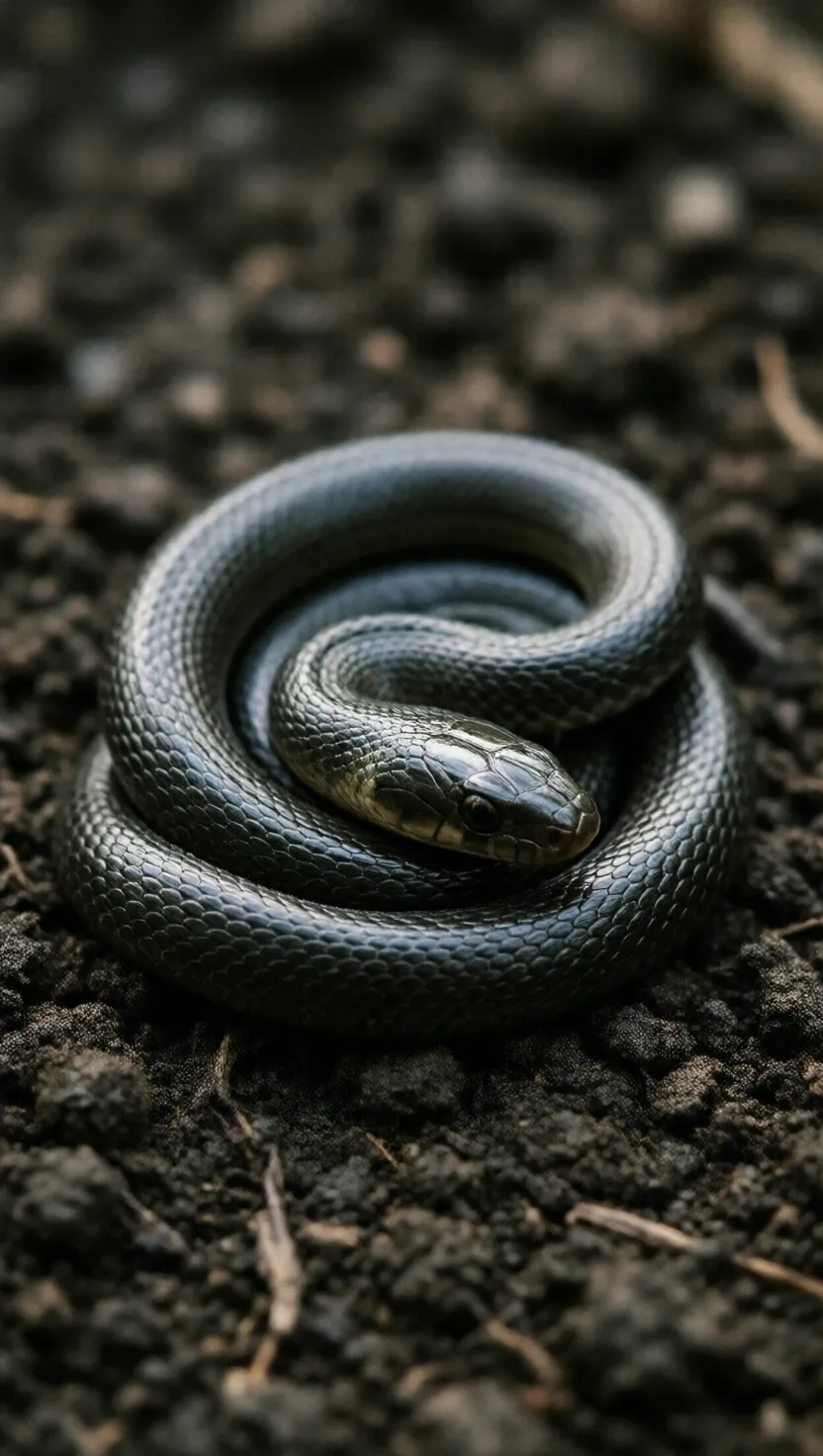
The Brahminy blindsnake is a thread-thin burrower the size of an earthworm, only about 11 to 16 cm long, often mistaken for one as it slips through soil eating ant and termite brood. Every known individual is female. The species reproduces by parthenogenesis: unfertilized eggs develop into clones of the mother, so it has spread across the globe from single stowaway individuals in potted-plant soil.
This snake fakes a move to steer fish into its mouth

This snake fakes a move to steer fish into its mouth

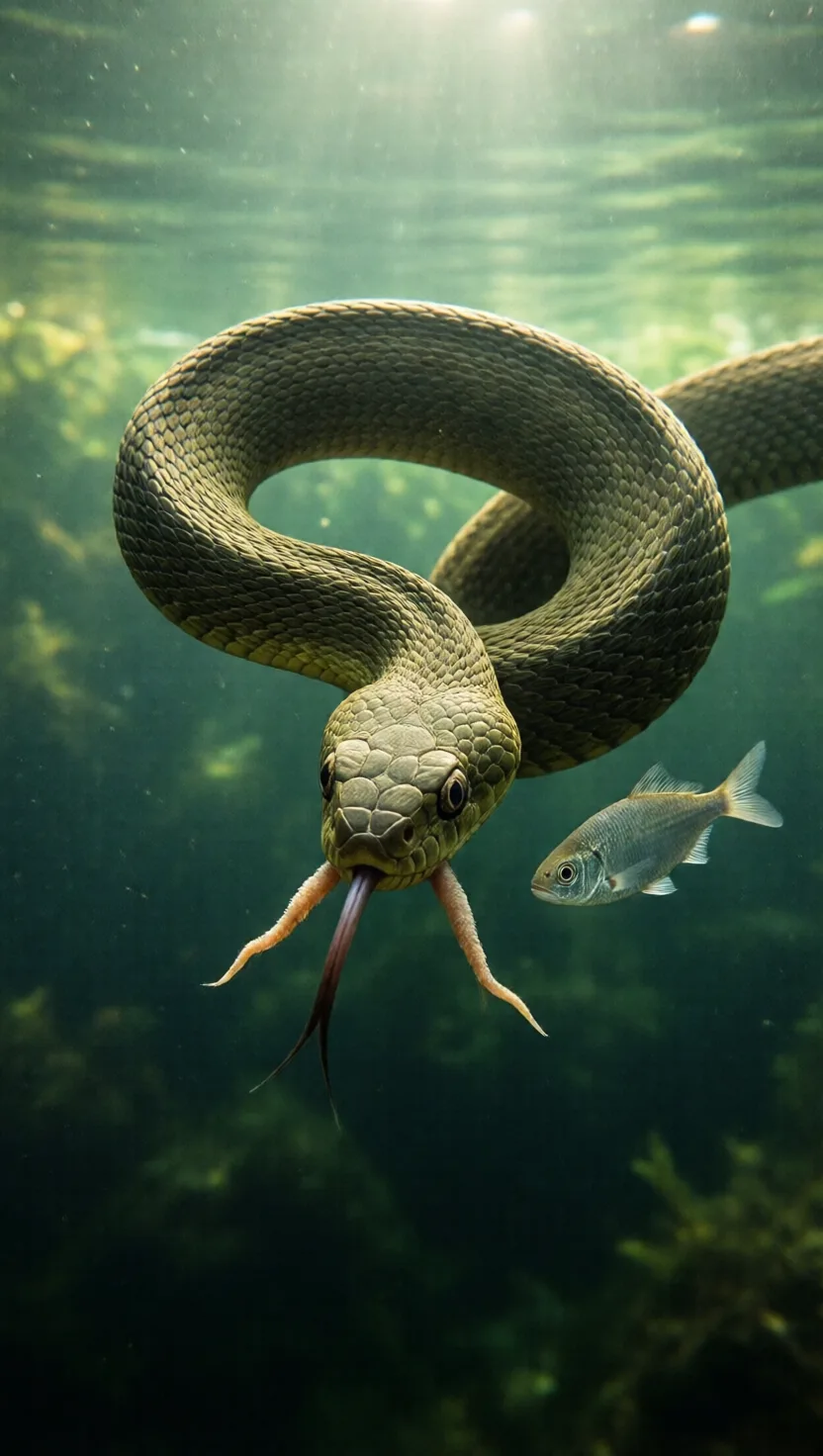
The aquatic tentacled snake hunts by exploiting fish reflexes. Holding its body in a J, it twitches its trunk 1 to 3 milliseconds before striking, triggering the fish's hardwired C-start escape, a reflex the fish can't cancel once it fires. The startled fish bolts the wrong way, straight toward the waiting jaws. The snake even aims ahead of the fish, predicting where the escape will land. Lab-born snakes do it innately.
Snakes never 'unhinge' their jaws, that's a myth

Snakes never 'unhinge' their jaws, that's a myth

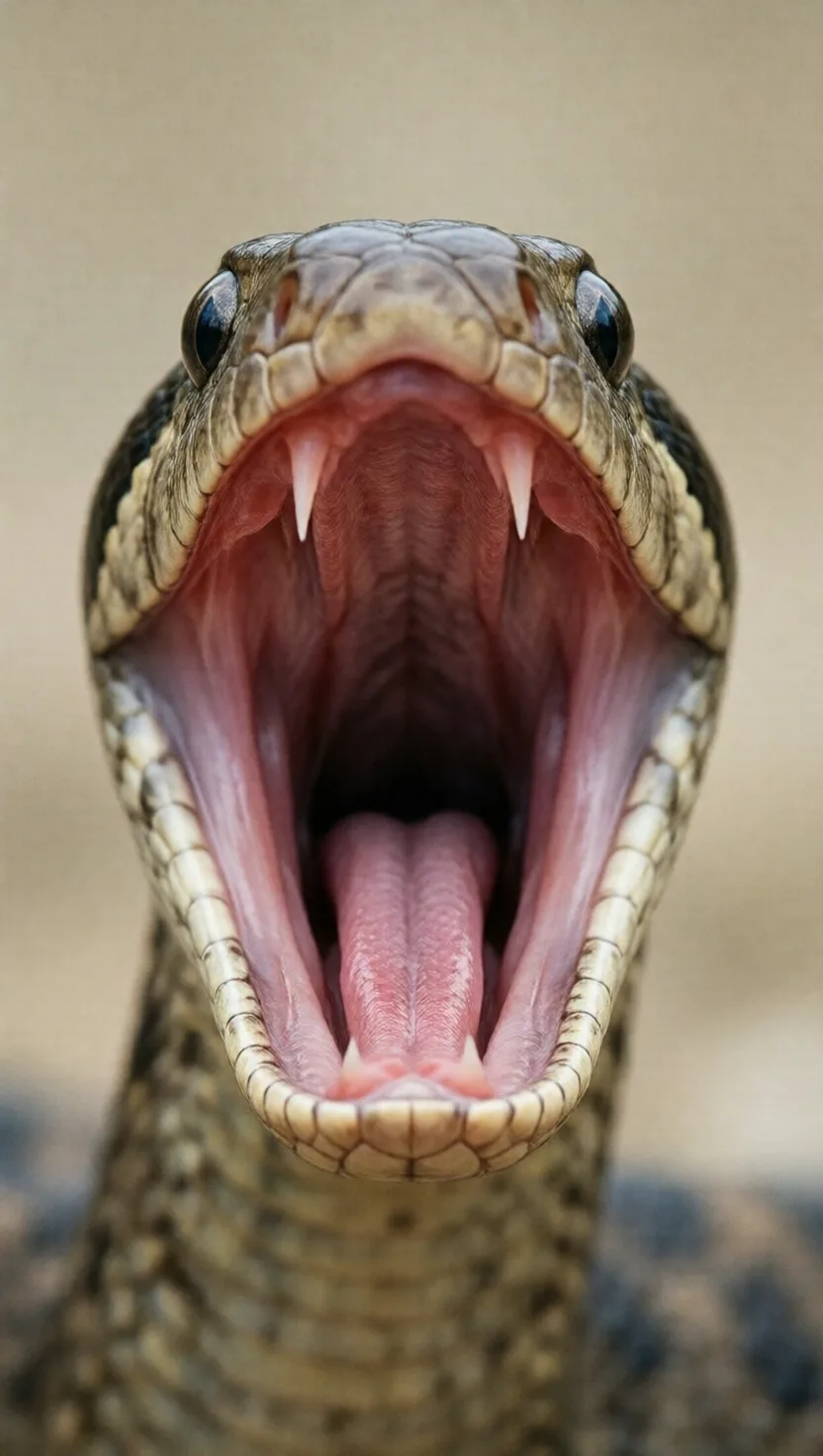
Snakes don't dislocate or detach anything to swallow huge prey. Their two lower-jaw halves aren't fused at the chin like ours; they're joined only by a stretchy elastic ligament, so each side moves independently and spreads wide. The jaw also hangs from a free-swinging quadrate bone rather than a fixed hinge. Everything stays connected the whole time, contrary to the popular image of a jaw popping out of joint.
tap →swipe ↑ for depthswipe ↓ to exit