Eight things hidden in ruby and sapphire

DC·113 Deep Cuts
Ruby and sapphire are the very same stone

Ruby and sapphire are the very same stone

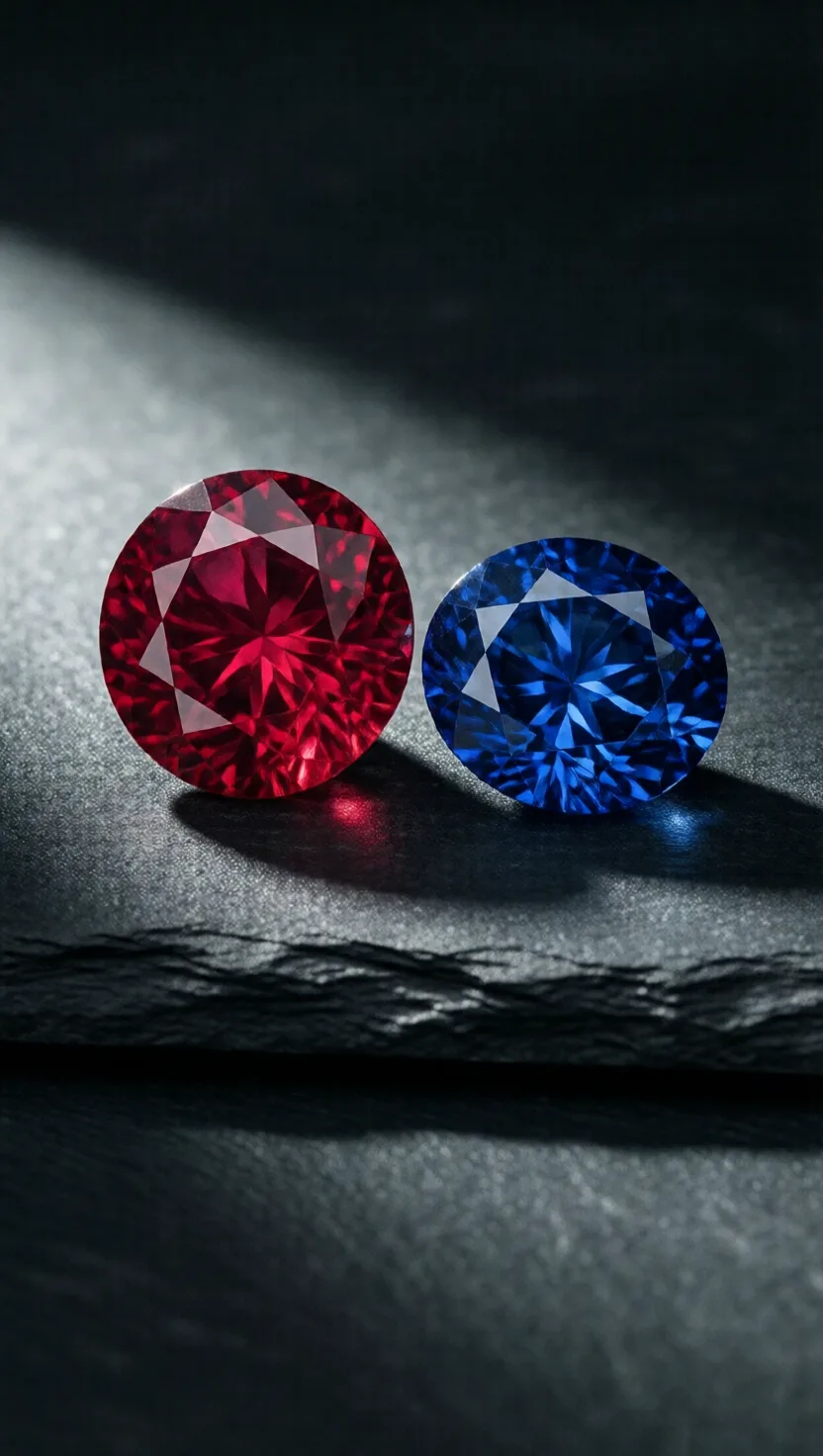
Ruby and sapphire are not cousins; they are the identical mineral, corundum, which is simply crystallised aluminium oxide. The only thing that sets them apart is a pinch of impurity. A trace of chromium stains the crystal red, and we call it ruby. A trace of iron and titanium stains it blue, and we call it sapphire. One mineral, two famous names.
The world's first laser was a rod of ruby

The world's first laser was a rod of ruby

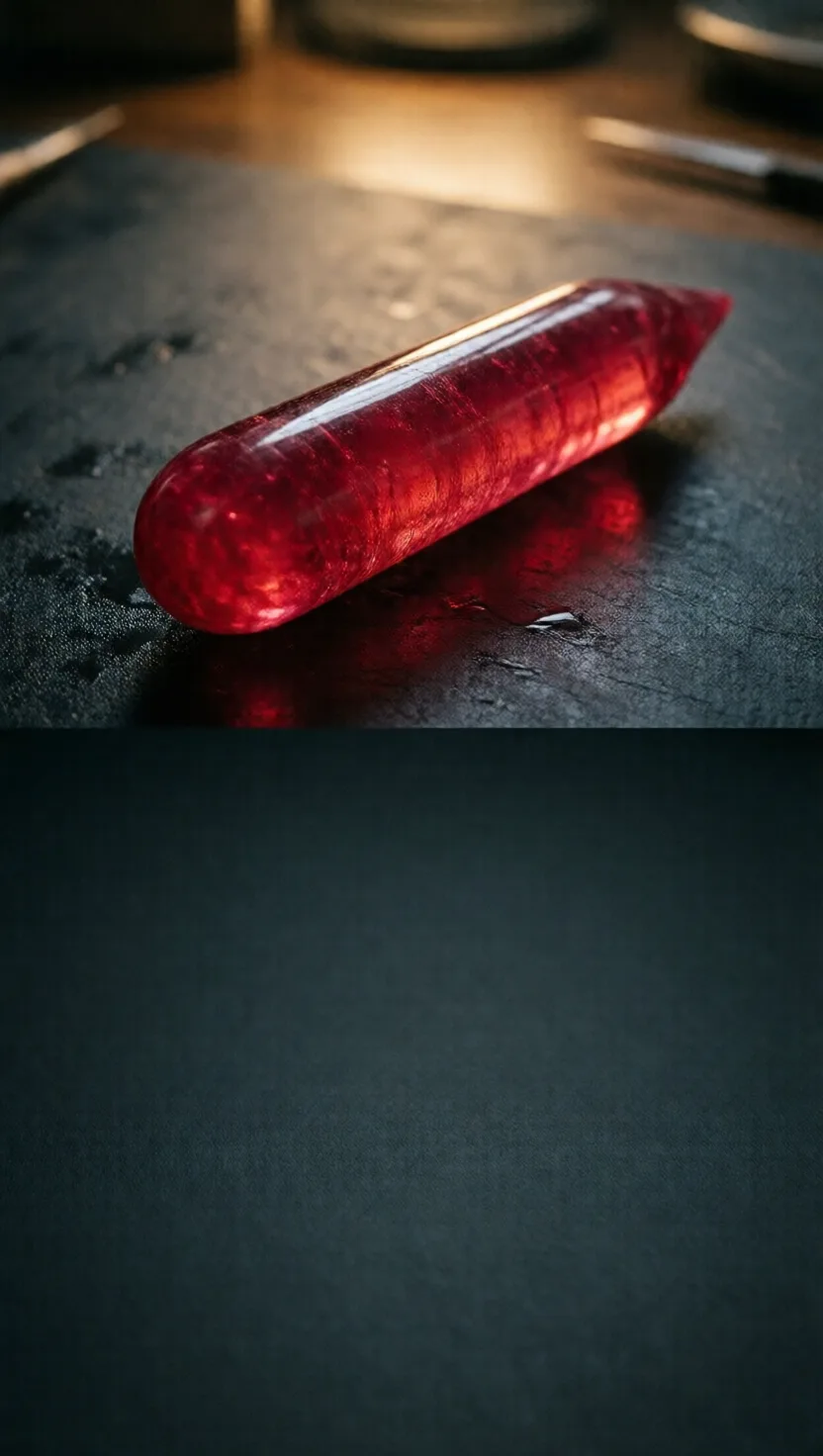
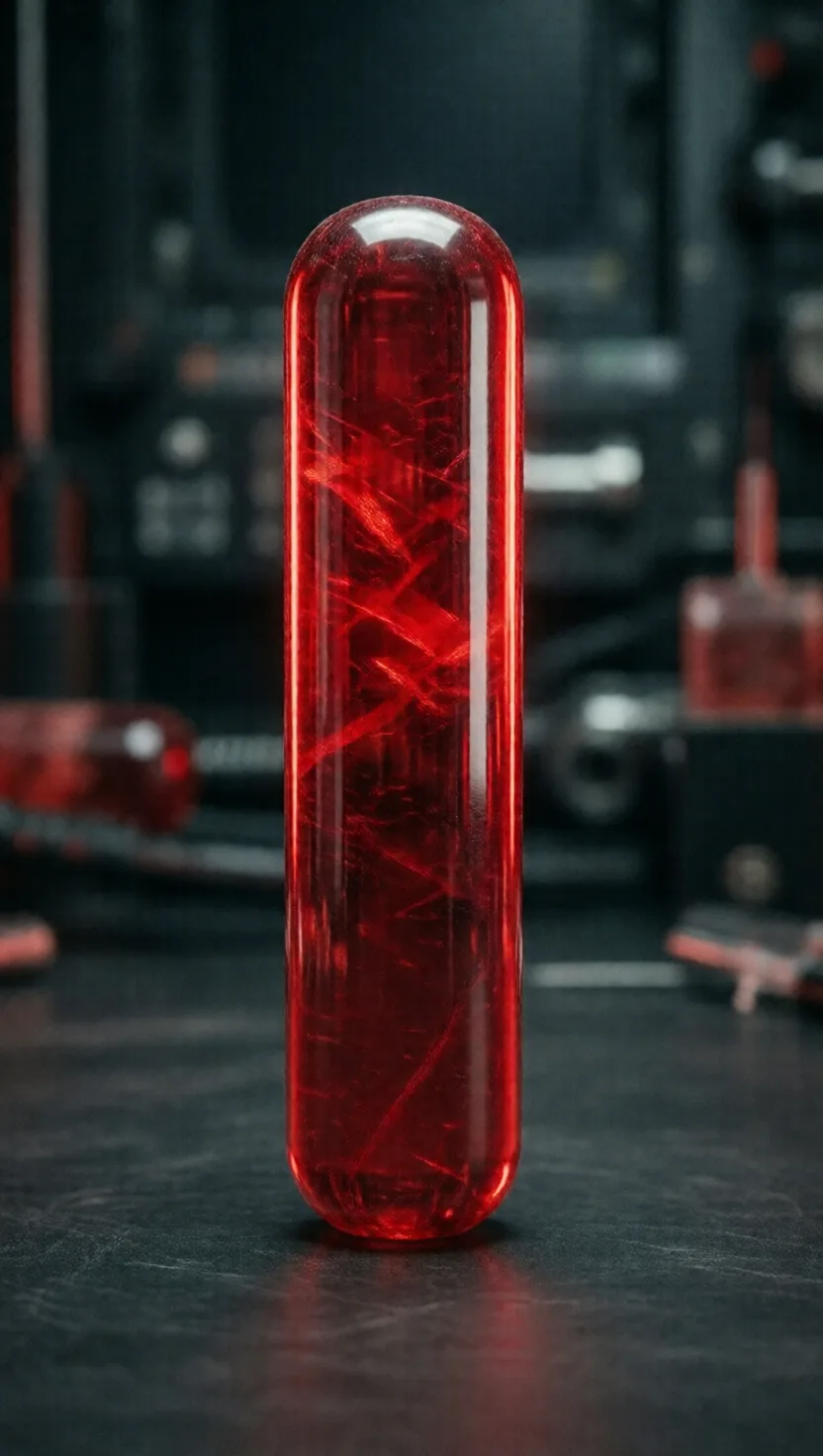
When the first working laser fired in 1960, its heart was a finger-length rod of synthetic ruby coiled inside a photographer's flash lamp. A burst of light excited the chromium atoms inside the ruby, and they dumped that energy back out as a single pulse of pure red light. Many scientists had dismissed ruby as a hopeless material for the job, and it beat them all.
Your nail file is made of crushed sapphire

Your nail file is made of crushed sapphire

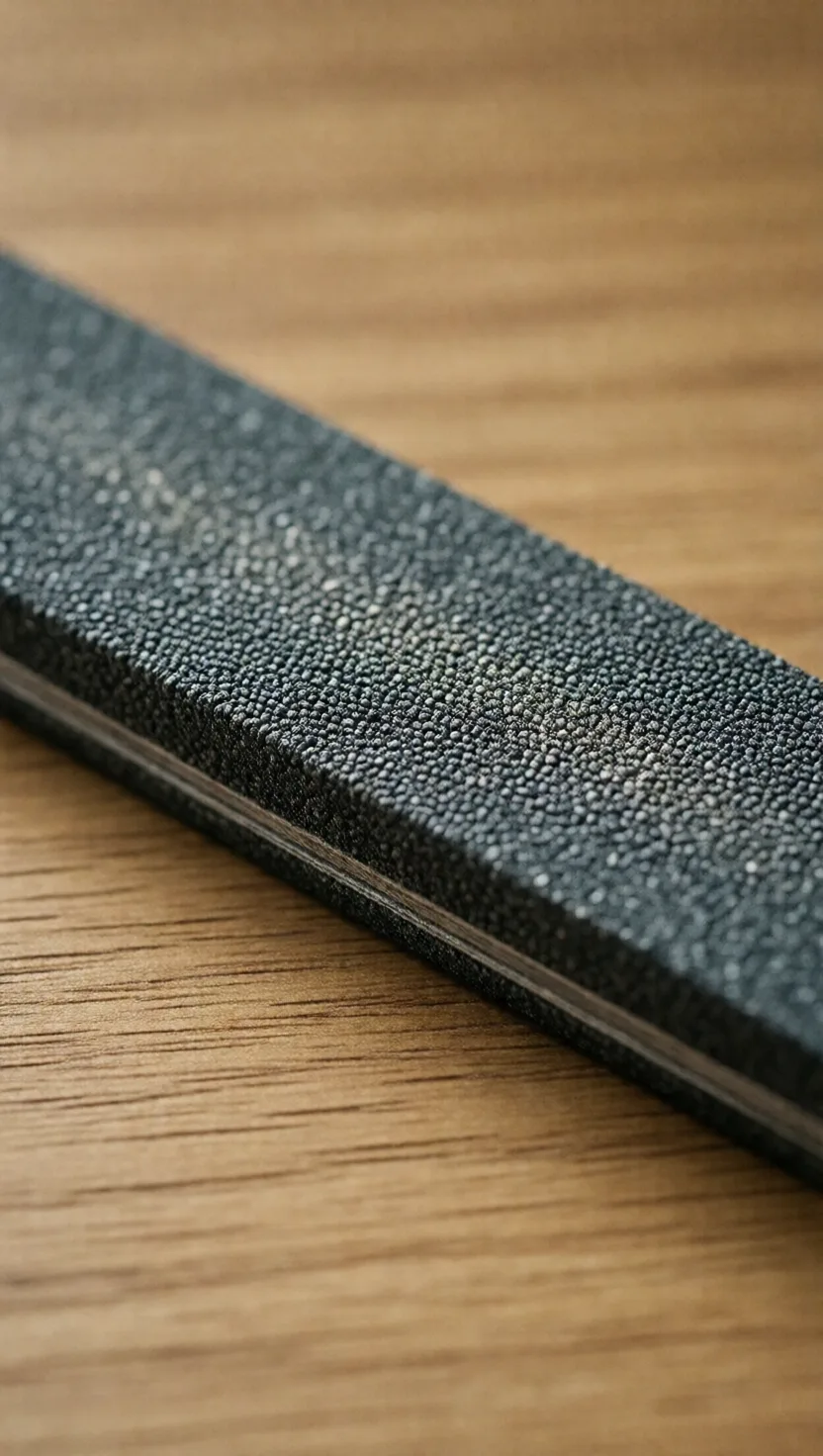
Corundum is the second-hardest natural mineral, a 9 on the ten-point Mohs scale, surpassed only by diamond. That hardness has a humble side. Emery, the dark grit glued onto nail files, emery boards and sanding cloth, is nothing but crushed, impure corundum. The same mineral that forms a flawless ruby is also what wears down your fingernails.
A six-pointed star floats inside this gem

A six-pointed star floats inside this gem

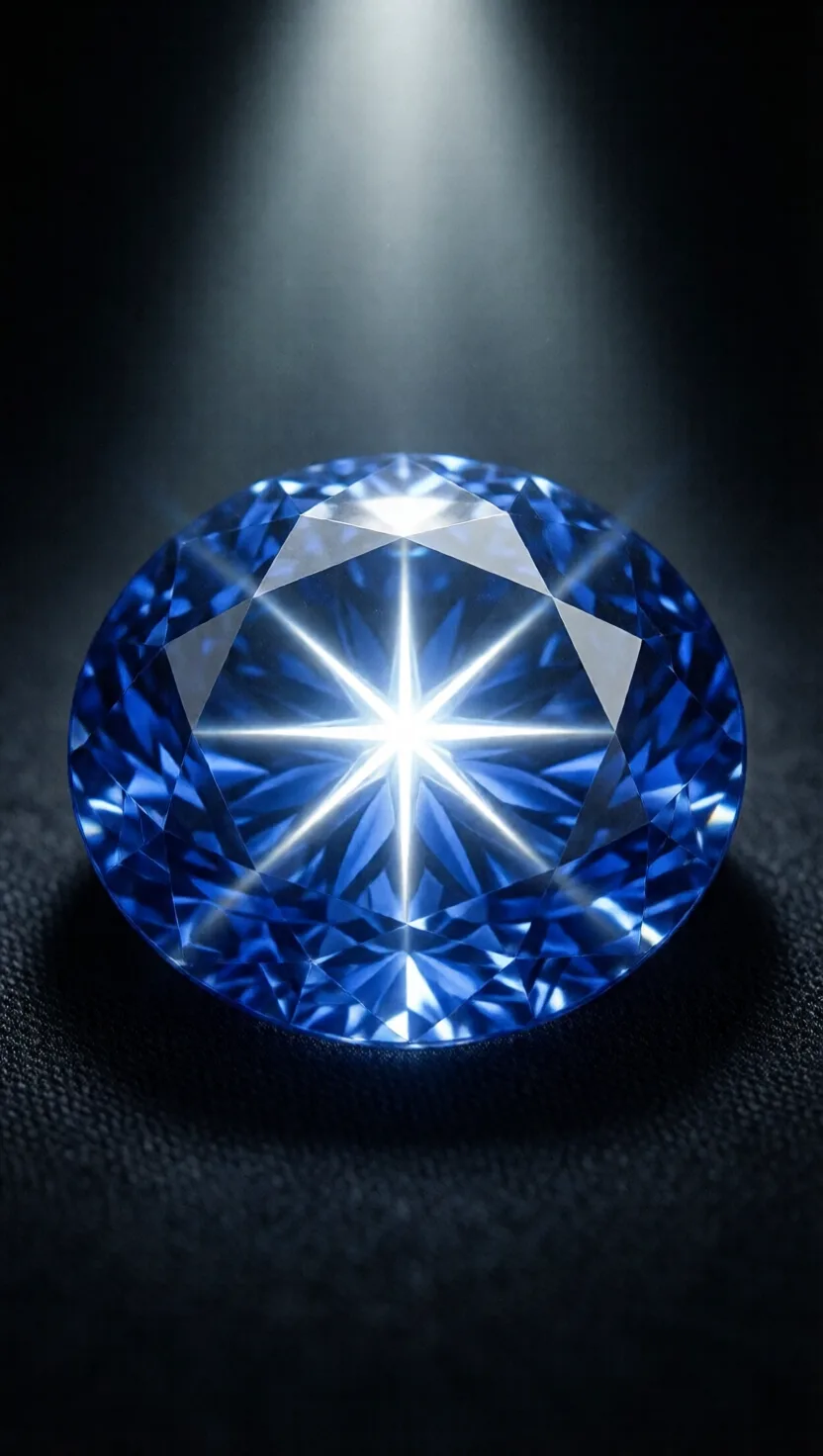
Some sapphires and rubies hold a star that glides across the surface as you tilt them in the light. The cause is silk: countless needle-thin rutile crystals locked inside the gem, lying in three directions set 60 degrees apart. Light reflecting off the three sets of needles makes three bright bands that cross, forming a sharp six-rayed star hovering over the polished dome.
Tiny rubies keep old watches ticking

Tiny rubies keep old watches ticking

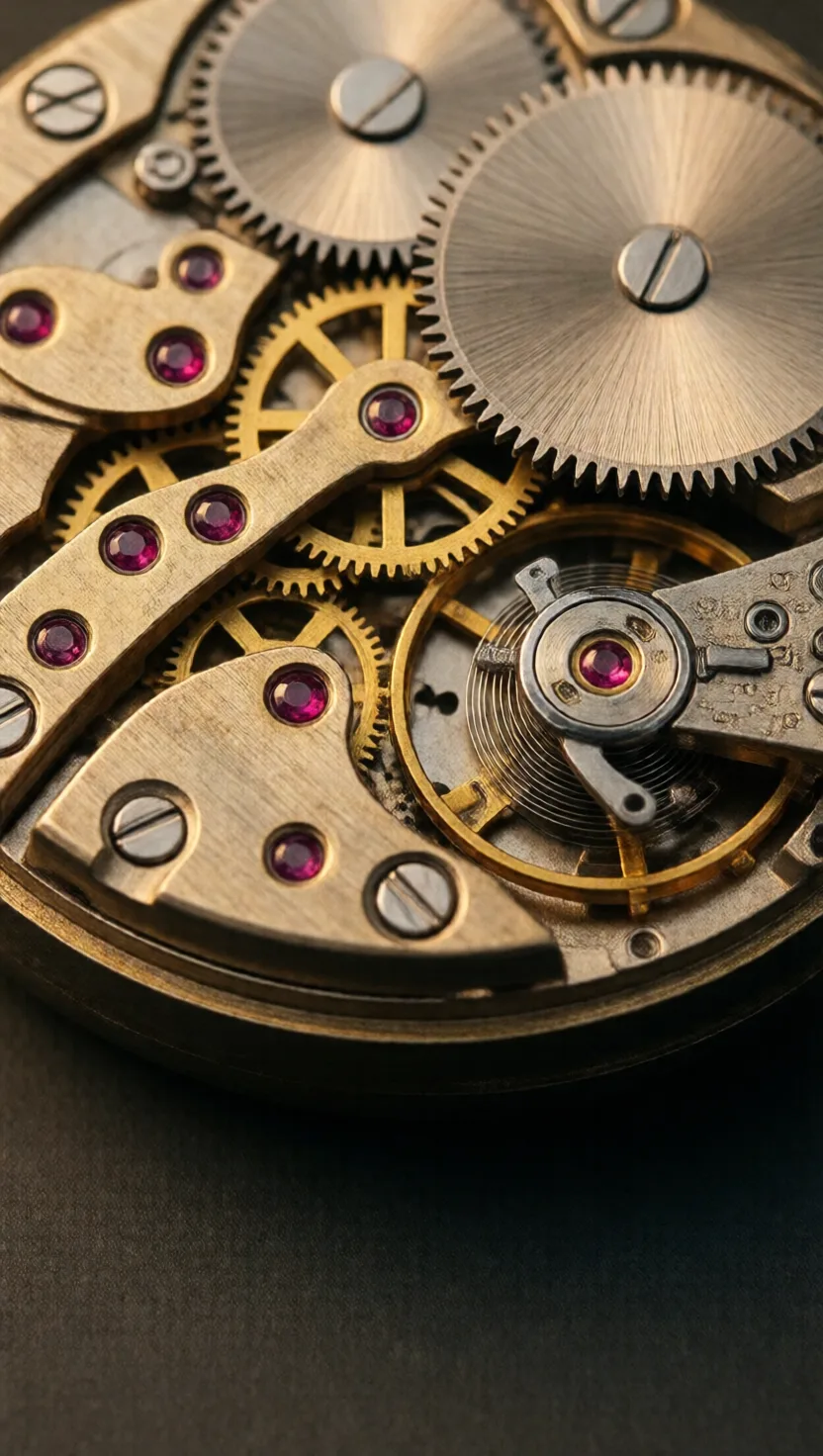
Open a mechanical watch and you will find rubies inside, usually fifteen or more. Each tiny synthetic ruby or sapphire is drilled and set as a bearing where a spinning steel pivot rests. Corundum is so hard and so slick that these jewels barely wear, cutting friction at the points that turn millions of times and keeping the watch running true for decades.
The clear face on a fine watch isn't glass

The clear face on a fine watch isn't glass

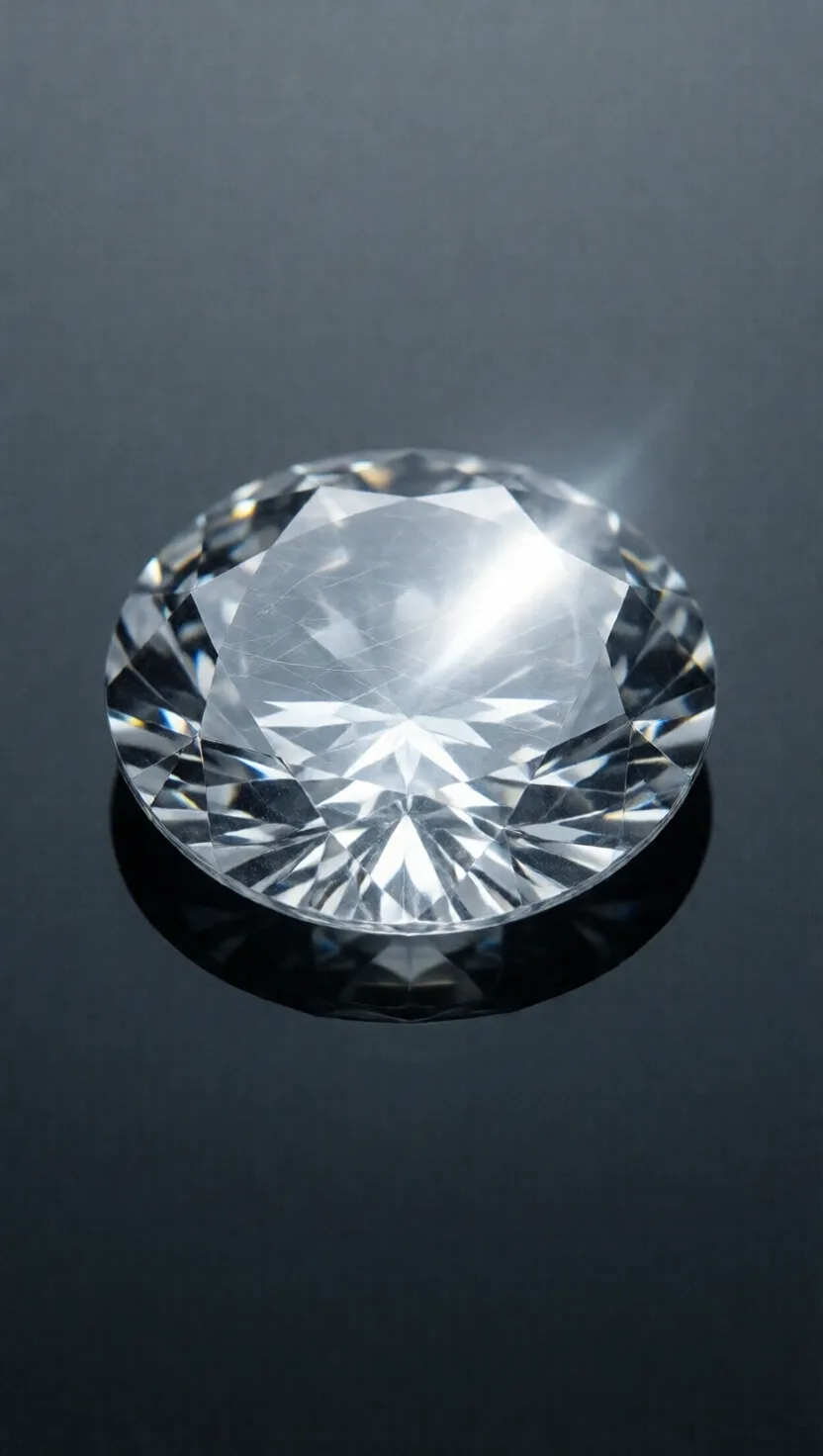
The crystal-clear cover over a luxury watch dial, and the lens cap over many phone cameras, is often not glass at all but synthetic sapphire, pure corundum grown in a furnace. At 9 on the hardness scale it shrugs off the scratches that slowly cloud ordinary glass. Almost nothing you meet in daily life is hard enough to mark it, except diamond.
The rarest sapphire glows like a lotus

The rarest sapphire glows like a lotus

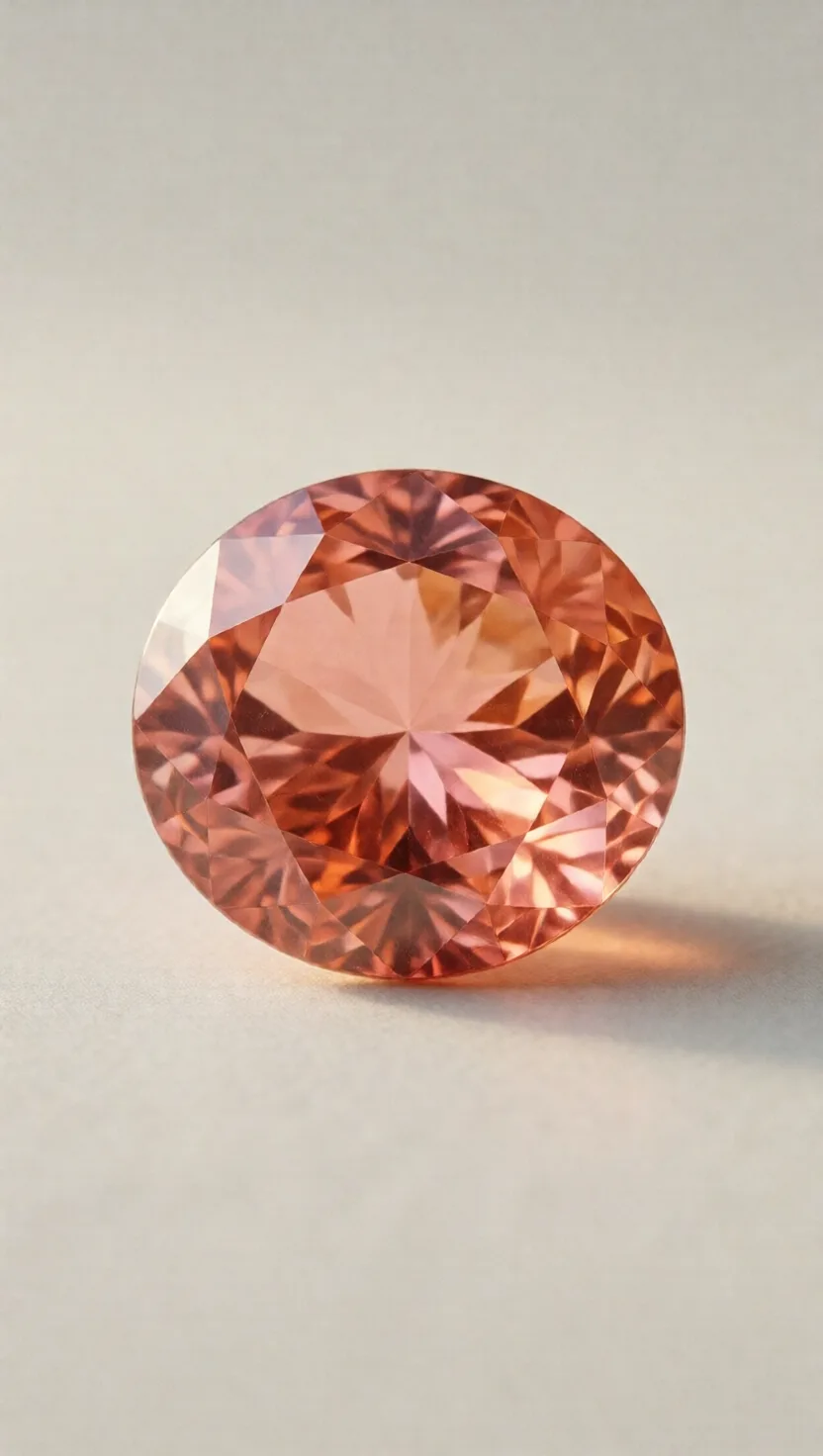
Most sapphires are blue, but the most prized of all is neither blue nor red. The padparadscha is a delicate blend of pink and orange, named with the Sinhalese word for the lotus blossom whose colour it echoes. These stones make up well under one percent of all sapphires found, and fine large examples have sold for six figures per carat.
We've grown rubies in a furnace since 1902

We've grown rubies in a furnace since 1902

The first gemstone ever mass-produced in a lab was the ruby. In a process announced in 1902, fine alumina powder is sifted down through a flame hotter than 2,000 degrees Celsius and melts onto a slowly turning rod, growing a single carrot-shaped crystal called a boule. Within a few years one workshop ran thirty furnaces, turning out about a tonne of synthetic ruby a year.
tap →swipe ↑ for depthswipe ↓ to exit