Eight things the beetles knew first

DC·111 Deep Cuts
This beetle hunts fires from kilometres away

This beetle hunts fires from kilometres away

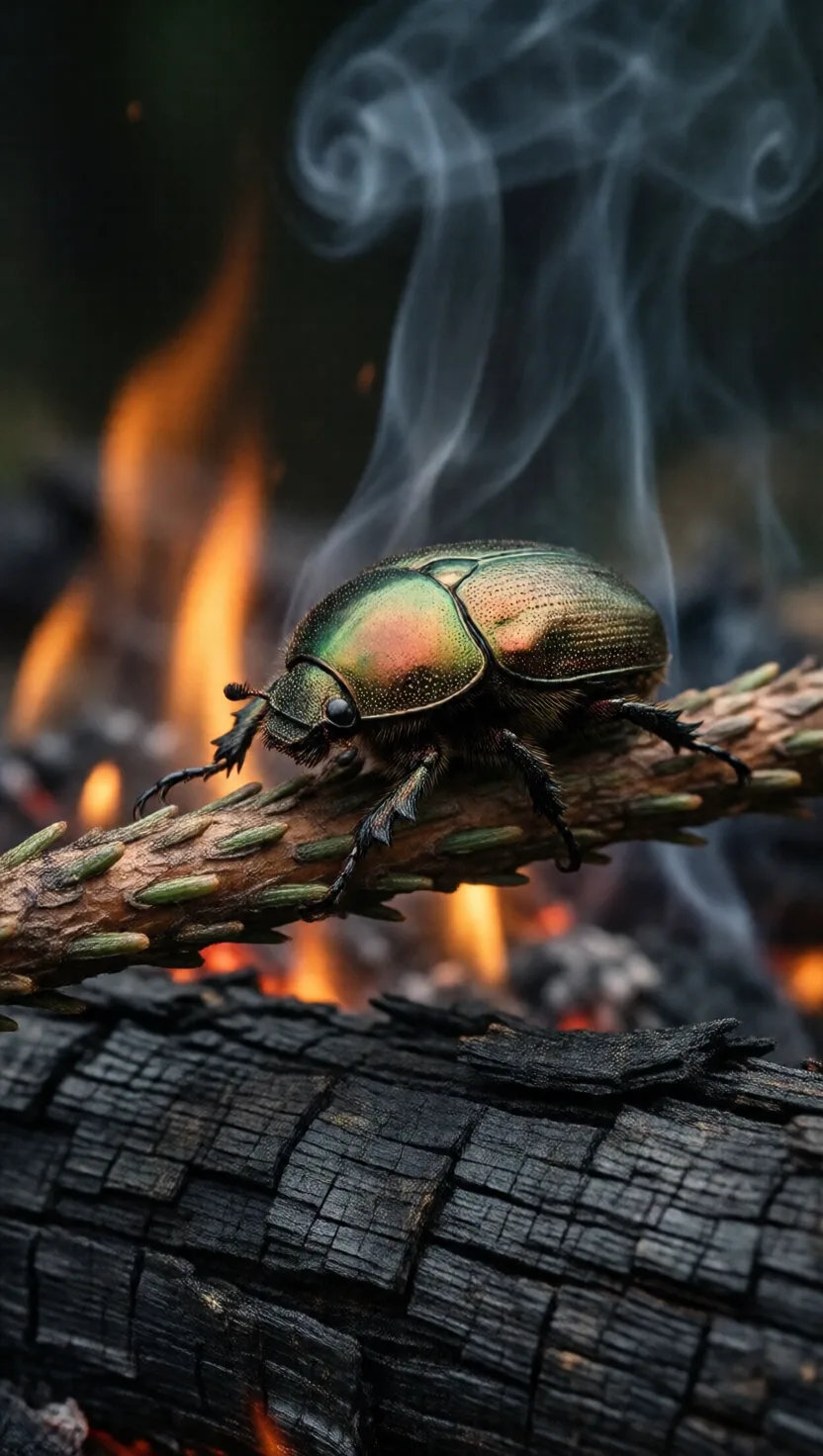
A fire-loving jewel beetle carries two pit organs studded with dozens of tiny infrared receptors that pick up the heat glow of a forest fire. It races toward the blaze to lay eggs in freshly killed wood, where its larvae face no competition. Behavioural tests confirm it can sense large fires from up to about 12 kilometres away, and modelling of a giant oil-tank fire suggests its sensors may reach far further still.
You can run this beetle over and it walks away

You can run this beetle over and it walks away

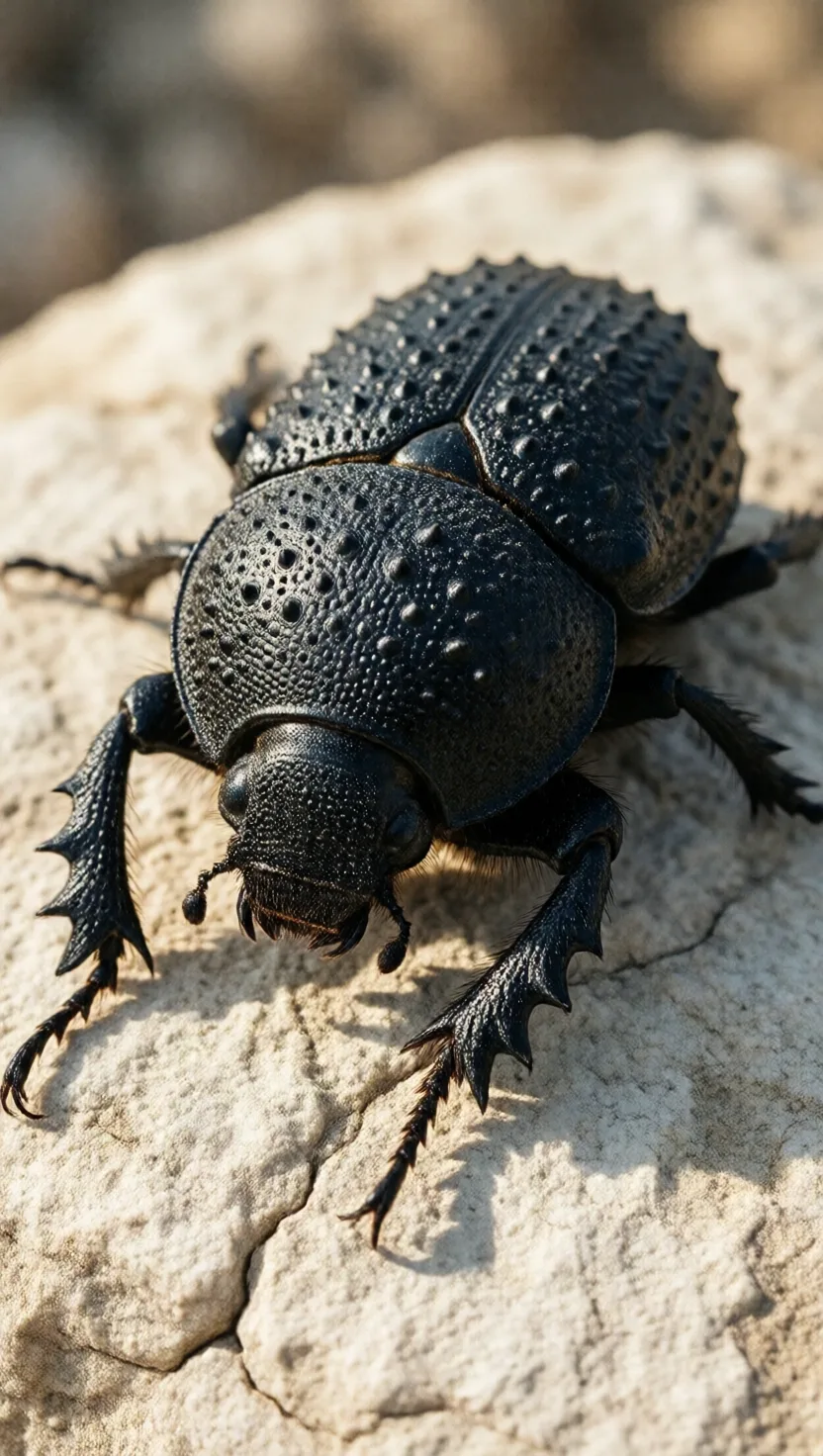
The diabolical ironclad beetle has no working wings, so its wing-cases fused into solid armour. Where the two halves meet runs a seam of interlocking jigsaw teeth that spread and absorb force instead of snapping. In lab tests the beetle withstood about 150 newtons before fracturing, roughly 39,000 times its own body weight, which is enough to survive being driven over by a car tyre.
This beetle has four eyes, two for each world

This beetle has four eyes, two for each world

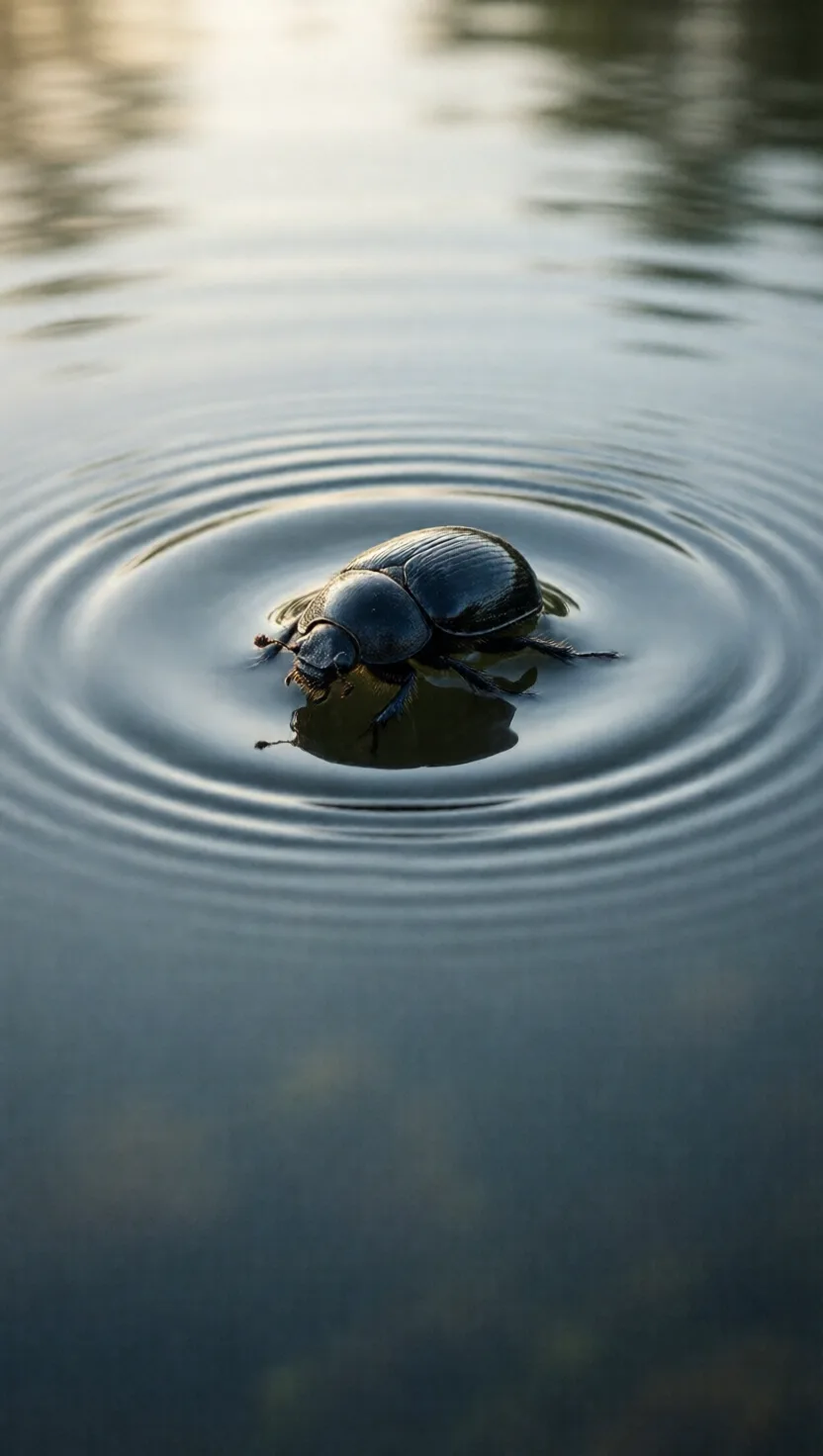
A whirligig beetle spins on the surface film of ponds, and its two compound eyes are each split clean in half. The upper pair watches the air above for birds, while the lower pair, riding just beneath the waterline, scans for fish and prey below. In effect it sees above and below the surface at the same instant, with two separate fields of view feeding one divided brain.
This drop of living gold turns red when touched

This drop of living gold turns red when touched

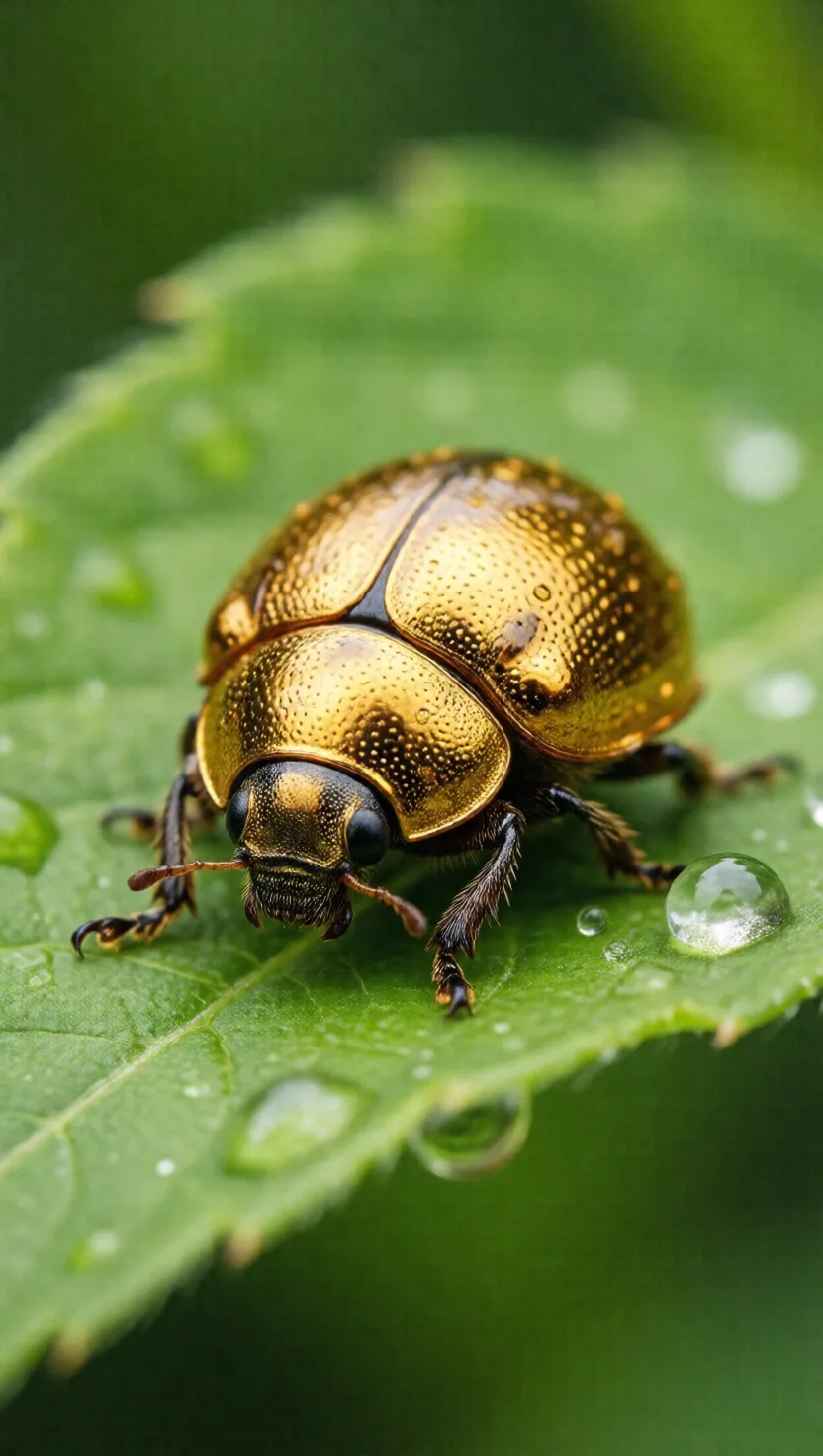
The golden tortoise beetle looks like a bead of molten gold, but the colour is not pigment. Under its transparent shell sit microscopic mirror layers threaded with tiny fluid channels. When the beetle is alarmed it drains those channels, the mirror collapses, and the gold fades to a plain spotted red within seconds, then refills and blazes gold again once the danger passes.
These grubs live on a diet of plastic foam

These grubs live on a diet of plastic foam

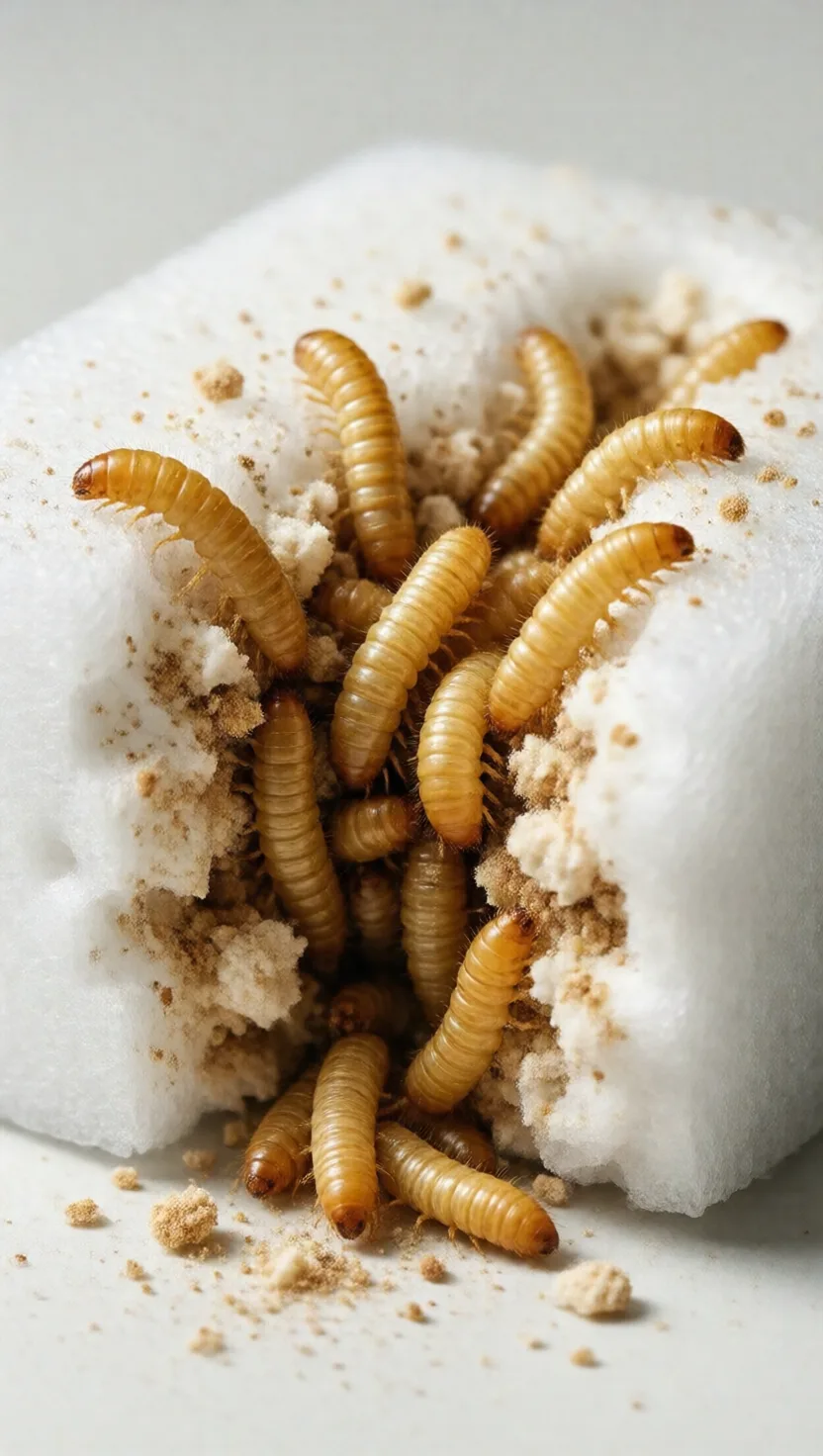
The larvae of the darkling beetle, the common mealworm, can eat polystyrene foam and survive on it alone. Bacteria living in their gut break the plastic down, and researchers even isolated a degrading strain from inside them. In one study the larvae chewed through the foam in under a day of gut time and converted close to half the carbon they ate into carbon dioxide.
A beetle's headbang was once an omen of death

A beetle's headbang was once an omen of death

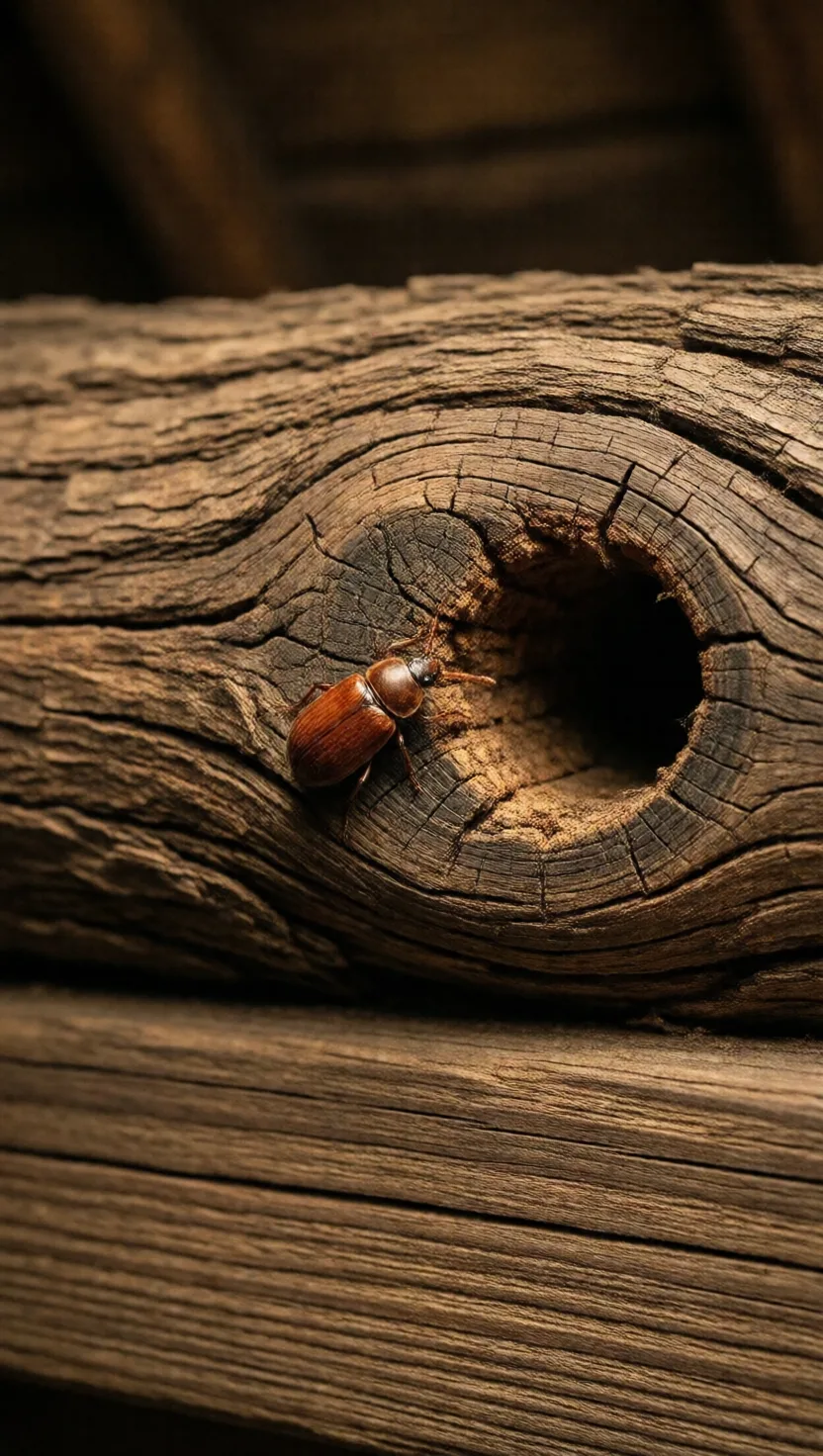
To call a mate, the deathwatch beetle bangs its head against the old wooden beams it burrows in, knocking out a rhythmic run of taps at around ten beats per second. In the silence of houses where people sat up with the dying, this ticking in the walls was mistaken for a clock counting down to death. It is only a wood-boring beetle drumming for a partner.
This beetle dives wearing its own air tank

This beetle dives wearing its own air tank

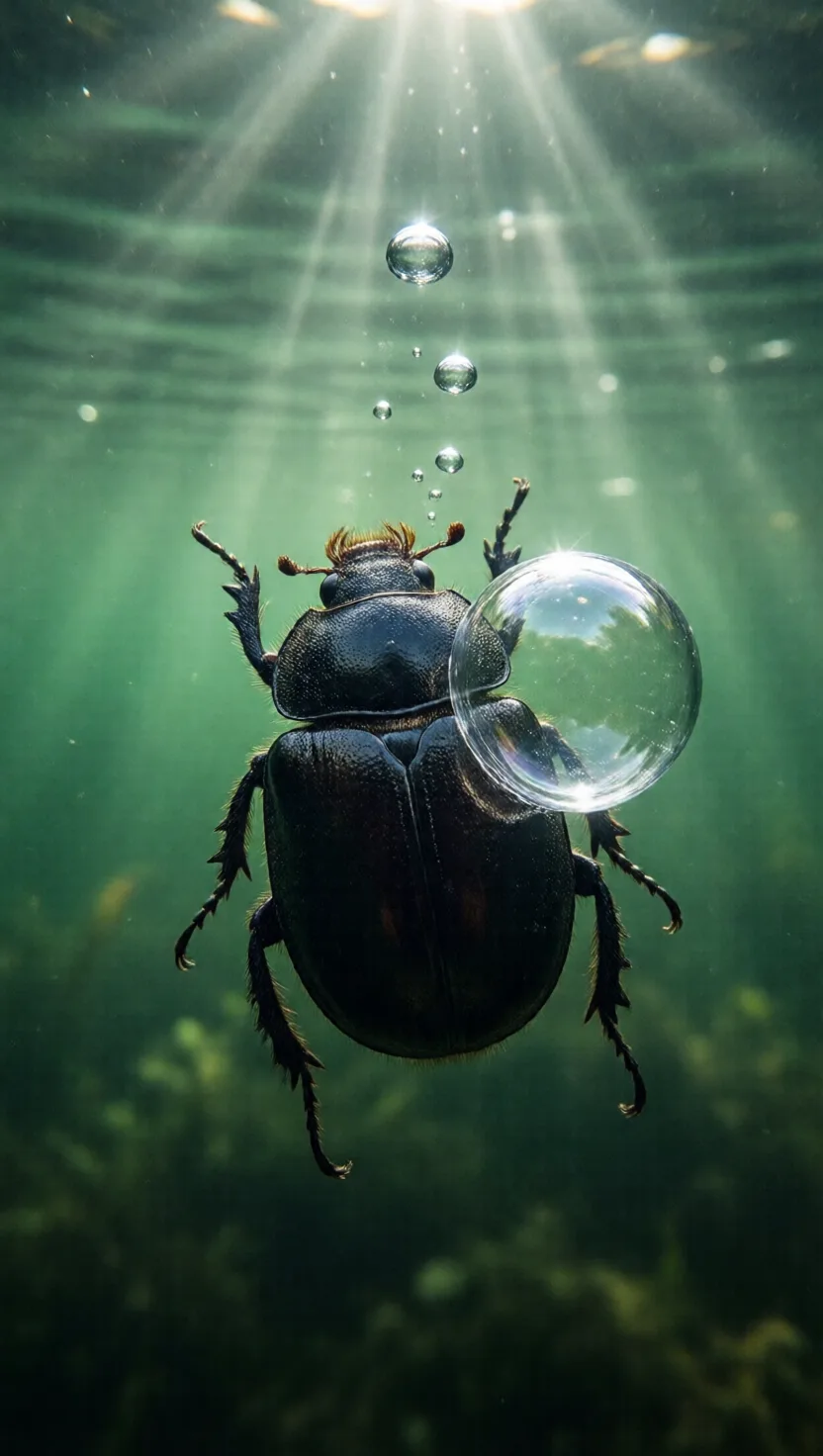
A predaceous diving beetle traps a silvery bubble of air beneath its wing-cases before it submerges, then breathes from it through openings in its body. The bubble is more than a tank: as the beetle uses up oxygen, fresh oxygen diffuses in from the surrounding water, so the bubble works as a physical gill and lets the beetle stay underwater far longer than its trapped air alone would allow.
These larvae huddle into a fake female bee

These larvae huddle into a fake female bee

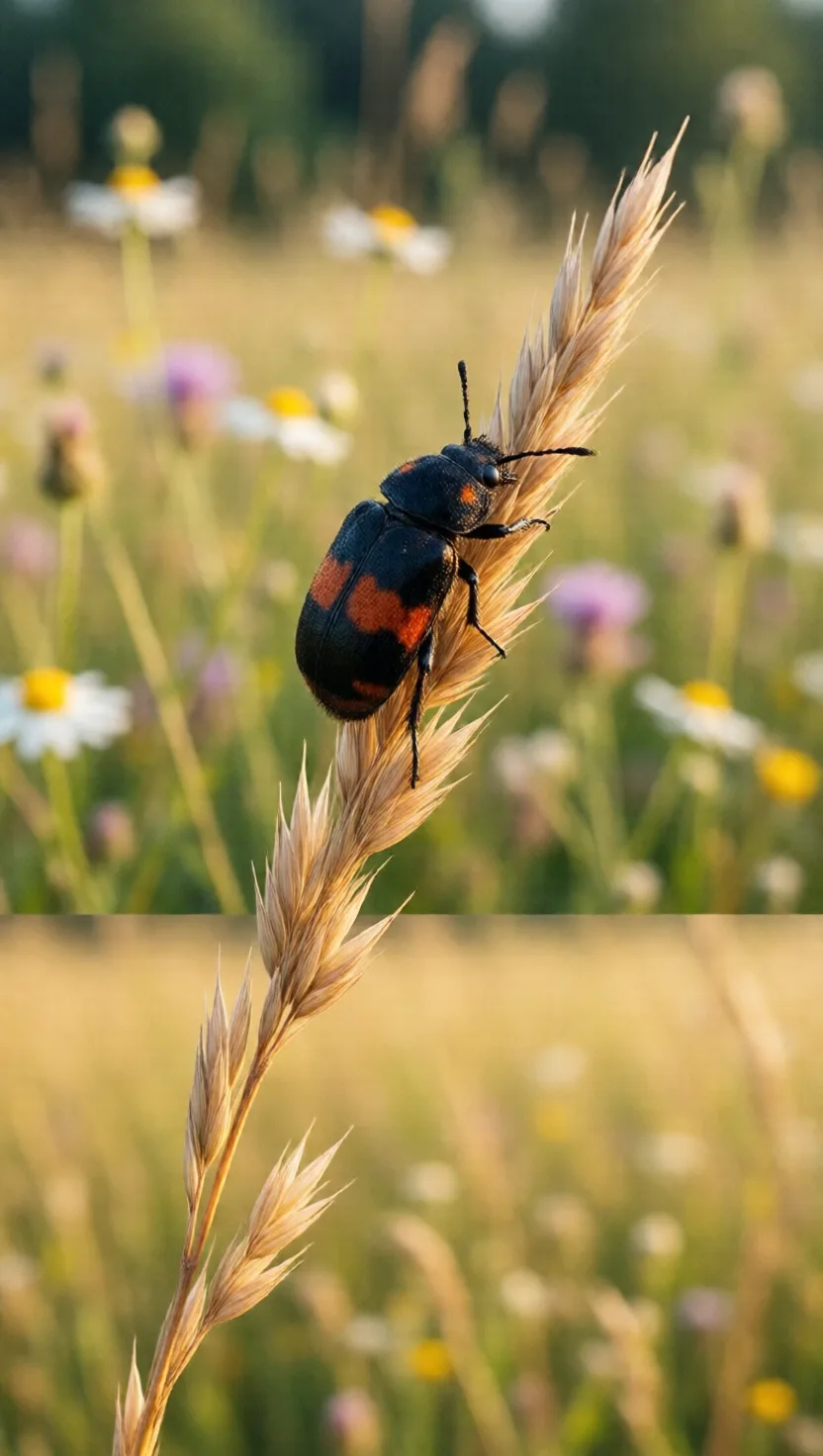
Newly hatched blister beetle larvae climb a stem and pile together into a writhing clump that mimics both the look and the scent of a female bee. A male bee, deceived, tries to mate with the clump and the larvae grab hold. They transfer to a real female when the bees mate, then ride into her nest, where they feast on her eggs and stored food before emerging as adult beetles.
tap →swipe ↑ for depthswipe ↓ to exit