Eight things hidden inside a stone made of light and water

DC·110 Deep Cuts
Its rainbow is built from glass beads, not pigment

Its rainbow is built from glass beads, not pigment

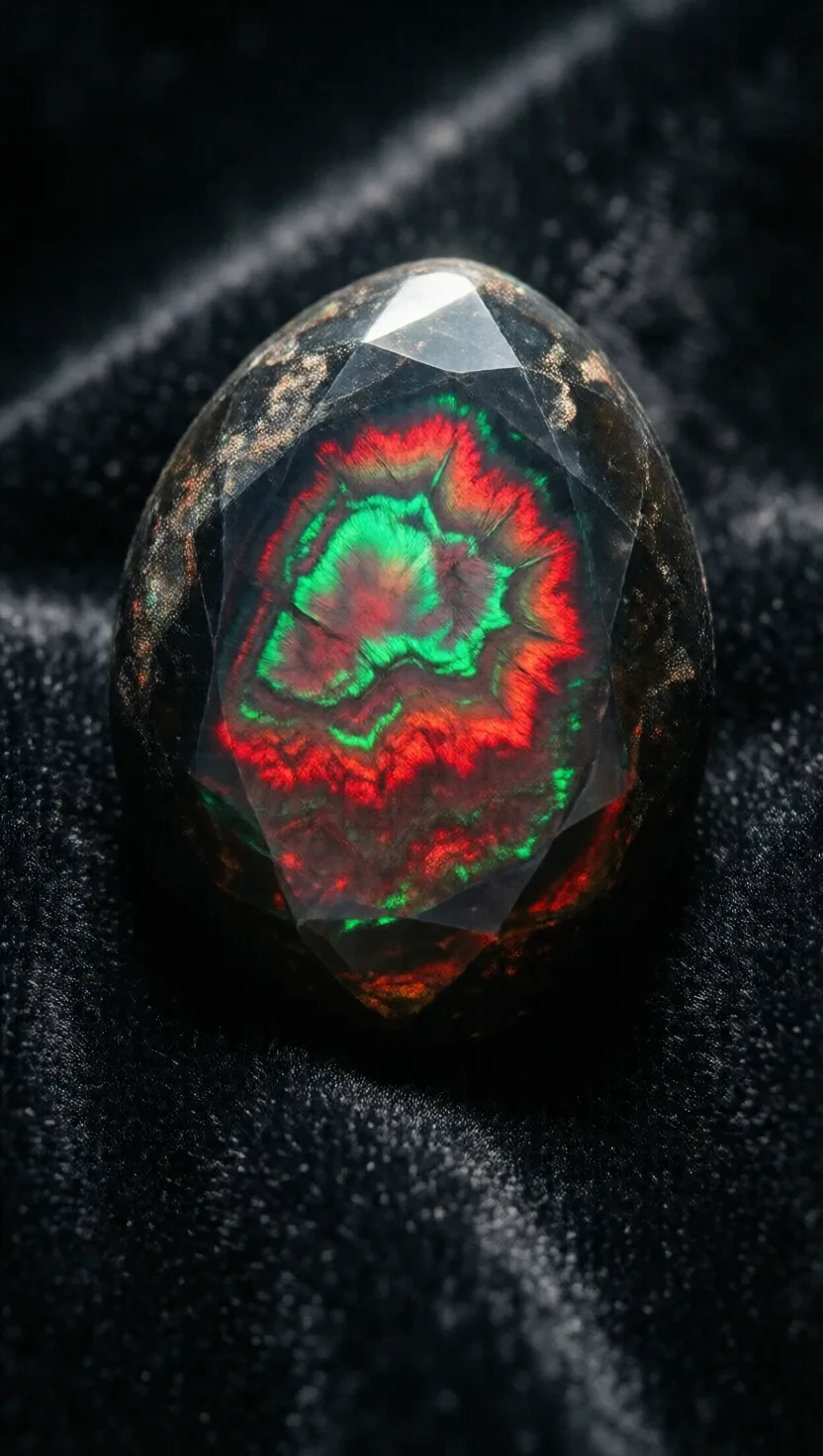
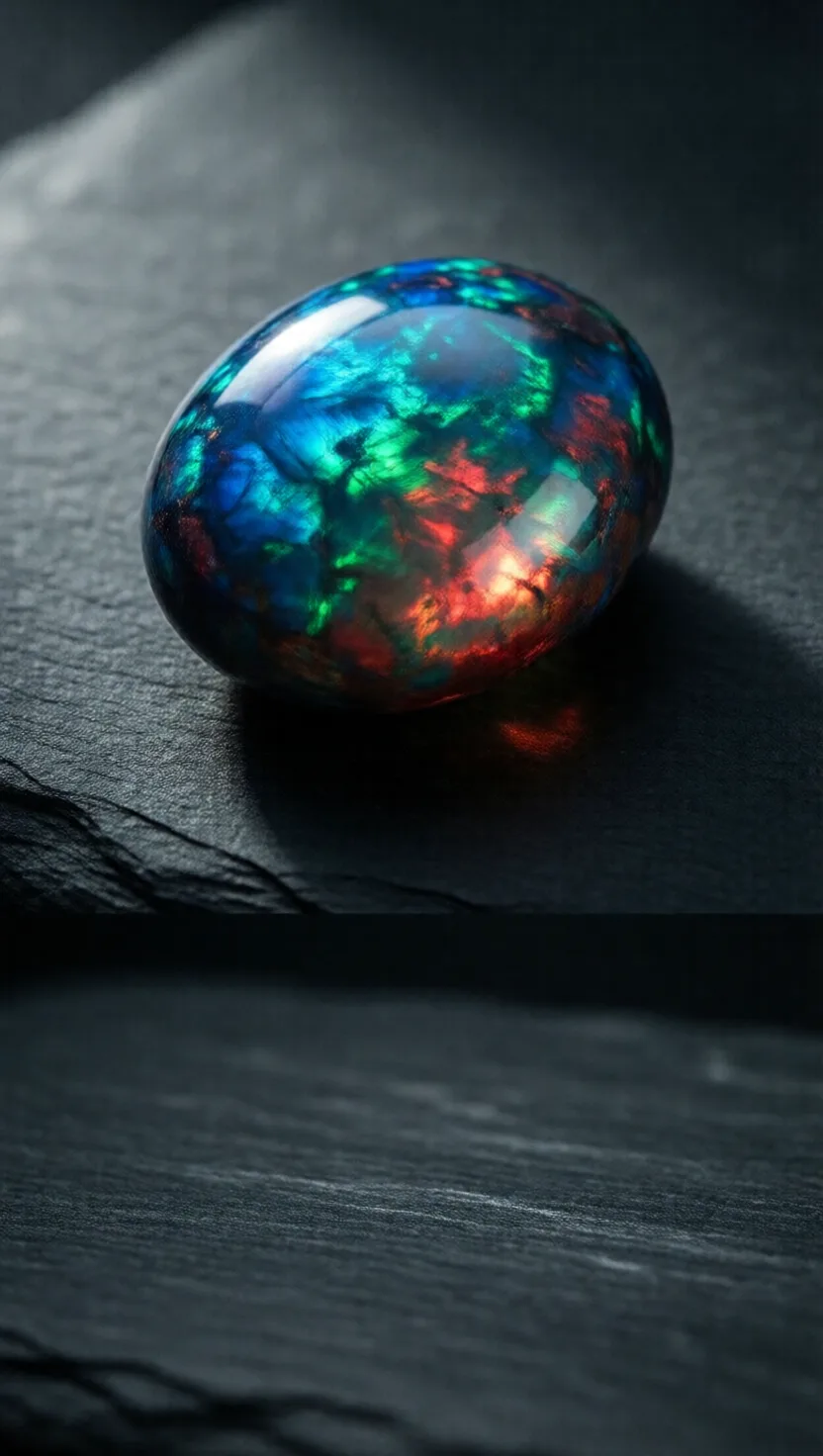
A precious opal has no dye in it. Its fire comes from millions of microscopic silica spheres, each only about 150 to 300 nanometers wide, stacked in a regular three-dimensional grid. That grid is the right spacing to bend visible light, so it splits white light into moving flashes of color. It is a natural photonic crystal, and the size of the spheres decides which colors you see.
It looks like a gem but it isn't even a crystal

It looks like a gem but it isn't even a crystal

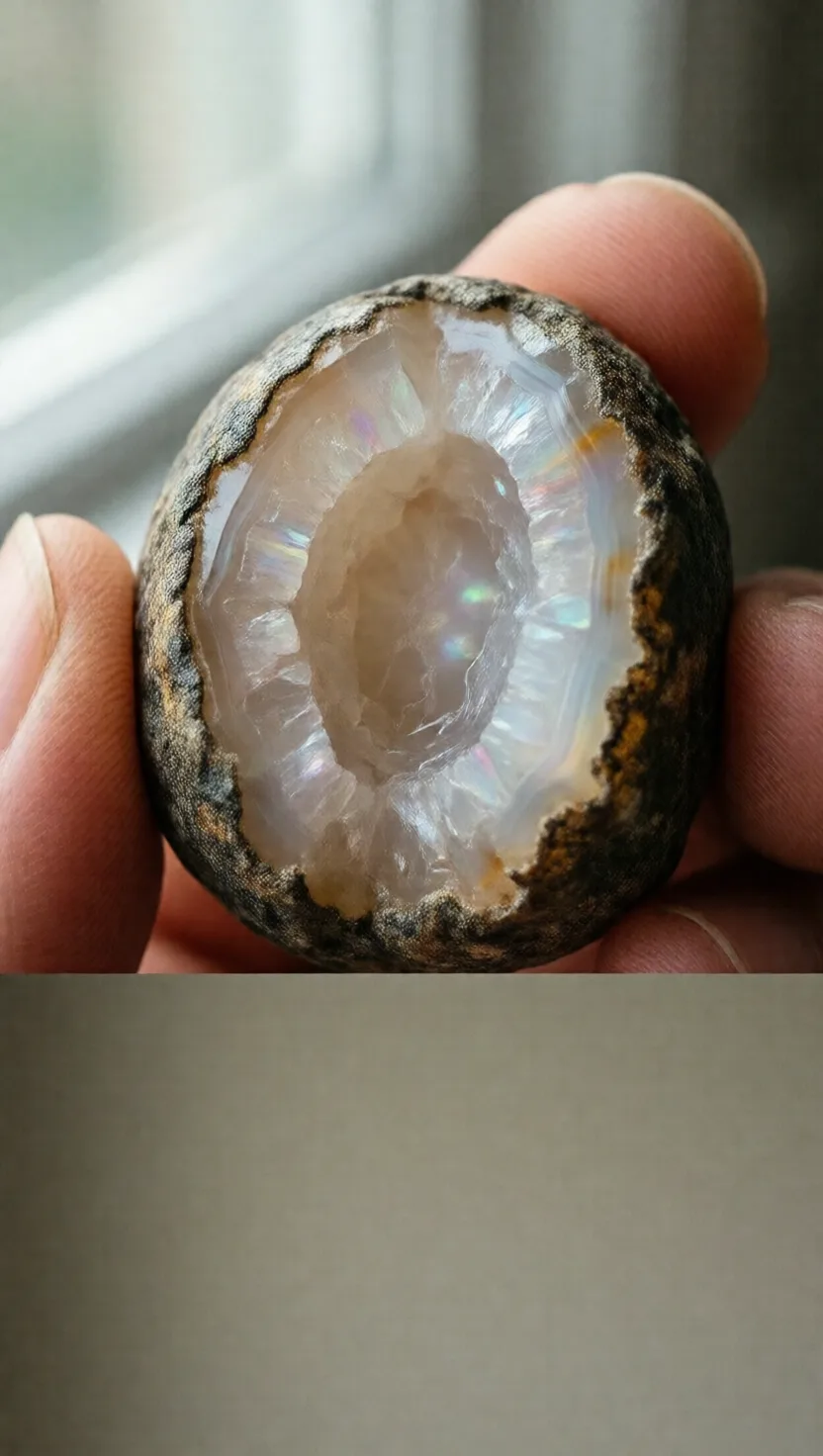
Most gemstones are crystals with atoms locked in a repeating lattice. Opal is not. It is a mineraloid, amorphous hydrated silica with no crystal structure at all, which is why mineralogists class it apart from quartz. It is also surprisingly wet: opal holds water inside it, ranging from about 3% to 21% by weight, usually 6% to 10%. A gem you can hold that is partly made of trapped water.
Almost all of it comes from one country

Almost all of it comes from one country

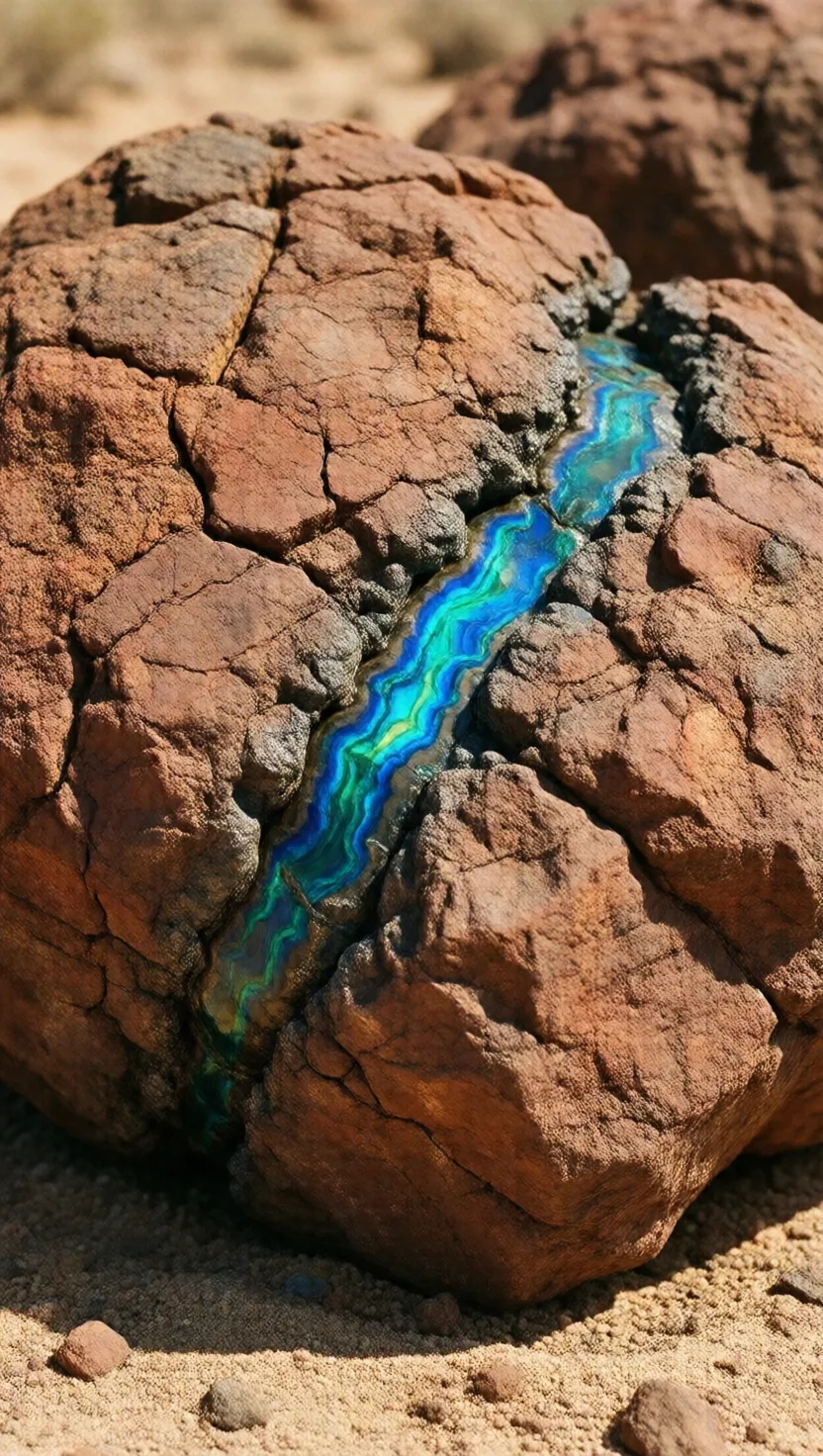
Precious opal is found in many places, but one country dominates almost completely. Australia produces about 95% of the world's precious opal, mined from desert fields like Coober Pedy and Lightning Ridge. The right conditions, ancient inland seas that left silica-rich groundwater seeping into weathered rock over millions of years, came together there on a scale found nowhere else.
Some opals are dinosaur bones turned to gem

Some opals are dinosaur bones turned to gem

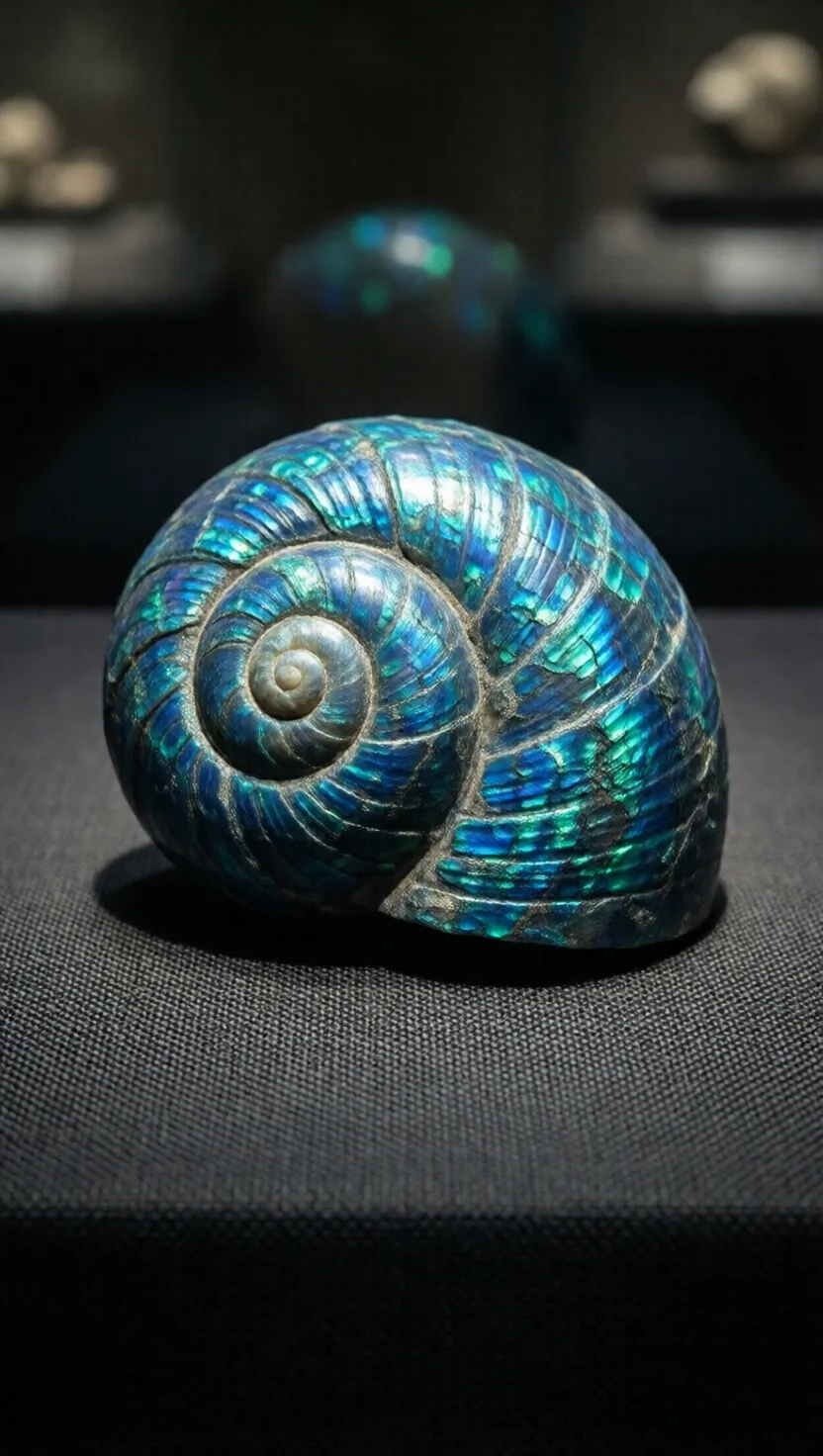
At Lightning Ridge in Australia, opal sometimes forms inside the cavity left by a buried bone, shell or pinecone, creating a perfect gem replica of the original object. The fossils are about 100 million years old, from the Early Cretaceous. Australia is the only place on Earth that produces opalized bones of land animals, including dinosaurs, so a fossil and a precious gemstone become the very same thing.
This opal goes see-through when you wet it

This opal goes see-through when you wet it

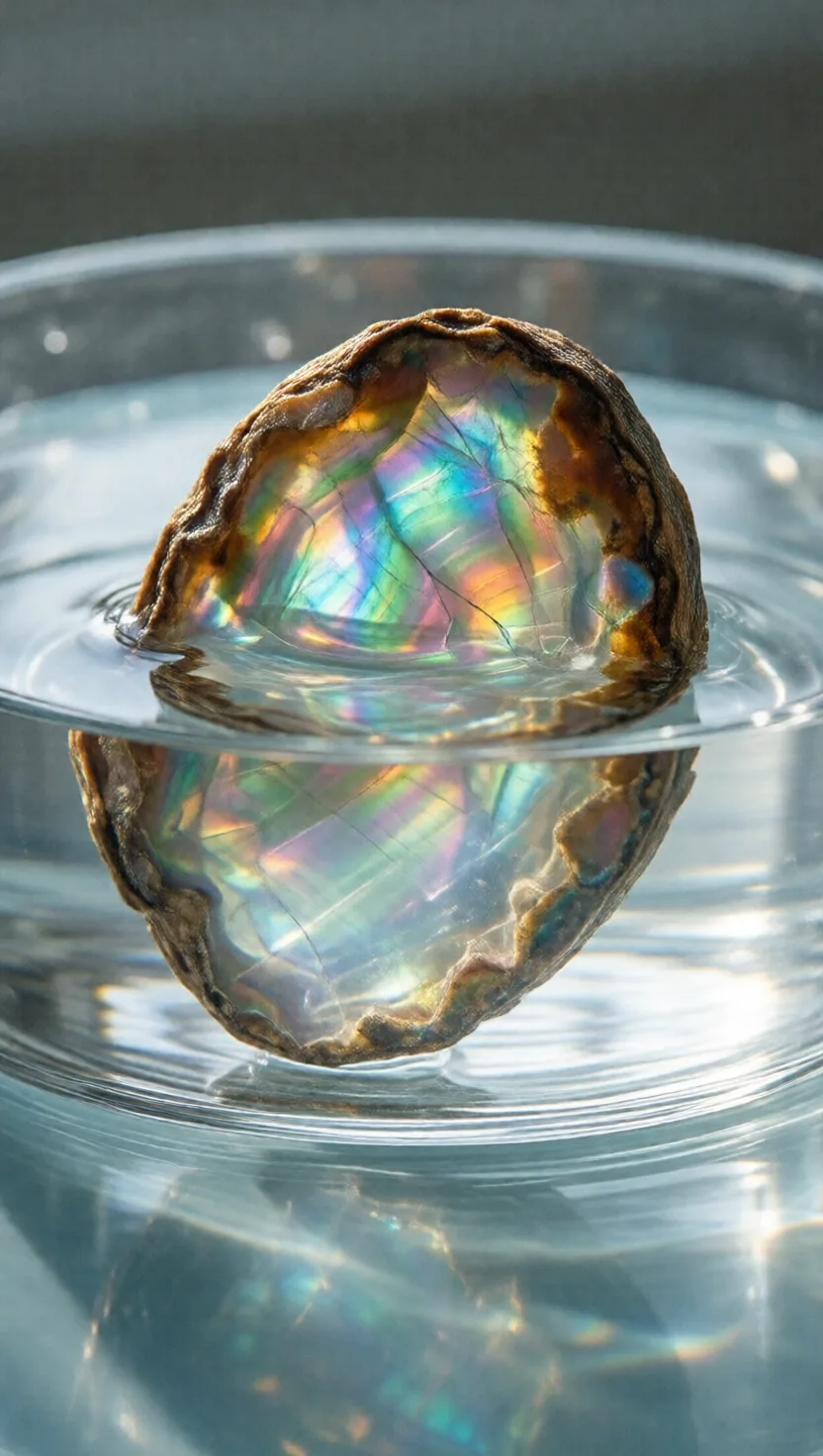
Ethiopian Welo opal is hydrophane, meaning water-loving. Its porous structure can soak up water like a sponge, as much as 10% of its weight. As it absorbs water it first glows brighter, then turns nearly transparent and its color vanishes, returning to normal once it dries, which can take minutes to hours. The same stone can look completely different wet and dry.
A rover found opal sealing old water cracks on Mars

A rover found opal sealing old water cracks on Mars

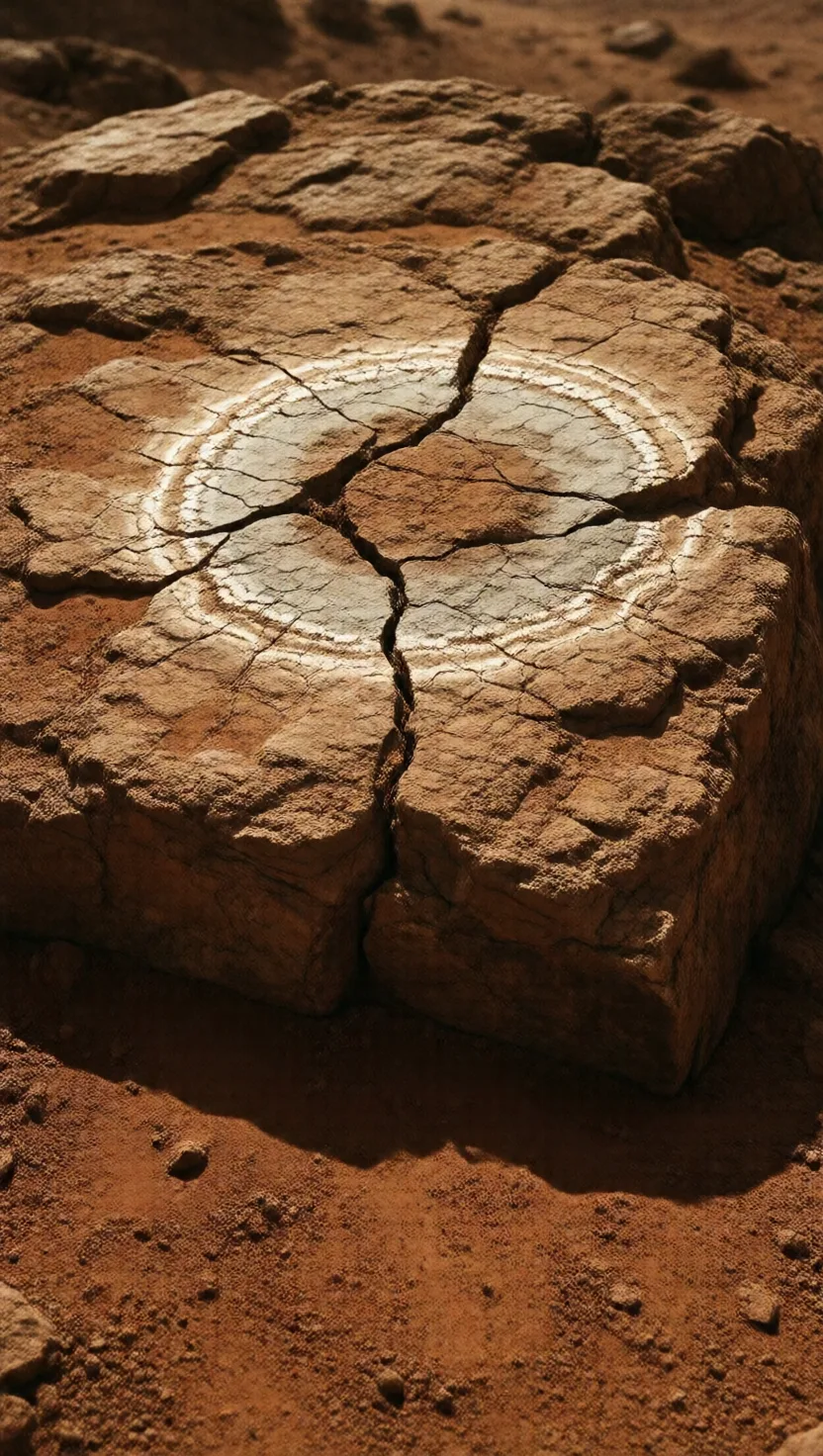
A NASA rover found pale halos lining fractures in Gale Crater that are rich in opal-A, the same amorphous hydrated silica as Earthly opal. Lab analysis matched the Martian signal to a silica phase holding about 6.3% water by weight. Because opal forms where silica dissolves in water, these deposits mark places where liquid water once moved through the Martian subsurface.
Fire opal's glow isn't play-of-color at all

Fire opal's glow isn't play-of-color at all

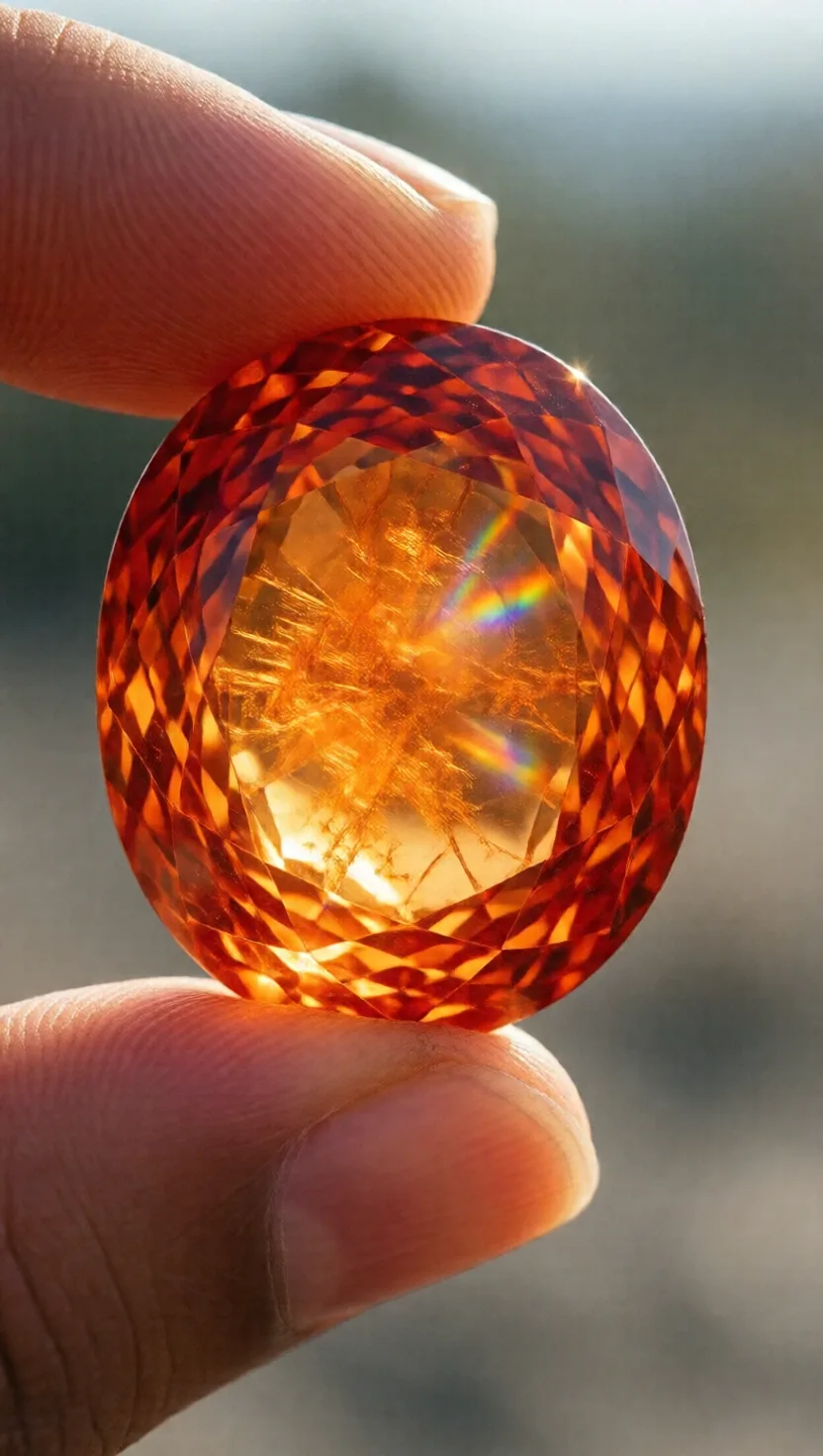
Despite the name, most fire opal shows no rainbow play-of-color at all. Its glowing orange, yellow and red body color comes simply from traces of iron oxide in the silica. The world's leading source is Queretaro in central Mexico, where volcanic deposits have produced transparent fire opal since the late 1800s. A gem prized for one pure burning color rather than a flickering rainbow.
A novel from 1829 crashed the entire opal market

A novel from 1829 crashed the entire opal market

Opal's reputation as unlucky is not ancient folklore but traceable to one book. In Walter Scott's 1829 novel Anne of Geierstein, an opal talisman loses its color and its wearer dies. The story spread fast: within a year of the April 1829 publication, opal sales in Europe fell by about half and stayed depressed for roughly twenty years. A single piece of fiction reshaped a real gem trade.
tap →swipe ↑ for depthswipe ↓ to exit