Eight things about trees and forests

DC·11 Deep Cuts
A forest of 47,000 trees that's secretly one tree

A forest of 47,000 trees that's secretly one tree

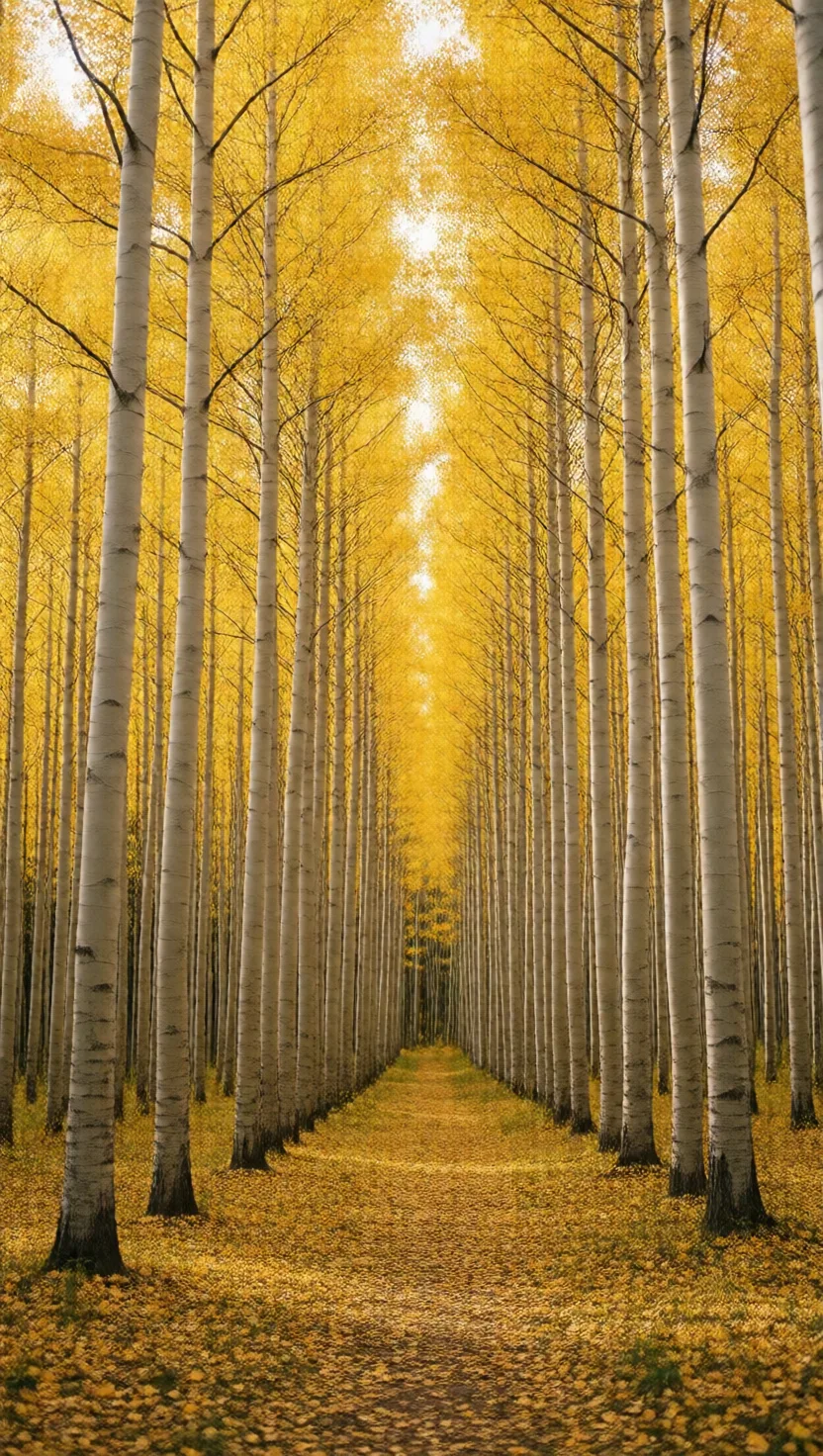
In Utah's Fishlake forest stands Pando, a quaking aspen whose roughly 47,000 trunks all rise from a single root system and share identical DNA, making them one organism. At about 13 million pounds it is the heaviest living thing known, three times the mass of the largest giant sequoia, and it has been quietly cloning itself on this hillside for tens of thousands of years.
One tree in India is mistaken for a whole forest

One tree in India is mistaken for a whole forest

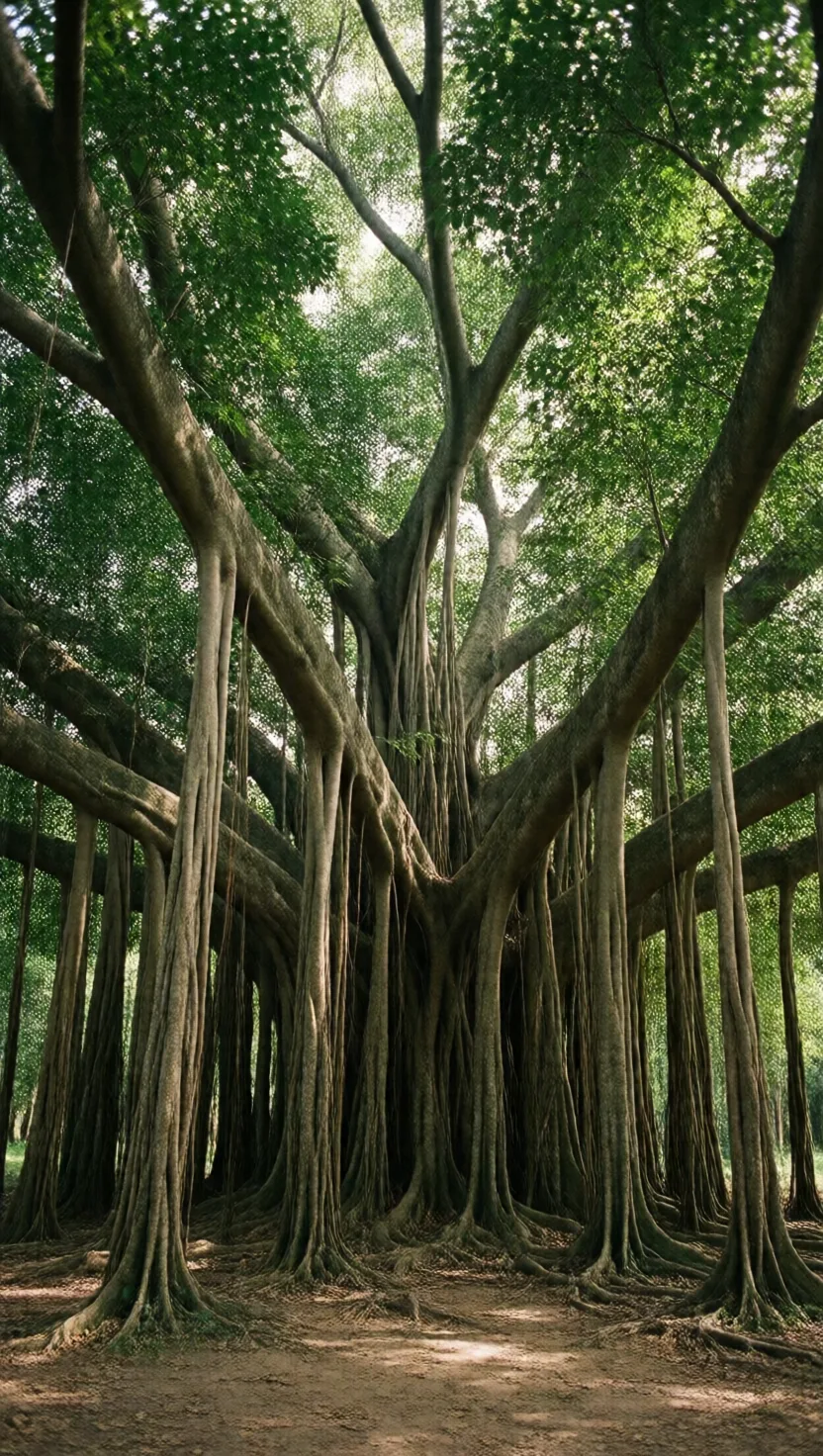
A banyan called Thimmamma Marrimanu in southern India has dropped so many aerial roots that thickened into new trunks, more than a thousand of them, that its single canopy now spreads across nearly five acres, about four football fields. Walk inside and it looks like a grove, but every trunk belongs to one 550-year-old tree, holder of the record for the largest tree canopy on Earth.
Cut this tree and it bleeds bright red

Cut this tree and it bleeds bright red

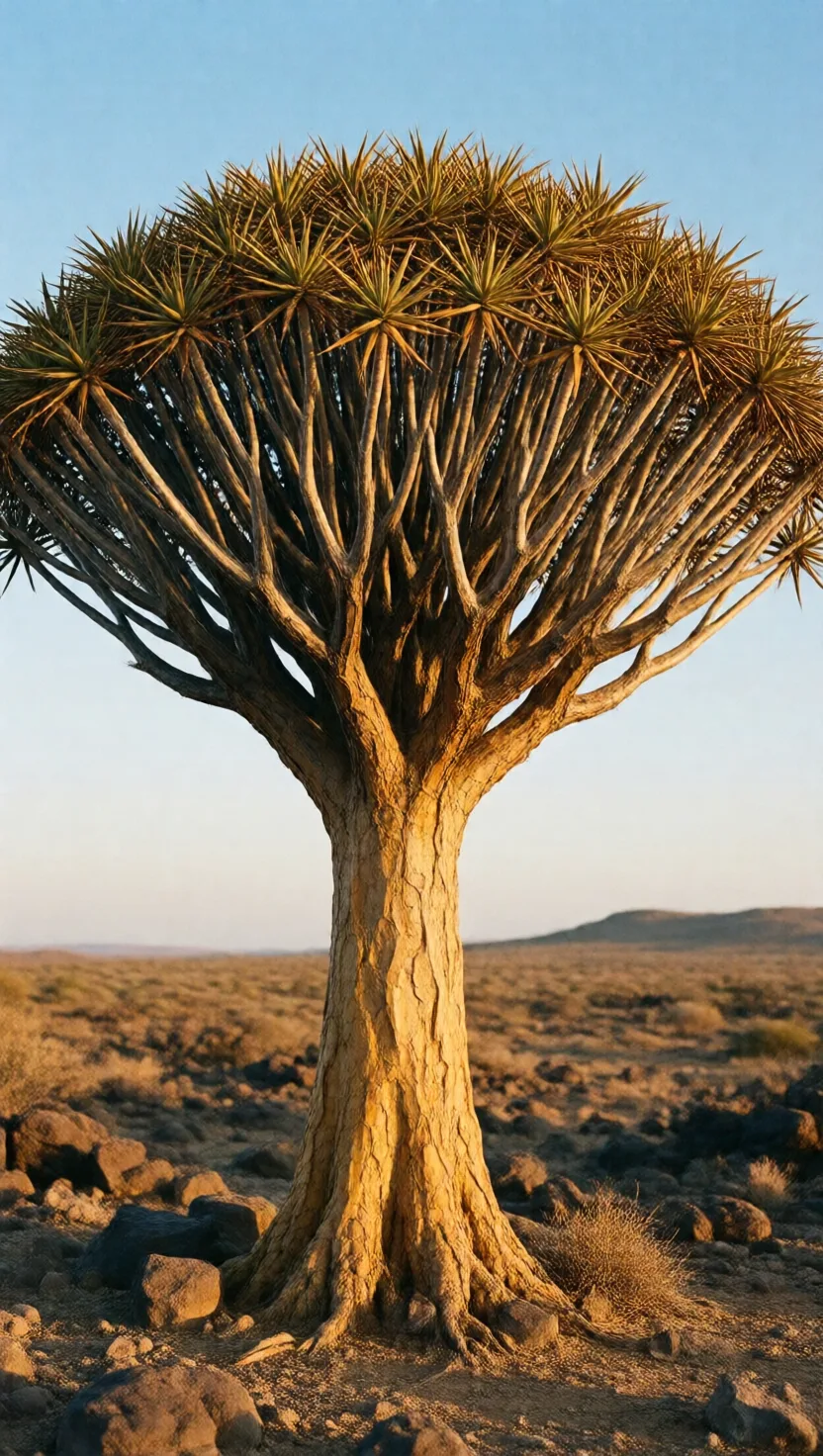
The dragon's blood tree of the island of Socotra grows like an upturned umbrella, and when its bark is wounded it weeps a deep crimson resin known as dragon's blood. People have prized it for thousands of years as a dye, a varnish, a wound medicine, even as lipstick. The blood-red color comes from natural pigments the tree makes, called dracorhodin and dracorubin.
Cork is tree bark peeled off without harm

Cork is tree bark peeled off without harm

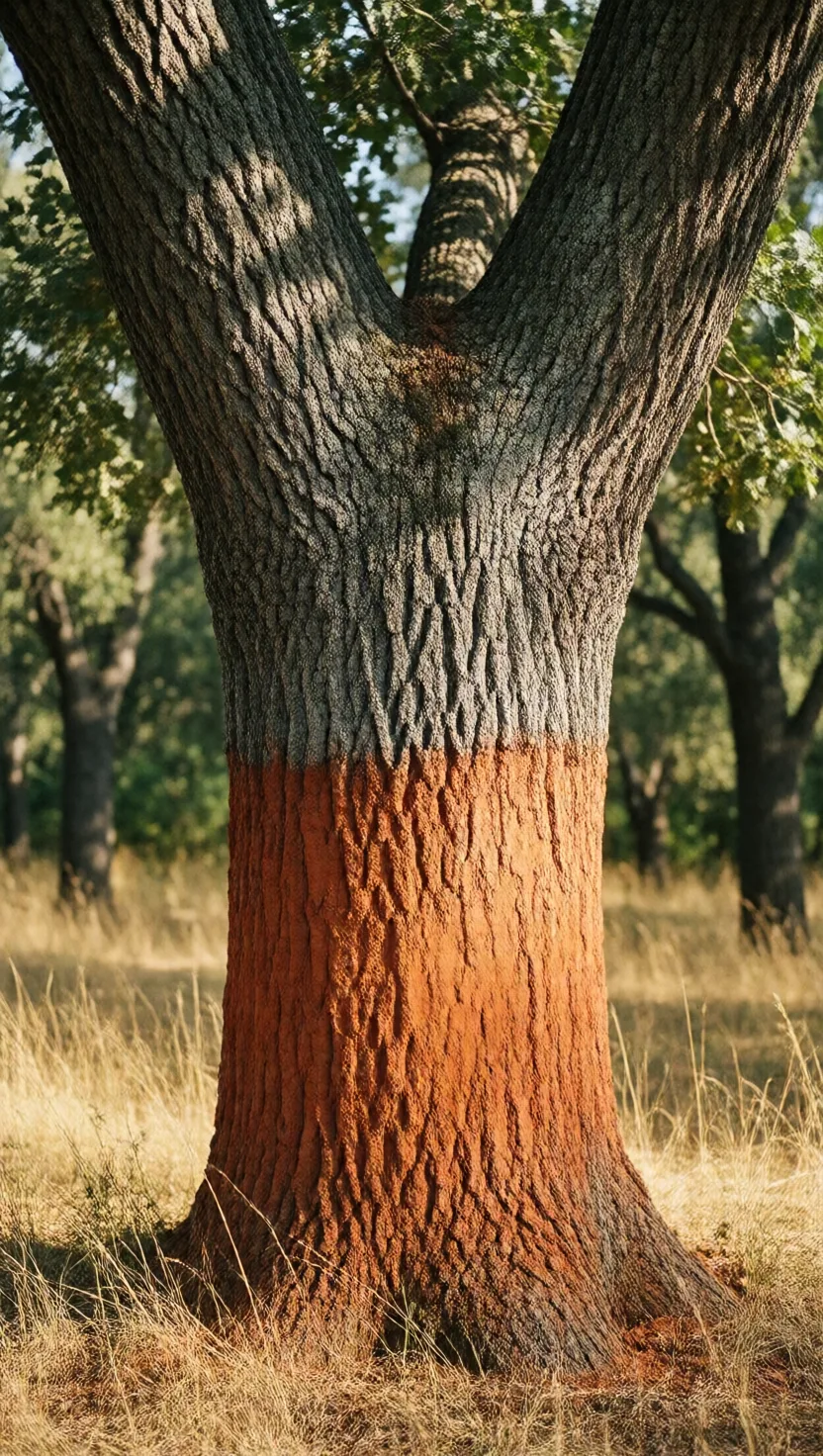
The cork oak grows a thick, spongy outer bark that can be stripped clean off by hand, leaving the living tree unharmed to grow it all back. Harvesters wait until a tree is about 25 years old, then return only once every 9 to 12 years. A single cork oak can live two centuries and be harvested more than a dozen times, each bottle stopper a slice of renewable bark.
This fruit explodes and fires its seeds at 160 mph

This fruit explodes and fires its seeds at 160 mph

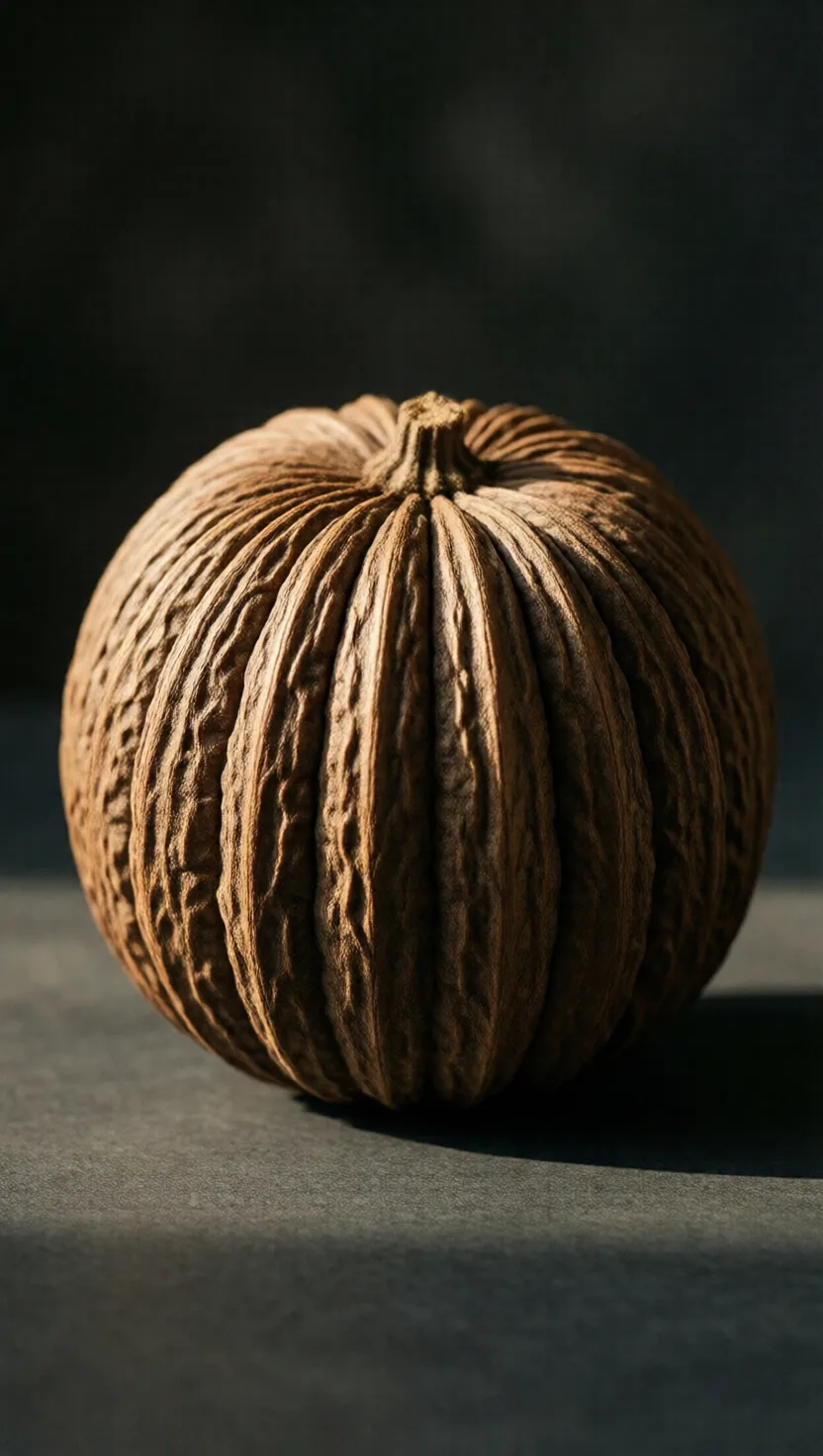
The sandbox tree's pumpkin-shaped seed capsule dries until its tension is unbearable, then bursts apart with a crack like a gunshot. It flings its seeds at up to 70 meters per second, around 160 mph, scattering them as far as 100 feet from the trunk. The rest of the tree is just as fierce: a spike-covered trunk and sap toxic enough to blister skin, earning it the name dynamite tree.
Never shelter from rain under this tree

Never shelter from rain under this tree

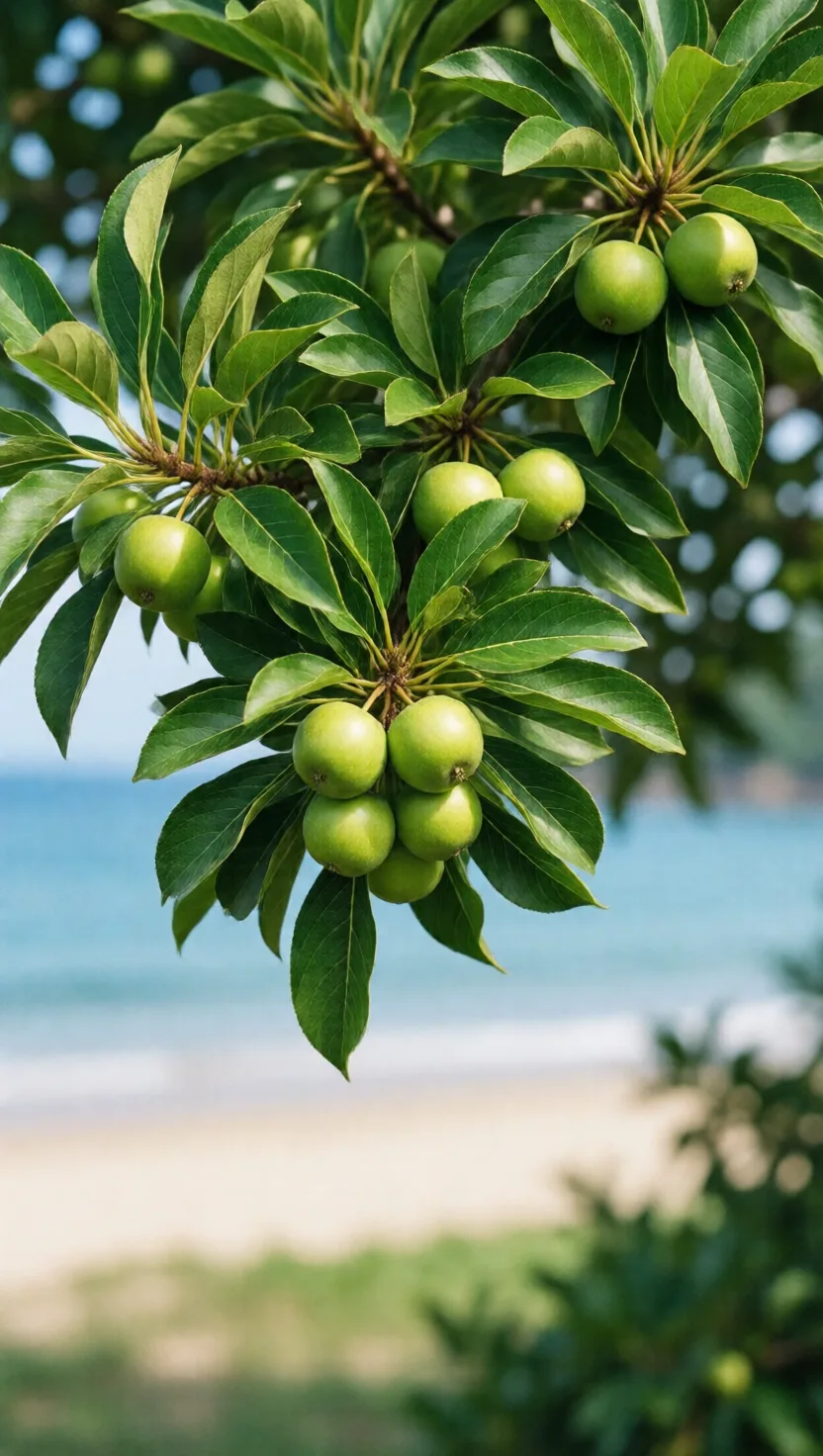
The manchineel of Florida and the Caribbean is widely called the world's most dangerous tree. Every part oozes a milky sap so caustic that simply standing beneath it in the rain, as sap-laced drops land on your skin, raises painful blisters. Its sweet-smelling green fruit, nicknamed the beach apple, can be deadly to eat. Many manchineels are marked with a red band or X to warn people away.
Some pine cones only open in a wildfire

Some pine cones only open in a wildfire

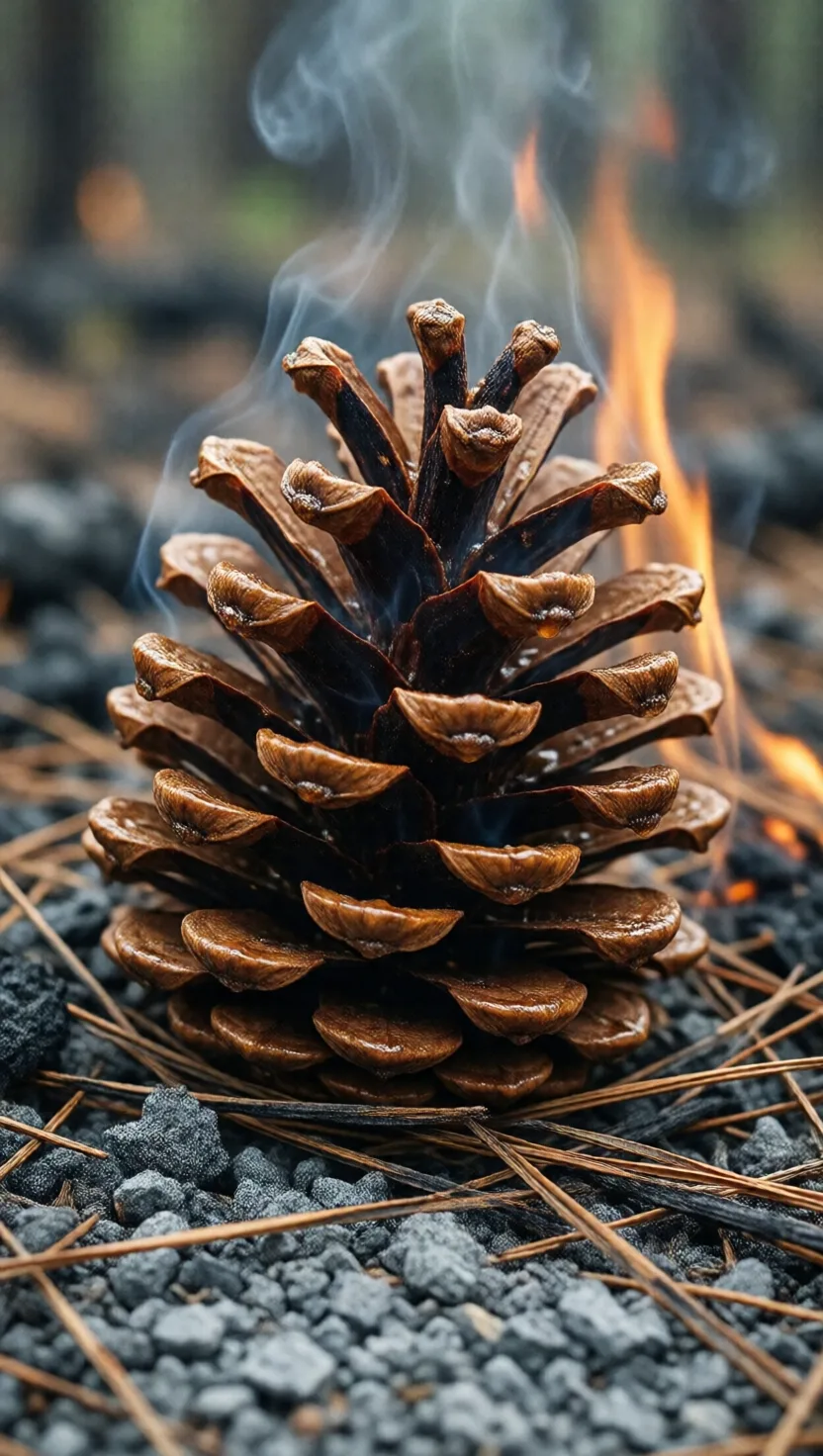
Lodgepole and jack pines seal their cones shut with a hard resin that stays glued until heat passes about 45 to 60 degrees Celsius, the temperature of a passing wildfire. Only then do the cones spring open, dropping seeds onto freshly cleared, ash-fertilized ground with the competition burned away. The tree banks its seeds for years, waiting for the very fire that gives them their best start.
Trees relax their branches and sleep at night

Trees relax their branches and sleep at night

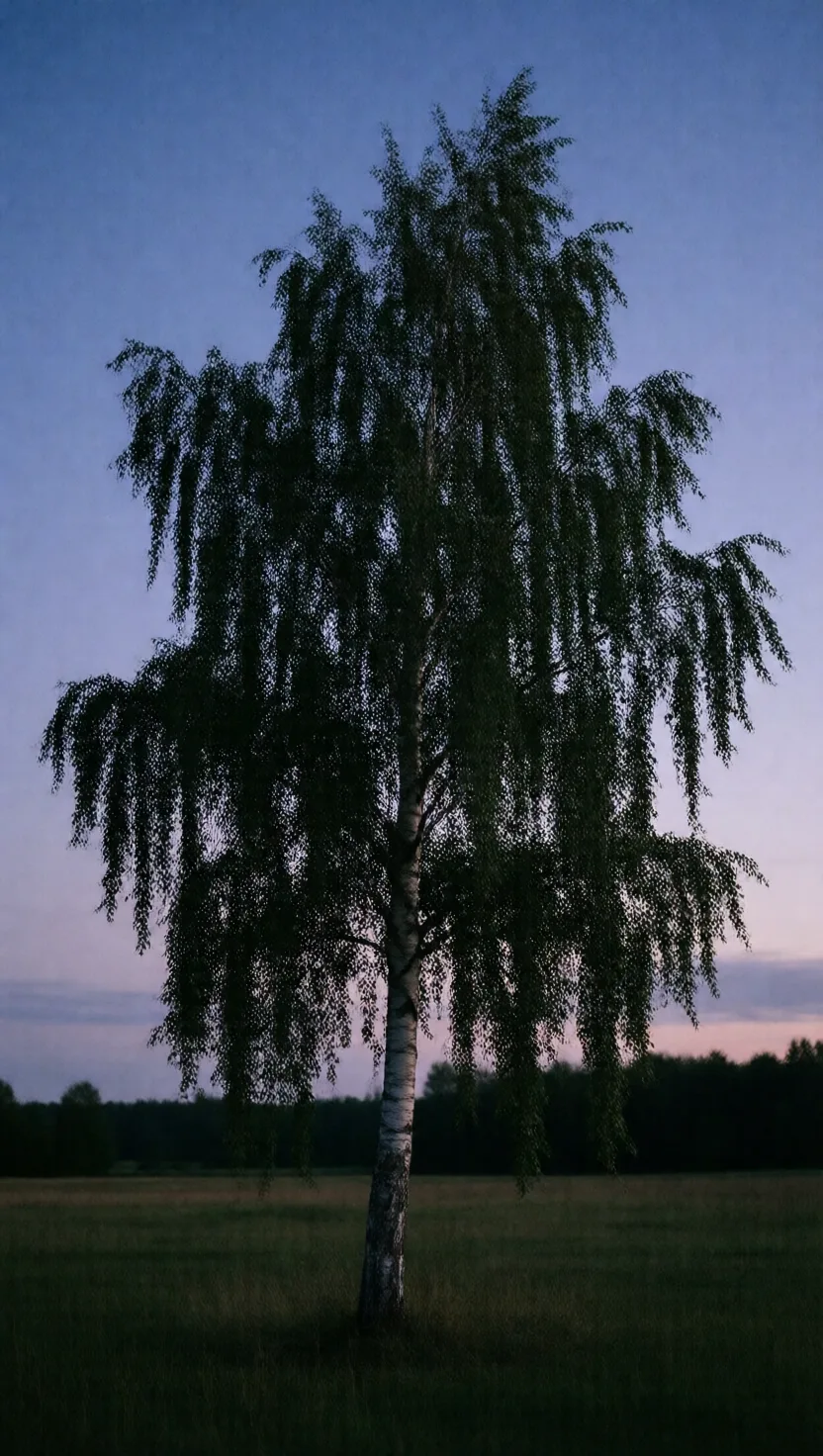
Using laser scanners accurate to the millimeter, researchers in 2016 tracked birch trees through the night and watched their branches and leaves slowly sag, drooping as much as 10 centimeters by a few hours before dawn, then lifting back into place once the sun returned. It is a daily rhythm like our own; Darwin described these nightly leaf movements in plants as sleep back in 1880.
tap →swipe ↑ for depthswipe ↓ to exit