Eight things crocodiles and alligators do that defy their reputation

DC·108 Deep Cuts
A crocodile's face out-feels your fingertips

A crocodile's face out-feels your fingertips

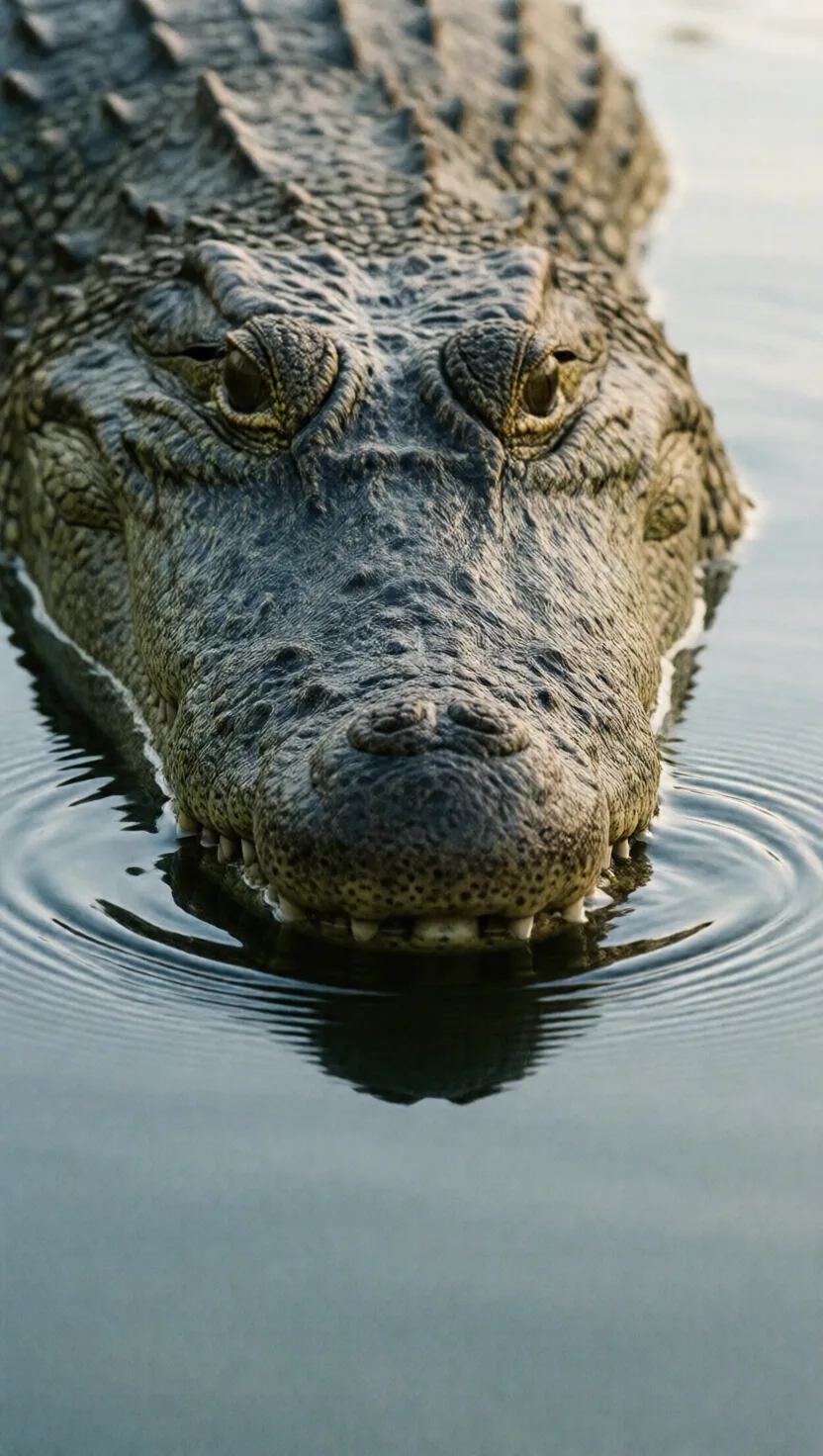
Thousands of tiny black dome receptors freckle a crocodilian's snout and jaws. These integumentary sensory organs detect pressure and water ripples down to about 78 millionths of a newton, roughly ten times more sensitive than the most sensitive human fingertip, letting a croc strike unseen prey in pitch darkness. Reported in the Journal of Experimental Biology, 2012.
The hardest bite ever measured in a lab

The hardest bite ever measured in a lab

Researchers strapped down 83 crocodilians and slid a padded force meter between their back teeth. A 4.6-meter saltwater crocodile clamped down with 16,414 newtons, about 3,700 pounds of force, the strongest bite directly measured in any living animal. The jaw-closing muscles are huge, yet the muscles that open the jaw are so weak a human can hold them shut. Erickson et al., PLOS ONE, 2012.
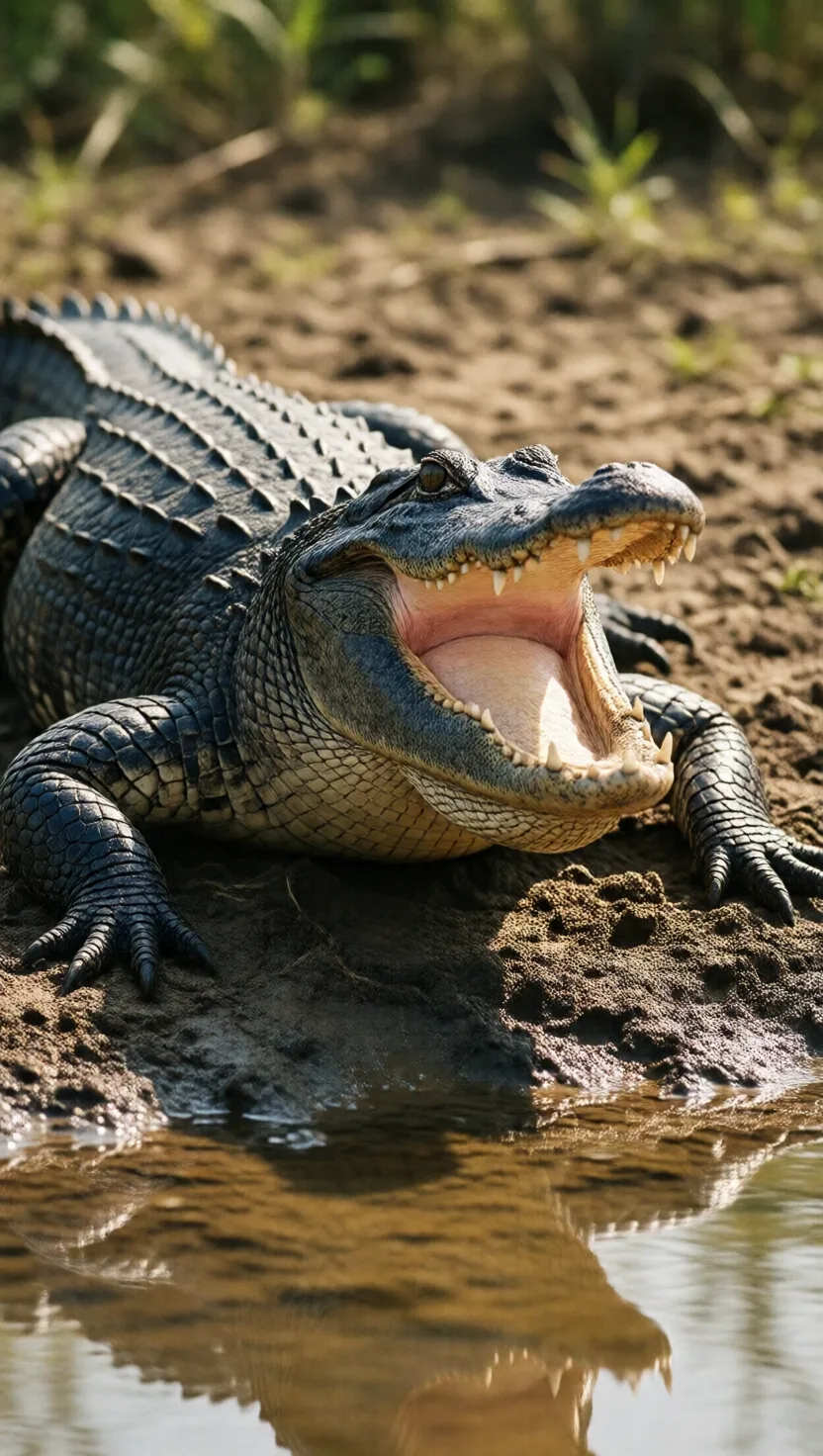
An open mouth is how a gator sweats

An open mouth is how a gator sweats

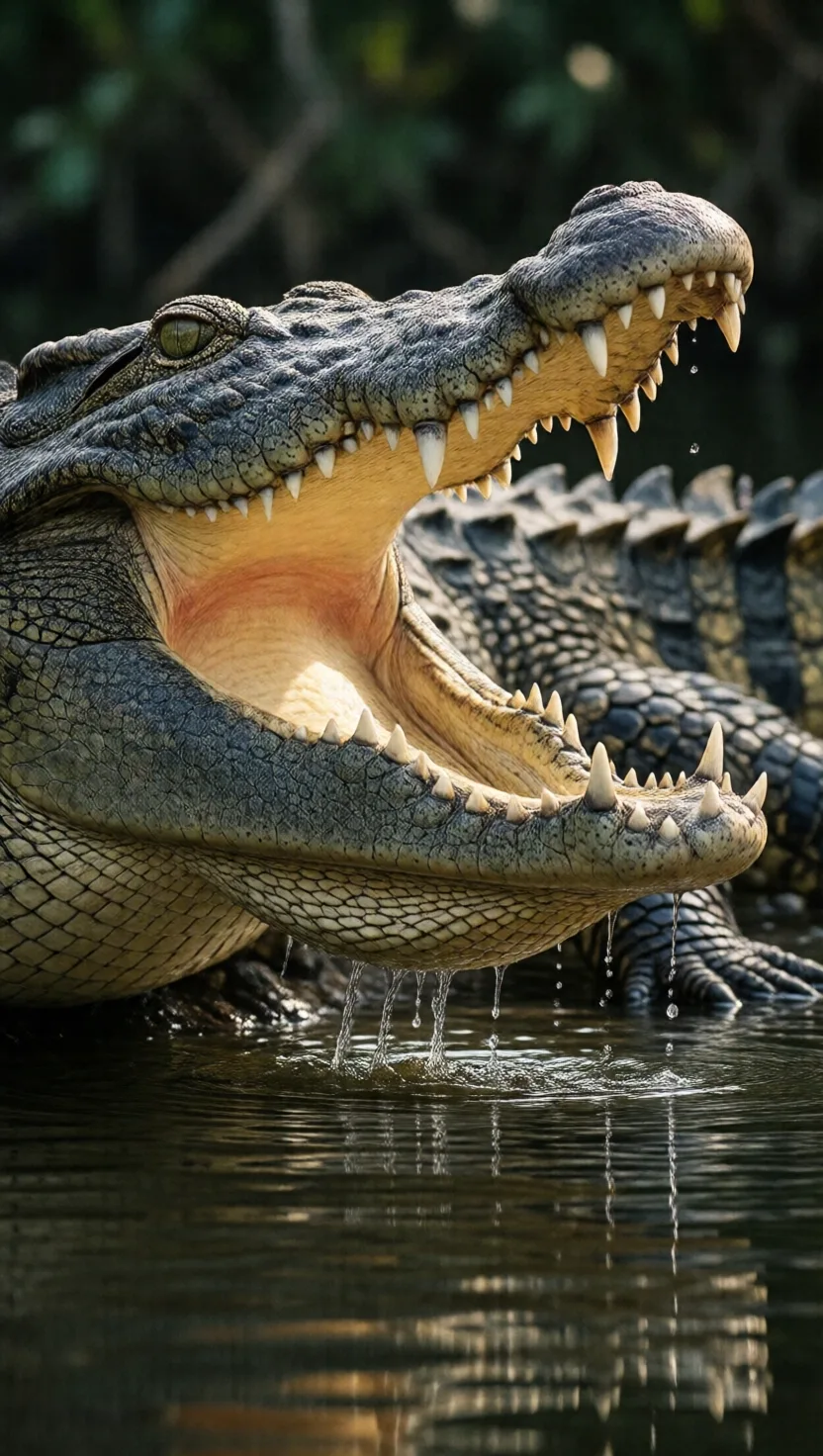
Alligators have no sweat glands, so on hot days they bask with their jaws held wide open. Moisture evaporates off the blood-rich lining of the mouth, cooling the head much like panting cools a dog. Experiments showed gaping measurably slows heat gain in the head under strong sun, which is why basking gators so often lie motionless with gaping jaws. Hagan, Nature, 1977.
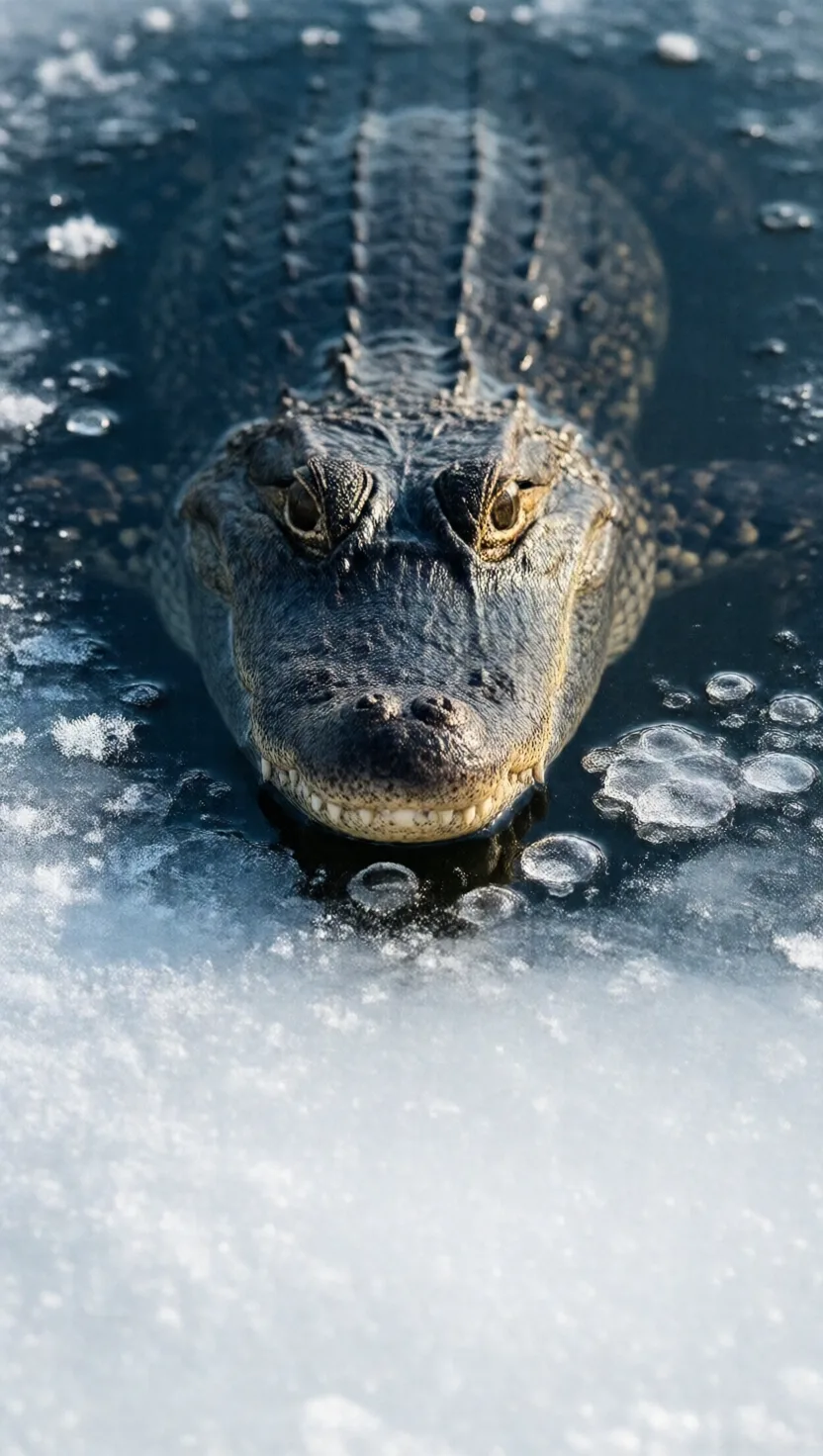
Frozen in the pond, snout poking through ice

Frozen in the pond, snout poking through ice

When ponds freeze over, American alligators don't drown or freeze solid. They enter brumation, a cold-blooded torpor, and push just the tip of their snout above the surface as the water ices around them, keeping a breathing hole open. Their metabolism slows so much they can hold this pose, nostrils above the ice, for hours to a few days until a thaw, behavior documented since the 1980s.
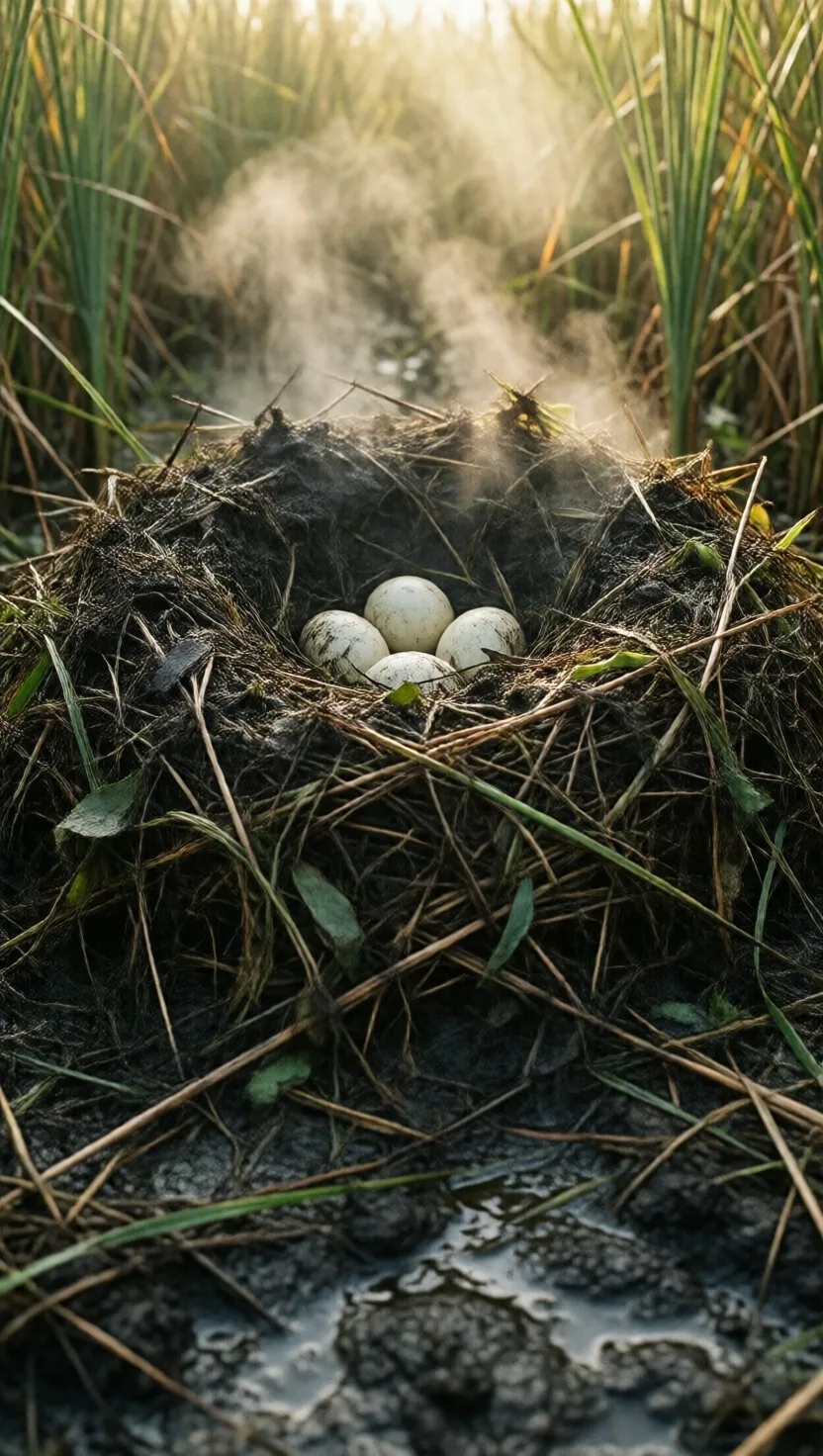
The nest's warmth decides son or daughter

The nest's warmth decides son or daughter

Alligators have no sex chromosomes; the temperature inside the nest mound during days 30 to 45 of incubation sets the sex. Eggs held near 33 degrees Celsius hatch almost entirely male, while those below 30 degrees hatch female, with mixed ratios in between. A heat-sensing protein called TRPV4 helps translate nest warmth into sex. Even within one mound, warm and cool pockets can yield both. Scientific Reports, 2016.
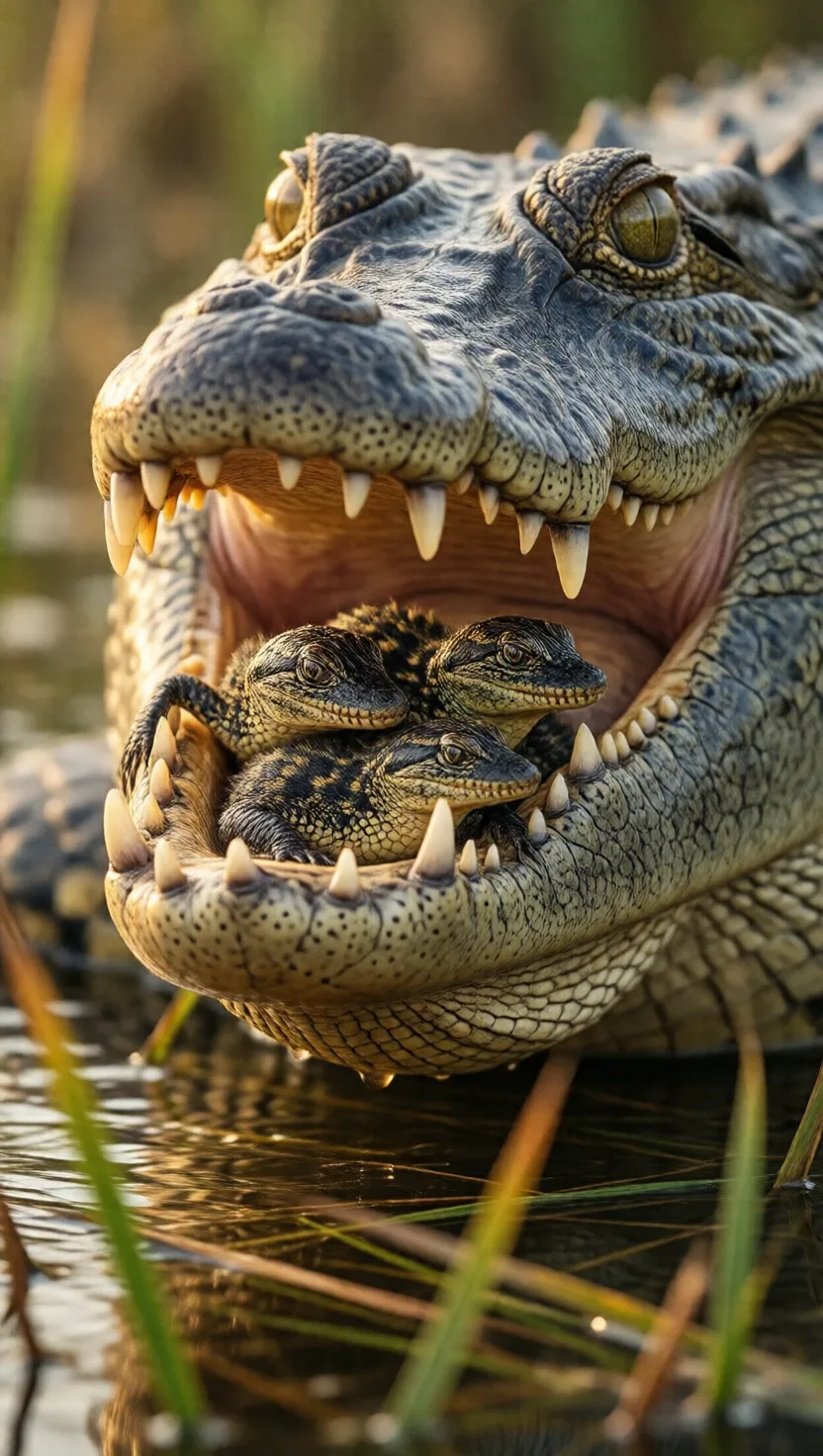
A jaw that crushes bone, cradling its babies

A jaw that crushes bone, cradling its babies

The same jaws that bite with thousands of pounds of force gently scoop newly hatched young. Hearing high chirping calls from inside the eggs, the mother digs out the nest, sometimes rolls eggs in her mouth to help them hatch, then carries the hatchlings in her throat pouch to the water. Crocodile parental care can continue for weeks, unusual among reptiles, and is among the most attentive known.
Armored back doubles as a chemistry buffer

Armored back doubles as a chemistry buffer

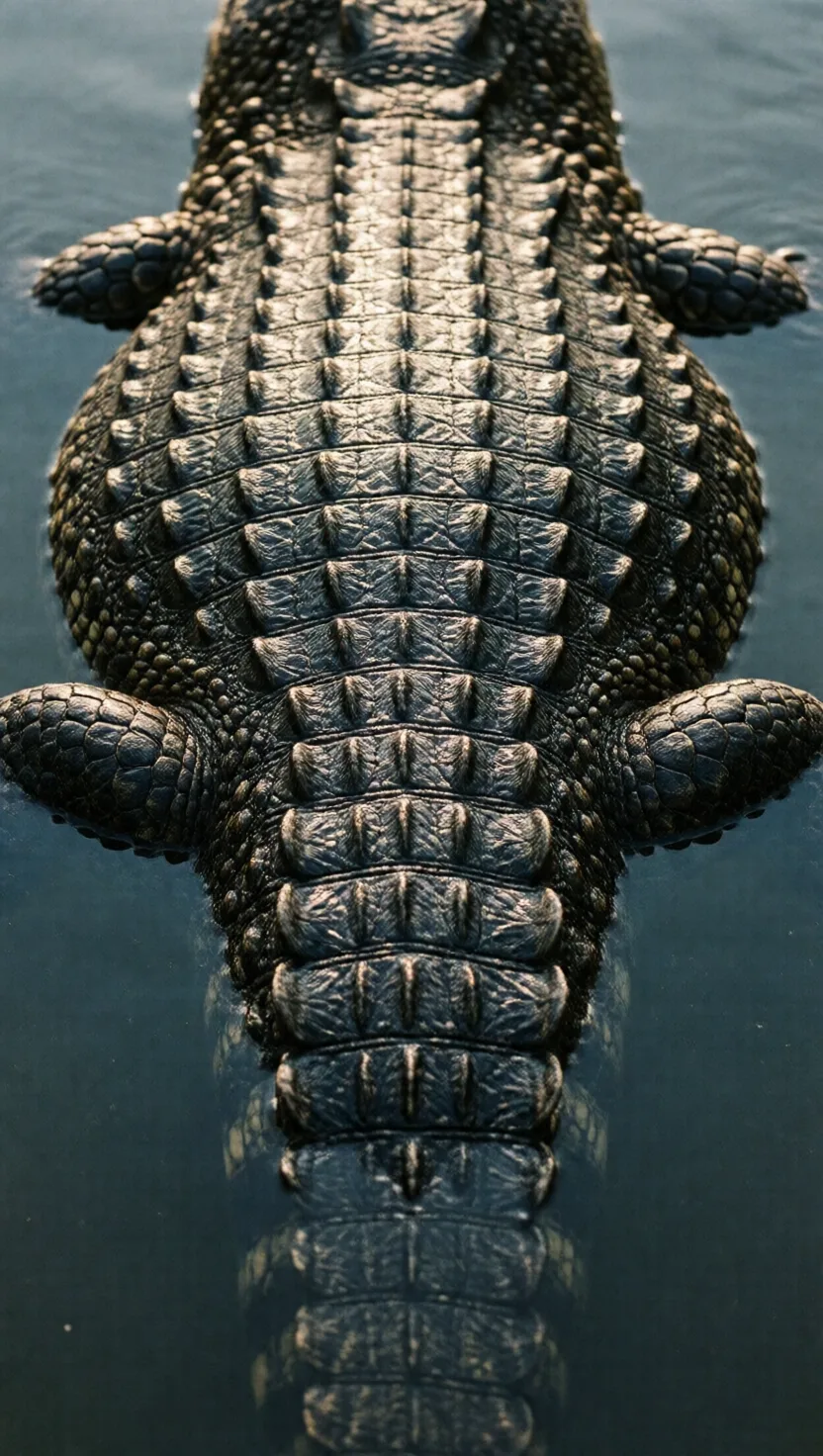
The bony plates studding a crocodilian's back, called osteoderms, are more than armor. They are richly supplied with blood vessels and act as a calcium and bicarbonate reserve. During long dives, muscles produce lactic acid; the osteoderms release minerals that neutralize it. In one study, submerged caimans' osteoderm lactate rose to about 14.8 micromoles per gram of tissue, buffering the blood. The Anatomical Record, 2018.
Crocodiles can gallop; alligators only trot

Crocodiles can gallop; alligators only trot

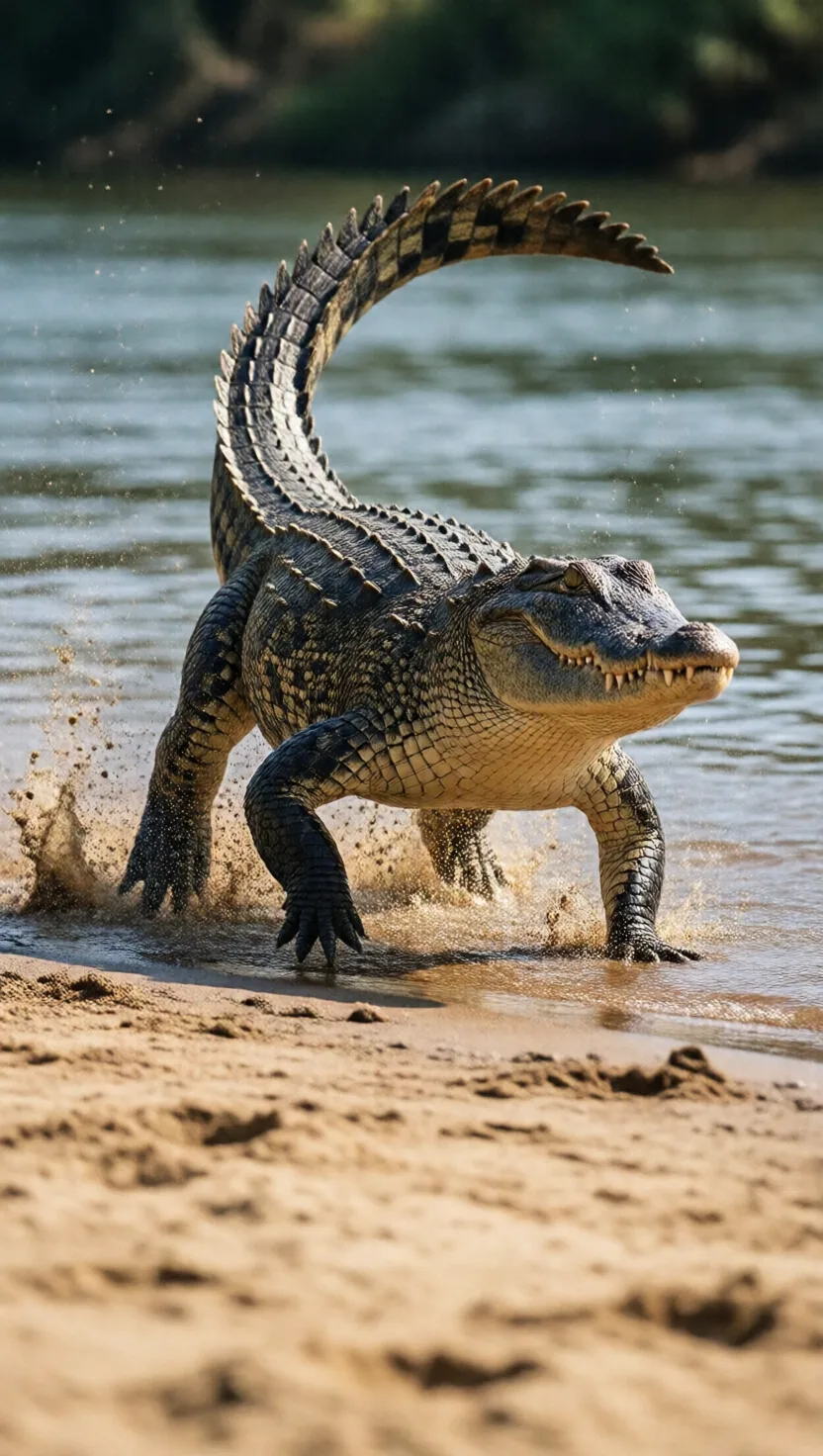
Filming 42 animals across 15 species, scientists found at least eight crocodile species break into a true bound or gallop on land, leaping with paired limbs like a rabbit, reaching around 18 kilometers per hour. Alligators and caimans never manage it, topping out at a trot. The galloping gait likely helps small crocodiles accelerate and dodge danger on land. Scientific Reports, 2019.
tap →swipe ↑ for depthswipe ↓ to exit