Eight things seaweed does that no plant can

DC·106 Deep Cuts
The gas in a kelp float is partly toxic carbon monoxide

The gas in a kelp float is partly toxic carbon monoxide

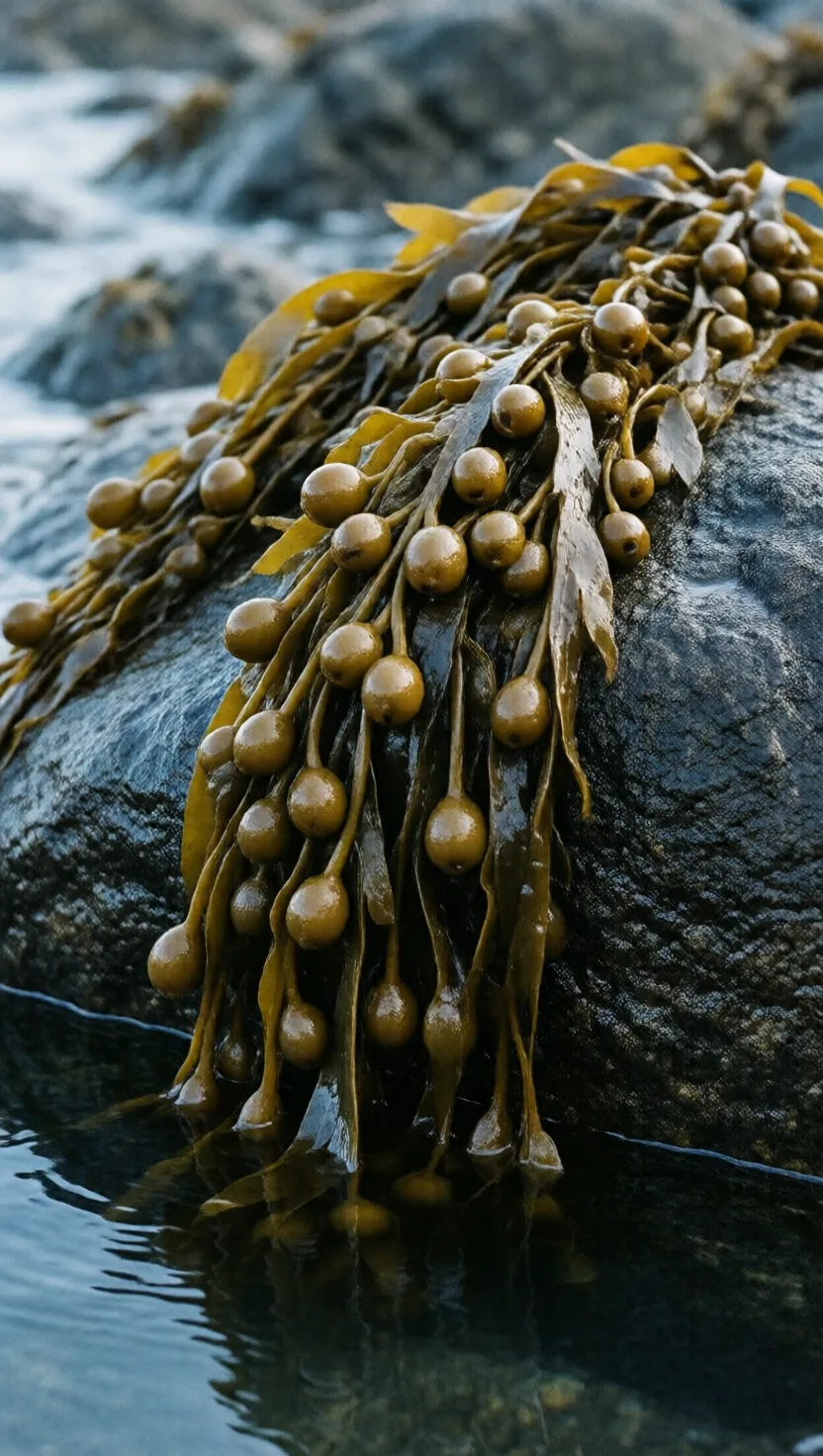
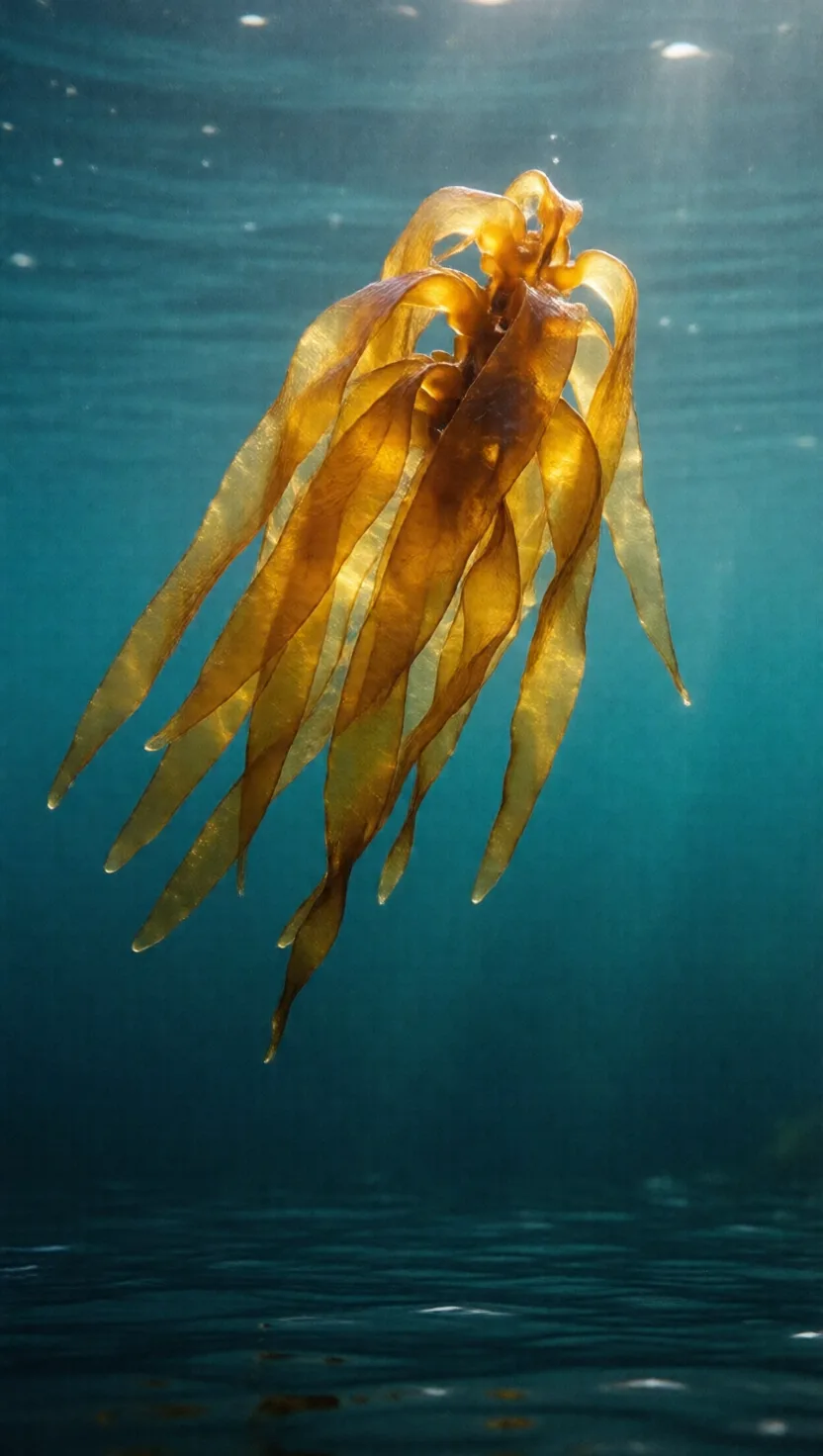
Bull kelp holds its long blades up to the sunlight with a single gas-filled bulb at the base, like a built-in float. Curiously, the gas inside is not just air. Alongside oxygen, the bladder holds a small but real fraction of carbon monoxide, the same gas that makes car exhaust deadly, at around 1 percent. Why the kelp makes it there is still not fully understood. One large float holds enough to be dangerous in a sealed space.
That sushi wrapper is algae just one cell thick

That sushi wrapper is algae just one cell thick

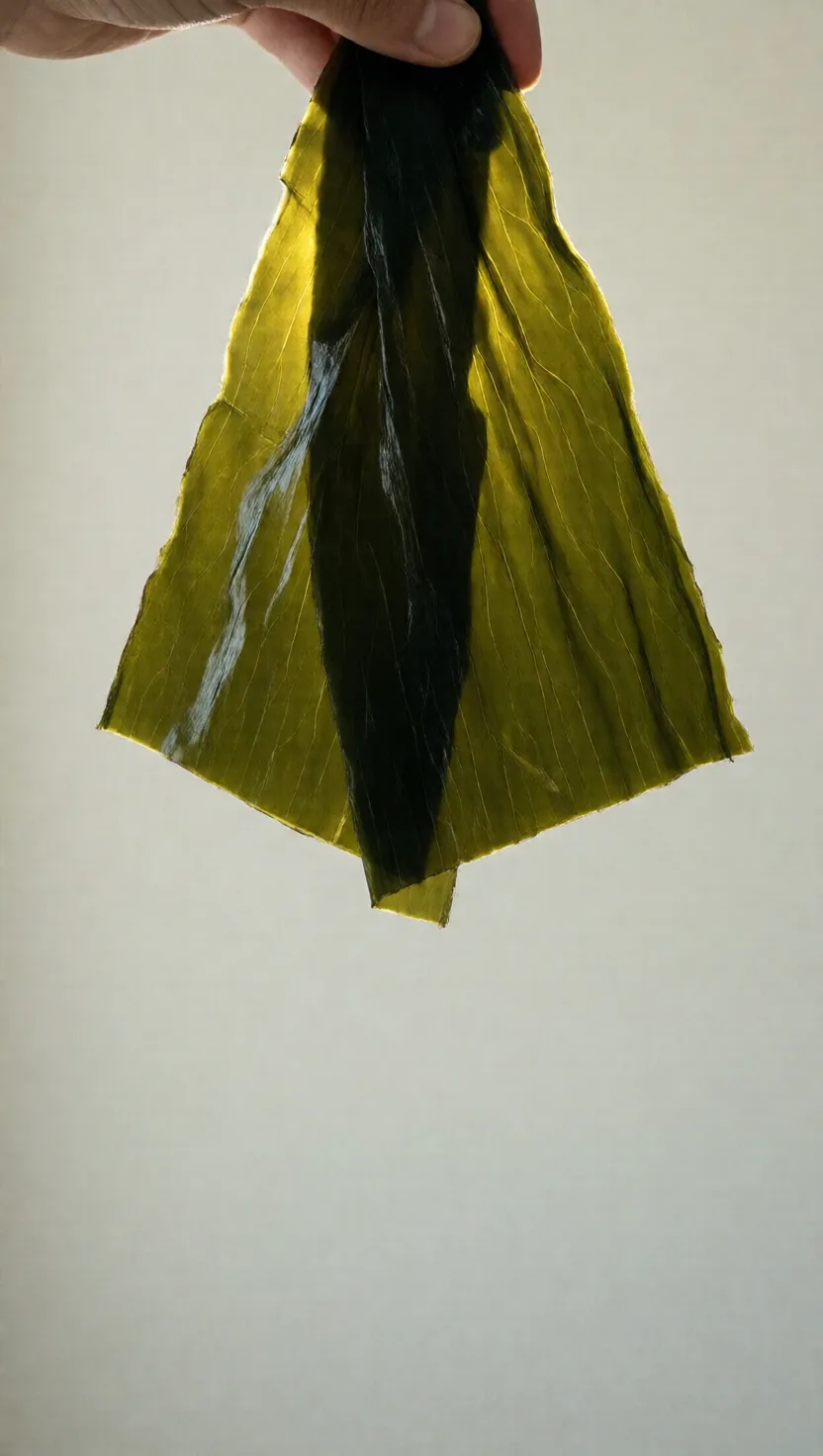
The dark sheet wrapped around a sushi roll is seaweed, pressed and dried much like paper, but the living blade it comes from is astonishingly thin. Across most of its width the seaweed is a single layer of cells, often just 20 to 70 micrometres thick, thinner than a sheet of paper. Hold a piece to the light and that one-cell sheet glows translucent. It grows in flat blades that need almost no internal structure to stand up in water.
Seaweed farming was saved by a life hidden in shells

Seaweed farming was saved by a life hidden in shells

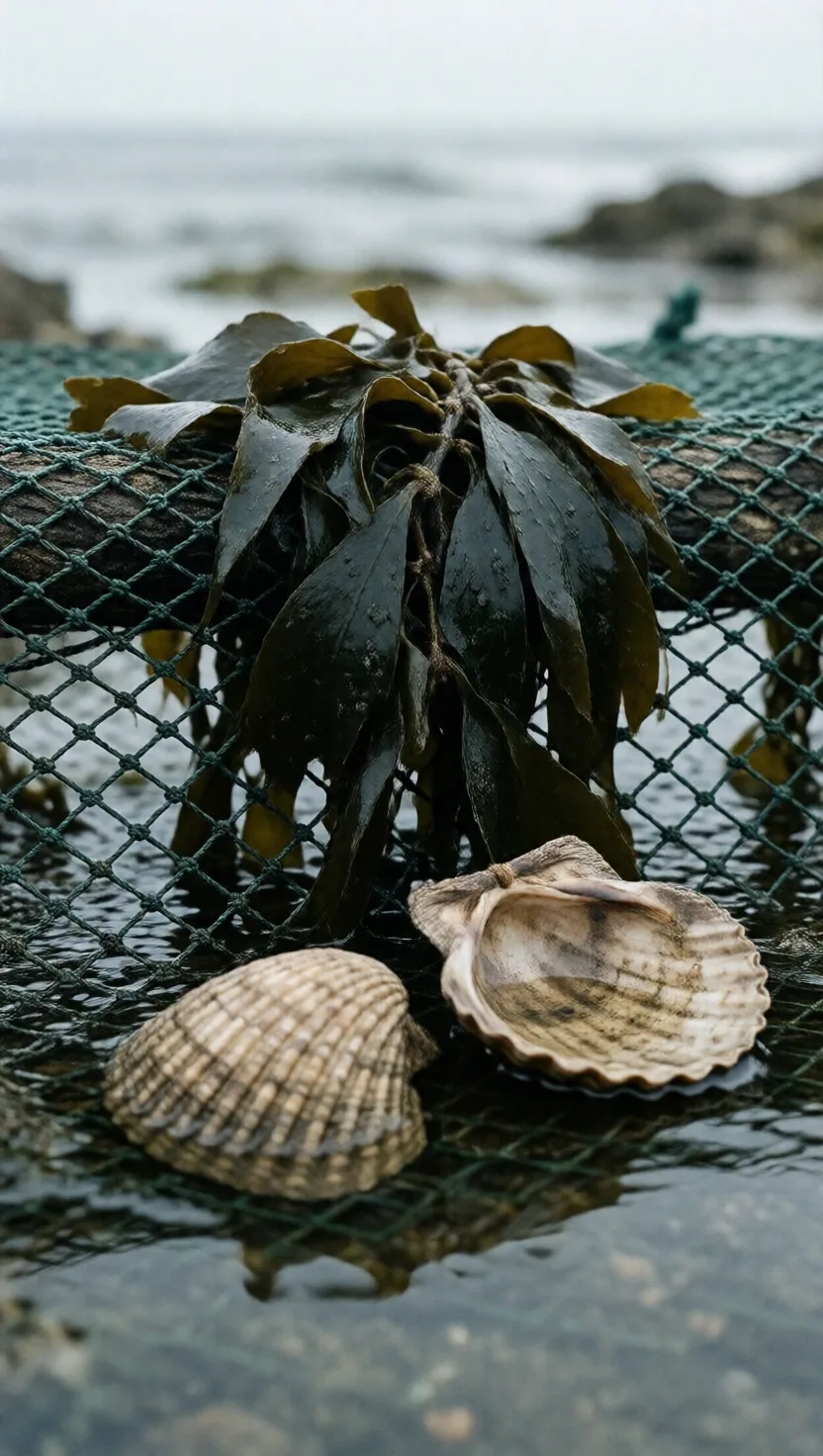
For centuries, growers of edible seaweed could never predict their harvest, as some years the crop simply failed and no one knew why. The answer came in 1949, when a British scientist discovered the seaweed had a secret stage in its life cycle: a tiny, threadlike form that bores into old seashells and lives there, invisible, before releasing the spores that become the familiar blades. Once growers learned to seed shells, harvests became reliable, and she is still honoured as the mother of the sea.
The biggest seaweed bloom ever spanned an ocean

The biggest seaweed bloom ever spanned an ocean

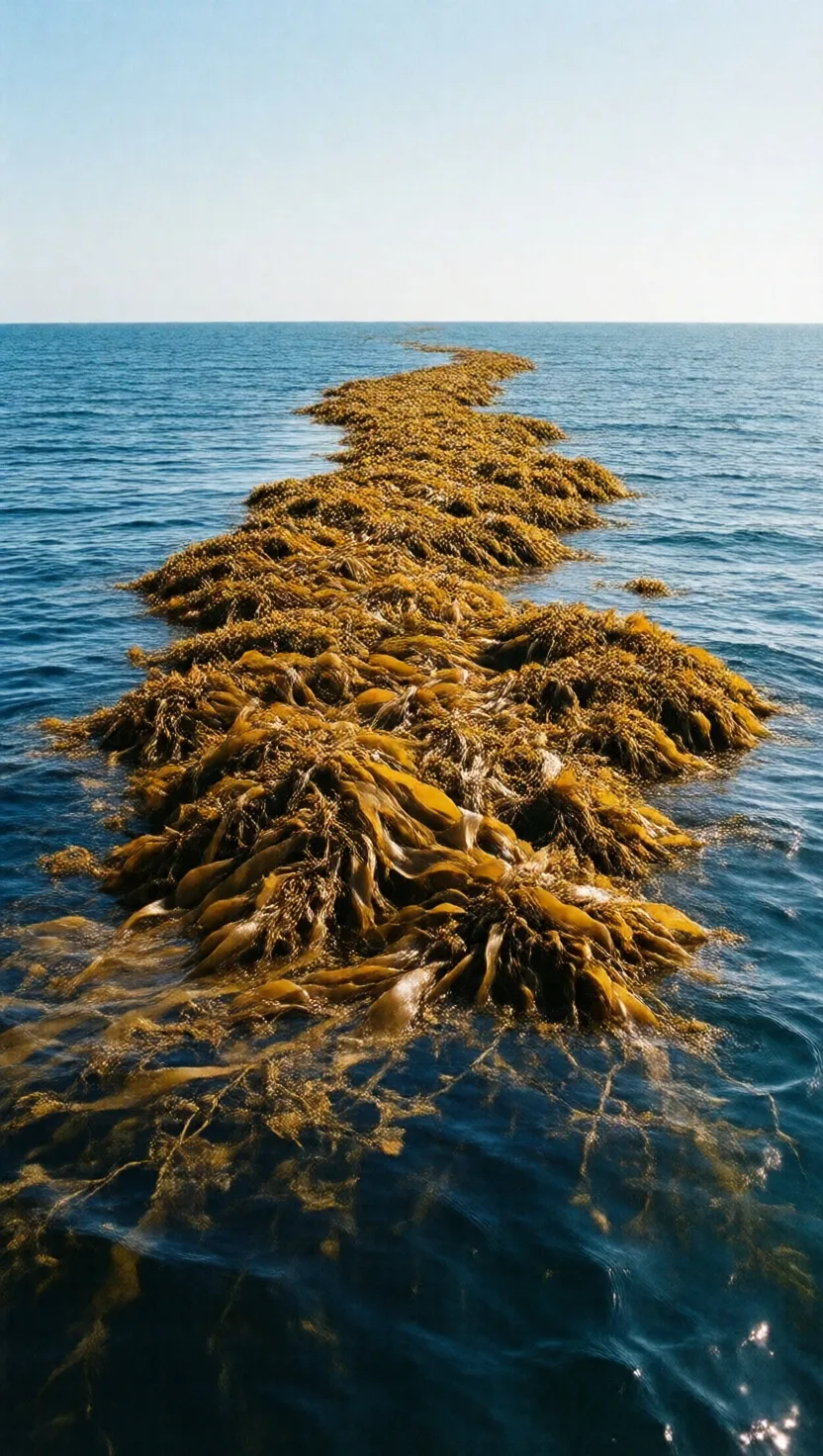
Floating brown seaweed called sargassum drifts in great mats across the open Atlantic, kept afloat by tiny round, berry-like gas bladders. In recent years those mats have exploded into the largest seaweed bloom ever recorded: in 2018 a belt of sargassum stretched about 8,850 kilometres, from the coast of West Africa to the Gulf of Mexico, weighing some 20 million tonnes. It now returns most summers, piling up on beaches.
Heaps of this green seaweed can turn deadly

Heaps of this green seaweed can turn deadly

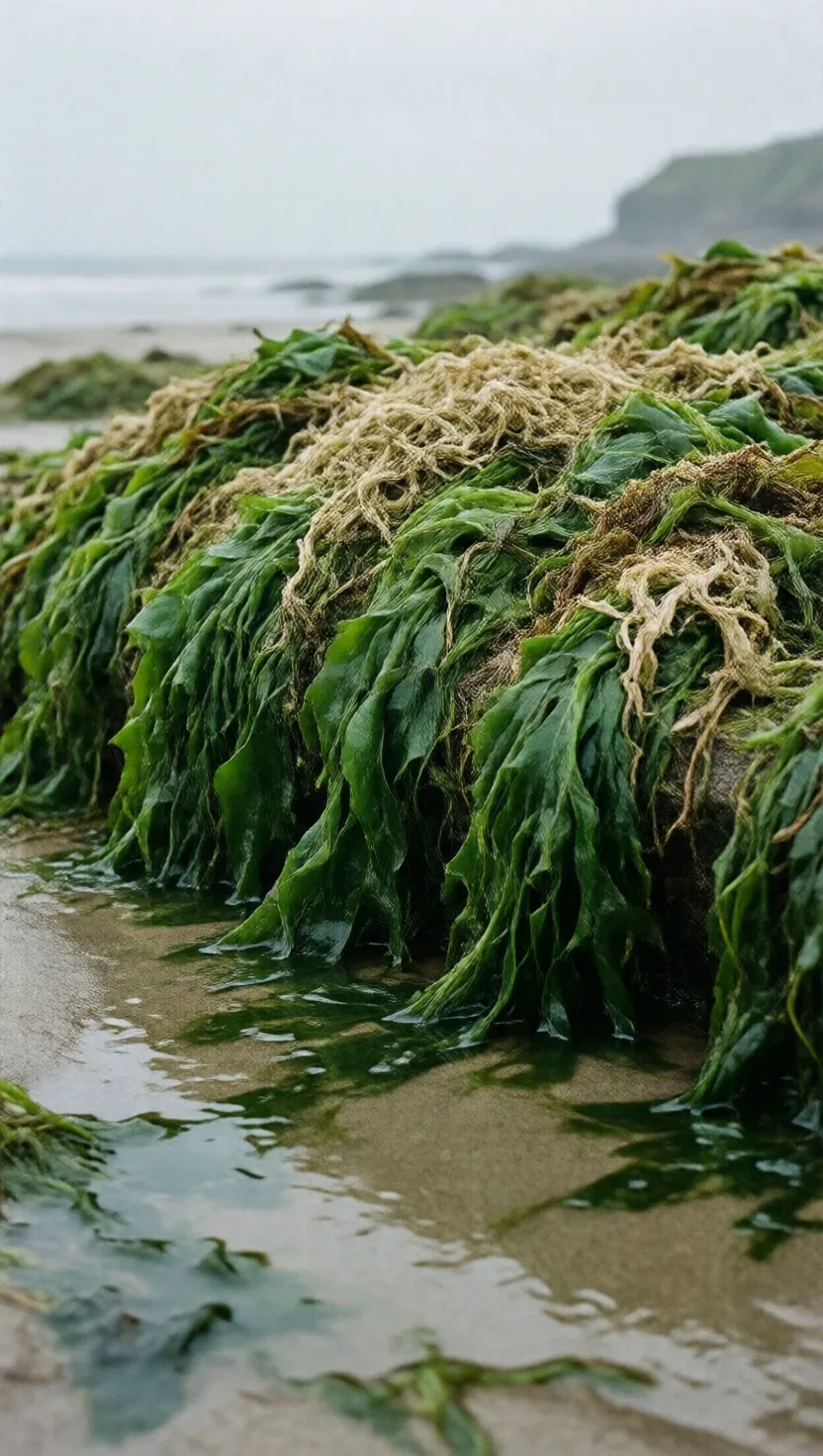
Sea lettuce is a bright green seaweed, thin and edible, that washes up in huge drifts where farm runoff feeds the sea. Piled deep on a beach, the lower layers rot under a dried crust and release hydrogen sulfide, a gas that smells of rotten eggs at first but at high concentrations deadens the sense of smell and then kills. On the coast of Brittany, decaying sea-lettuce mats have been linked to at least three human deaths since 1989.
A whole element was first found in burnt seaweed

A whole element was first found in burnt seaweed

In 1811 a French chemist was extracting saltpetre from the ashes of burnt seaweed when he added too much acid. A cloud of violet vapour rose from the vat and crystallised into dark, shimmering flakes on the cold surfaces of his workshop. He had stumbled onto a new chemical element, iodine, number 53, drawn straight from the seaweed ash. Coastal seaweeds like wrack soak up iodine from seawater and concentrate it in their tissues.
A pink seafloor crust records centuries like tree rings

A pink seafloor crust records centuries like tree rings

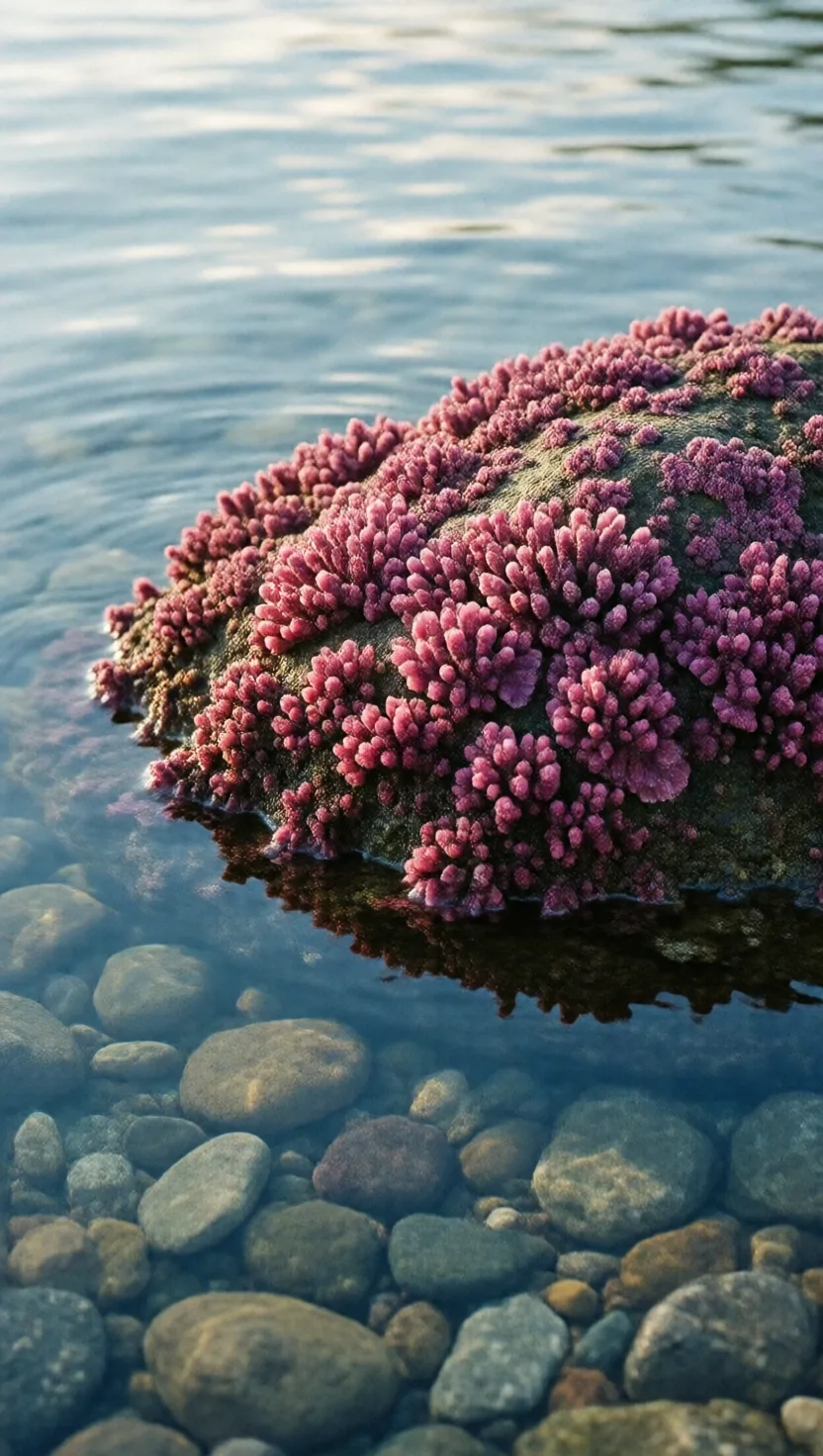
The hard pink and lilac crust that coats rocks in tide pools and on reefs is not stone and not coral, it is a living red seaweed that armours itself in chalk. It grows extraordinarily slowly, sometimes only a millimetre or two a year, laying down a fresh band each season. Cut one open and the bands read like the rings of a tree: one Arctic species has recorded nearly 650 years of ocean change, and some live past a thousand.
One seaweed can grow taller than a 15-storey tower

One seaweed can grow taller than a 15-storey tower

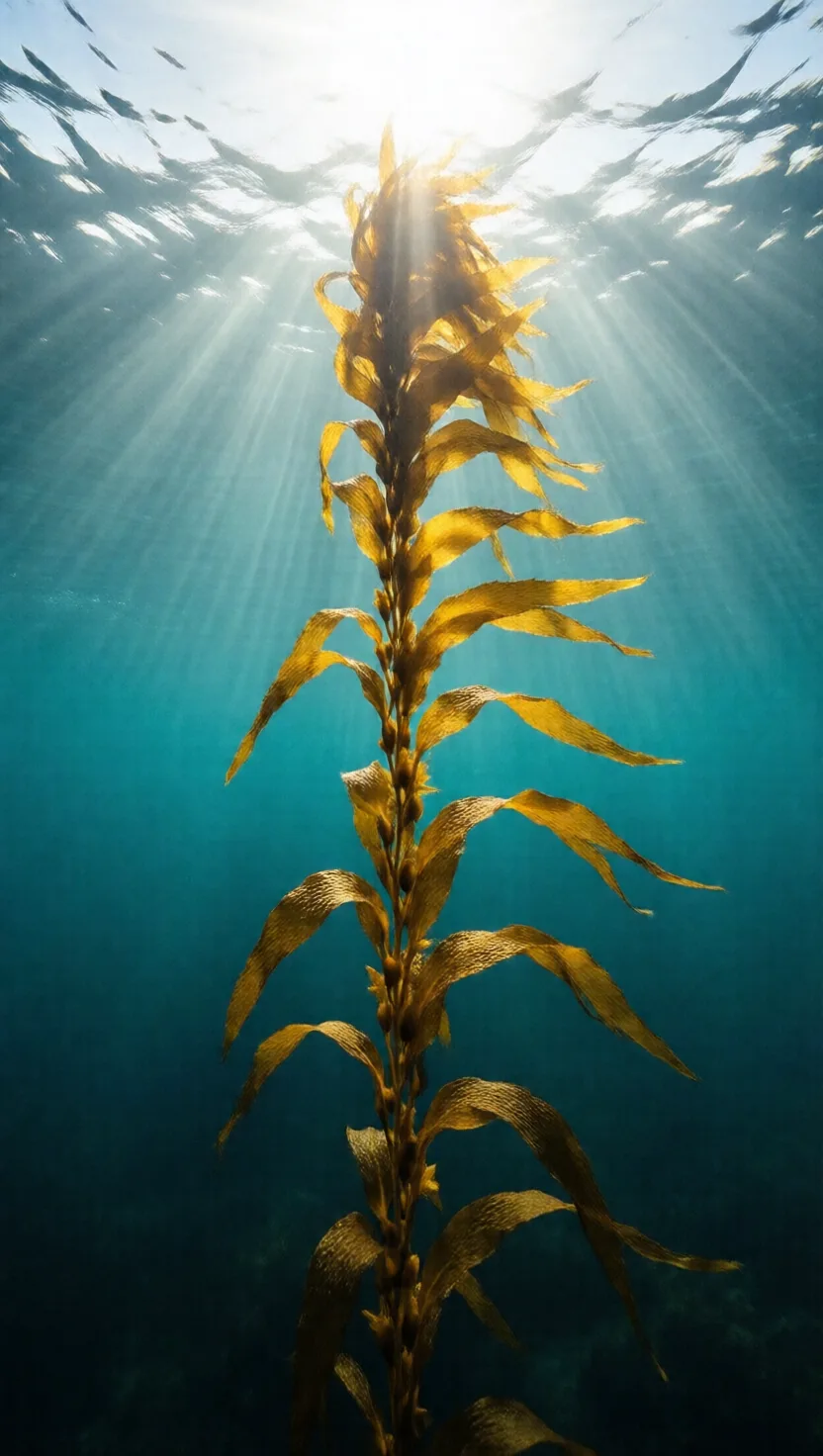
Giant kelp is the largest of all algae, not a plant but a seaweed with no true roots, stems, or leaves. Anchored to the seabed by a gnarled holdfast, a single individual can rise more than 45 metres through the water, and the longest verified specimen reached about 60 metres. Buoyed by gas-filled floats along each blade, it climbs toward the surface light and forms underwater forests that sway like trees.
tap →swipe ↑ for depthswipe ↓ to exit