Eight things sea stars and their cousins can do

DC·105 Deep Cuts
Sensing a predator, sand dollar larvae clone themselves

Sensing a predator, sand dollar larvae clone themselves

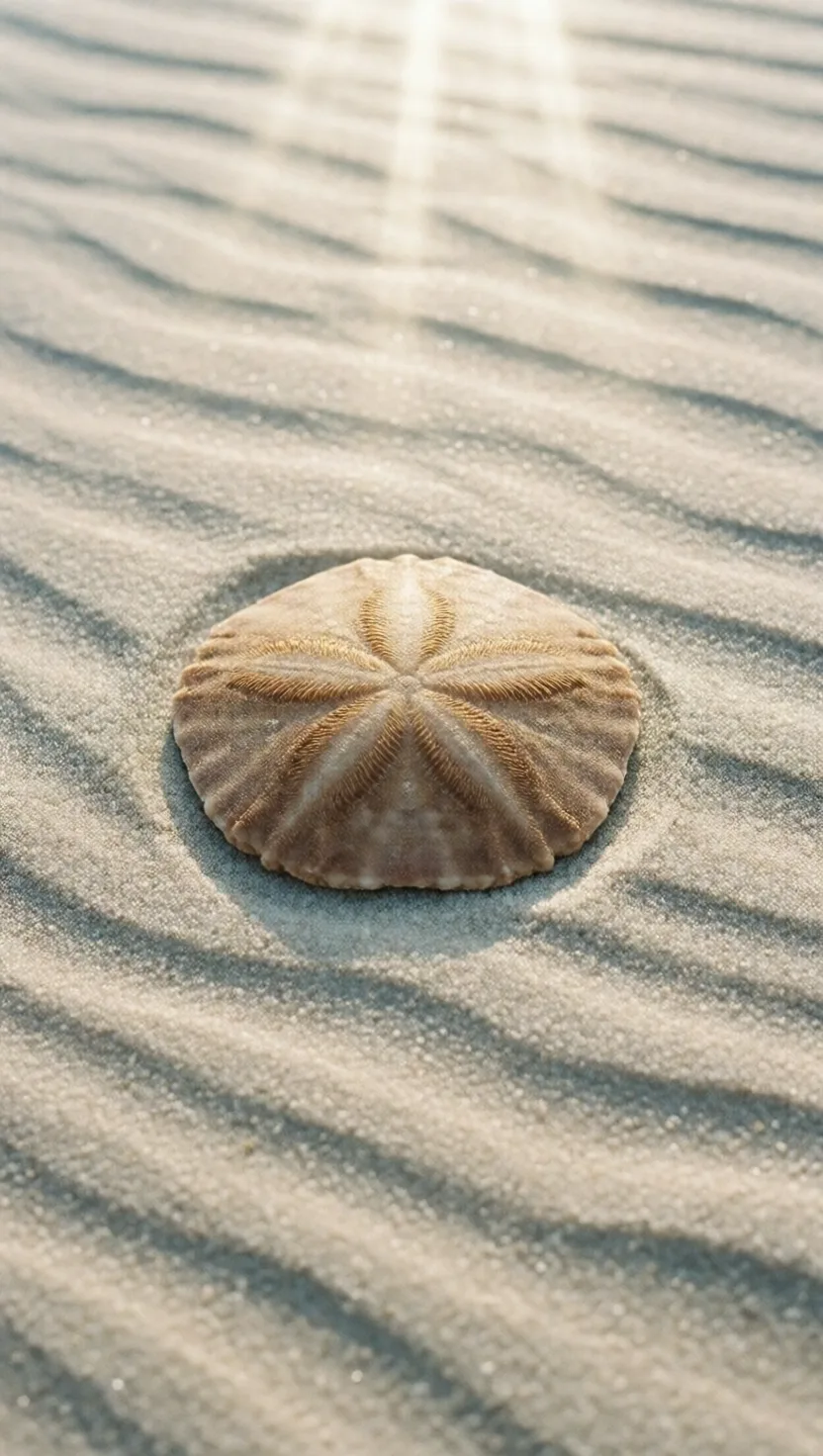
When a sand dollar larva detects the mucus of a fish that might eat it, it does something no other animal was known to do: it splits a piece of itself off and grows it into a second, smaller larva. Within about 24 hours of sensing the threat, the original shrinks to roughly half its size, too small for many predators to notice, while the clone carries on. Two tiny targets are harder to catch than one. Reported in 2008.
This spiny urchin can live past 200 years

This spiny urchin can live past 200 years

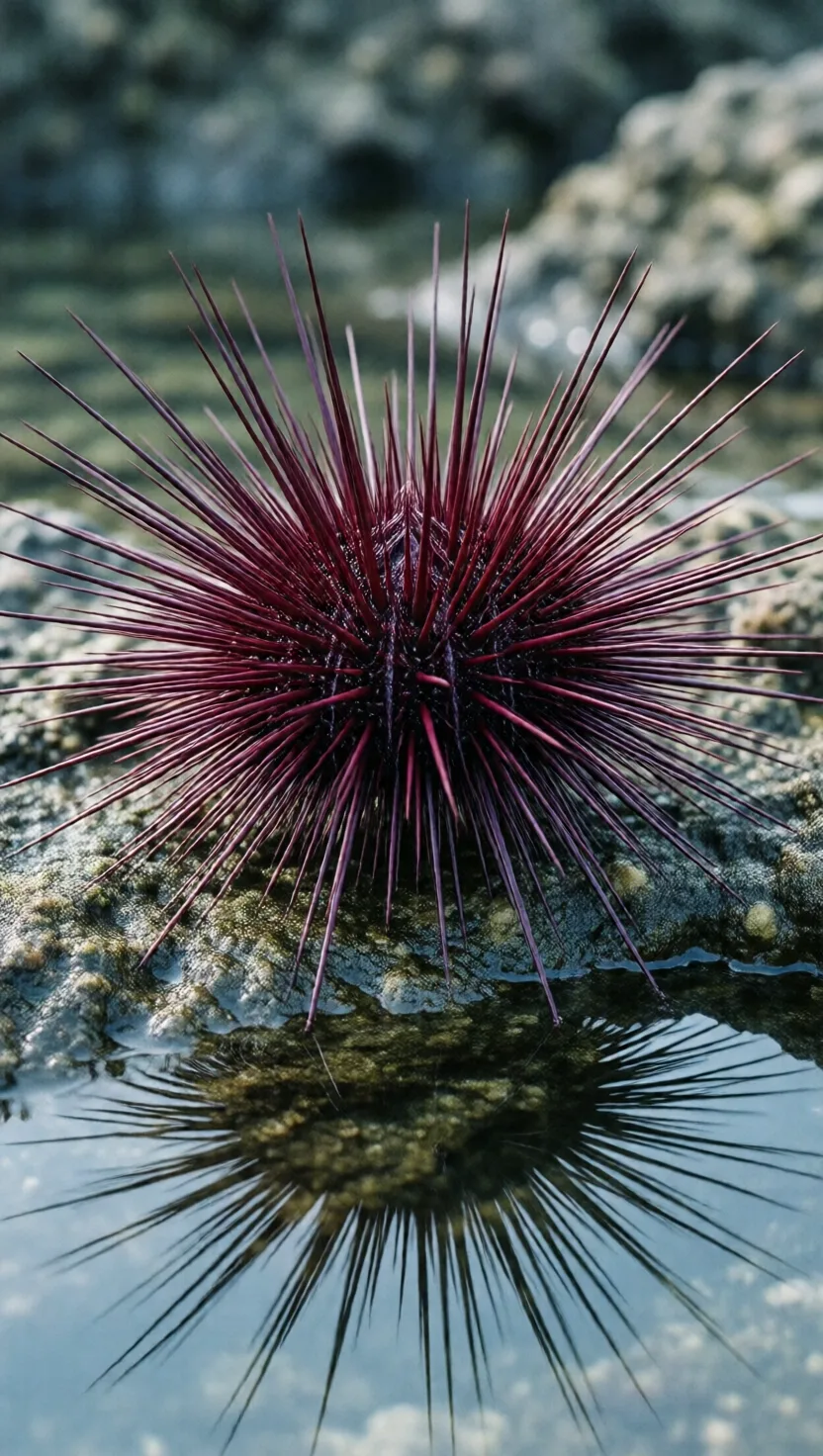
The red sea urchin looks like a simple pincushion of spines, but it is one of the longest-lived animals on Earth. By tagging urchins with a harmless dye that leaves a dated mark in their growing shell, and cross-checking with carbon dating, biologists found individuals off the Pacific coast more than 200 years old, and still fertile, with little sign of aging. A large one had been grazing the seafloor since before its country existed.
Cornered, a sea cucumber fires sticky threads from its gut

Cornered, a sea cucumber fires sticky threads from its gut

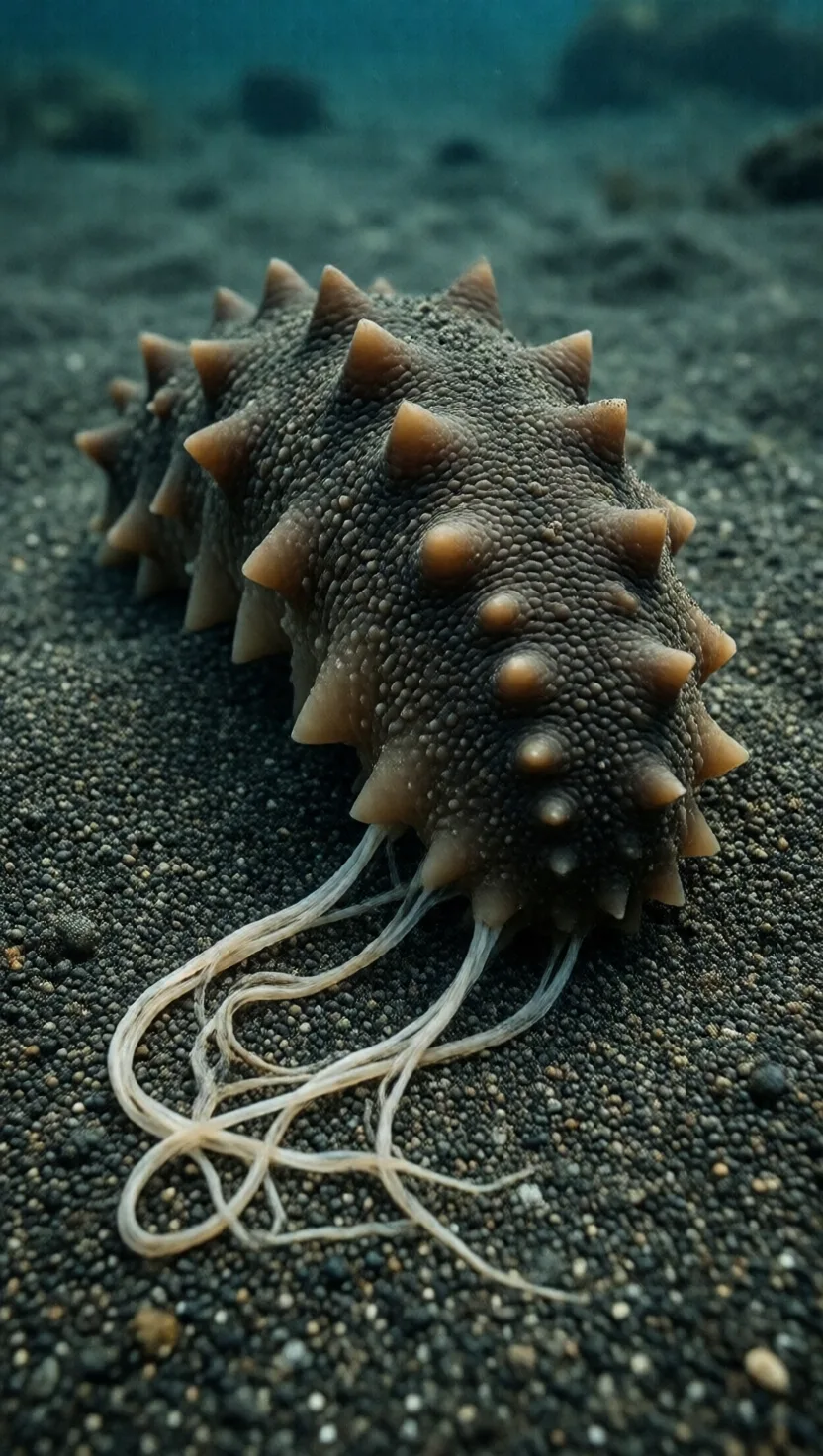
Some sea cucumbers defend themselves by turning their own insides into a weapon. When attacked, they shoot fine white threads, called Cuvierian tubules, out through the rear. On contact with water and the attacker the threads swell, stretching to many times their length and becoming intensely sticky, snaring a crab or fish in seconds while the sea cucumber crawls away. The lost threads simply regrow. The strands can lengthen to about 20 times their original size.
This sea star has 24 arms and 15,000 feet

This sea star has 24 arms and 15,000 feet

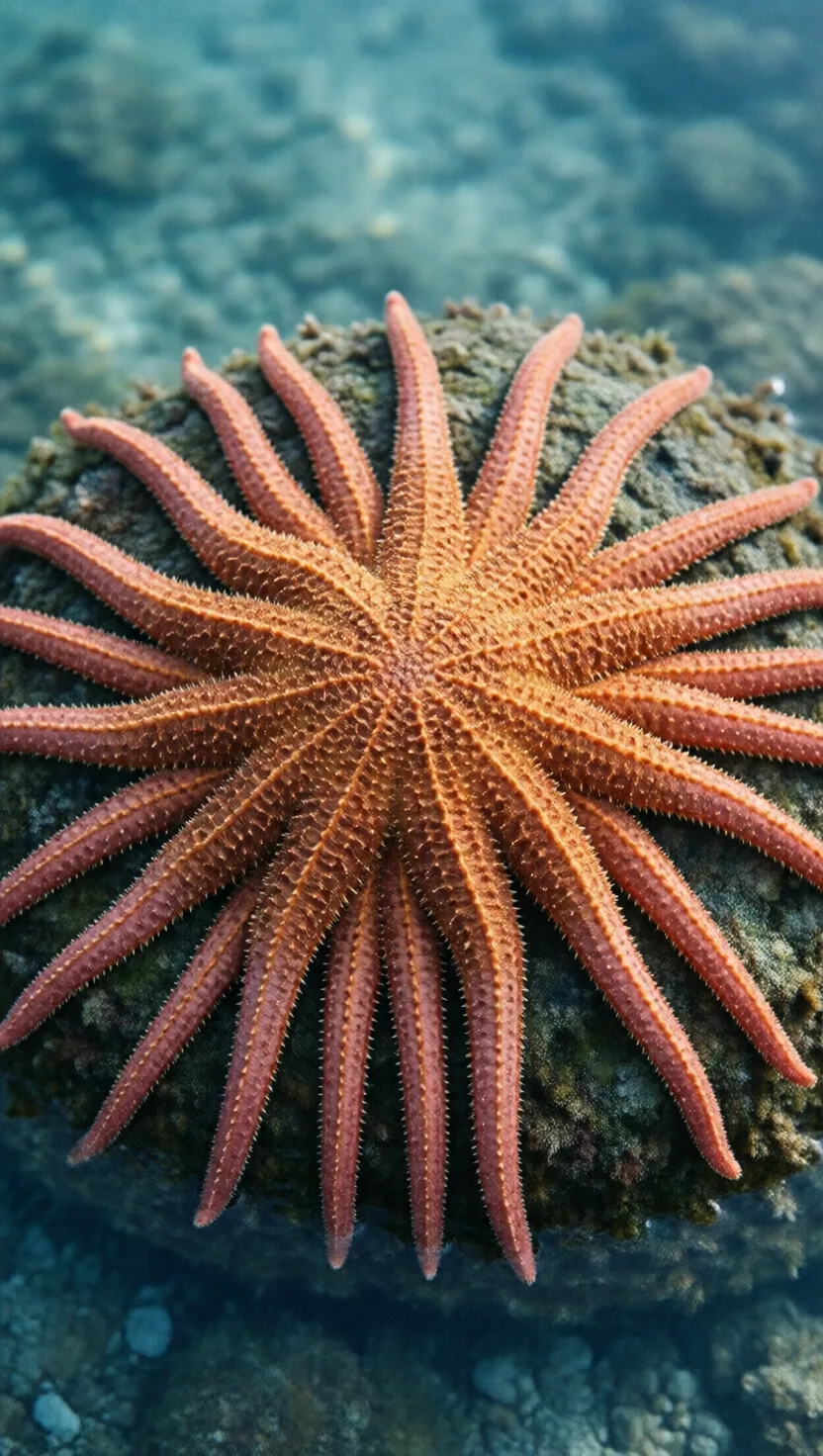
Most sea stars have five arms; the sunflower star grows up to 24. Underneath, it runs on a forest of tiny tube feet, around 15,000 of them, each worked not by muscle but by water pressure in a hydraulic system unique to its kind. All those feet make it one of the fastest sea stars alive, gliding across the seabed at more than a metre a minute as it hunts urchins and clams. It can span more than a metre across.
A sea urchin's five teeth sharpen themselves by chipping

A sea urchin's five teeth sharpen themselves by chipping

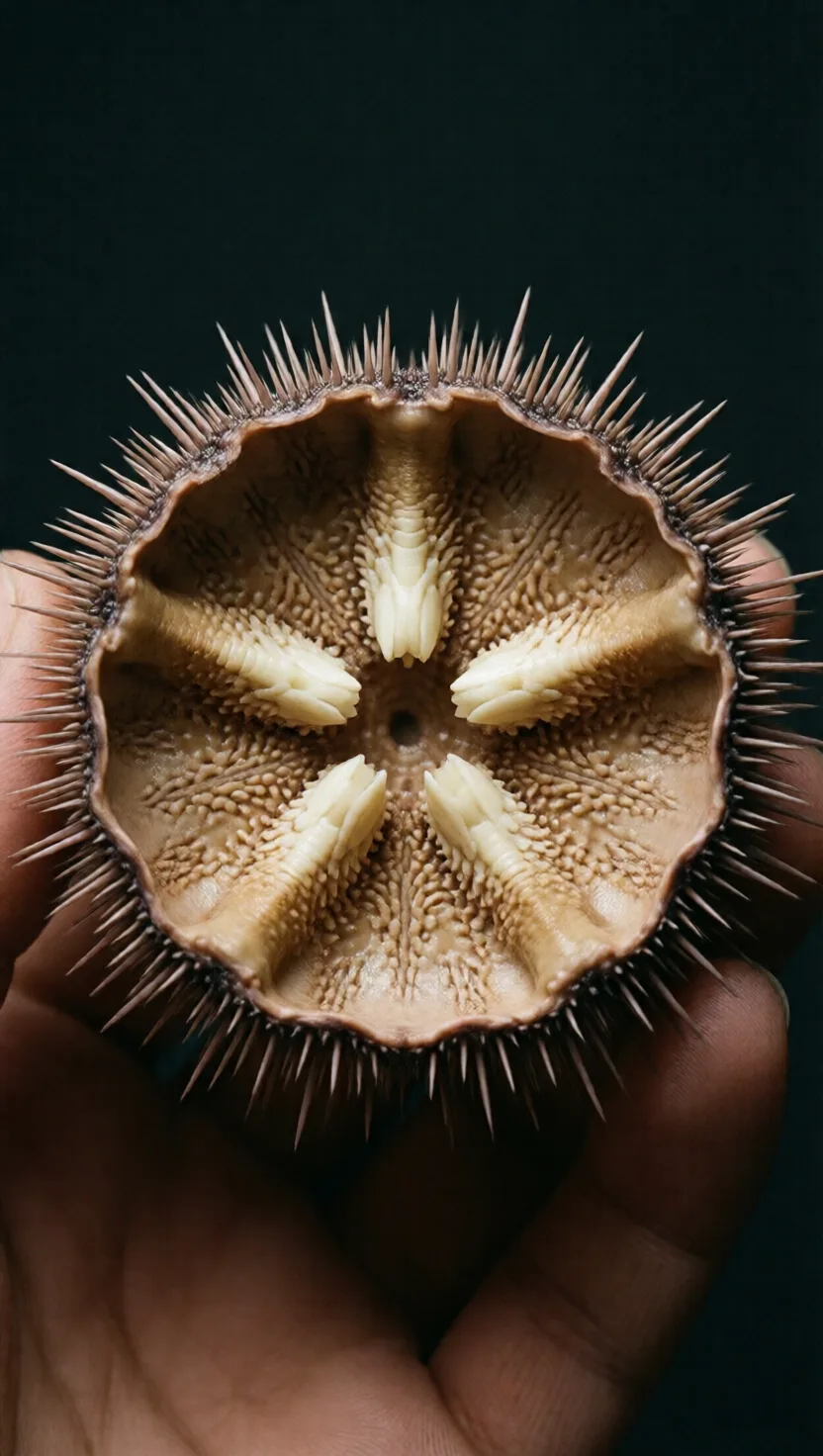
Turn a sea urchin over and you find a five-toothed jaw the ancient Greeks called Aristotle's lantern. The teeth scrape algae off bare rock and even grind burrows into stone, yet they never wear blunt. Built into each tooth are deliberately weak layers, so the tip chips away in a controlled way as it works, peeling back to expose a fresh sharp edge, like a self-renewing blade. The teeth grow continuously for the urchin's whole life.
One severed arm can regrow an entire sea star

One severed arm can regrow an entire sea star

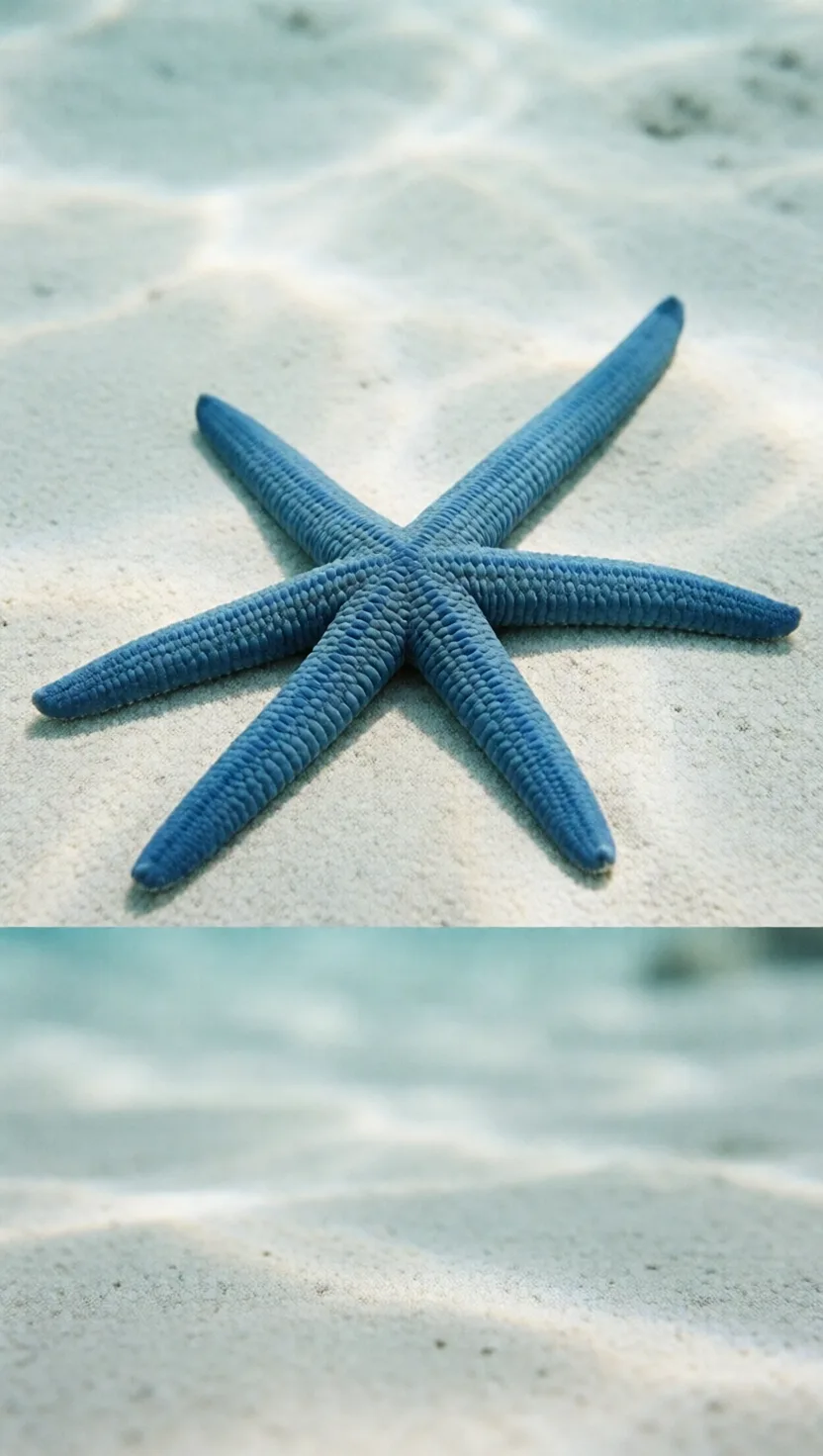
Most sea stars can regrow a lost arm, but they need their central disc to do it. One kind, Linckia, breaks the rule completely: a single arm, torn off with no disc attached, can grow a whole new animal from its cut end. For a while the regrowing star looks like a tiny comet, one long original arm trailing four stubby new ones. Building a body from one limb is slow, often taking up to a year.
One starfish strips 10 square metres of coral a year

One starfish strips 10 square metres of coral a year

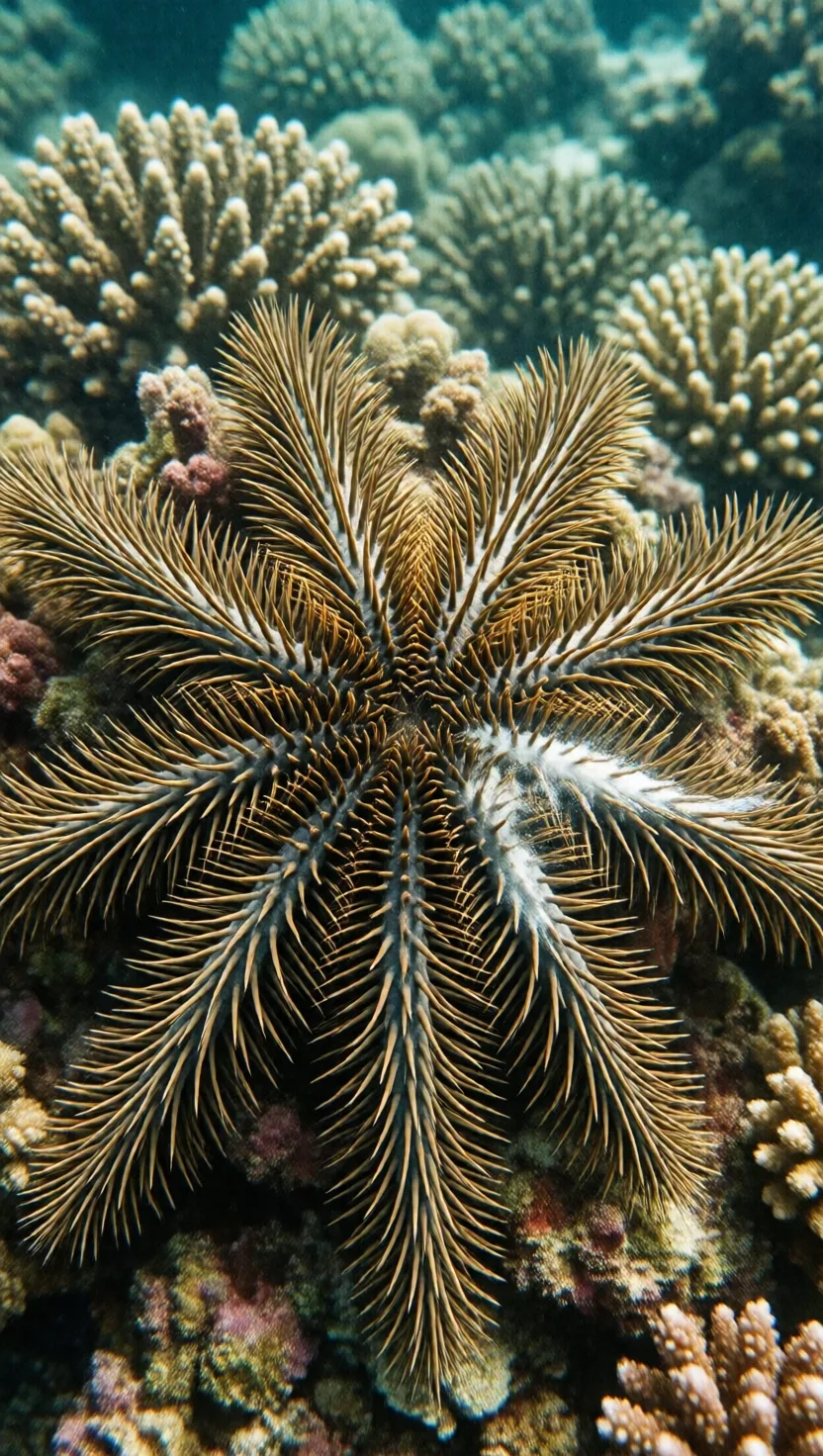
The crown-of-thorns is a sea star armoured in venomous spines, and it eats living coral. It climbs onto a coral colony, pushes its stomach out through its mouth, and spreads it over the surface to digest the living tissue where it sits, leaving behind a stark white skeleton. A single adult can strip about 10 square metres of living coral in a year, and in a population outbreak a whole reef can be devastated.
Baby sand dollars swallow a heavy weight belt of sand

Baby sand dollars swallow a heavy weight belt of sand

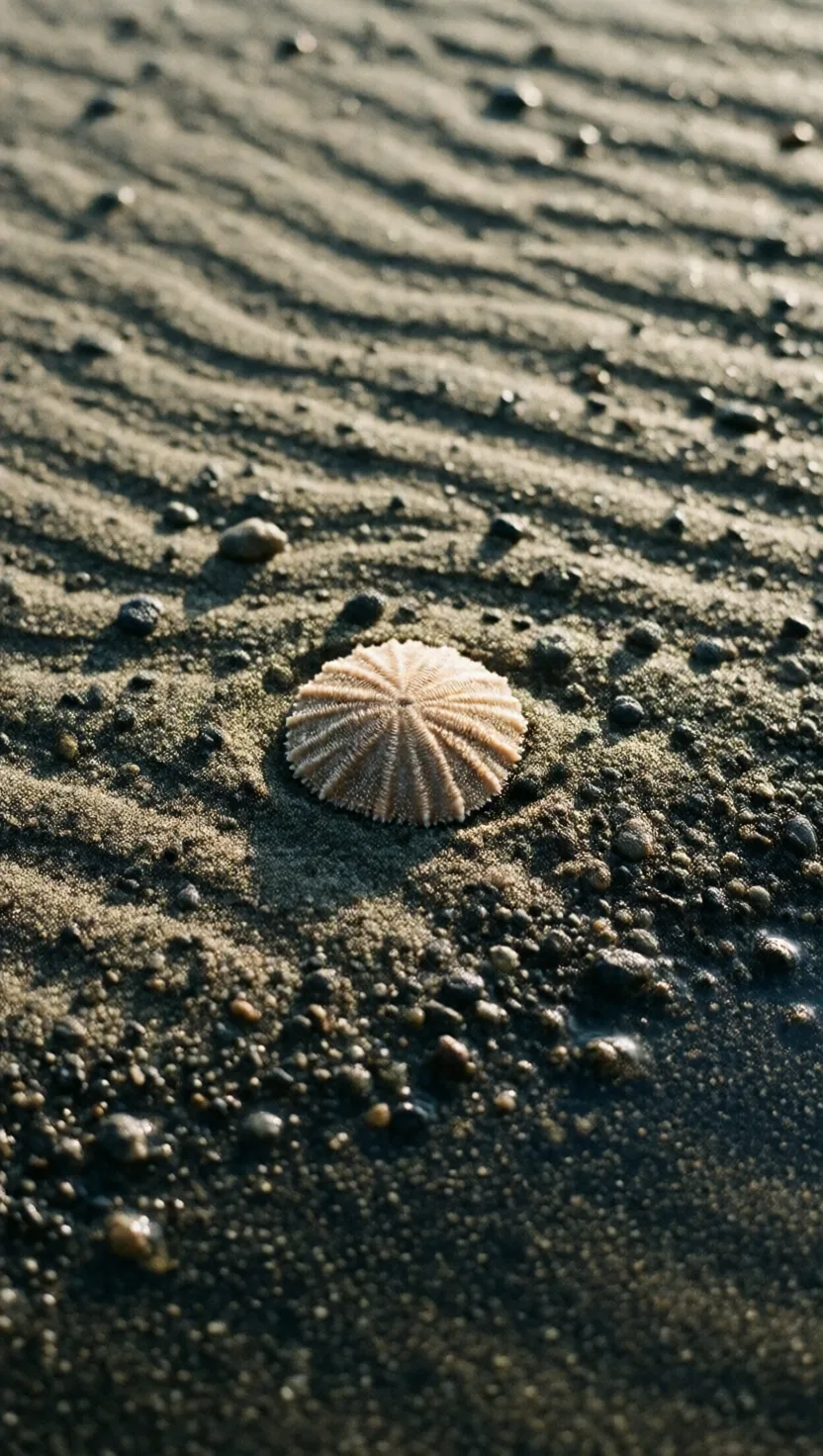
A young sand dollar is light enough to be swept away by the gentlest current, so it eats its way to stability. From the sand around it, the juvenile selectively swallows the heaviest, densest grains, dark iron-rich magnetite, and stores them in a pouch in its gut as ballast. Where the surrounding sand is under 10 percent heavy grains, its private store can be around 78 percent. It carries the weight belt until it grows to about 30 mm across.
tap →swipe ↑ for depthswipe ↓ to exit