Eight things hidden under the shell

DC·104 Deep Cuts
A turtle's shoulders are inside its rib cage

A turtle's shoulders are inside its rib cage

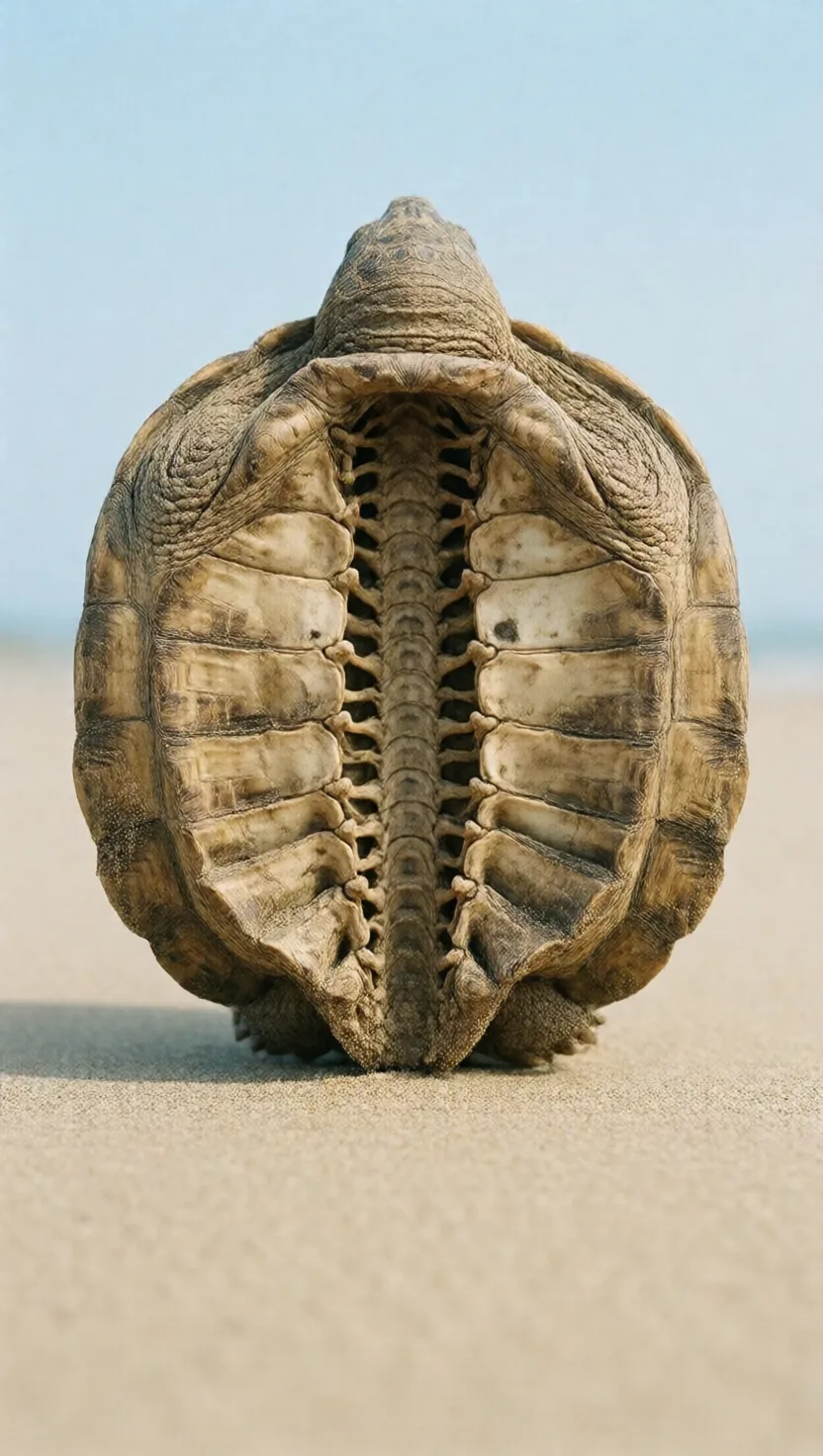
Every other backboned animal carries its shoulder blades outside its ribs. The turtle is the lone exception. Its shell is its rib cage — ribs broadened and fused into a bony box — and as it develops the shoulder blades end up trapped inside it. The ribs grow up and over the shoulders rather than the shoulders sliding over the ribs, a body plan so strange that biologists long struggled to explain it.
The turtle built its belly armour before its back

The turtle built its belly armour before its back

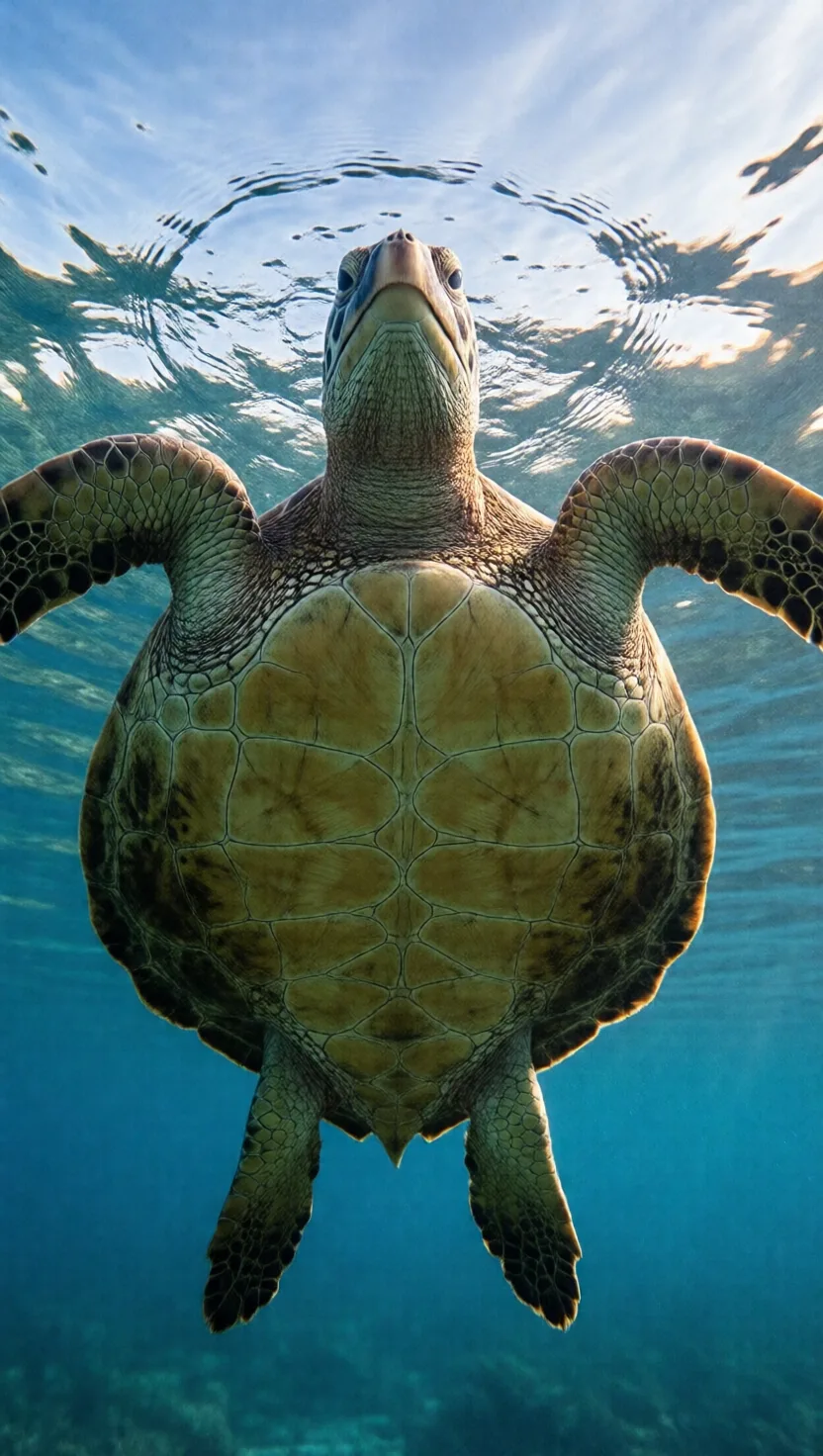
Fossils show the shell did not appear all at once. Odontochelys, a 220-million-year-old reptile from China, already had a complete plastron — the flat belly shell — but only broadened ribs where the domed upper shell would later form. The bottom came first, which hints that the earliest turtles were aquatic, armouring the belly a predator would strike from below.
Warm sand makes female turtles, cool sand makes males

Warm sand makes female turtles, cool sand makes males

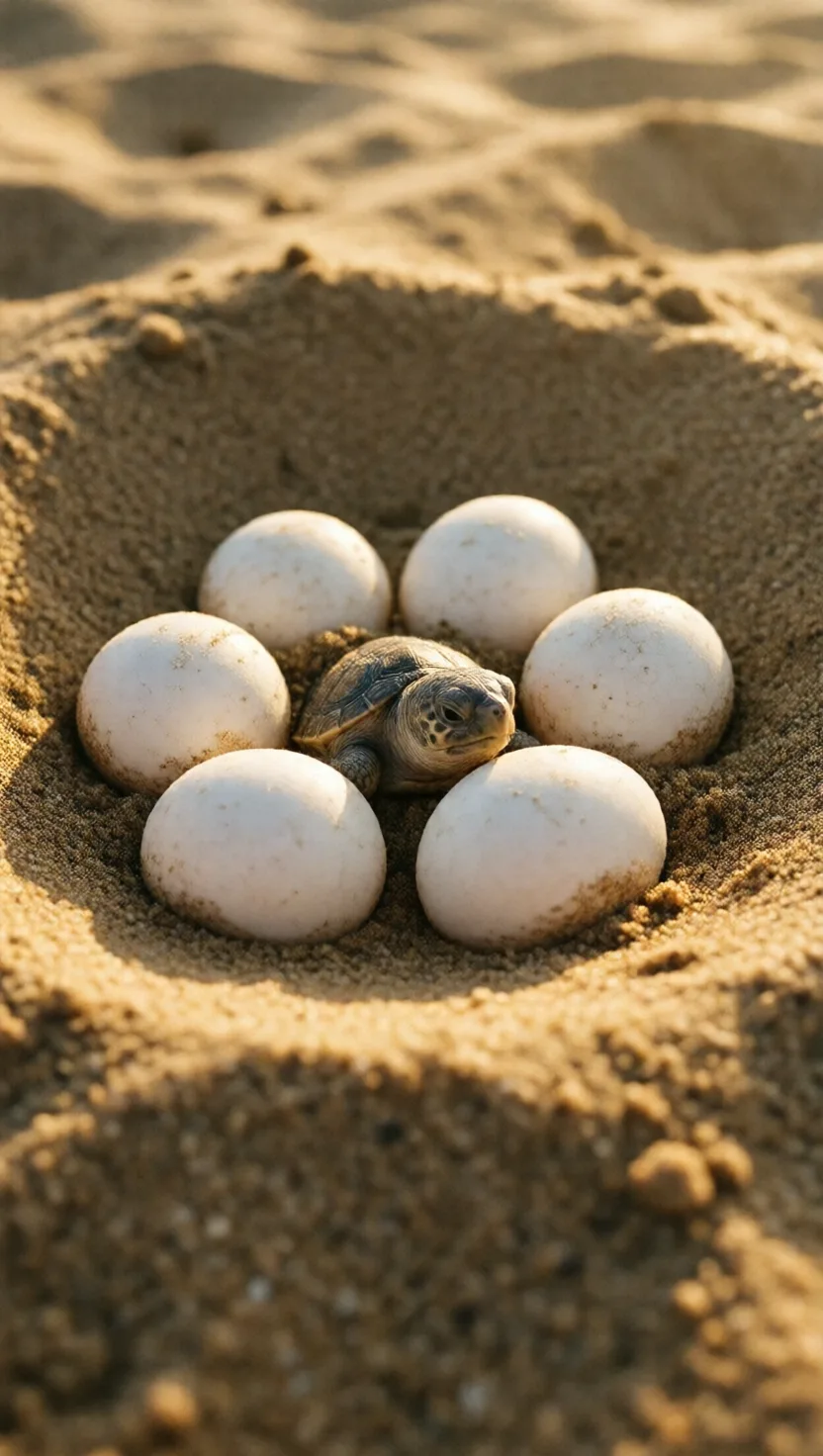
Turtles have no sex chromosomes settling the matter at conception — the temperature of the nest does it. Around a pivotal 29 degrees Celsius a clutch comes out evenly split; warmer and the hatchlings are female, cooler and they are male. A swing of just a couple of degrees in the sand during the middle third of incubation can tip an entire nest to one sex.
The biggest turtle has no hard shell at all

The biggest turtle has no hard shell at all

The leatherback wears no rigid shell. Its back is a mosaic of thousands of tiny bones locked into leathery skin, flexible enough to bend as it dives. That same bulk lets it run warm: thick fat and a heat-trapping bloodflow keep its core up to 18 degrees Celsius above the cold sea, so it can chase jellyfish to crushing depths — one was logged at 1,344 metres, the deepest dive of any reptile.
Some turtles breathe through their backside

Some turtles breathe through their backside

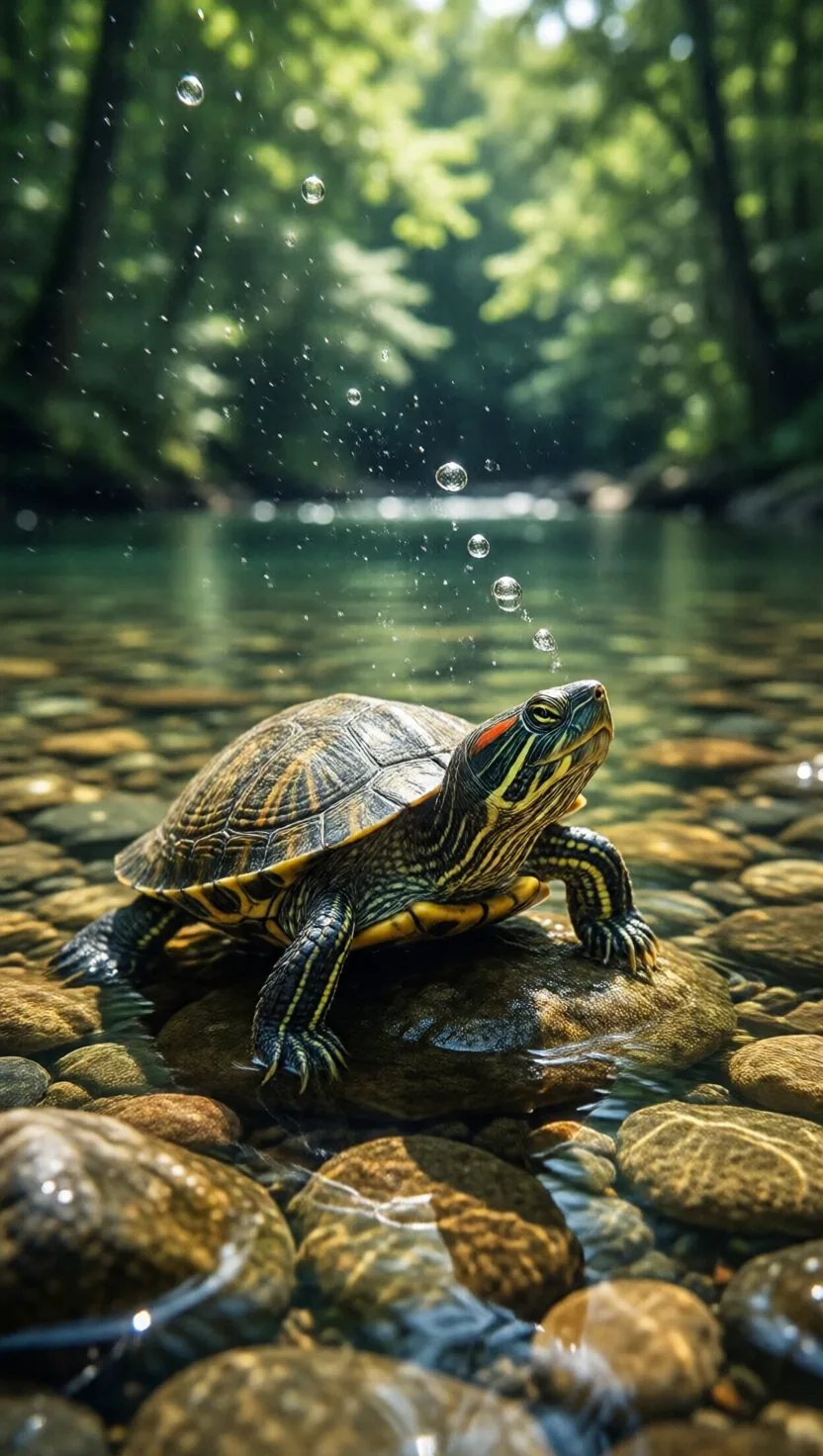
A few freshwater turtles have a second way to breathe underwater. The Australian Fitzroy River turtle pumps water in and out of two sacs at its rear end — the cloacal bursae — lined with feathery, blood-rich tissue that pulls oxygen straight from the water. It can take in up to 70 percent of its oxygen this way, letting it stay submerged and motionless for as long as three weeks.
Some turtles barely age at all

Some turtles barely age at all

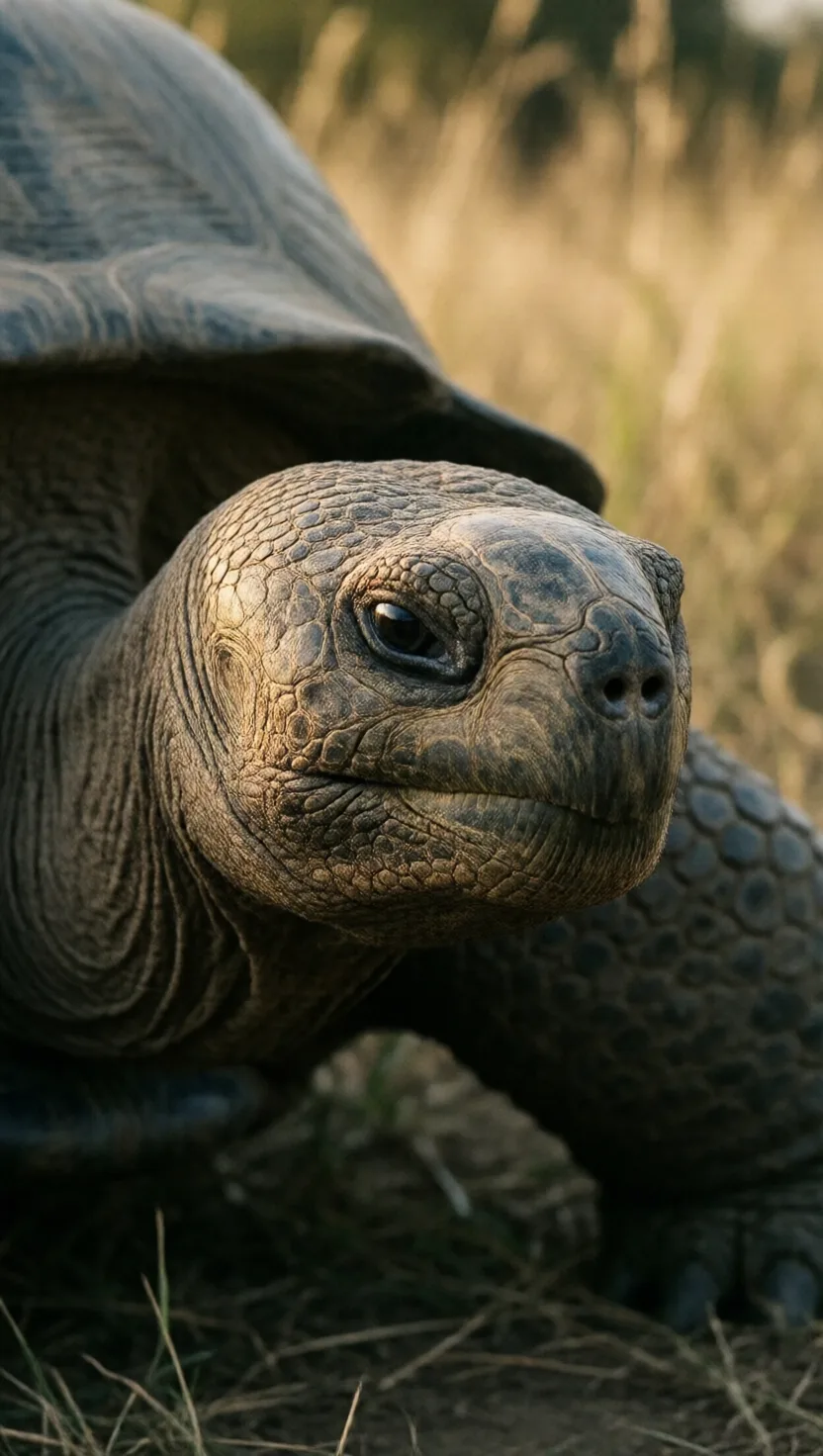
For most animals the risk of dying climbs every year. A 2022 study in the journal Science found that across roughly three-quarters of turtle and tortoise species it does not: their odds of death stay flat with age. A tortoise of 100 is no more likely to die that year than one of 10. They are not immortal — accident and illness still catch them — but they sidestep the steady decline of old age.
'Tortoiseshell' was always taken from a living turtle

'Tortoiseshell' was always taken from a living turtle

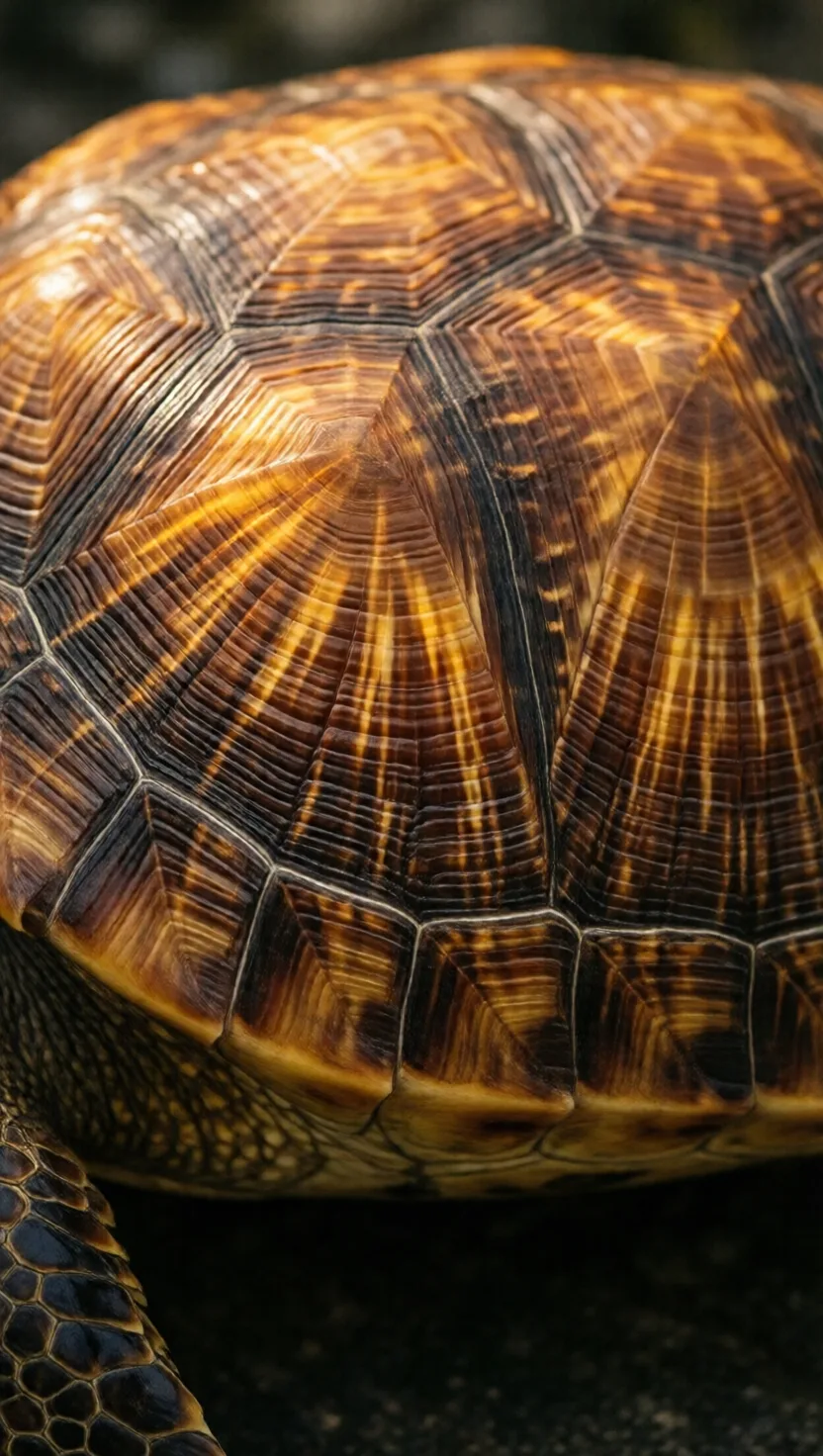
Real tortoiseshell never came from tortoises. It is the keratin scutes — the same protein as fingernails — taken from the carapace of the hawksbill sea turtle. Each animal yields about thirteen translucent amber-and-brown plates, two to five millimetres thick, that craftsmen heat-softened and moulded into combs and eyeglass frames. The trade pushed the hawksbill toward extinction; it was banned worldwide in 1973.
The green turtle is green on the inside

The green turtle is green on the inside

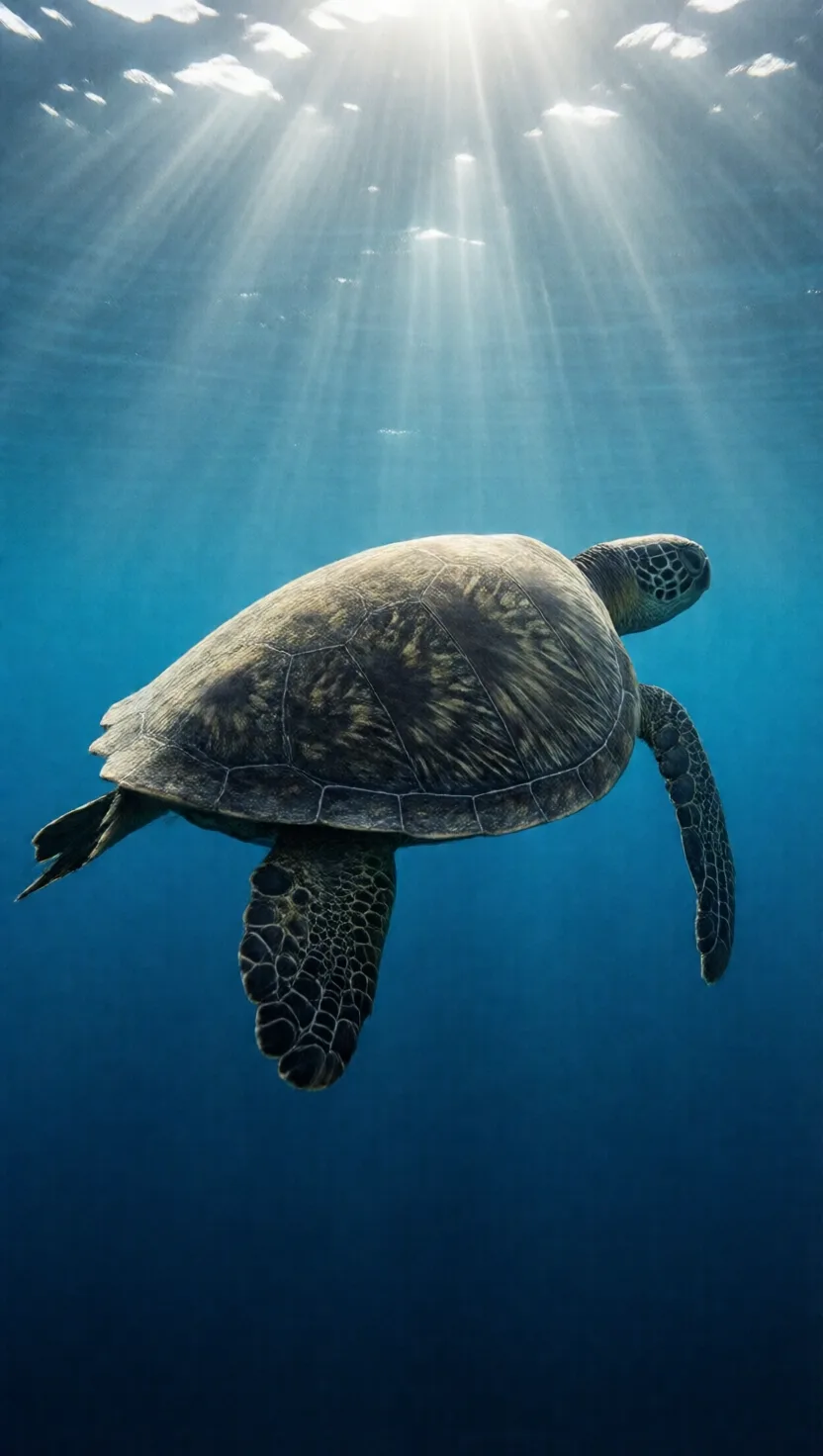
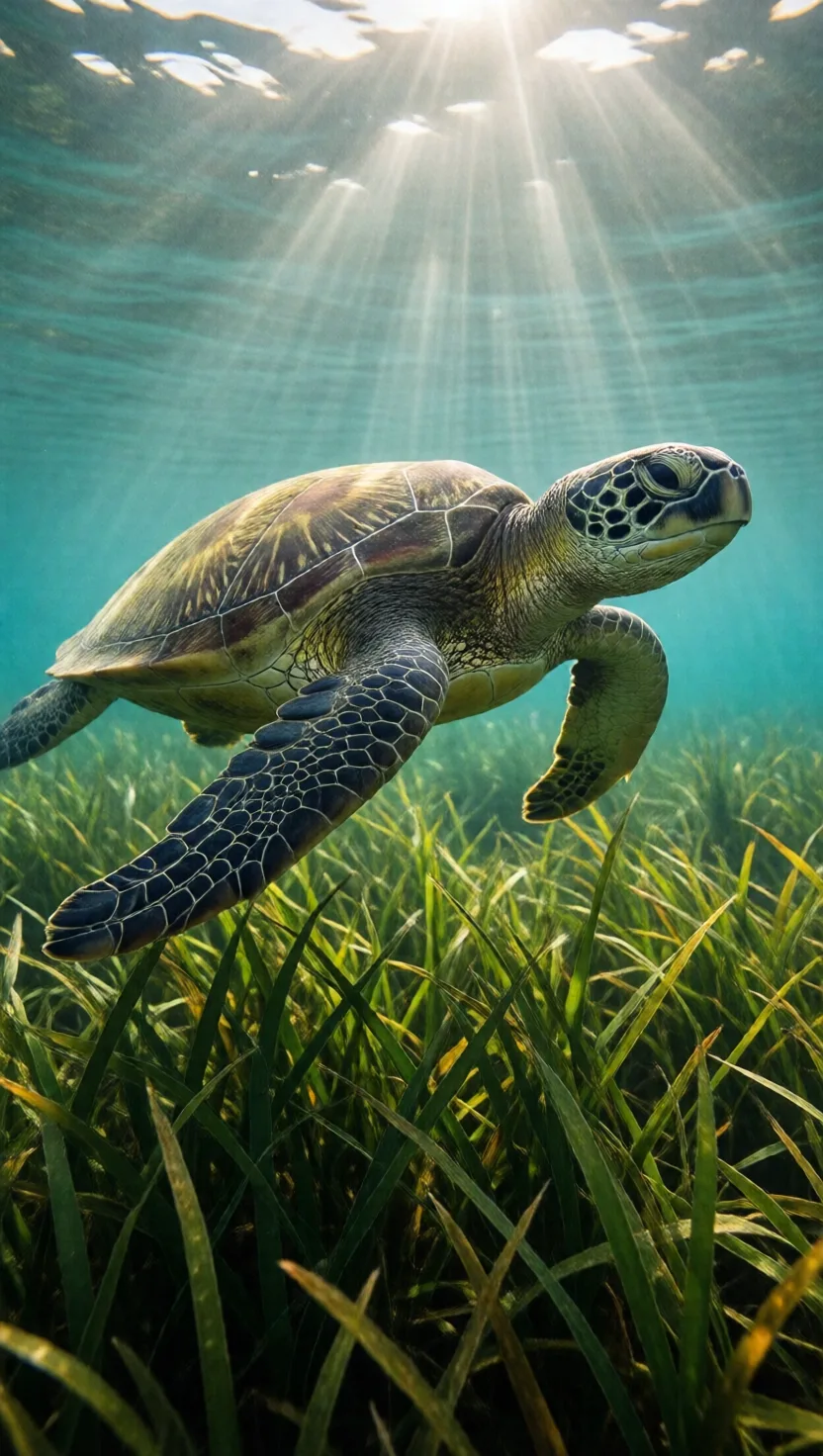
The green sea turtle is not named for its shell, which is olive to nearly black. The colour is hidden inside: its fat and cartilage are tinged green, stained by a lifetime of grazing. Adults are the only sea turtle that is strictly vegetarian, cropping seagrass and algae, and the pigments from that diet build up in the body — green flesh beneath a dark shell.
tap →swipe ↑ for depthswipe ↓ to exit