Eight things frogs do to survive

DC·101 Deep Cuts
A sleeping glass frog hides its own blood

A sleeping glass frog hides its own blood

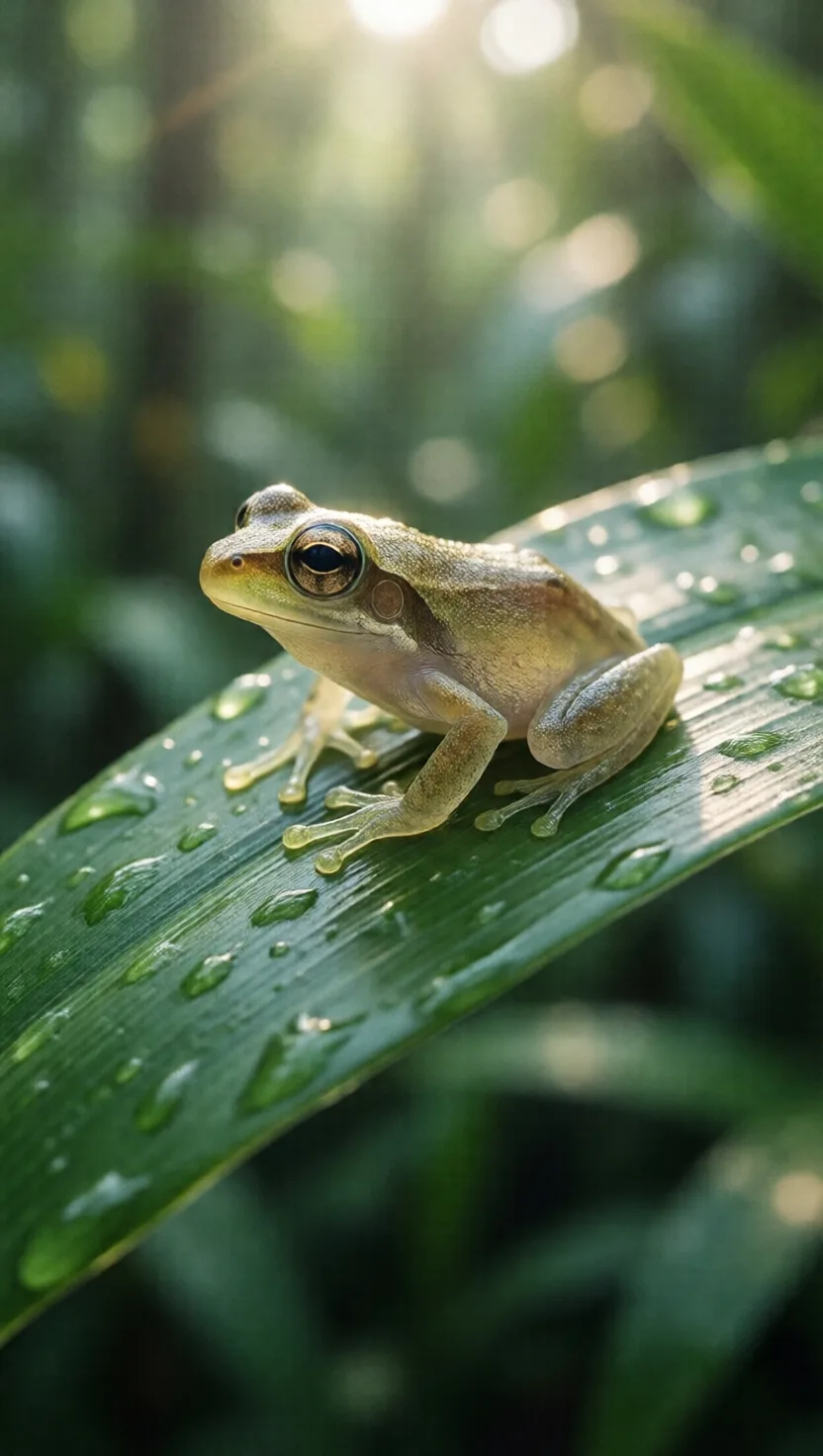
Glass frogs have see-through bellies, but blood is hard to hide. While sleeping by day, the frog pulls nearly 90 percent of its red blood cells out of circulation and packs them into its liver, which is wrapped in mirror-like crystals. With the red tucked away it turns far more transparent and harder to spot, then releases the cells again to become active at night.
This frog breaks its own bones to make claws

This frog breaks its own bones to make claws

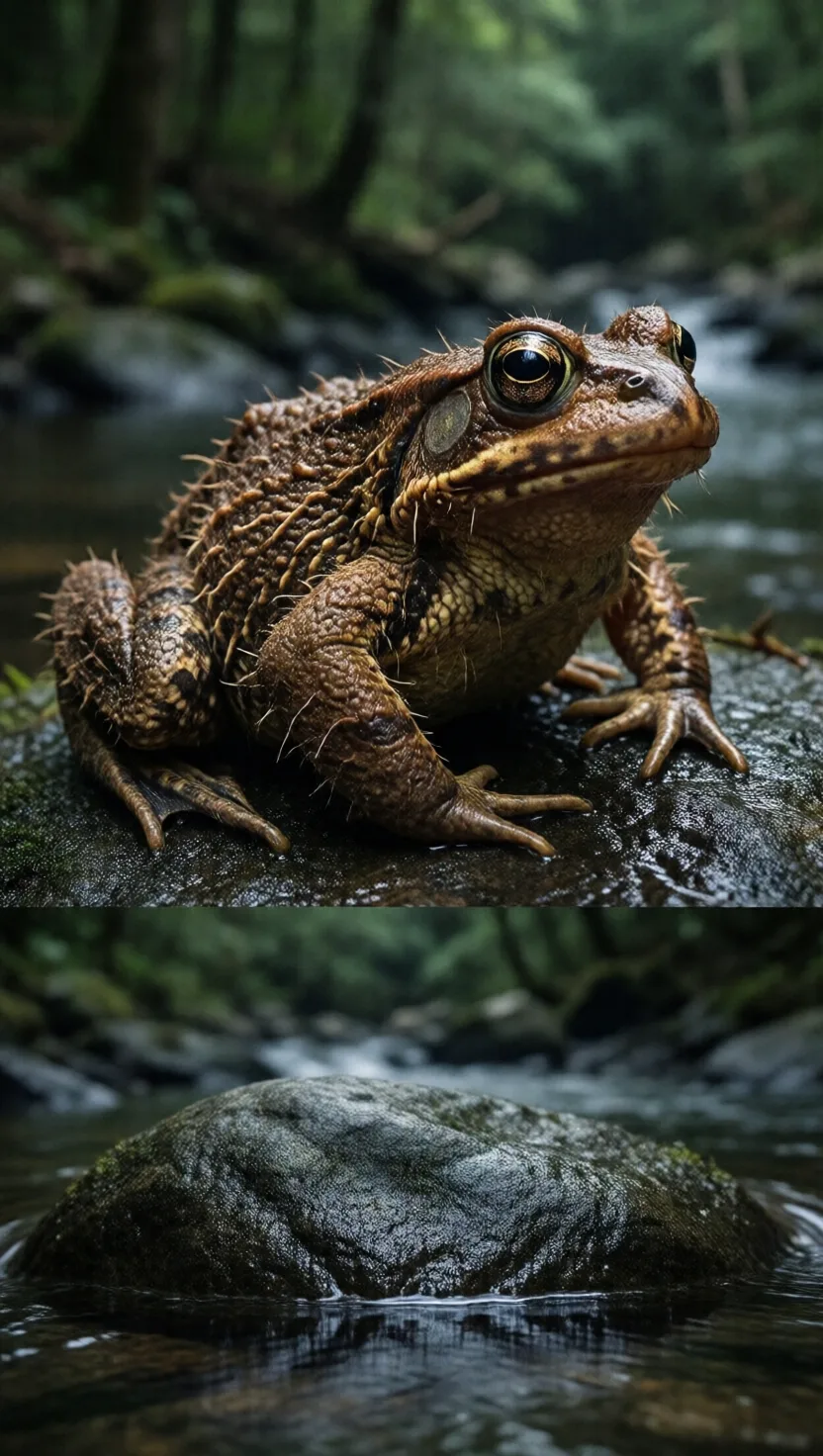
The hairy frog of Central Africa has no claws until it needs them. When seized, it contracts muscles that snap the tips of its toe bones and drive the sharp shards out through the skin of its feet, turning broken bone into weapons. Whether the claws later retract as the wounds heal is still uncertain. Males also grow hair-like skin strands that take in extra oxygen.
Her babies hatch out of her own back

Her babies hatch out of her own back

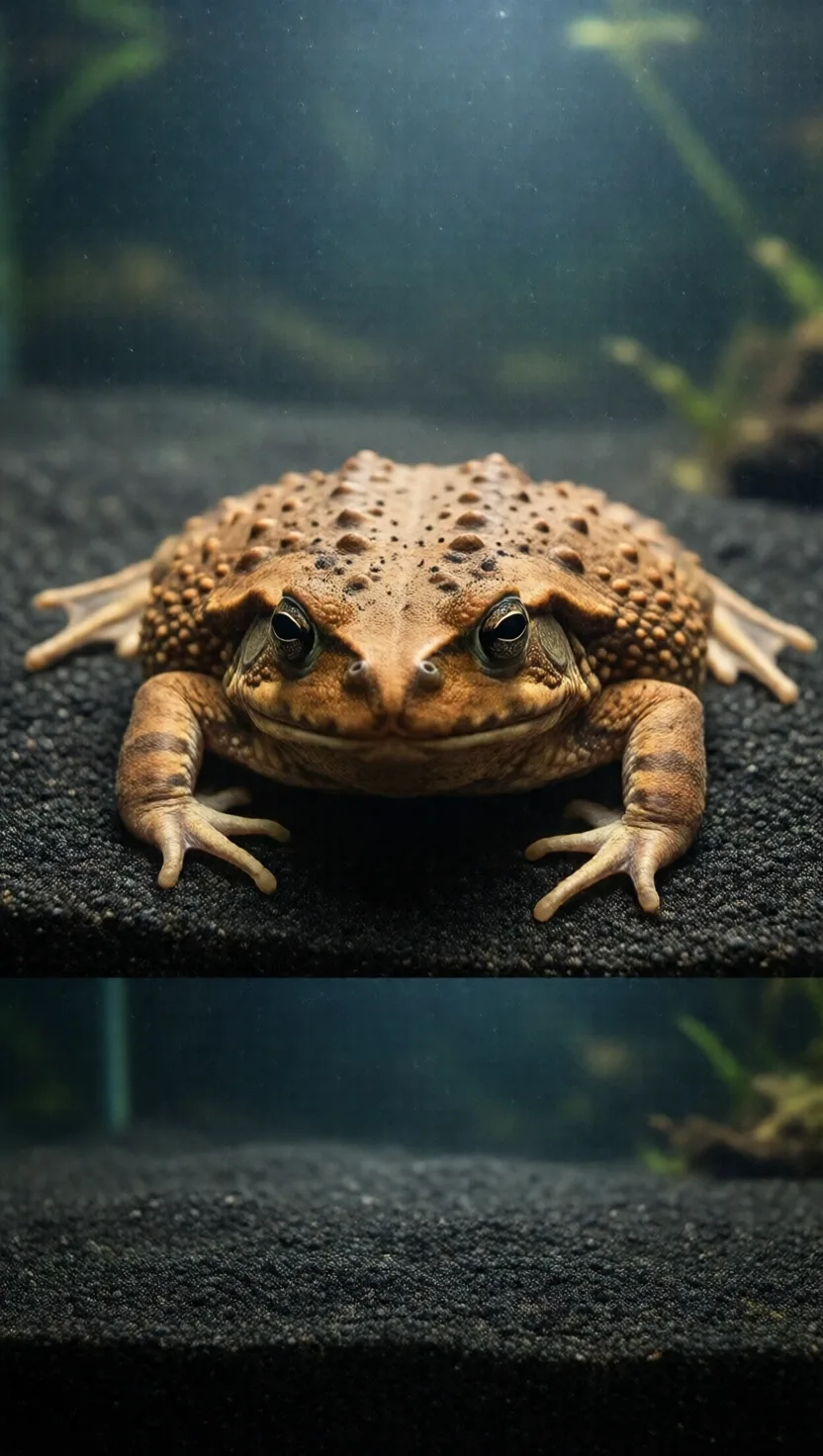
The flat Surinam toad skips the tadpole pond. During mating the male presses fertilized eggs onto the female's back, and her skin grows over them, sealing each in its own pocket. There the young develop for months, and then fully formed toadlets push out through her back a hatch at a time. The spent skin is shed afterward, leaving her smooth again.
A frog that gave birth through its mouth

A frog that gave birth through its mouth

Australia's gastric-brooding frog did something no other animal is known to have done. The mother swallowed her own fertilized eggs, switched off the acid in her stomach, and let the young grow inside it. Weeks later she opened her mouth and out hopped tiny froglets. Discovered in the 1970s, the frog vanished within a decade; scientists have since coaxed its DNA into briefly dividing again.
Its tadpole is bigger than the grown frog

Its tadpole is bigger than the grown frog

Tadpoles usually grow into larger frogs. The paradoxical frog of South America does it backwards: its tadpole balloons to around 25 centimetres long, then shrinks during metamorphosis into an adult only a third that size, roughly the length of your thumb. Early naturalists refused to believe the giant tadpole and the small frog were the same animal.
This frog rubs on its own waterproof wax

This frog rubs on its own waterproof wax

Most frogs dry out fast in the open, but the waxy monkey tree frog basks in full sun. Glands in its skin make a waxy lipid coating, and the frog methodically wipes it over its whole body with its legs, sealing in moisture like a layer of sunscreen. The waterproof coat lets it perch in the treetops and bake where other frogs would shrivel.
A frog that parachutes between the trees

A frog that parachutes between the trees

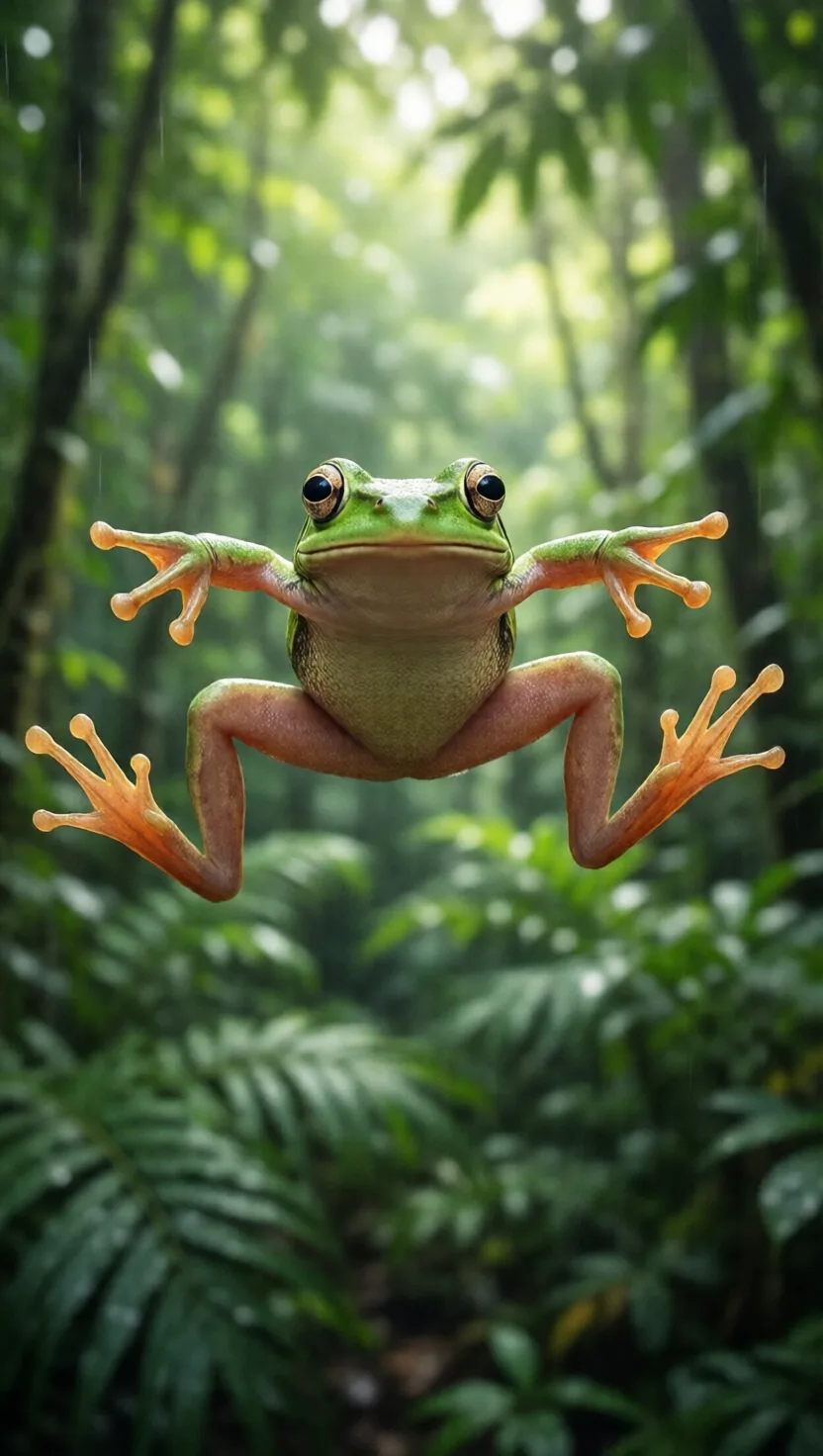
Wallace's flying frog lives high in Southeast Asian rainforest and rarely comes down. To move or escape it leaps and spreads four huge webbed feet plus skin flaps along its limbs, turning them into parachutes. The drag lets it glide on a long, controlled slant, many metres across and gently down, from one trunk to the next, landing softly on sticky toe pads.
The world's biggest frog builds its own ponds

The world's biggest frog builds its own ponds

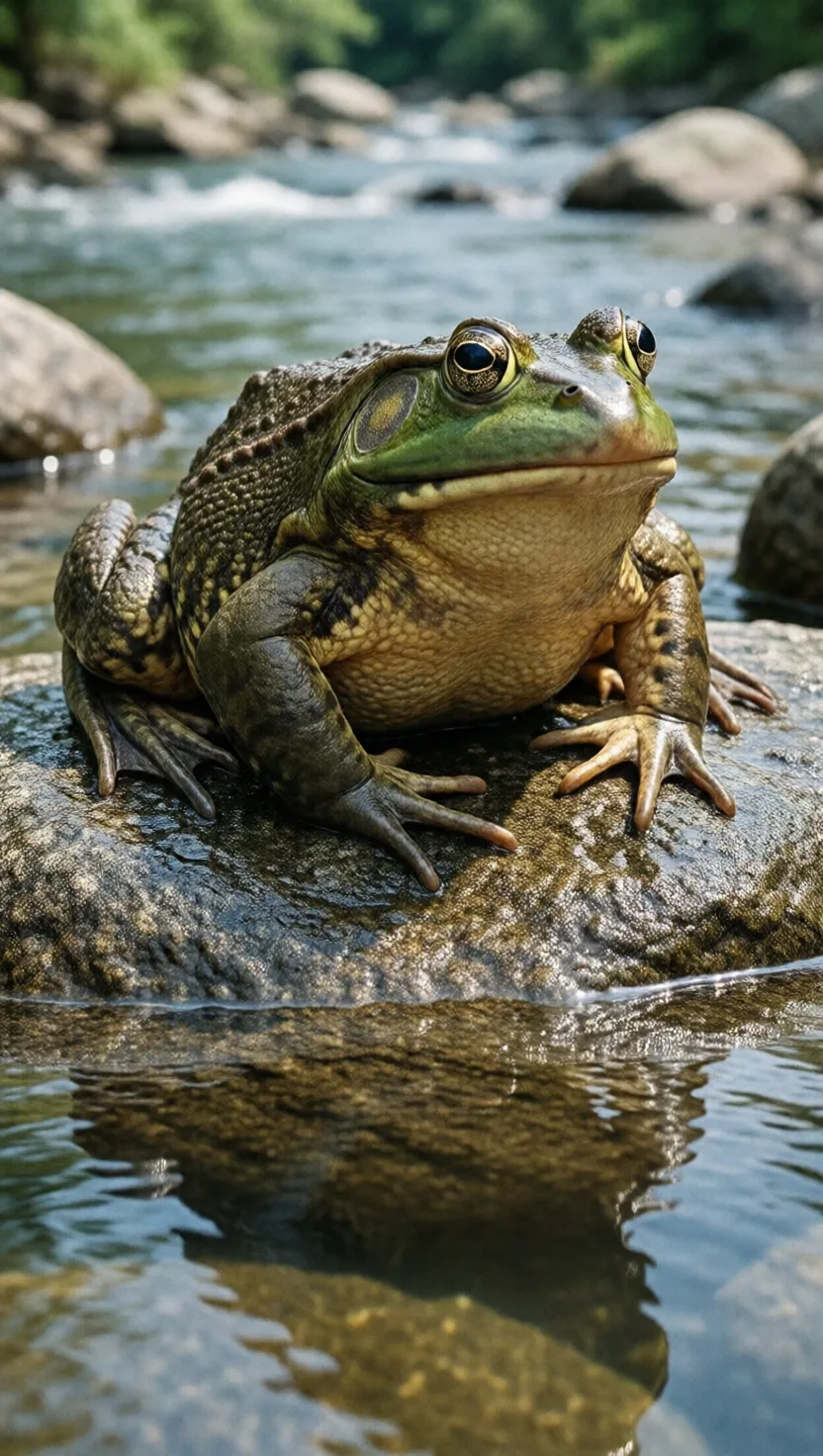
The goliath frog of Cameroon grows to the size of a house cat, up to about 3.3 kilograms and a third of a metre long. Scientists found it earns that bulk: it shoves rocks weighing as much as itself to wall off little nursery pools beside fast rivers, where its eggs and tadpoles stay safe from the current. The heavy lifting may help explain how such a giant frog evolved.
tap →swipe ↑ for depthswipe ↓ to exit