Eight things about lightning, storms, and the sky

DC·10 Deep Cuts
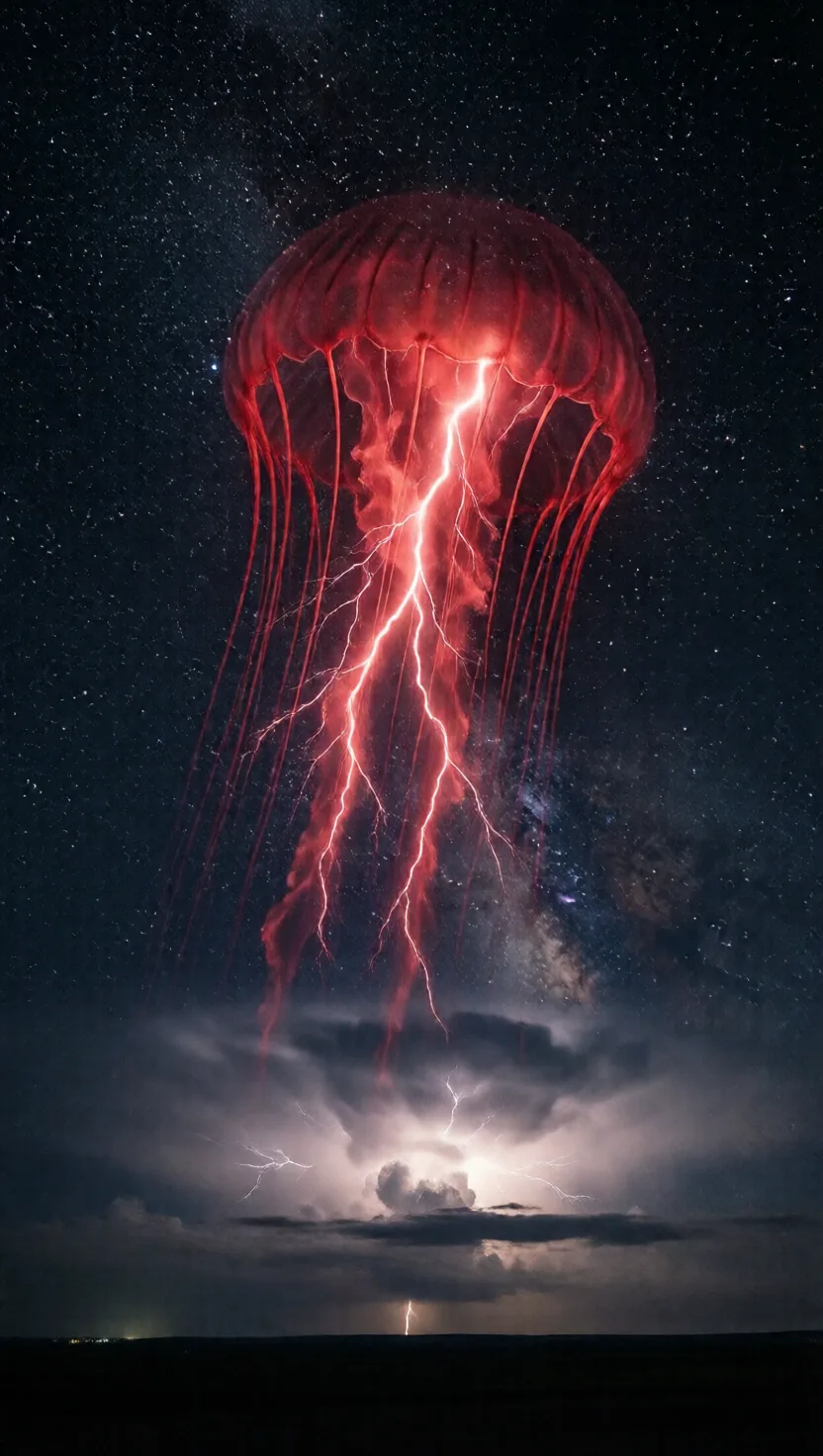
Some lightning shoots up, toward space

Some lightning shoots up, toward space

Above big thunderstorms, faint red flashes leap upward instead of striking down — reaching 50 to 90 km high, into the edge of space. Called sprites, they are triggered when a powerful positive bolt drains charge from the cloud, and they glow red because the thin upper air is mostly nitrogen. Each one lasts only a few thousandths of a second, which is why no one managed to photograph one until 1989.
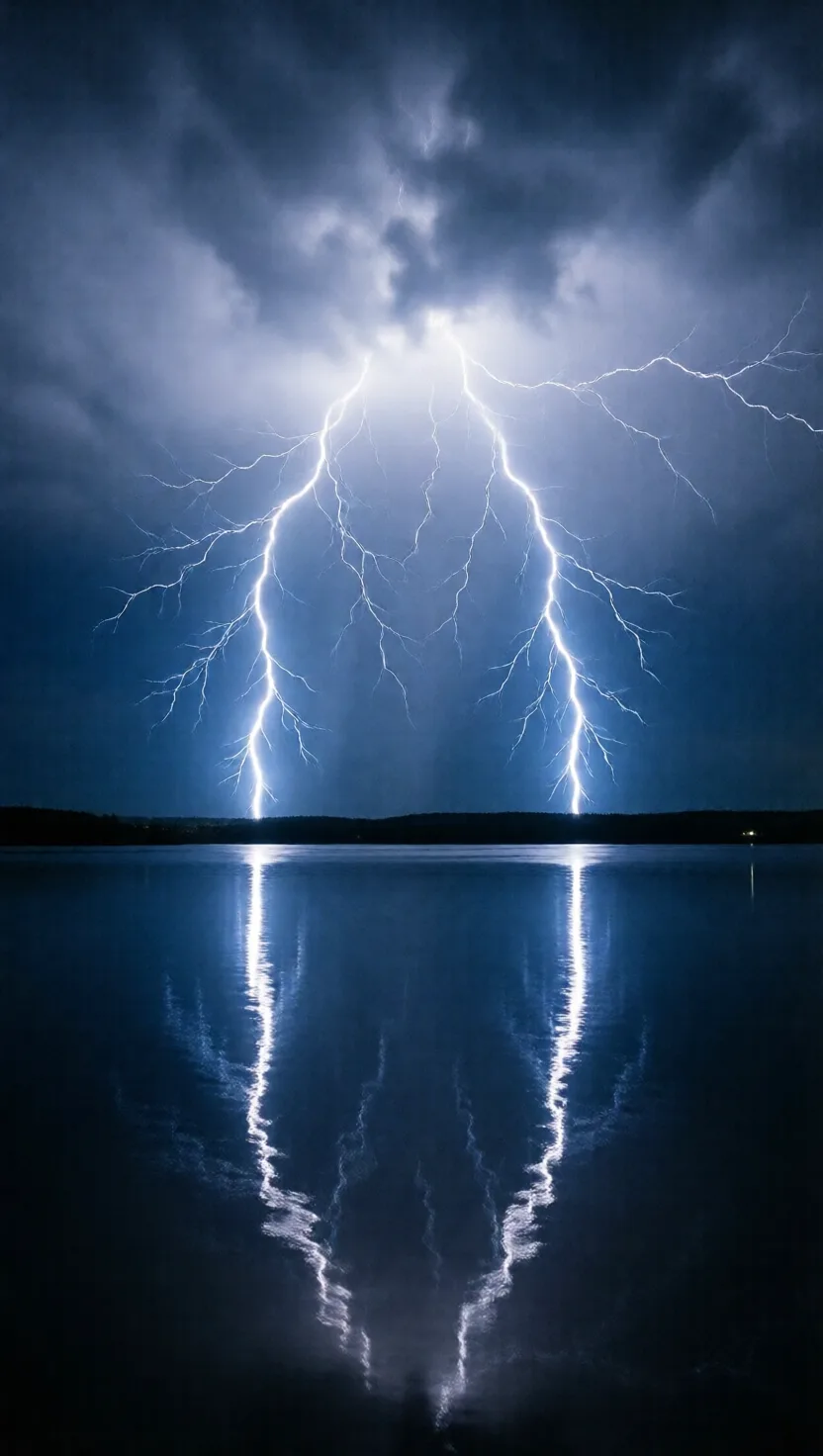
One lake on Earth storms almost every night

One lake on Earth storms almost every night

Where a river meets a great lake in Venezuela, lightning flickers on roughly 140 to 160 nights a year — sometimes for nine hours at a stretch, peaking near 28 flashes a minute. Warm air rising off the water collides with cool mountain winds night after night, making this the single most lightning-struck place on the planet. Sailors once steered by its glow, treating the storm as a natural lighthouse.
Lightning can fuse sand into glass

Lightning can fuse sand into glass

When a bolt slams into sandy ground it heats the grains past 1,800°C in about a second — hot enough to melt silica and weld it into a hollow glass tube that traces the lightning's path underground. These fragile, branching tubes are called fulgurites, or 'petrified lightning.' The rough, sand-crusted outside hides a smooth, sometimes glassy interior, formed where the heat was most intense.
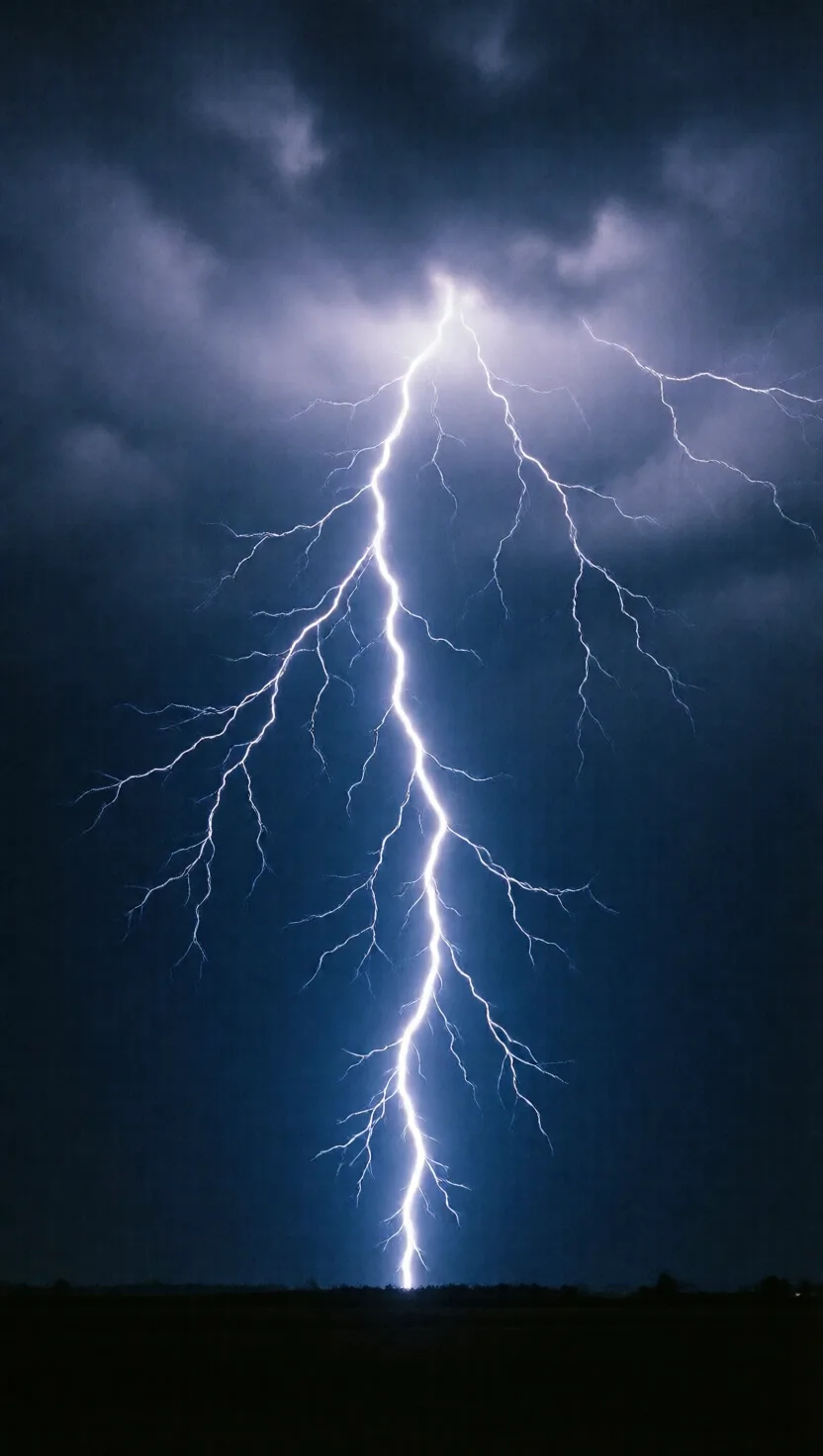
A lightning bolt is barely thumb-wide

A lightning bolt is barely thumb-wide

It looks like a jagged river of light, but the actual conductive channel of a lightning bolt is only about 2 to 3 centimetres across — roughly the width of your thumb. The blinding brightness fools the eye into seeing something far wider. That pencil-thin channel still carries tens of thousands of amperes and heats the surrounding air to several times hotter than the surface of the Sun.
Hail can fall the size of a grapefruit

Hail can fall the size of a grapefruit

The largest hailstone ever measured in the United States fell in South Dakota in 2010: 20 cm (8 inches) wide, 47 cm around, and nearly a kilogram — bigger than a grapefruit. Hail grows in layers, like an onion, as a storm's powerful updrafts hurl it up and down again and again, freezing on a fresh coat of ice each loop until it is finally too heavy for the wind to hold aloft.
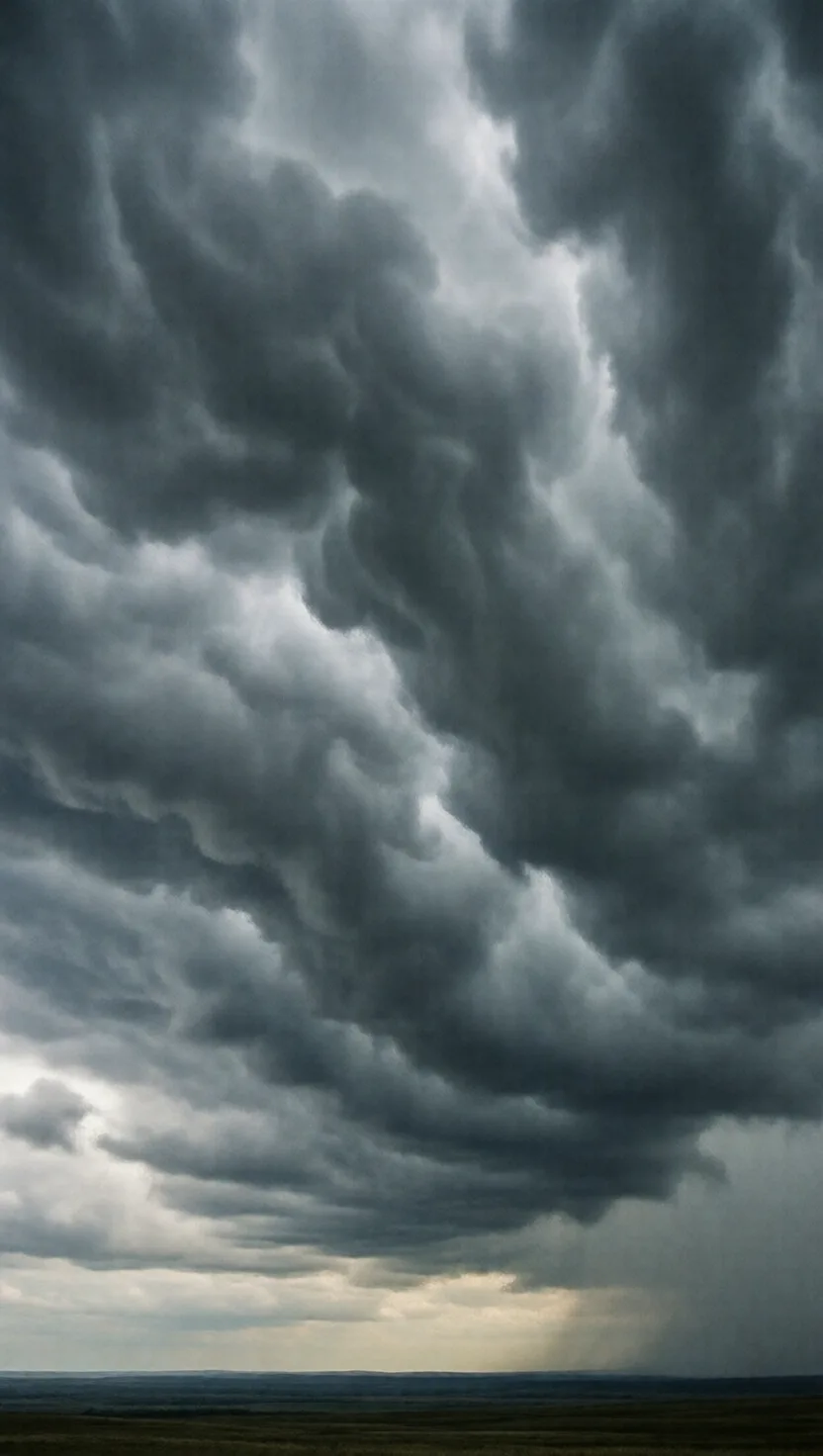
The first new cloud type named since 1951

The first new cloud type named since 1951

In 2017, meteorologists added asperitas to the official cloud atlas — the first brand-new classification in over half a century. Its underside looks like a stormy sea seen from below: dark, rolling waves and troughs with no clear direction. The name is Latin for 'roughness.' It took a wave of amateur photographs, gathered by a cloud-spotting society, to convince the experts it was real and distinct.
For one second, the sun flashes green

For one second, the sun flashes green

Just as the last sliver of the sun slips below a clean horizon, it can flare vivid green for a second or two. It is not a trick of the eye: the atmosphere acts like a weak prism, bending the sun's light and splitting off its colours. The blue is scattered away, leaving a brief, pure-green rim to reach you last. You need a flat, distant horizon and very clear air, which is why it feels almost mythical.
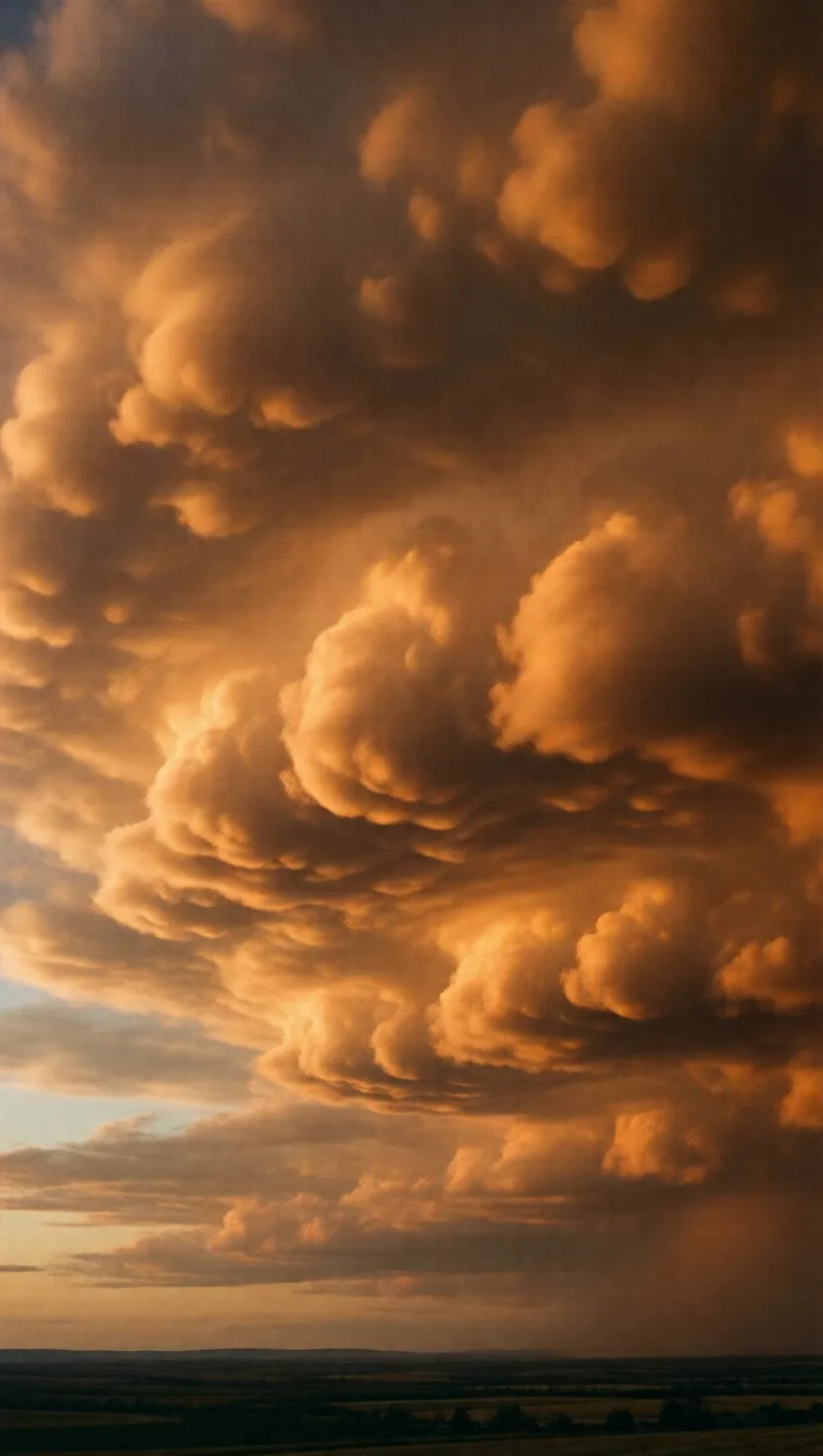
Some clouds grow downward, not up

Some clouds grow downward, not up

Most clouds build upward on rising warm air. Mammatus clouds do the opposite: pouch-like lobes that bulge downward from a storm's underside. They form when cold, moisture-heavy air sinks instead of rises — ice crystals evaporate, chilling the air further so it drops faster, sagging into rounded sacs. Often trailing a severe thunderstorm, they are a sign the worst may have just passed.
tap →swipe ↑ for depthswipe ↓ to exit