Eight things from the frozen world

DC·08 Deep Cuts
The sea grows an icicle that kills

The sea grows an icicle that kills

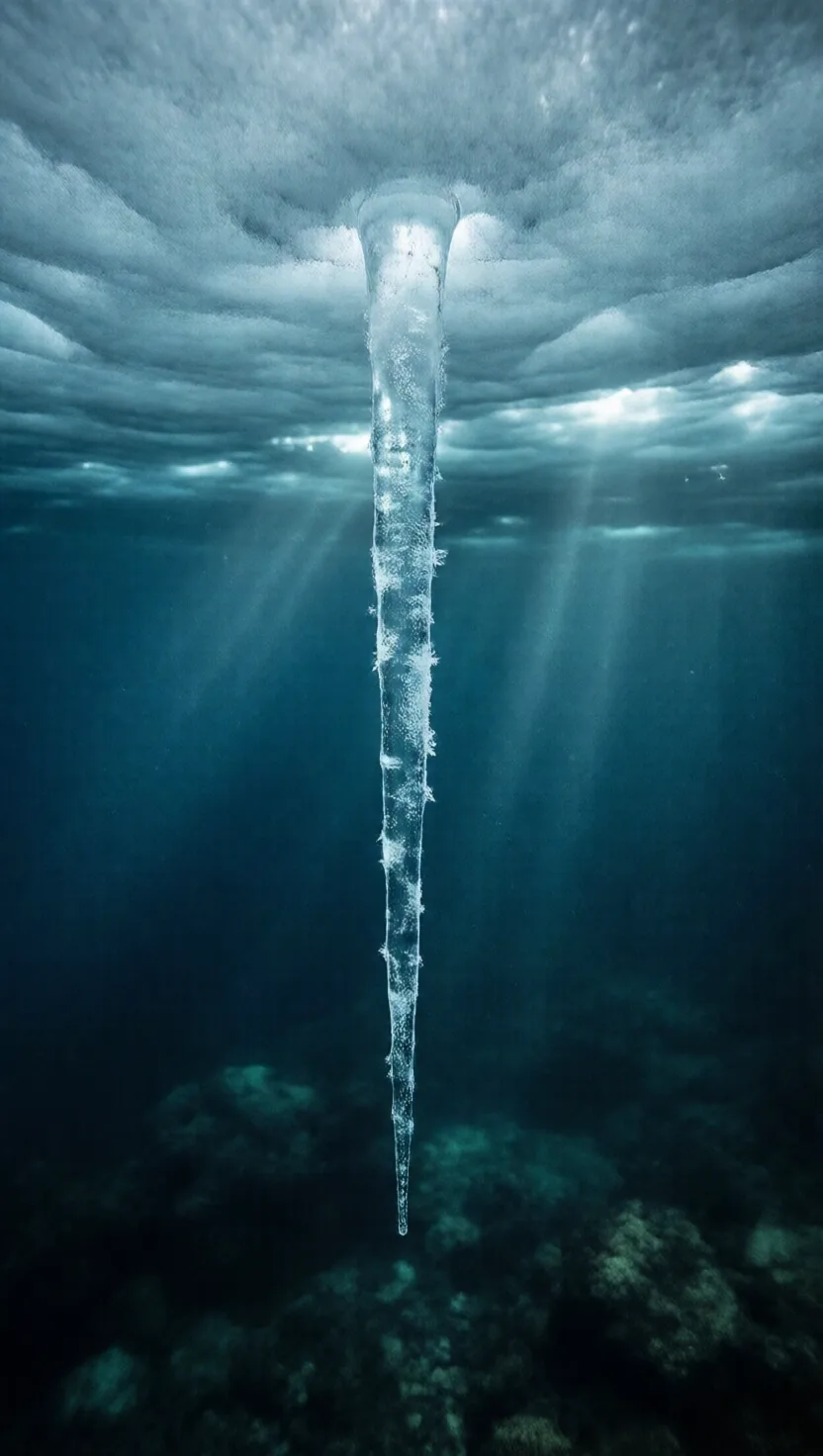
When seawater freezes, it squeezes out super-cold, super-salty brine. That dense brine sinks in a plume and freezes the seawater around it into a hollow tube — a brinicle — that grows downward at up to two centimetres a minute. If it reaches the seabed it freezes slow-moving creatures like starfish and sea urchins where they sit. Divers in Antarctica once filmed one spreading across the bottom like creeping frost.
Flowers of ice bloom on the frozen sea

Flowers of ice bloom on the frozen sea

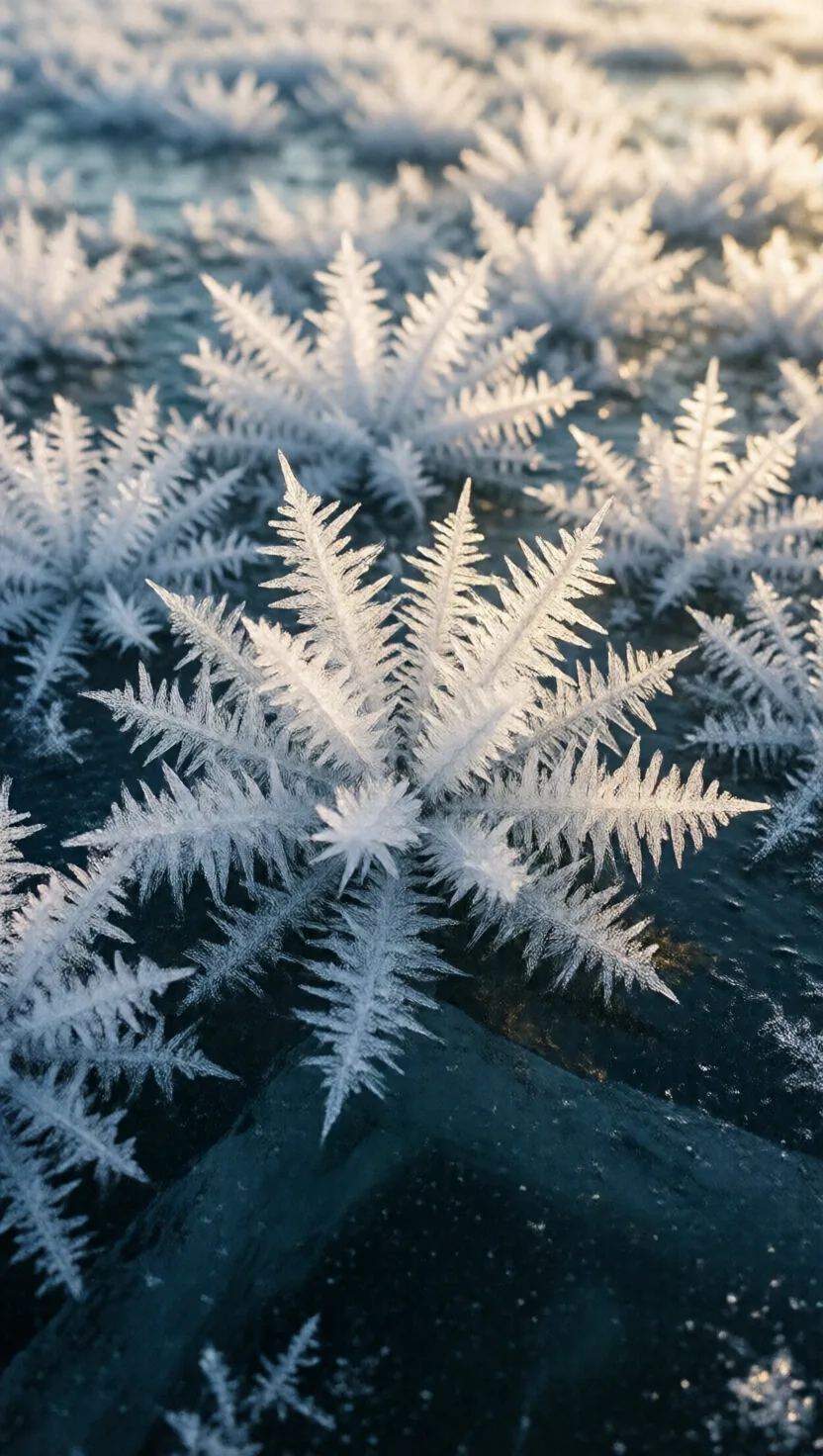
On brand-new sea ice, in still air at least 15°C colder than the ice itself, water vapour crystallises into delicate spiky blooms called frost flowers. They wick up brine until they are about three times saltier than seawater — and each fragile flower teems with millions of bacteria, making these the unlikeliest gardens on Earth, alive in the dark of the polar winter.
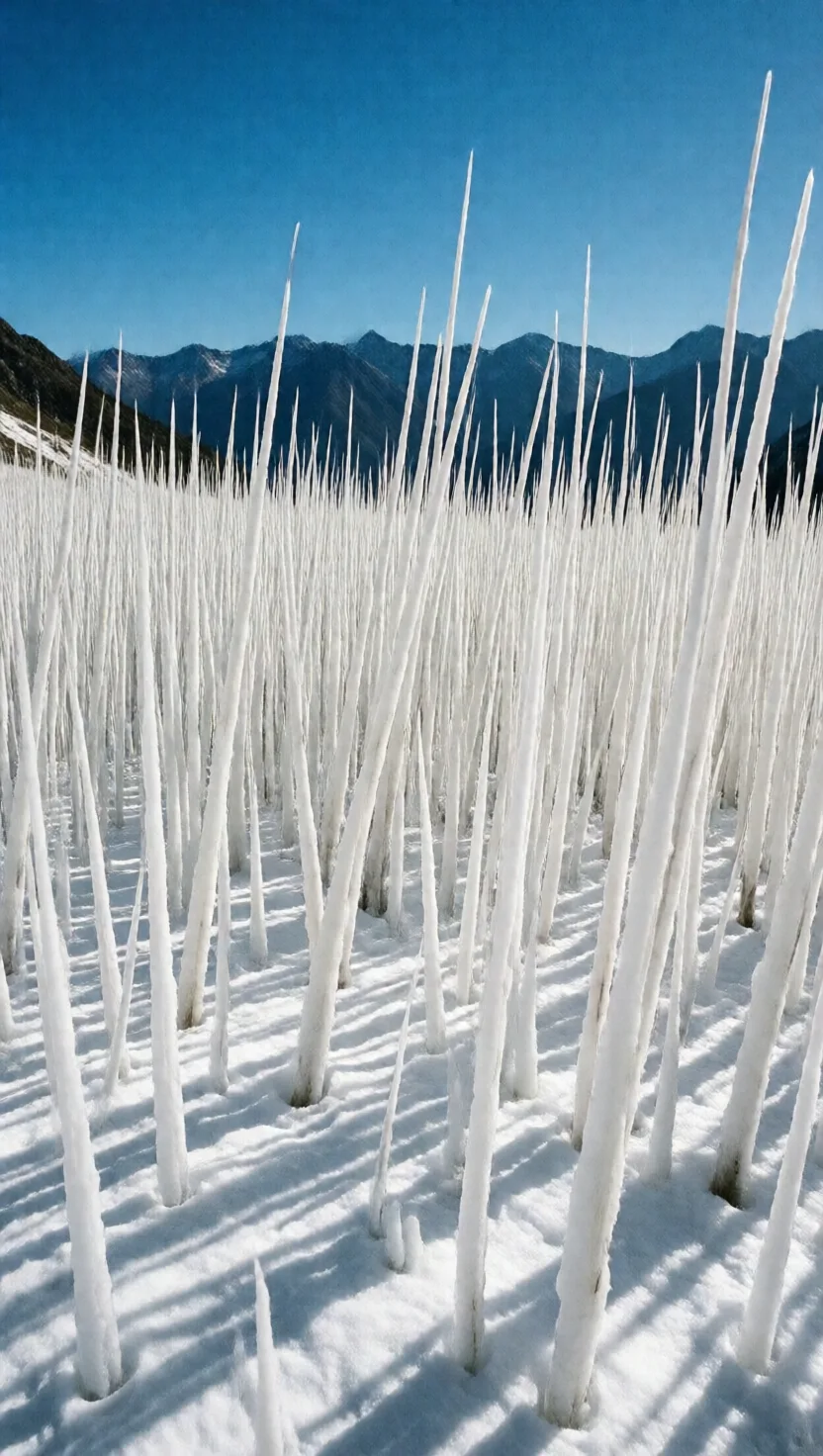
Fields of snow grow into towering blades

Fields of snow grow into towering blades

Above 4,000 metres in the dry Andes, snowfields don't melt flat — they erode into forests of thin ice spikes called penitentes, some taller than a person, all leaning toward the midday sun. Bright sunlight and bone-dry air turn ice straight to vapour; tiny dips catch more light, deepen faster, and leave the high points standing as blades. Darwin described them back in 1839.
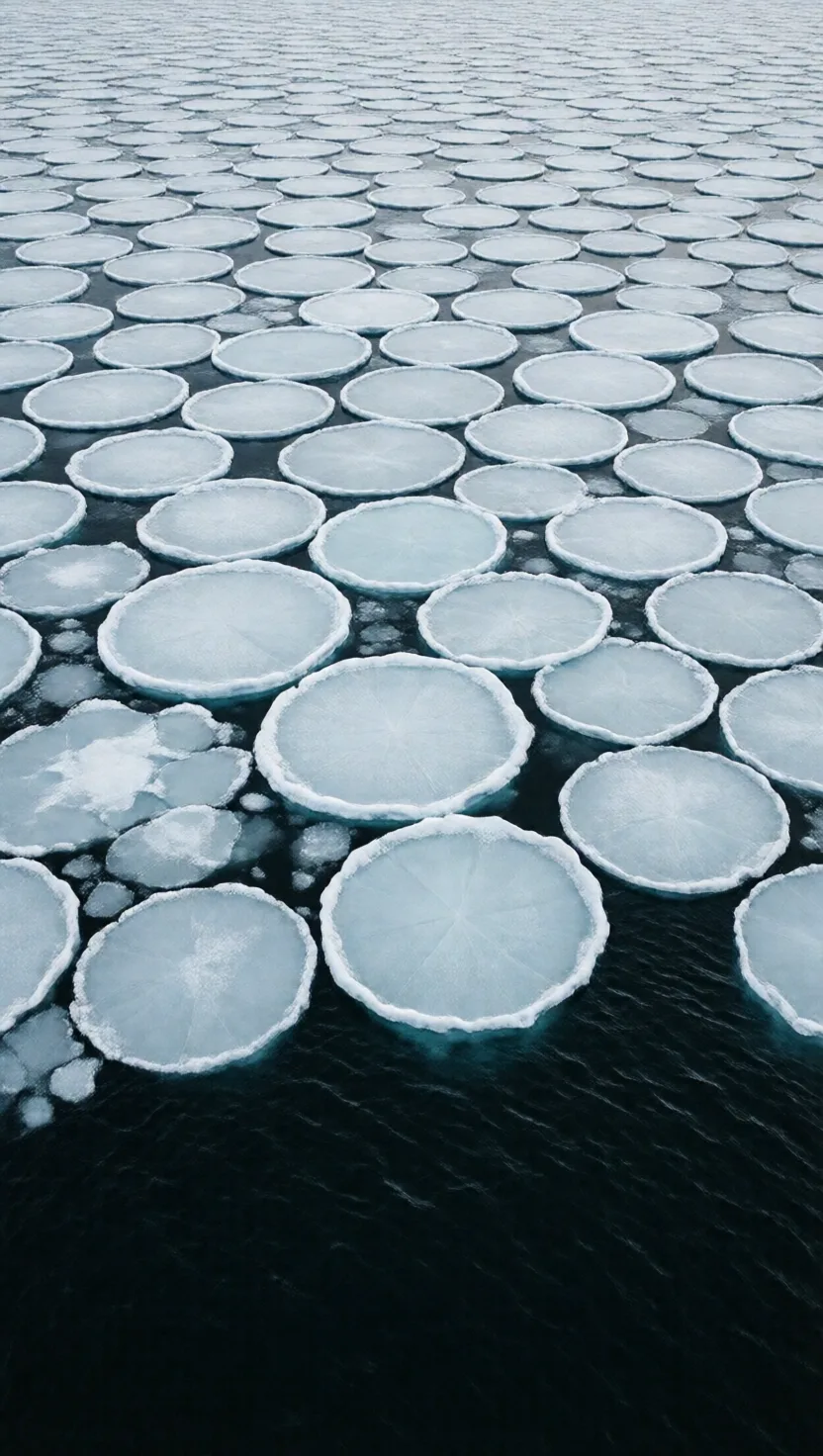
The sea freezes into rimmed pancakes

The sea freezes into rimmed pancakes

When a polar sea freezes while waves are still rolling, the new ice can't settle into a smooth sheet. Slushy discs bump and jostle, rounding each other off and piling slush onto their edges, so each one ends up a near-perfect plate with a raised rim — pancake ice. They range from dinner-plate size to three metres across, and a whole sea of them rises and falls with the swell.
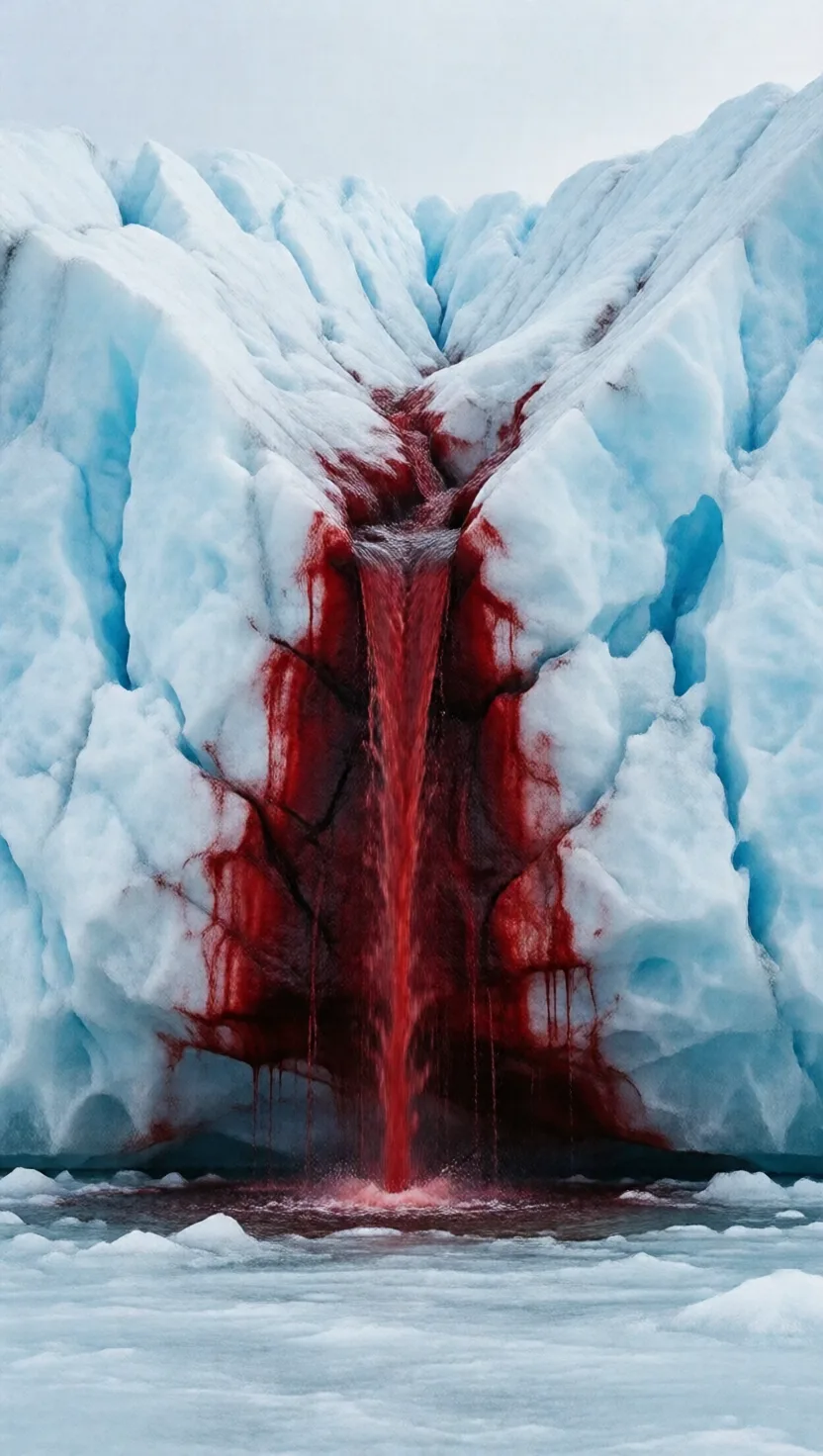
A glacier in Antarctica bleeds red

A glacier in Antarctica bleeds red

From the snout of Taylor Glacier, a dark crimson stain pours onto the ice. It isn't algae — it's brine sealed beneath about 400 metres of ice for millions of years, so salty it stays liquid at −7°C and so rich in iron that it rusts the instant it meets the air. The trapped water even hosts microbes that live with no sunlight and no oxygen.
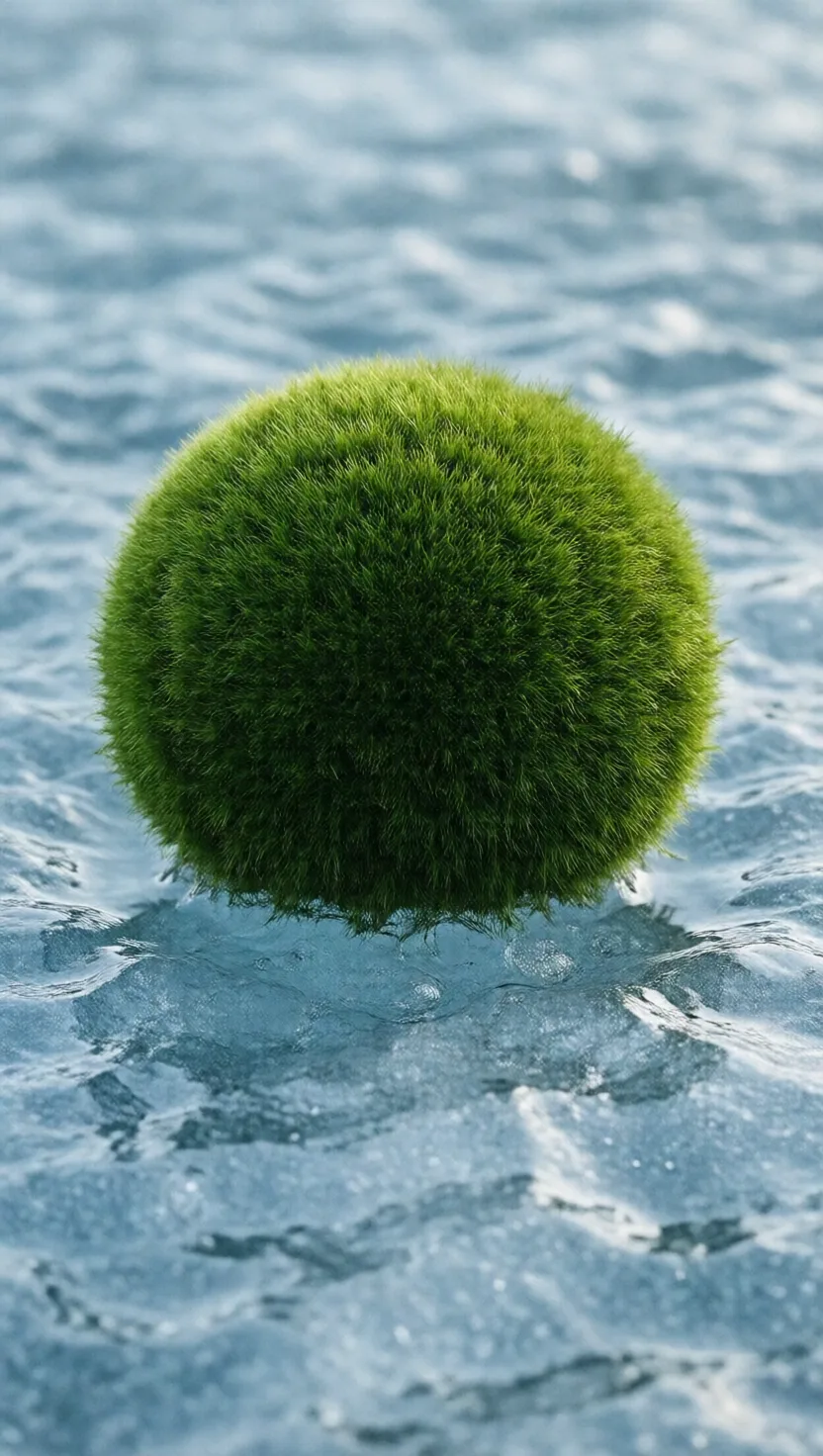
Balls of moss roam glaciers in herds

Balls of moss roam glaciers in herds

Scattered across some glaciers in Iceland and Alaska are oval cushions of moss nicknamed glacier mice. They aren't rooted to anything: each one shades the ice beneath it, ends up perched on a little pedestal, then topples off — so the whole ball rolls about an inch a day. Strangely, a whole herd drifts the same direction in unison, and individuals can survive six years or more. No one knows why they move together.
This ice holds air six million years old

This ice holds air six million years old

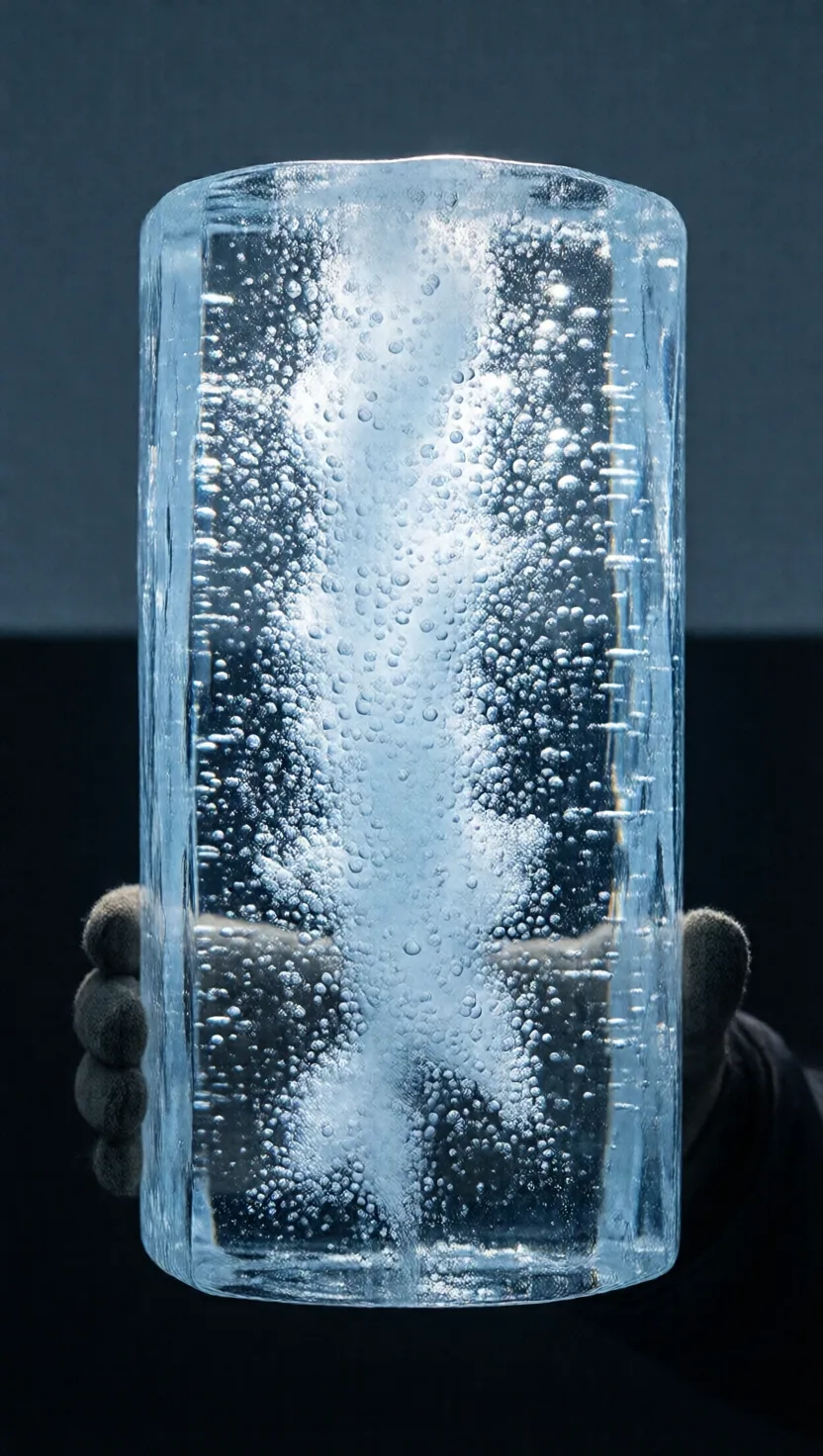
When snow buries snow and packs into glacial ice, it traps tiny bubbles of the air that was there at the time — sealed and unchanged for ages. Drill out a core and you're holding genuine ancient atmosphere. In 2025, scientists in Antarctica's Allan Hills recovered ice with air bubbles about six million years old, the oldest directly dated ice ever found: a literal breath of a warmer, vanished world.
Ice falls from a clear sky and rings the sun

Ice falls from a clear sky and rings the sun

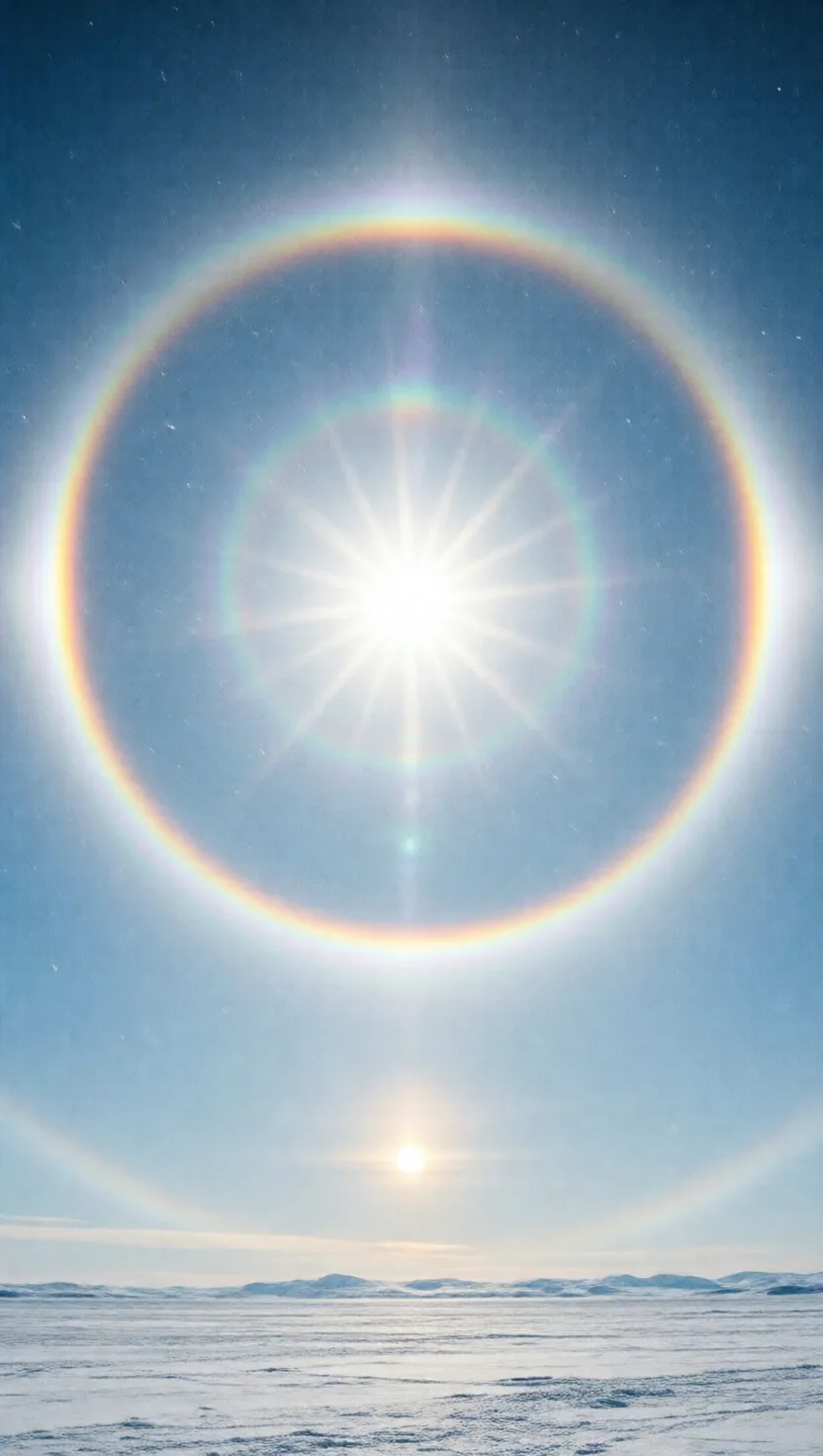
In deep polar cold, below about −10°C, water vapour can freeze straight into tiny hexagonal crystals that drift down beneath an open blue sky — a ground-level cloud called diamond dust. As sunlight refracts through the falling crystals it paints glowing rings, arcs, and twin bright spots called sun dogs flanking the sun. In Antarctica it can hang in the air for days on end.
tap →swipe ↑ for depthswipe ↓ to exit