Eight things from the restless Earth

DC·07 Deep Cuts
Erupting volcanoes make their own lightning

Erupting volcanoes make their own lightning

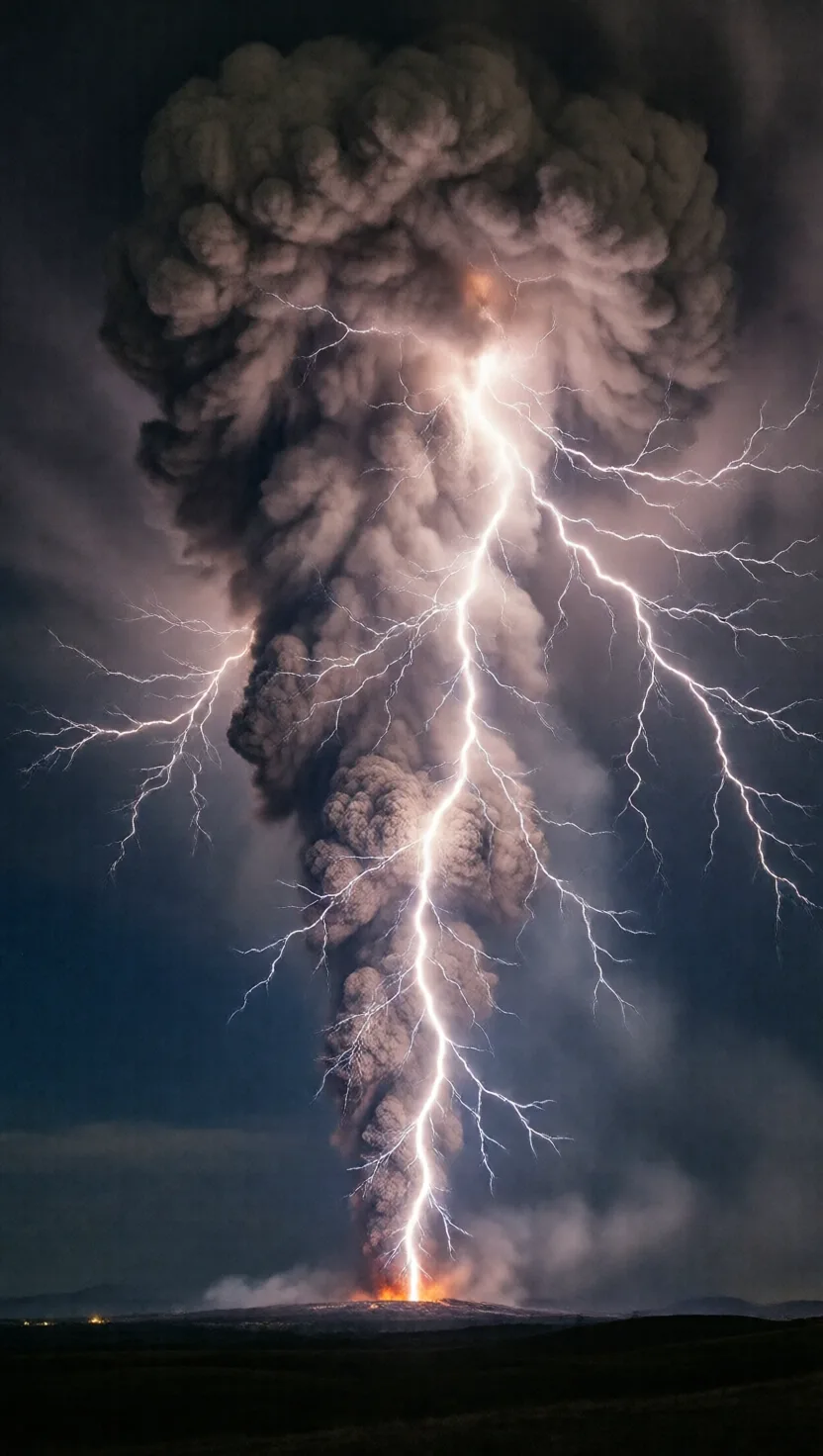
As magma shatters into ash, the grains rub and collide at tremendous speed, stripping electrons and building up enormous static charge — the same effect as scuffing socks on a carpet, scaled up to a sky full of rock. When the charge separation grows large enough it discharges as lightning, threading the ash column with branching bolts. Geologists call it a “dirty thunderstorm,” and it can crackle even when there isn’t a single ice crystal in the cloud.
Some surgeons cut with volcanic glass, not steel

Some surgeons cut with volcanic glass, not steel

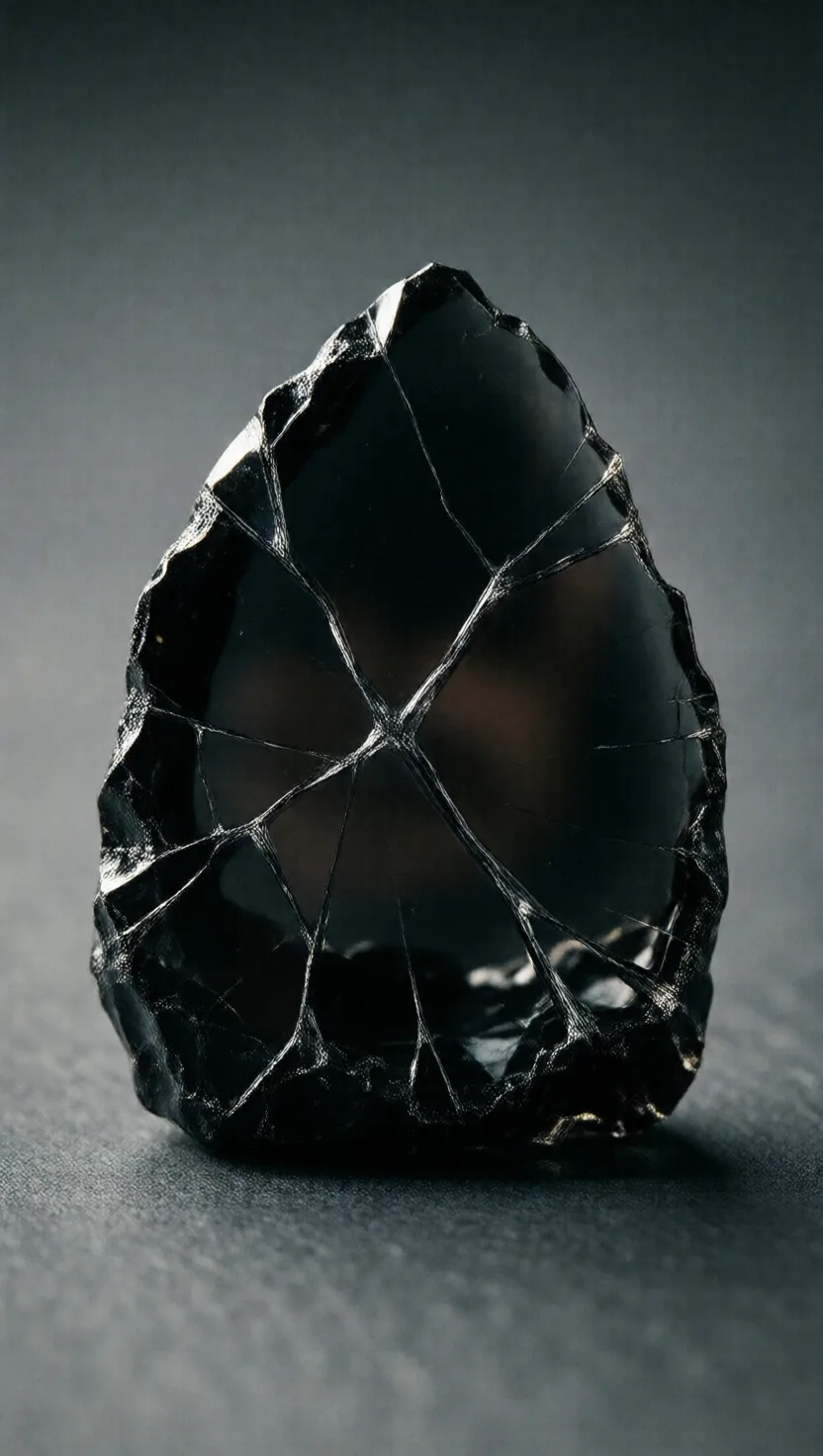
When lava cools too fast for crystals to form, it freezes into obsidian — a natural glass that fractures along an edge only about three nanometres wide, a few molecules thick. That is far finer than the best surgical steel, whose edge looks ragged as a saw under a microscope. A handful of surgeons use obsidian blades for delicate work, because the cleaner cut means less tissue damage and a fainter scar.
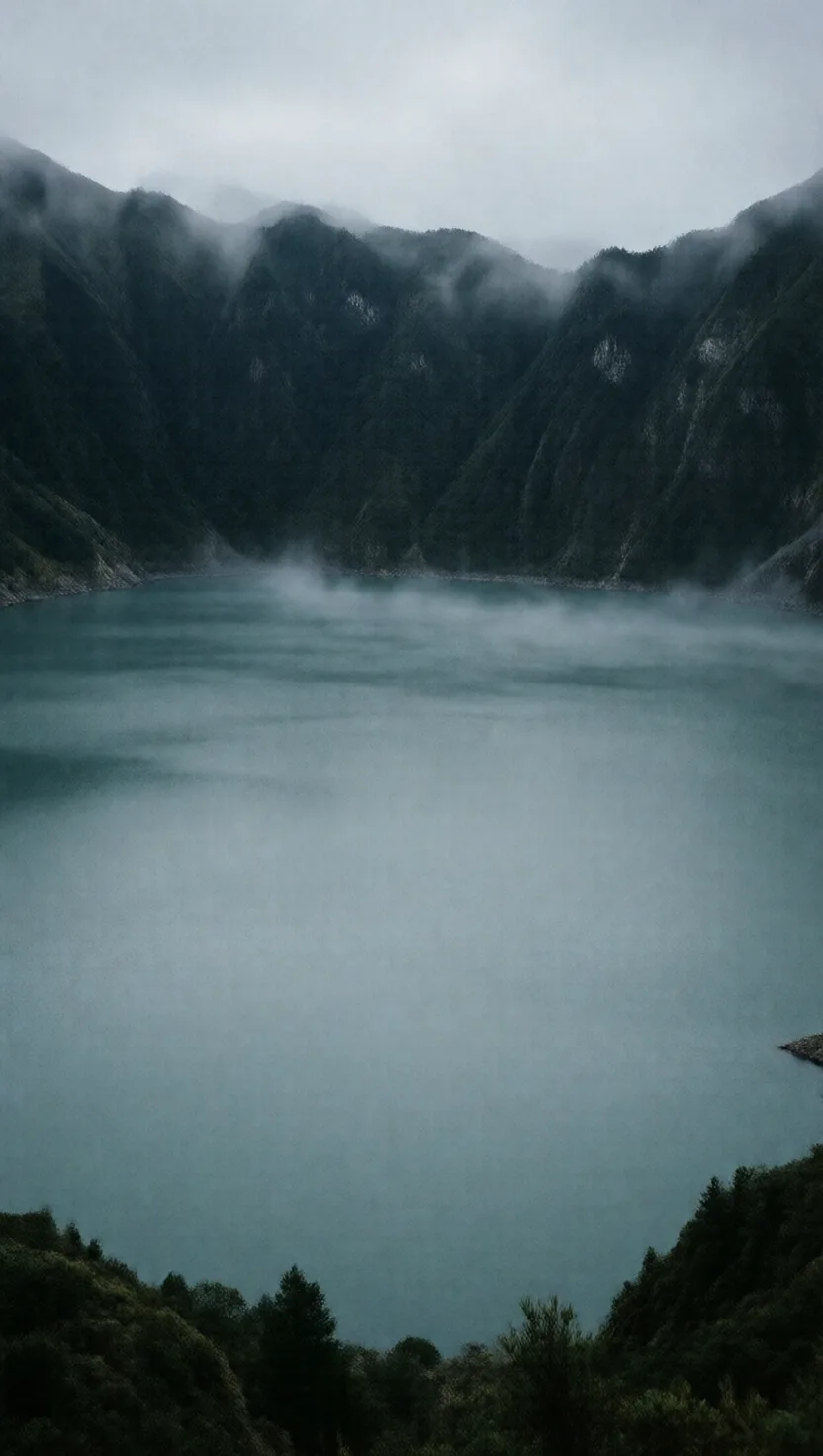
A calm lake suffocated 1,700 people in one night

A calm lake suffocated 1,700 people in one night

Magma deep beneath Cameroon’s Lake Nyos slowly leaks carbon dioxide into the bottom water, where pressure keeps it dissolved like fizz in a sealed bottle. On 21 August 1986 something jolted that deep layer and the lake “burst,” releasing a cloud of up to 300,000 tonnes of CO2. Heavier than air, it poured silently downhill and suffocated 1,746 people and 3,500 animals within minutes. Engineers now keep the lake degassed through pipes.
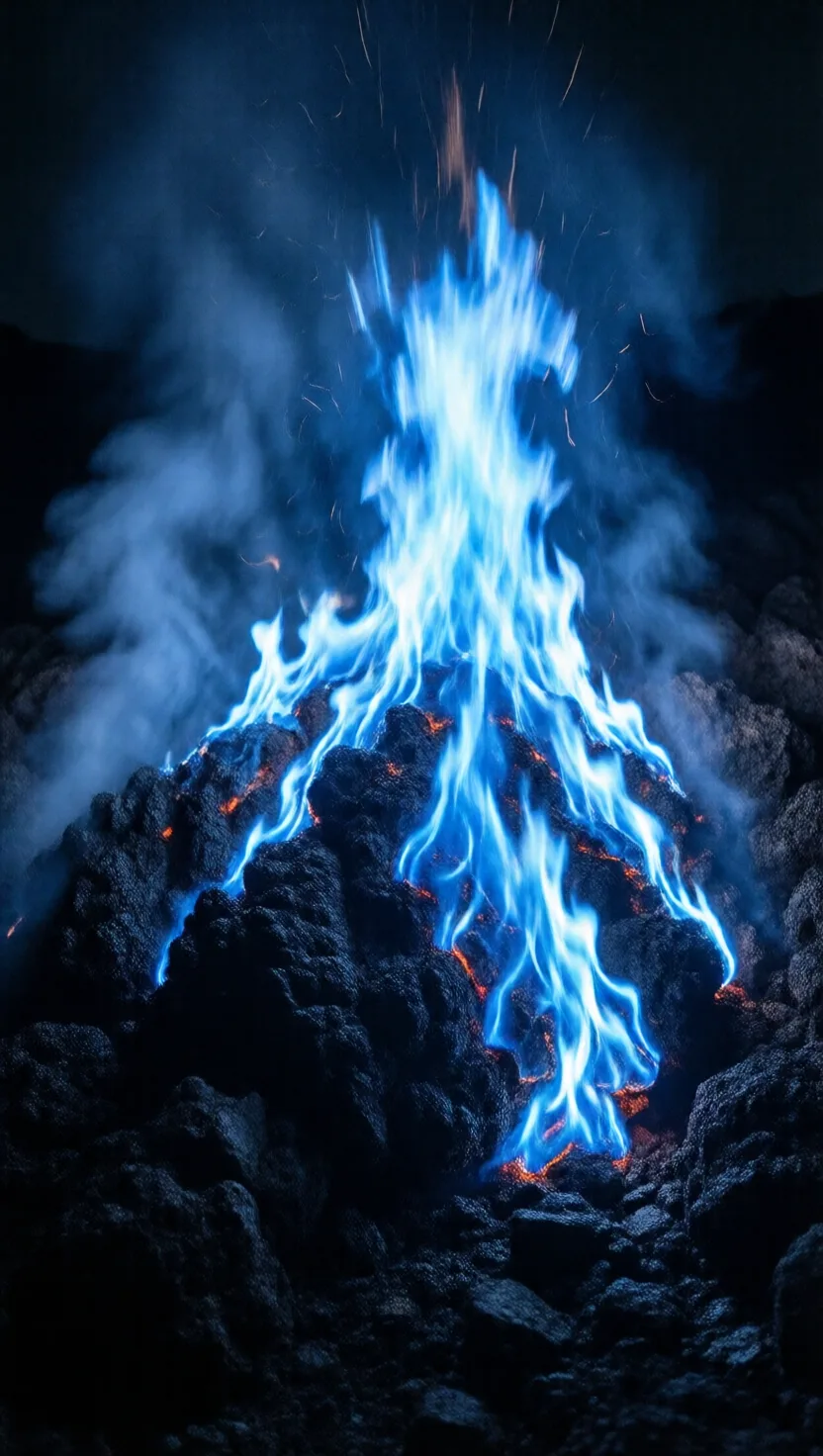
This volcano’s “blue lava” is actually burning gas

This volcano’s “blue lava” is actually burning gas

At Indonesia’s Ijen volcano, sulphur-rich gases escape from cracks at up to 600°C and burst into flame the instant they meet the air, glowing an eerie electric blue — sulphur’s signature colour as it burns. The flames reach up to five metres and sometimes drip molten sulphur down the rock, so it looks like luminous blue lava pouring downhill. It is not lava at all, and it is only visible in the dark.
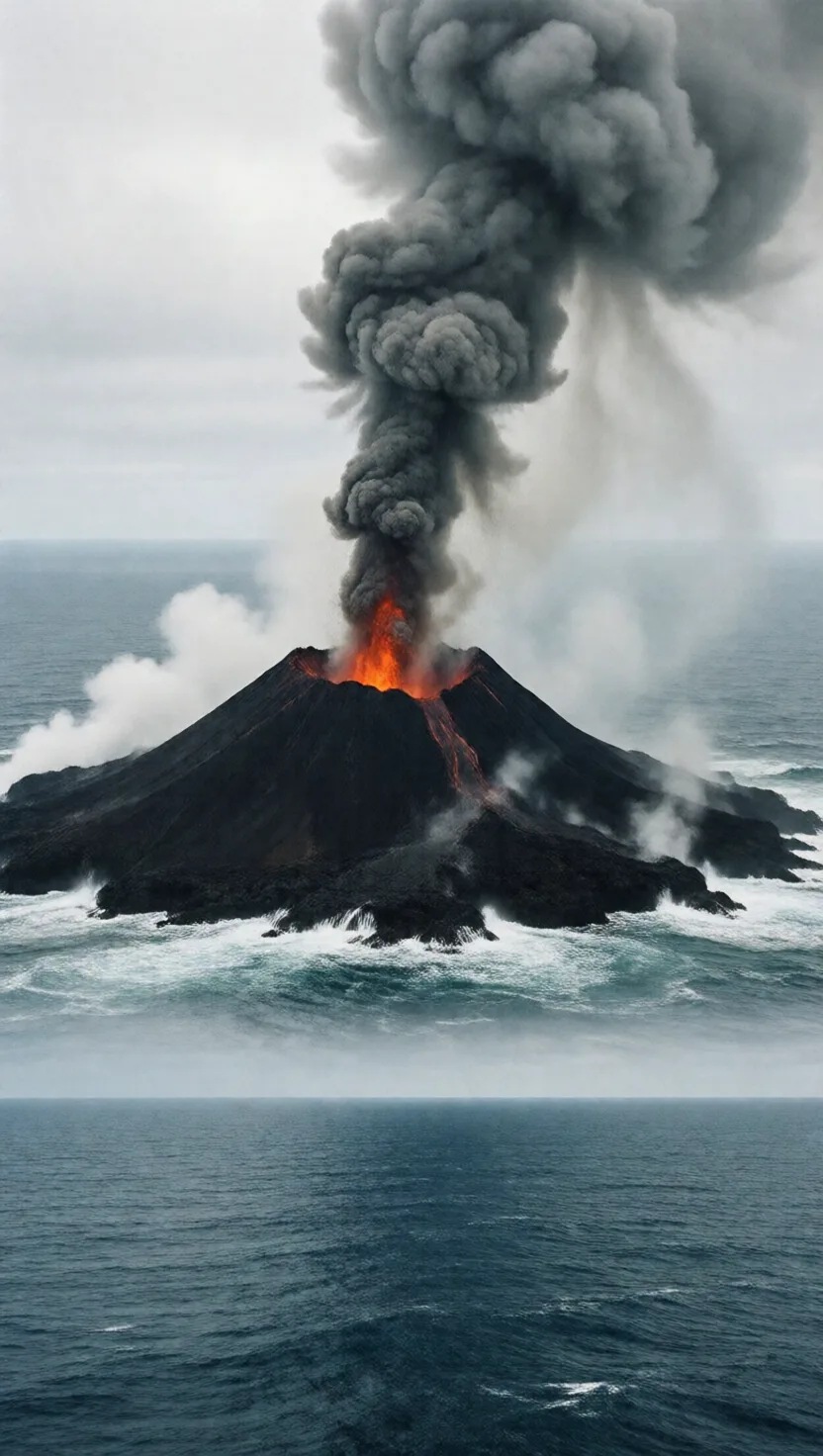
An entire island was born from the sea in 1963

An entire island was born from the sea in 1963

On 14 November 1963 fishermen off Iceland saw a dark column rising from the open Atlantic and thought a boat was burning. It was a volcano erupting from 130 metres down. Within ten days the lava and ash had piled high enough to breach the surface and form a new island. Named Surtsey, it grew until 1967, and scientists have kept it untouched ever since to watch life colonise brand-new land from scratch.
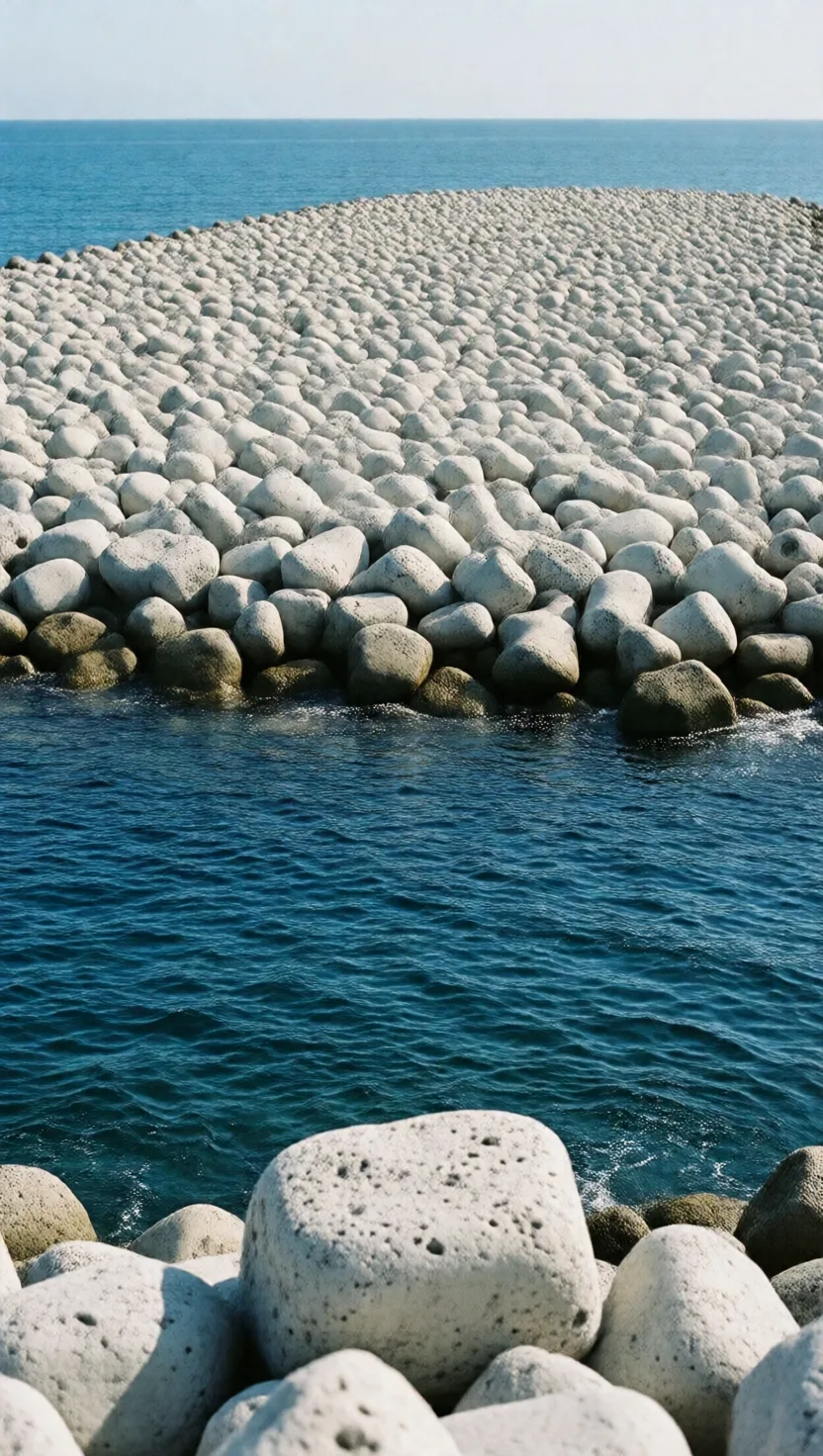
A raft of floating rock can sail across an ocean

A raft of floating rock can sail across an ocean

Pumice is so full of frozen gas bubbles that it floats. When an undersea volcano near Tonga erupted in 2019 it spat out a sheet of pumice covering about 150 square kilometres — the size of a city — that drifted for months toward Australia. Along the way barnacles, algae and corals settled on the stones, hitching a ride across the sea, so each lump became a tiny lifeboat ferrying reef life to new waters.
Only a handful of volcanoes hold a permanent lake of lava

Only a handful of volcanoes hold a permanent lake of lava

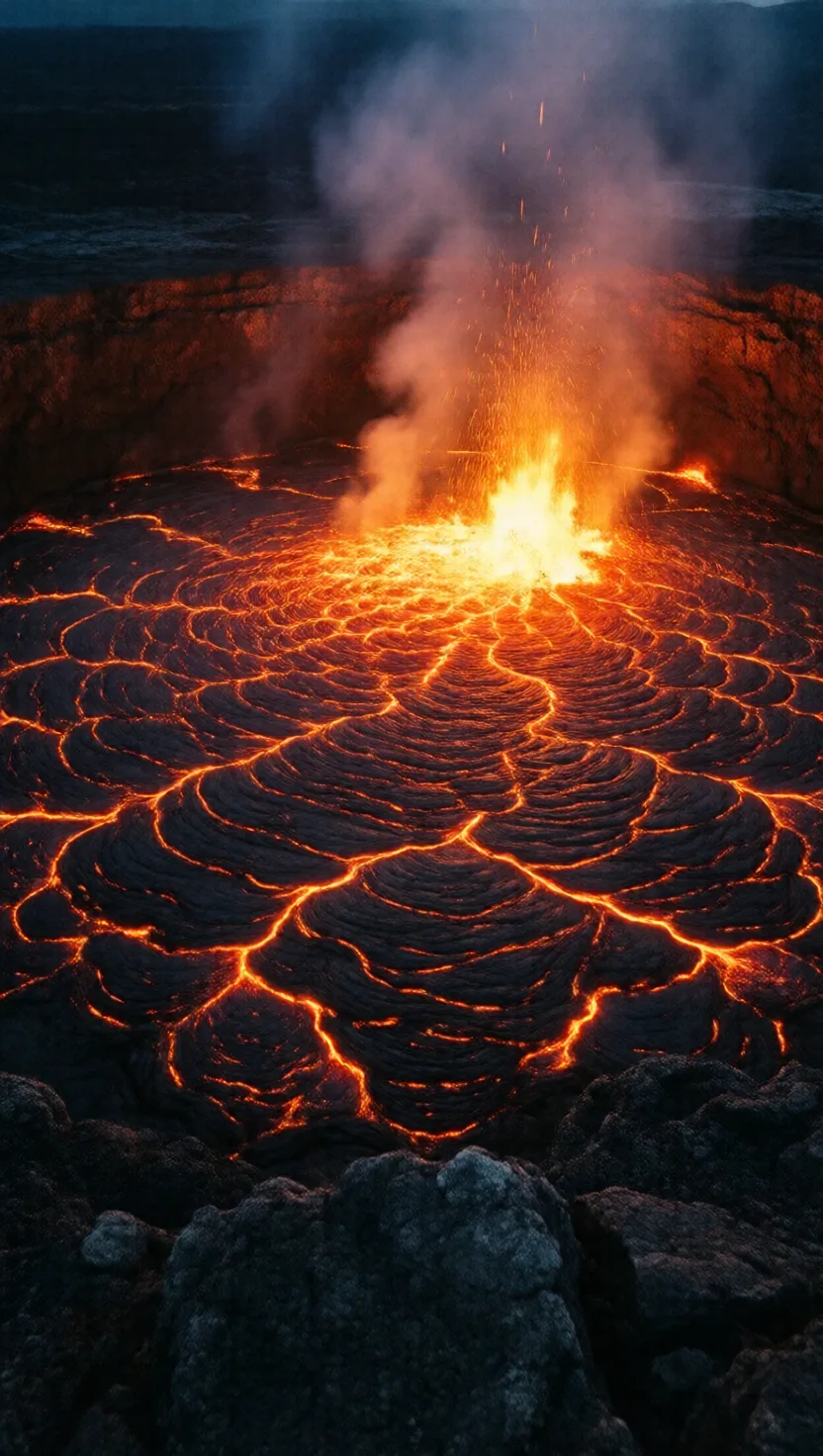
A lava lake is the rarest kind of volcanic feature: an open pool of molten rock that stays liquid for years because a hot conduit keeps feeding it from below. Earth has only about four or five at any time, including Ethiopia’s Erta Ale, which has churned since at least 1967. Its surface forms a thin dark crust that constantly cracks into glowing orange seams as the molten rock convects beneath.
A geyser is a kettle with a kink in its spout

A geyser is a kettle with a kink in its spout

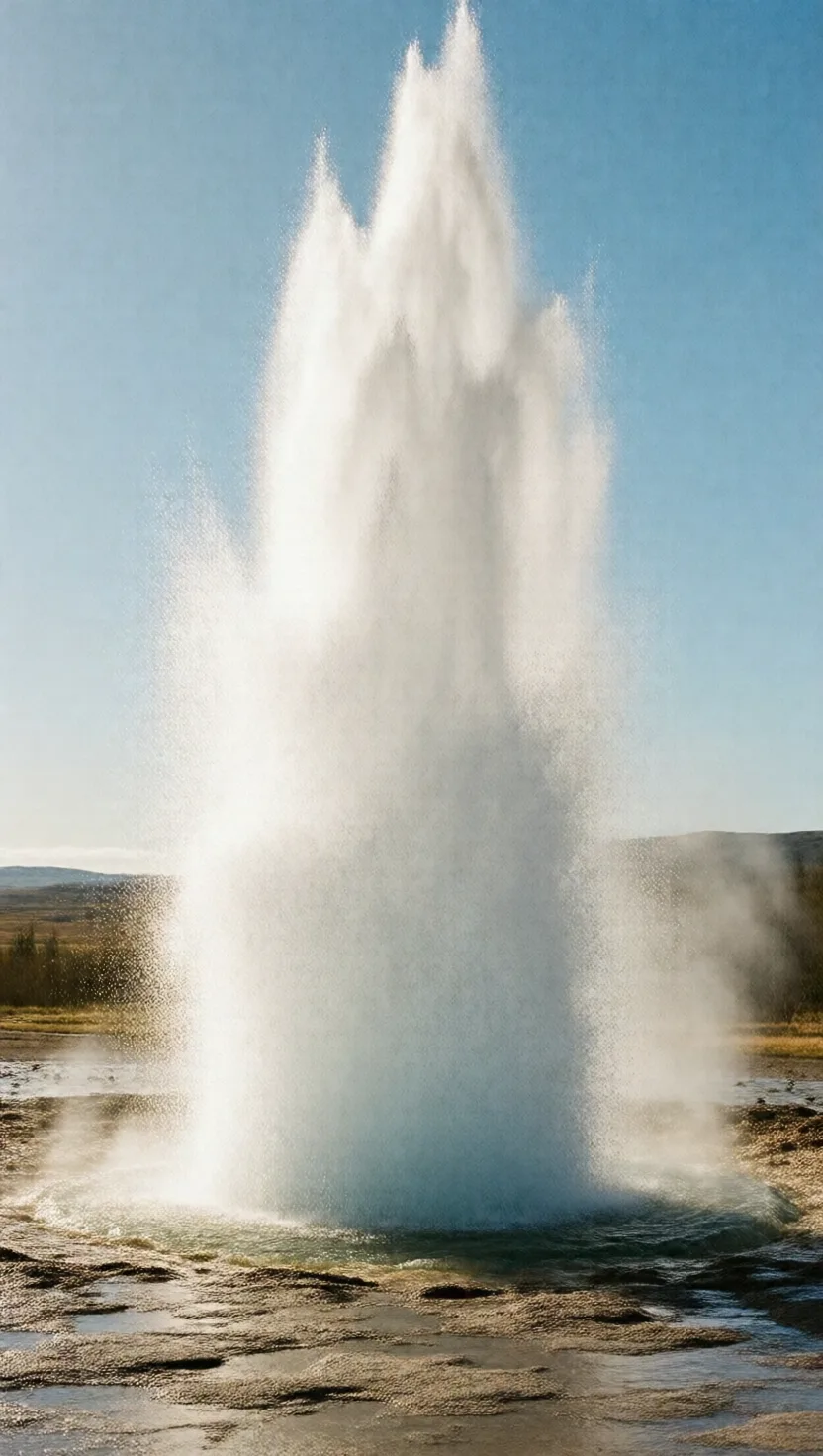
A geyser needs a narrow kink in its underground plumbing. Water pools below, heated far past normal boiling but held liquid by the weight of the water above. The constriction traps the pressure until the deep water finally flashes to steam; that steam shoves the column upward, the pressure drops, and the whole channel boils over at once — blasting a tower of scalding water and vapour into the air. Then it refills and waits.
tap →swipe ↑ for depthswipe ↓ to exit