Eight things from the lightless deep

DC·06 Deep Cuts
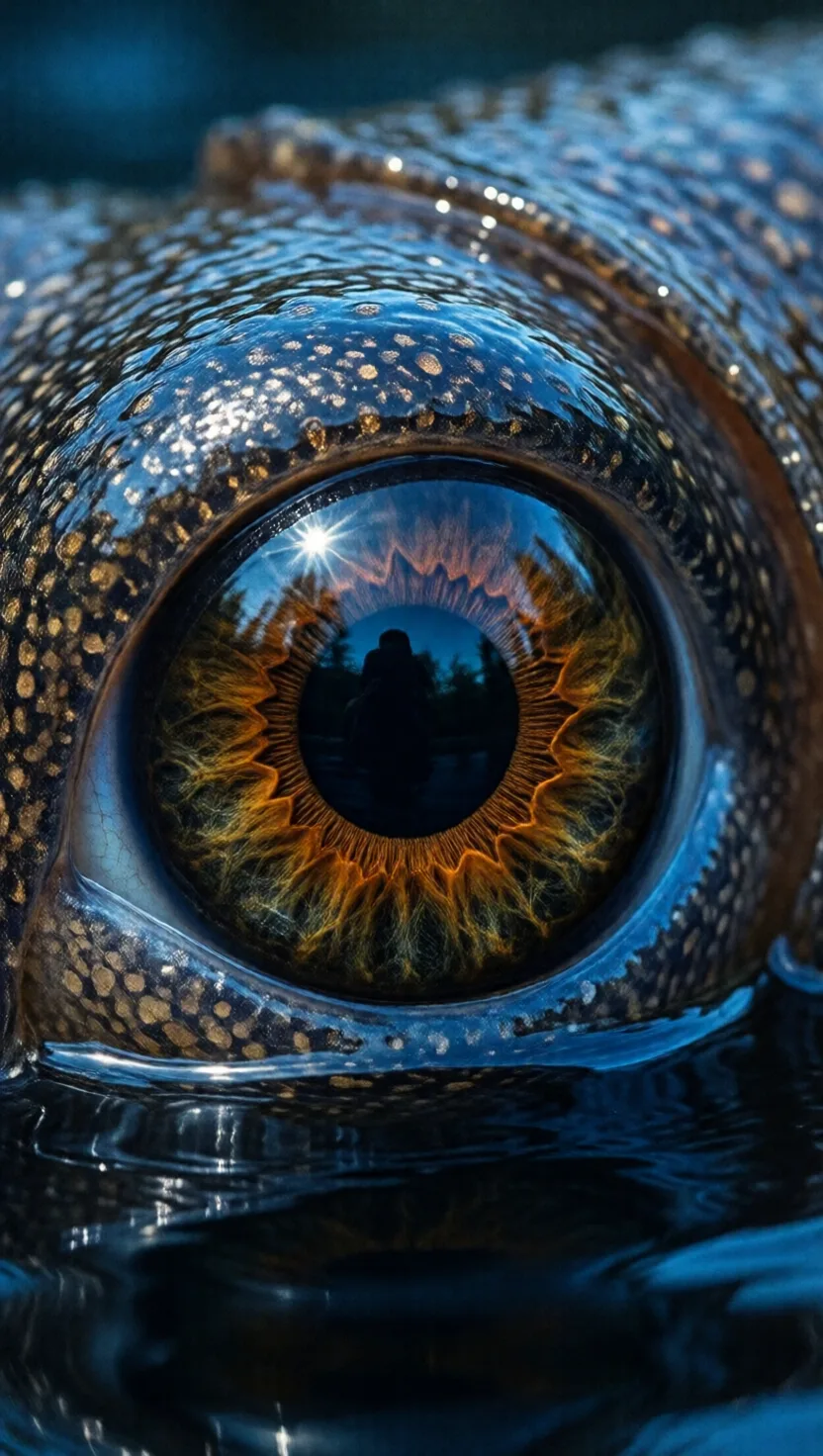
The deep ocean hides an eye the size of a dinner plate

The deep ocean hides an eye the size of a dinner plate

The colossal squid has the largest eyes ever measured on any animal — roughly 27 centimetres across, about the size of a dinner plate. In the lightless deep, eyes that enormous gather every faint photon, helping the squid spot the dim glow of an approaching predator, like a diving whale, long before it arrives.
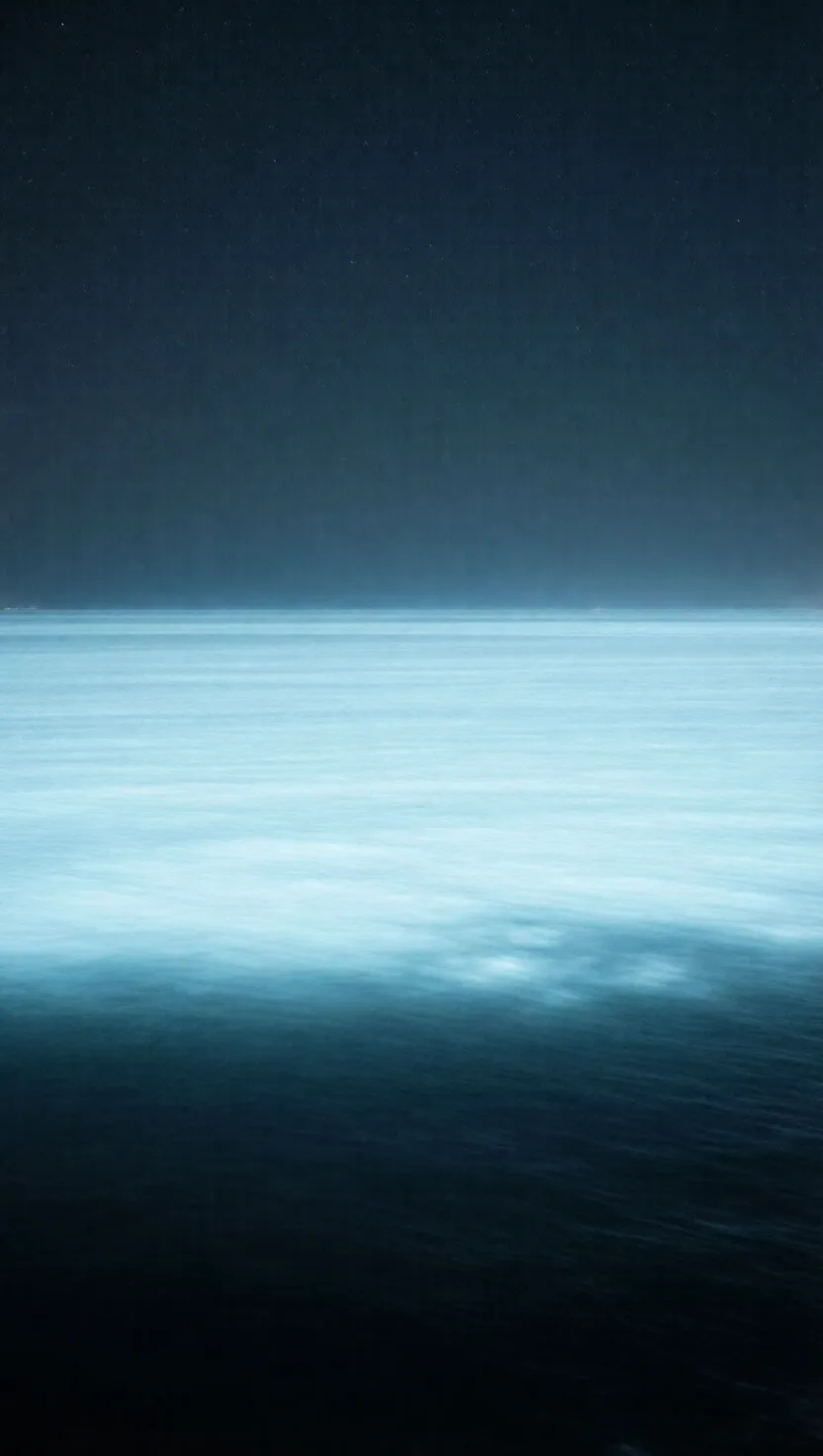
Sometimes the sea glows milky white for weeks

Sometimes the sea glows milky white for weeks

On rare nights, huge stretches of ocean shine a soft, steady white — bright enough to read by and broad enough to be seen from space. The light comes from countless luminous bacteria switching on together once their numbers grow high enough. One 2019 event lit up about 100,000 square kilometres of sea and lasted more than 40 nights.
Whole worlds thrive where the sun has never reached

Whole worlds thrive where the sun has never reached

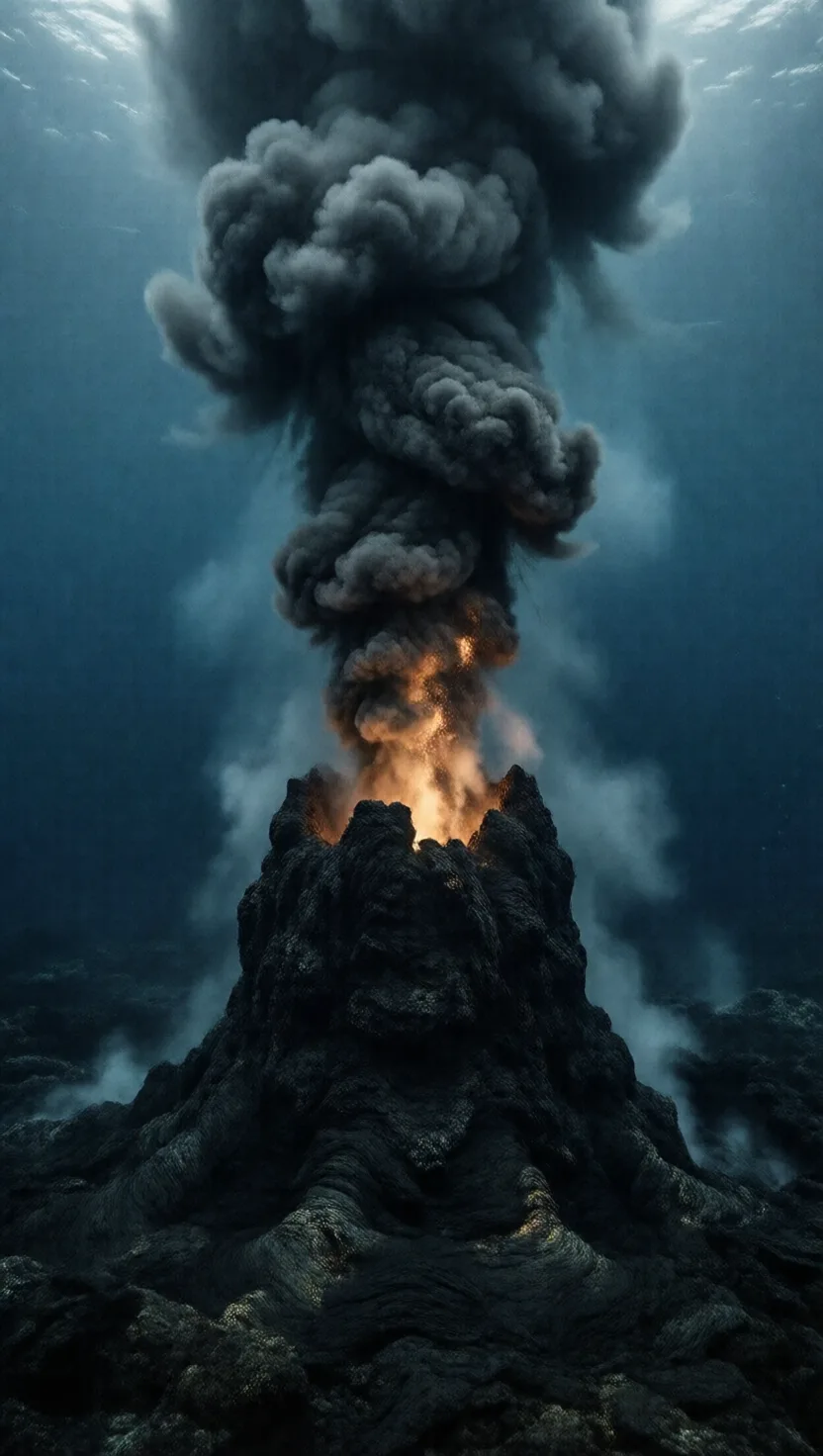
Around deep-sea vents, water superheated to roughly 400°C pours from mineral chimneys — yet dense communities flourish there in total darkness. Instead of feeding on sunlight, the bacteria at the base of the food web harvest energy straight from the chemicals in the vent fluid. It was the first proof that life on Earth doesn't always need the sun.
One dead whale can feed the deep for fifty years

One dead whale can feed the deep for fifty years

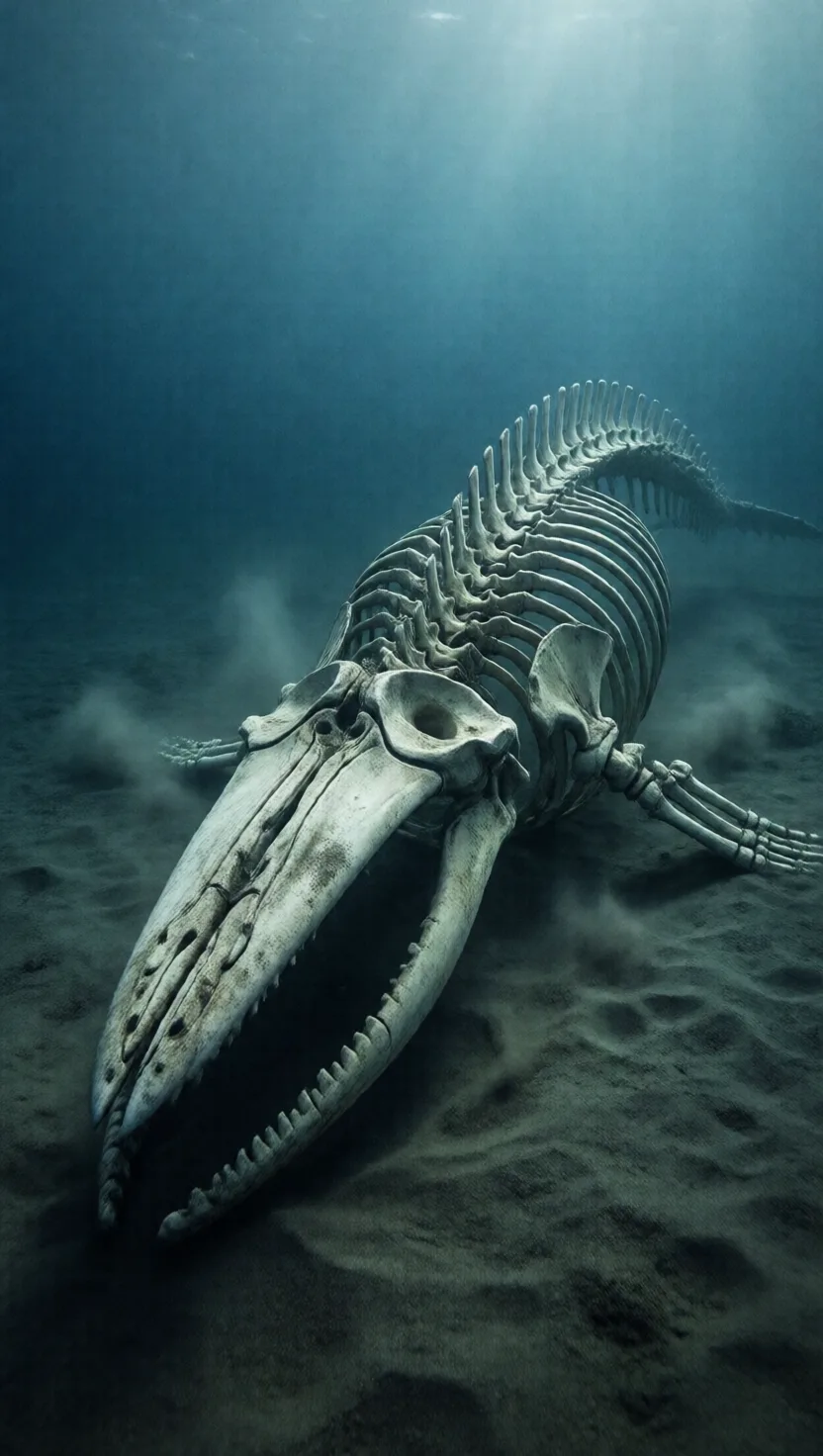
When a great whale dies and sinks, its body becomes a feast on the barren seafloor. Scavengers strip the flesh within months, but the slow story lasts far longer: bacteria break down the fat locked inside its bones for 50 years or more, sustaining dozens of specialised species that live almost nowhere else.
There's ice on the seafloor that catches fire

There's ice on the seafloor that catches fire

In cold, high-pressure water, methane gets trapped inside cages of frozen water, forming what looks like dirty snow. Bring a piece to the surface, hold a flame to it, and it burns — the ice melts while the freed gas ignites. These 'flammable ice' deposits lie worldwide, mostly between 500 and 3,000 metres deep.
It dives a mile down on a single breath

It dives a mile down on a single breath

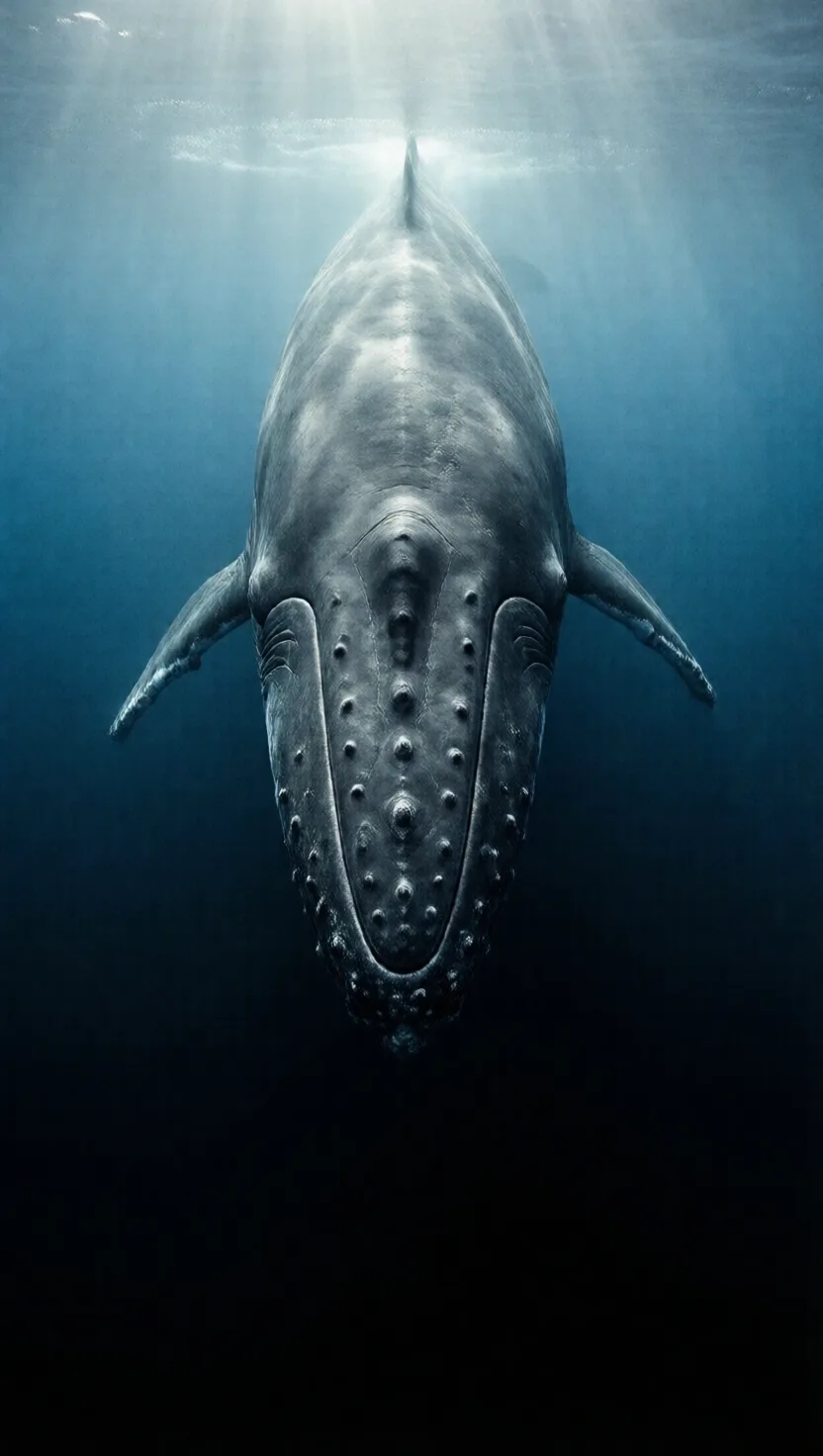
To hunt squid in the crushing dark, a sperm whale dives on one lungful of air — routinely past 1,000 metres, sometimes beyond 2,000, with the deepest recorded dives near 3 kilometres. It can stay under for up to two hours, navigating by echolocation in water pressure that would instantly crush a human body.
A fish thought dead for 66 million years turned up alive

A fish thought dead for 66 million years turned up alive

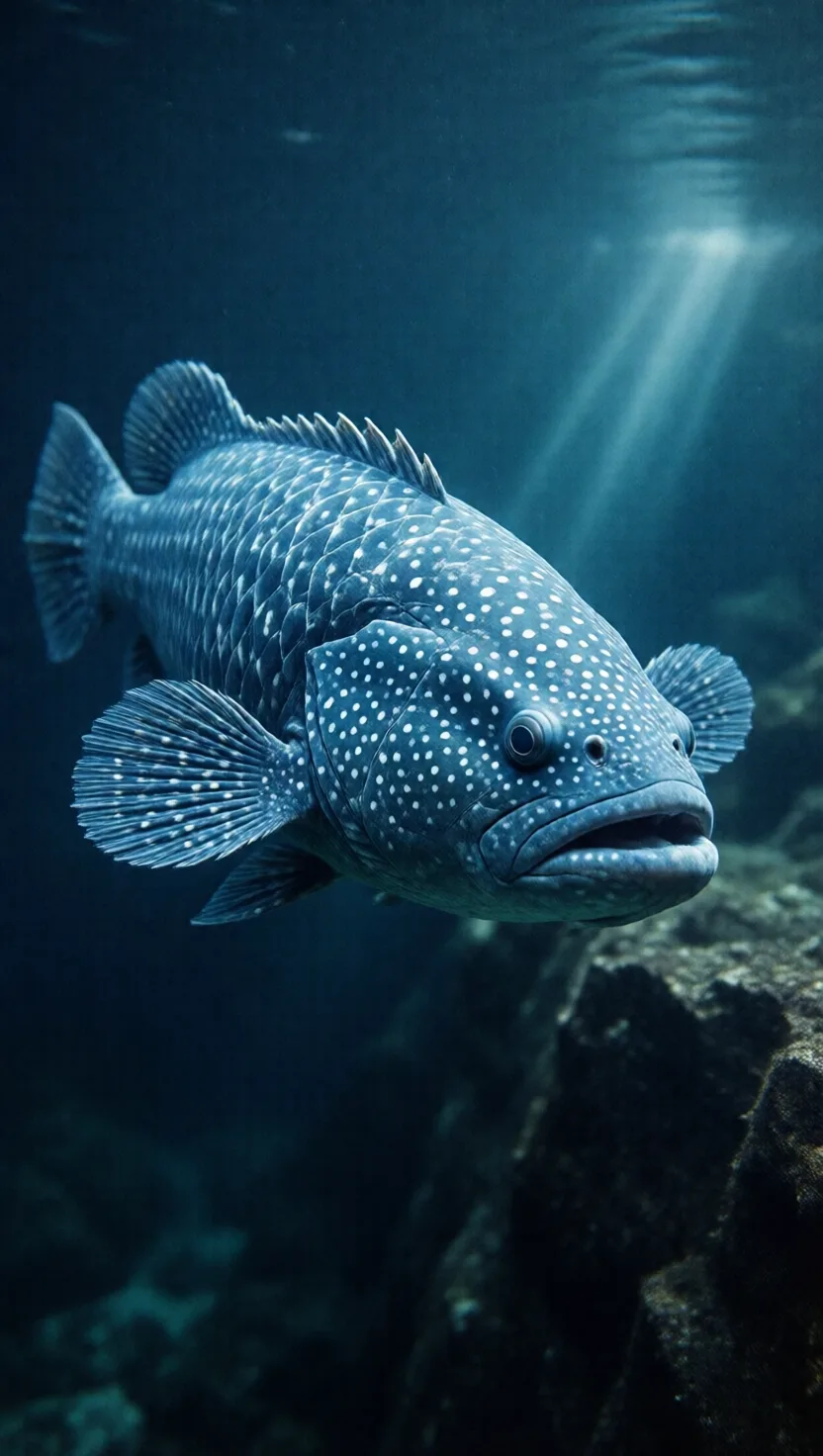
Coelacanths were known only from fossils and assumed to have vanished with the dinosaurs about 66 million years ago. Then in 1938 a museum curator spotted one in a fisherman's catch off South Africa — alive. This heavy, lobe-finned fish belongs to a lineage close to the ancestors of all land animals, including us.
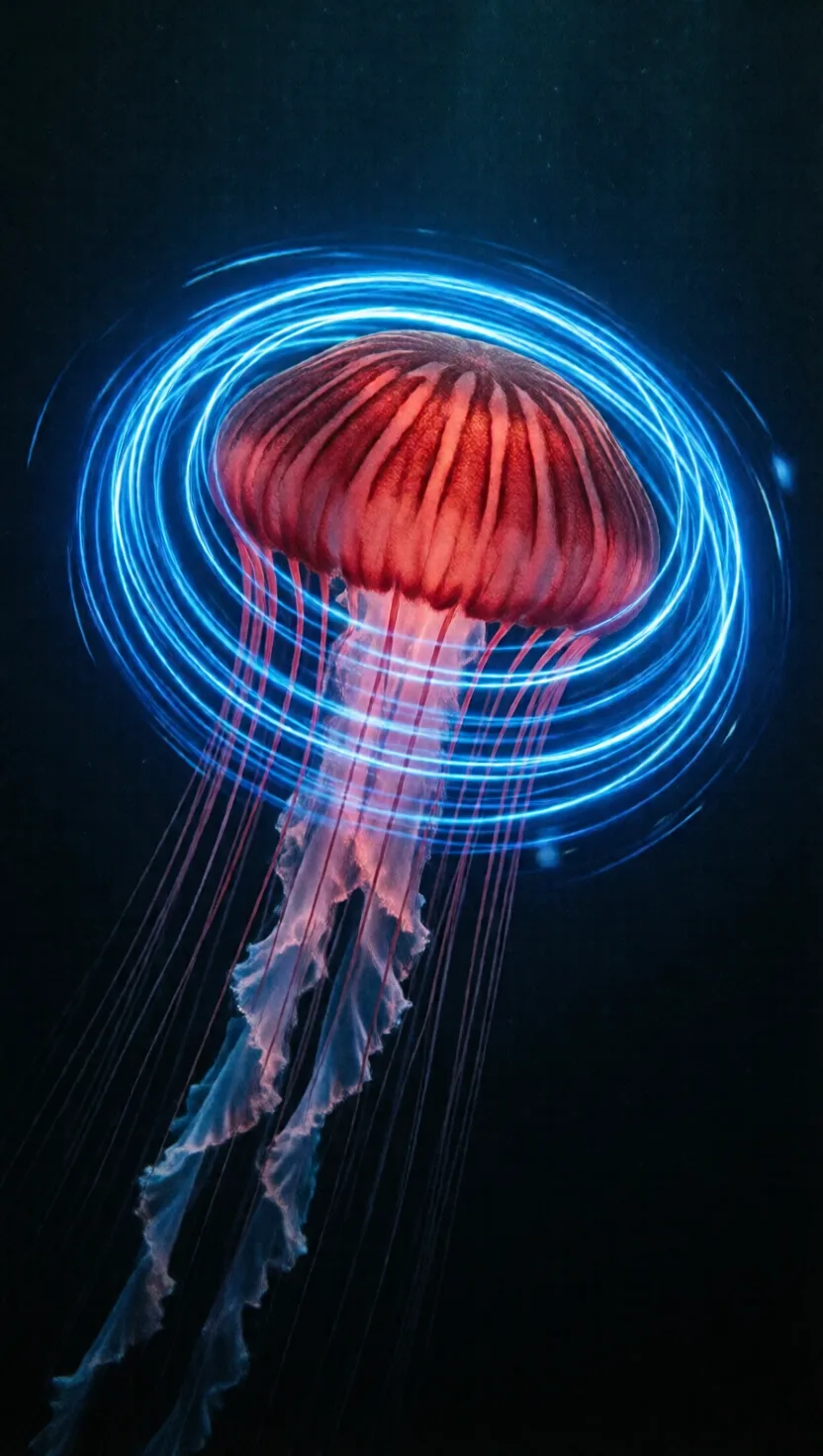
This jellyfish screams for help in spinning light

This jellyfish screams for help in spinning light

When something attacks this deep-sea jellyfish, it doesn't flee quietly — it erupts in spinning rings of blue light. The flash can't hurt a predator, but it can summon a bigger one. By spotlighting its attacker, the jelly turns the hunter into prey and slips away in the chaos. The display can last up to ten minutes.
tap →swipe ↑ for depthswipe ↓ to exit