Eight things hiding in your kitchen

DC·04 Deep Cuts
Carrots used to be purple, not orange

Carrots used to be purple, not orange

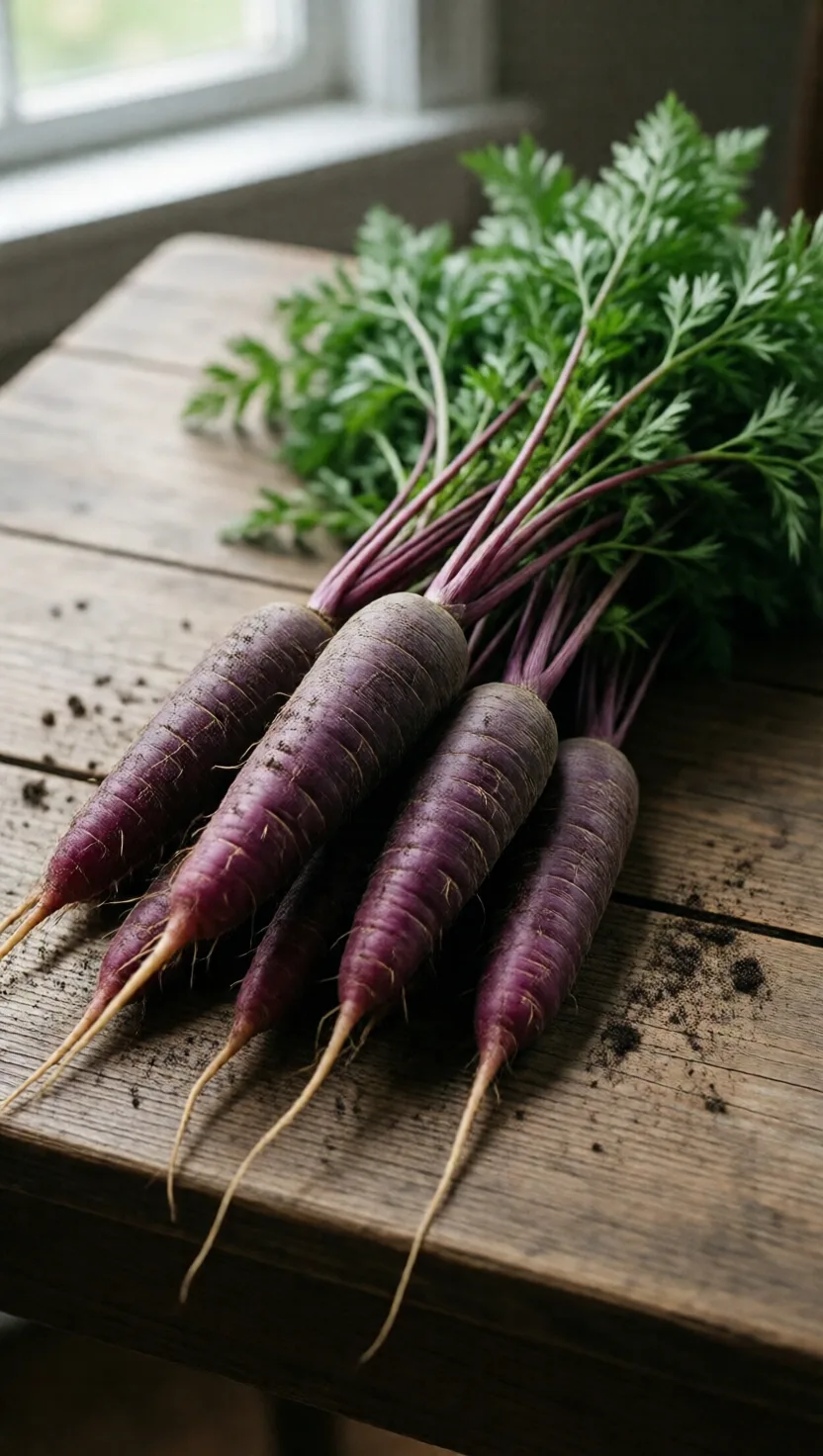
Wild and early cultivated carrots were purple, white and yellow. The orange carrot is a later variety, popularised in the Netherlands around the 16th-17th century — by some accounts to honour the House of Orange.
Bananas are berries — but strawberries aren't

Bananas are berries — but strawberries aren't

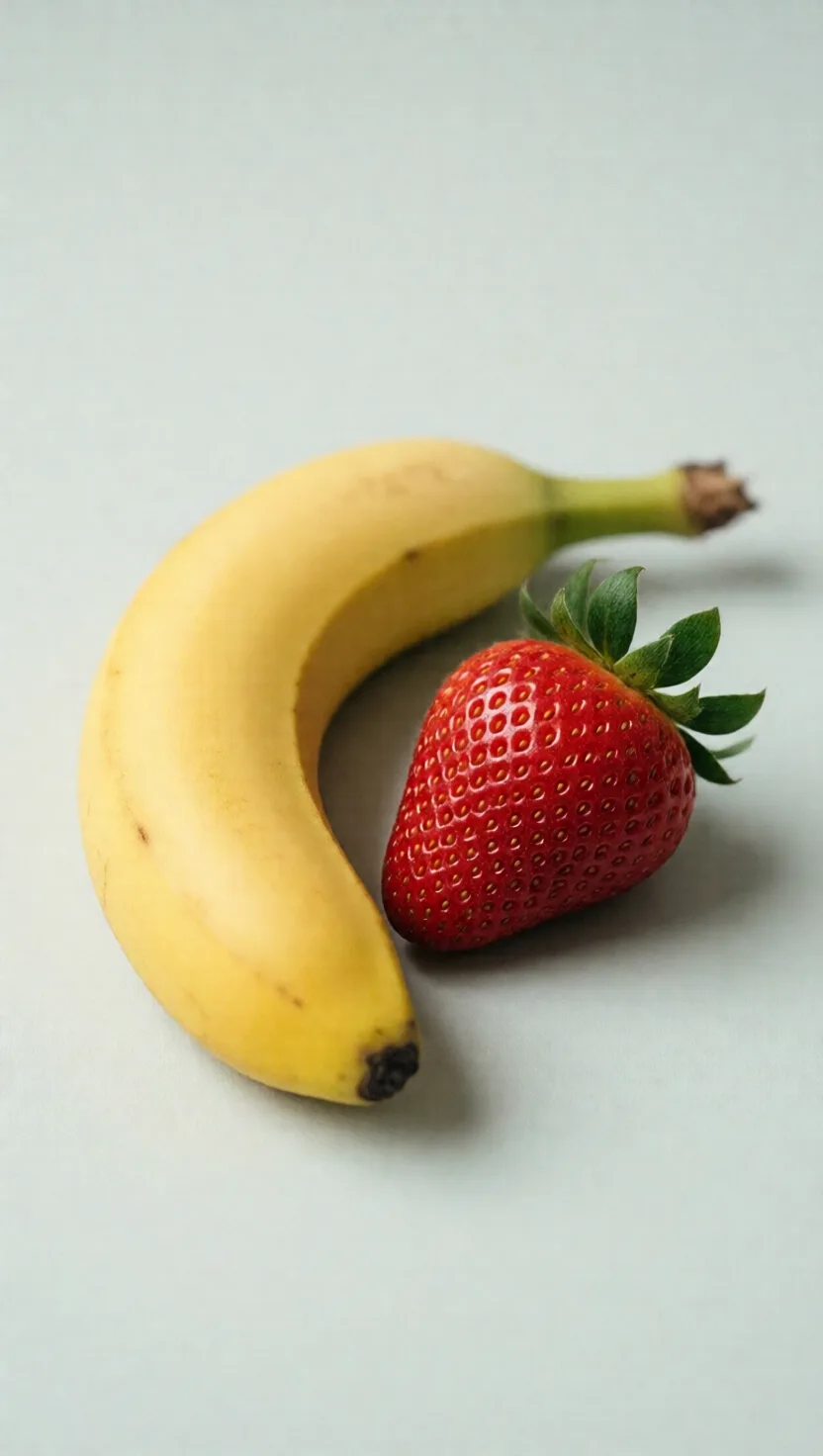
Botanically a berry grows from one flower with its seeds inside the flesh, which makes bananas, grapes and tomatoes berries. A strawberry grows from a flower with many ovaries, so technically it isn't one.
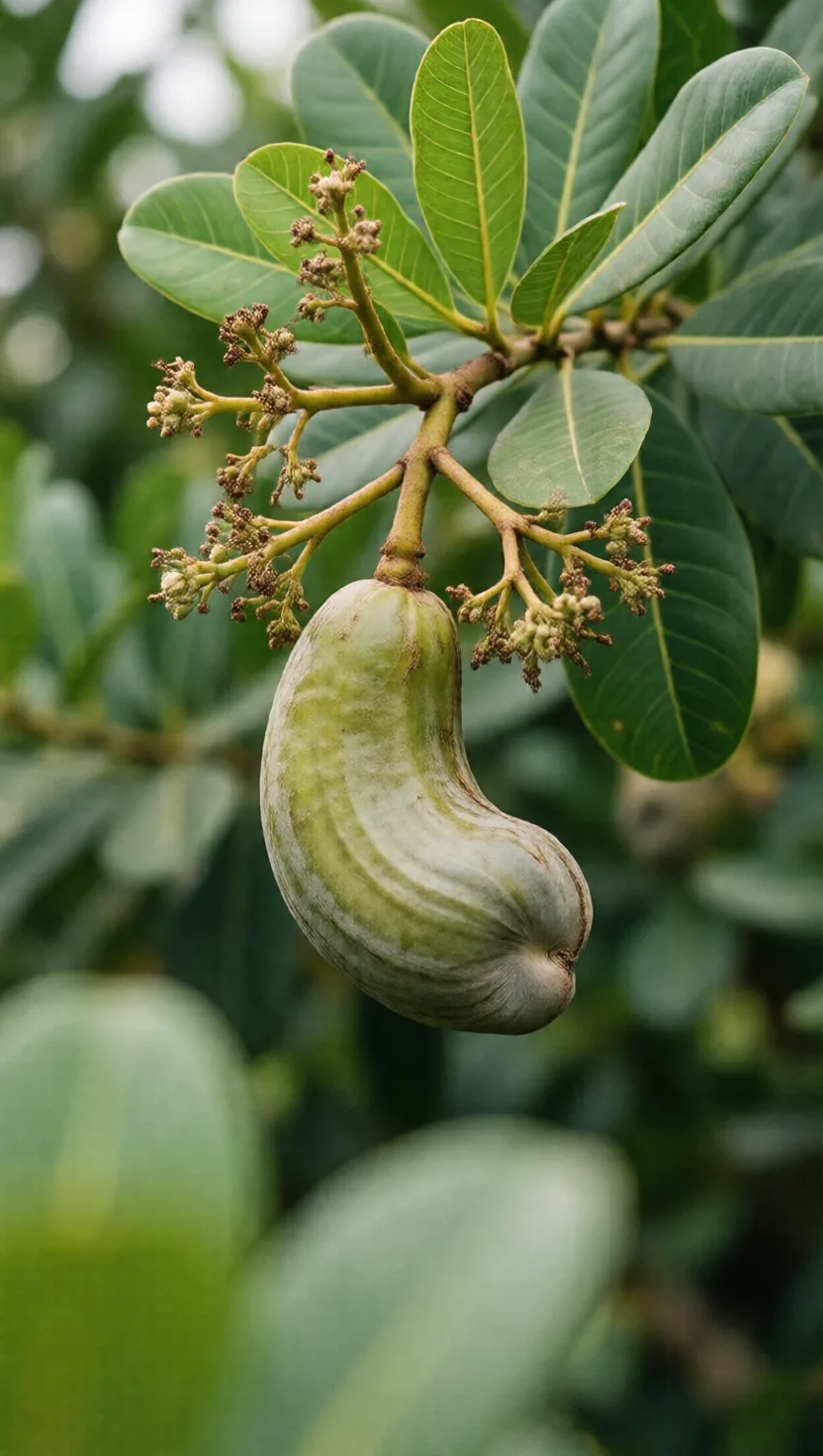
Raw cashews are toxic — and kin to poison ivy

Raw cashews are toxic — and kin to poison ivy

Cashews grow attached to a fruit and share a plant family with poison ivy. Their shells carry urushiol, the same irritant, which is why 'raw' cashews are always steamed or roasted before they reach you.
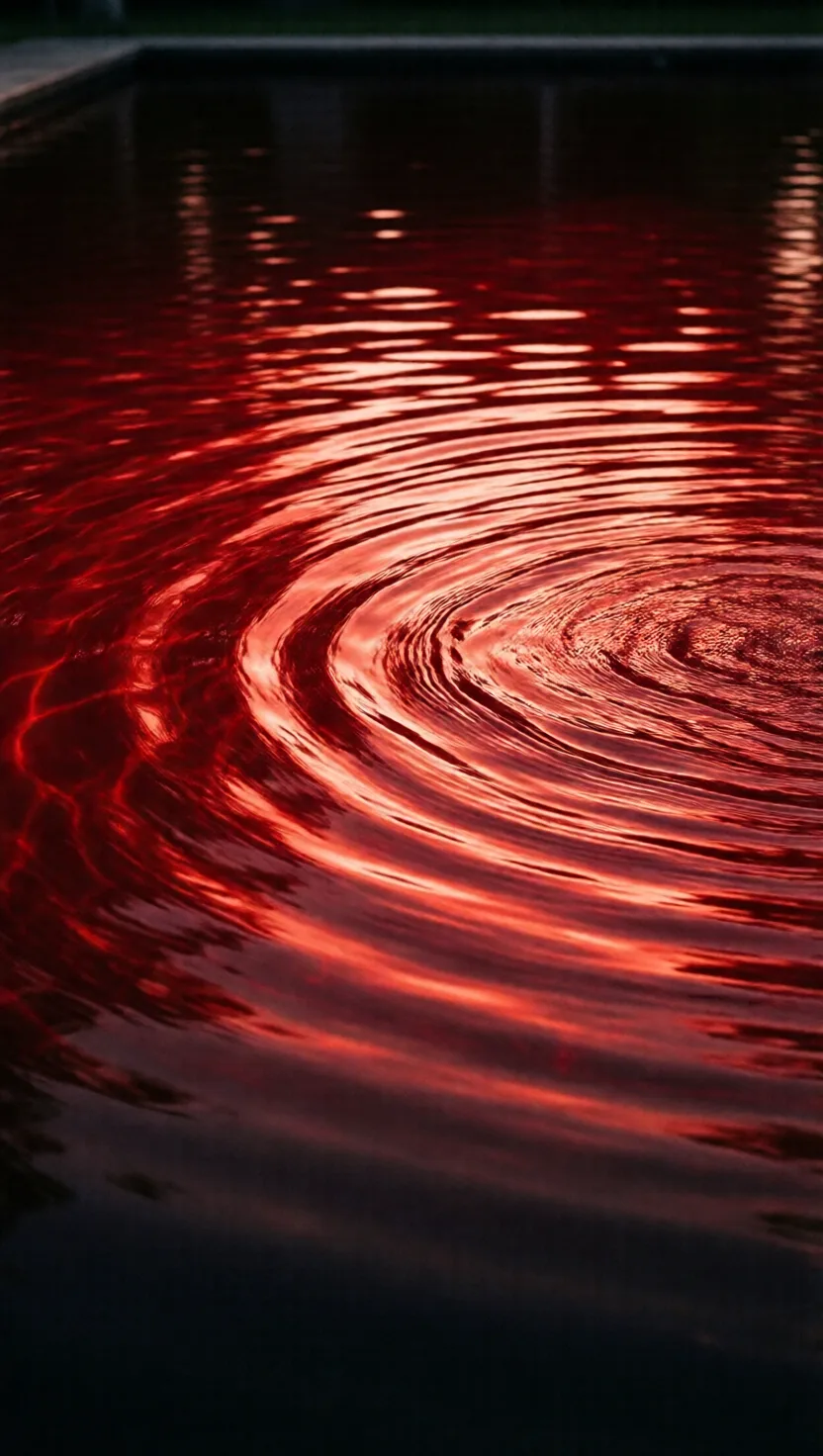
That red dye in your food might be crushed beetles

That red dye in your food might be crushed beetles

Carmine — a vivid red colouring in some sweets, drinks and yoghurts — is made from cochineal insects, dried and ground by the thousand. Natural, just not vegetarian.
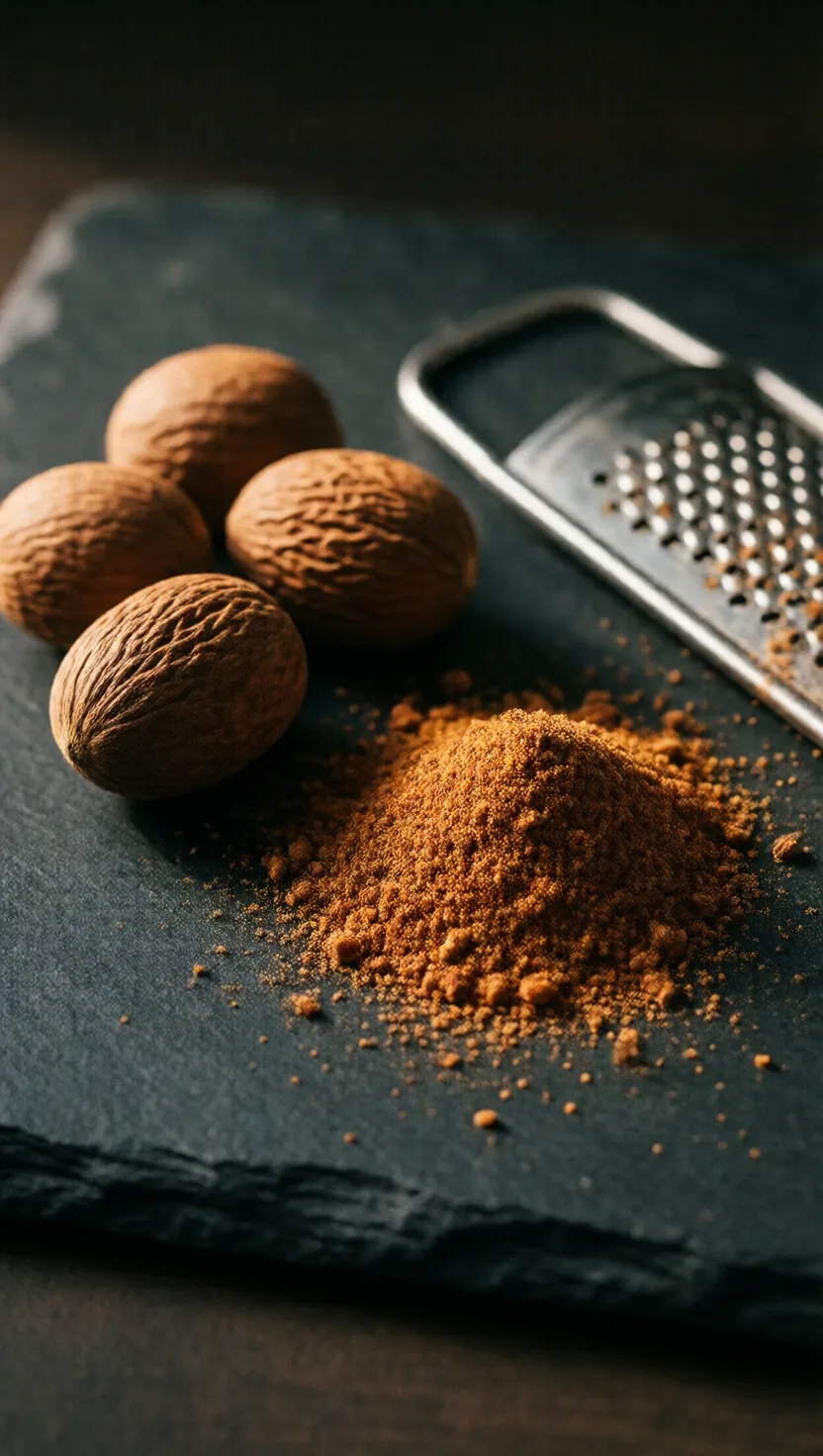
A few spoonfuls of nutmeg can make you hallucinate

A few spoonfuls of nutmeg can make you hallucinate

Nutmeg contains myristicin; in large amounts it acts as a deliriant — a genuinely unpleasant and sometimes dangerous one. The pinch on your latte is fine; a tablespoon or two is not.
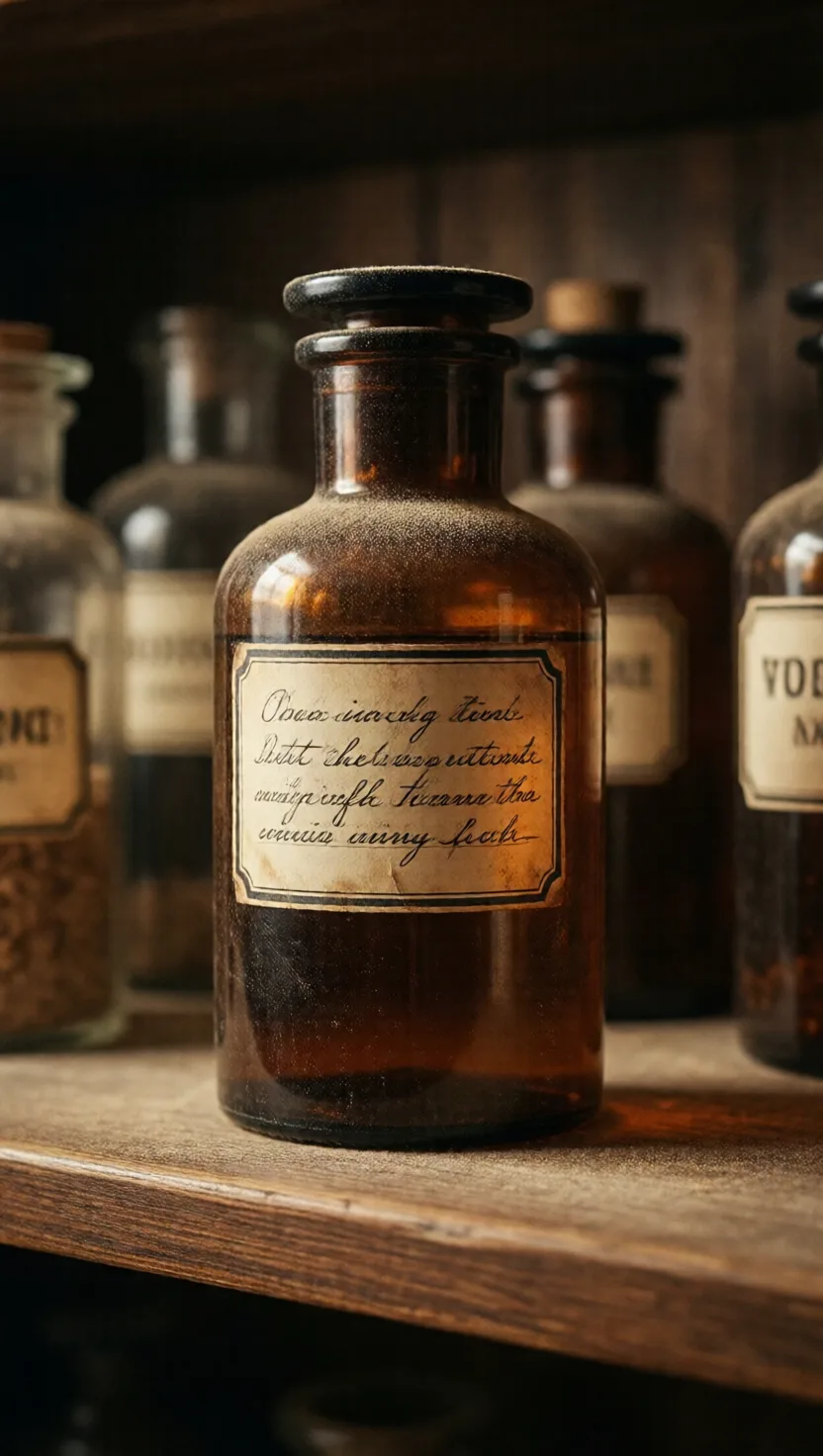
Ketchup was sold as medicine in the 1830s

Ketchup was sold as medicine in the 1830s

In 1834 a doctor began marketing tomato extract as a cure for indigestion and more, even selling 'tomato pills'. The medicinal craze collapsed by the 1850s — but the sauce stuck around.
Pistachios can catch fire on their own

Pistachios can catch fire on their own

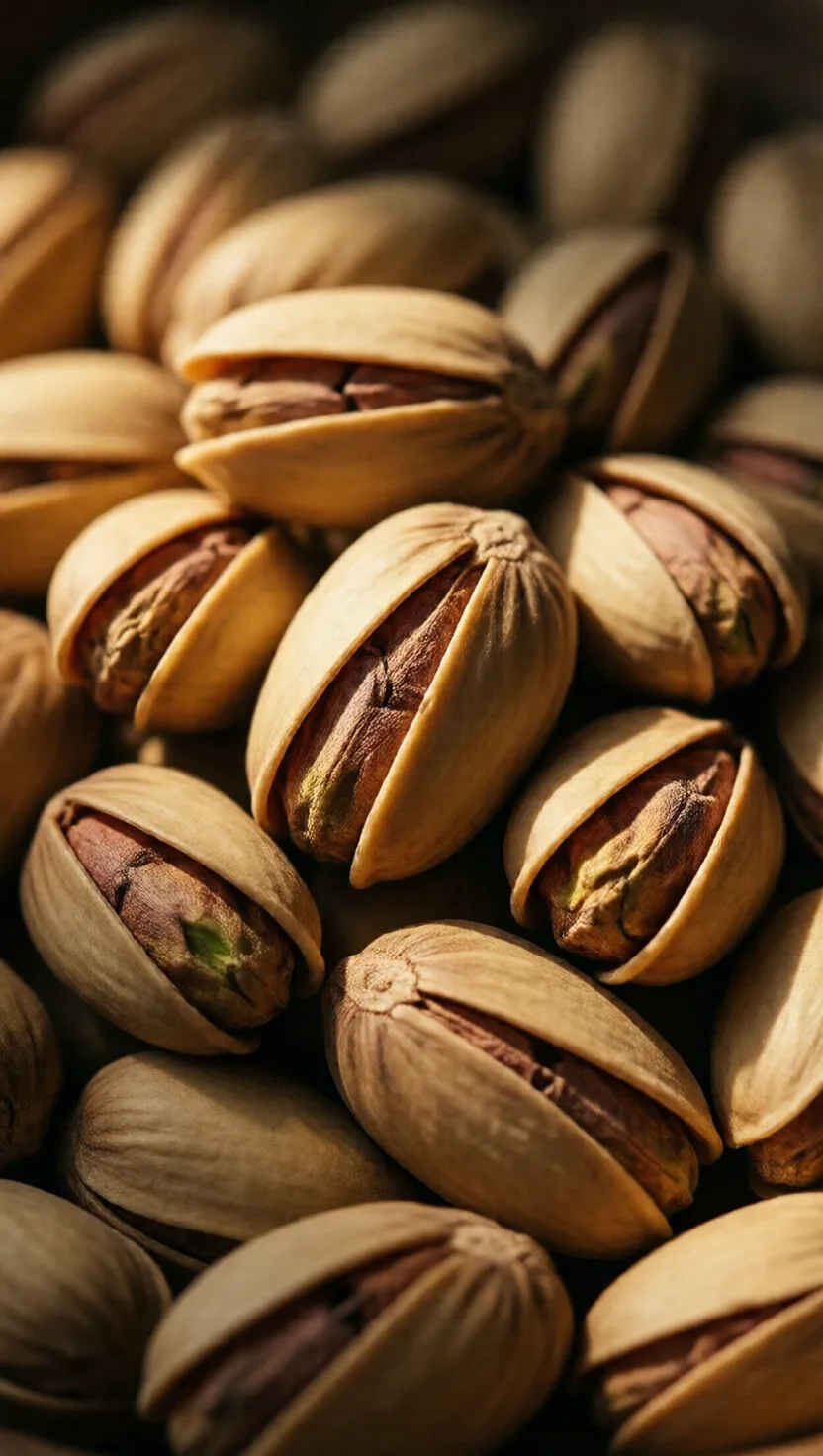
Their high oil content means that, packed in bulk, pistachios can self-heat as their fats break down and spontaneously combust — so they're shipped as a flammable cargo.
Apples float because a quarter of them is air

Apples float because a quarter of them is air

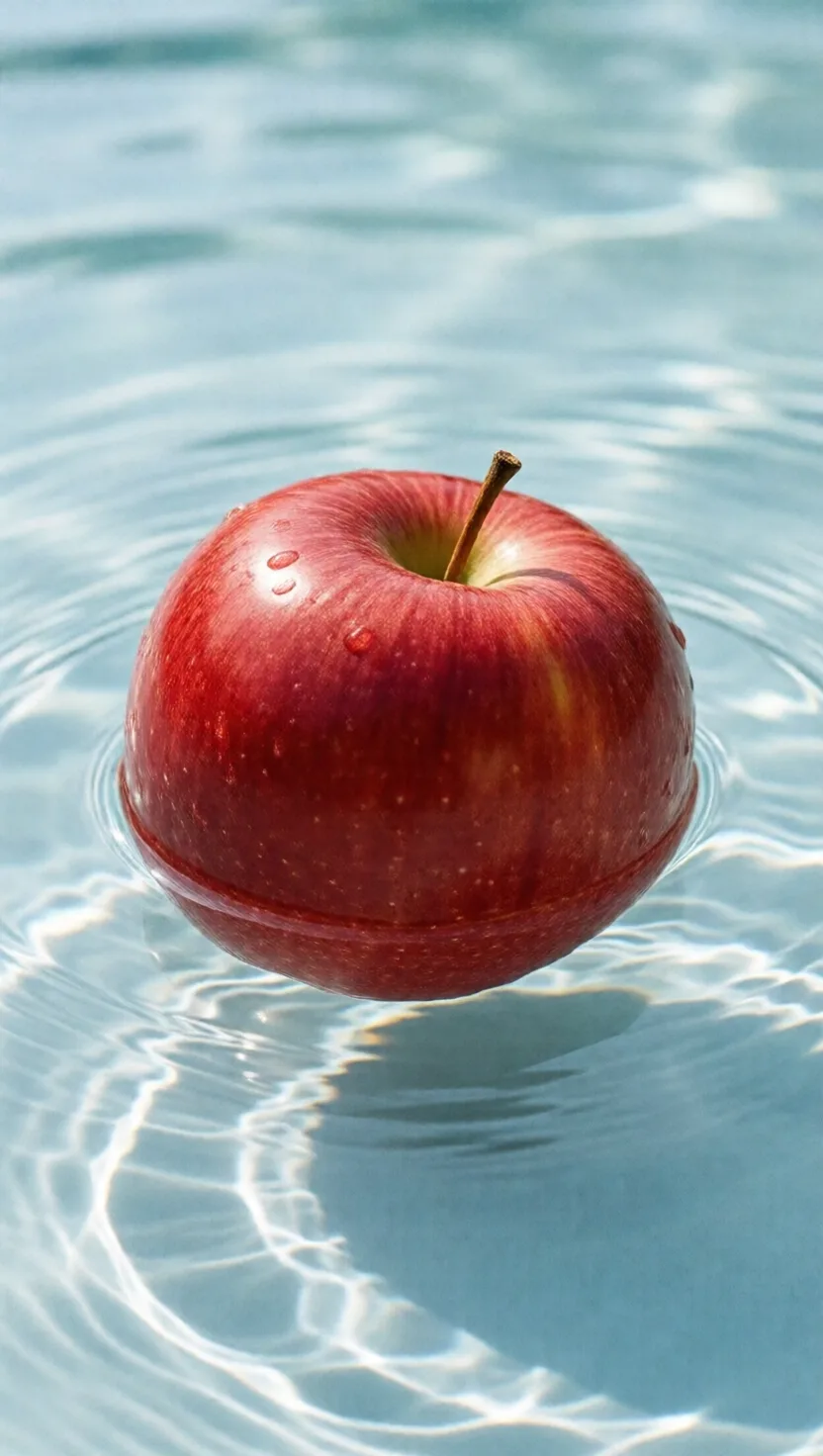
About 25% of an apple's volume is air pockets between its cells, making it less dense than water — which is exactly why bobbing for apples works.
tap →swipe ↑ for depthswipe ↓ to exit