Eight things that aren't what they look like

DC·93 Deep Cuts
This flower is a mantis, and it out-blooms real flowers

This flower is a mantis, and it out-blooms real flowers

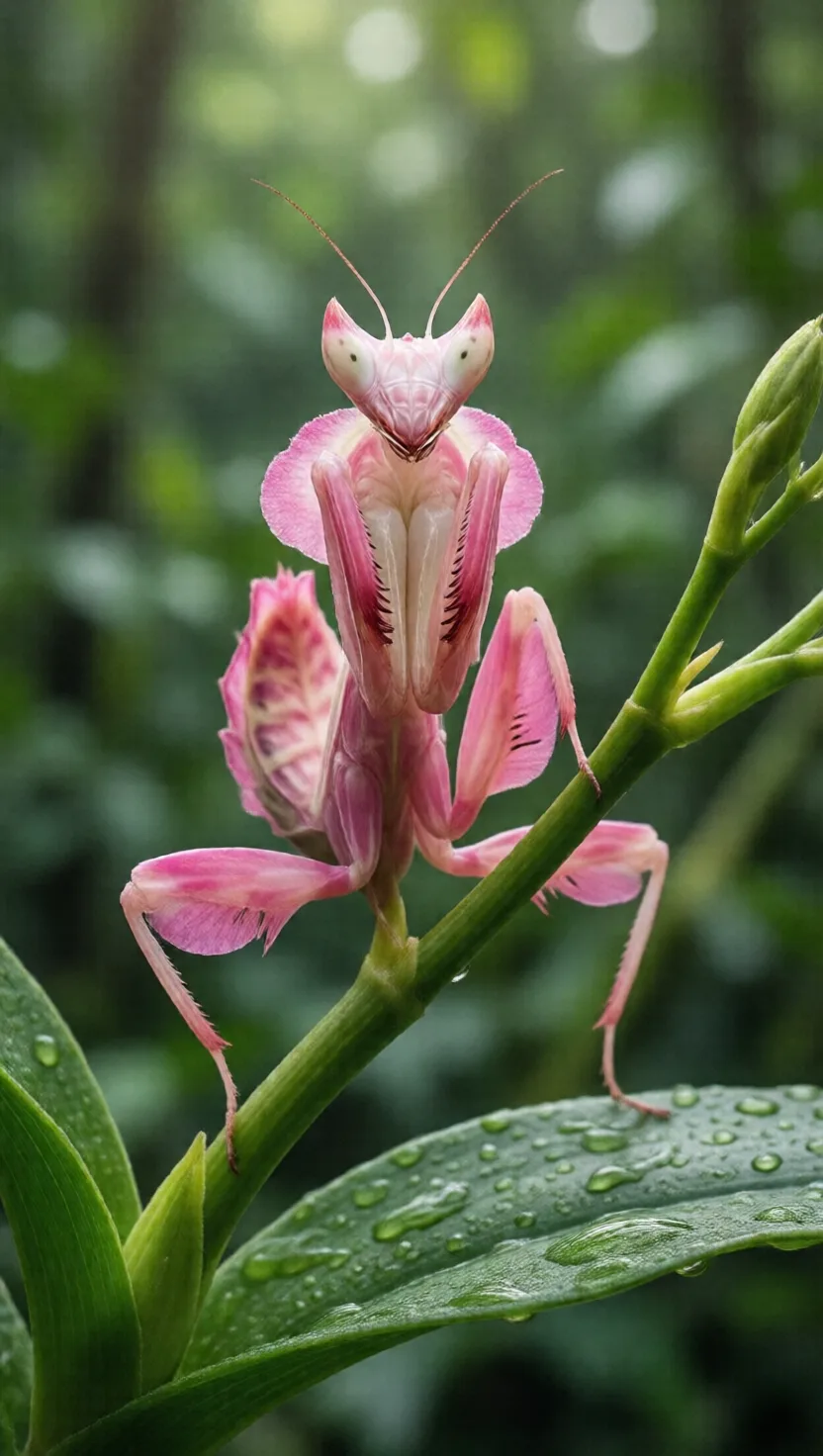
The orchid mantis was long said to mimic a particular orchid. Field experiments tell a stranger story: it copies no single bloom but a generalised, average flower, and pollinating insects approach it at a higher rate than they visit real flowers nearby. The disguise is not for hiding but for hunting - bees and flies drawn in by the pink, petal-shaped legs are seized as prey. In one 2014 study it lured more insects than the blossoms around it.
This crab grows hooks to wear a living disguise

This crab grows hooks to wear a living disguise

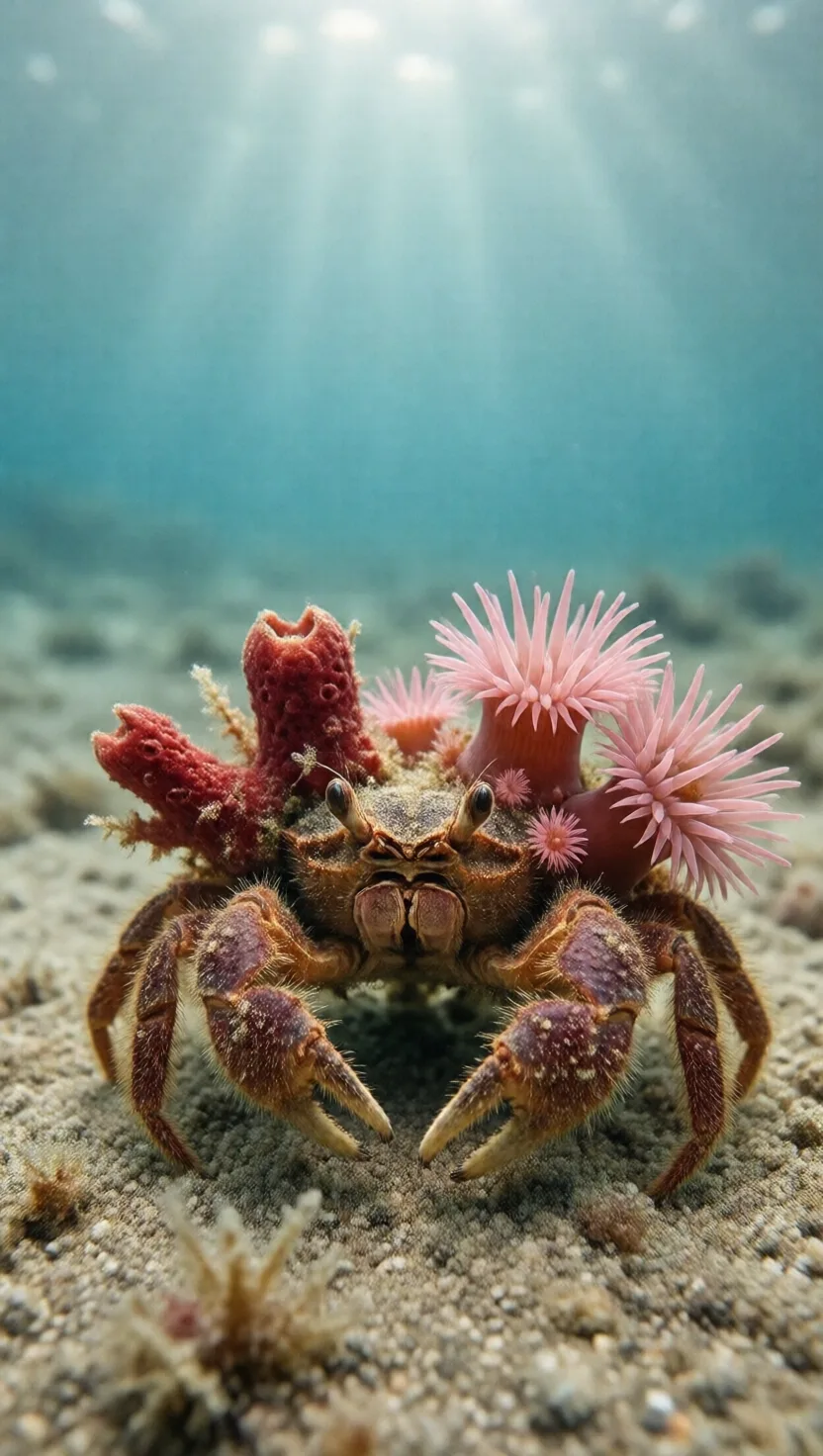
A decorator crab does not just hide - it gardens its own shell. Its carapace and legs are covered in tiny hooked bristles that work like the stiff side of hook-and-loop tape. The crab snips off bits of sponge, seaweed and stinging anemone and presses them onto these hooks, where they keep on growing. The costume both breaks up its outline and arms it with stingers. At each moult it carefully peels the living decorations off the old shell and replants them on the new one.
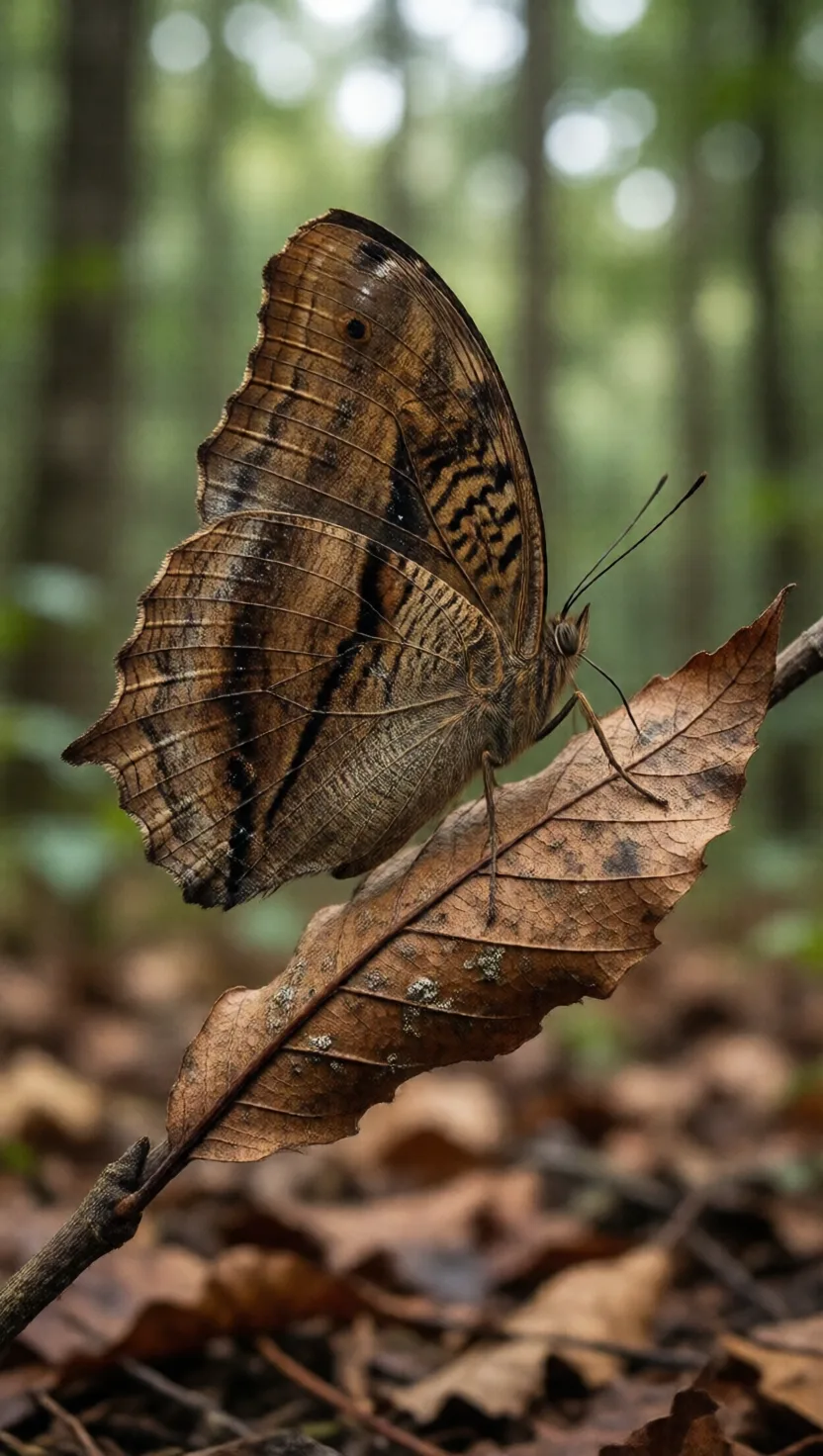
Wings closed, it becomes a dead leaf - veins and all

Wings closed, it becomes a dead leaf - veins and all

With its wings folded, the oakleaf butterfly is a withered leaf. A dark line runs corner to corner like a central midrib, with finer lines branching off as side veins, and the wing edges are notched and ragged like something half-rotted. It even carries small pale blotches that read as mould and lichen spots. Open the wings and the illusion vanishes in a flash of orange and blue. Each individual's leaf pattern is slightly different, so a predator can never learn one fixed shape.
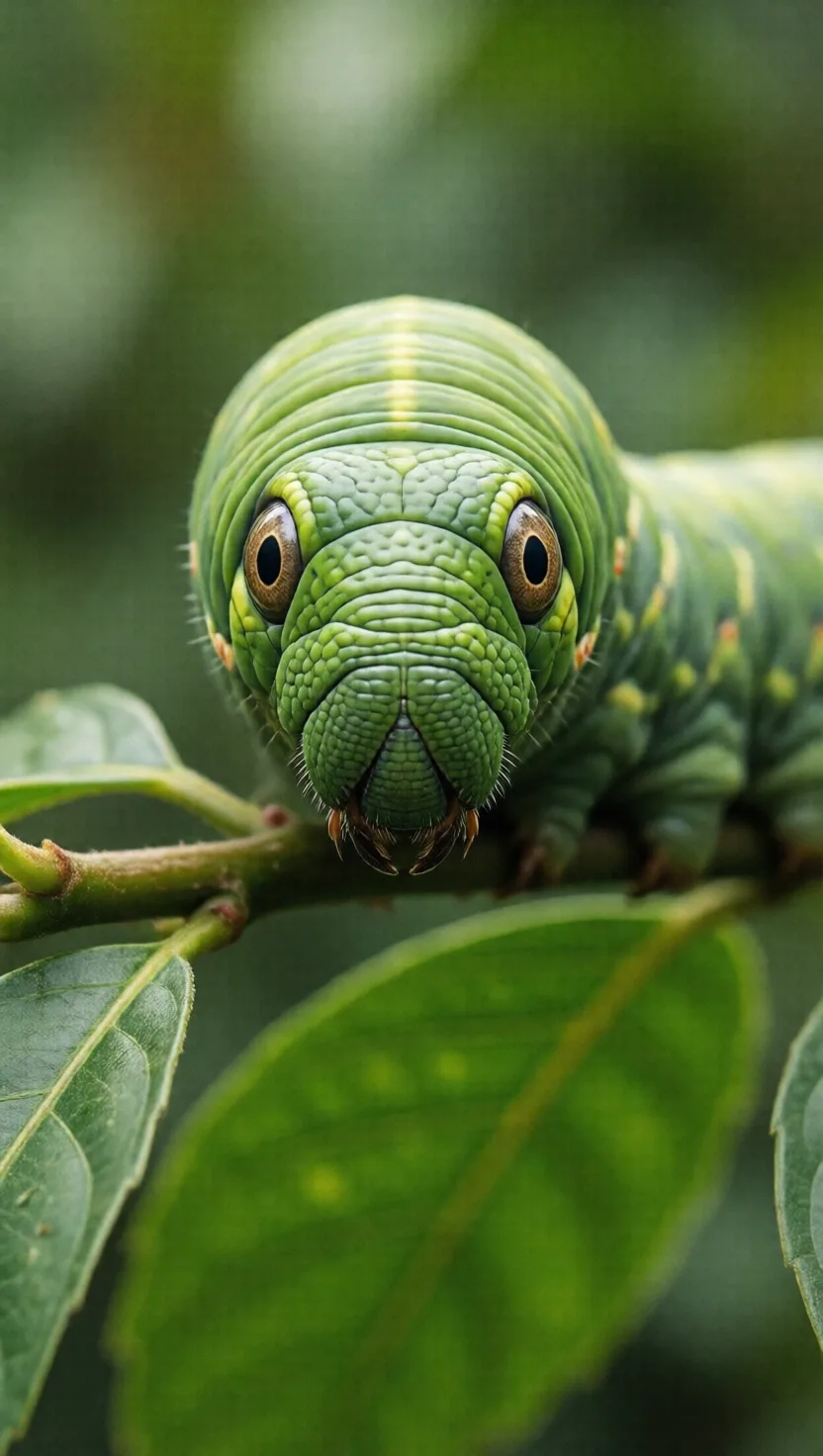
Threatened, this caterpillar swells into a snake

Threatened, this caterpillar swells into a snake

Some hawkmoth caterpillars carry a hidden second face. Disturbed, the caterpillar tucks its real head under and pumps air into its front segments, swelling them into a blunt, diamond-shaped snake head complete with large fake eyes and glossy false highlights. The air is drawn in through the spiracles, the tiny breathing holes along its sides. It may even weave like a striking viper. Birds that would happily eat a soft grub flee from what suddenly looks like a small venomous snake.
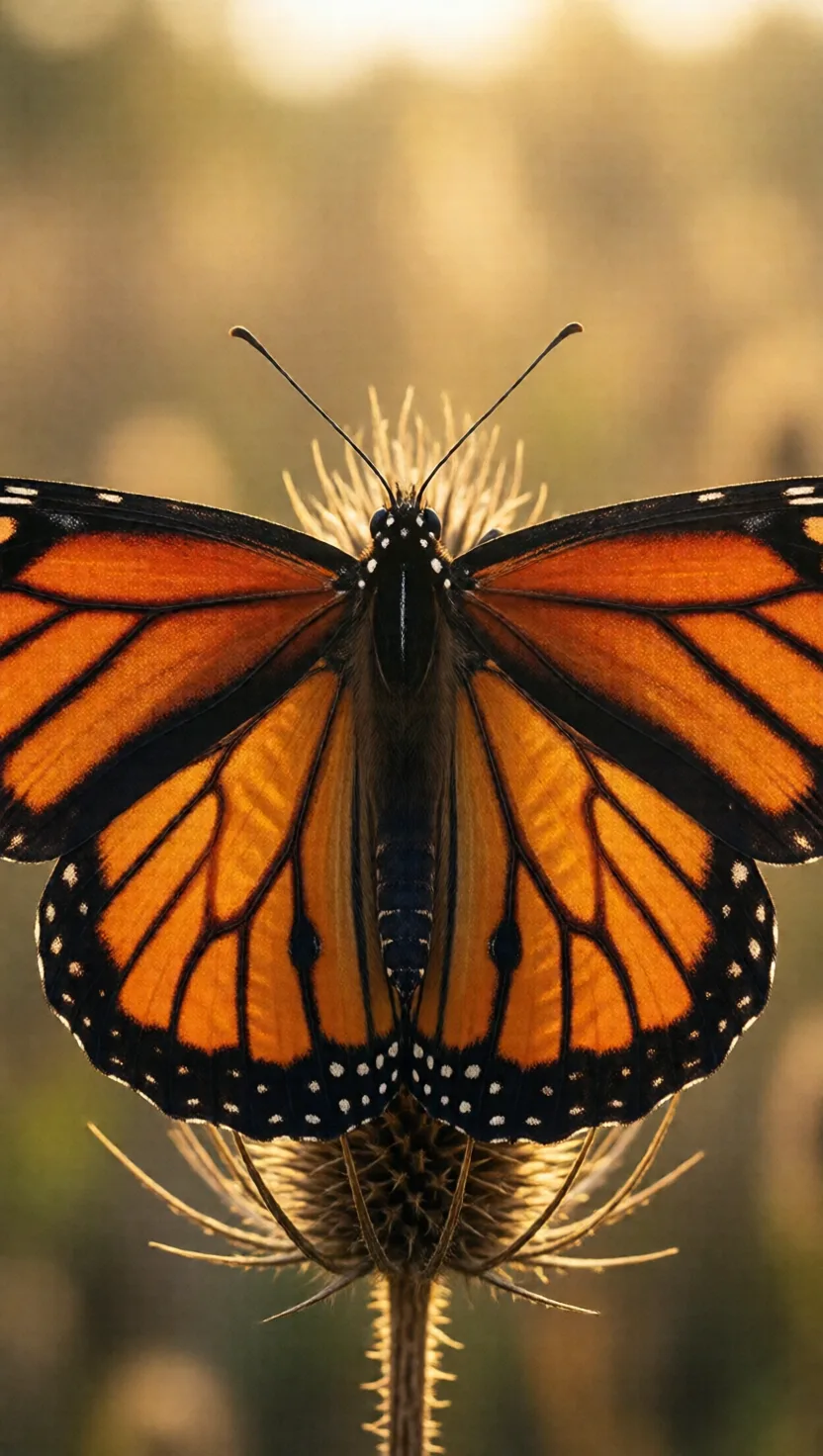
The textbook copycat butterfly was faking nothing

The textbook copycat butterfly was faking nothing

For decades the viceroy was the classic mimic: a tasty butterfly said to bluff predators by copying the poisonous monarch. Feeding trials in 1991 overturned that. With the telltale wings removed so birds judged by taste alone, viceroys proved just as foul as monarchs. Neither is a cheat copying the other; both are genuinely unpalatable and share a single warning pattern, so every bird that learns to avoid one avoids both. The lesson is paid for jointly rather than stolen.
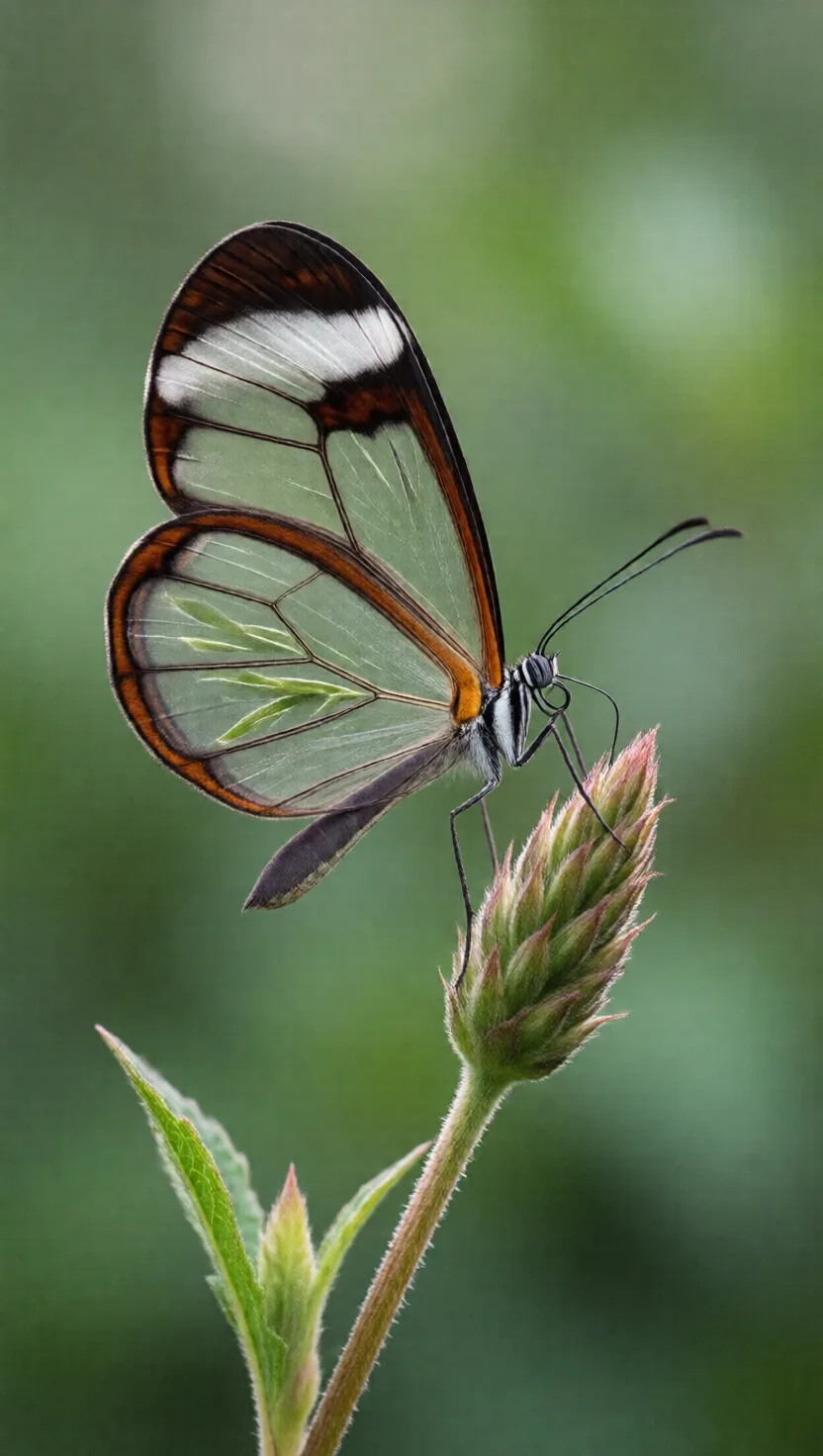
This butterfly hides by having see-through wings

This butterfly hides by having see-through wings

The glasswing butterfly is camouflaged not by colour but by clear, near-invisible wings. Glass and most clear surfaces give themselves away with glare; the glasswing does not. Its transparent wing patches are studded with countless tiny waxy pillars, each thinner than a wavelength of light and set at random heights. They soften the jump in light as it enters the wing, so almost nothing reflects back, even at steep angles. With no flash to catch a predator's eye, the butterfly seems to vanish.
A white hare on bare ground, dressed for snow that's late

A white hare on bare ground, dressed for snow that's late

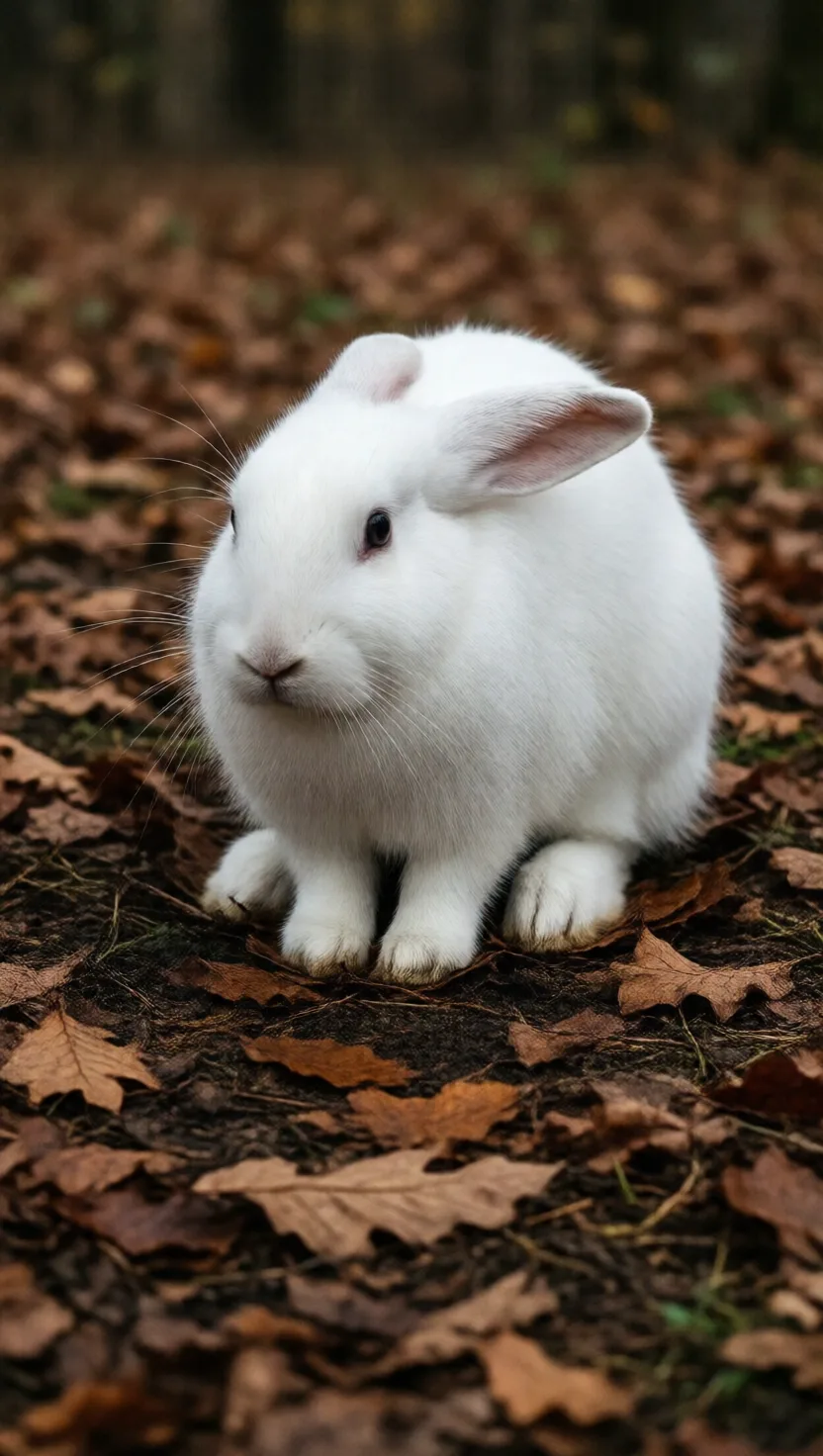
The snowshoe hare swaps a brown summer coat for pure white each winter, vanishing against snow. The molt is triggered by day length, not weather, so the hare cannot tell that warming winters now bring snow later and melt it sooner. The result is mismatch: a brilliant white animal stranded on brown ground, lit up for every predator. Each week caught out of step raises its odds of being killed by roughly seven percent, and the timing of the molt barely shifts to keep up.
Colourblind, yet it matches any colour around it

Colourblind, yet it matches any colour around it

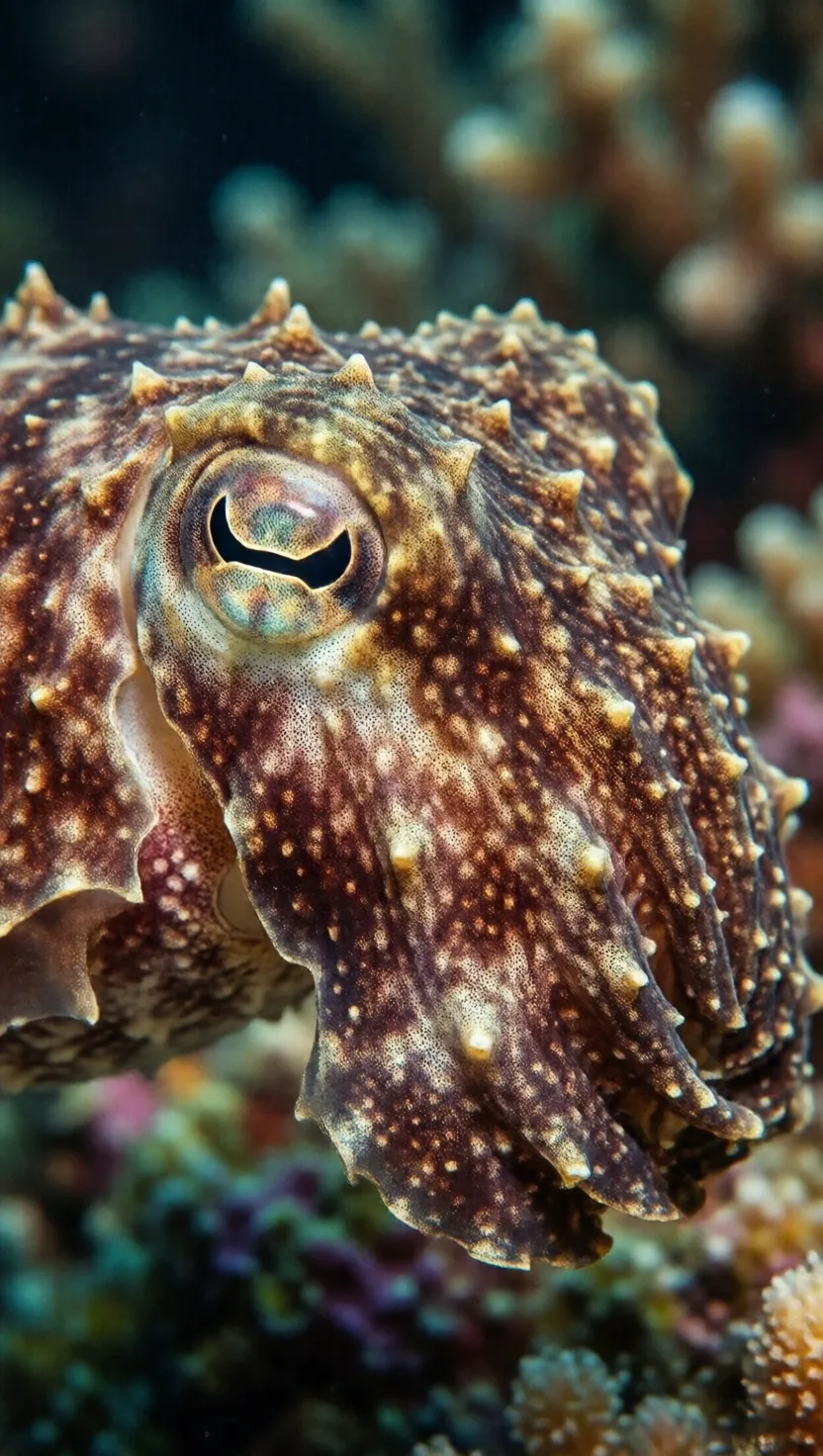
A cuttlefish can melt into a multicoloured reef in a heartbeat, which is baffling, because its eyes carry just one kind of light sensor - by the usual rules it should be colourblind. One idea: its strange W-shaped pupil spreads incoming light into a smear of colours, the way a cheap lens fringes an image, so different wavelengths come to a focus at different depths. By hunting for the sharpest focus, the animal could read colour with a single sensor and tune its skin to match.
tap →swipe ↑ for depthswipe ↓ to exit