Eight journeys that stretch belief

DC·87 Deep Cuts
This seabird flies a Pacific figure-eight

This seabird flies a Pacific figure-eight

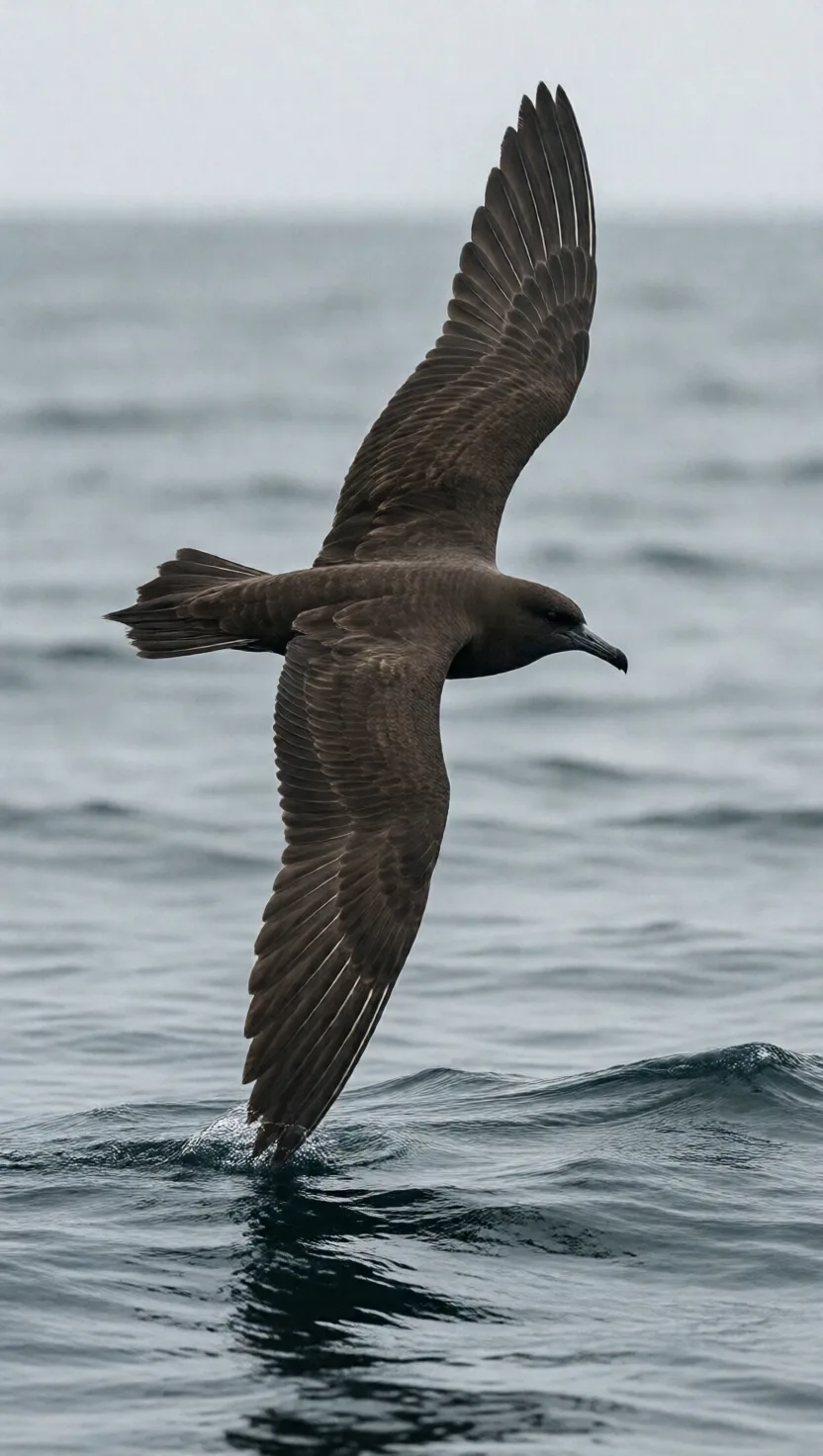
The sooty shearwater breeds in New Zealand and Chile, then chases summer across the entire Pacific in a giant figure-eight. Birds tagged in a 2006 study averaged 64,037 km round trip over 262 days, looping past Japan, Alaska or California before returning south. It remains one of the longest migrations ever tracked electronically, all on stiff, narrow wings built for endless gliding low over the swell.
It can sprint at 55 mph but cannot jump a fence

It can sprint at 55 mph but cannot jump a fence

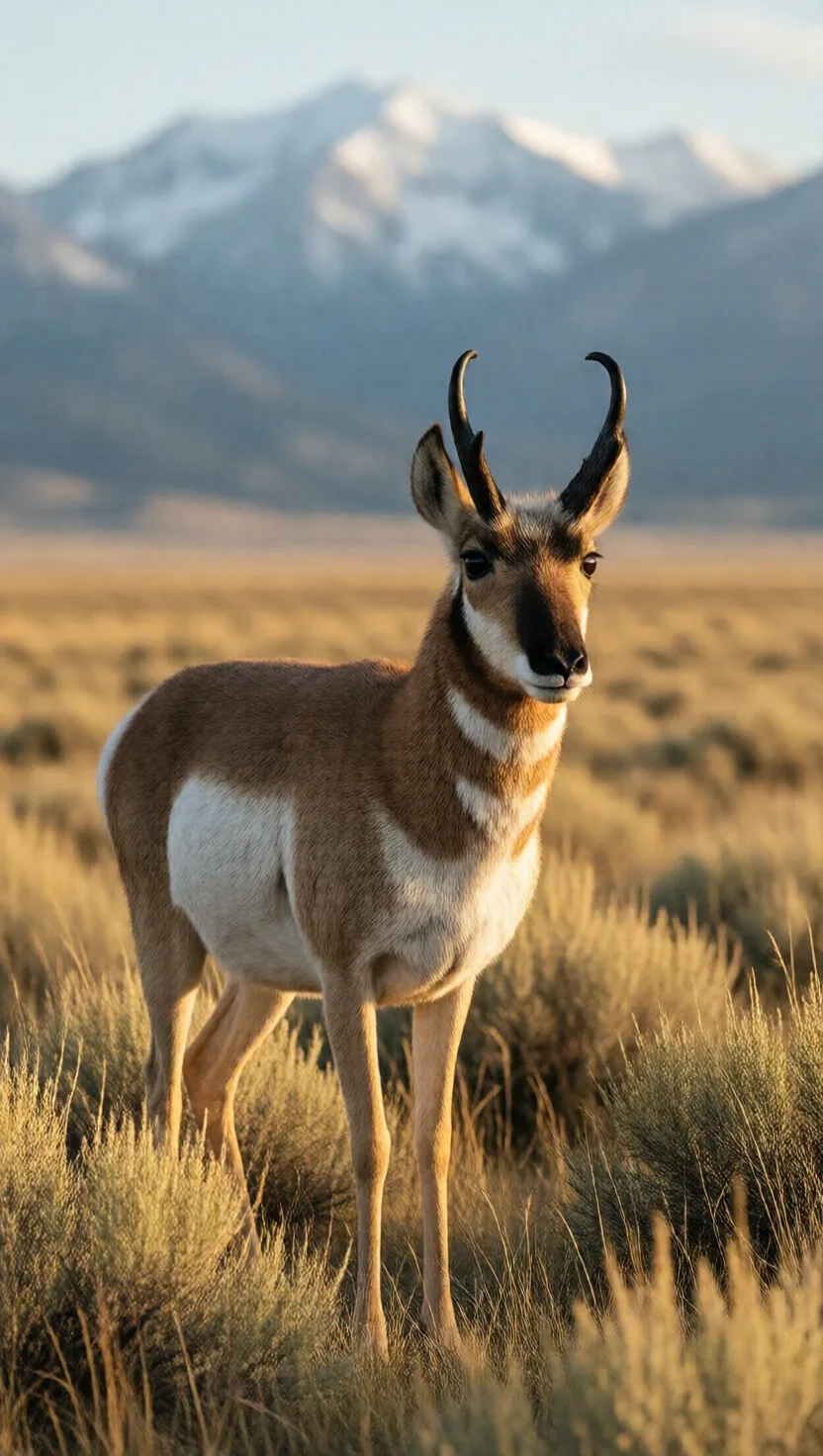
Each autumn, pronghorn leave Grand Teton and travel more than 150 miles south to the Green River Basin sagebrush, the longest land migration in the lower 48 states. Archaeology suggests they have used the route, the Path of the Pronghorn, for at least 6,000 years. Built to outrun vanished American cheetahs, they sprint over 55 mph yet crawl under fences rather than leap, so a single wire can sever an ancient road.
She crosses 1,400 miles of ocean for one tiny island

She crosses 1,400 miles of ocean for one tiny island

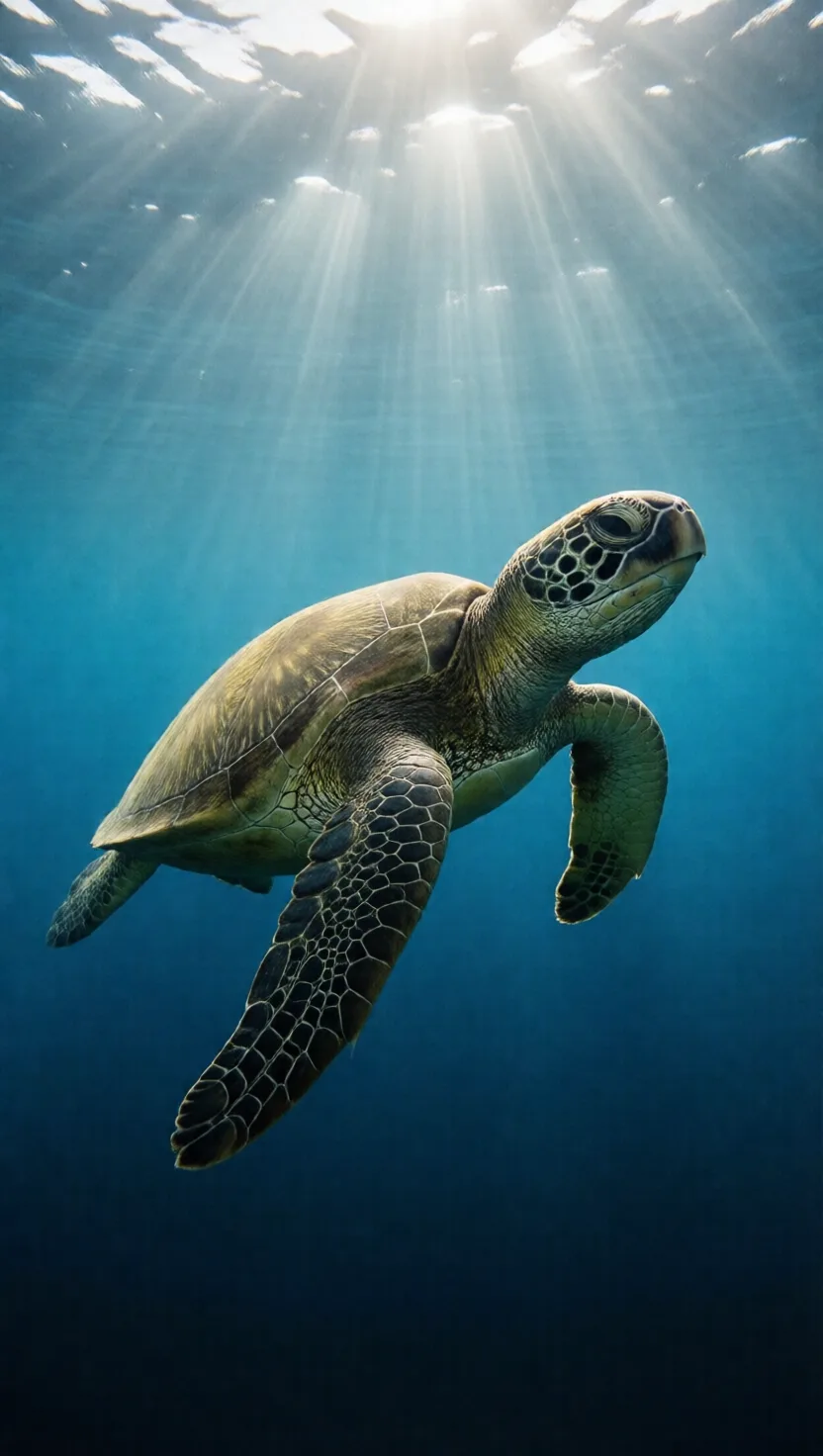
Green turtles feeding off Brazil swim east to nest on Ascension Island, a speck of land lost in the mid-Atlantic. Satellite tracking in 1998 recorded individuals covering 1,777 to 2,342 km in 33 to 47 days, holding near-identical courses for the first 1,000 km. How they pinpoint such a tiny target is still unresolved, but magnetic cues likely guide them close before scent helps them home in on the surf.
Ten million bats make Earth's biggest mammal gathering

Ten million bats make Earth's biggest mammal gathering

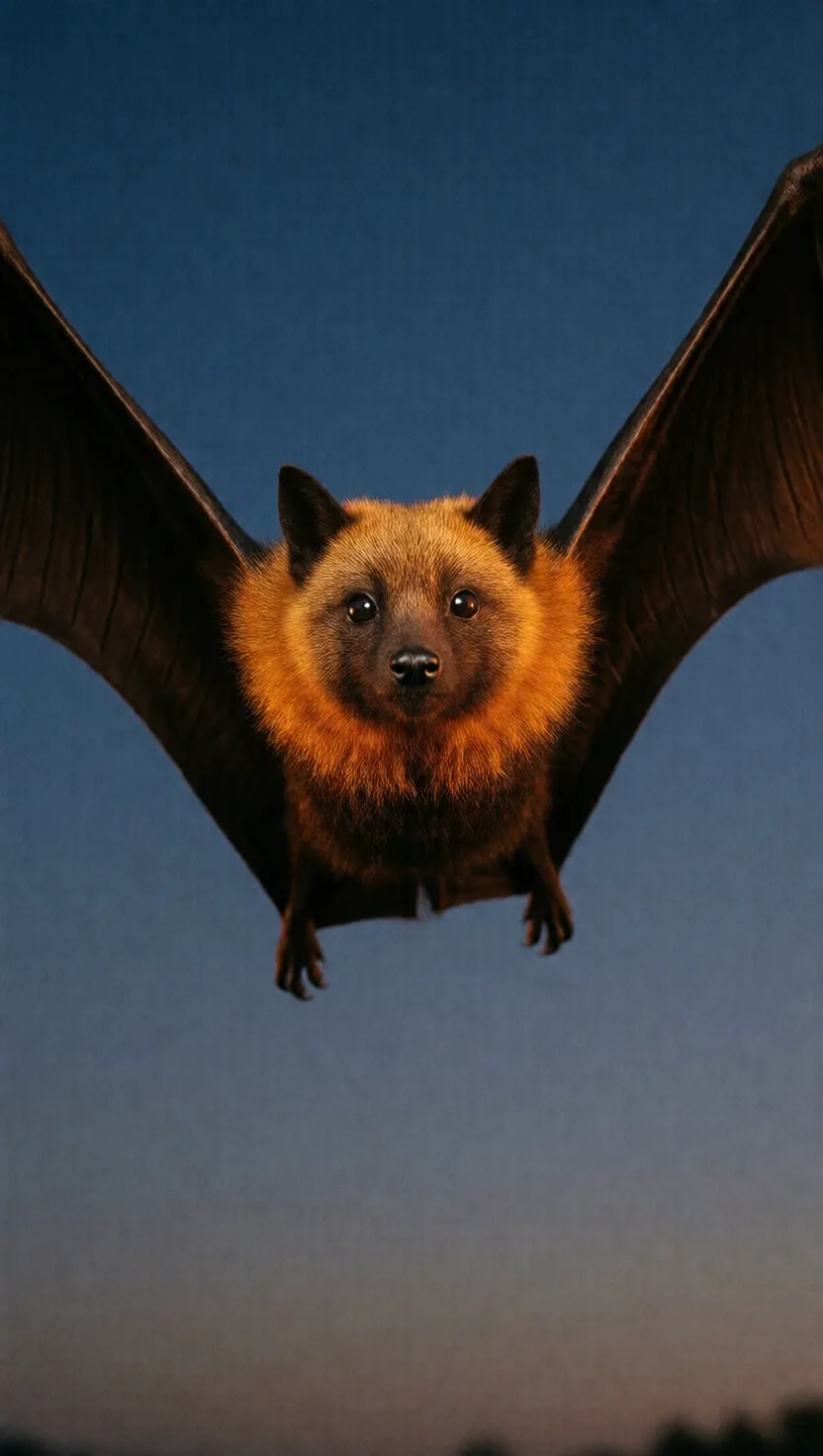
Every year from late October, up to 10 million straw-coloured fruit bats pour into a small swamp forest in Kasanka, Zambia, the largest mammal migration on Earth by sheer numbers. They arrive from across central Africa to gorge on ripening fruit, and GPS tagging shows this species roams farther than any other African bat. As seed dispersers they replant the very forests they feed in, knitting fragmented woodland back together.
It doubles its body fat, then flies 20 hours over sea

It doubles its body fat, then flies 20 hours over sea

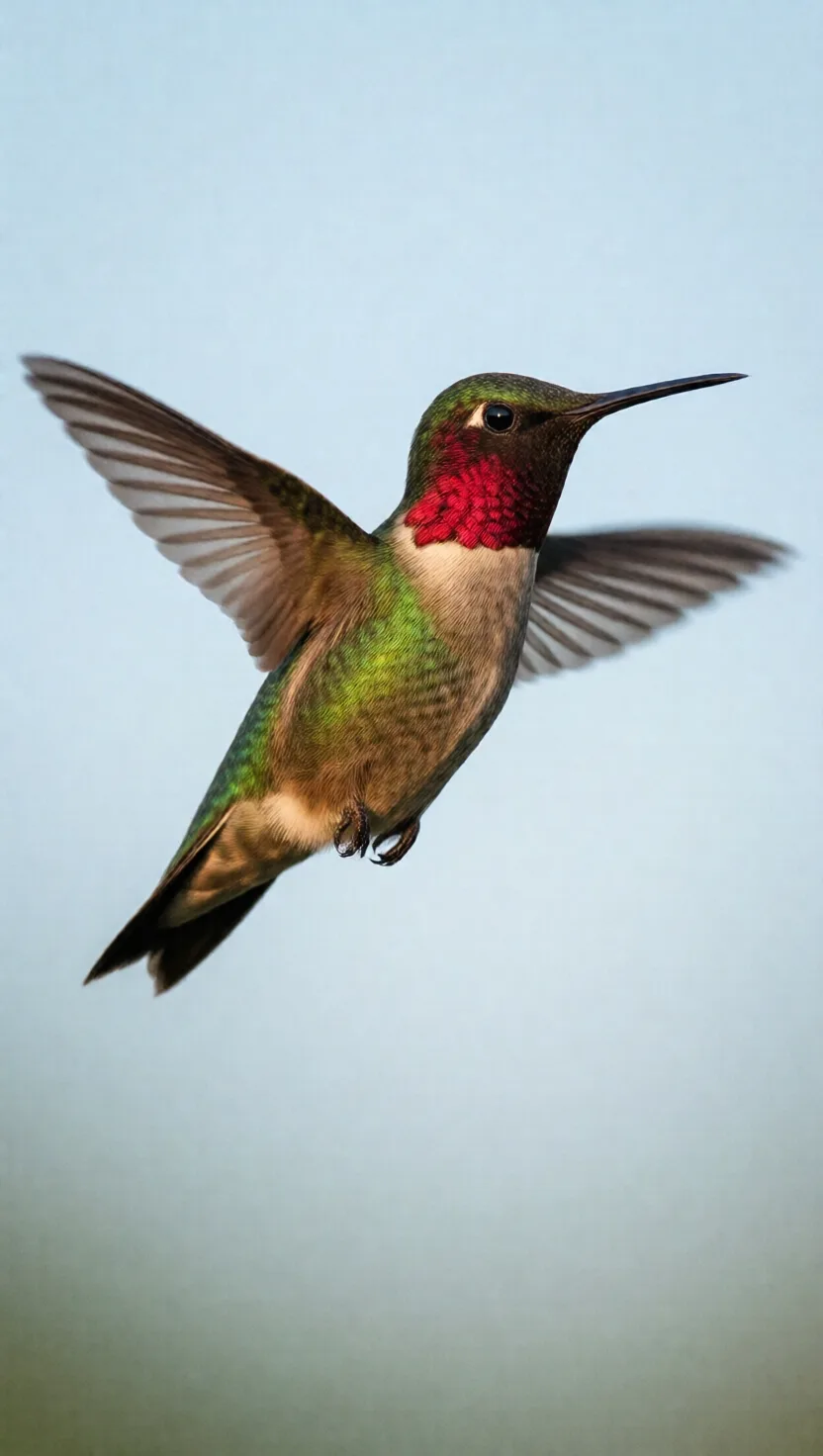
Before crossing the Gulf of Mexico, a ruby-throated hummingbird nearly doubles its body fat, packing fuel onto a frame that weighs only about 3 grams. It then flies roughly 800 km nonstop over open water in an 18-to-22-hour push, burning almost its entire fat reserve with no chance to feed or rest. For a bird whose heart can beat over 1,200 times a minute, it is one of the most extreme endurance feats in nature.
One shark swam to Australia and back in nine months

One shark swam to Australia and back in nine months

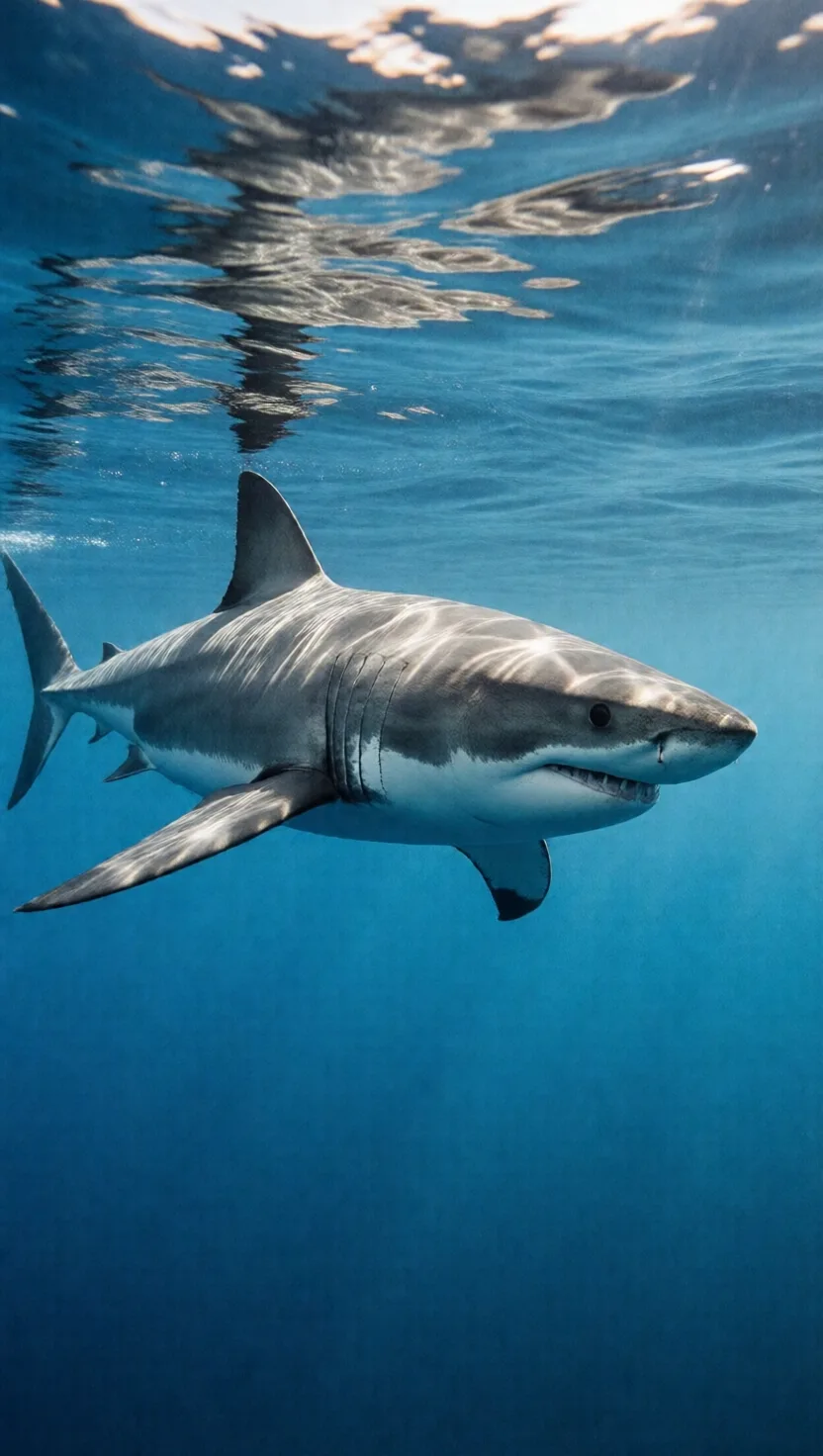
In 2003 researchers tagged a great white off South Africa, nicknamed Nicole, and tracked her swimming 11,100 km to Western Australia in just 99 days, the fastest transoceanic return migration recorded for any marine animal. Months later she was photo-identified back at the same South African reef by the notches on her dorsal fin, the first proof a white shark could cross an entire ocean and return home.
It migrates twice a year, the only animal known to

It migrates twice a year, the only animal known to

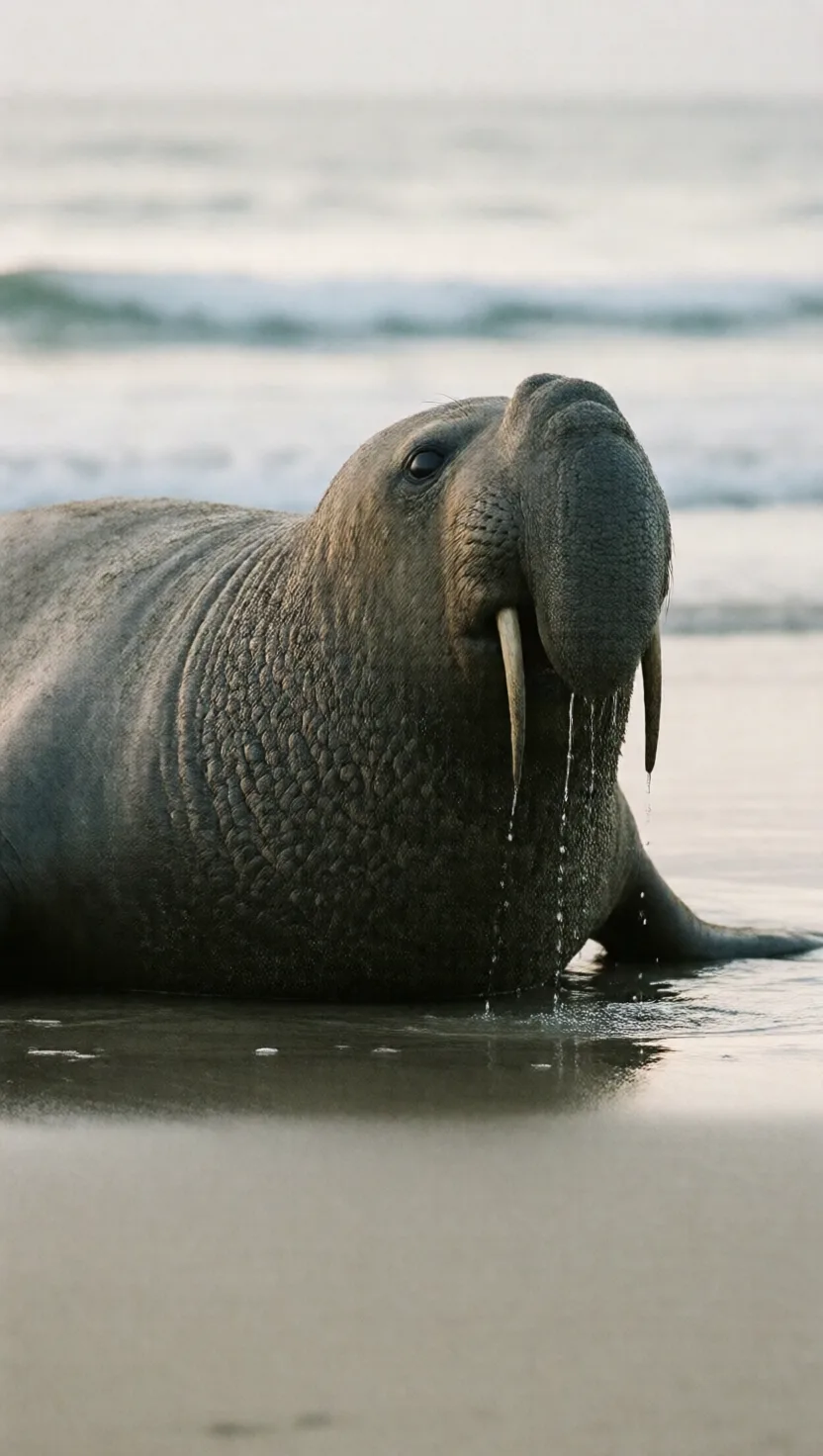
Northern elephant seals breed and molt on California's Channel Islands, then go to sea twice each year, the first double migration documented for any animal. Tracking shows females cover at least 18,000 km and males around 21,000 km across 250 to 300 days at sea, returning each time to the same distant foraging grounds. It ranks among the longest annual migrations recorded for any individual mammal.
A swarm once crossed the Atlantic in ten days

A swarm once crossed the Atlantic in ten days

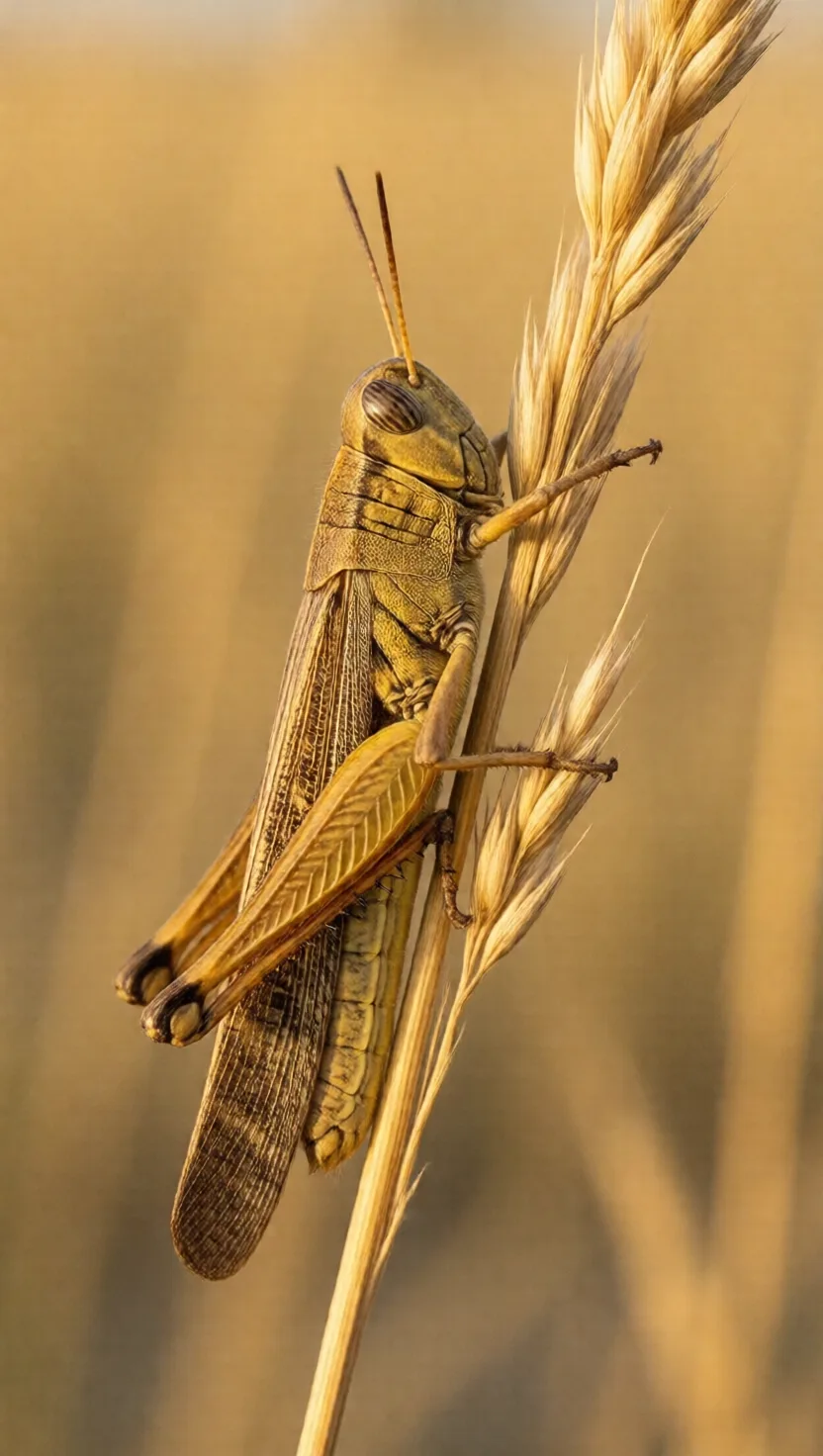
Desert locusts normally ride winds 100 to 200 km a day, but in October 1988 swarms did something astonishing: borne partly on storm winds, they crossed the Atlantic from West Africa to the Caribbean, roughly 5,000 km in about ten days, the first such crossing on record. Even wind-assisted, the insects had to keep beating their wings and holding altitude for four to six days nonstop over open ocean.
tap →swipe ↑ for depthswipe ↓ to exit