Eight things the red metal does

DC·73 Deep Cuts
A brass doorknob disinfects itself

A brass doorknob disinfects itself

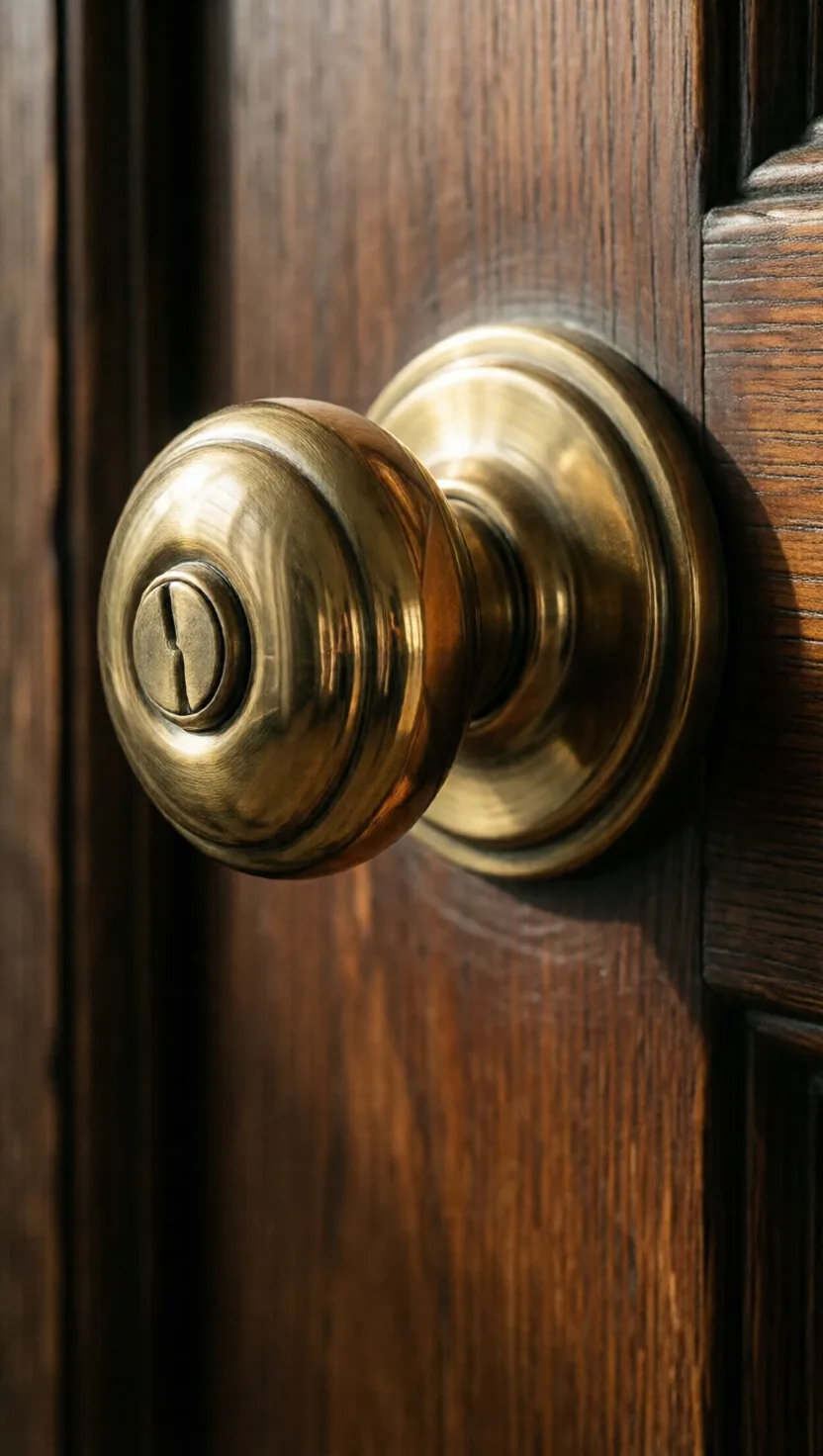
Copper and its alloys quietly kill microbes. When a bacterium lands on a copper surface, the metal sheds charged ions that wreck the cell's membrane and scramble its insides, an effect known since antiquity and now called contact killing. Copper touch surfaces are registered as able to cut bacterial contamination by at least 99.9 percent within two hours, which is why hospitals fit copper-alloy handles and rails on high-touch spots.
The Statue of Liberty is thinner than two coins

The Statue of Liberty is thinner than two coins

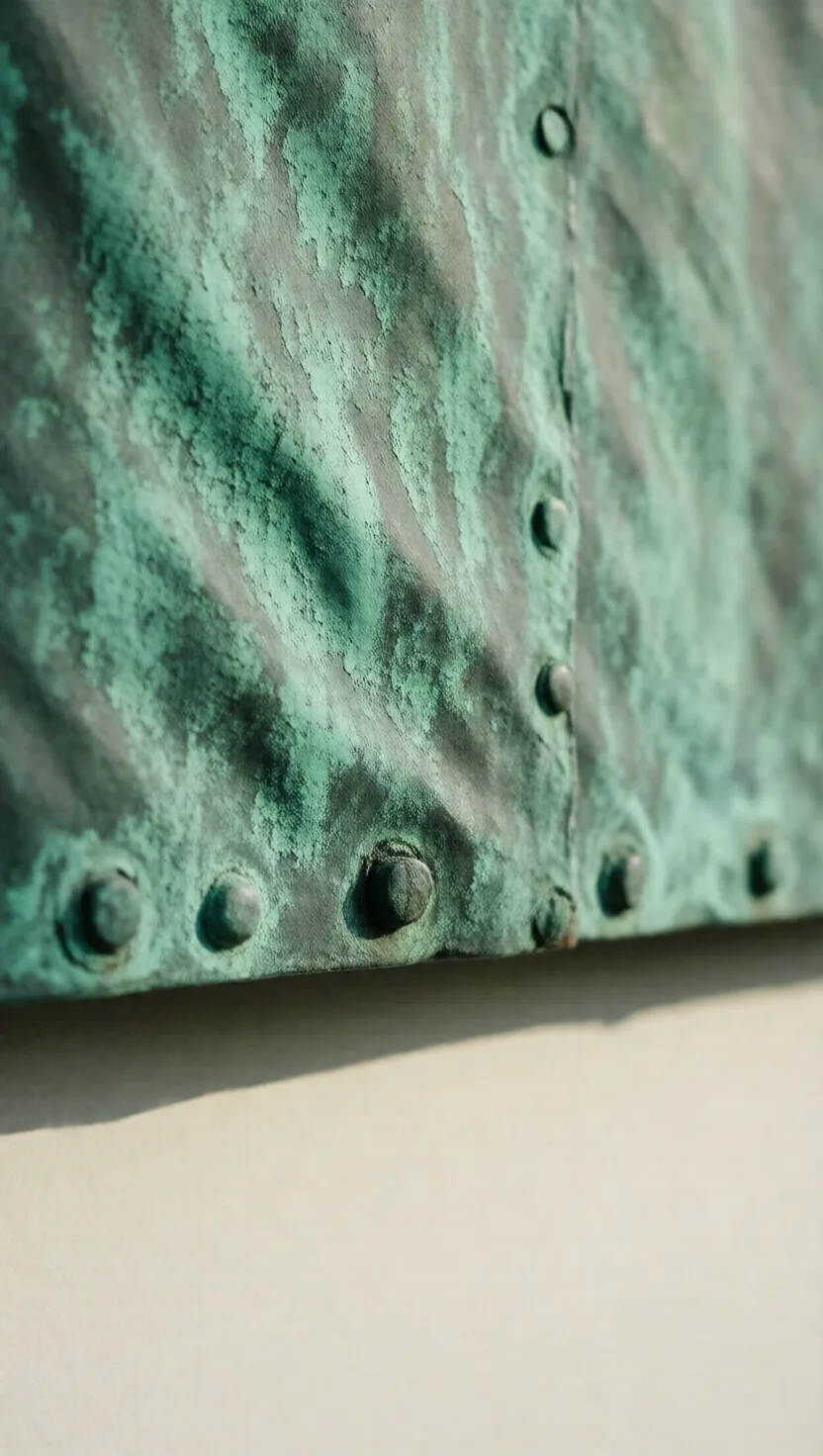
For all its size, the statue's copper skin is barely 2.4 millimetres thick, about two pennies stacked. It arrived a shiny new-penny brown and, over roughly thirty years in the salt sea air, oxidised to the famous green. That green crust isn't decay: it is a patina that seals and shields the wafer-thin metal beneath. Polishing it back to bright copper would actually strip away its own armour.
People made copper tools 6,000 years ago, with no fire

People made copper tools 6,000 years ago, with no fire

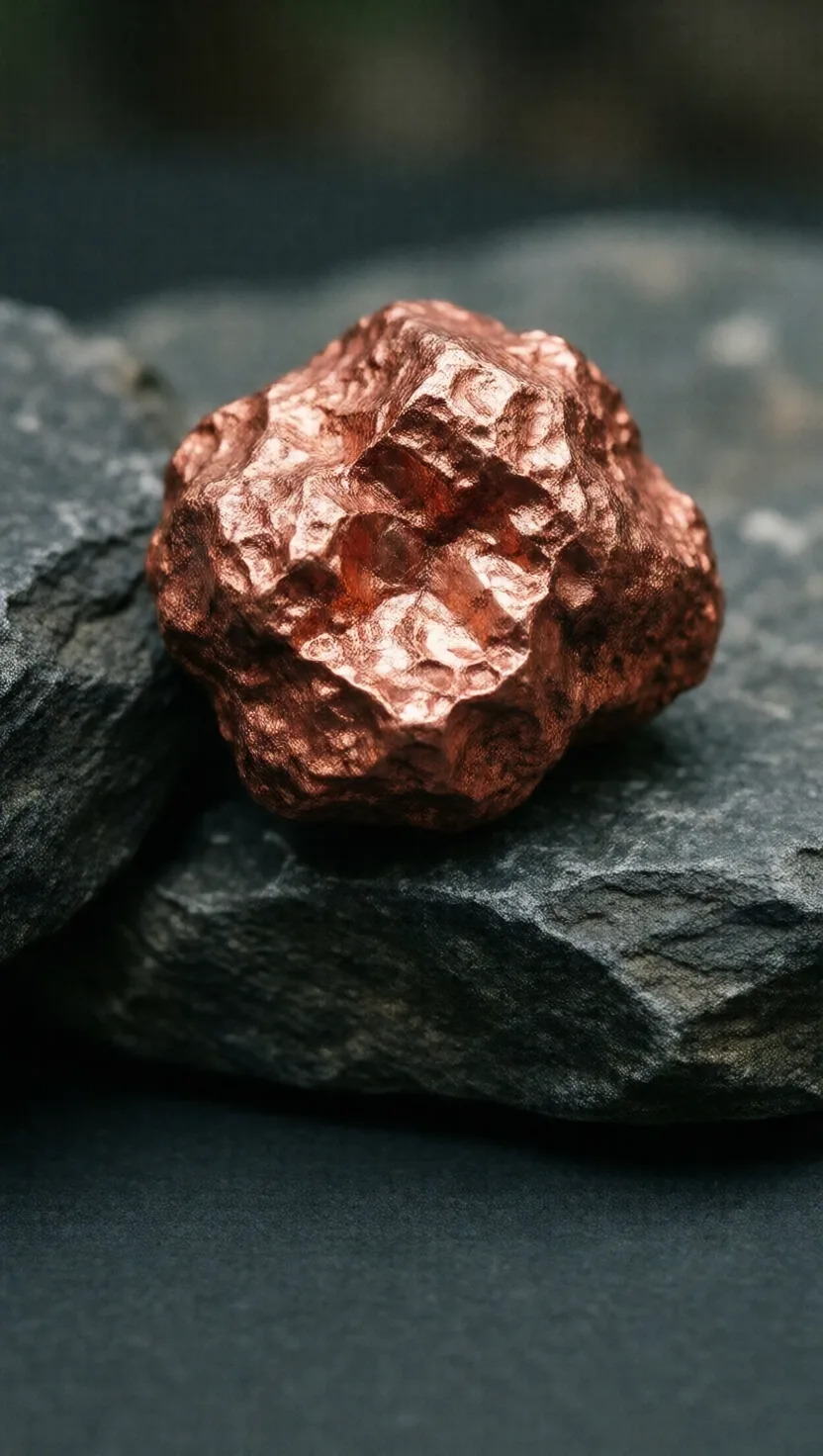
Most metals must be smelted out of ore, but copper sometimes occurs as pure native nuggets lying in the ground. Around the shores of Lake Superior the metal was so pure, often over 95 percent, that Archaic peoples simply gathered it and cold-hammered it into knives, awls and beads as far back as 6,000 years ago, with no smelting at all. It ranks among the oldest metalworking anywhere on Earth.
A 5,300-year-old iceman carried a copper axe

A 5,300-year-old iceman carried a copper axe

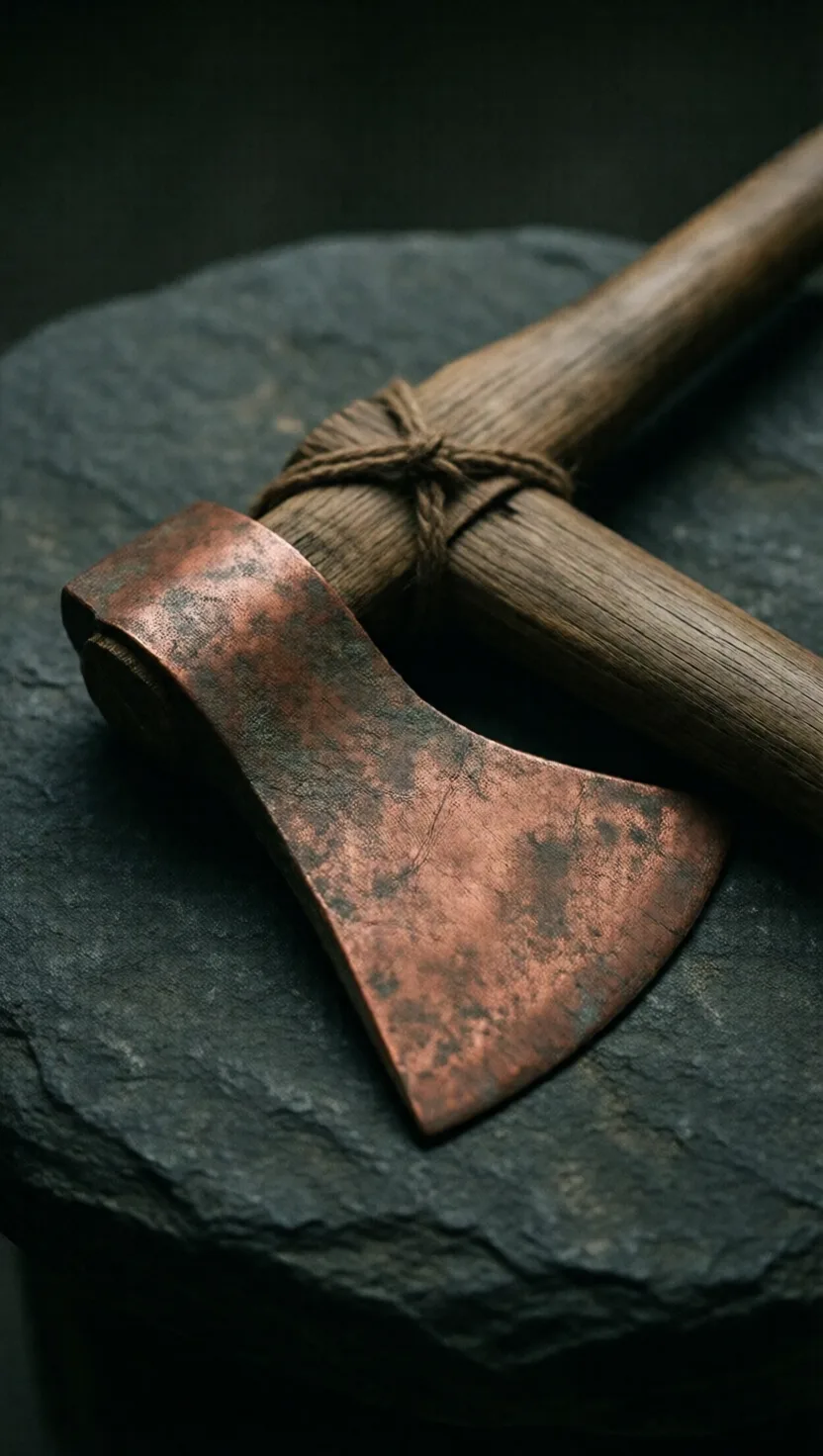
When a Copper Age man was found frozen in the Alps, his most striking tool was an axe with a blade of nearly pure copper, 99.7 percent. By tracing the lead isotopes locked inside the metal, scientists found the copper came from southern Tuscany, more than 500 kilometres away. His axe is quiet proof that long-distance metal trade was already running across Europe over five thousand years ago.
Vineyards are still sprayed with bright blue copper

Vineyards are still sprayed with bright blue copper

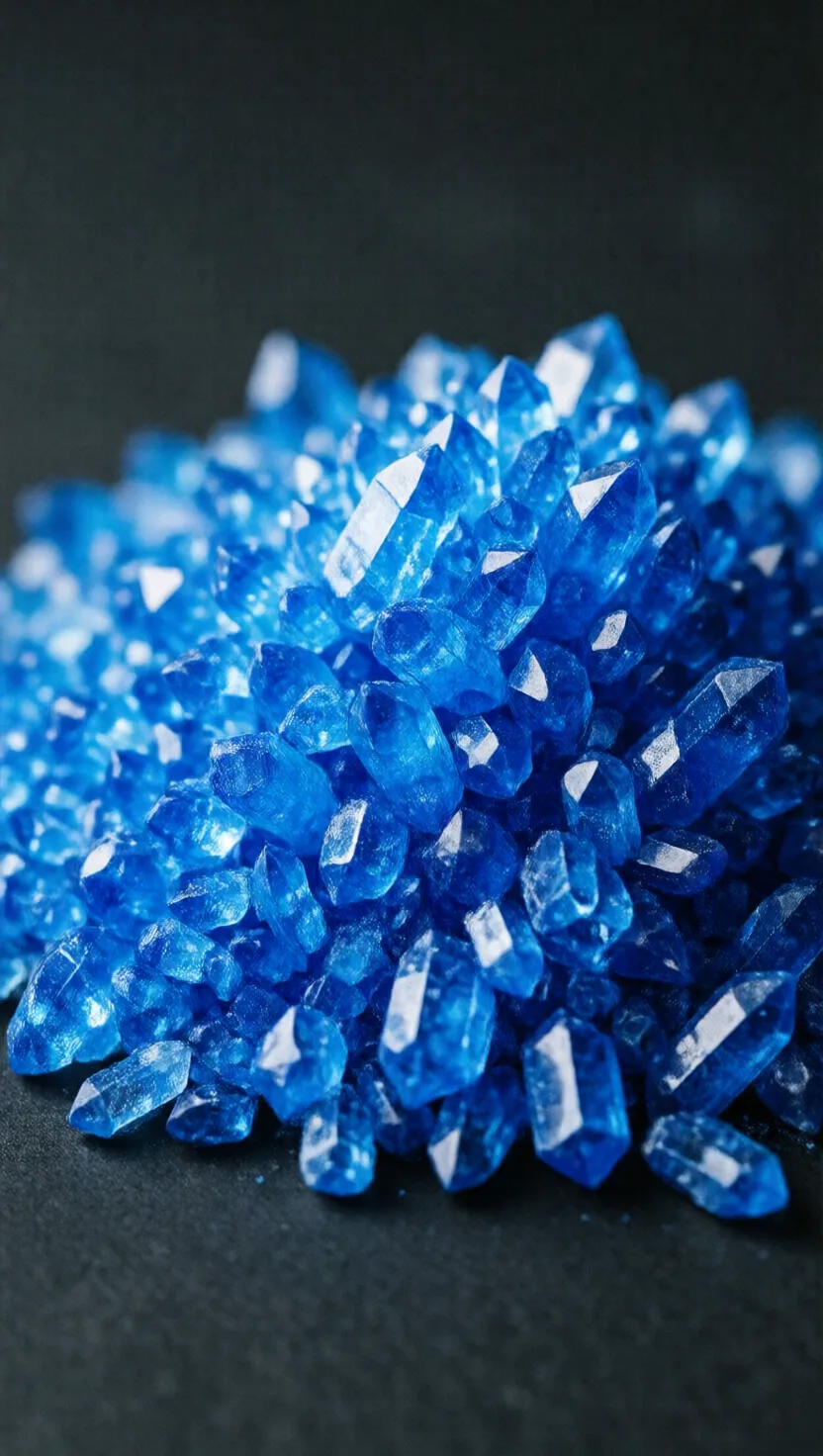
Dissolve copper in acid and it forms vivid blue crystals once called blue vitriol. Mixed with lime and water it becomes a sky-blue spray born in the 1880s in France to fight a mildew that was ravaging the vines. More than a century on, that same blue copper wash is still one of the most widely used fungicides in the world, and the faint blue-green tinge on old vine leaves is the copper at work.
Bronze Age copper was cast in the shape of an ox hide

Bronze Age copper was cast in the shape of an ox hide

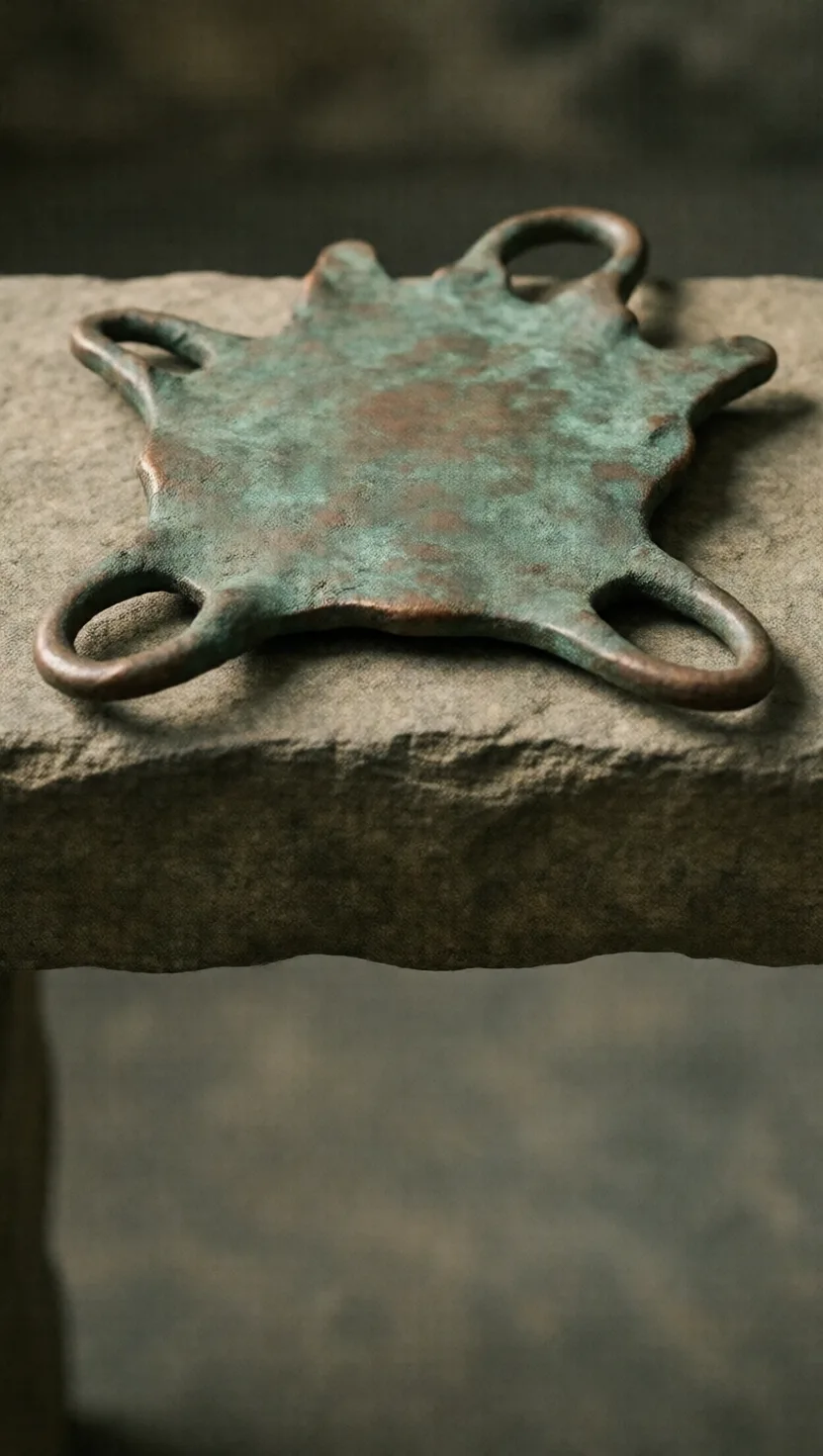
Three thousand years ago, traders moved copper as flat slabs with a handle at each corner, shaped roughly like a stretched ox hide so they could be slung onto pack animals. A single Bronze Age shipwreck off the Turkish coast gave up about ten tonnes of them, 354 ingots, each around 20 to 30 kilograms, a sunken cargo that shows how far raw metal travelled by sea.
The first green eyeshadow was ground-up copper ore

The first green eyeshadow was ground-up copper ore

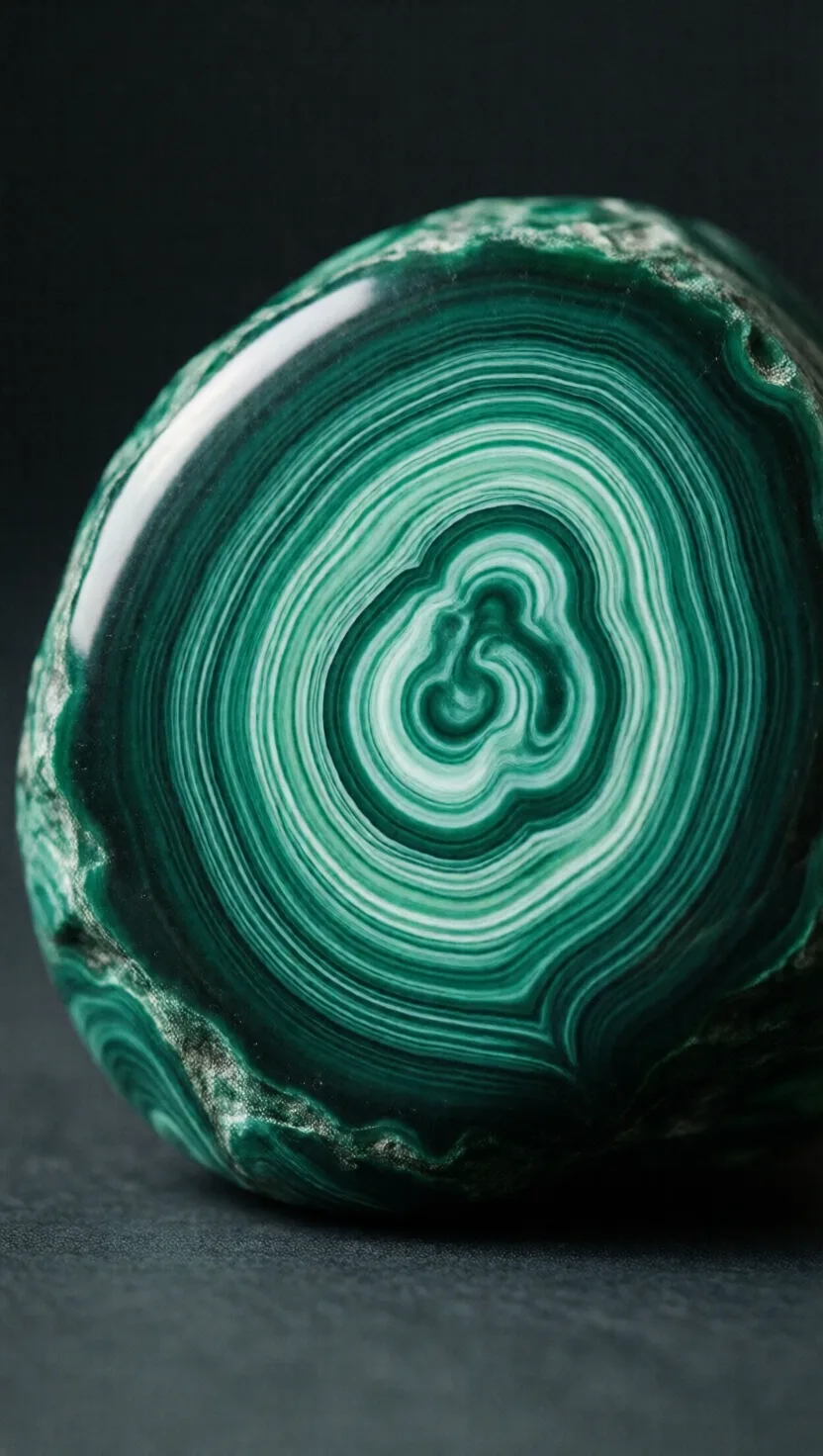
Malachite is copper turned to stone, a banded green copper carbonate. Ancient Egyptians ground it into a vivid green powder and painted it around their eyes more than five thousand years ago, both as cosmetic and as a colour tied to life and rebirth. The very same mineral, ground finer still, became one of the oldest green pigments for painting. Its green is simply copper showing its other face.
Why a sure thing is called copper-bottomed

Why a sure thing is called copper-bottomed

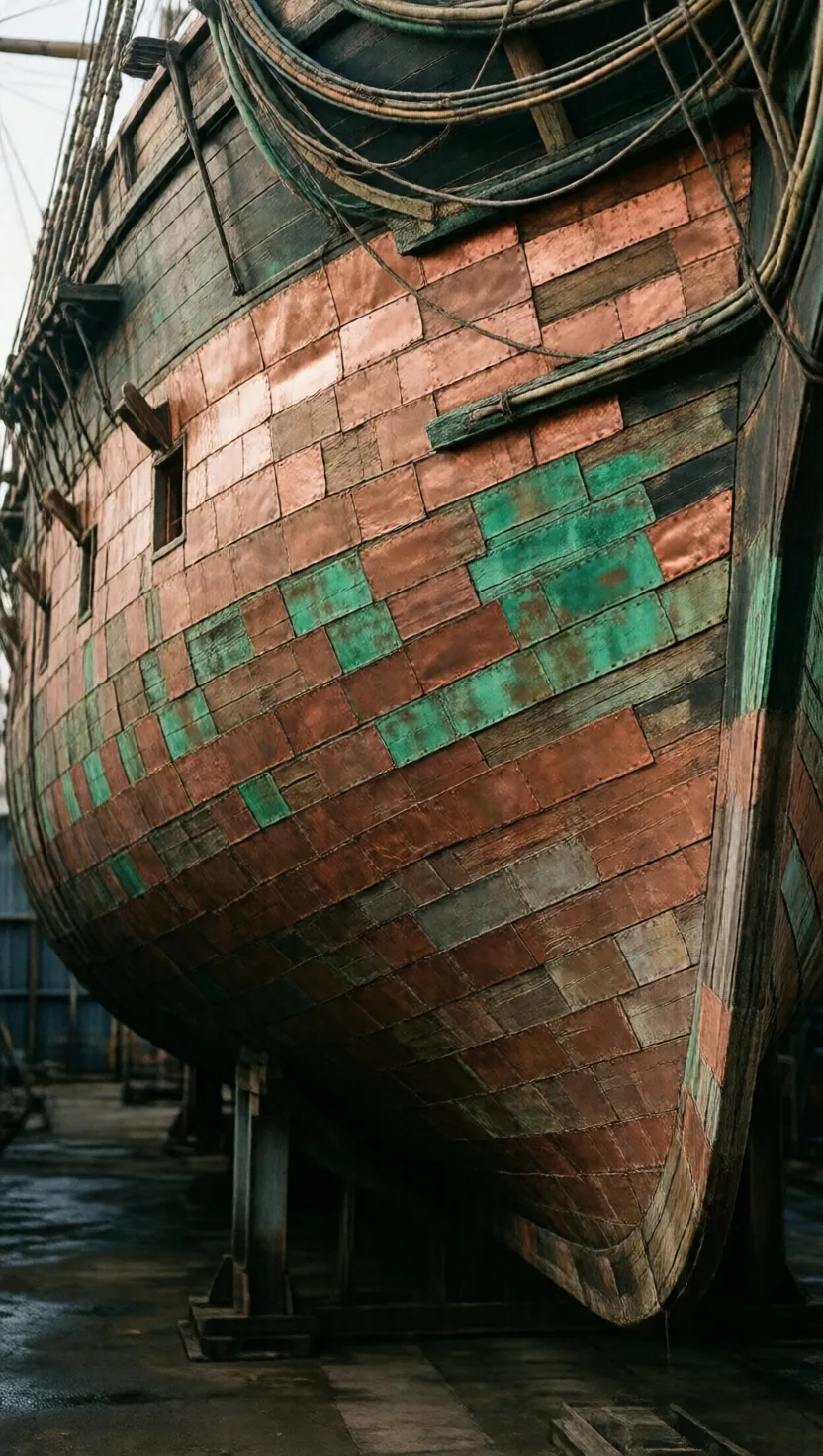
Wooden ships were eaten alive by shipworm and dragged slow by barnacles. From 1761 the Royal Navy began nailing thin copper plates over the hull below the waterline; the copper reacted with seawater to shed a film toxic to clinging life, so the timber stayed sound and fast. The protection was so reliable that copper-bottomed entered English as a phrase for any safe, guaranteed bet.
tap →swipe ↑ for depthswipe ↓ to exit