Eight things that hold your clothes together

DC·70 Deep Cuts
A weed stuck to a dog invented this fastener

A weed stuck to a dog invented this fastener

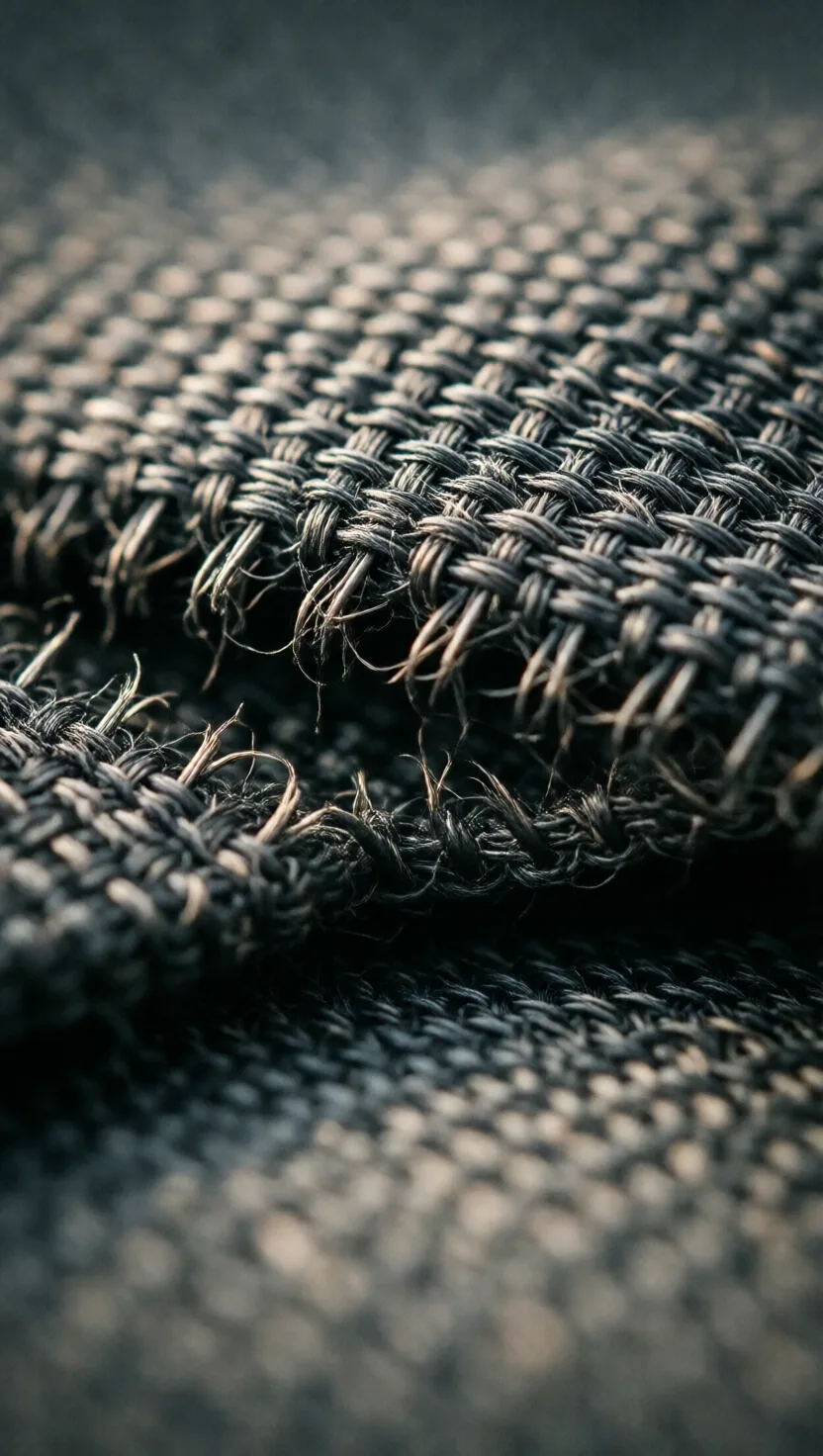
After a walk in the Alps in 1941, a Swiss engineer kept pulling burdock burrs off his trousers and his dog, and grew curious enough to put one under a microscope. He found it bristling with tiny hooks that grabbed any loop of fabric or fur. It took him years to copy the trick in cloth, patented in 1955; the name he gave it splices the French words for velvet and hook.
The zipper took thirty years to actually work

The zipper took thirty years to actually work

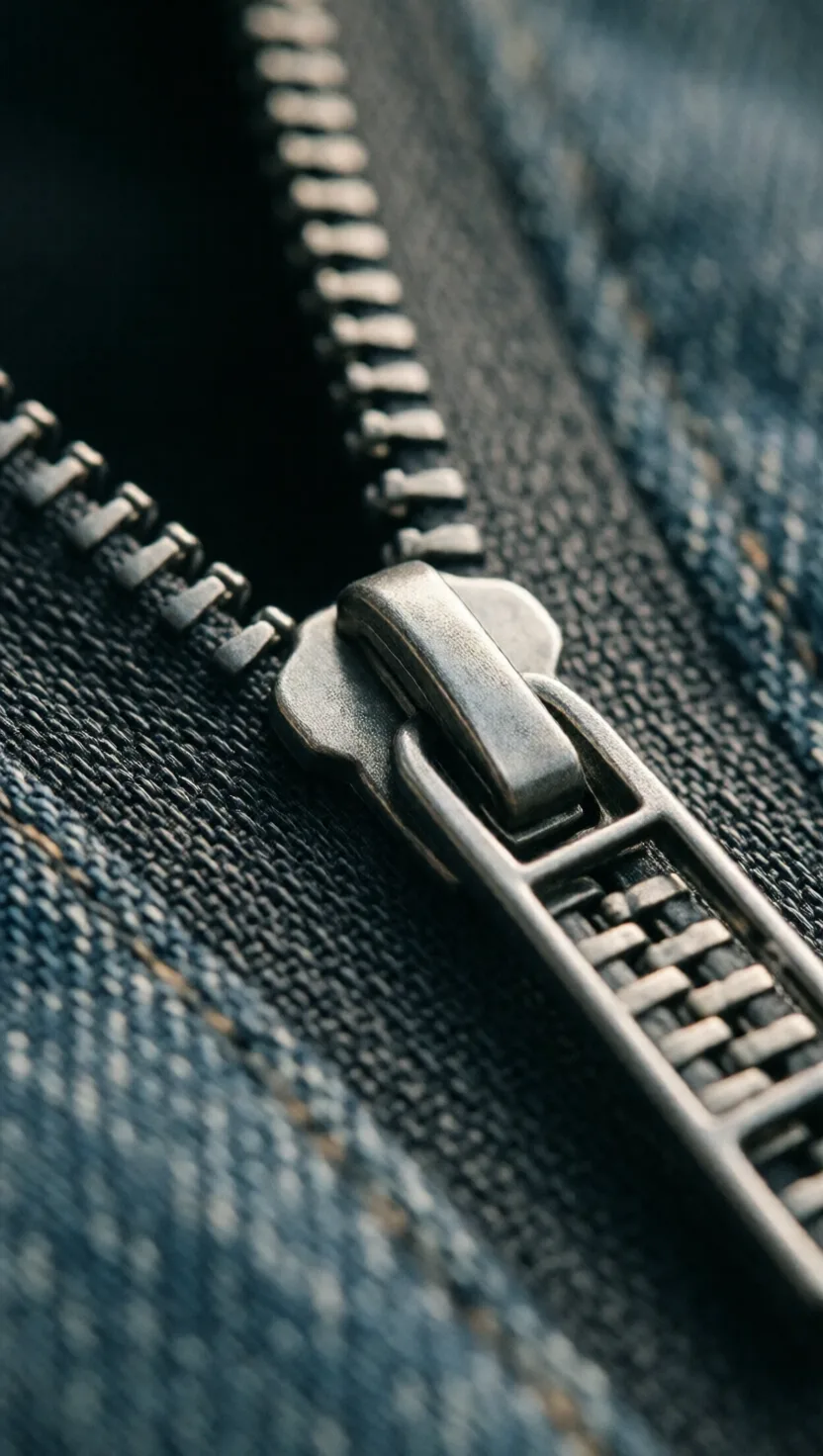
An early clasp locker shown at the 1893 Chicago World's Fair jammed and popped open constantly. It took until 1913 for Gideon Sundback to crack the real design, rows of interlocking teeth that a sliding wedge forces together and prizes apart one tooth at a time. Even the name came late: a boot company stuck it on rubber galoshes in 1923 for the zip sound they made.
The safety pin was dreamed up to clear a debt

The safety pin was dreamed up to clear a debt

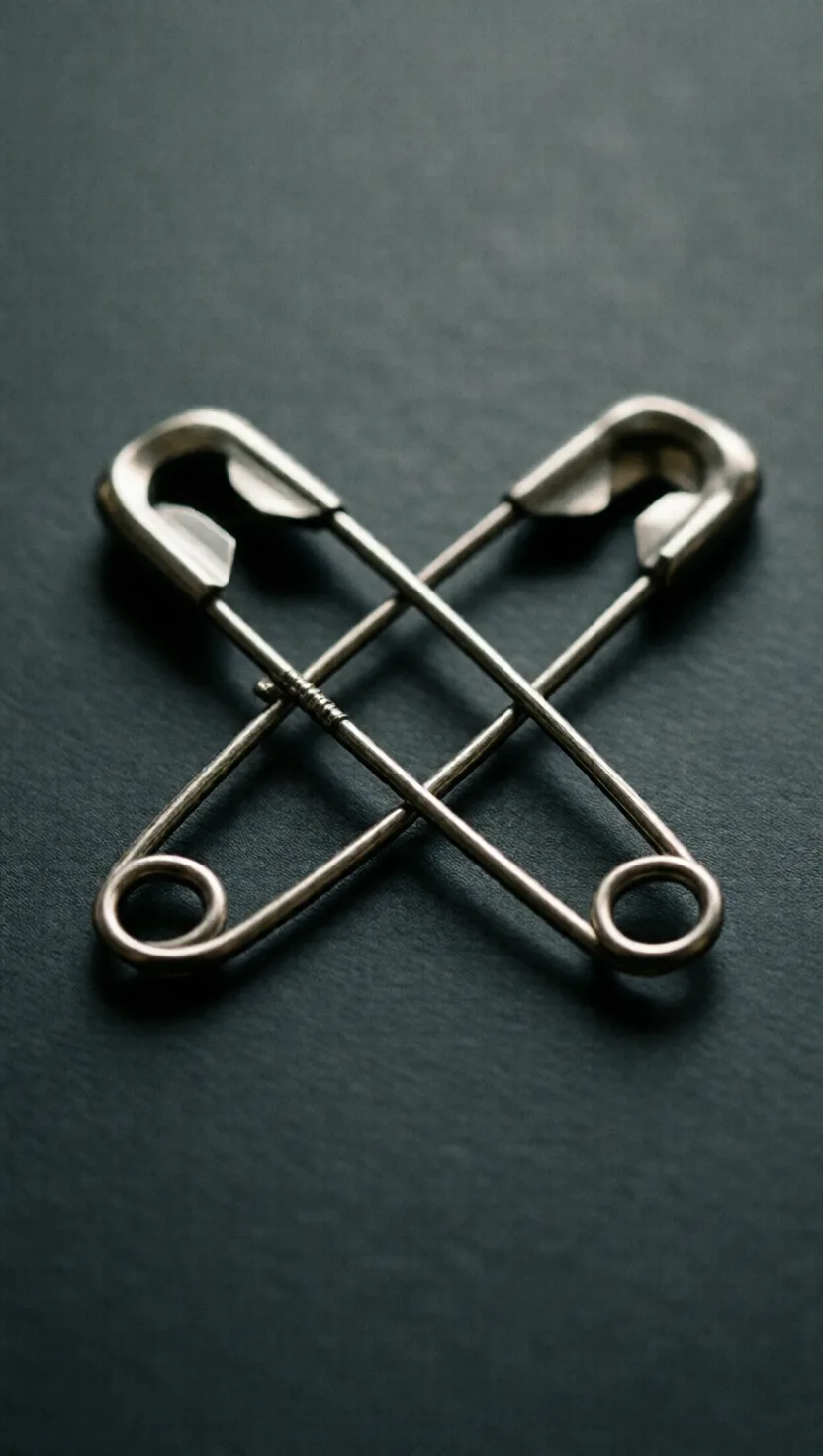
In 1849 the American inventor Walter Hunt needed to pay back a debt of about fifteen dollars. Toying with a single piece of wire roughly eight inches long, he twisted it into a clasped pin in only a few hours, the coil at one end acting as a spring and a guard hiding the sharp point. He sold the patent outright for around four hundred dollars and never shared in the fortune it made.
Buttons are ancient; the buttonhole is not

Buttons are ancient; the buttonhole is not

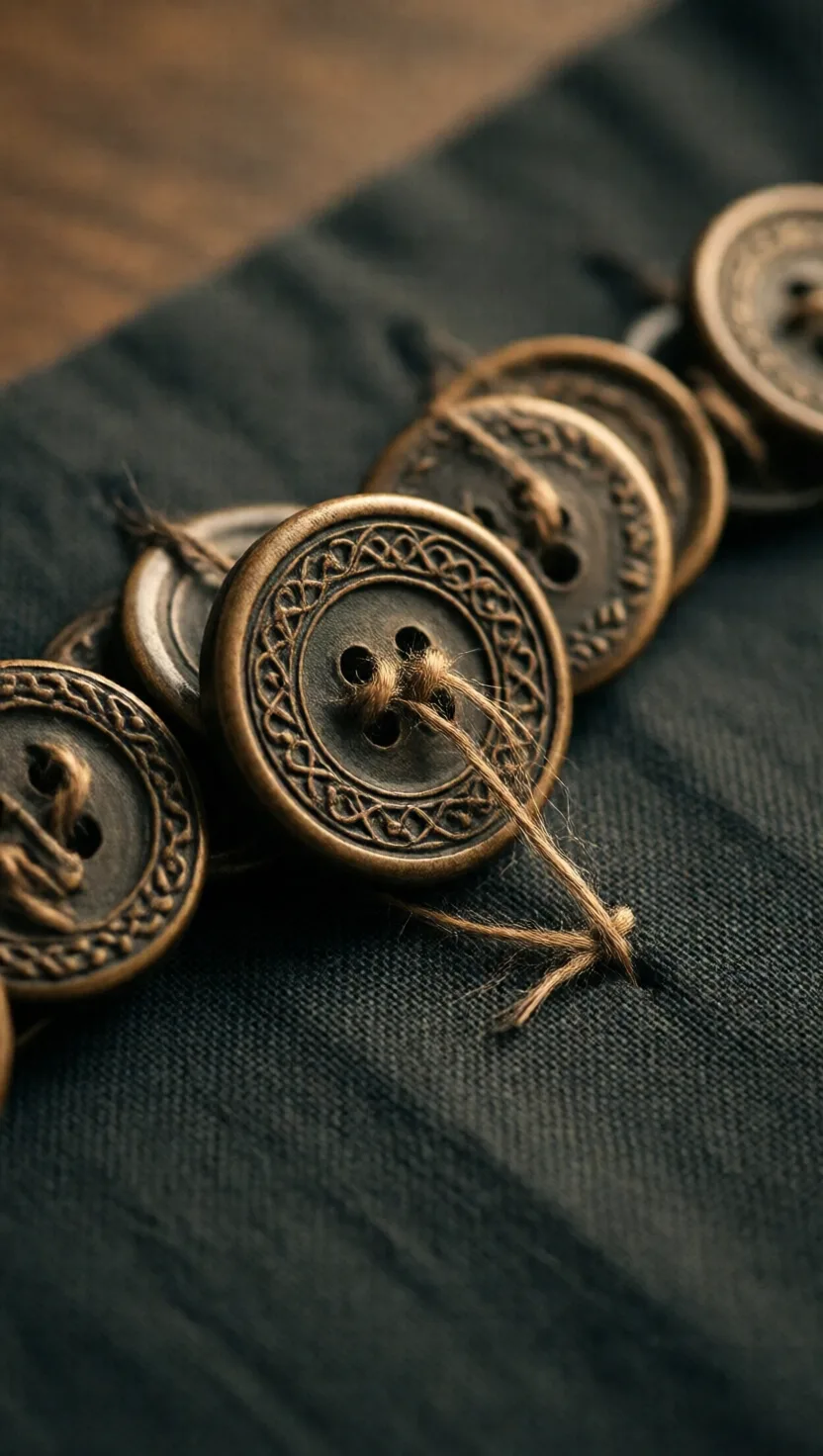
People wore buttons five thousand years ago, but only as ornaments; the oldest known one is a carved shell from the Indus Valley. For most of history clothes were held shut with pins, brooches and laces instead. The buttonhole, which turned the button into a real fastener, only reached Europe in the thirteenth century, and with it came snug, tailored clothing that could finally be done up down the front.
The plastic tip of your shoelace has a name

The plastic tip of your shoelace has a name

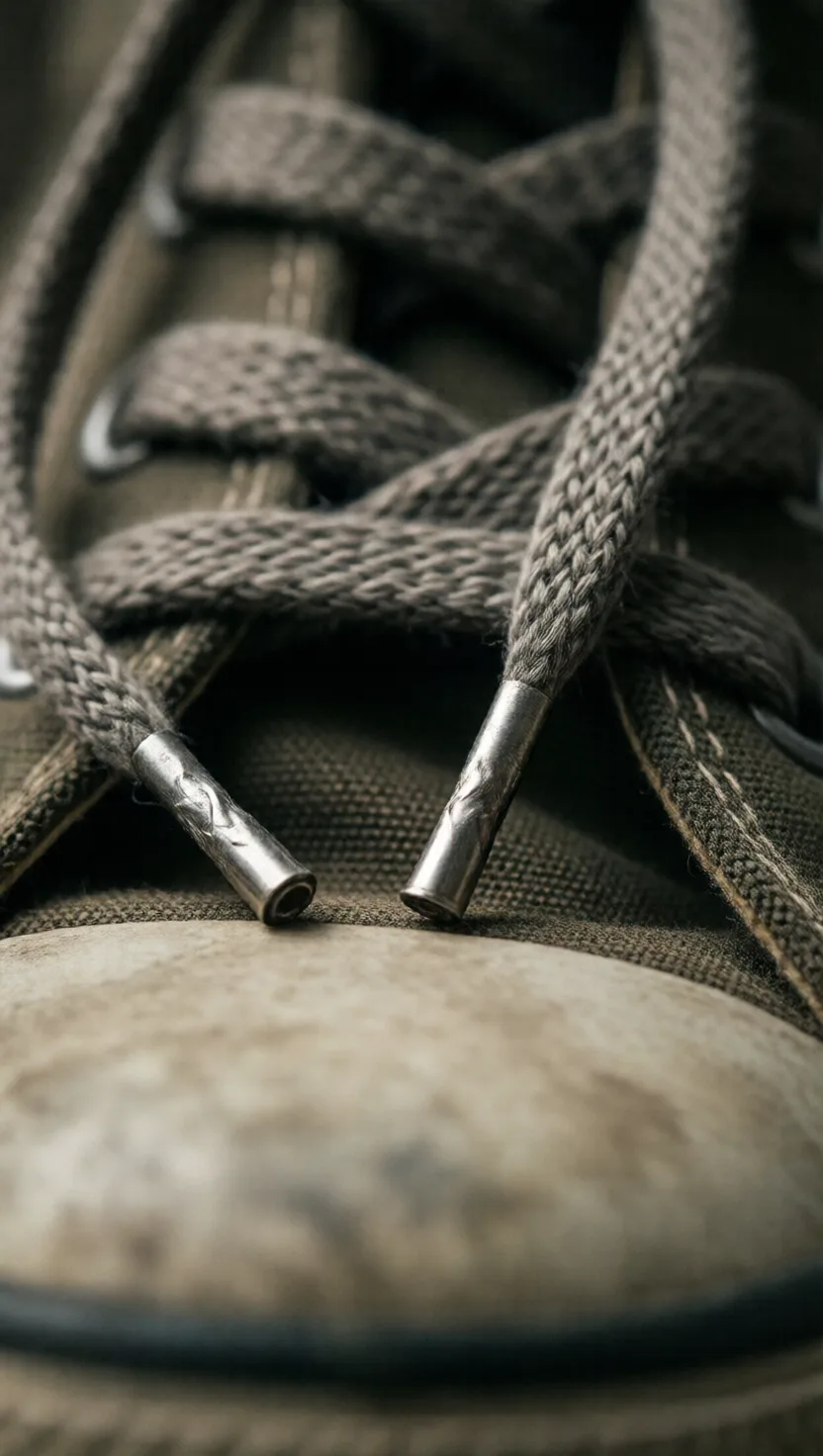
That little tube crimped onto each end of a shoelace is called an aglet. It does two quiet jobs: it binds the lace fibers so they cannot fray apart, and it stiffens the tip into a kind of needle so the lace slides easily through the eyelets. The word comes from an old French term meaning little needle, which is exactly what it turns the soft end of the lace into.
The snap that clicks shut hides a tiny spring

The snap that clicks shut hides a tiny spring

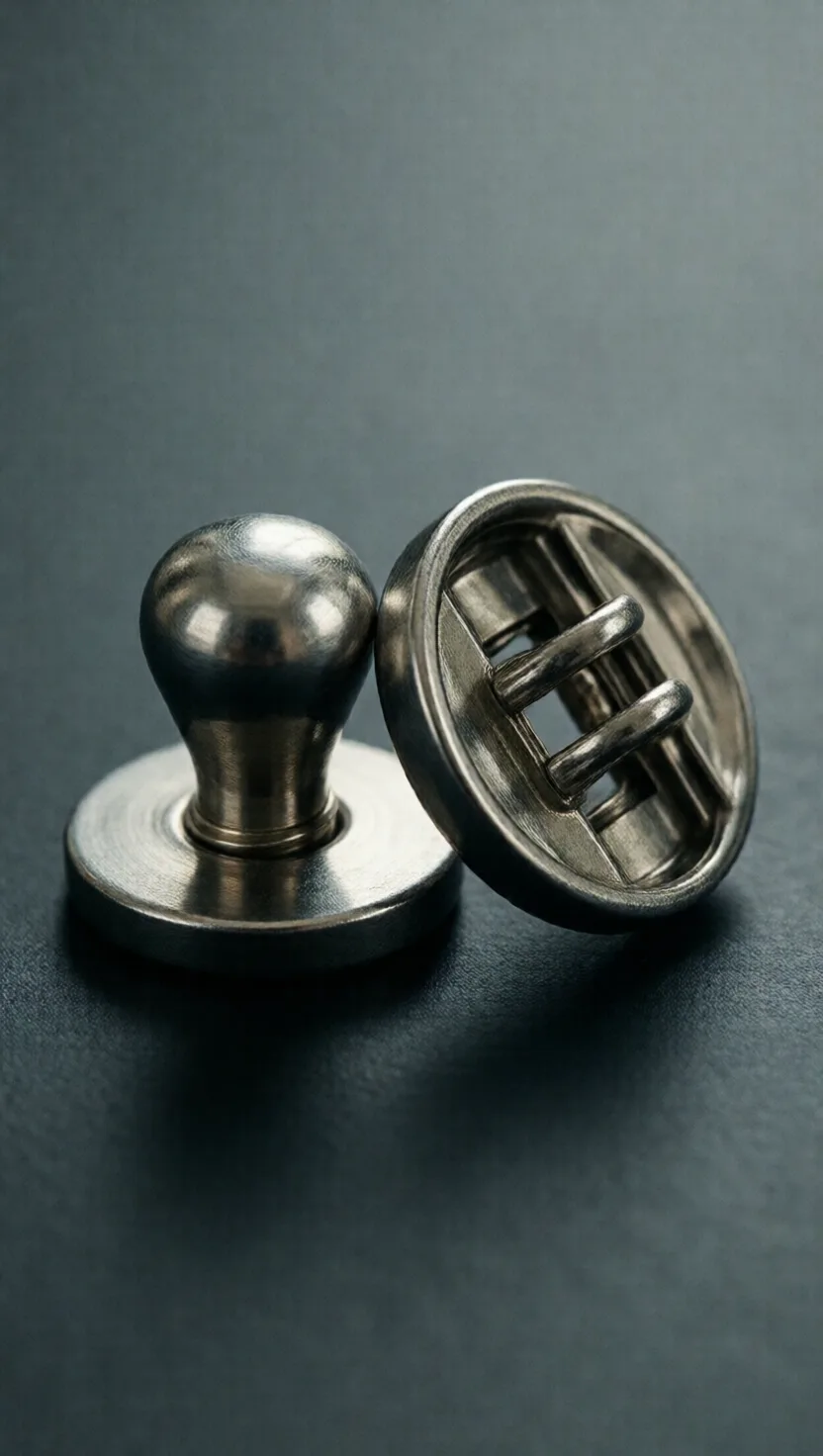
The press stud that snaps a jacket closed was patented by a German inventor, Heribert Bauer, in 1885, first meant for men's trousers. It is really two metal discs: a rounded stud on one side and a socket on the other holding a bent spring. Push them together and the spring opens just enough to swallow the stud, then grips it tight, giving the sharp click that names it.
A coat button stands on a little hidden leg

A coat button stands on a little hidden leg

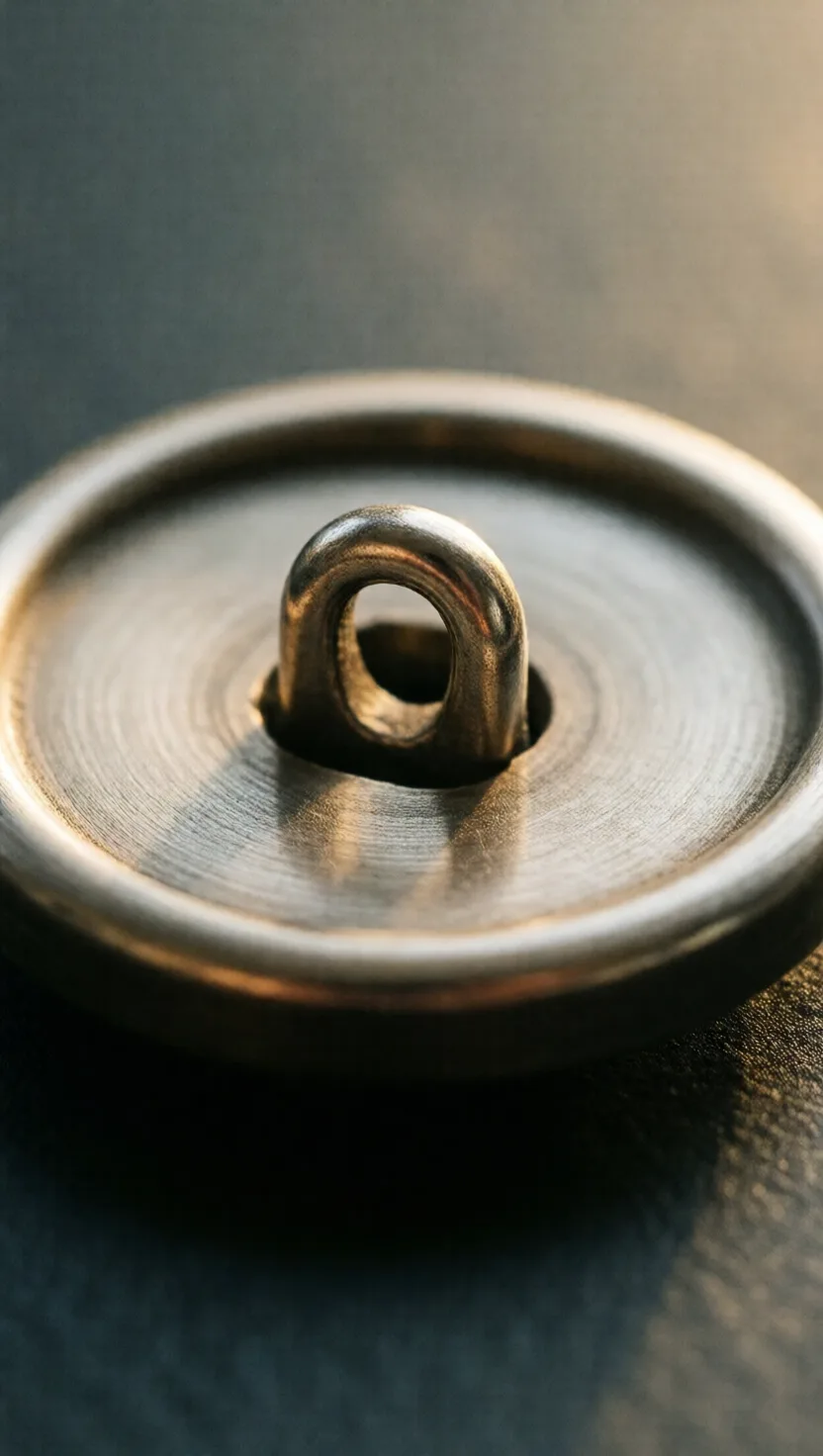
Look at a coat button and there are often no holes on its face. Instead it has a shank, a small hollow loop on the back through which the thread is sewn. That loop lifts the button a few millimeters off the cloth, leaving a gap so the thick fabric of the other side can tuck underneath when fastened. Shirt buttons skip the shank and sit flat, sewn straight through two or four holes.
Millions of buttons were punched out of river shells

Millions of buttons were punched out of river shells

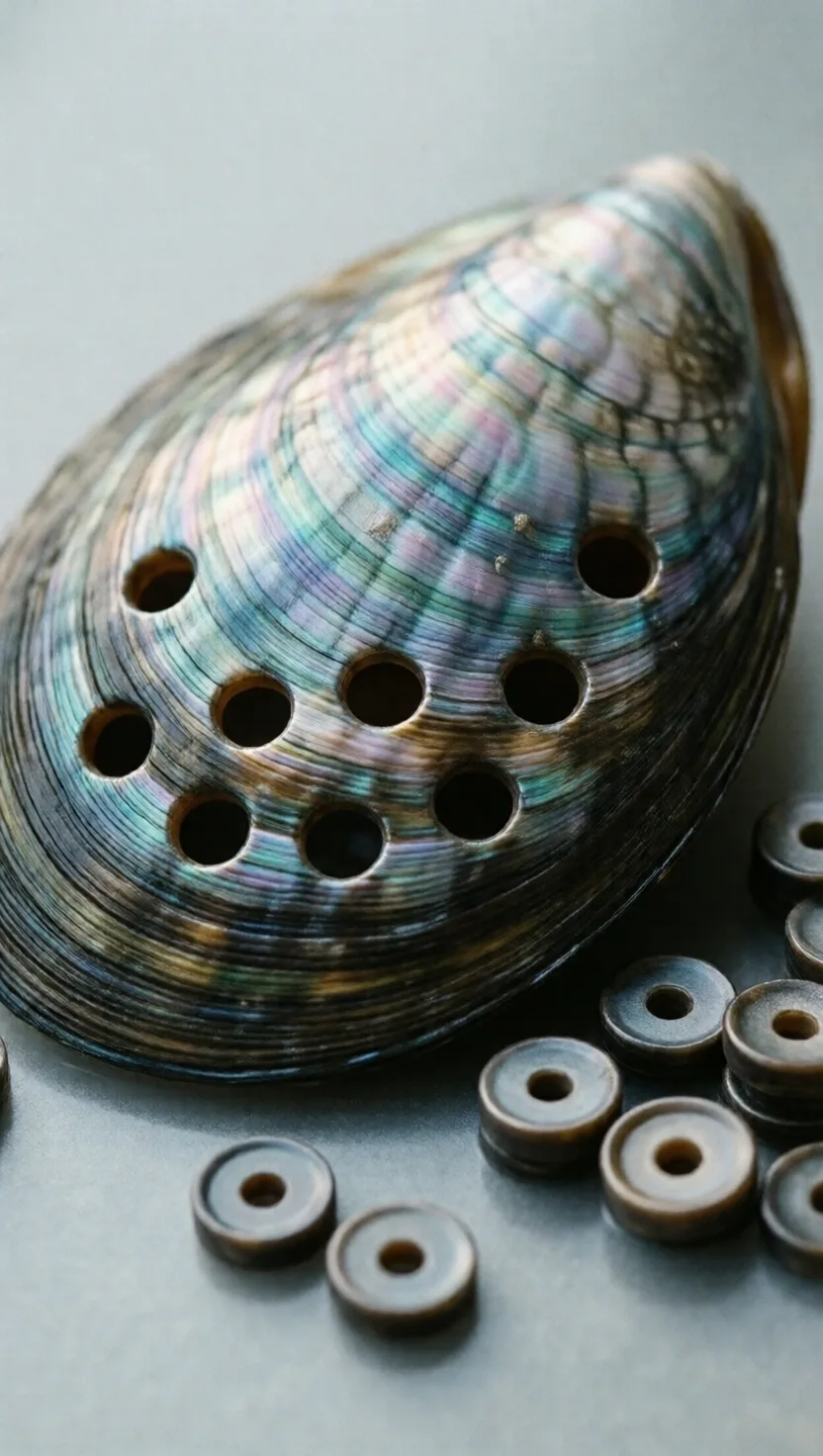
Around 1900 one Mississippi river town, Muscatine in Iowa, became the button capital of the world by drilling them out of freshwater mussel shells. Workers pressed tubular saws into the iridescent shell to punch out round blanks, which were then ground, drilled and polished into pearly buttons. At its peak the town turned out well over a billion buttons a year, until the mussel beds were stripped bare.
tap →swipe ↑ for depthswipe ↓ to exit