Eight things hiding in the ground beneath you

DC·64 Deep Cuts
A teaspoon of soil outnumbers humanity

A teaspoon of soil outnumbers humanity

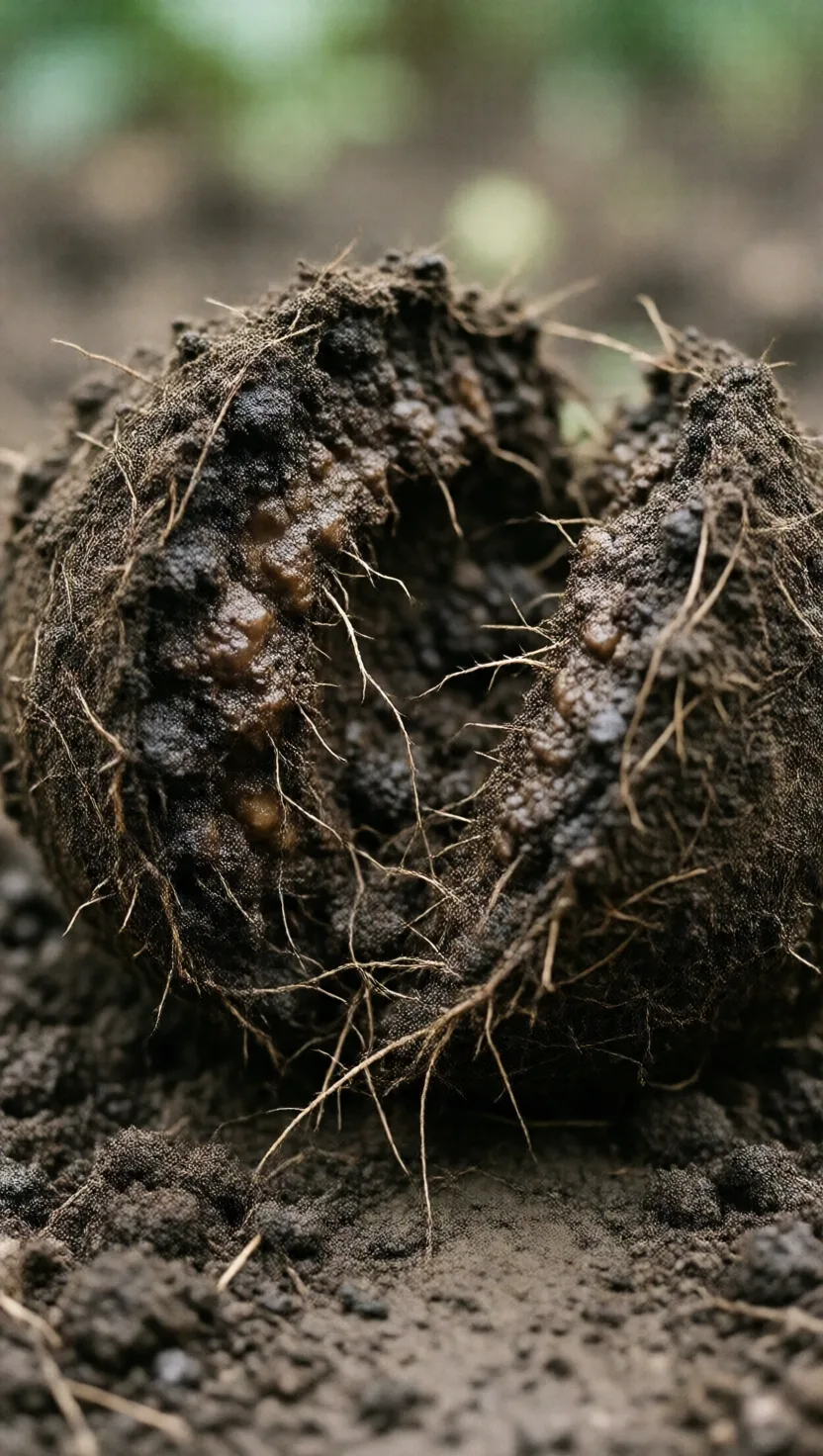
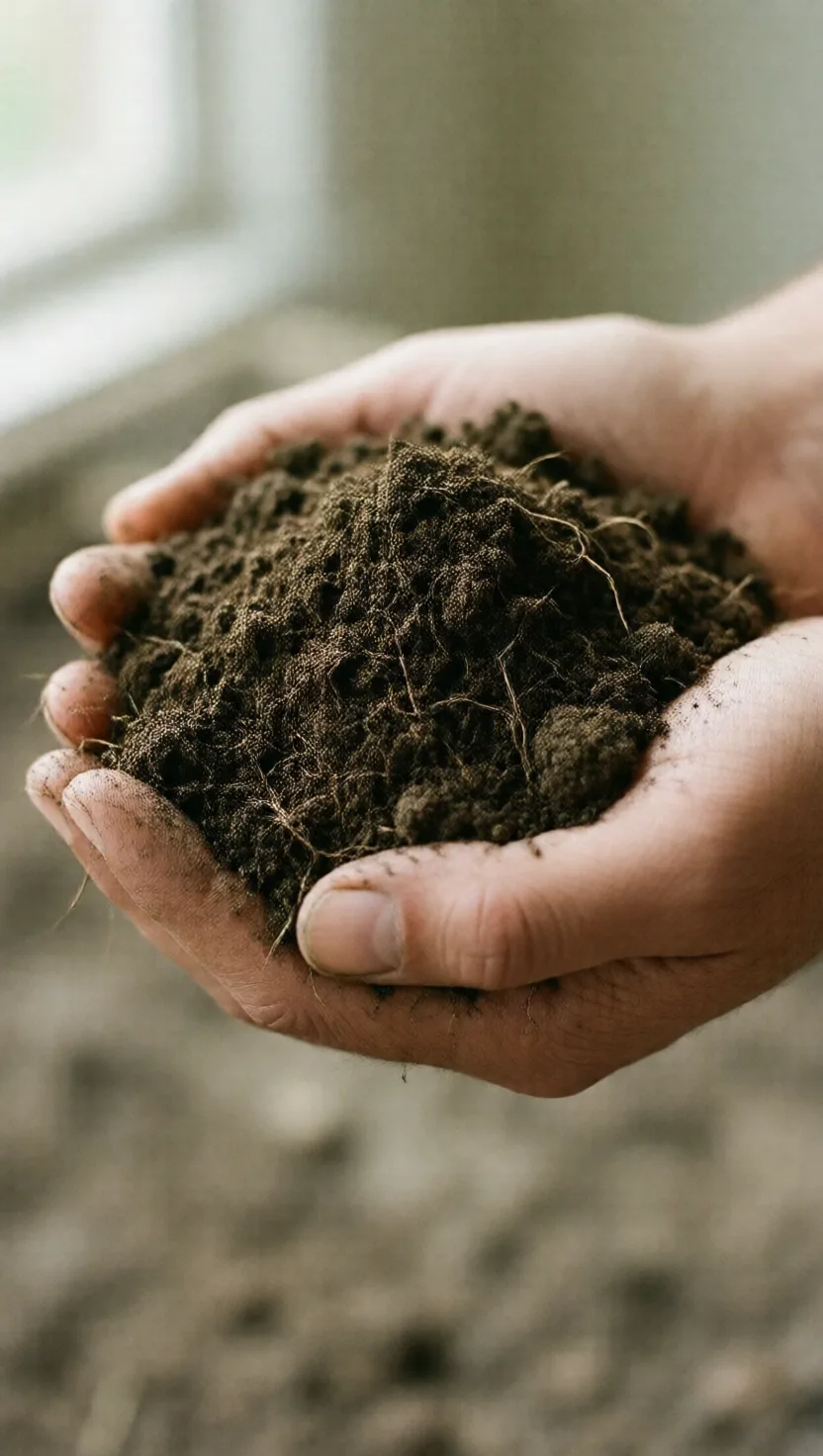
A single teaspoon of healthy soil contains more living microorganisms than there are people on Earth. Estimates run from 1 billion to 10 billion bacteria per gram, alongside fungi, protozoa, and nematodes. These organisms form vast underground networks that recycle nutrients, store carbon, and keep plants alive. A handful of earth holds a population larger than all of humanity.
Darwin's last book was about worms

Darwin's last book was about worms

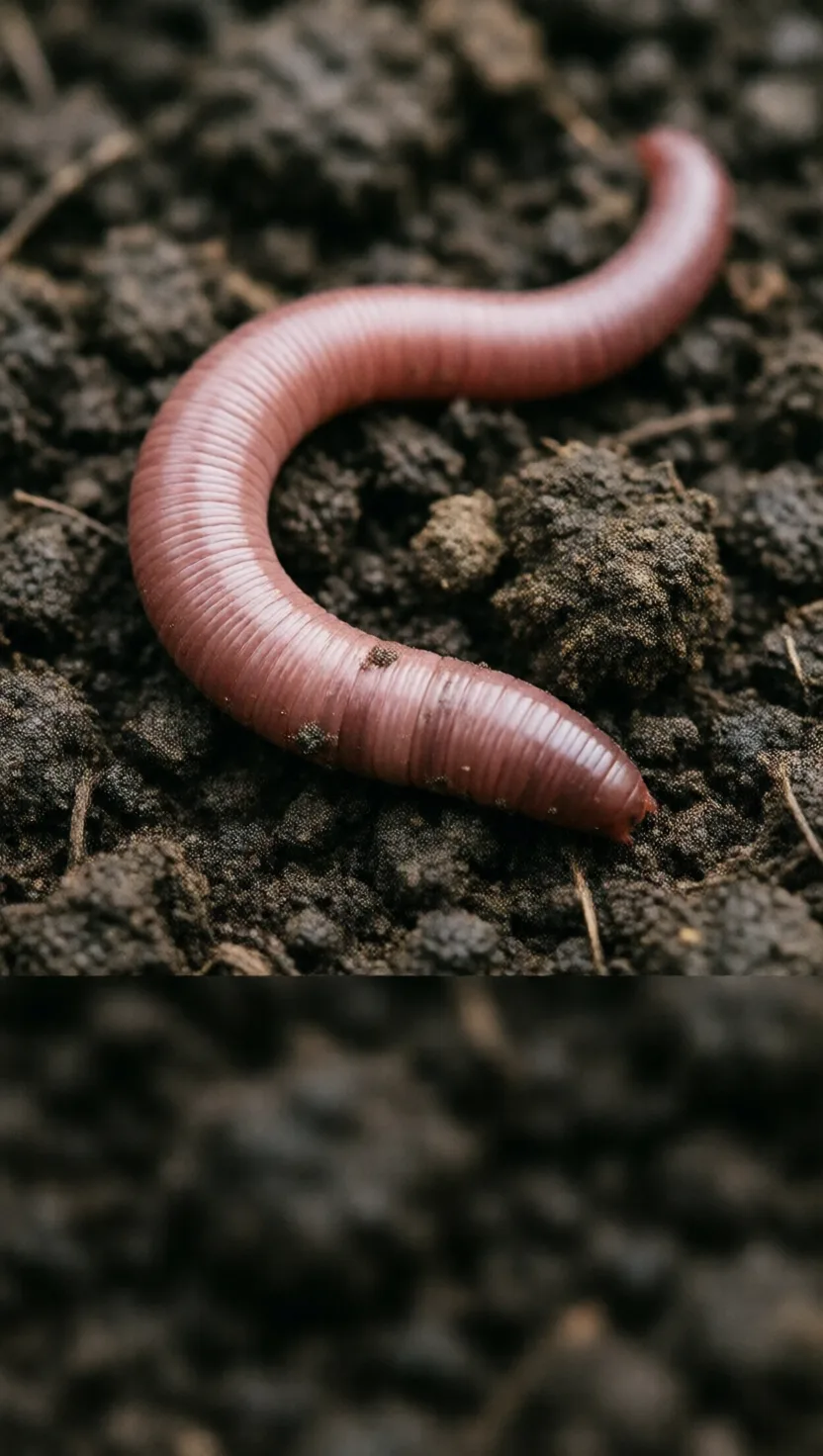
Charles Darwin spent decades studying earthworms, publishing his final book in 1881, the year before he died. He calculated that earthworms can pass over 10 tonnes of soil per acre through their bodies each year, slowly burying stones and ruins under fresh castings. He judged them one of the most important creatures in history for shaping the land beneath us.
You smell rain at five parts per trillion

You smell rain at five parts per trillion

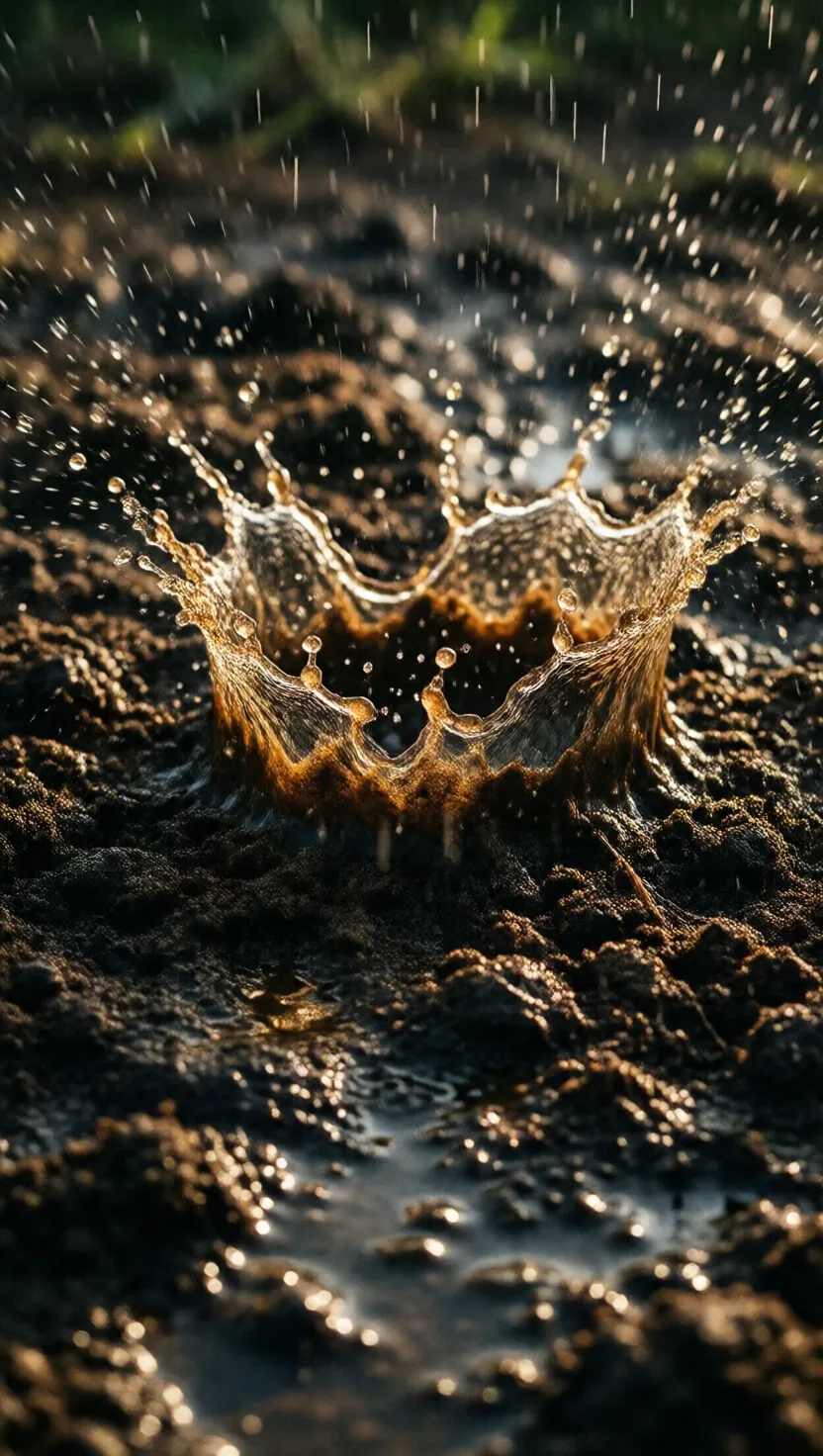
The earthy scent after rain is geosmin, made by soil bacteria called Streptomyces. The human nose detects it at concentrations as low as 5 parts per trillion, making us extraordinarily sensitive to it. When raindrops hit dry soil they fling microscopic particles into the air, carrying the smell aloft. The bacteria use it to lure tiny creatures that spread their spores.
An inch of soil can take 500 years to form

An inch of soil can take 500 years to form

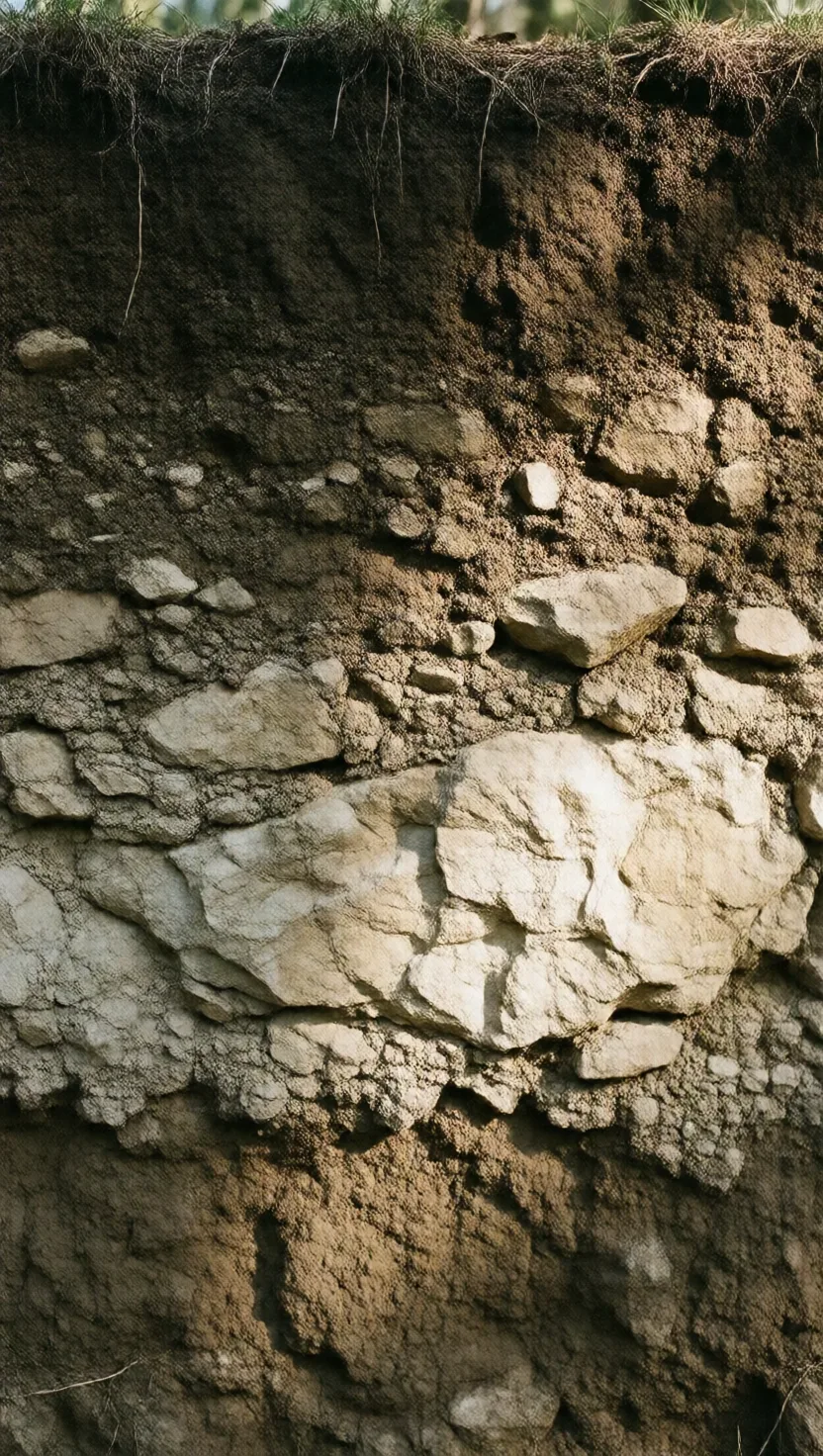
Soil forms agonizingly slowly as rock weathers and organic matter accumulates. Building a single inch of topsoil can take 500 to 1,000 years under natural conditions. Yet erosion from farming and deforestation can strip that same inch away in just a few decades. We are losing soil far faster than the planet can rebuild it, making it effectively a non-renewable resource.
Ancient Amazonians engineered eternal soil

Ancient Amazonians engineered eternal soil

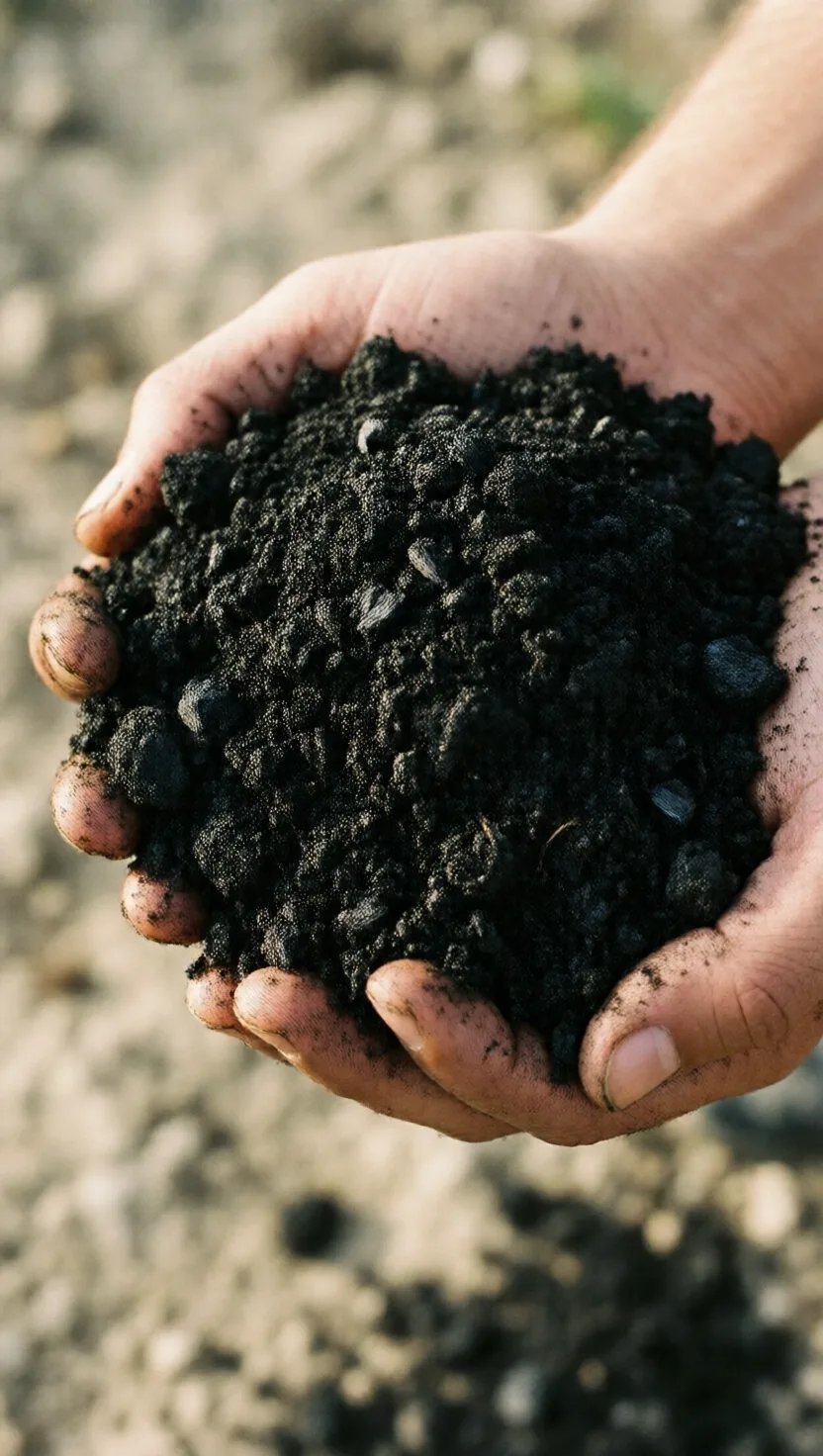
Across the Amazon, patches of rich black earth called terra preta were created by Indigenous people over 2,000 years ago by burying charcoal, bones, and waste. Unlike the thin, poor rainforest soil around it, this dark earth stays fertile for millennia and even appears to regenerate. Its charcoal locks carbon away and hosts thriving microbial life, inspiring modern biochar farming.
Dirt holds more carbon than air and plants combined

Dirt holds more carbon than air and plants combined

The world's soils store an estimated 2,500 gigatonnes of carbon, roughly three times the amount in the atmosphere and four times what is held in all living plants and animals. This makes soil one of Earth's largest carbon reservoirs. When ground is disturbed by plowing or degradation, it releases this carbon as a greenhouse gas, which is why healthy soil matters for the climate.
Four of every five animals on Earth live in dirt

Four of every five animals on Earth live in dirt

Nematodes, tiny roundworms living in soil, are the most numerous animals on the planet. A landmark 2019 census estimated 57 billion billion of them in Earth's soils, around four out of every five animals alive. Most are invisible to the eye, yet together they outweigh all wild mammals and quietly govern how nutrients cycle through the ground.
Quicksand can't actually swallow you whole

Quicksand can't actually swallow you whole

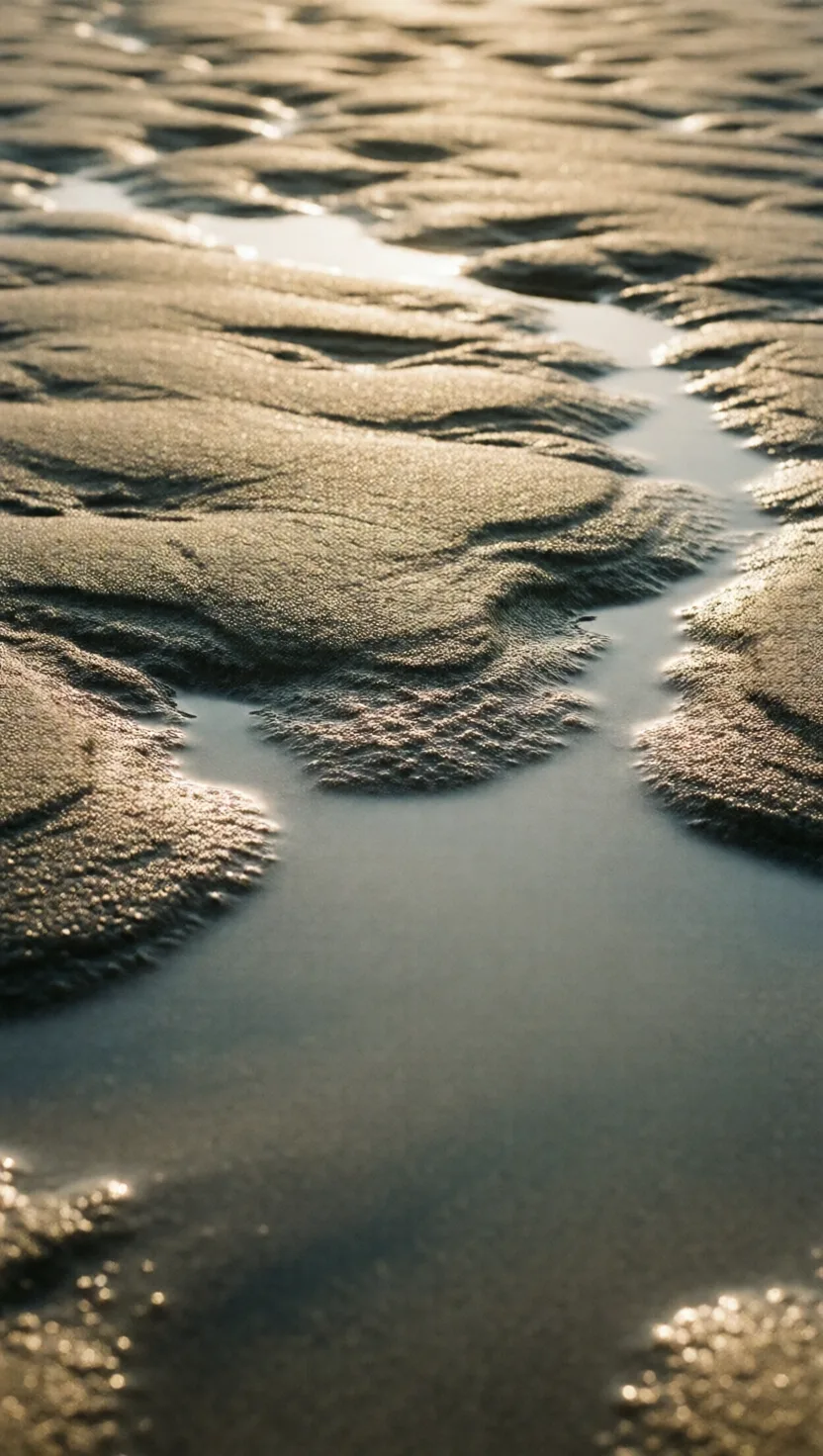
Despite the movies, you cannot fully sink in quicksand. It is ordinary sand saturated with water, and a human body is less dense than the mixture, so you float once submerged to about the waist. A 2005 study found that pulling a trapped foot out at the speed of a finger can demand the force needed to lift a midsize car, around 100,000 newtons, but the sand itself will not drag you under.
tap →swipe ↑ for depthswipe ↓ to exit