Eight things magnets do that feel like sorcery

DC·63 Deep Cuts
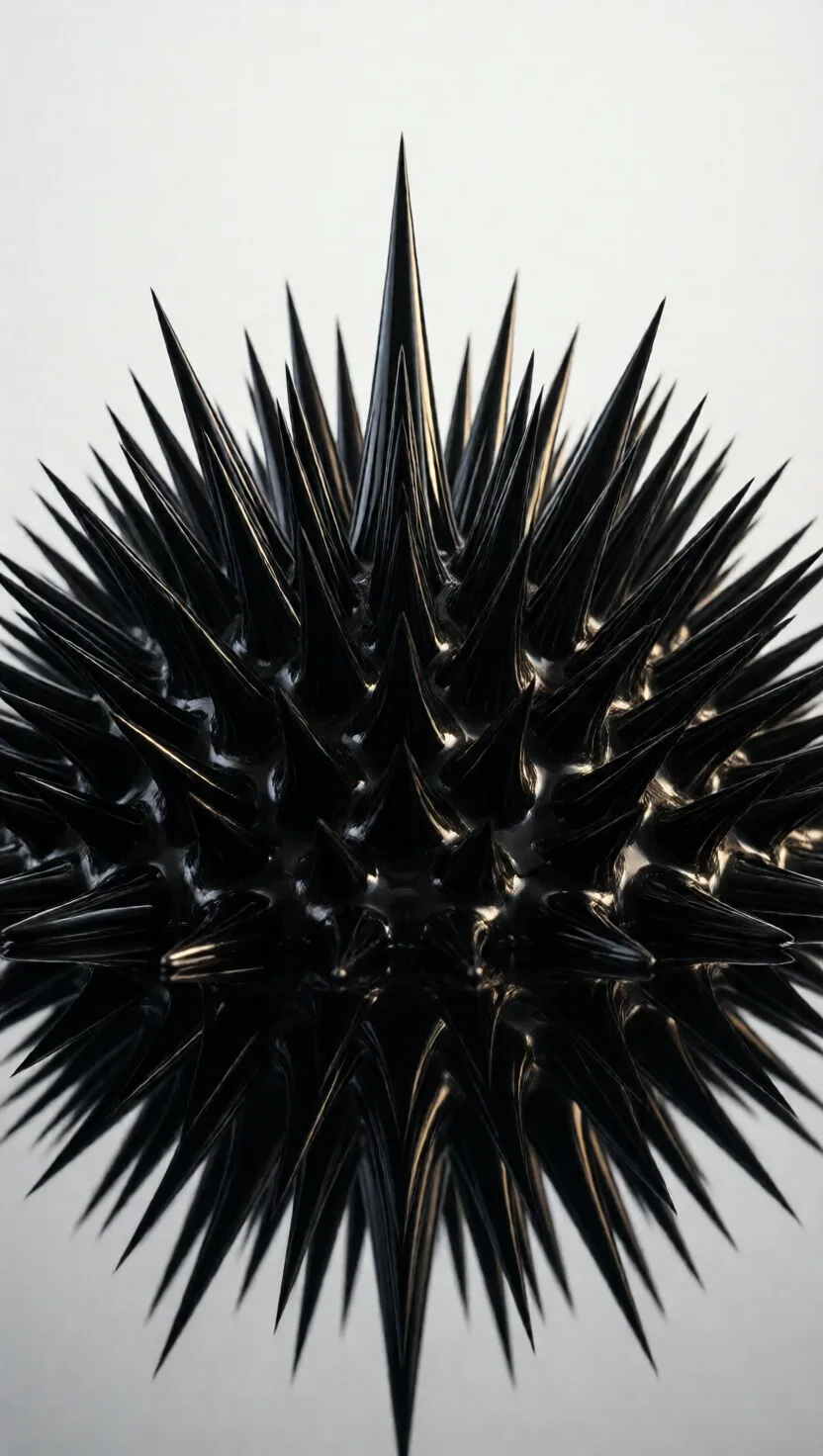
This liquid grows spikes when a magnet nears

This liquid grows spikes when a magnet nears

Ferrofluid is a liquid packed with iron-rich nanoparticles, each about 10 nanometers wide, suspended in oil. Bring a magnet close and it bristles into a field of sharp peaks. The spikes form because the fluid tries to follow the magnetic field lines while gravity and surface tension fight back, settling into a pattern called the normal-field instability, first explained in 1967.
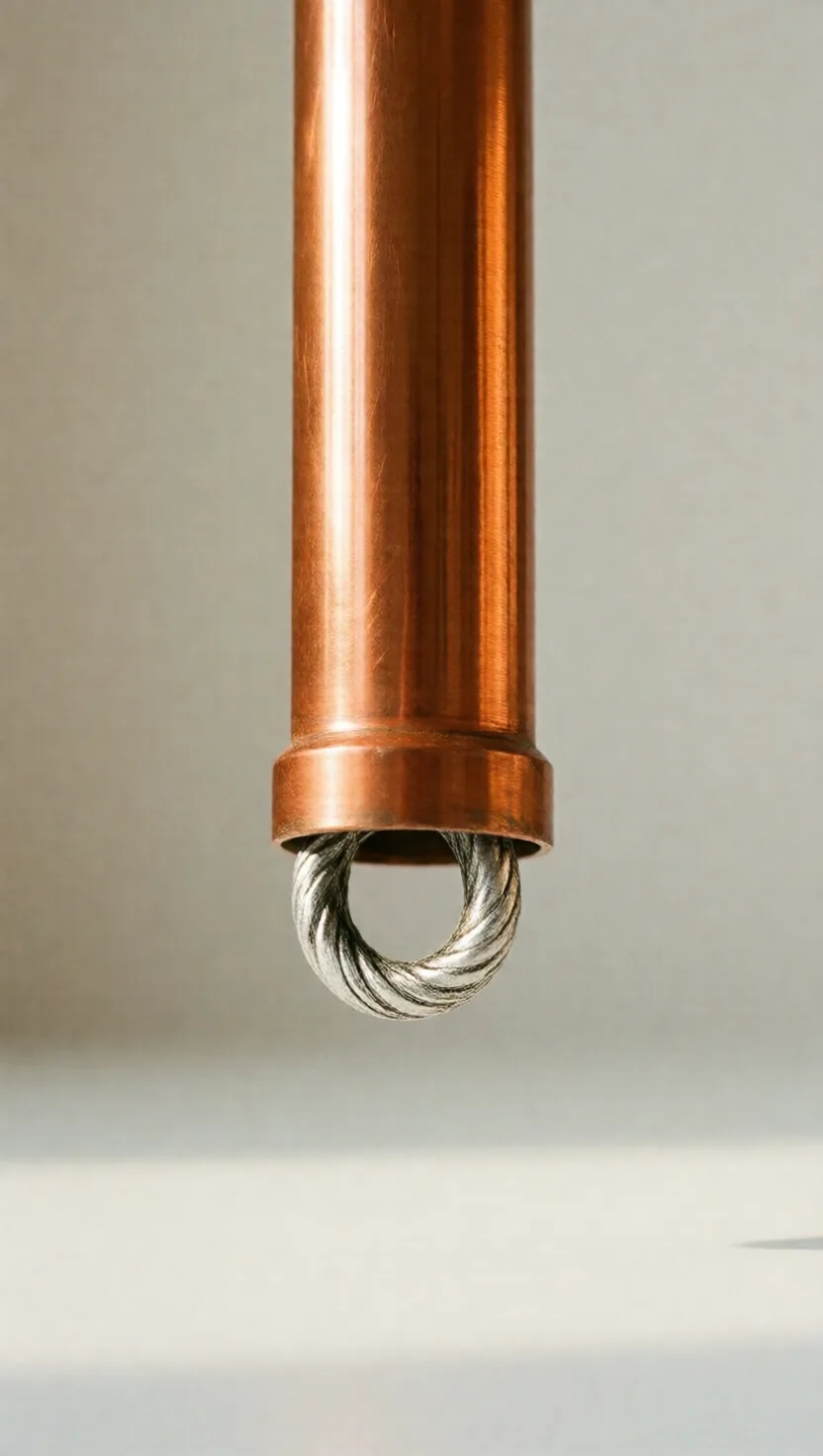
A magnet falls through copper in slow motion

A magnet falls through copper in slow motion

Drop a strong magnet down a copper tube and it drifts down as if through honey, even though copper is not magnetic. The falling magnet induces swirling electric currents, called eddy currents, in the copper. By Lenz's law these currents create their own field that opposes the fall. A strong magnet can take several seconds to sink through a one-metre copper pipe it would clear in under half a second in open air. The same effect brakes trains without touching them.
Heat a magnet red-hot and it forgets itself

Heat a magnet red-hot and it forgets itself

Every magnetic material has a Curie point, a temperature above which it loses its magnetism entirely. For iron that threshold is 770 degrees Celsius. Heat slams the atoms with so much energy that their aligned magnetic domains scramble into chaos, and the metal can no longer hold a field. Let it cool and it can be magnetized again. Named for Pierre Curie, who studied it in 1895.
A chilled disc freezes a magnet in midair

A chilled disc freezes a magnet in midair

Cool certain materials below their critical temperature and they become superconductors, expelling magnetic fields in what is called the Meissner effect. A magnet placed above one hovers in midair, locked in place as if pinned. Some ceramic superconductors achieve this around minus 180 degrees Celsius, reachable with liquid nitrogen, making the floating magnet a striking laboratory sight.
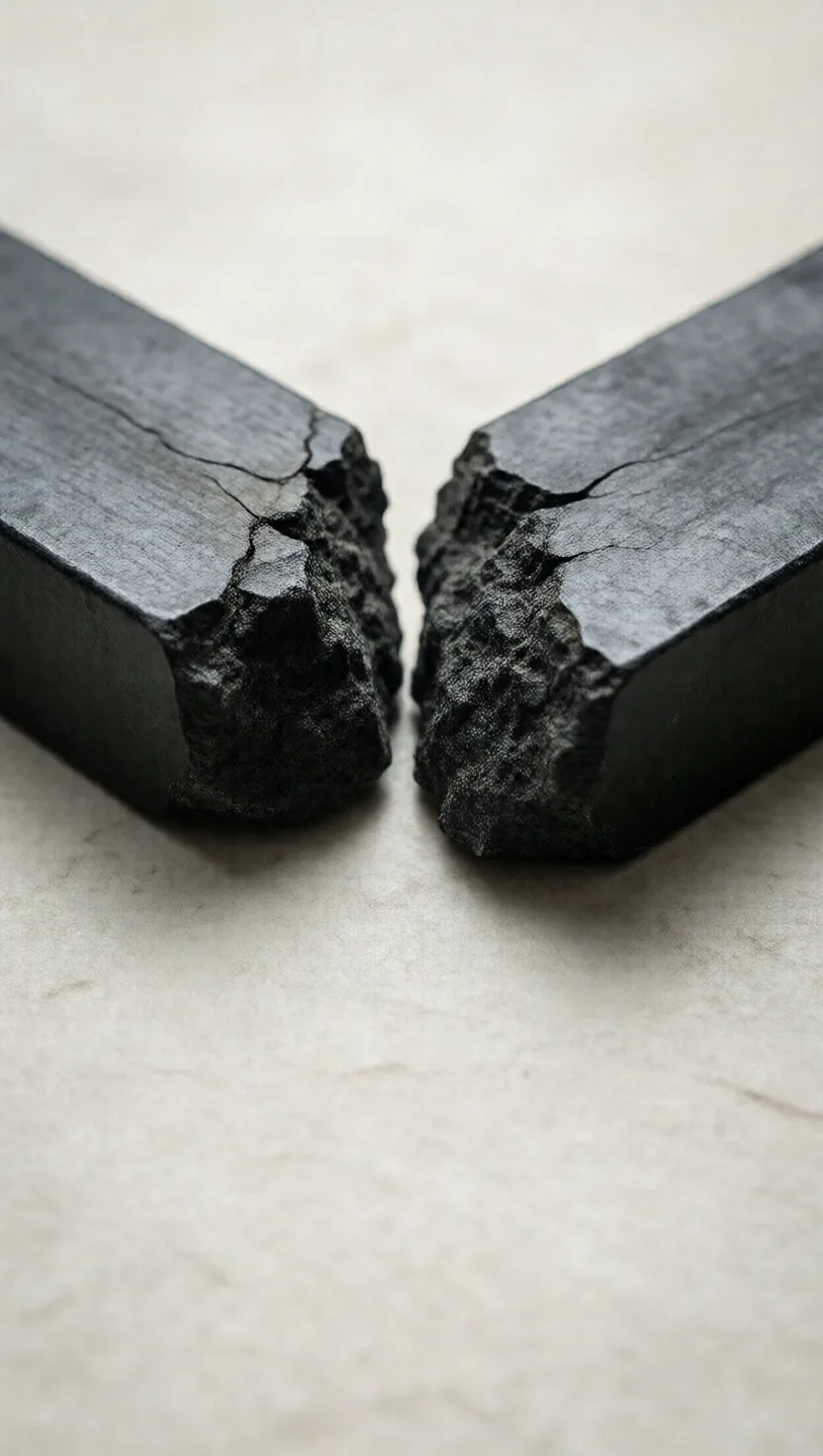
Snap a magnet and each piece regrows two poles

Snap a magnet and each piece regrows two poles

Cut a bar magnet in half hoping to isolate a single north pole, and you fail every time. Each fragment instantly has its own north and south pole. Keep cutting down to a single atom and the pattern holds, because magnetism arises from countless tiny aligned regions called domains, each a complete magnet. Paul Dirac predicted a lone magnetic pole, a monopole, in 1931, yet despite long searches none has ever been found.
Earth's poles have swapped hundreds of times

Earth's poles have swapped hundreds of times

The planet's magnetic field is not fixed. Driven by churning molten iron in the outer core, it has completely reversed polarity hundreds of times across geologic history, with north and south trading places. The most recent full flip, the Brunhes-Matuyama reversal, happened about 780,000 years ago. The record is frozen into volcanic rock, whose minerals lock in the field direction as they cool.
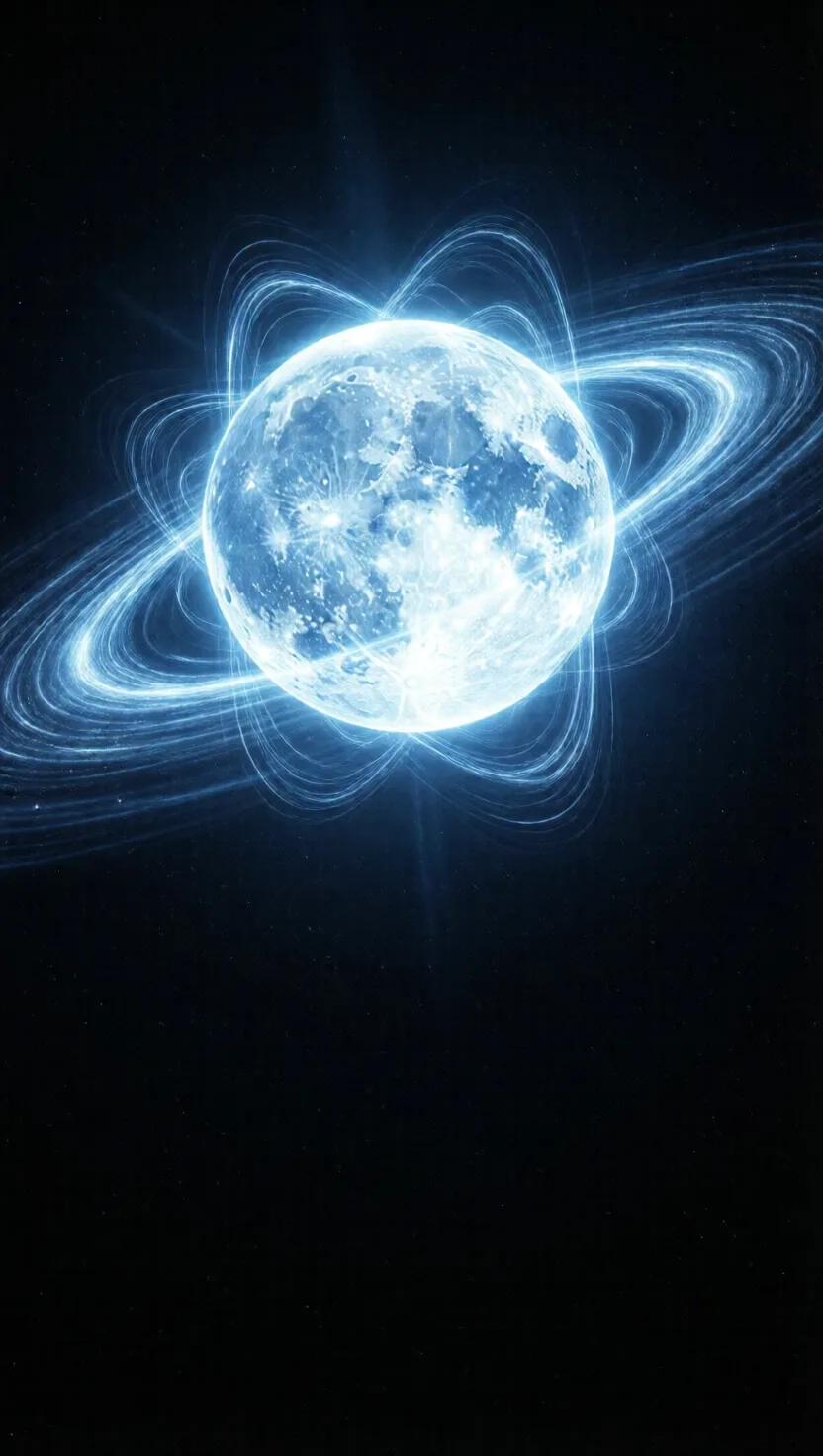
One dead star's magnetism could erase your cells

One dead star's magnetism could erase your cells

A magnetar is the collapsed core of an exploded star, and it carries the most powerful magnetic field known in the universe, up to 100 billion tesla. From 1,000 kilometers away such a field would disrupt the atoms in living tissue. By comparison, a refrigerator magnet is about 0.01 tesla. Only a few dozen magnetars have been identified among the billions of stars in our galaxy.
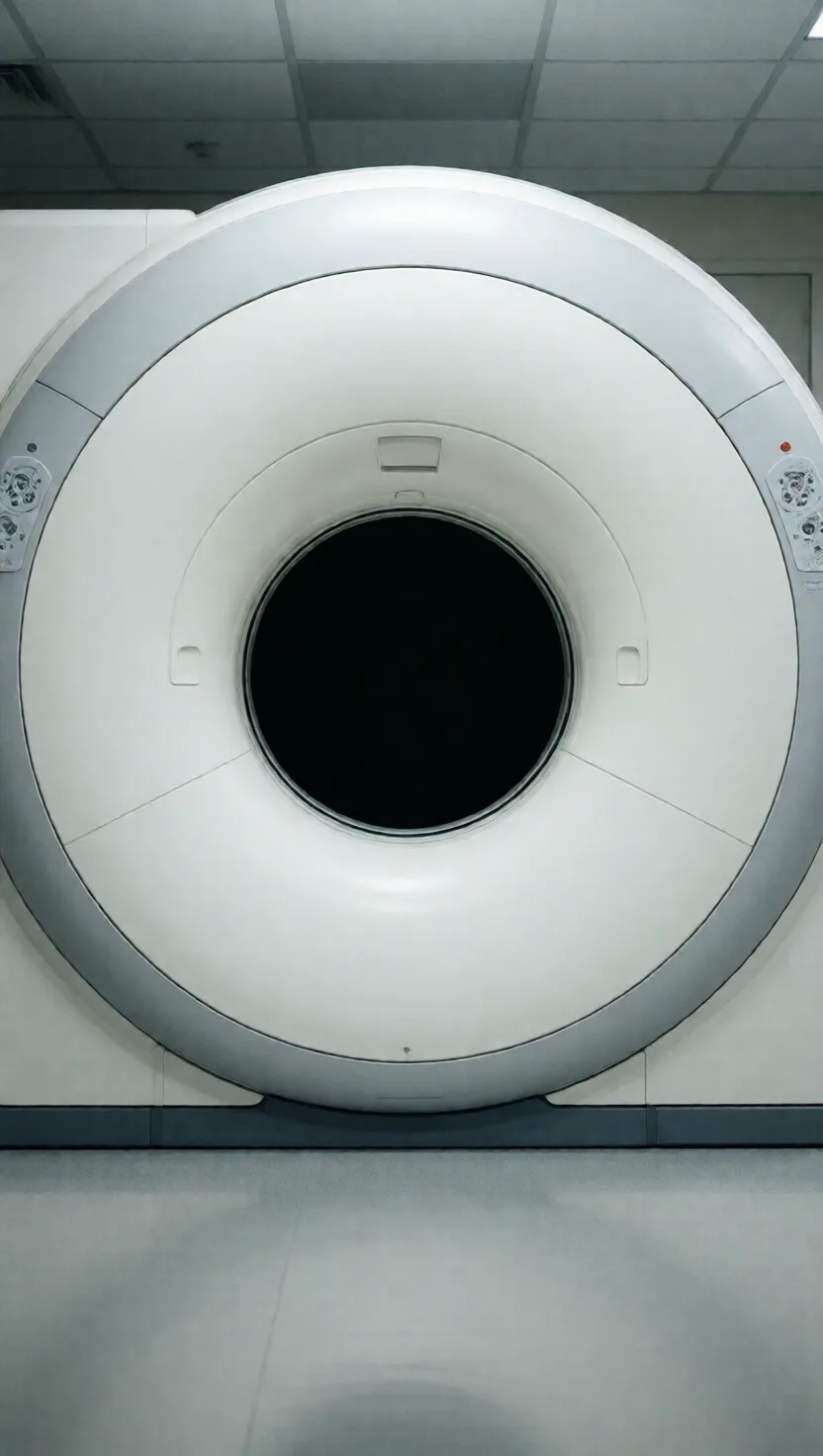
A hospital scanner dwarfs Earth's magnetism

A hospital scanner dwarfs Earth's magnetism

A clinical MRI machine generates a magnetic field of 1.5 to 3 tesla, roughly thirty to sixty thousand times stronger than Earth's surface field. It is powerful enough to send a steel oxygen tank flying across a room, which is why metal is forbidden near the scanner. The field aligns hydrogen atoms in the body, then reads the faint signal they give off to build detailed images.
tap →swipe ↑ for depthswipe ↓ to exit