Eight things ripening quietly in a cheese cave.

DC·52 Deep Cuts
Living mites carve this cheese's cratered crust

Living mites carve this cheese's cratered crust

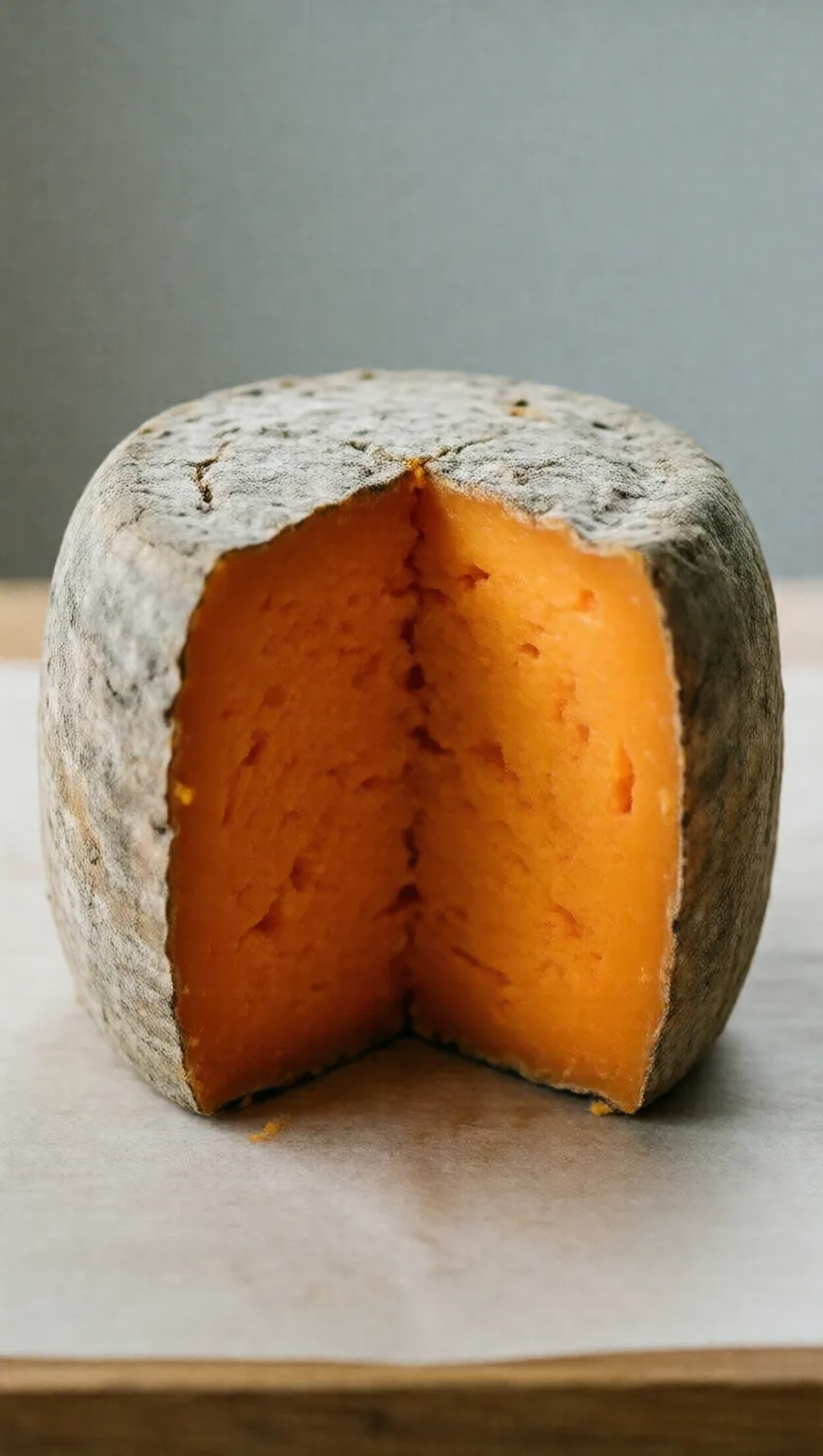
Mimolette's pocked, moon-grey rind isn't a mold or a tool mark — it is made by thousands of tiny living cheese mites. Producers deliberately let Acarus siro mites colonize the surface, where they burrow and nibble, and their microscopic tunnels let the cheese breathe and deepen in flavor from the rind inward. The crust they leave looks so much like a cratered planet that the cheese is often compared to one.
Blue cheese is stabbed so it can breathe in mold

Blue cheese is stabbed so it can breathe in mold

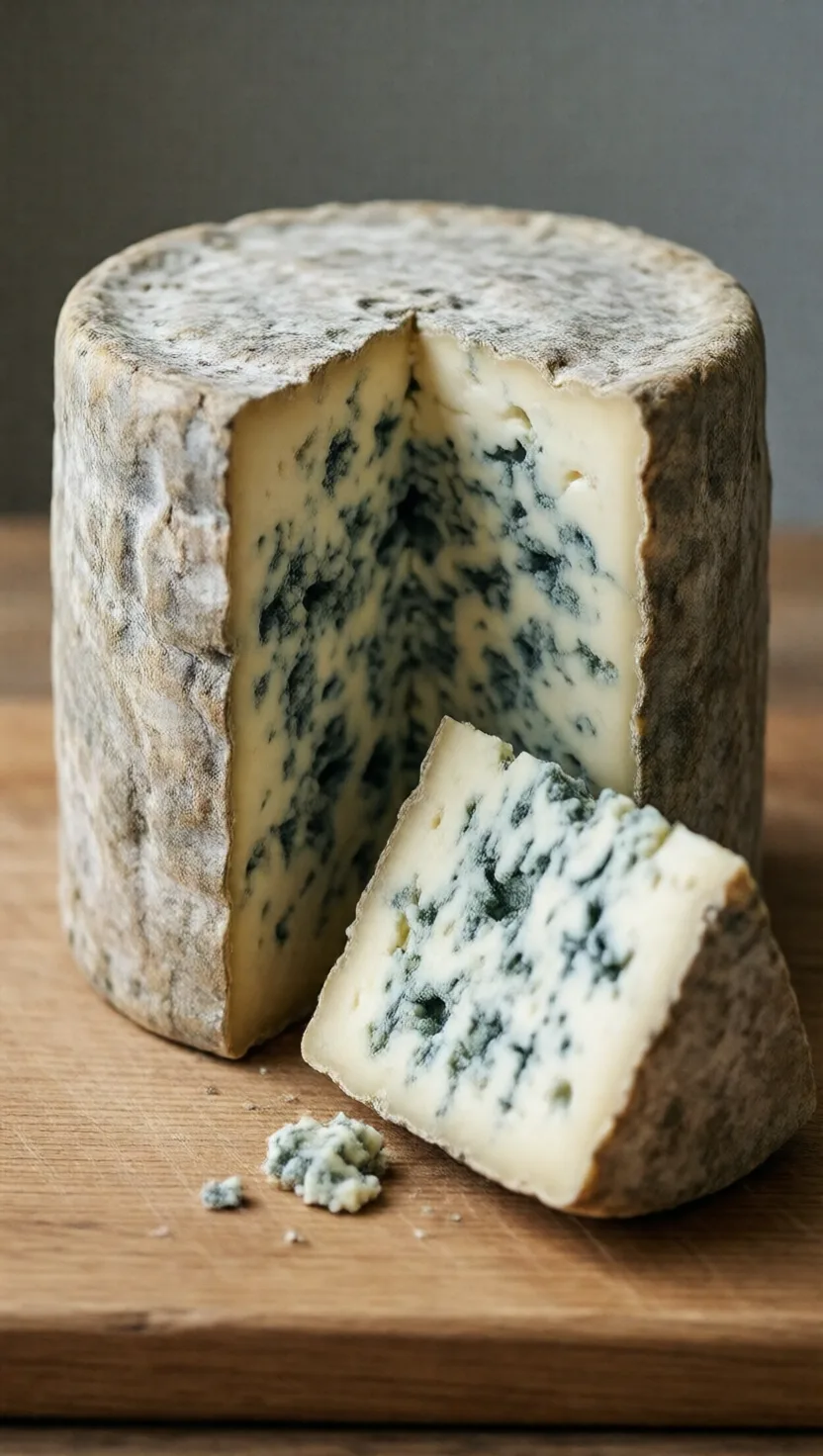
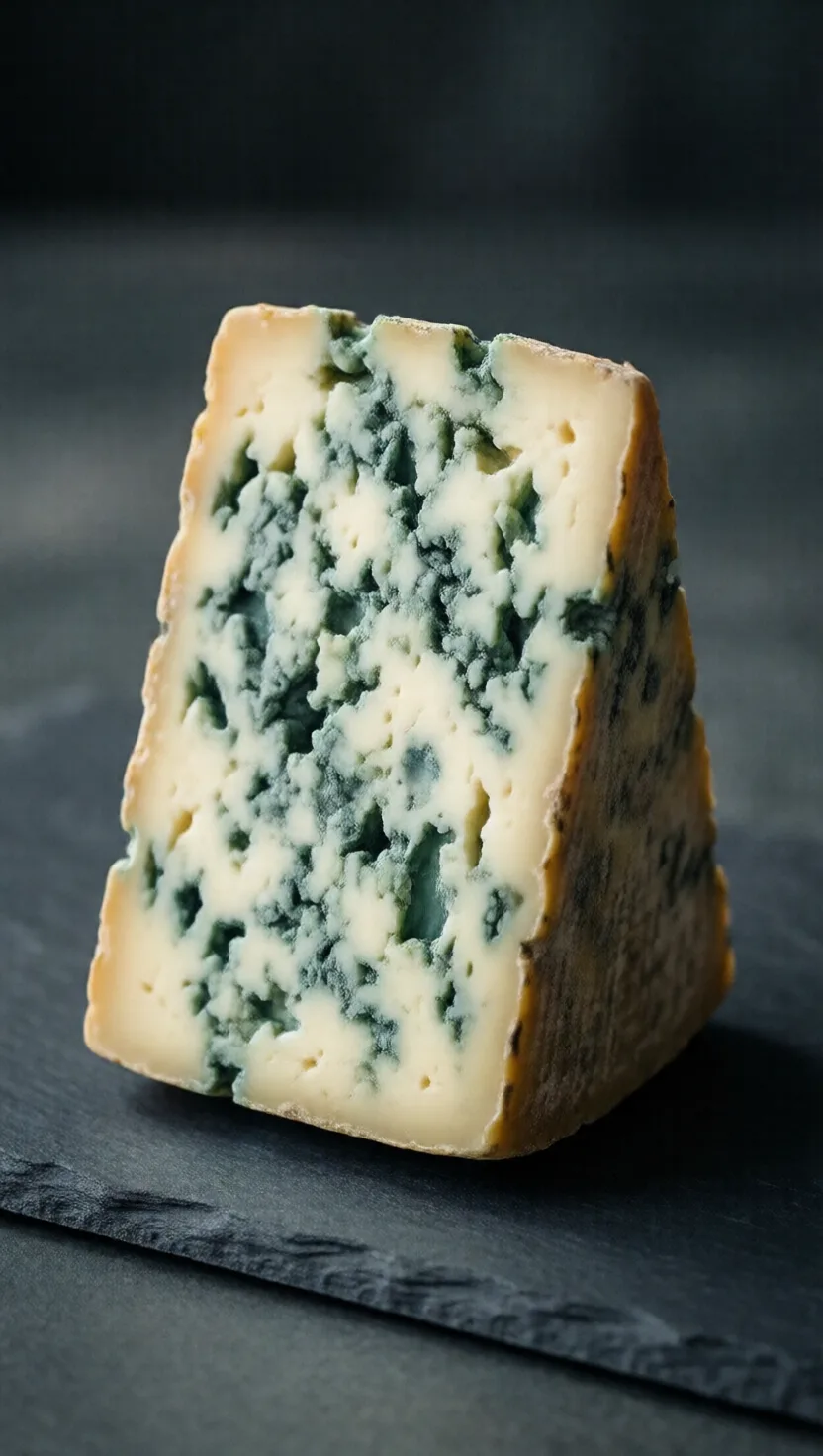
The mold spores of Penicillium roqueforti are mixed into blue cheese early, in the milk or the curd — but mold needs oxygen, and the inside of a packed cheese has almost none. So once the cheese is formed, the maker pierces it dozens of times with long steel needles. Air rushes down those channels, and the blue-green veins grow along them. The famous marbling is simply a map of where the needles went.
Real Roquefort can only ripen in one hillside

Real Roquefort can only ripen in one hillside

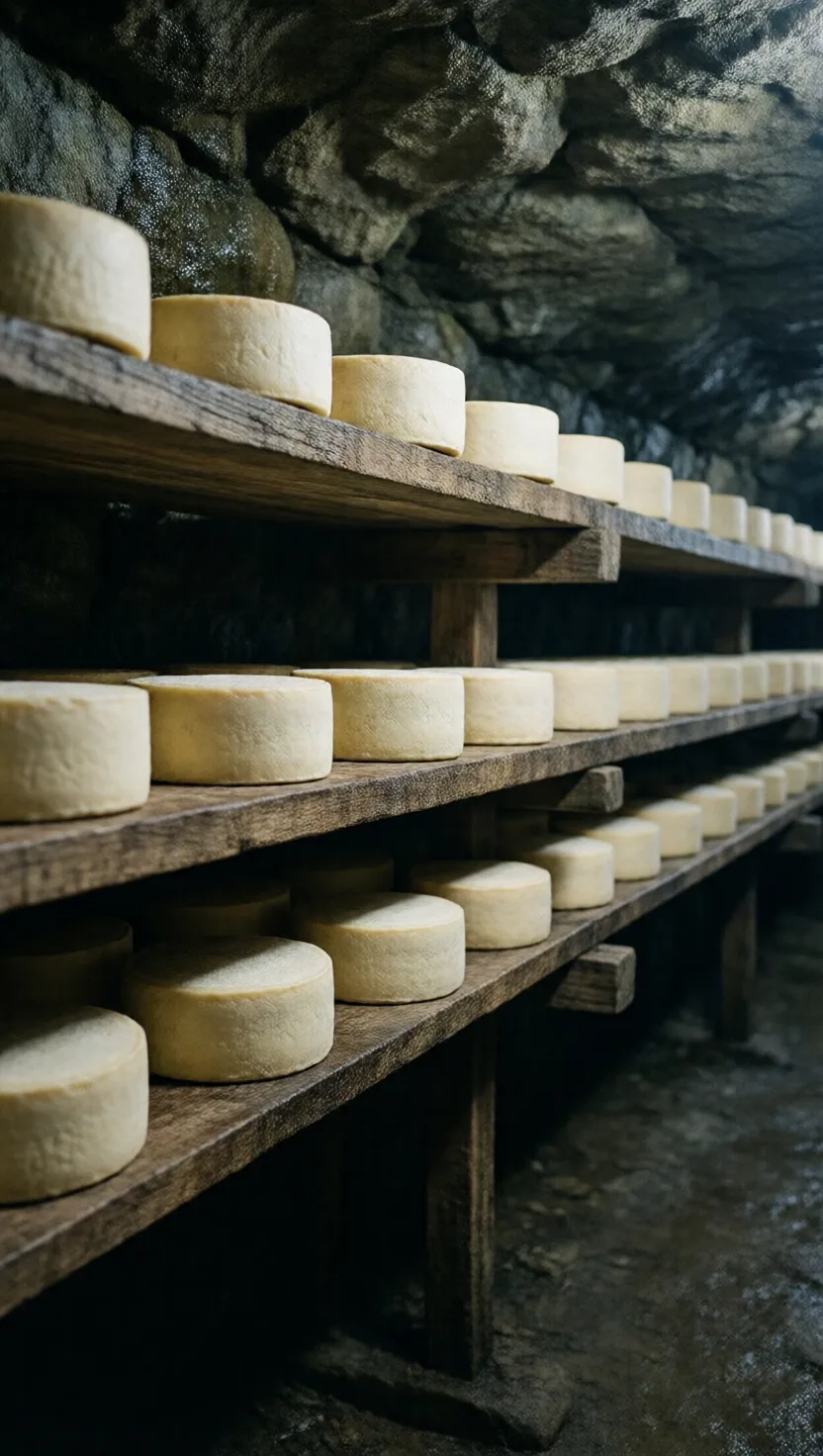
By law, a blue cheese may be called Roquefort only if it is aged inside the natural caves of Mont Combalou at Roquefort-sur-Soulzon. The collapsed limestone is threaded with cracks called fleurines that funnel cool, damp air through the caverns, holding them near constant humidity and temperature year-round. A French court fixed this rule back in 1961: same recipe, wrong cave, and it simply isn't Roquefort.
Swiss cheese holes come from specks of hay

Swiss cheese holes come from specks of hay

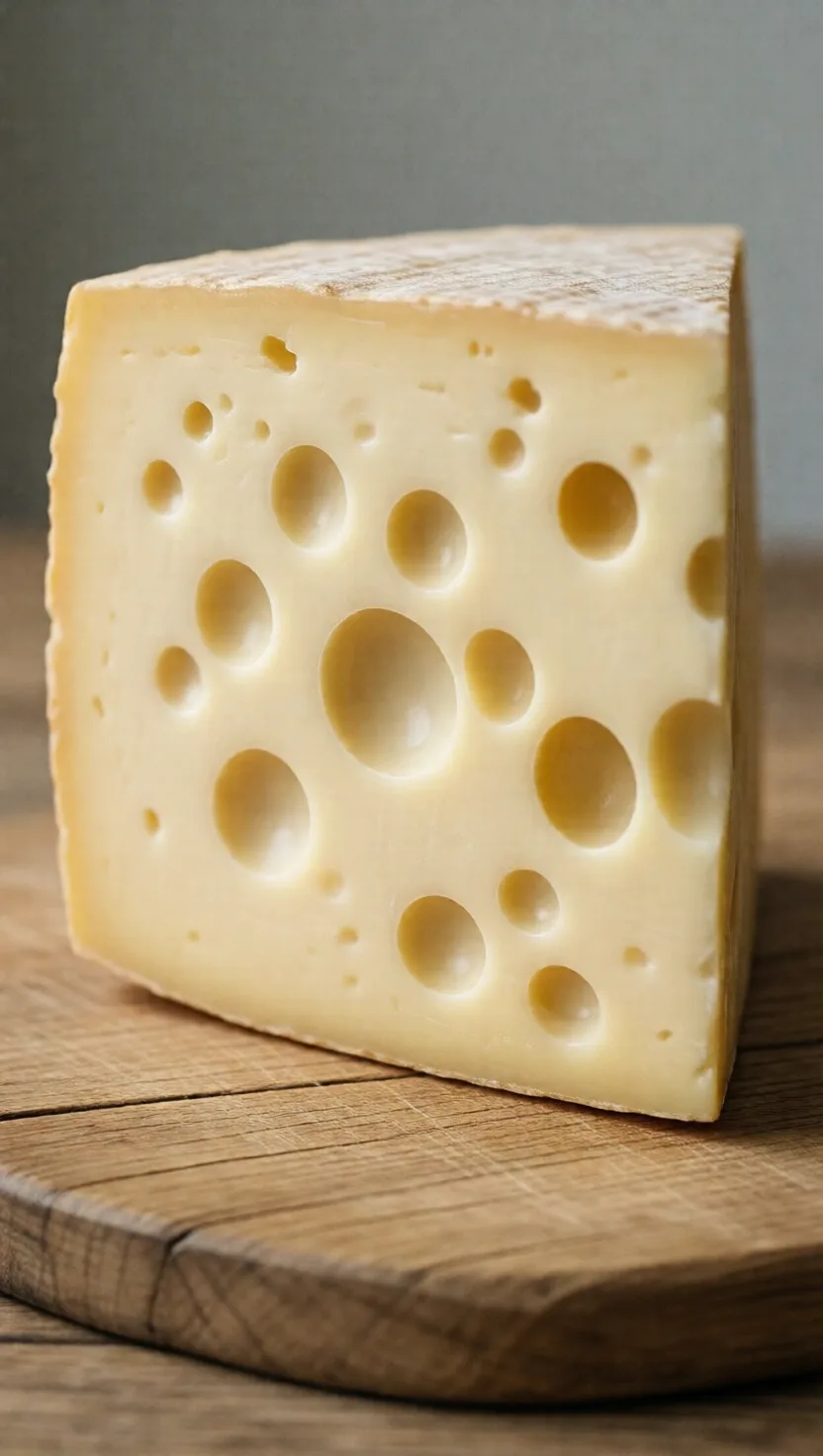
For a century the eyes in Emmental were blamed purely on gas-producing bacteria. In 2015 Swiss researchers showed the real trigger: microscopic flecks of hay that fall into the milk during open-bucket milking. Each speck gives a bubble of carbon dioxide somewhere to start, and it grows into a hole. The proof was practical — ultra-clean modern milking had been making the holes vanish, and adding hay particles brought them back.
An Italian bank's vault is stacked with cheese

An Italian bank's vault is stacked with cheese

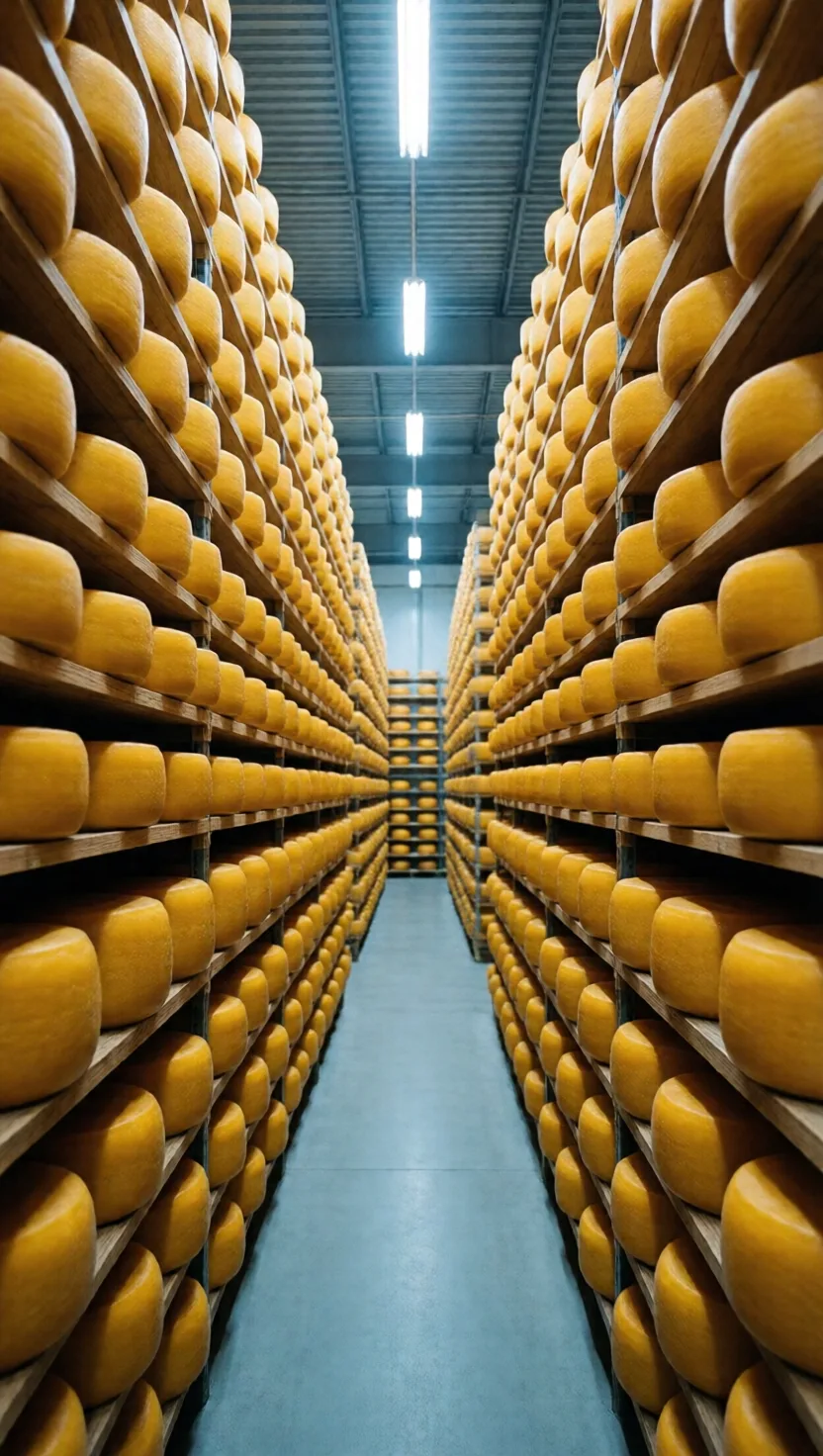
In Emilia-Romagna a bank accepts wheels of Parmigiano-Reggiano as loan collateral. Since the 1950s, dairies short on cash hand over young wheels; the bank stores and ages them in climate-controlled warehouses and pays out the loan against their value. One vault complex holds around 430,000 wheels behind security fencing — collateral reportedly worth on the order of 190 million euros, quietly maturing into money.
This cheese is scraped into frilled flowers

This cheese is scraped into frilled flowers

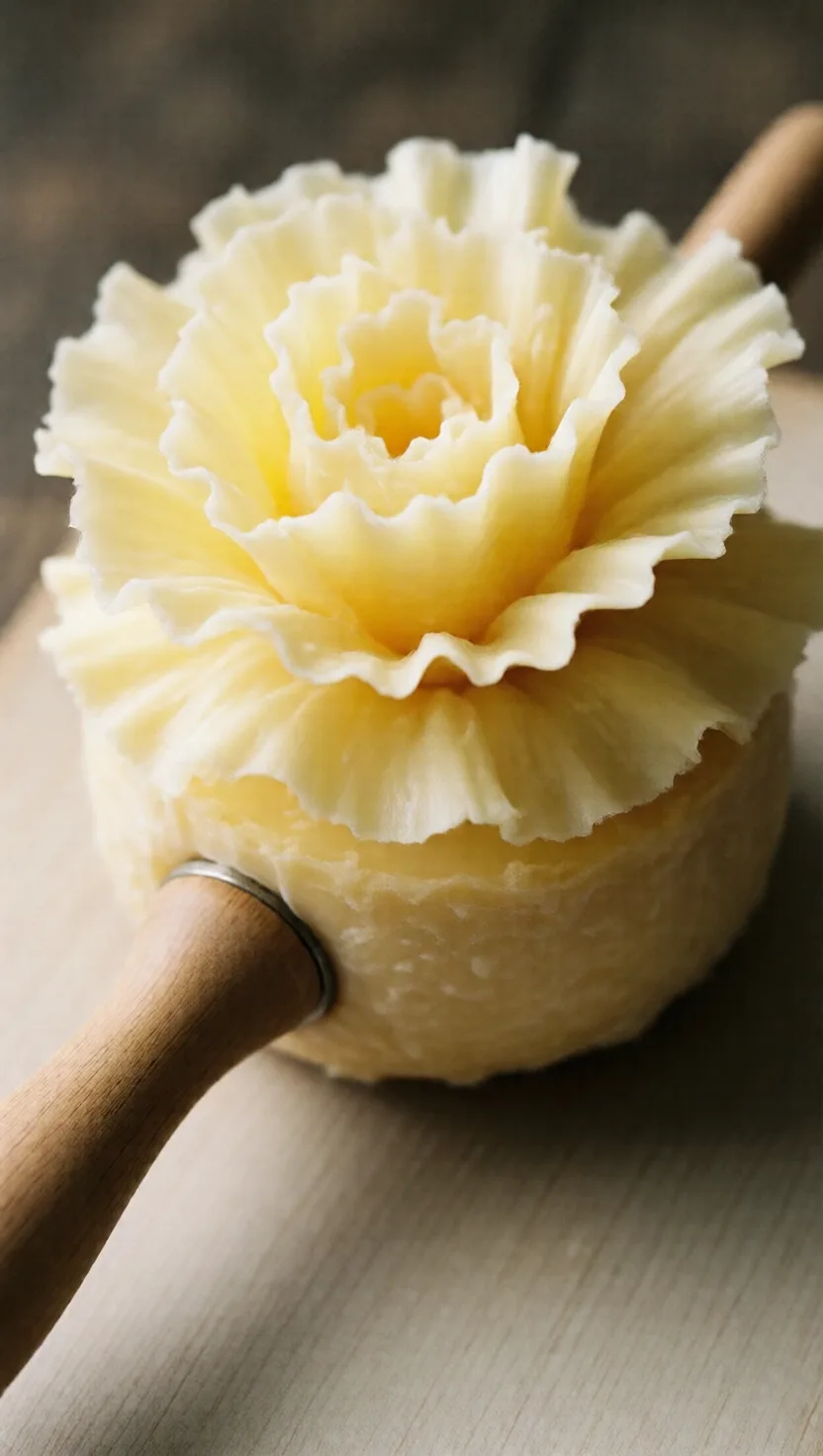
Tete de Moine, made by Swiss monks for some eight centuries, isn't sliced — it is shaved. A tool invented in 1982, the girolle, has a blade on a central spindle that you crank to scrape the cheese into delicate ruffled rosettes. It isn't only for looks: shaving floods the surface with air, releasing aroma and changing the texture. The frilly tool worked so well that the cheese's sales climbed many times over.
The crunchy bits in old cheese are crystals

The crunchy bits in old cheese are crystals

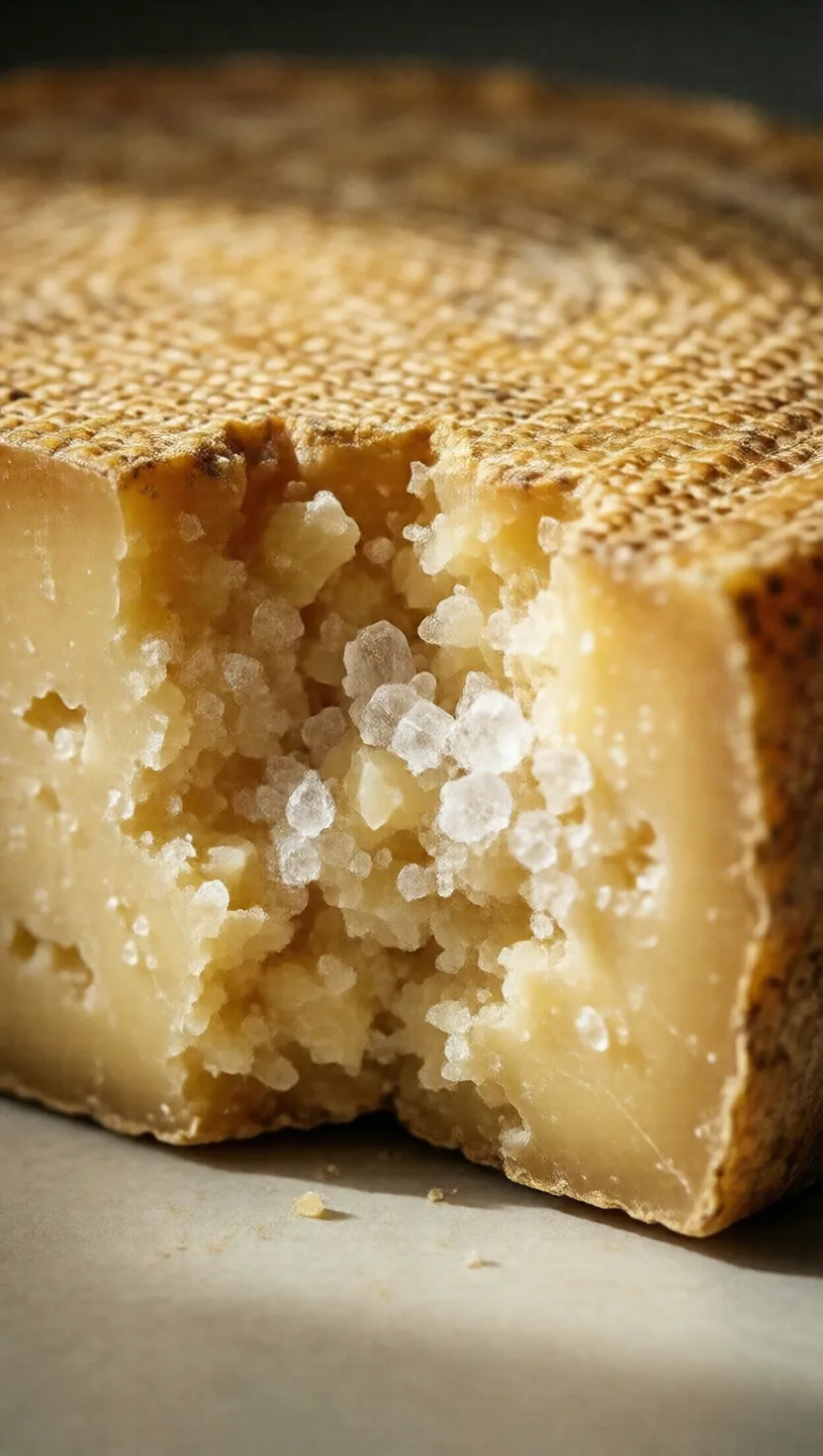
Bite into well-aged Parmesan, Comte or old Gouda and you hit tiny white crunchy specks. They aren't undissolved salt or sugar — they are crystals that grow as the cheese matures. Some are calcium lactate; the prized crunchy ones inside are clusters of the amino acid tyrosine, freed as proteins slowly break down over months or years. Far from a flaw, they're a badge of long, proper aging.
Stilton cheese is banned from the town of Stilton

Stilton cheese is banned from the town of Stilton

Stilton is named for the English village where it was once sold to travelers — yet today it is illegal to make Stilton there. Its protected designation limits production to three counties: Derbyshire, Leicestershire and Nottinghamshire. The village of Stilton sits in Cambridgeshire, just outside the line. A bid to let the village make its namesake cheese was formally rejected in 2013, so the name still can't go home.
tap →swipe ↑ for depthswipe ↓ to exit