Eight things about getting clean.

DC·50 Deep Cuts
A bubble turns black right before it pops

A bubble turns black right before it pops

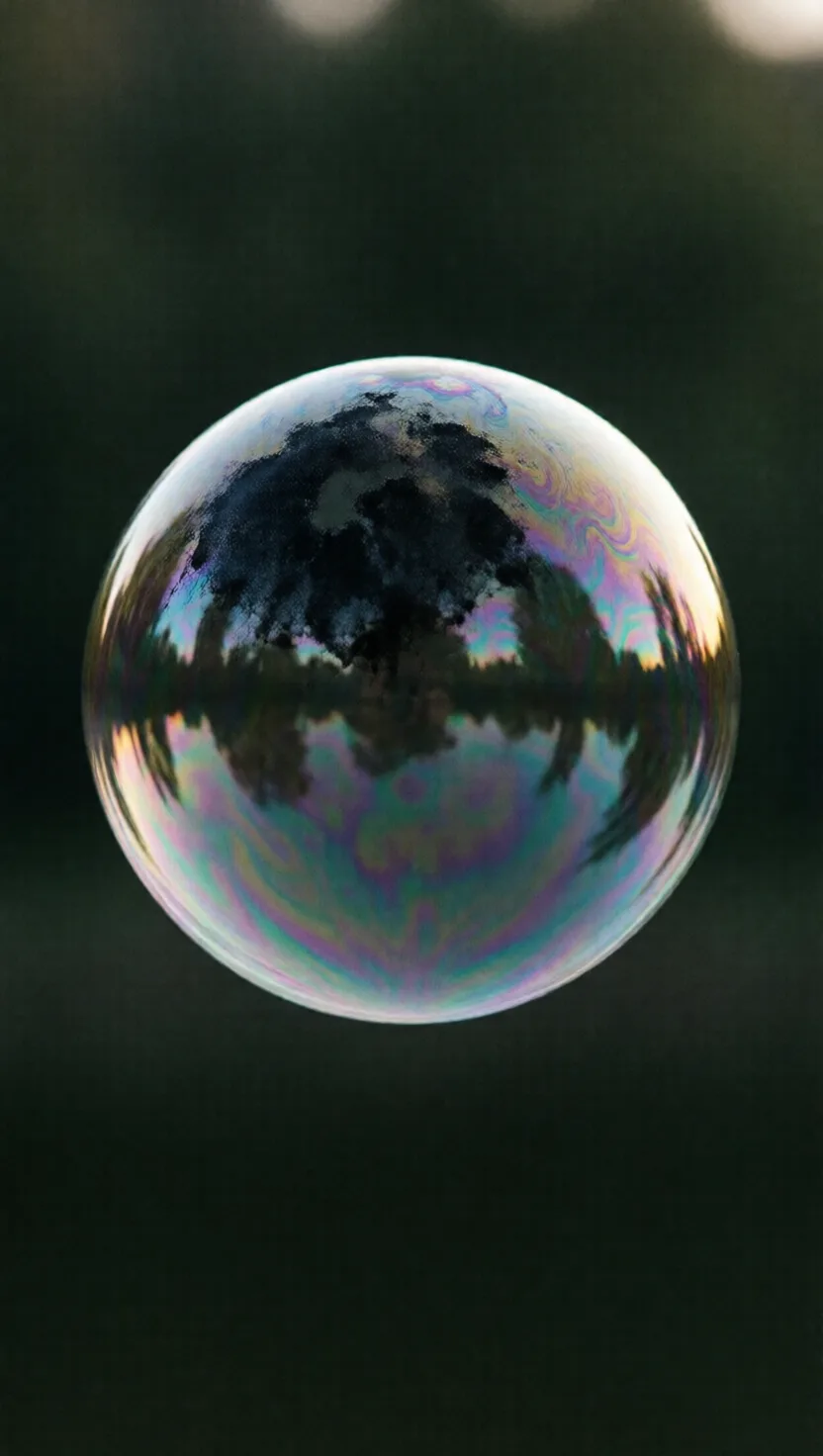
As a soap bubble drains, its wall keeps thinning until it is just a few molecules thick — around 4 nanometres, roughly a hundred times thinner than the wavelength of visible light. At that point it can no longer reflect colour and the spot looks black. This fragile 'black film' is the bubble's last state, and it appears moments before the wall tears open.
Foam walls always meet at exactly 120 degrees

Foam walls always meet at exactly 120 degrees

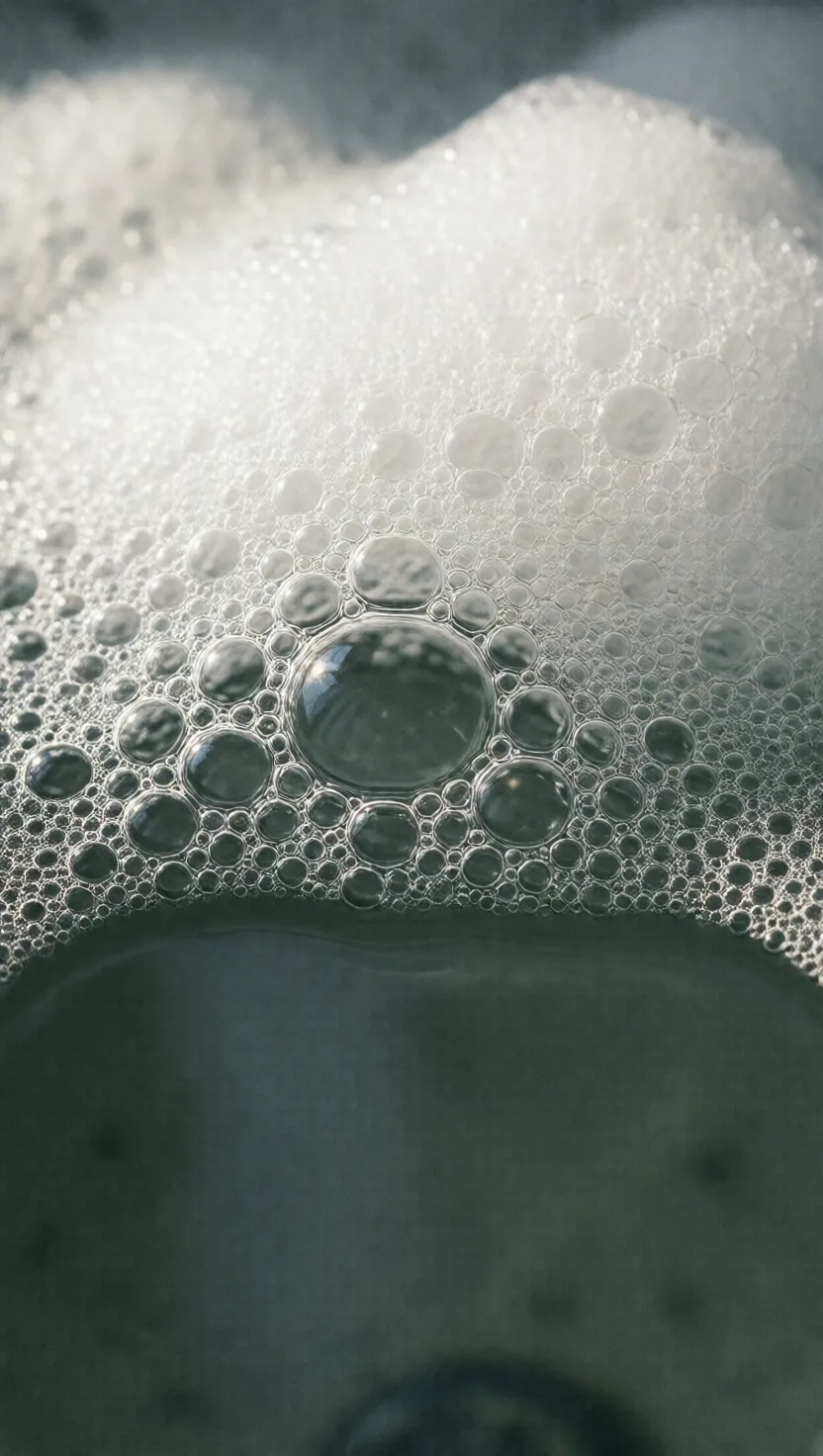
Look closely at a head of foam: the soap films never meet at random. Three films always join along a single edge at exactly 120 degrees, and four of those edges meet at a point at about 109.5 degrees. A Belgian physicist described these rules in the 1800s. Any other arrangement is unstable, so the bubbles instantly shuffle until every junction obeys the same angle.
This soap cures 9 months before it can float

This soap cures 9 months before it can float

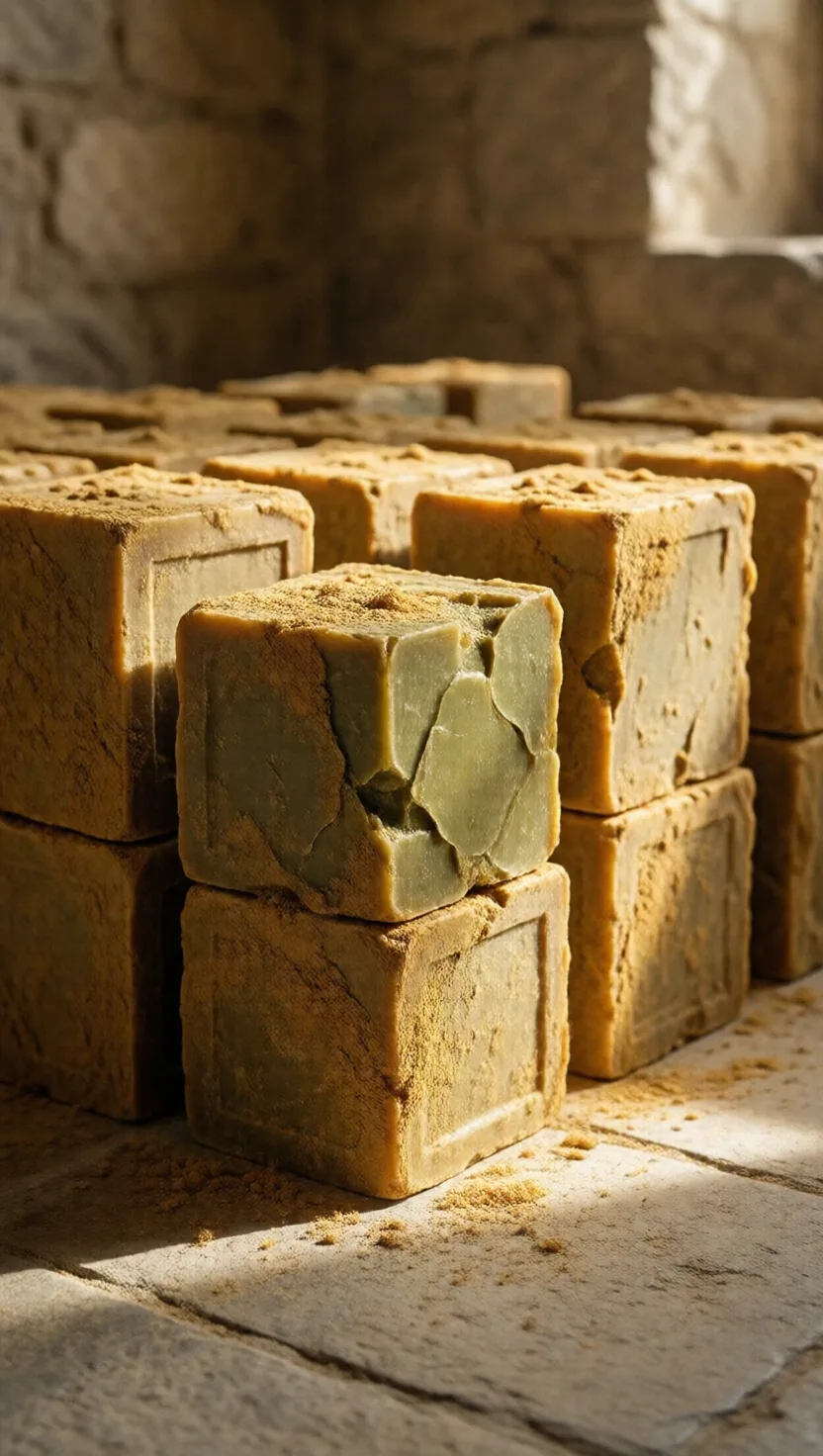
Traditional Aleppo soap is cooked from just two oils — olive oil and laurel berry oil — then cut, stamped, and left to air-dry for at least nine months. Over that long cure the bars lose water and harden; only a properly aged bar will float. The slow drying is why the green interior hides under a dull ochre crust by the time the soap is ready to use.
A law fixed this soap at 72% oil since 1688

A law fixed this soap at 72% oil since 1688

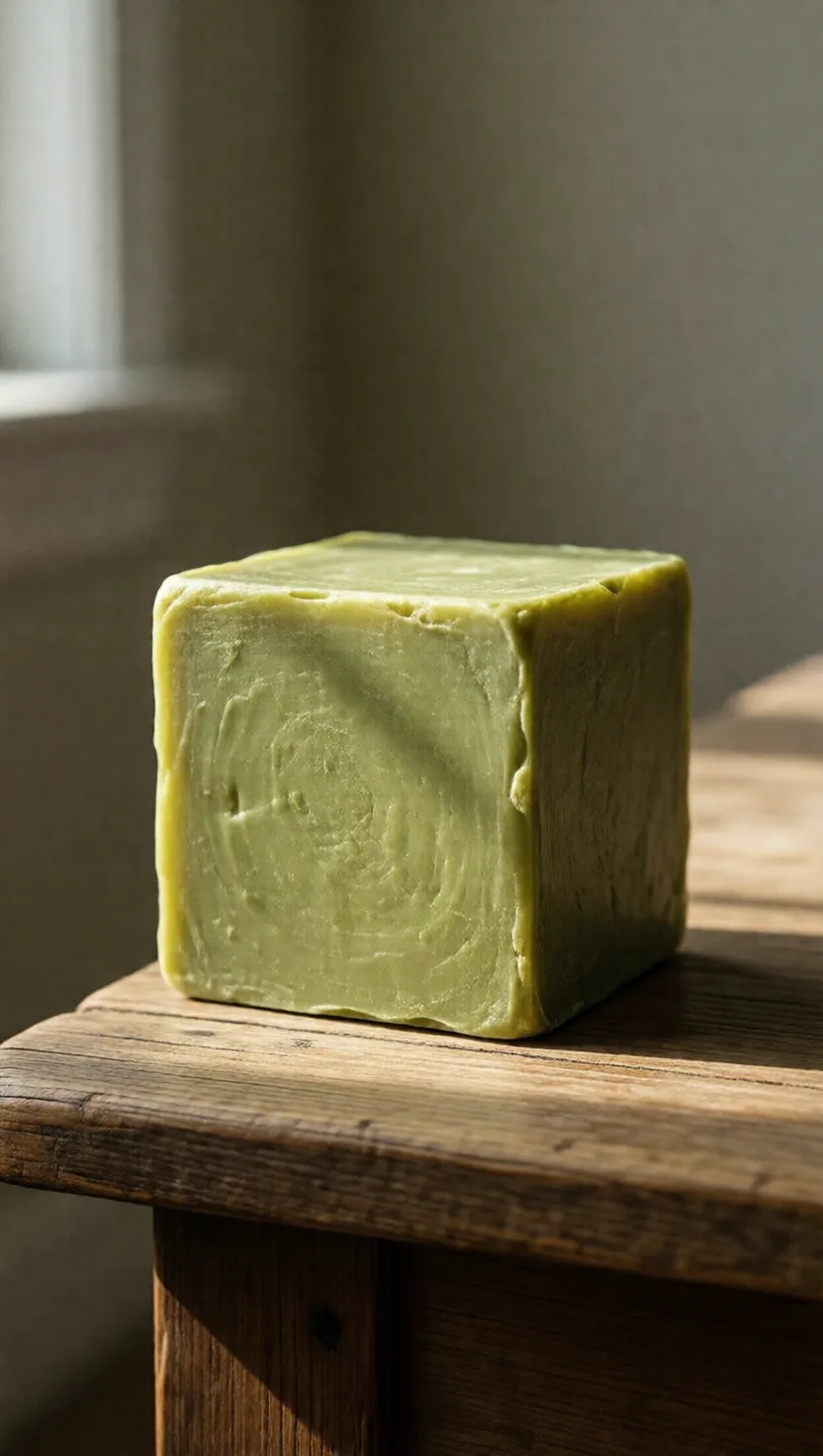
A 1688 French edict under Louis XIV set a strict standard for this soap: at least 72 percent pure oil, no animal fat, no dyes, no perfume. The figure was stamped straight into each cube so buyers could see it. The high oil fraction and olive content give the genuine bars their green tint, and 72 percent is still the benchmark used to judge authenticity today.
One drop of fat becomes three soap molecules

One drop of fat becomes three soap molecules

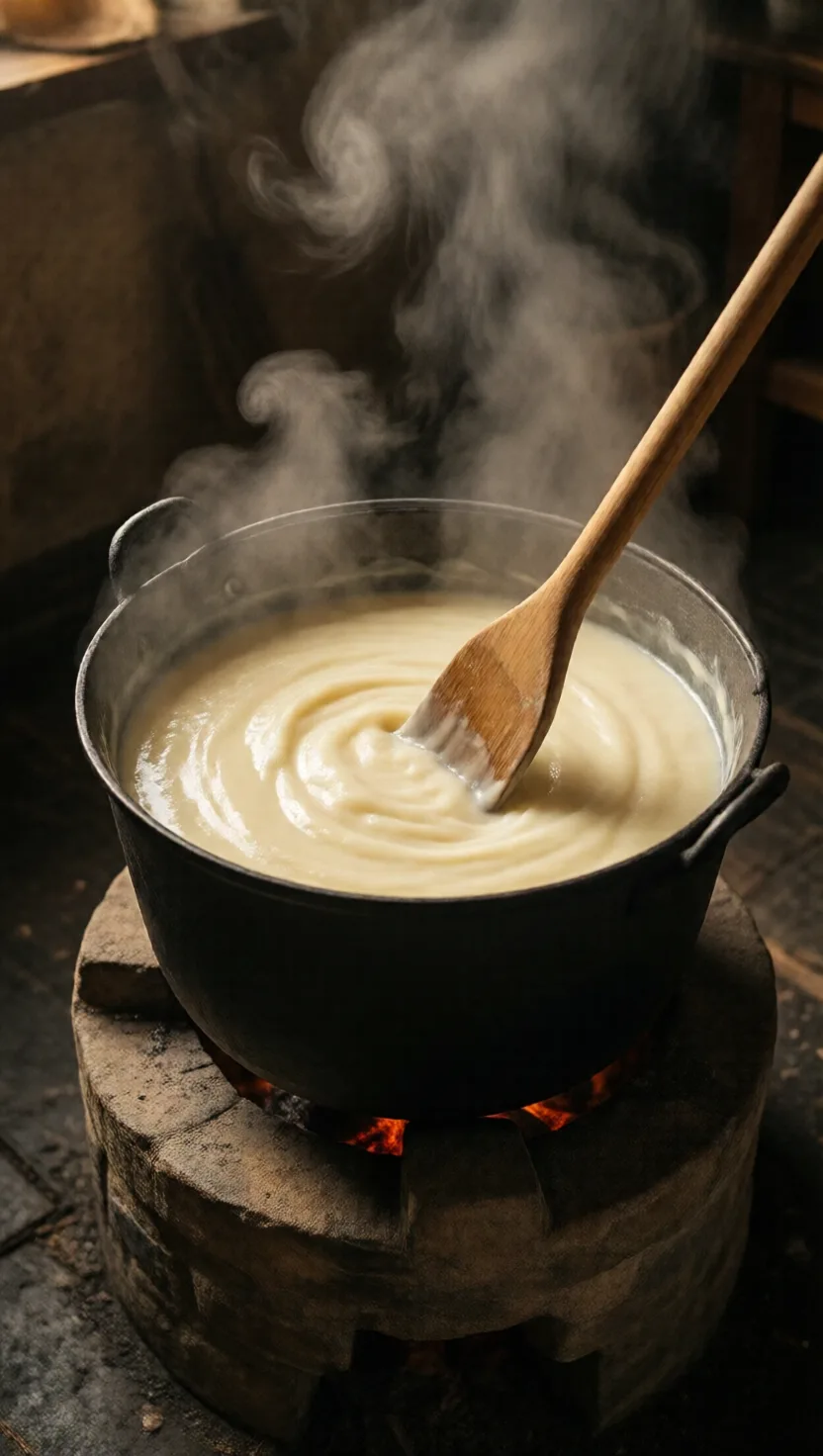
Soap is born from a one-way reaction. A single fat molecule carries three fatty-acid arms on a glycerol backbone. Strong alkali — lye — snaps all three arms off at once, giving three soap molecules plus one molecule of glycerol per fat. The split is essentially irreversible: the products will not recombine into the original fat, which is why a finished bar stays soap.
Rome's first soap reddened hair, not bodies

Rome's first soap reddened hair, not bodies

Writing in AD 77, Pliny the Elder called soap an invention of the Gauls, made from tallow and ashes — the best from beech and elm — and used to give hair a reddish tint, by the men more than the women. It was a cosmetic and a medicine, not a body wash. Romans cleaned themselves with oil and a scraper; washing the body with soap came centuries later.
Romans washed togas in stale urine and clay

Romans washed togas in stale urine and clay

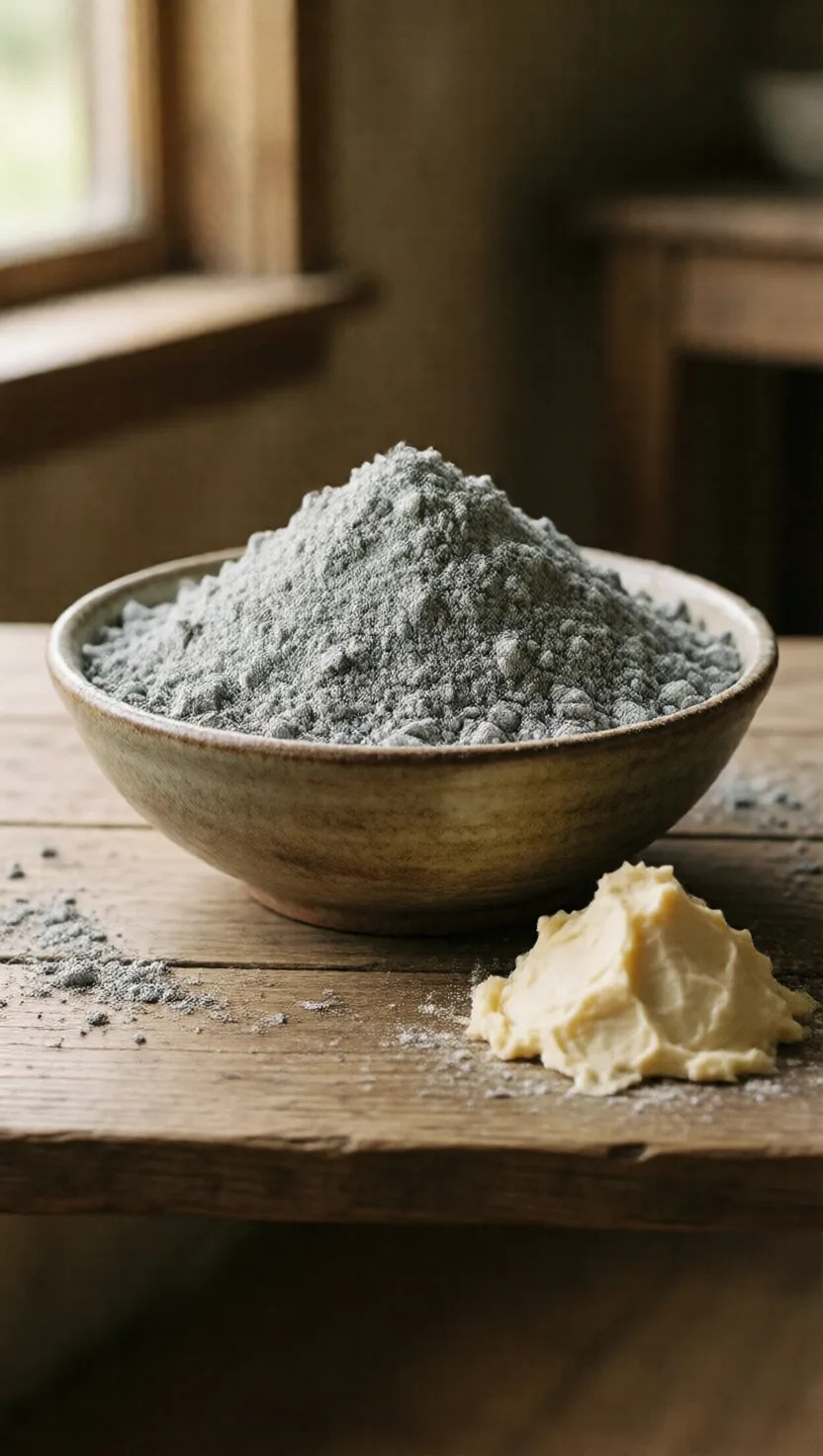
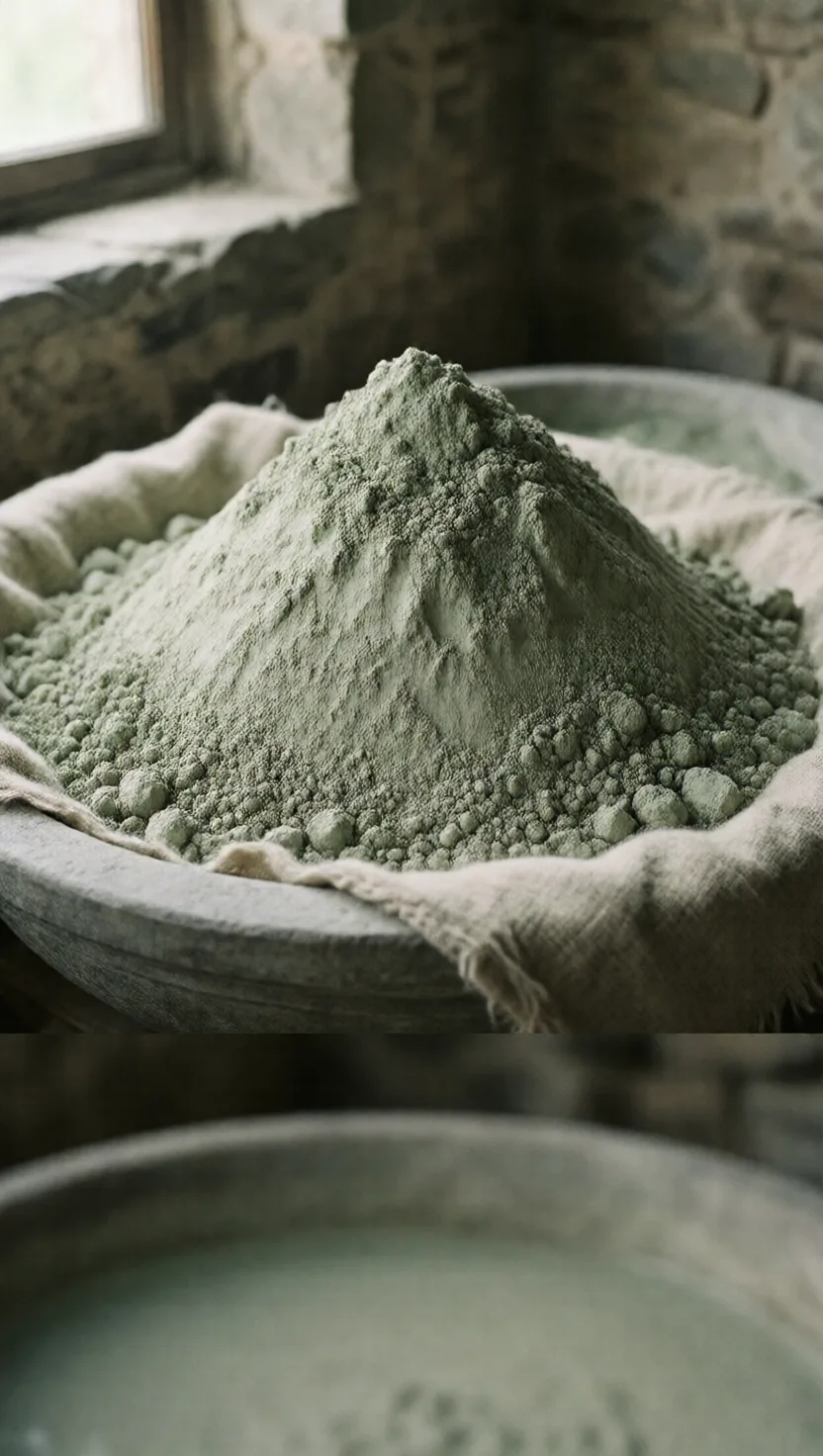
With no soap for laundry, Roman fullers cleaned woollen togas in vats of aged urine — its ammonia cut through grease — then treated the cloth with fuller's earth, a fine absorbent clay that lifted out remaining oils and brightened the wool. The urine trade was so valuable that an emperor taxed it around AD 70, prompting his famous line that money does not smell.
Hard water curdles soap into a grey scum

Hard water curdles soap into a grey scum

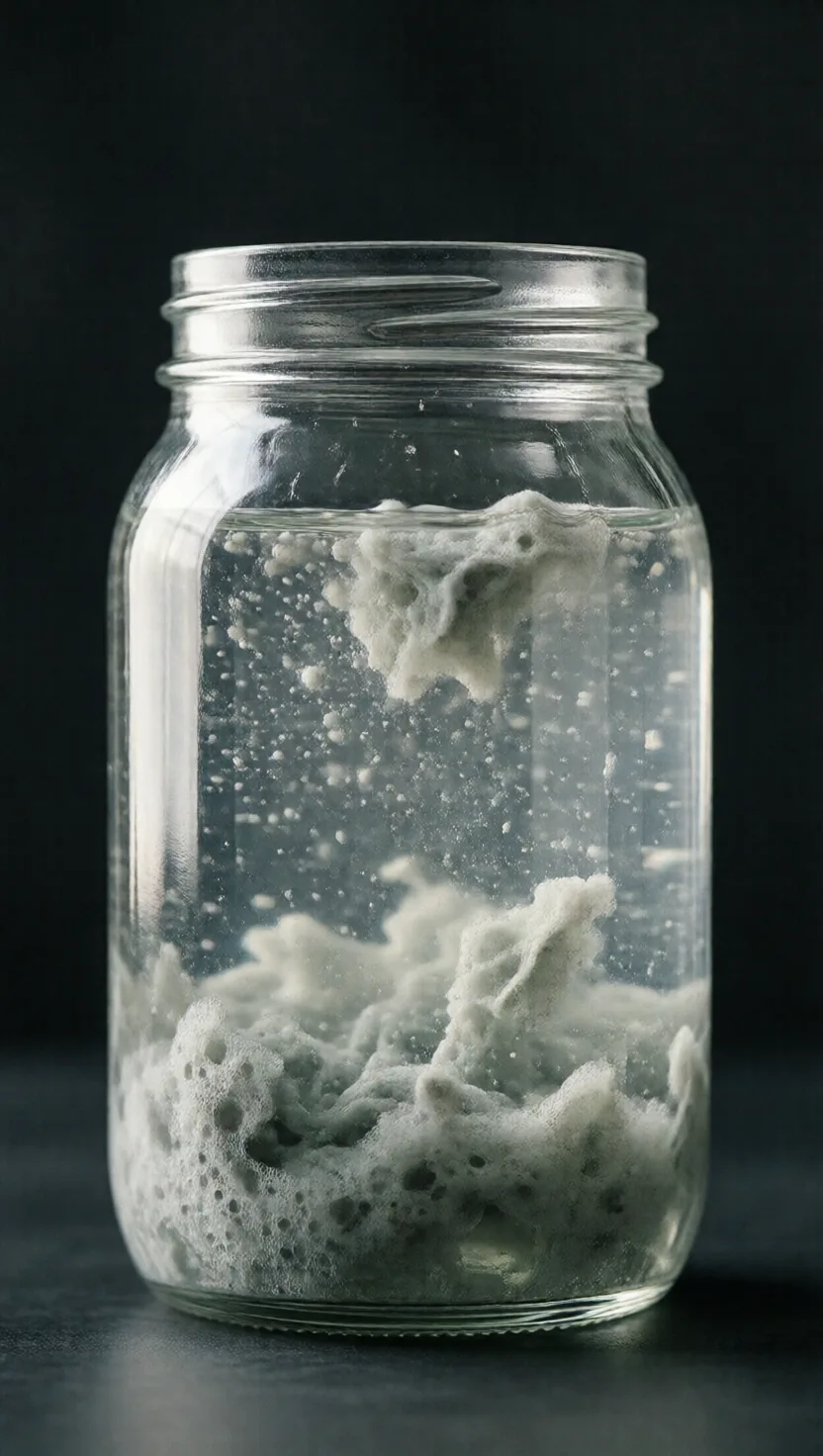
When soap meets hard water, the calcium and magnesium dissolved in it swap places with the soap's sodium, turning soluble soap into insoluble calcium and magnesium stearate — the grey curd called soap scum. It steals the soap before it can lather, which is why suds collapse above about 120 milligrams of dissolved chalk per litre. That failure is exactly why synthetic detergents were developed.
tap →swipe ↑ for depthswipe ↓ to exit