Eight things our weather instruments reveal

DC·44 Deep Cuts
The "storm glass" predicts nothing — it's a thermometer

The "storm glass" predicts nothing — it's a thermometer

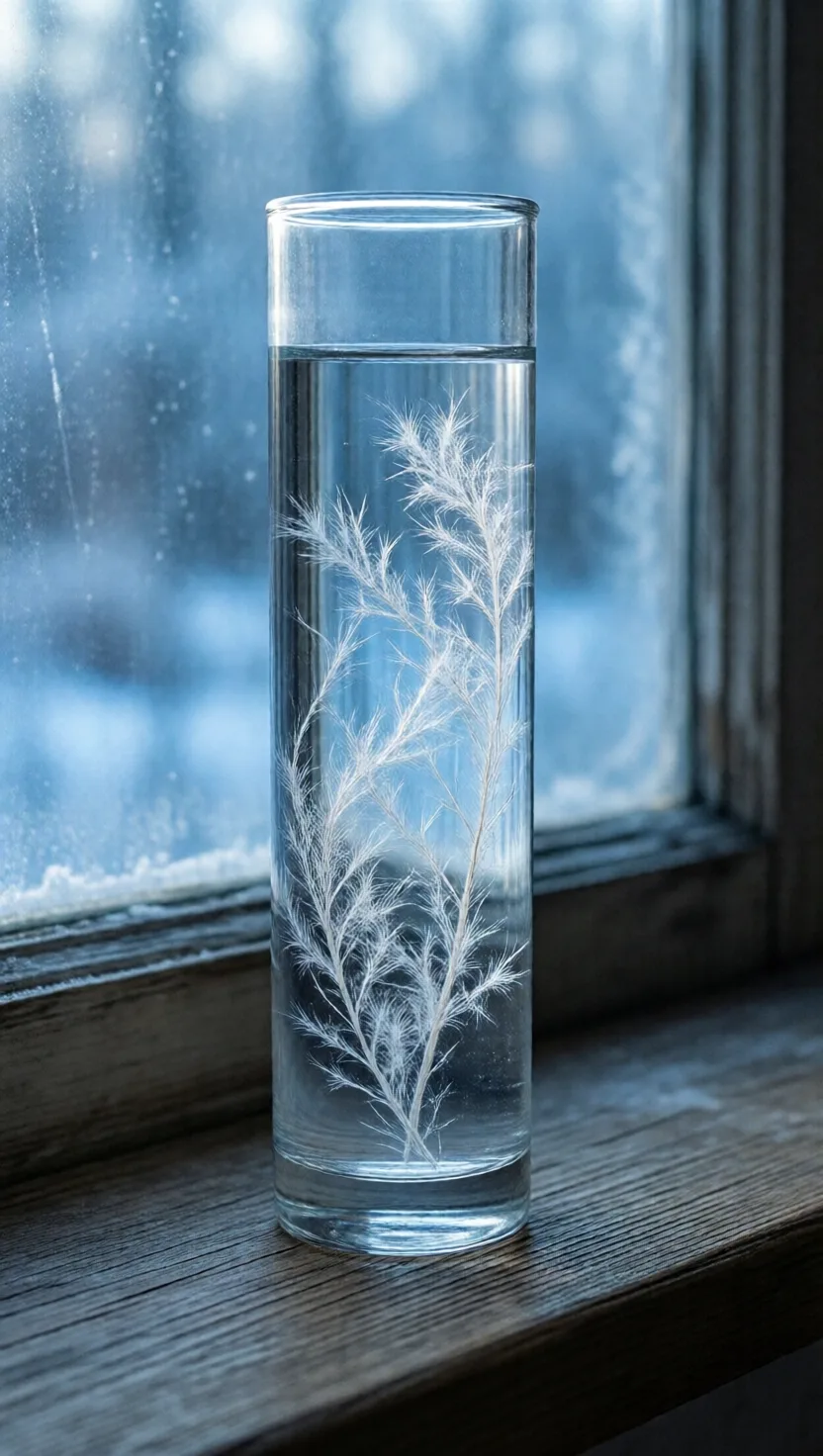
Sailors once read the feathery crystals in this sealed glass tube as a weather forecast. But a 2008 study in the Journal of Crystal Growth found temperature change is the sole cause of crystal growth; the closed tube cannot sense air pressure at all. As the liquid cools, dissolved camphor falls out of solution into ferns of crystal; warmth dissolves them again. It is, at best, a slow and pretty thermometer.
A barometer up a volcano proved air has weight

A barometer up a volcano proved air has weight

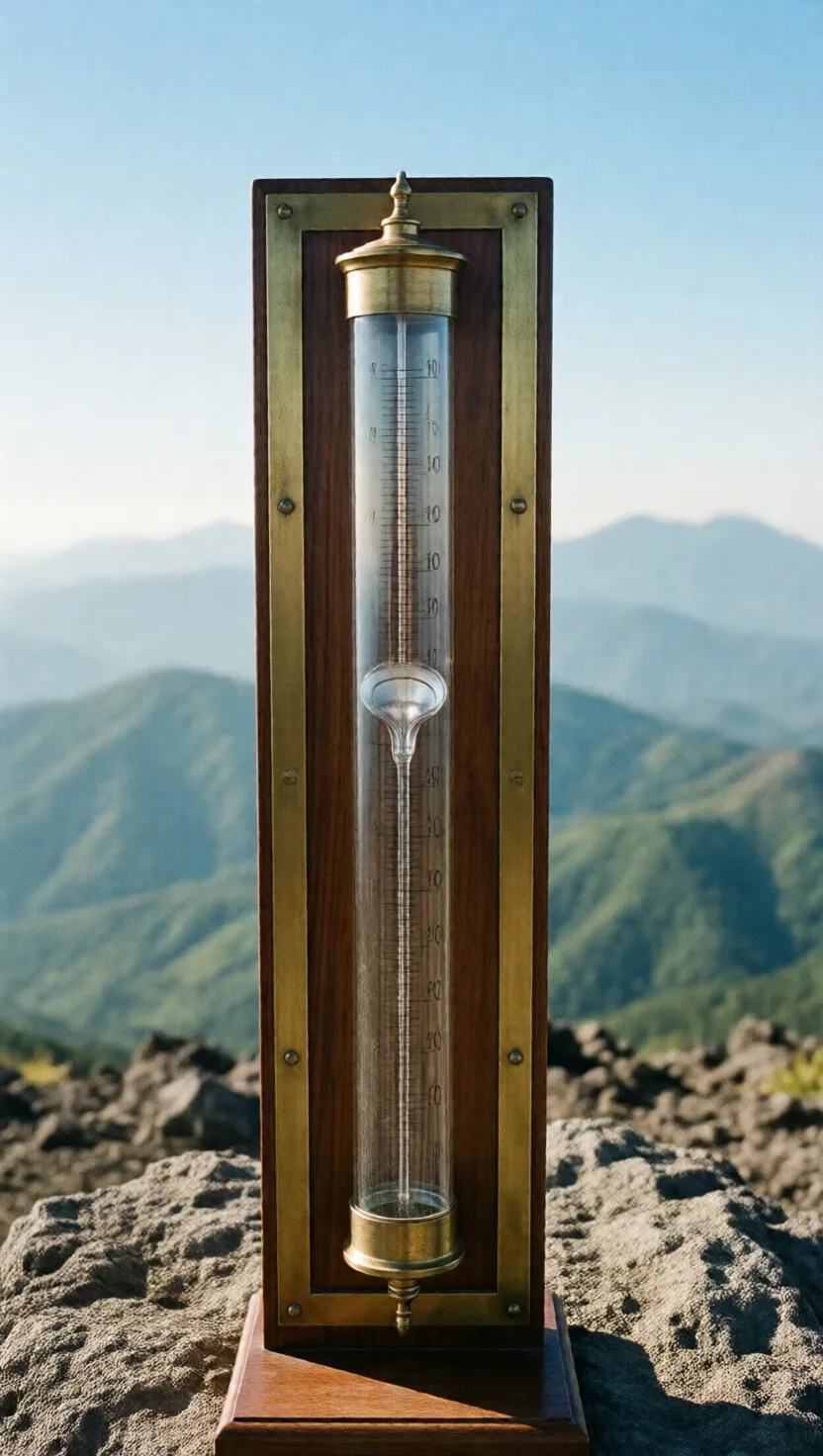
In 1648, acting on Blaise Pascal's hunch, Florin Perier carried a mercury barometer up the Puy de Dome in France. At the summit, about 1,460 metres higher, the mercury column had fallen roughly three inches compared with the base. Less air overhead meant less weight pressing down: the first clear proof that the atmosphere itself has weight and thins with altitude.
This 1780 thermometer remembers the coldest moment

This 1780 thermometer remembers the coldest moment

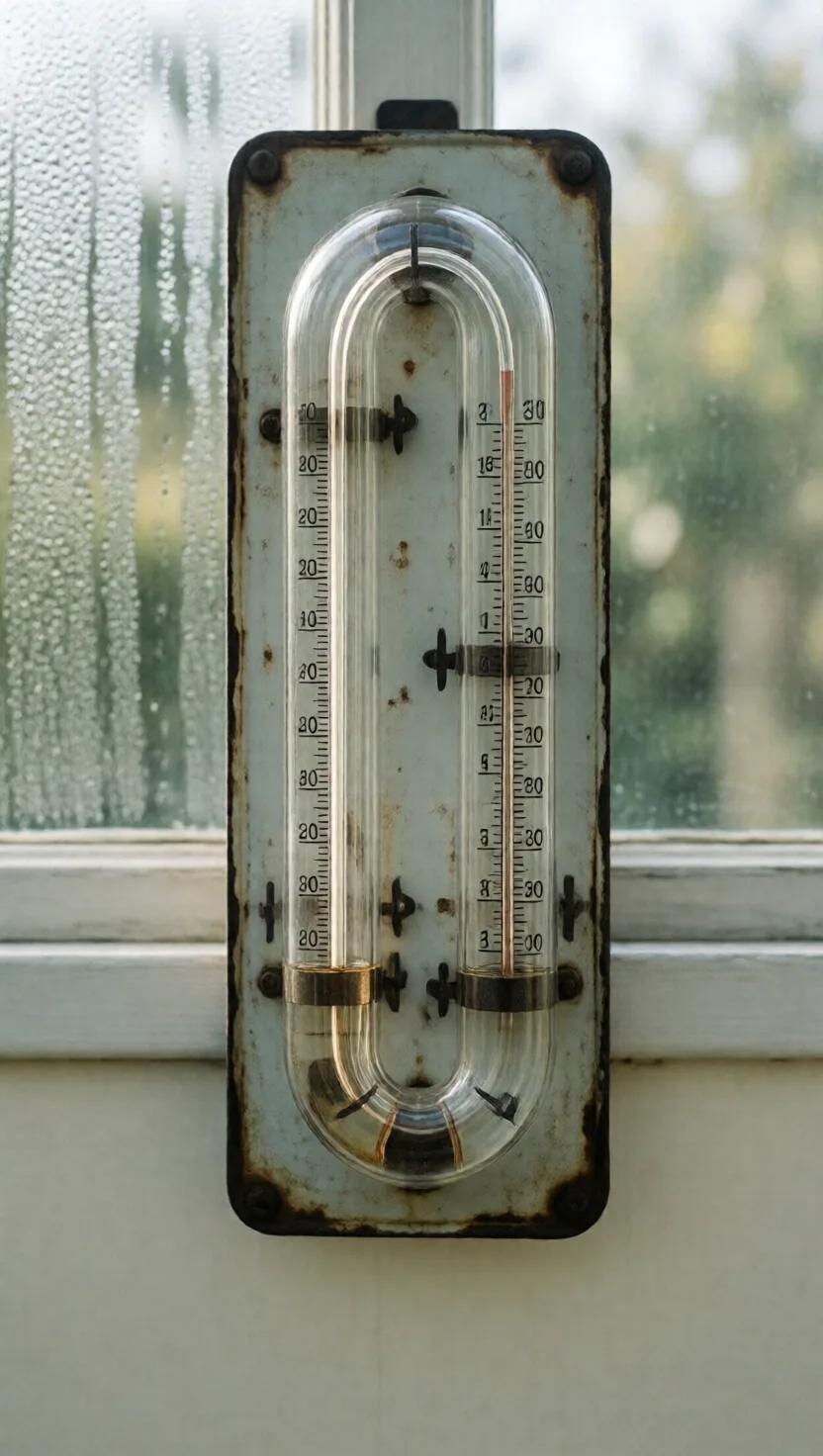
James Six built this U-shaped thermometer in 1780 so a single instrument could record both the day's highest and lowest temperatures. Alcohol expanding and contracting pushes a thread of mercury around the U, and the mercury nudges two tiny steel index markers that stay put where they are left. A pass of a magnet resets them. The same basic design is still read in gardens today, 245 years later.
The spinning-cup wind gauge's inventor got it wrong

The spinning-cup wind gauge's inventor got it wrong

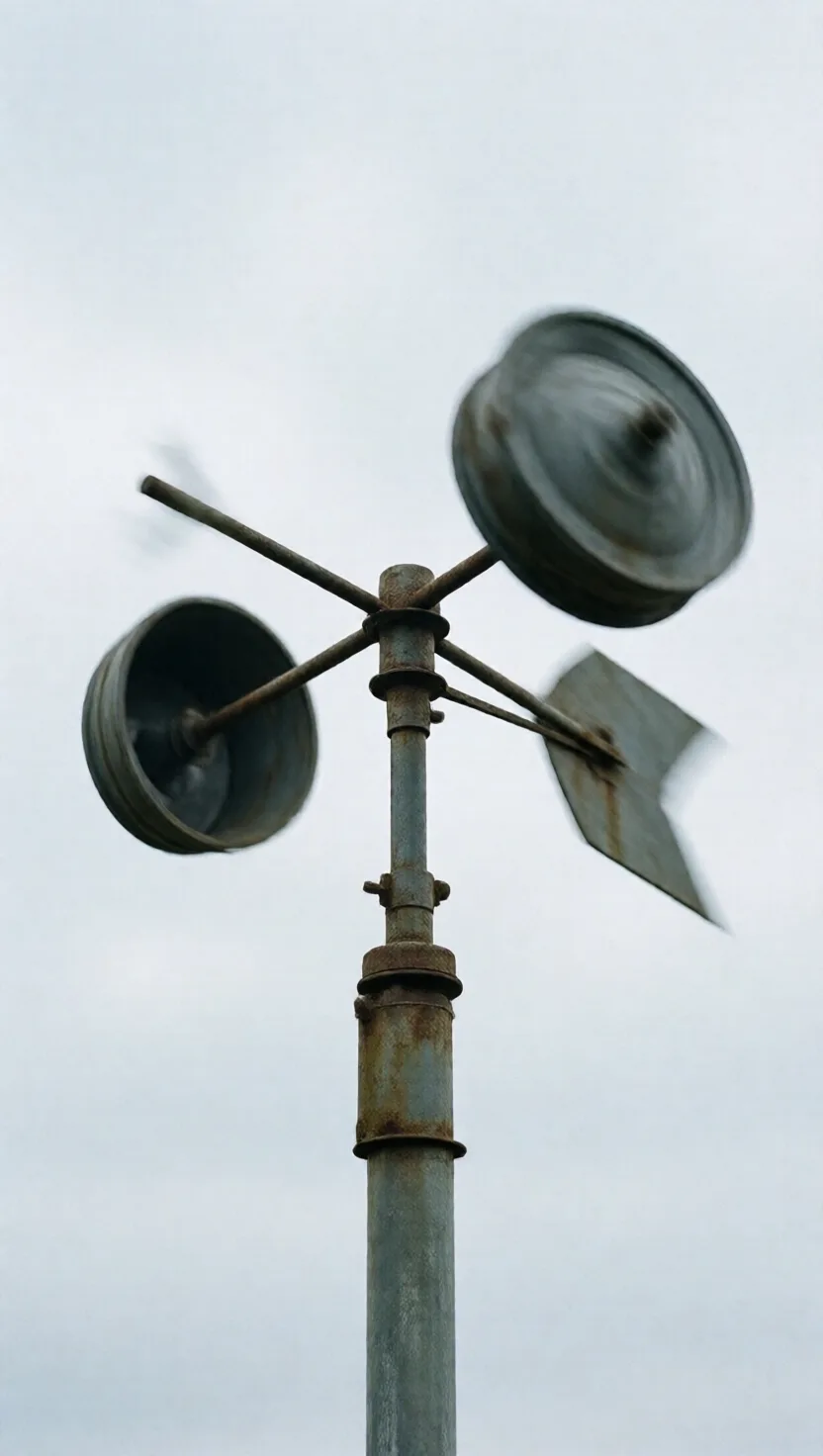
Thomas Romney Robinson built the four-cup anemometer at an Irish observatory in 1846 and claimed the cups always turn at exactly one-third of the wind's speed, no matter their size. He was wrong. The real anemometer factor depends on the cup and arm dimensions and ranges from about 2 to a little over 3, so every cup anemometer must be individually calibrated against a known wind.
This copper rooster has faced the wind for 1,200 years

This copper rooster has faced the wind for 1,200 years

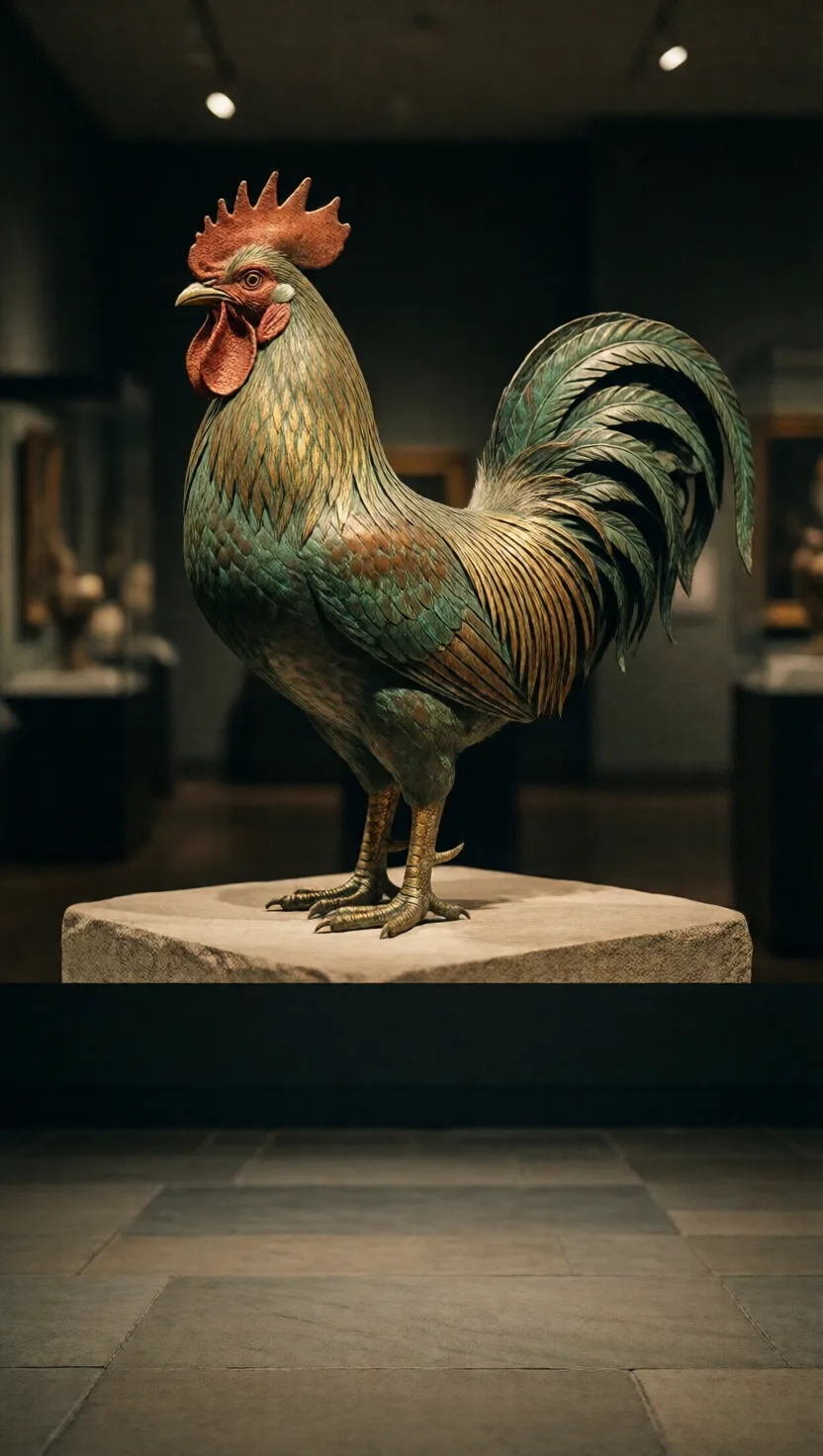
The Gallo di Ramperto is the oldest surviving weathercock in the world. Hand-hammered from copper sheet and once gilded, it was made around 820 AD for a bishop and perched atop a bell tower in Brescia, Italy. It turned in the wind for over a thousand years until it was taken down in 1891. Roughly 38 centimetres tall, it now rests in a museum, its body still nearly intact.
A single human hair runs this humidity dial

A single human hair runs this humidity dial

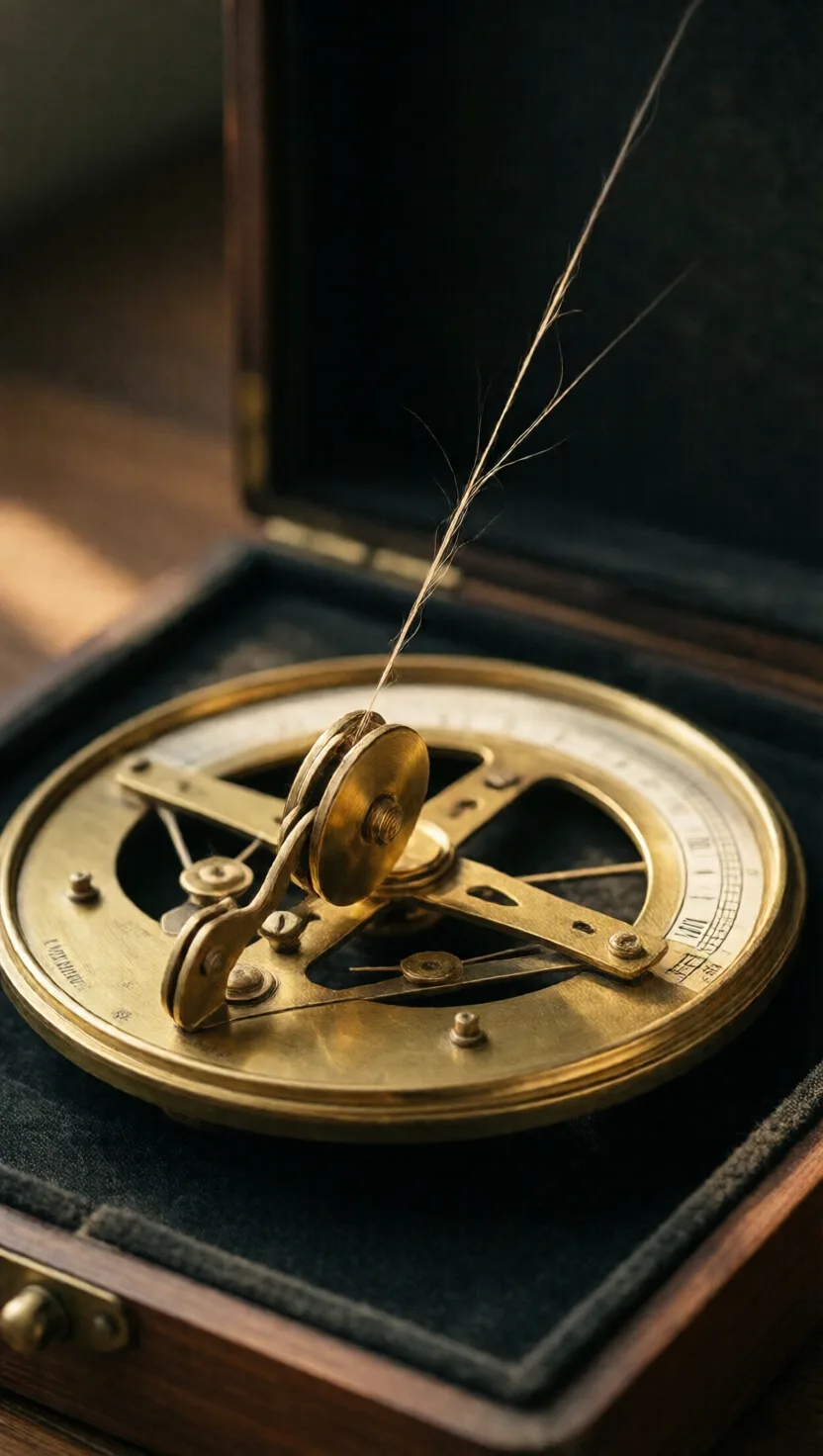
In 1783 Horace Benedict de Saussure found that human hair stretches as the air grows damp, because its keratin binds water and swells. A strand pulled taut inside a hygrometer lengthens by only about 2 to 2.5 percent between bone-dry and fully saturated air, yet a system of levers magnifies that tiny stretch into the sweep of a needle across a humidity scale.
A glass that warns of storms with rising water

A glass that warns of storms with rising water

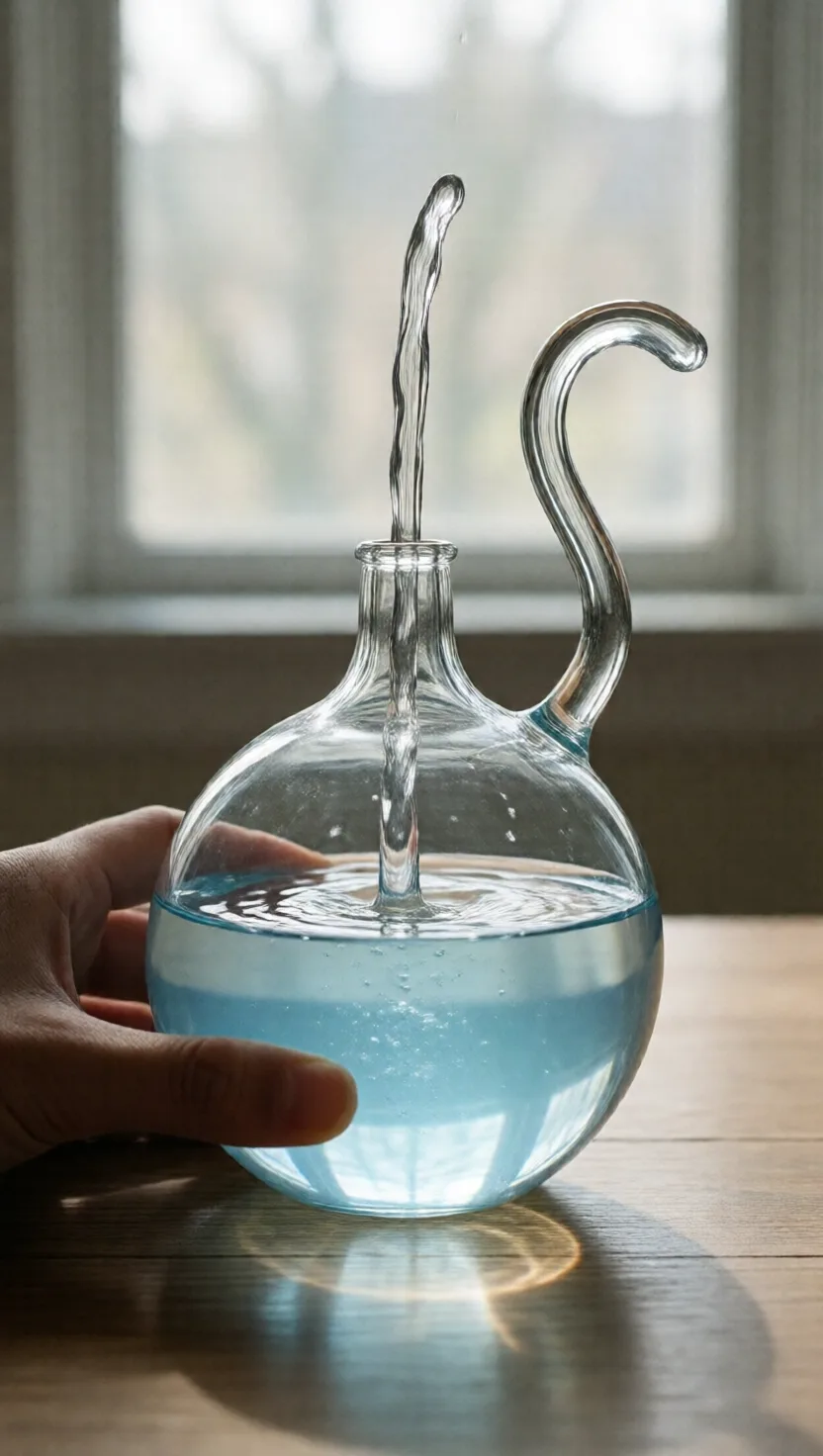
The water barometer, popularised by Goethe, is a sealed glass bulb with a slender spout open to the air. Air trapped in the bulb presses on the water; when the atmospheric pressure outside falls, often ahead of a storm, that trapped air pushes water up the spout. When pressure rises for fair weather, the spout water sinks. No dial, no scale: the weather is written in the height of a thin column of water.
The pocket barometer named for having no liquid

The pocket barometer named for having no liquid

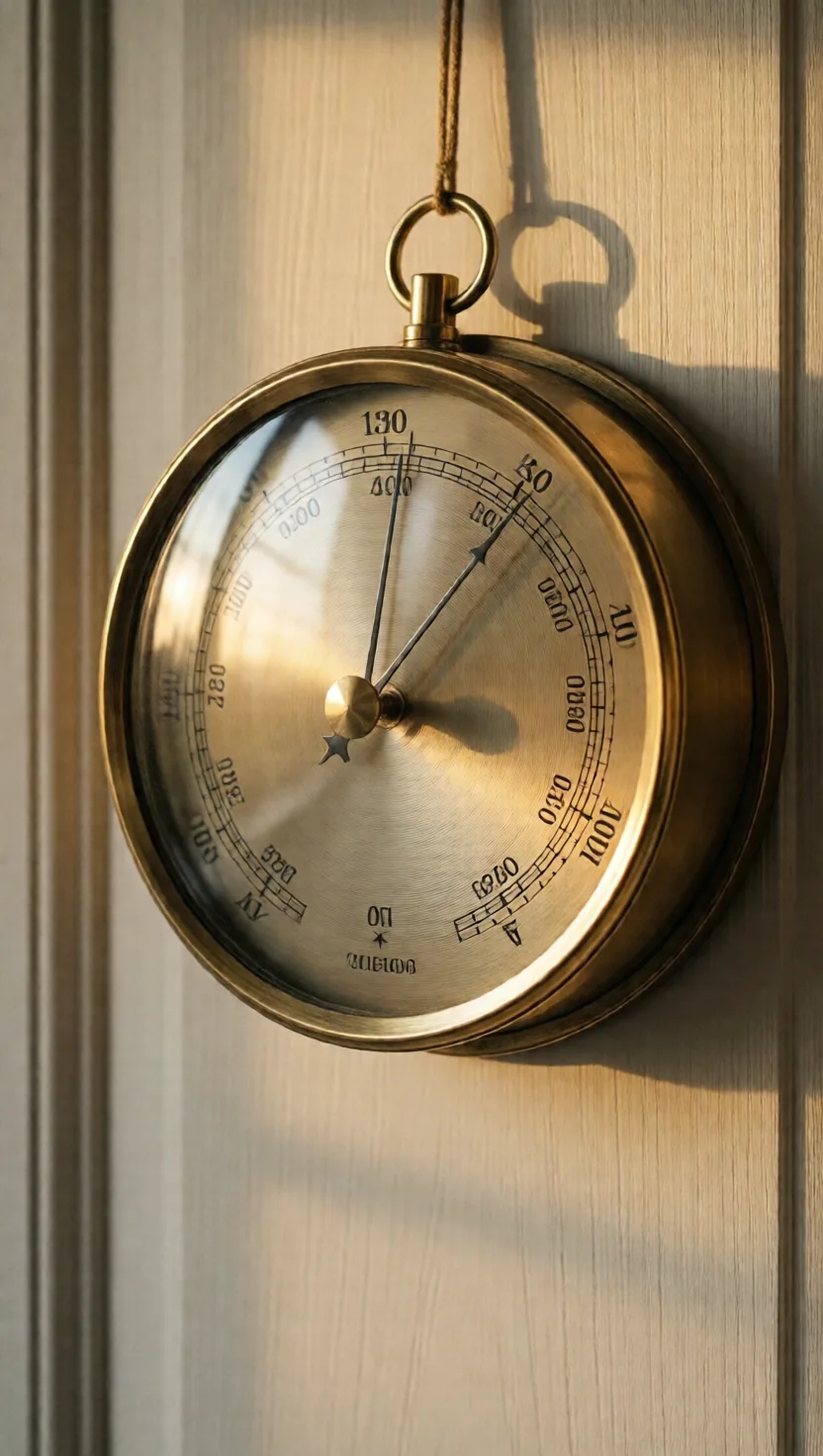
In 1844 Lucien Vidi patented the aneroid barometer; aneroid is Greek for without fluid. Instead of a tall mercury column, it uses a small sealed metal capsule with most of the air pumped out. As atmospheric pressure rises and falls, the capsule flexes by a hair's breadth, and a train of levers amplifies that flex into the swing of a needle. Compact and spillproof, it finally made the barometer portable.
tap →swipe ↑ for depthswipe ↓ to exit