Eight things hidden in thread, loom and cloth.

DC·40 Deep Cuts
The first computer code wove flowers, not numbers

The first computer code wove flowers, not numbers

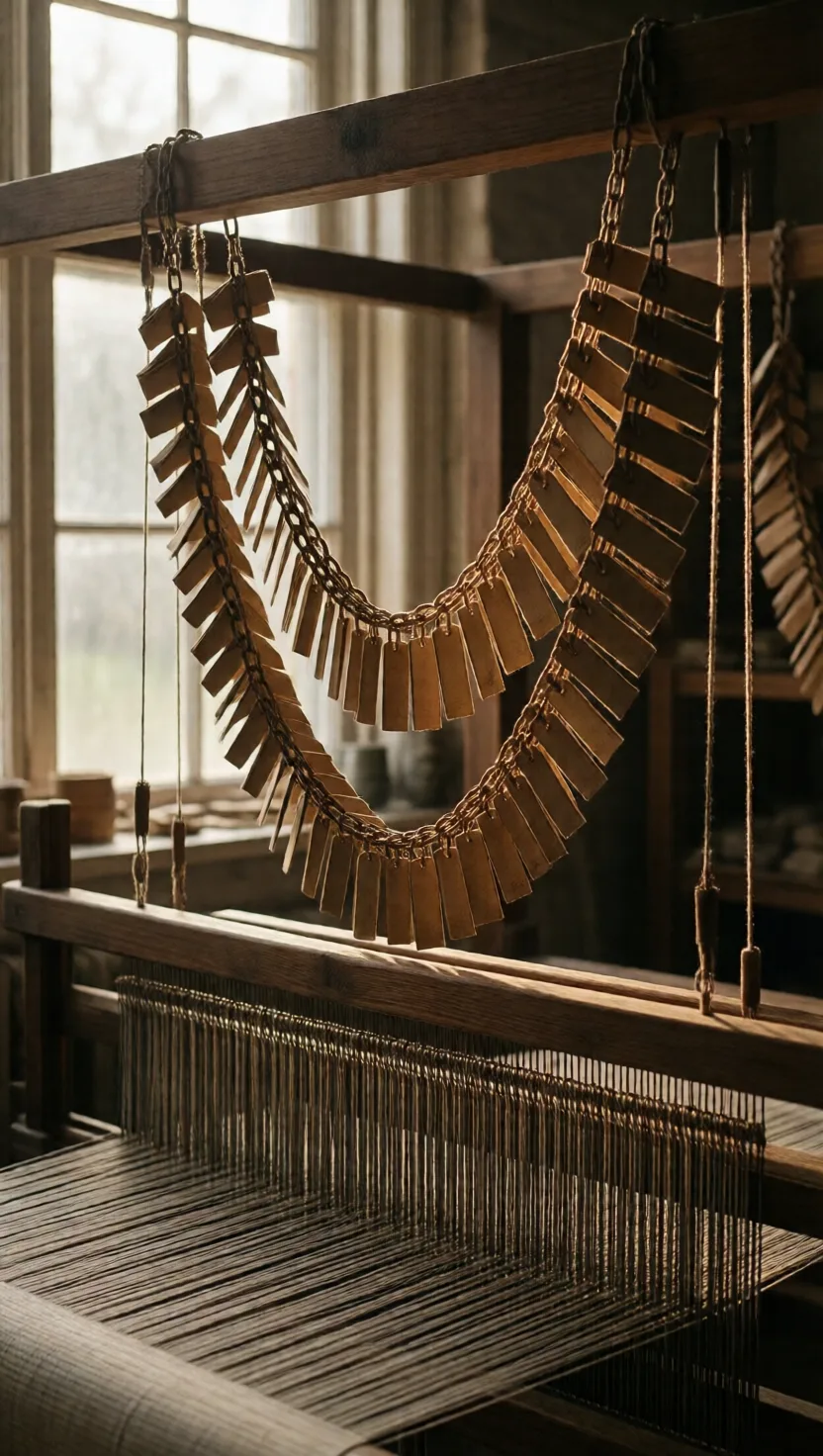
In 1804 Joseph-Marie Jacquard hung a chain of stiff cards over his loom, each punched with holes. The holes decided which warp threads lifted for every pass of the shuttle, so an unskilled worker could weave portraits and brocades automatically. Charles Babbage borrowed the punched card for his Analytical Engine, and Ada Lovelace wrote that it 'weaves algebraic patterns just as the loom weaves flowers and leaves.' The punched card ran computers into the 1970s — born on a loom.
All the world's thread once hung from a spinning stick

All the world's thread once hung from a spinning stick

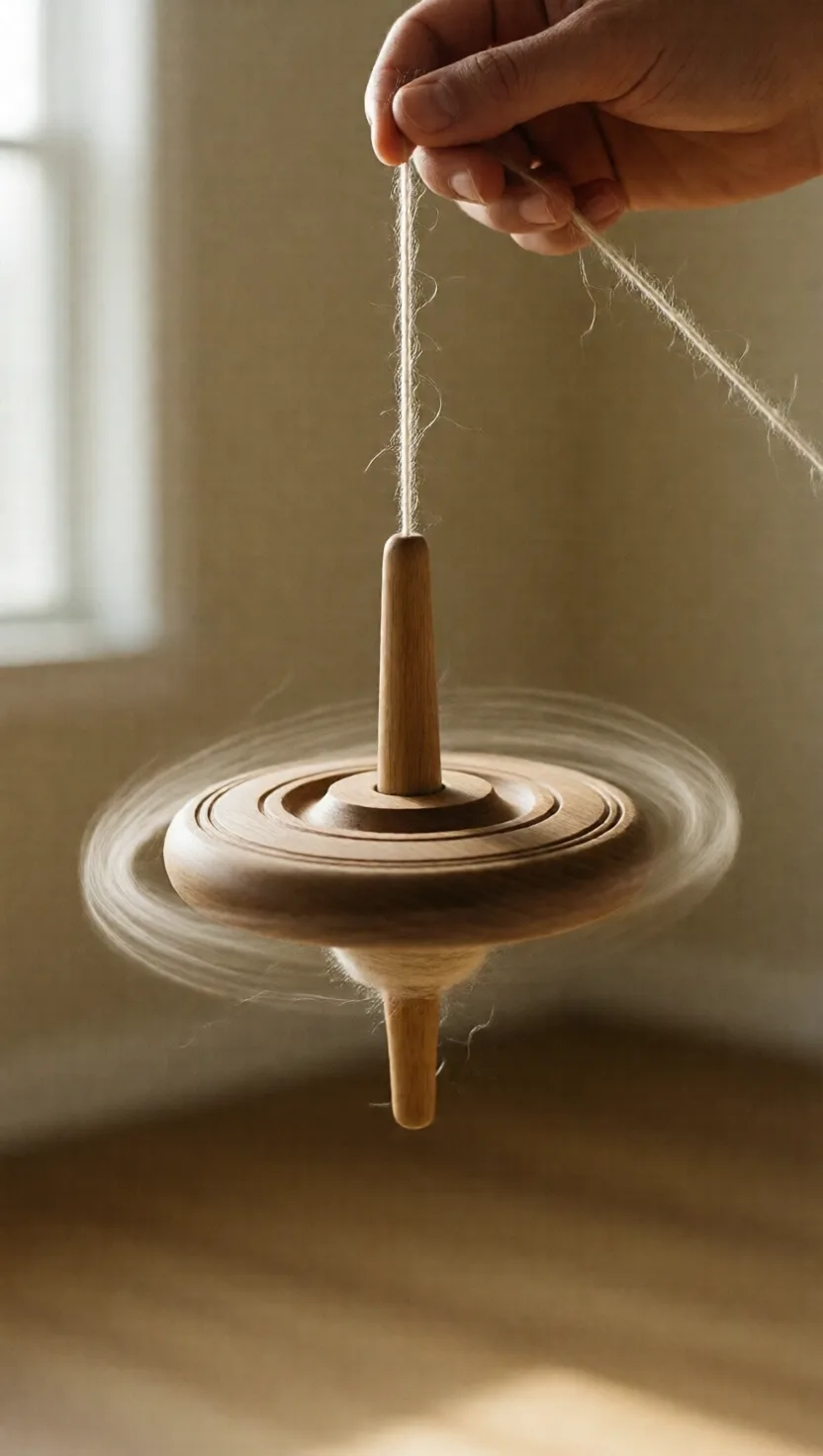
Before the spinning wheel — which arrived only about a thousand years ago — every thread on Earth was made on a drop spindle: a stick weighted with a disc of clay or stone. Set spinning and let fall, gravity and momentum twisted loose fibre into yarn as the spinner fed it by hand. The weighted whorls turn up at sites 12,000 years old. Sails, togas, tapestries, every garment of the ancient world was made, thread by thread, off a falling stick.
The oldest cloth was never woven at all

The oldest cloth was never woven at all

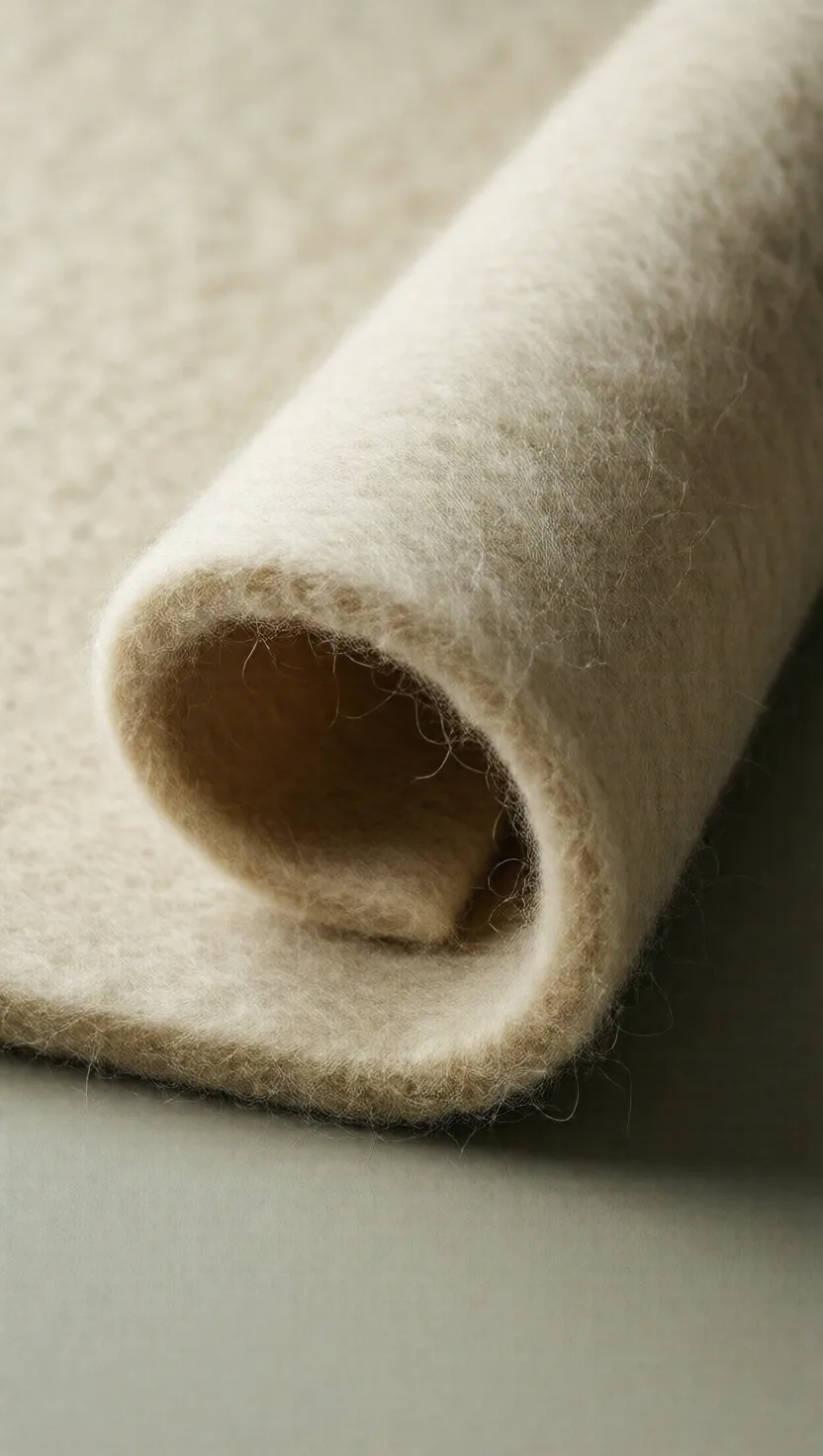
Felt comes before weaving and before knitting — no loom, no thread. A wool fibre is sheathed in microscopic overlapping scales. Add warmth, water and pressure and the scales lift, ratchet past one another and lock, so the loose fleece mats into a single dense sheet that cannot be pulled back apart. Felted hats have been found dating to around 1800 BC. It is the simplest fabric there is: just wool, persuaded to tangle itself together permanently.
One cocoon is a single thread a kilometre long

One cocoon is a single thread a kilometre long

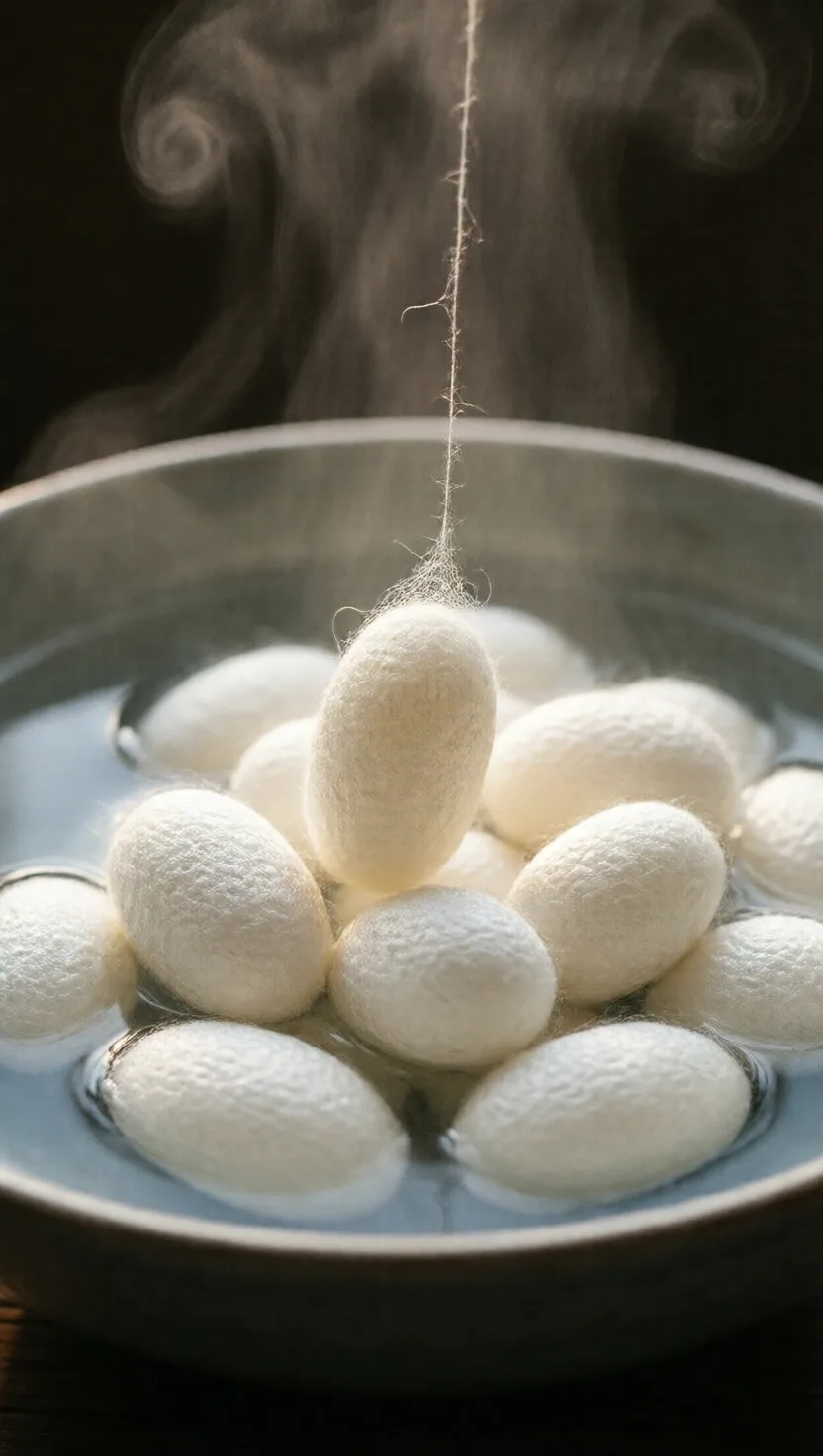
A silkworm does not spin a tangle. It builds its cocoon from one unbroken filament, wagging its head in figure-eights for days and laying down a thread that runs roughly 300 to 900 metres without a single break. To harvest the silk, the sealed cocoons are dropped in hot water to soften the natural glue, the loose end is found, and the whole thing is unwound in one continuous strand. Several are reeled together at once, because a single filament is finer than a spider's line.
Velvet is two cloths woven together, then sliced

Velvet is two cloths woven together, then sliced

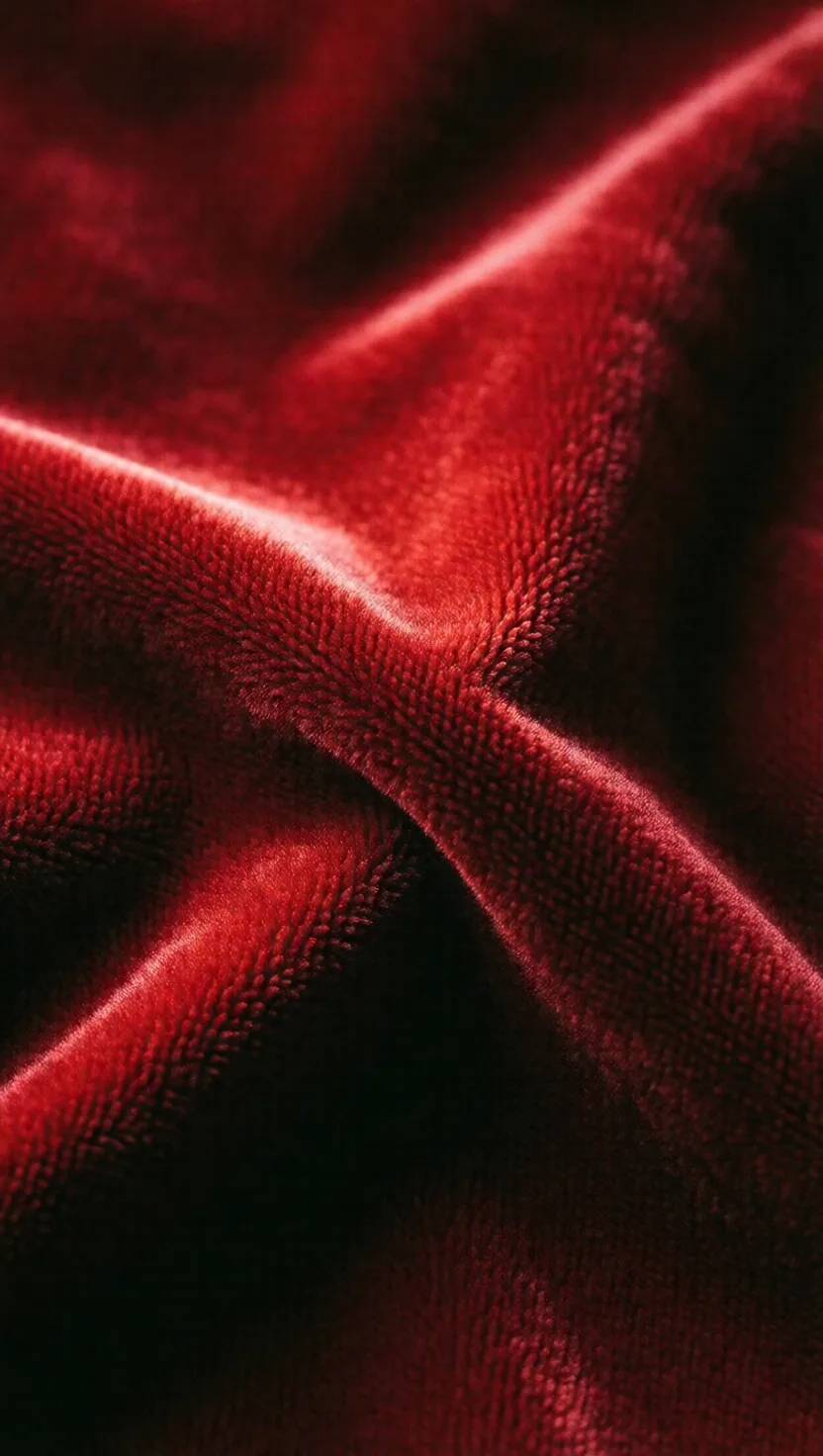
Velvet's plush surface is a forest of cut thread ends standing on end. It is made by weaving two separate sheets of cloth face to face at once, a few millimetres apart, joined by a dense pile of threads running between them. A blade then travels down the middle, slicing those connecting threads — and the two layers fall apart as two pieces of velvet, each bristling with the cut pile that catches the light and gives the fabric its deep, shifting glow.
This pattern is dyed into the thread before weaving

This pattern is dyed into the thread before weaving

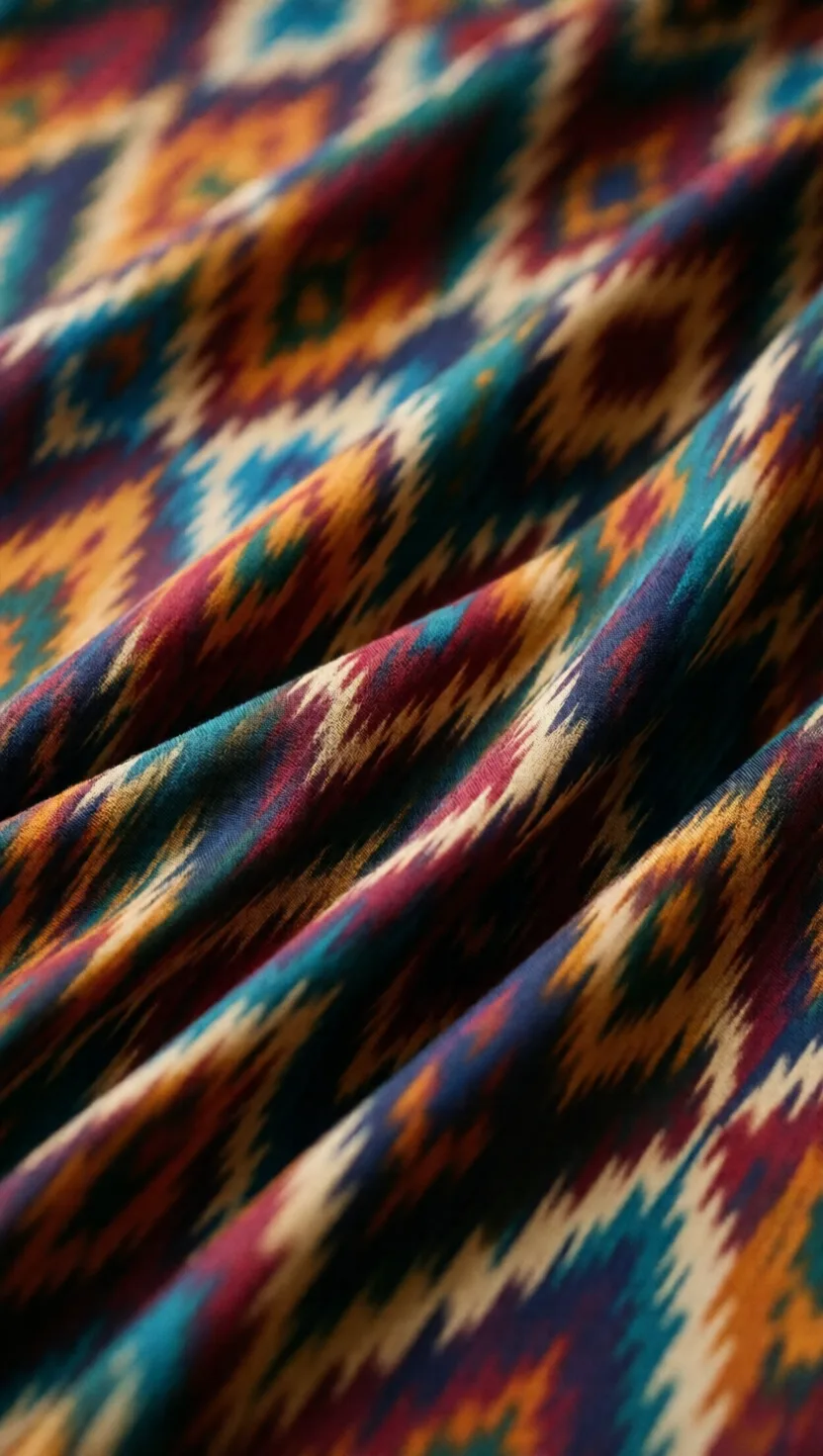
In most patterned cloth you dye the yarn one colour, then weave or print the design on top. Ikat does it backwards. The bare threads are bundled and tied tight in places, then dipped in dye, so the bound spots resist the colour. Untied and stretched onto the loom, the pre-dyed threads are woven so their coloured segments line up into a pattern — which is why every ikat design has a soft, feathered blur at its edges. Double ikat, dyed on both warp and weft, is so exacting that only three countries still make it.
Ancient looms were kept taut by hanging stones

Ancient looms were kept taut by hanging stones

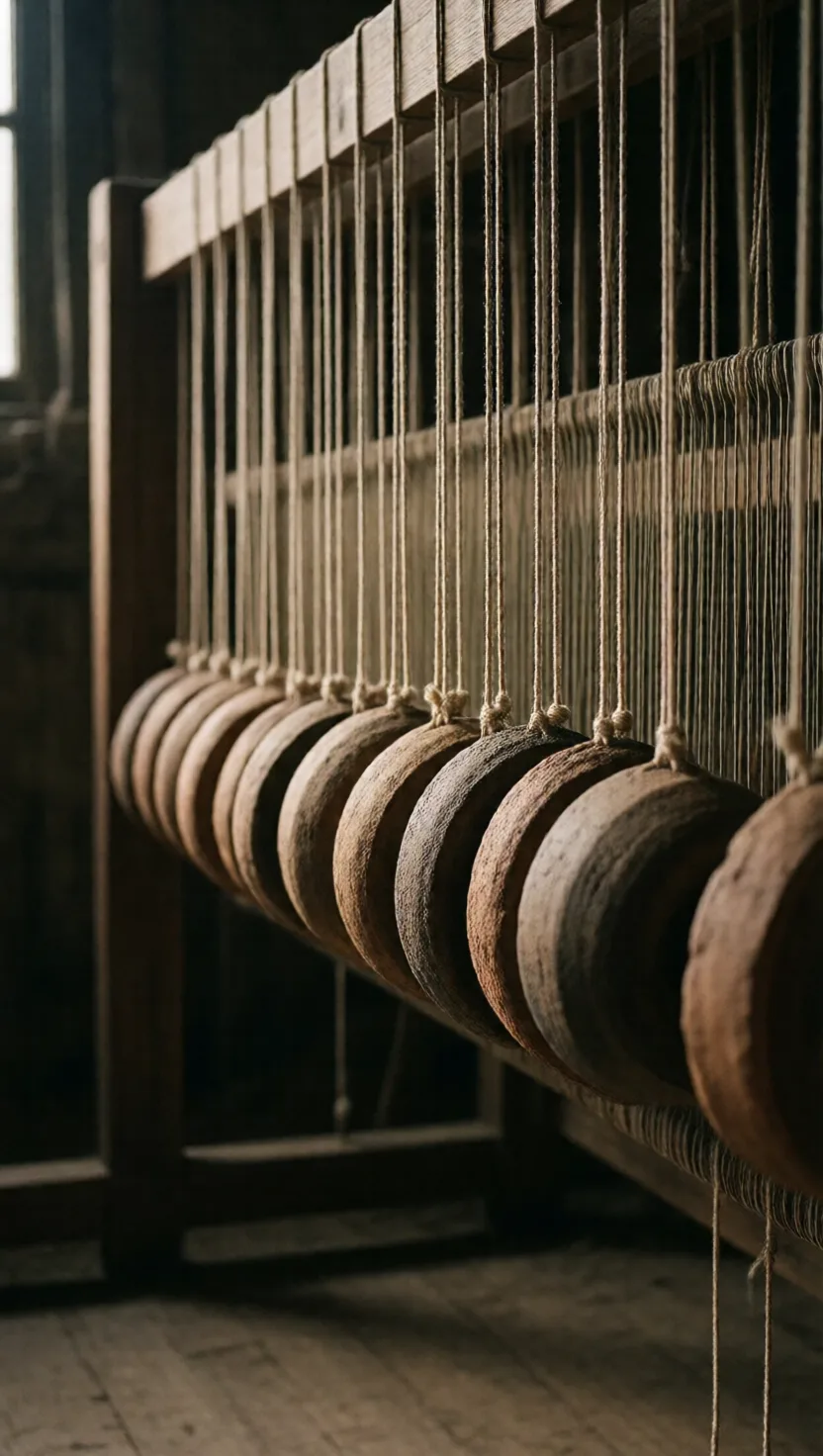
The oldest looms stood upright against a wall. The warp threads hung straight down from a top beam, and to keep them taut for weaving, the weaver tied bundles of clay or stone weights to the bottom of each group. Archaeologists dig up these doughnut- and pyramid-shaped loom weights by the thousands across Neolithic Europe, ancient Greece and Viking lands — often all that survives of a loom long since rotted away. Gravity was the tensioning machine.
The Bayeux Tapestry isn't a tapestry

The Bayeux Tapestry isn't a tapestry

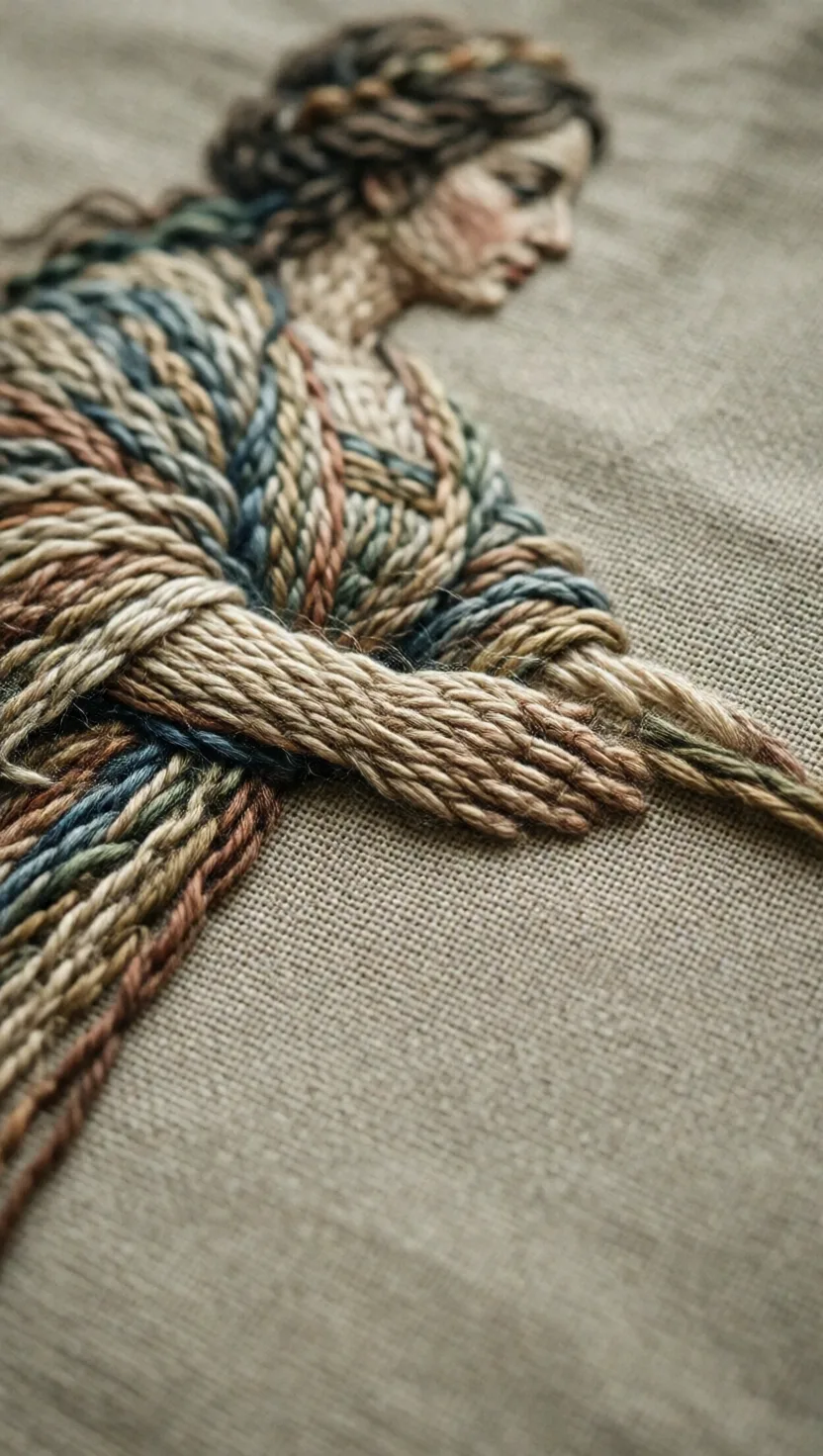
A true tapestry is woven on a loom, the picture built right into the cloth as it is made. The Bayeux Tapestry is not woven at all — it is embroidery: a 70-metre strip of plain linen onto which the scenes of the Norman Conquest were stitched in coloured wool, using stem stitch for outlines and laid-and-couched work to fill the shapes. The name has been a misnomer for nine centuries. Strictly speaking, it should be called the Bayeux Embroidery.
tap →swipe ↑ for depthswipe ↓ to exit