Eight things you never knew about teeth, tusks and antlers

DC·33 Deep Cuts
A narwhal's tusk is a tooth turned inside out

A narwhal's tusk is a tooth turned inside out

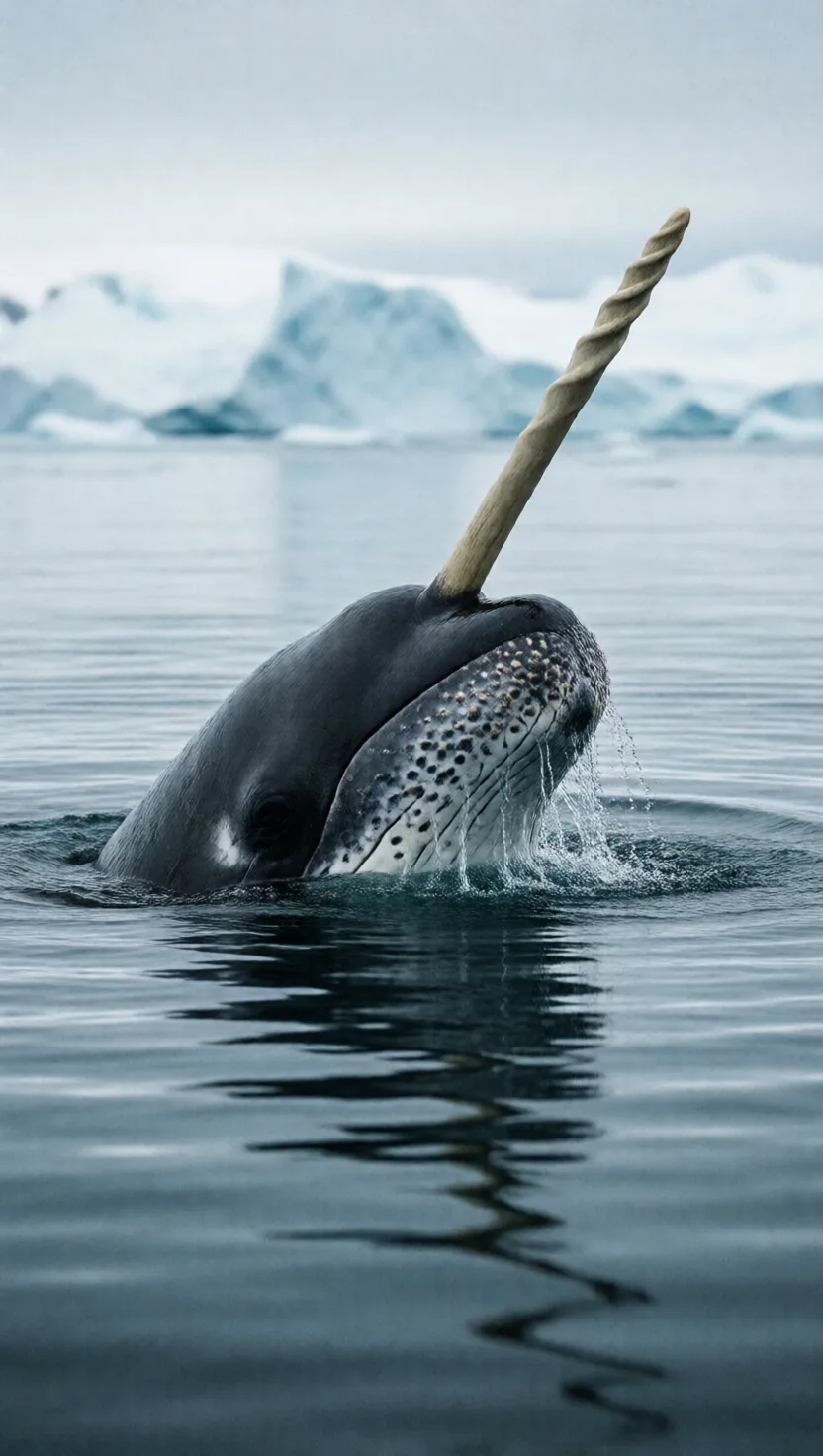
The spiral 'horn' of a narwhal is really its left front tooth, grown straight through the lip up to three metres long. Unlike any other tooth, its surface is open to the sea: up to ten million nerve endings run from the core out to the skin, turning the tusk into a giant sensor that reads the water's temperature, pressure and saltiness. The unicorn of the Arctic wears a nerve on the outside.
Antlers are the fastest-growing bone on Earth

Antlers are the fastest-growing bone on Earth

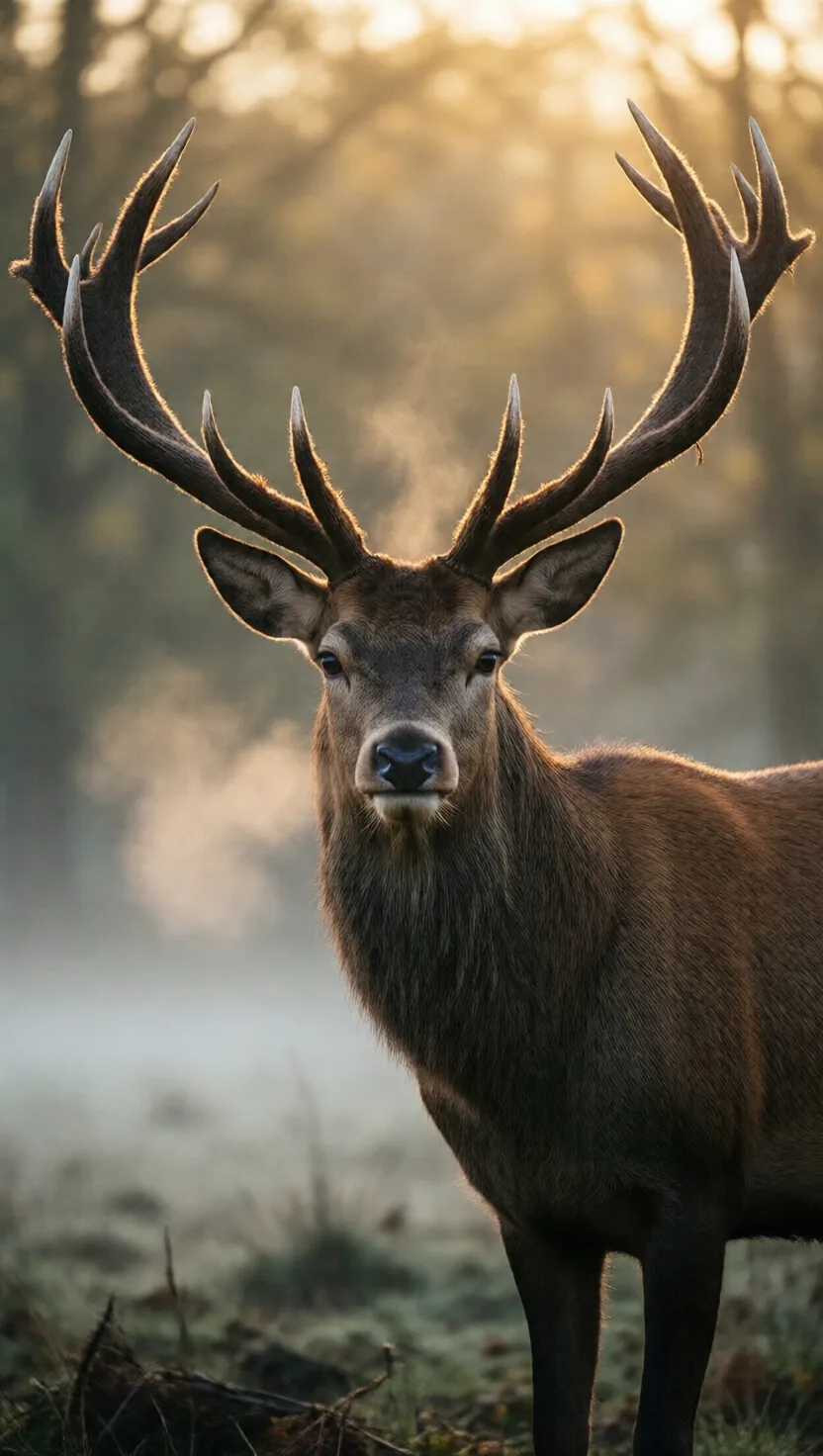
A stag rebuilds his whole rack from a bare skull every single year. In peak season the bone lengthens up to 2.5 cm a day, and a bull moose can lay down close to a pound of fresh bone in a single day — the fastest growth of any mammal tissue. The growing antler is alive, sheathed in furry 'velvet' full of blood, until it hardens, the velvet is rubbed off, and the whole crown is shed to begin again.
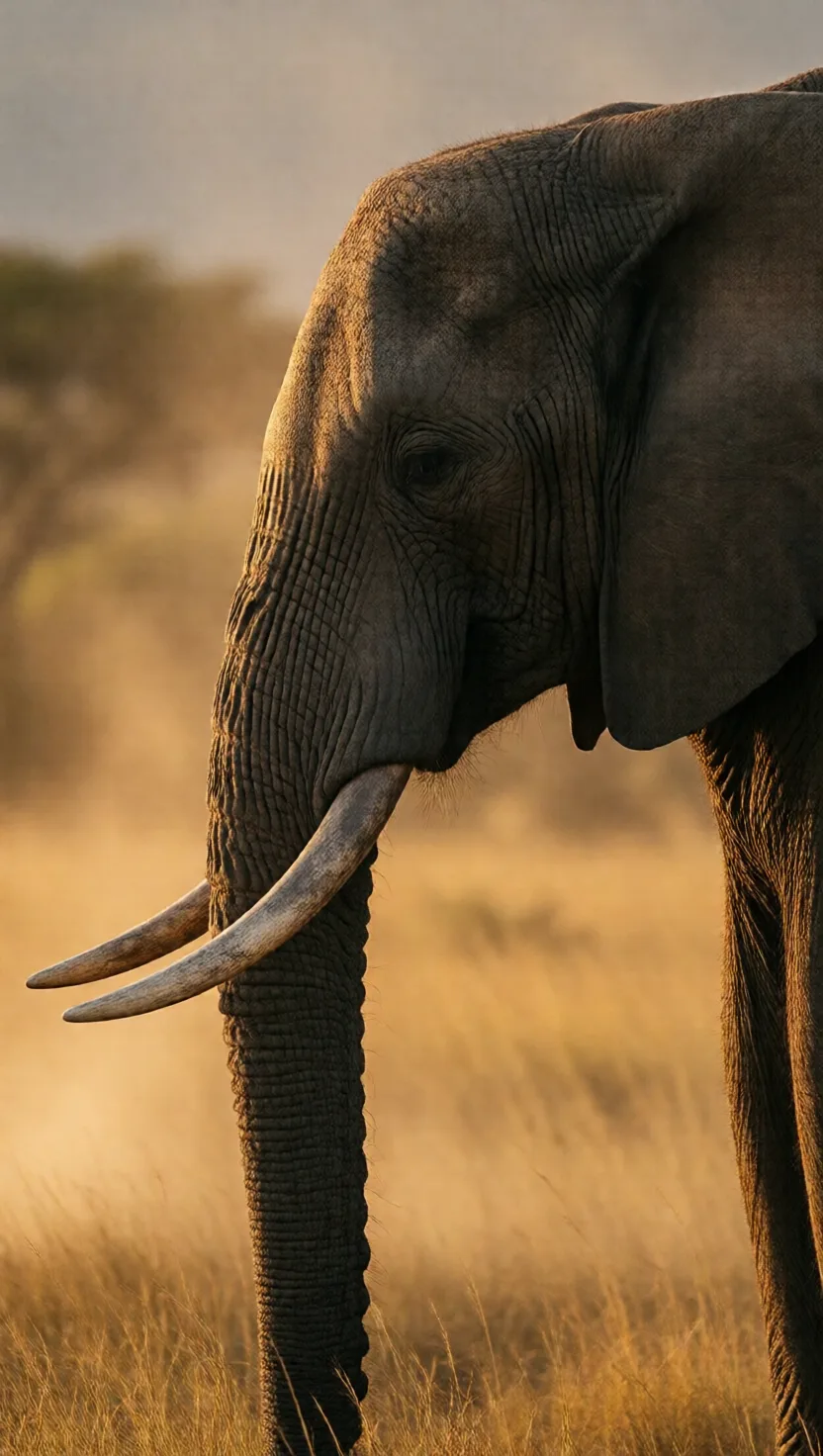
An elephant's lifespan is set by its last teeth

An elephant's lifespan is set by its last teeth

Elephants don't keep one set of teeth — they grow six, one behind another, each the size of a brick. As the front molar wears flat from grinding tough plants, it breaks up and the next slides forward on a slow conveyor belt from the back of the jaw. The sixth and final set erupts when the animal is in its forties. When it wears out around sixty to seventy, the elephant can no longer chew, and slowly starves.
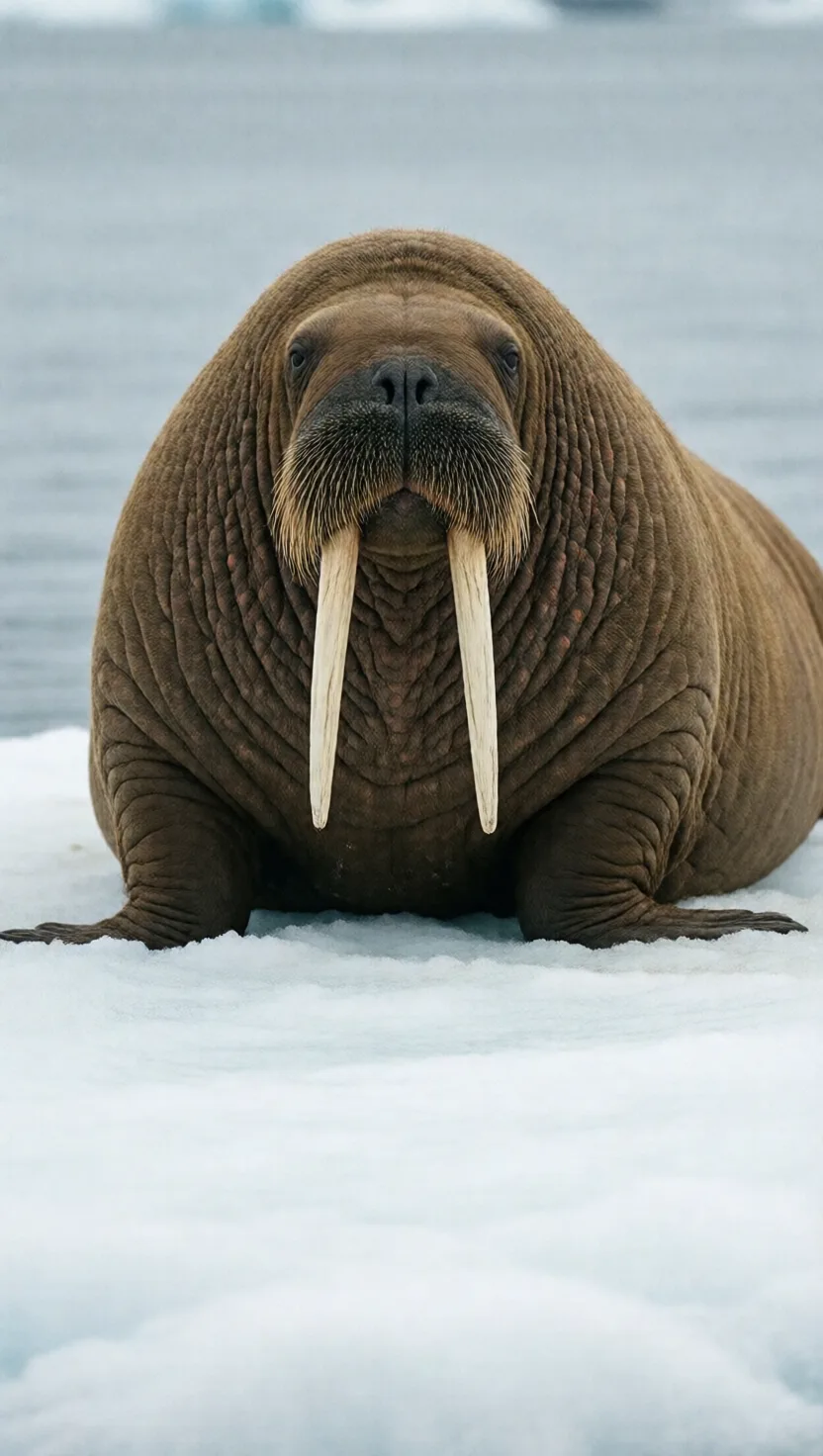
The walrus is named 'the one who walks on its teeth'

The walrus is named 'the one who walks on its teeth'

Both male and female walruses grow tusks — overgrown canine teeth up to a metre long and 5 kg each. They aren't for chewing: a walrus hooks them over the lip of an ice floe to haul its half-tonne body out of the freezing water, and uses them to keep breathing holes open. Its scientific name, Odobenus, is Greek for 'tooth-walker.'
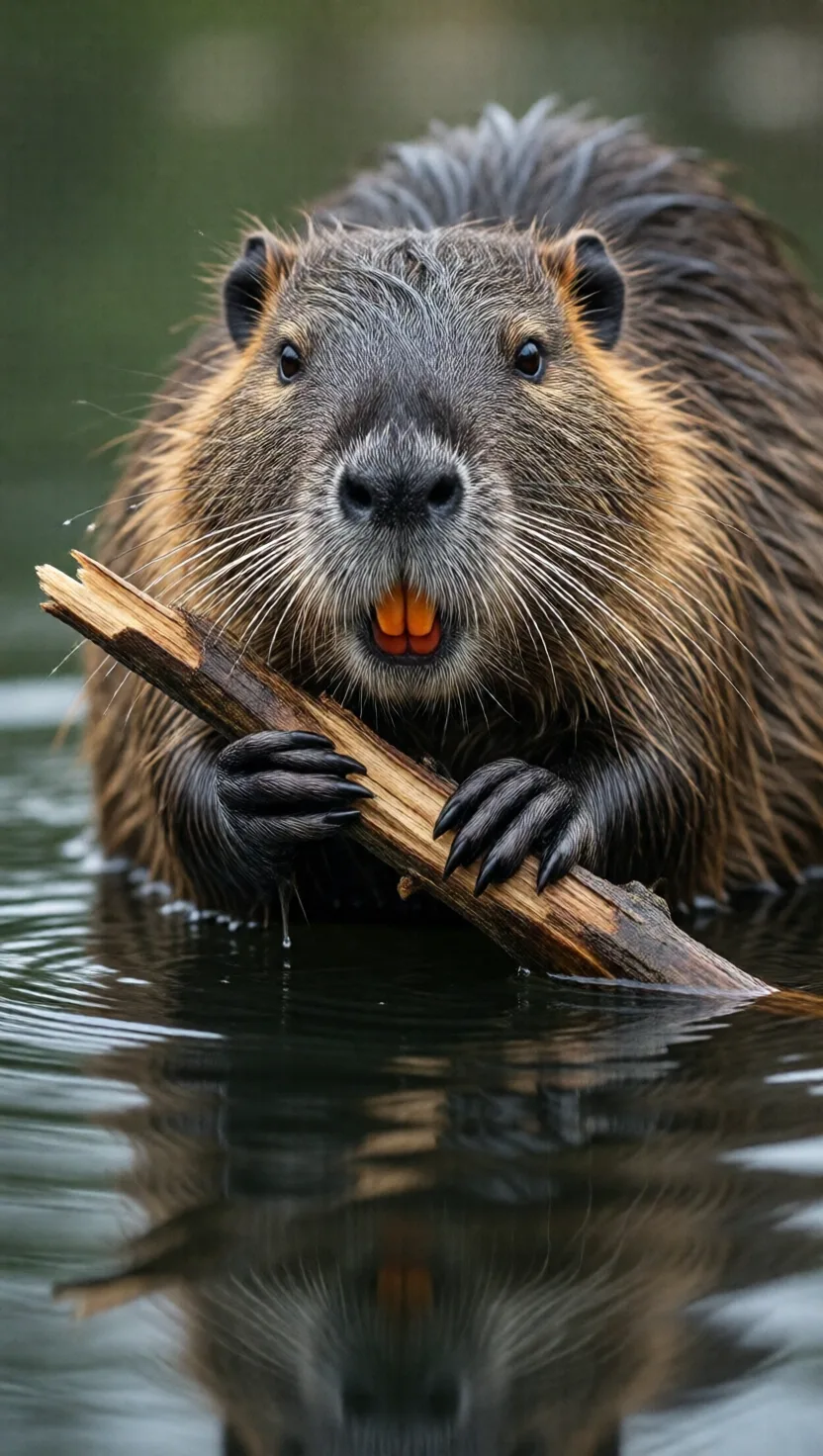
A beaver's teeth are orange because of the iron in them

A beaver's teeth are orange because of the iron in them

That bright orange isn't a stain — it's iron, woven right into the enamel of a beaver's ever-growing front teeth. The iron makes the outer face harder and more acid-resistant than your own enamel. Because that hard orange front wears slower than the soft inner layer, every gnaw files the tooth back to a fresh chisel edge. The teeth grow roughly 10 cm a year, so all that cutting never wears them down.
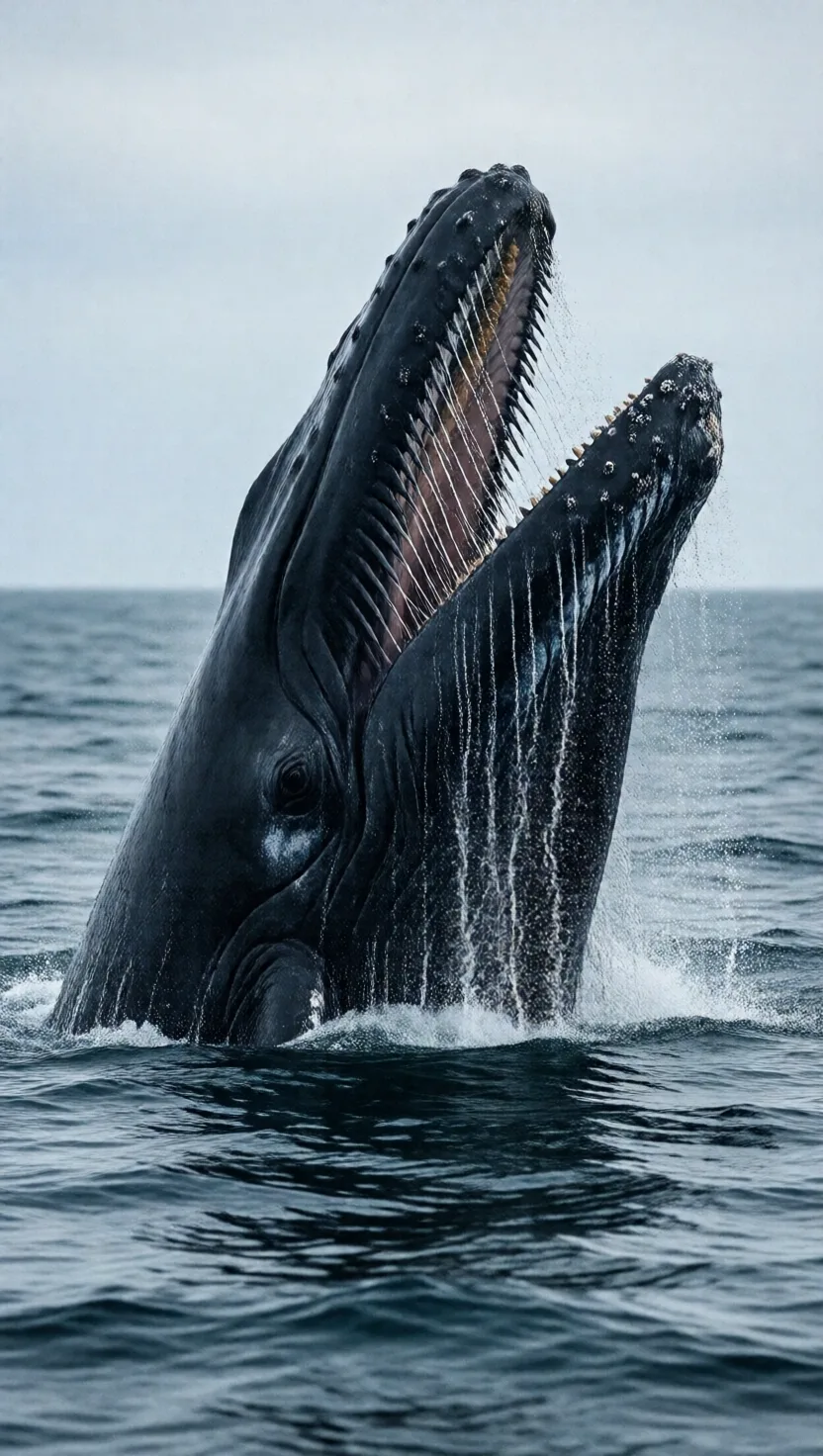
Whalebone corsets were never made of bone

Whalebone corsets were never made of bone

The giant sieve in a baleen whale's mouth — hundreds of fringed plates it uses to strain krill from tonnes of seawater — isn't bone or teeth at all. It is keratin, the same protein as your fingernails and hair, and it grows from the gums, not the jaw. For centuries this springy 'whalebone' stiffened corsets, hoop skirts and umbrellas. The whale sieves the sea; the Victorians laced themselves into it.
The pronghorn breaks every rule about horns

The pronghorn breaks every rule about horns

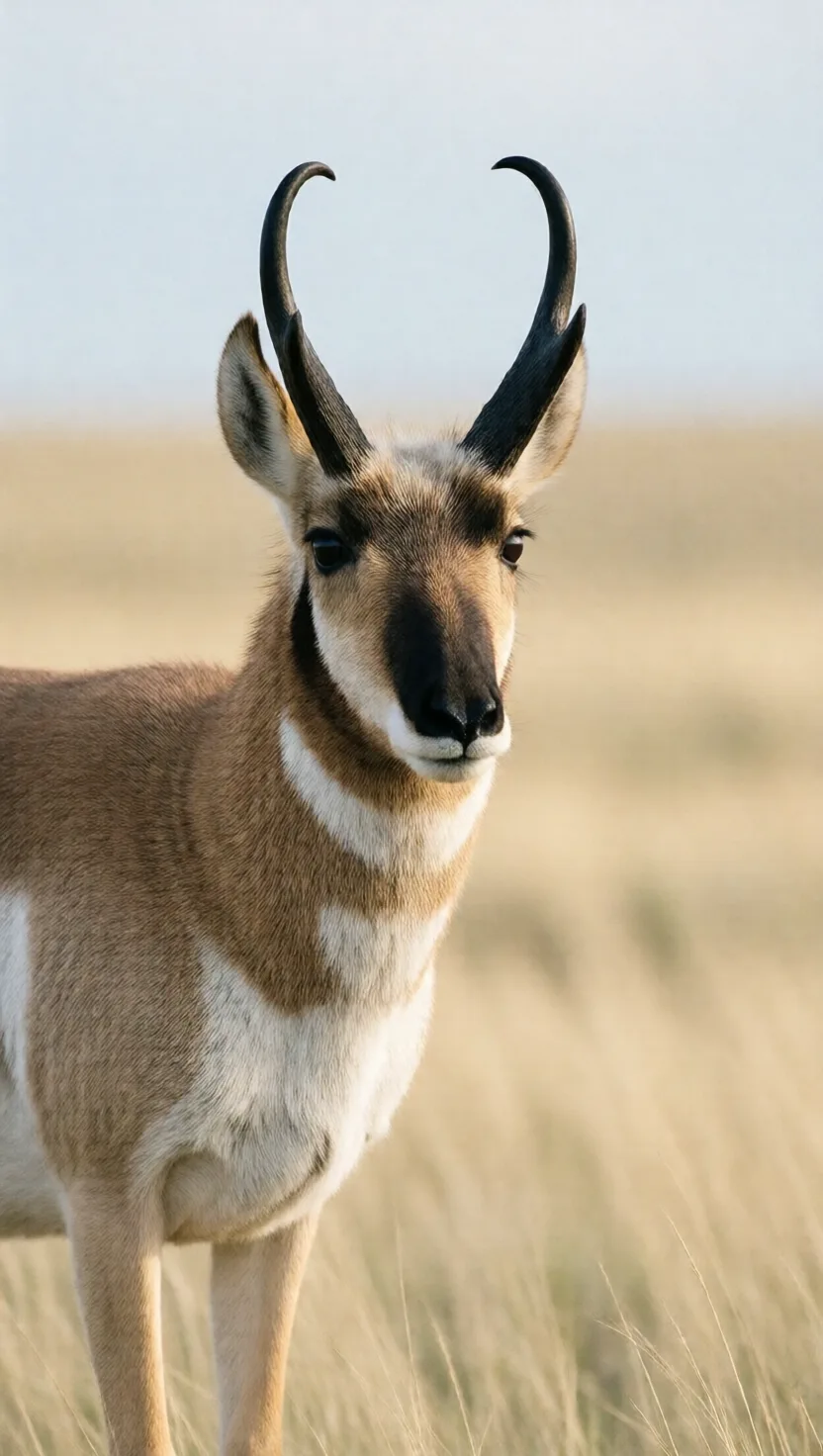
Horns — on cattle, goats, antelope — are permanent keratin sheaths over a bone core, and they never branch. Antlers, on deer, are pure bone and are shed whole each year. The pronghorn does the impossible in between: it grows a forked, branched sheath, then sheds that keratin sheath every autumn, peeling it off the bony core and growing a new one by spring. No other animal on Earth does this.
George Washington's false teeth came from a hippo

George Washington's false teeth came from a hippo

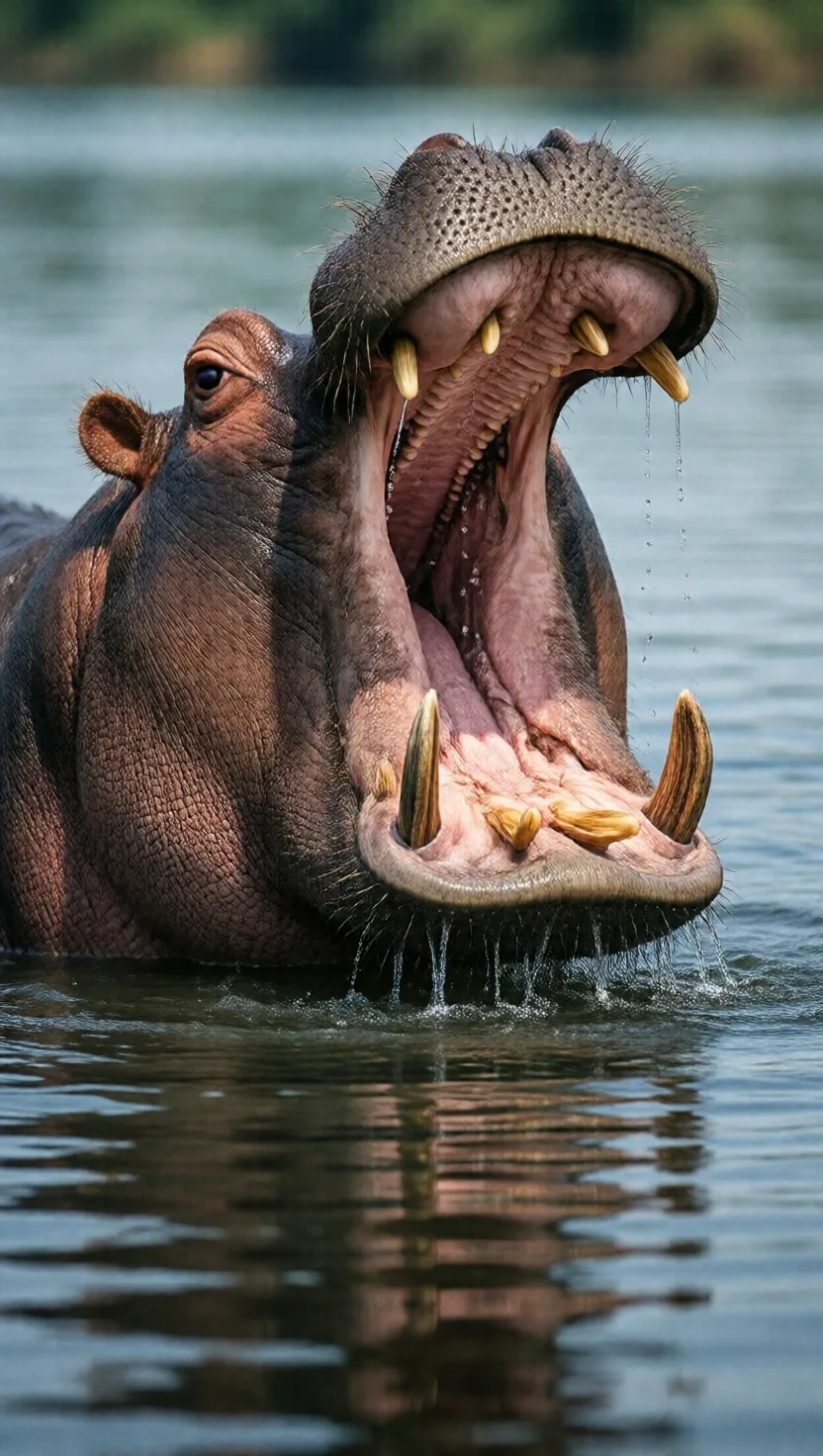
A hippo's canines and incisors never stop growing, grinding against each other into self-sharpening blades up to half a metre long. The ivory inside is denser and whiter than an elephant's and resists yellowing, which is why 18th-century dentists prized it. The president's famous dentures were never wood: one set was carved from hippopotamus ivory, bolted with gold and set with real human teeth.
tap →swipe ↑ for depthswipe ↓ to exit