Eight things eagles, hawks and falcons do that you never see

DC·234 Deep Cuts
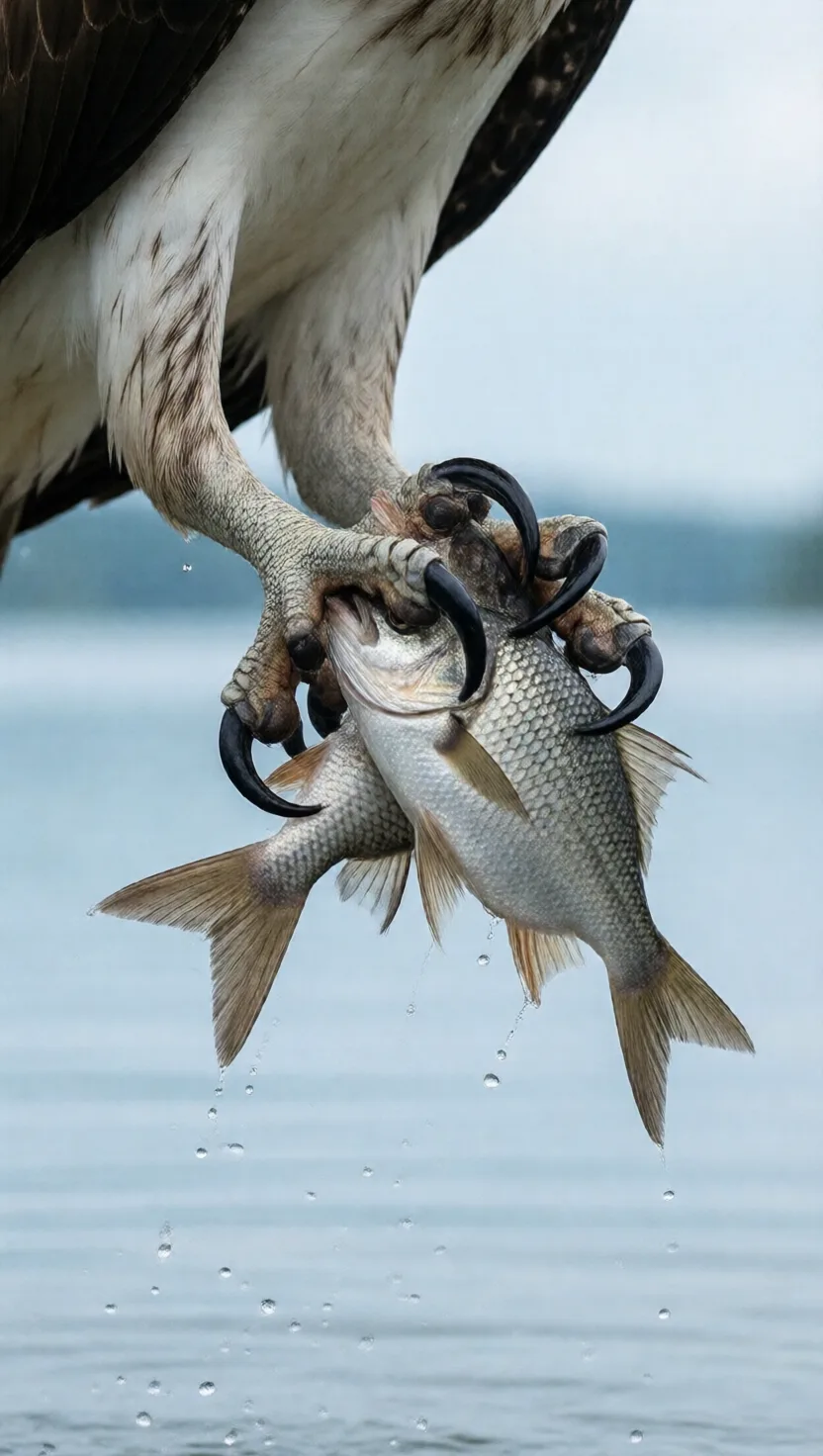
An osprey grips fish with spiny soles and a flip-back toe

An osprey grips fish with spiny soles and a flip-back toe

An osprey can flip one outer toe backward to clamp a fish with two talons in front and two behind, and the soles of its feet are studded with sharp spiny scales, called spicules, that bite into slippery skin. Fish make up about 99% of its diet. The reversible toe lets it lock the catch into a streamlined, head-forward carry for the long flight back to the nest.
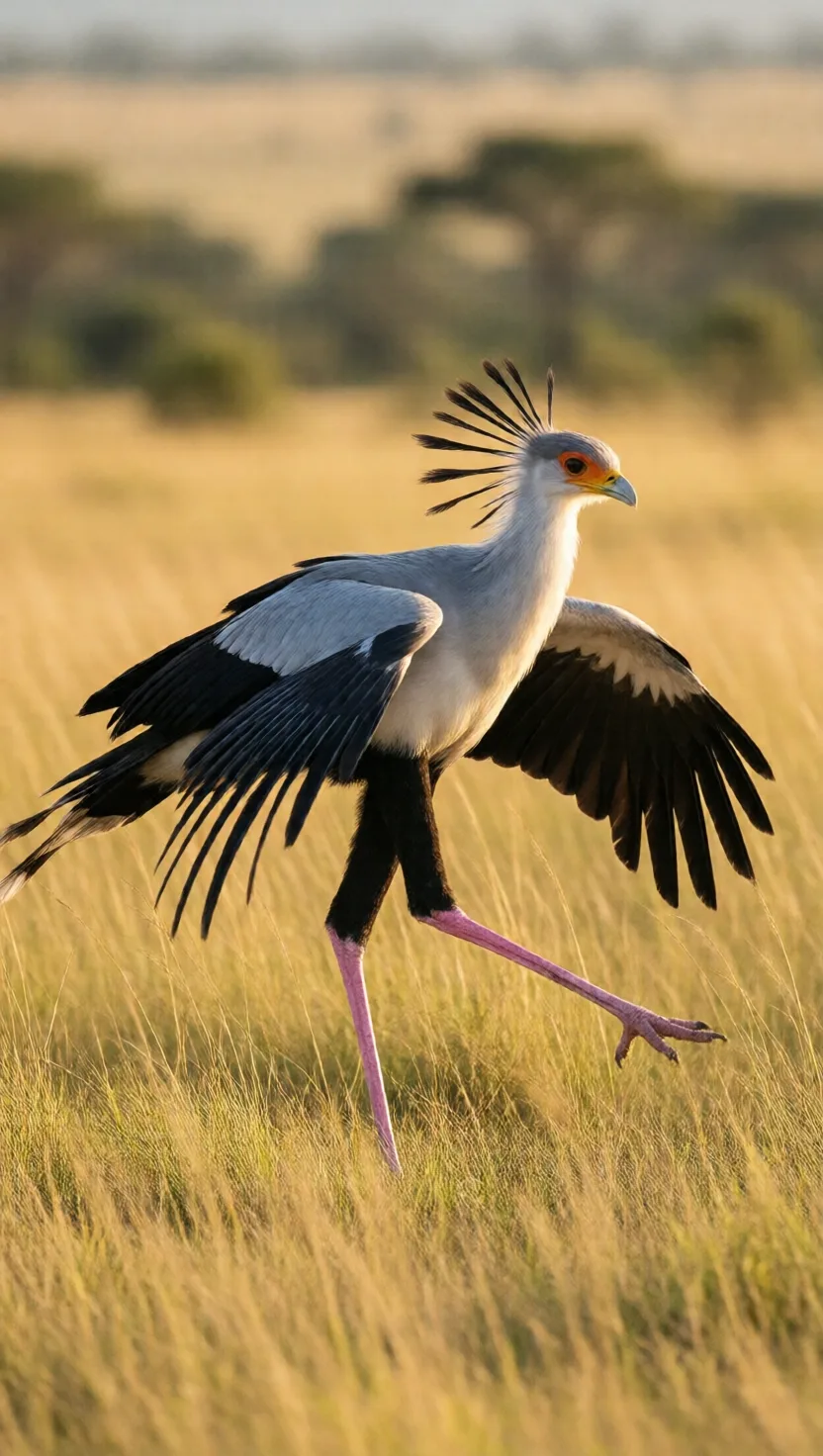
A secretary bird kills snakes with a 195-newton stomp

A secretary bird kills snakes with a 195-newton stomp

A secretary bird stamps its prey with about 195 newtons of force, roughly five times its own body weight, and each strike lasts just 15 milliseconds, a tenth of a human blink. Because a missed kick at a venomous snake could be deadly, the bird aims with pre-planned, vision-guided strikes rather than feel. Researchers measured it on a hidden force plate and published the result in 2016.
Australian kites spread wildfires by dropping burning sticks

Australian kites spread wildfires by dropping burning sticks

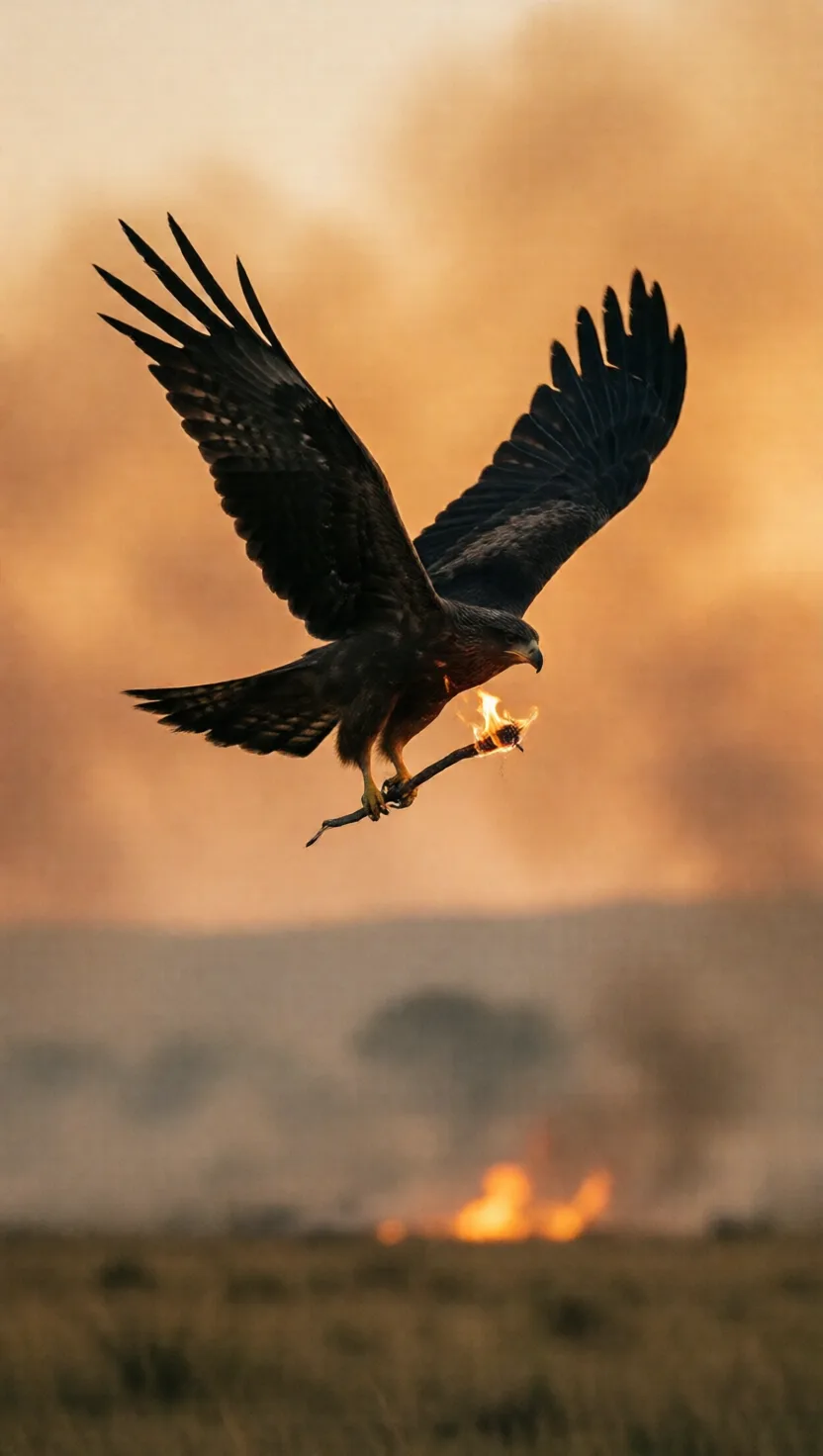
Black kites, whistling kites and brown falcons pick up smouldering sticks in their talons or beaks and drop them into dry unburnt grass, spreading fire to flush out the insects, lizards and small mammals fleeing the flames. Long known to Aboriginal peoples, the behaviour was documented across northern Australia in a 2017 study reporting both lone and cooperative fire-spreading.
A bald eagle's movie screech is really a red-tailed hawk

A bald eagle's movie screech is really a red-tailed hawk

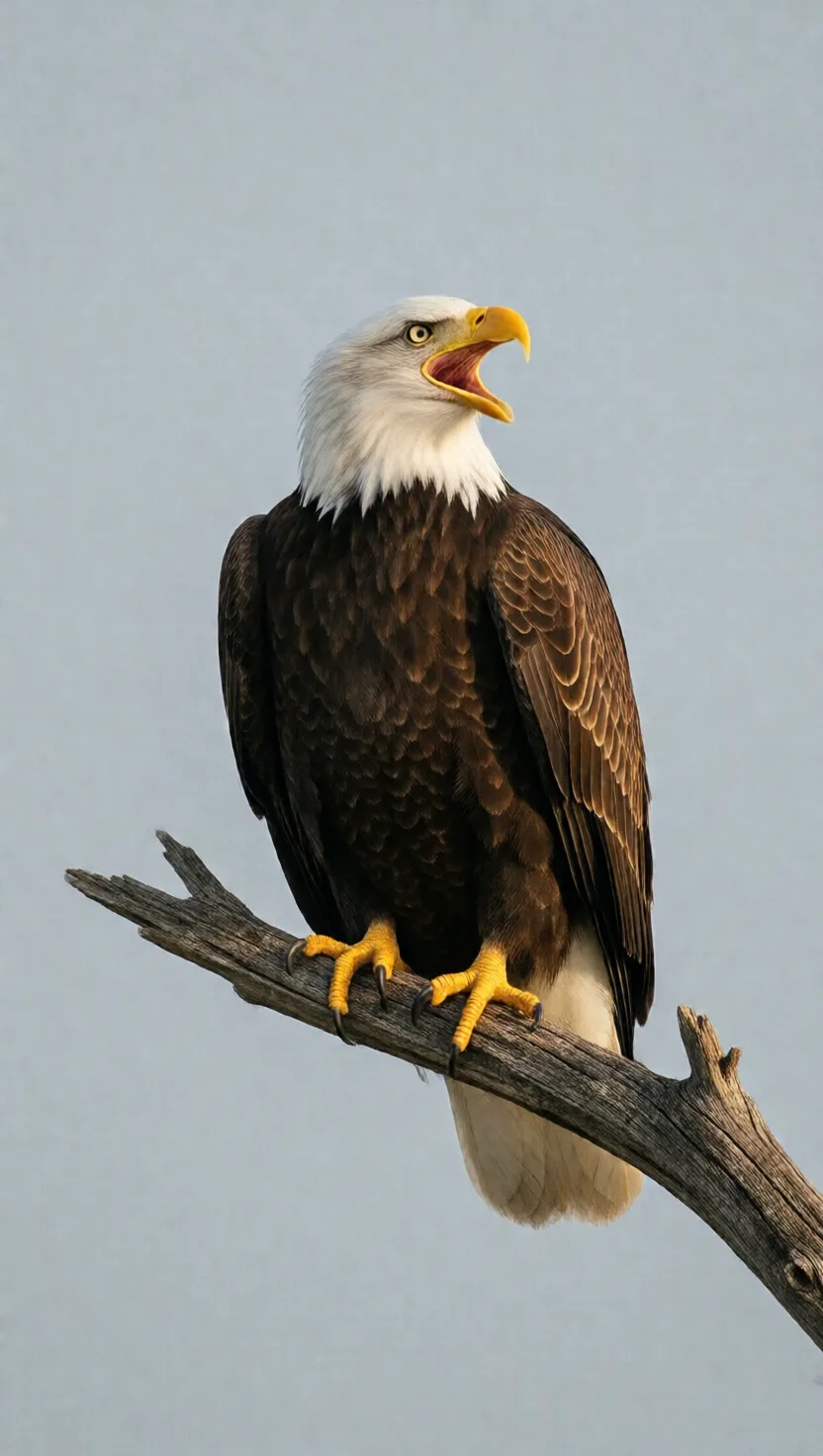
That fierce screech dubbed over bald eagles in films and adverts is actually a red-tailed hawk's raspy scream. Editors swap it in because a real bald eagle sounds thin and chirpy, one wildlife expert likened it to 'a seagull with laryngitis.' The substitution is so routine that most people have never heard the eagle's true voice: a series of high, weak whistles and chirps.
A northern harrier hunts by ear with an owl-like face

A northern harrier hunts by ear with an owl-like face

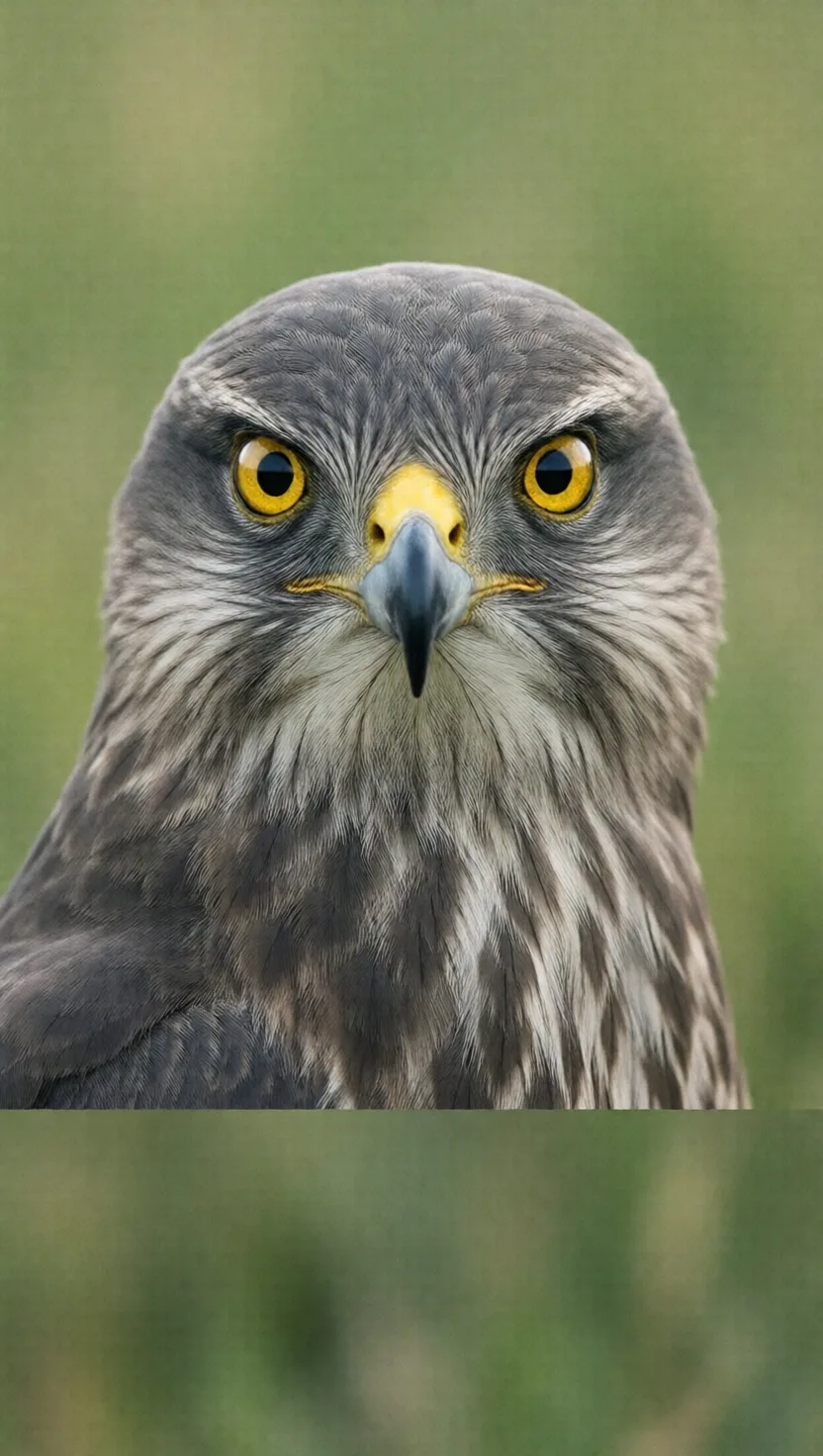
The northern harrier is the most owl-like of hawks: a disc of stiff facial feathers funnels sound to its ears so it can pinpoint prey hidden in tall grass by sound alone. Studies find harriers evolved enlarged ear openings and expanded sound-localising brain regions that other day-hunting hawks simply lack, a rare auditory hunting strategy among raptors that fly by daylight.
A peregrine dives in a spiral to keep prey in sharp focus

A peregrine dives in a spiral to keep prey in sharp focus

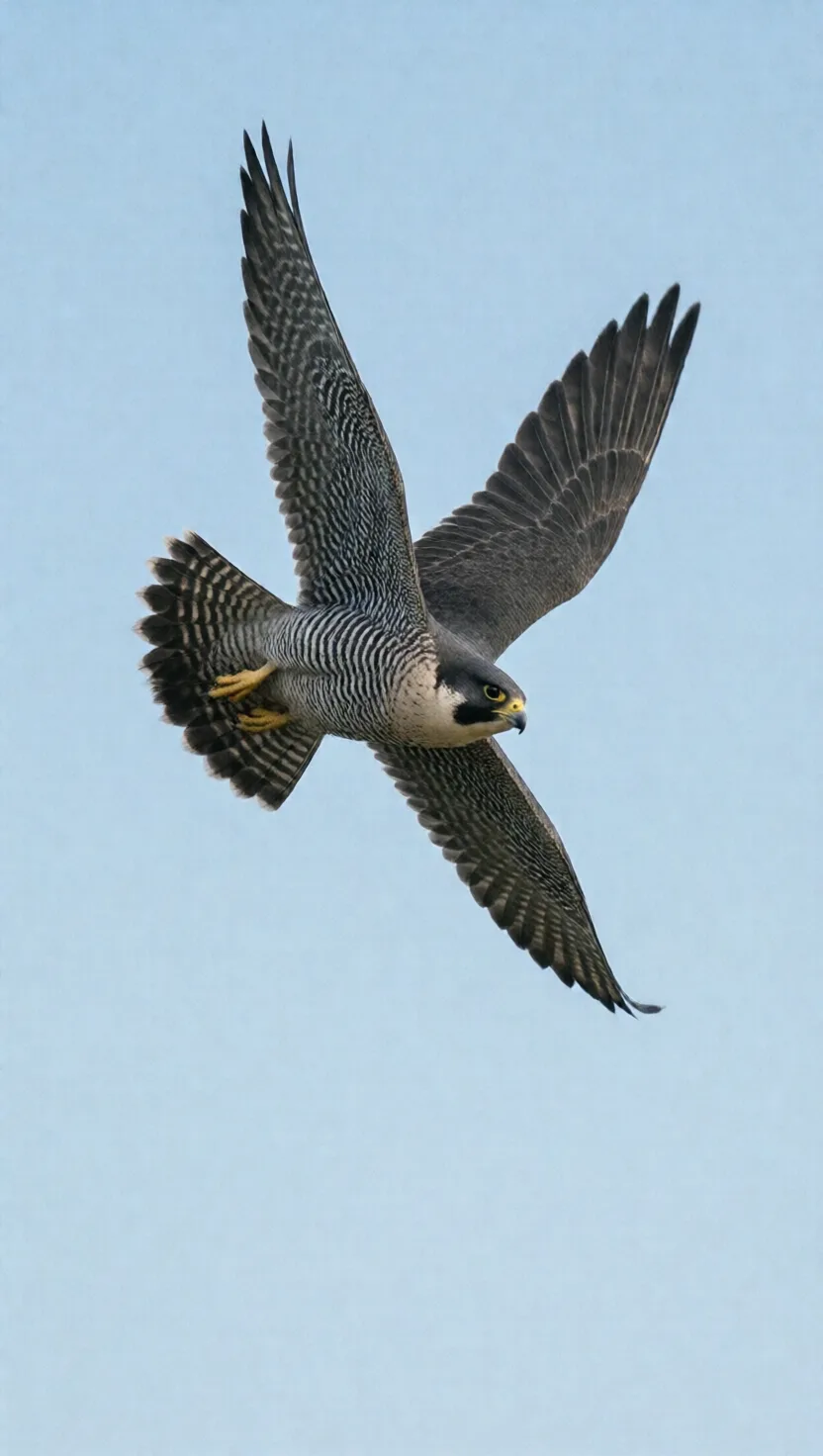
A diving peregrine doesn't aim straight at distant prey, it curves in along a logarithmic spiral. Its sharpest vision sits in a deep eye pit angled about 40 degrees off to the side, so flying head-on would force a drag-inducing head turn. The spiral lets the falcon hold its head straight and streamlined while its sideways gaze stays locked on prey up to 1,500 m away.
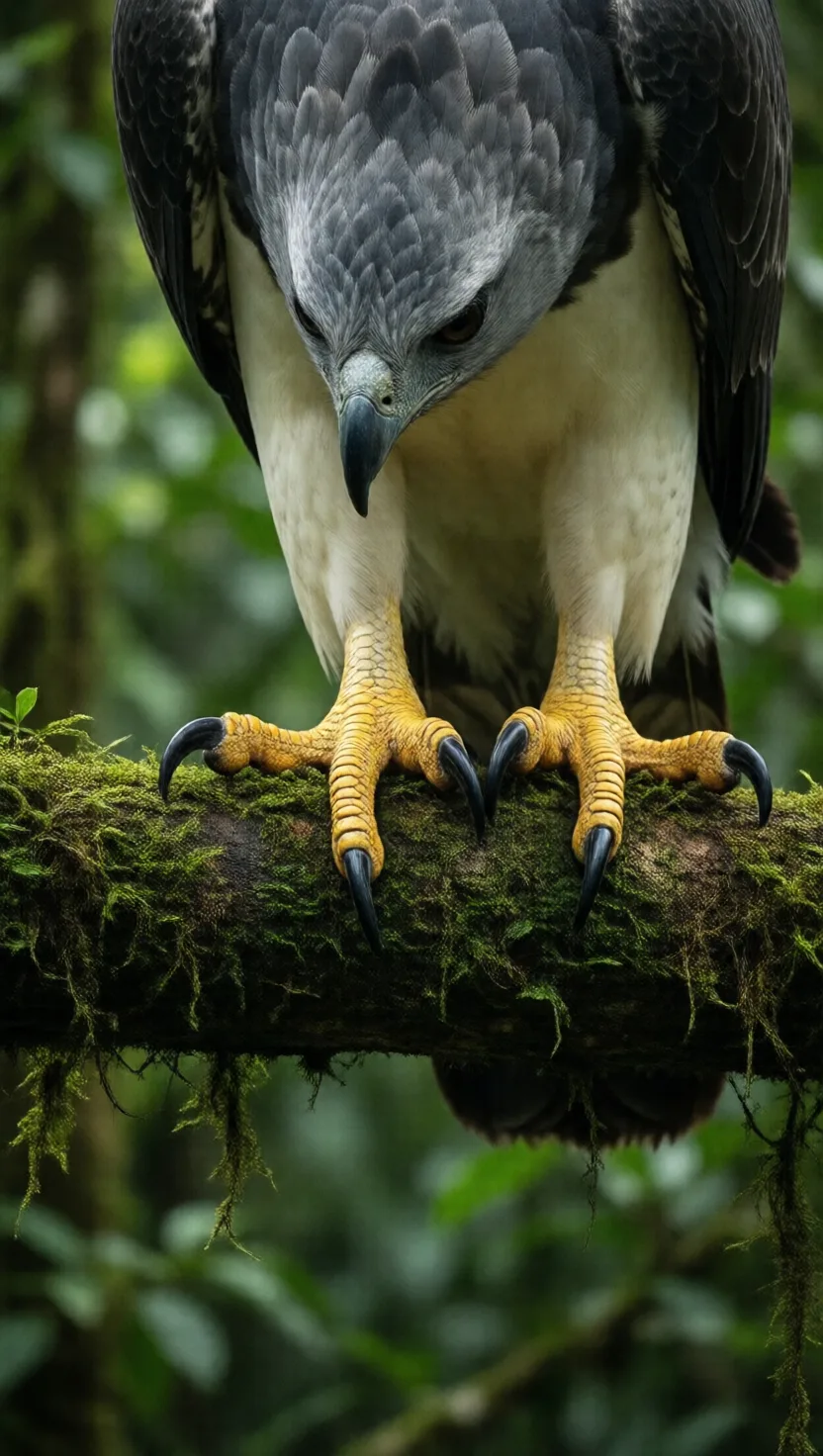
A harpy eagle's hind talons rival a grizzly bear's claws

A harpy eagle's hind talons rival a grizzly bear's claws

A harpy eagle's rear talons reach about 7 to 10 cm, as long as a grizzly bear's claws, on a foot that can span a grown person's hand. That grip lets it pluck heavy tree-dwellers like howler monkeys and sloths straight out of the canopy. The talon is built to drive enormous pressure through one small point, a precision puncturing tool.
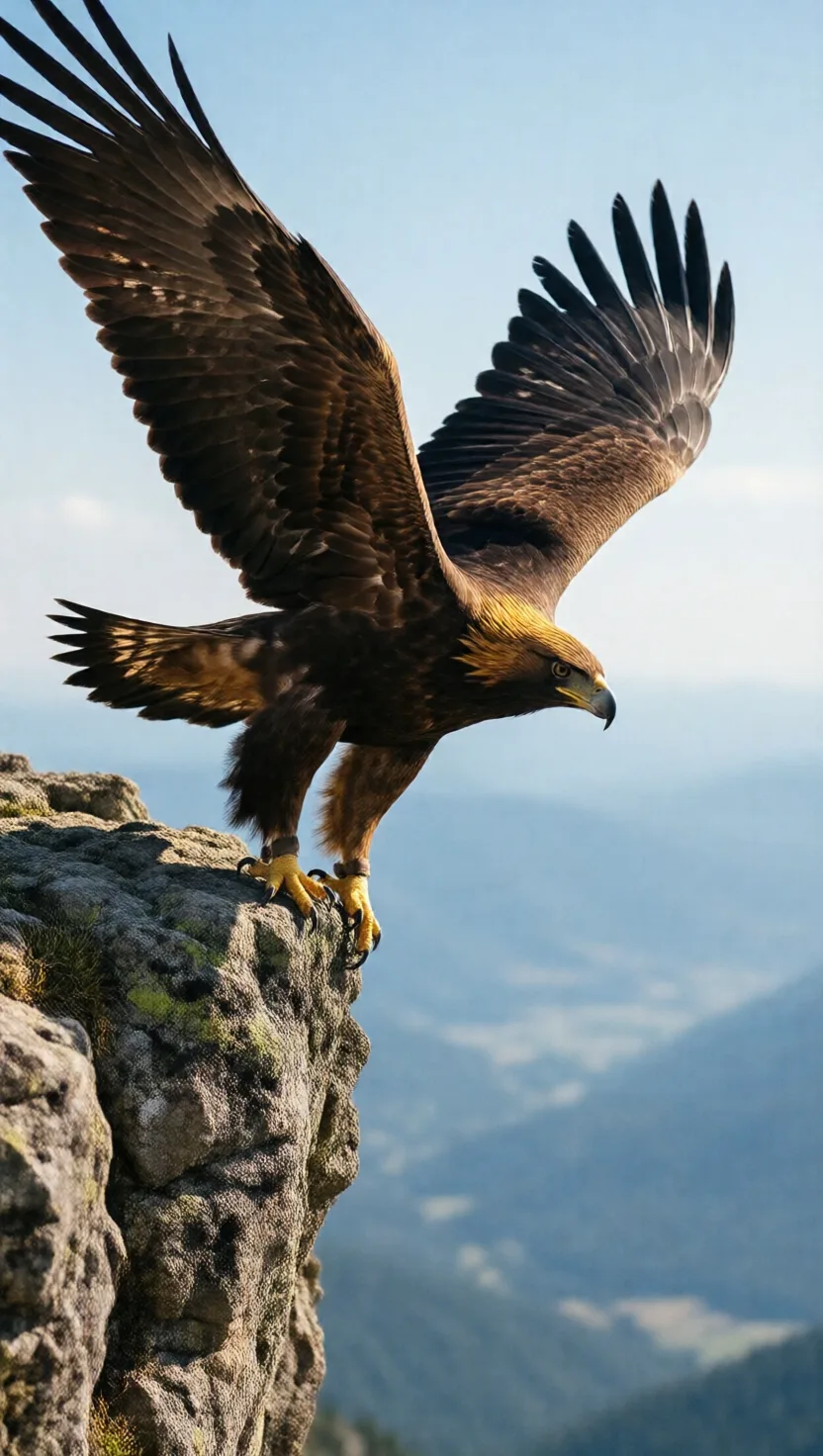
Golden eagles knock mountain goats off cliffs to kill them

Golden eagles knock mountain goats off cliffs to kill them

When prey is too heavy to carry off, golden eagles use gravity. They have been documented forcing adult chamois and full-grown wild goats off cliff edges, sending them to their deaths on the rocks below, then feeding on the carcass. The tactic shows up mostly in late winter and early spring, when other prey is scarce and these agile mountain animals would otherwise fight back.
tap →swipe ↑ for depthswipe ↓ to exit