Eight things the unsung metal zinc gets up to

DC·230 Deep Cuts
Galvanised zinc rusts itself away to save the steel

Galvanised zinc rusts itself away to save the steel

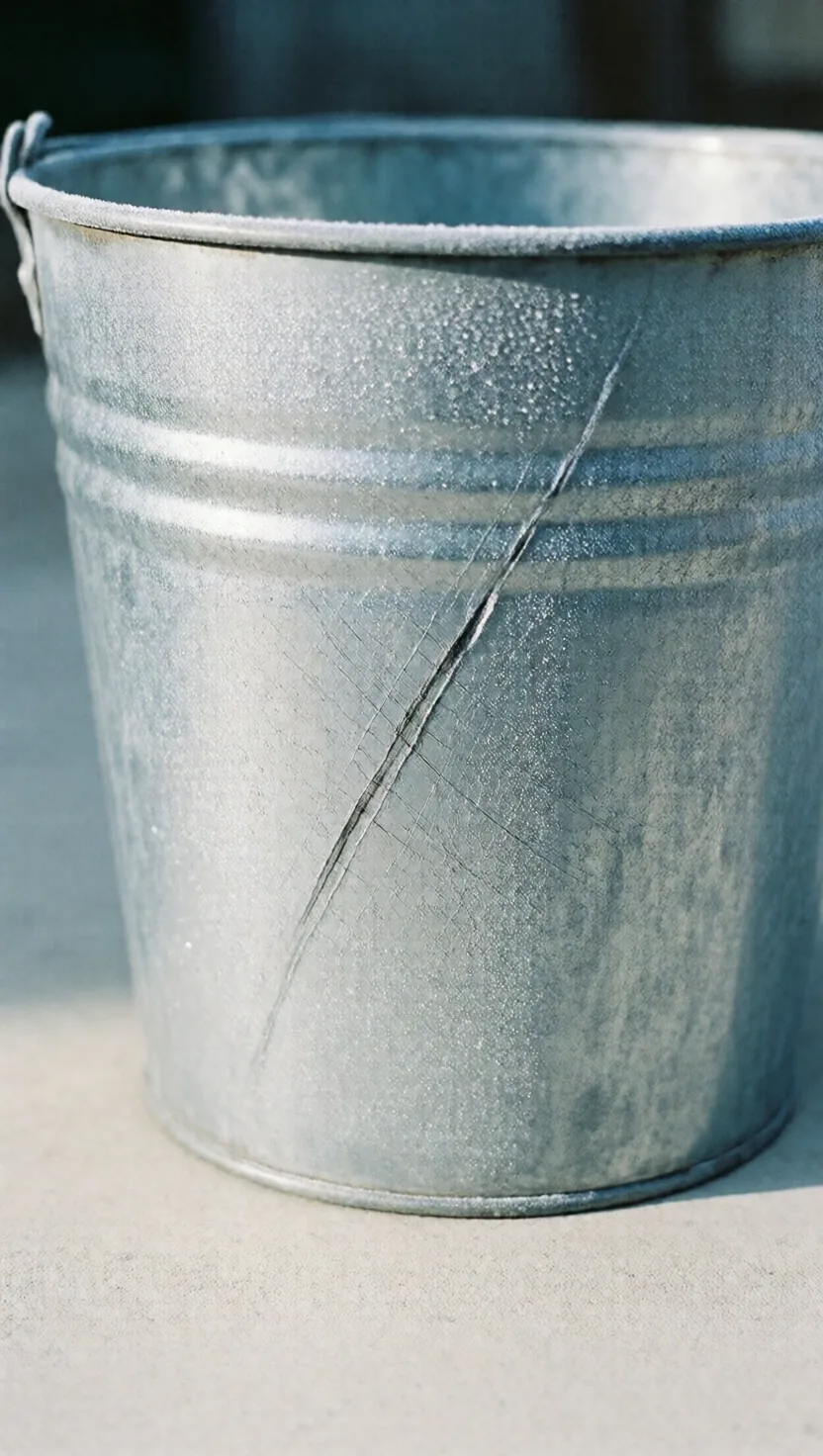
Scratch a galvanised bucket down to bare steel and it still won't rust there — the zinc coating sacrifices itself for the metal underneath. Zinc is more chemically reactive than iron, so when moisture bridges a scratch the surrounding zinc corrodes first and the exposed steel is spared, even across a bare gap up to about six millimetres wide. The coating slowly surrenders its own atoms so the structure it guards stays sound. Engineers call it sacrificial, or cathodic, protection.
A modern one-cent coin is mostly zinc, not copper

A modern one-cent coin is mostly zinc, not copper

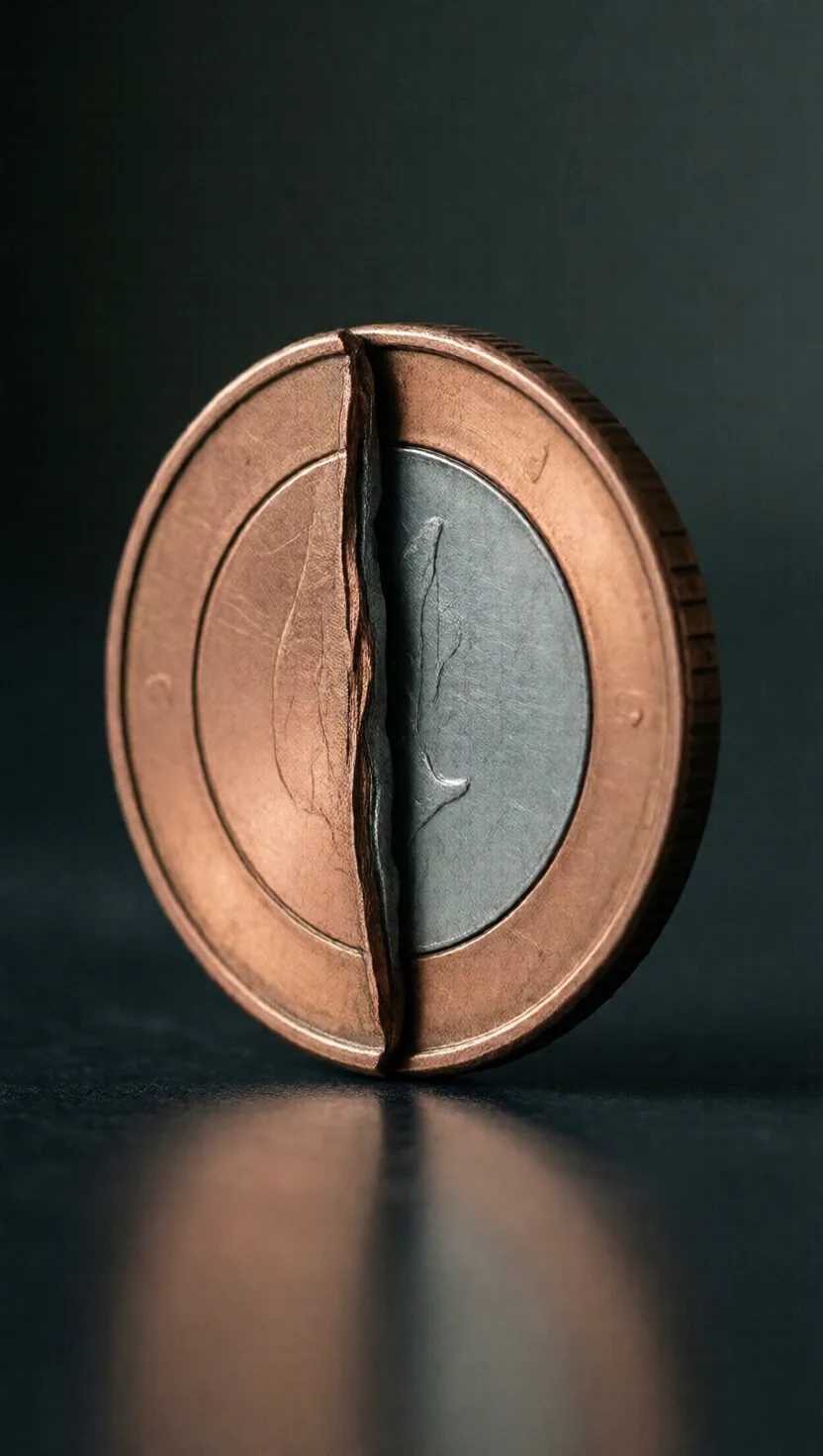
That copper-coloured cent in your pocket is a thin disguise. Since 1982 the small one-cent coin has been struck from a core that is 97.5% zinc, wrapped in a copper skin only a few microns thick — the rising price of copper had made a solid copper coin cost more than a cent to make. Scratch through the plating and the grey zinc beneath corrodes quickly; drop the coin in something acidic and the zinc dissolves away, leaving behind a hollow copper shell.
Zinc-plated metal sprouts whiskers that crash computers

Zinc-plated metal sprouts whiskers that crash computers

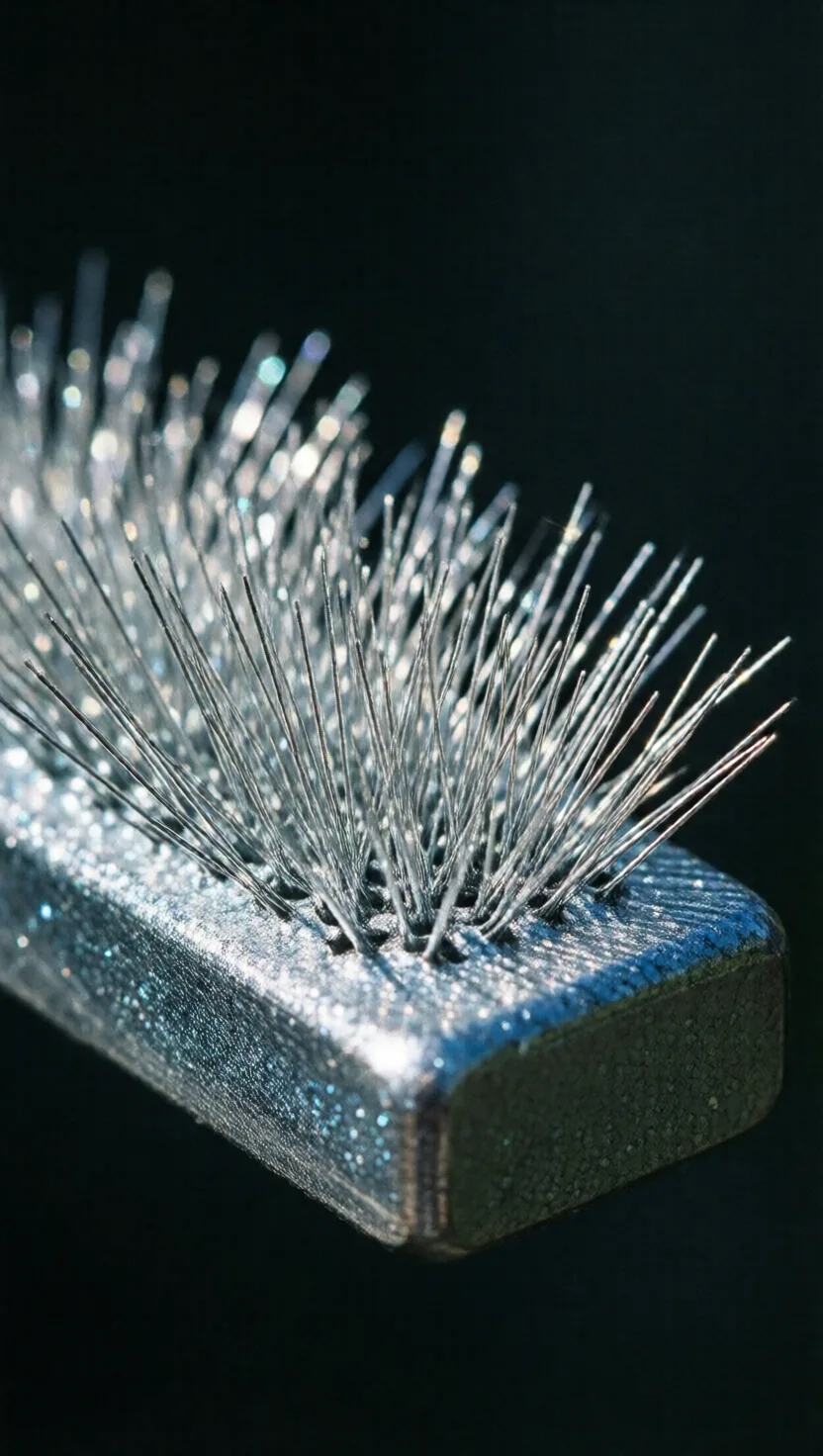
Steel plated with zinc can quietly grow its own sabotage. Over years, built-up stress in the coating pushes out hair-thin filaments of pure zinc — 'zinc whiskers' — a few microns wide but millimetres long, creeping outward at roughly a quarter of a millimetre a year. They snap off, drift as conductive dust, and settle inside electronics, where one whisker can bridge a circuit and trigger a short. They were first blamed for baffling failures under the raised metal floors of data centres — and they vanish in the very spark they cause.
Zinc oxide is the white paste that bounces sunlight off skin

Zinc oxide is the white paste that bounces sunlight off skin

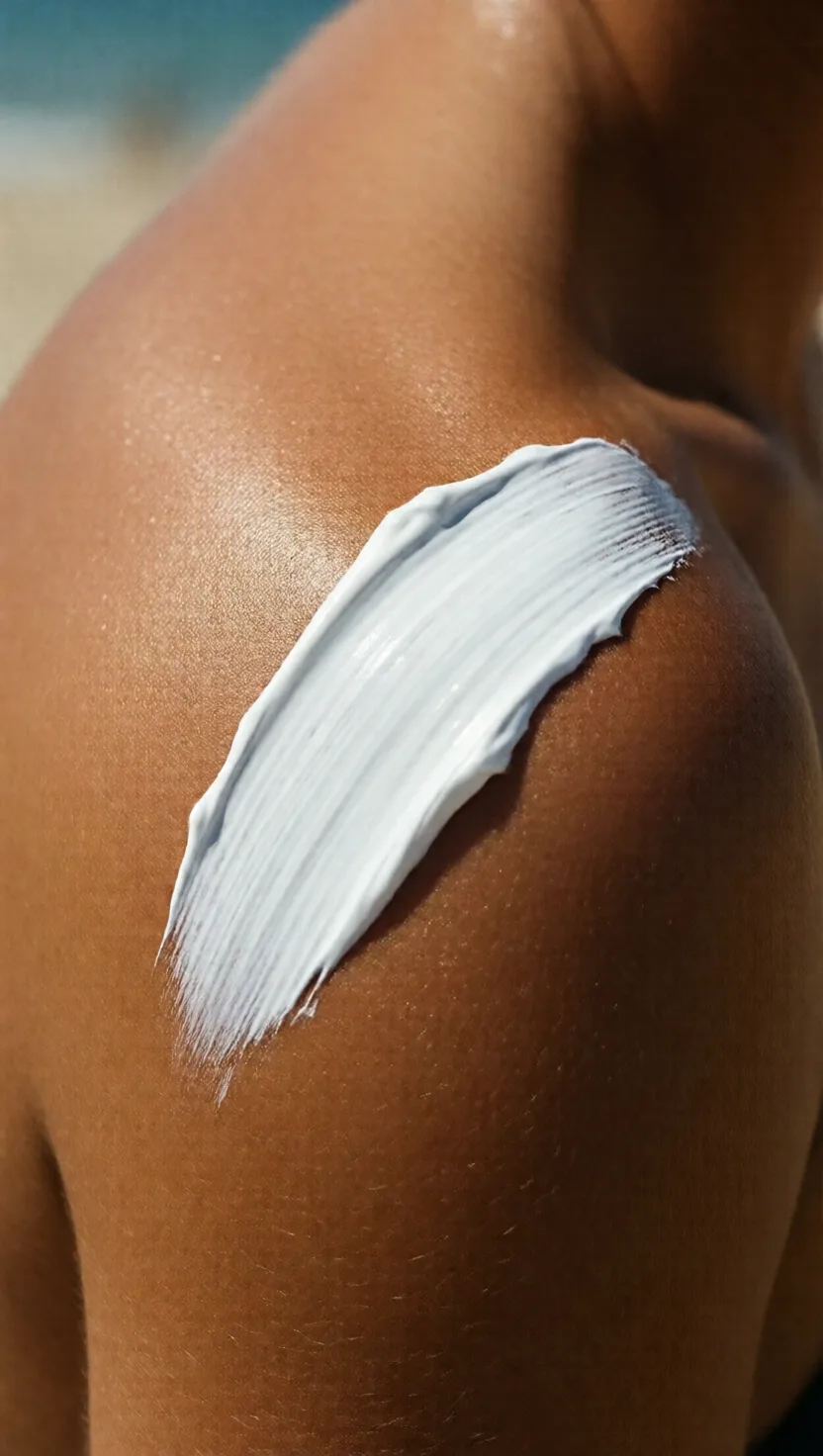
That opaque white stripe a lifeguard wears is nearly pure zinc oxide, and it works like a mirror, not a sponge. Most sunscreens soak up ultraviolet chemically; zinc oxide instead sits on the skin as countless tiny insoluble particles that physically reflect and scatter the sun's rays away. It is the only single filter that shields against the entire ultraviolet range, both UVA and UVB, which is why it has guarded noses and shoulders for generations — and it reads bright white because it bounces visible light too.
India was smelting zinc 500 years before Europe could

India was smelting zinc 500 years before Europe could

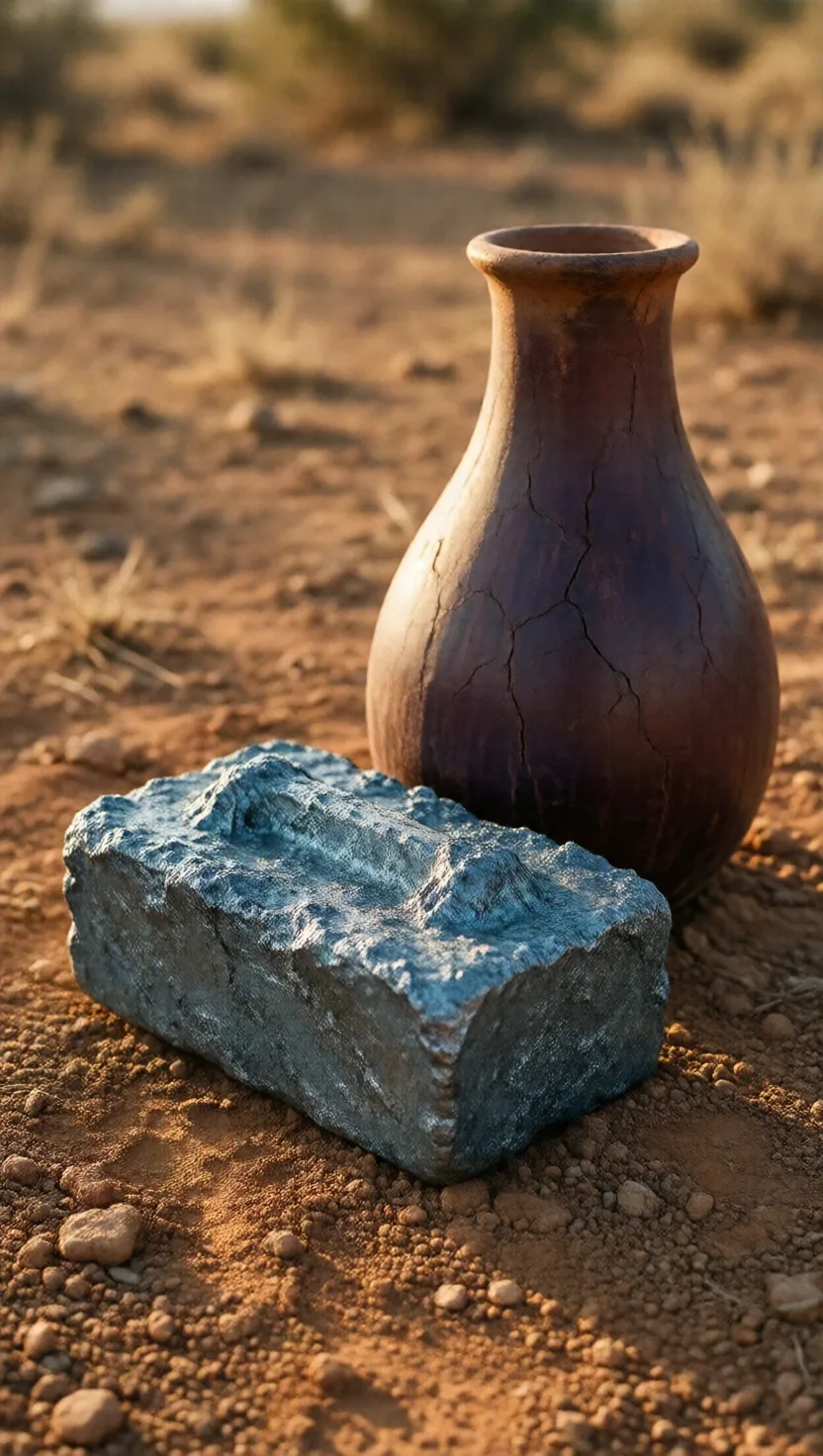
Europe didn't work out how to make metallic zinc until 1738; India had been doing it for centuries. At Zawar in Rajasthan, metalworkers ran banks of small brinjal-shaped clay retorts and distilled zinc vapour downward into condensers — true industrial zinc production by around the 12th century. The hard part was catching the metal before it boiled off. When a British metallurgist finally patented zinc smelting in 1738, it was essentially the same process Zawar's furnaces had run for some 600 years.
People made brass for ages before they knew zinc existed

People made brass for ages before they knew zinc existed

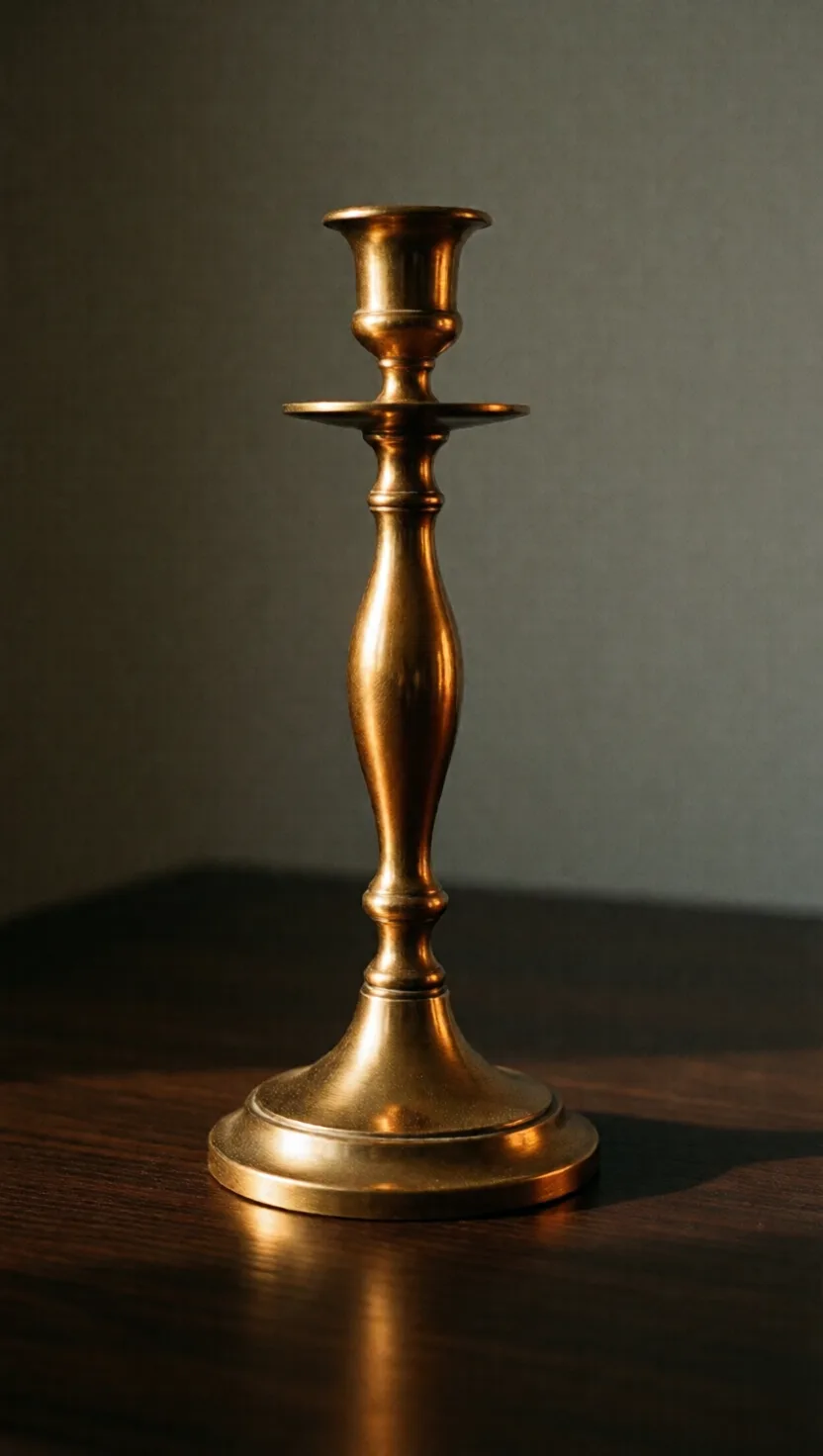
Brass is just copper and zinc, yet for thousands of years smiths made it without ever seeing zinc as a metal. They heated copper with a zinc ore called calamine and charcoal in a sealed pot; the ore turned to zinc vapour that soaked straight into the hot copper, giving golden brass. Pure zinc kept escaping because it boils at only about 907 degrees Celsius and simply drifted off as gas before anyone could collect it — so the metal hid inside the alloy long before it was ever recognised on its own.
Seawater can rot brass into a crumbling copper sponge

Seawater can rot brass into a crumbling copper sponge

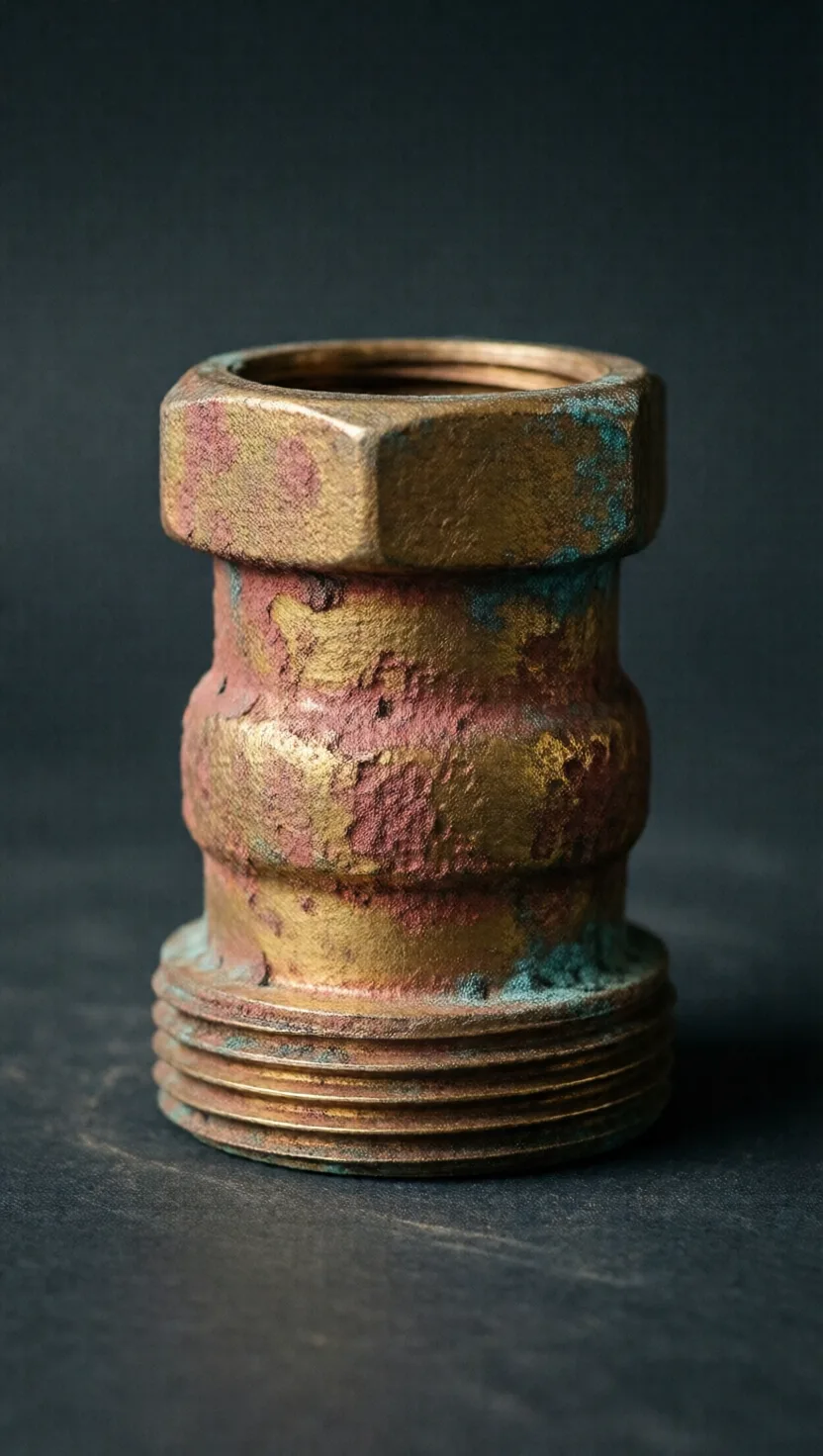
Brass can look perfect and yet be quietly hollowed out. In seawater or other chloride-rich water the zinc dissolves selectively out of the alloy and washes away, leaving behind only a porous skeleton of copper that keeps the original shape but almost none of the strength. The fitting fades from yellow to a tell-tale pink, then crumbles under a thumb or fails as a sudden pinhole leak. The cure is 'dezincification-resistant' brass; the slow failure itself is called selective leaching.
Many 'bronze' statues are really cheap zinc in disguise

Many 'bronze' statues are really cheap zinc in disguise

That handsome 'bronze' figure on the mantel may be zinc wearing a bronze coat. From the 1860s, foundries cast cheap statues, lamps and clock figures from spelter — impure zinc, often with a little lead — then painted or coated them to mimic costly bronze. Zinc melts far cooler than bronze, so the moulds were cheaper and the details crisp, and small towns could order a 'bronze' monument from a catalogue by rail. The giveaway: spelter is soft and brittle, and a scratch beneath the finish shows silvery-grey, not warm bronze.
tap →swipe ↑ for depthswipe ↓ to exit