Eight things written in black and white

DC·226 Deep Cuts
Zebra stripes are armour against biting flies

Zebra stripes are armour against biting flies

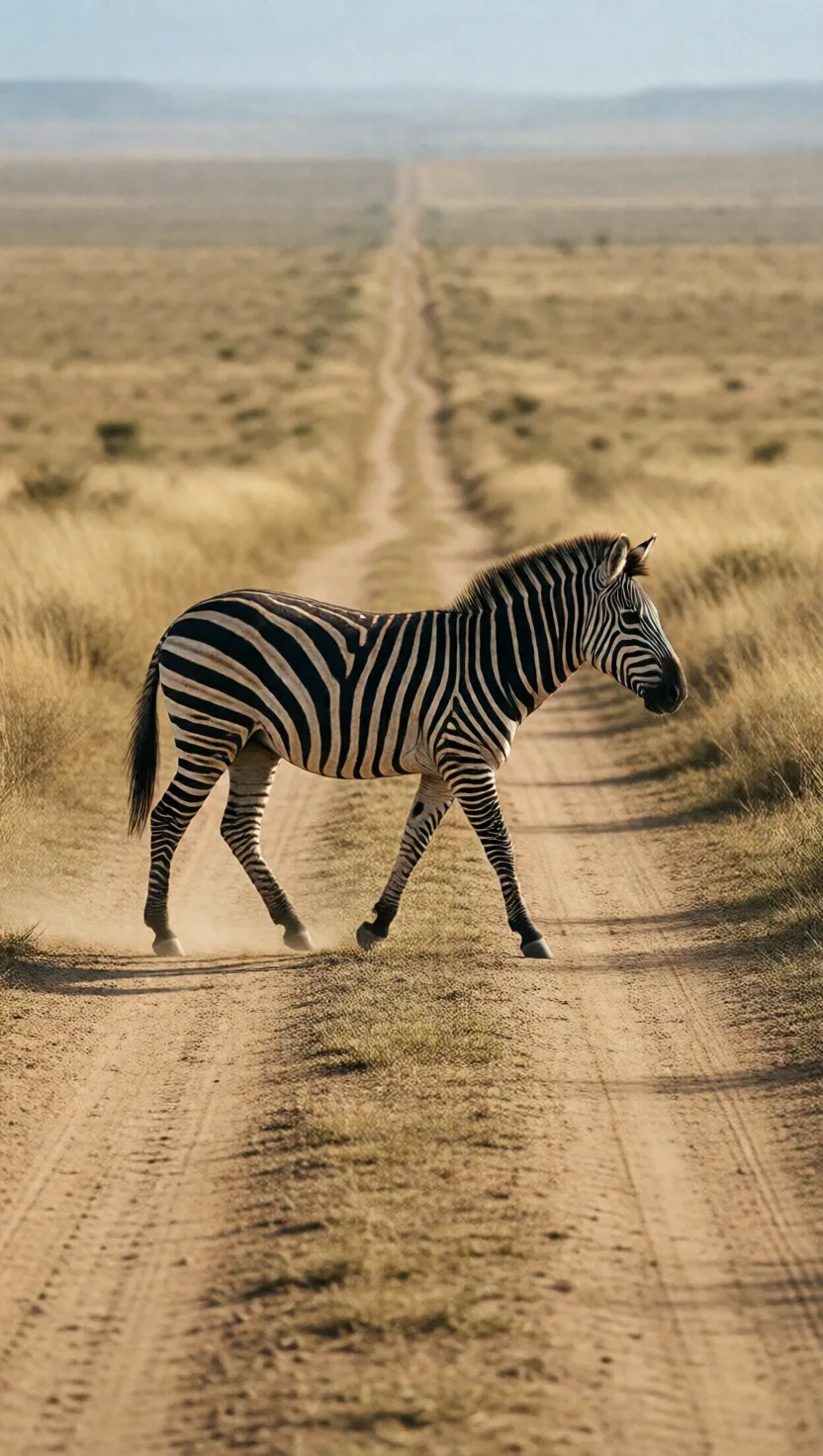
The leading explanation for zebra stripes is not camouflage or cooling, but flies. In controlled experiments, horseflies approach striped and plain horses about equally yet fail to land on the stripes, veering off or bouncing away at the last moment. Biting tabanid flies settle on a plain coat roughly an order of magnitude more often than on a striped one. Drape an ordinary horse in a striped coat and it gets bitten far less.
No two zebras share the same stripe pattern

No two zebras share the same stripe pattern

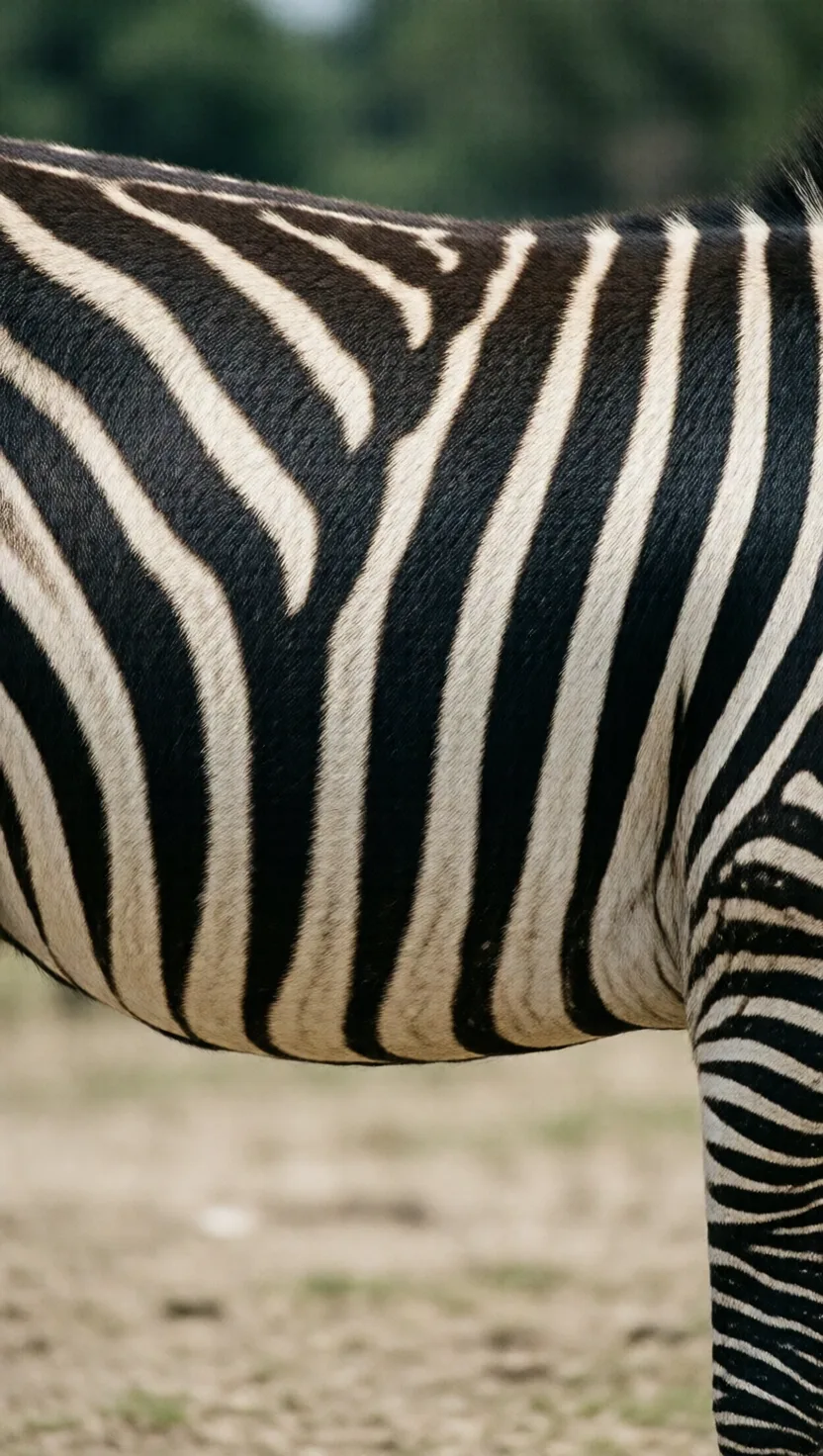
Every zebra wears a one-of-a-kind barcode. The stripes are as individual as fingerprints, and in 2011 biologists turned that into a tool called StripeSpotter: photograph a zebra's flank, and software converts the pattern into a digital StripeCode that picks out that exact animal in the wild, with no tags, collars or darting needed.
Zebra foals are born brown, not black and white

Zebra foals are born brown, not black and white

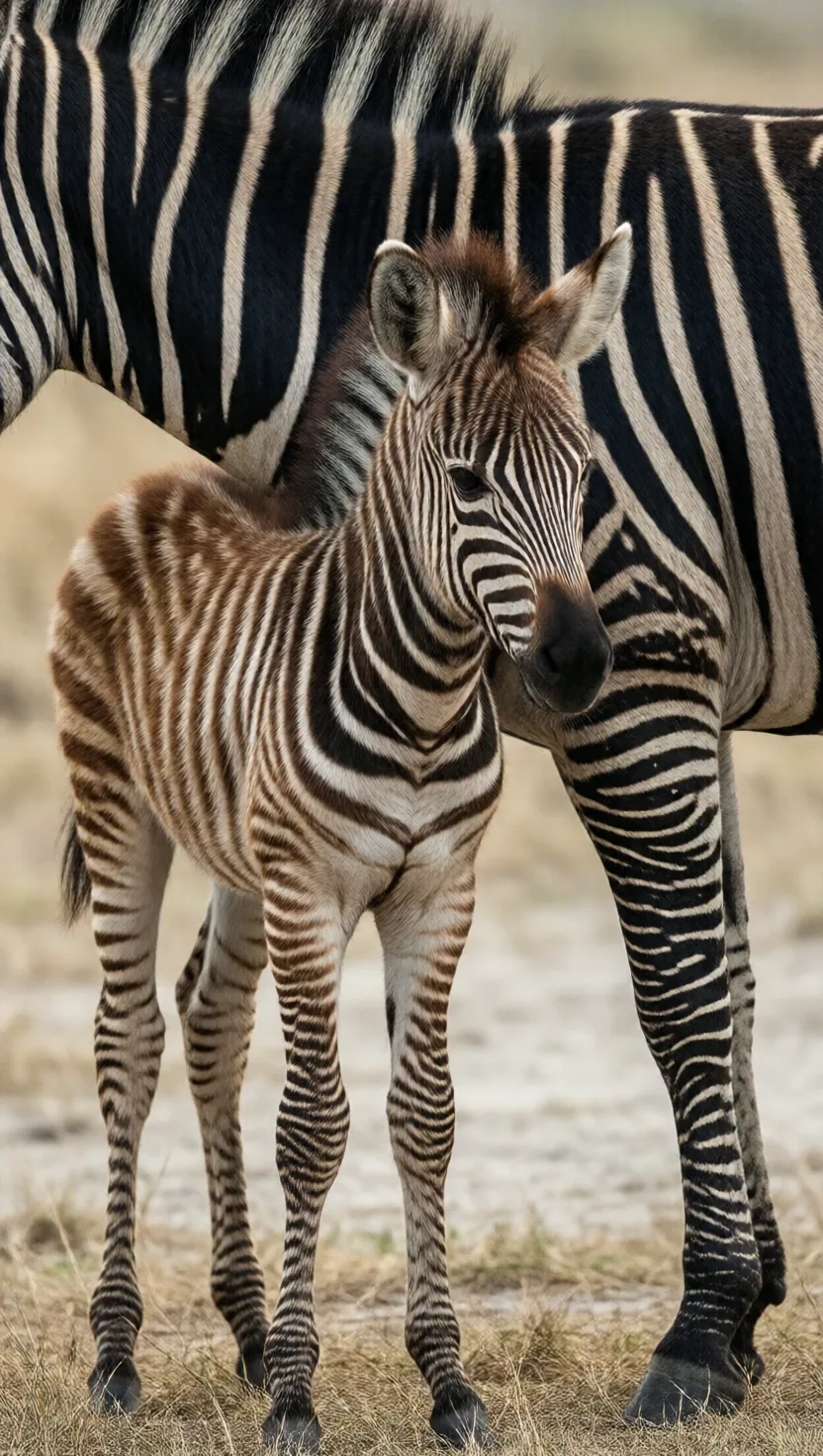
A newborn zebra is not black and white at all. Its stripes come in brown and reddish, and the dark bands only deepen to black over its first months. The softer colour may help a wobbly foal melt into dry grass. A foal can stand and run within an hour of birth, but those brown baby stripes are the giveaway of a very young zebra.
The quagga was a zebra striped only at the front

The quagga was a zebra striped only at the front

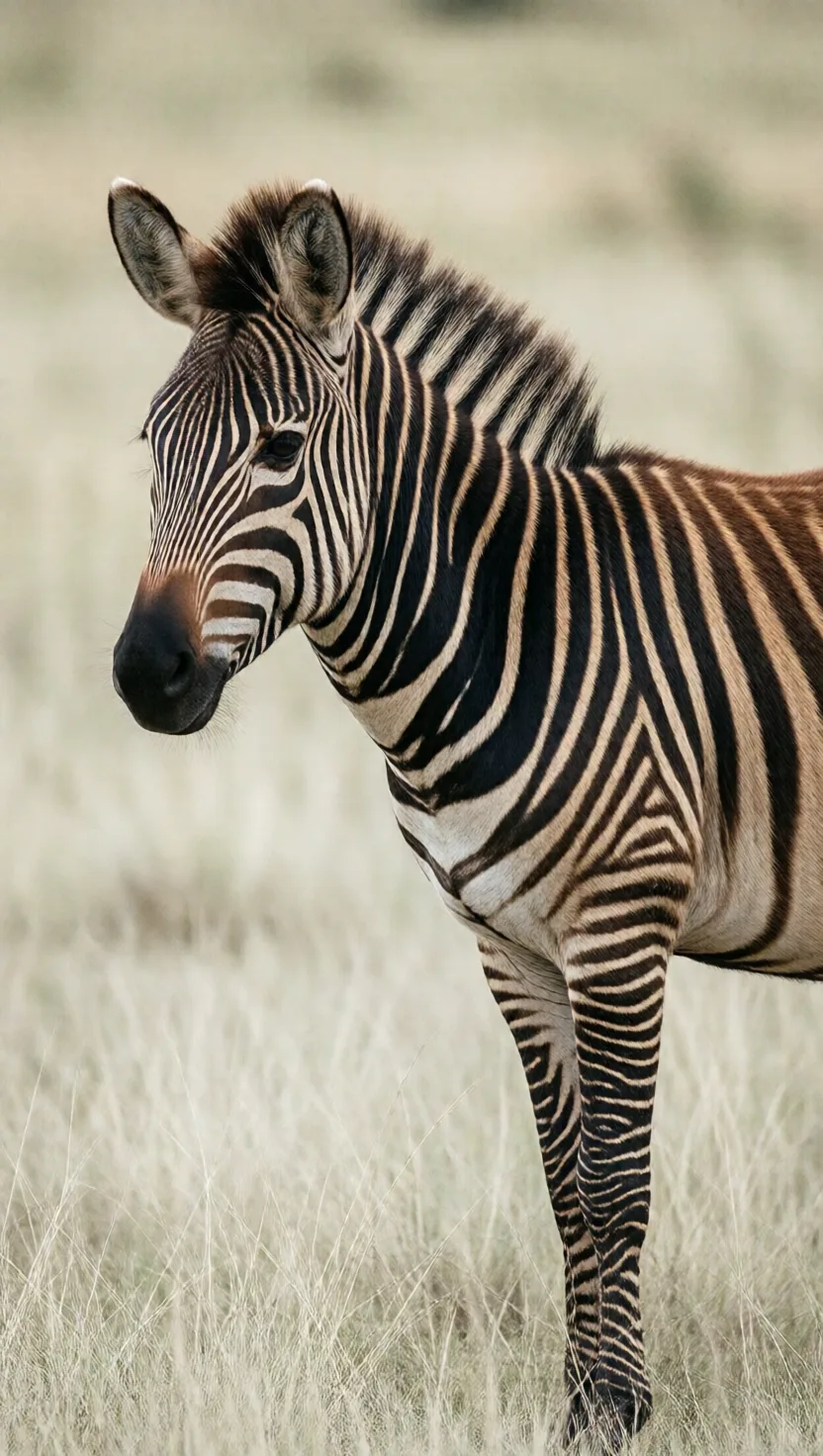
The quagga looked like a zebra that ran out of ink: bold stripes on its head and neck fading to a plain brown rump. Hunted out, the last one died in an Amsterdam zoo in 1883. A century later it made history again, becoming in 1984 the first extinct animal ever to have its DNA read, which revealed it was not a separate species but a southern subspecies of the plains zebra.
Grevy's zebra wears 80 fine stripes and huge round ears

Grevy's zebra wears 80 fine stripes and huge round ears

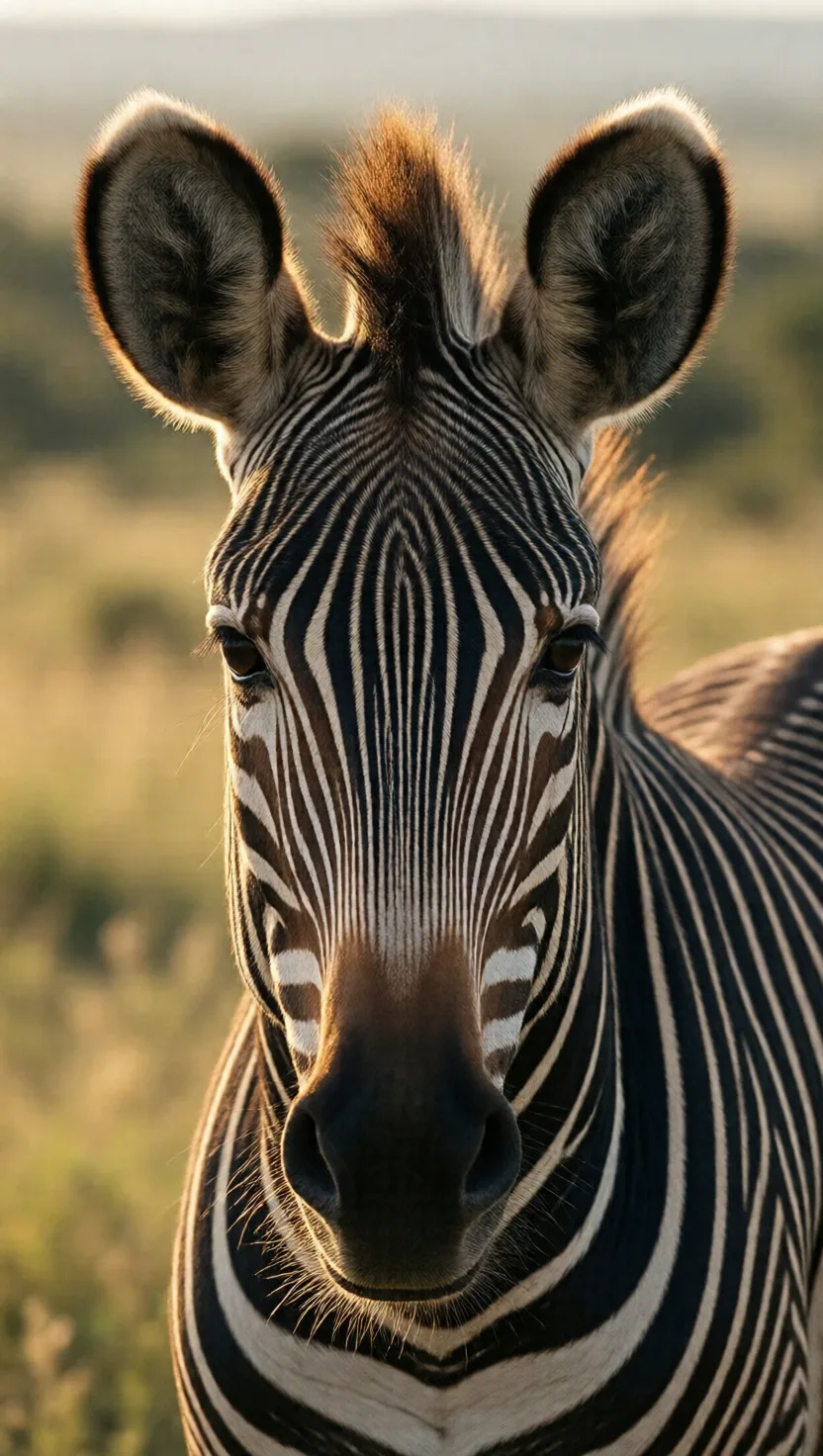
The Grevy's zebra is the largest wild relative of the horse and the most finely barred, with about 80 narrow, close-set stripes, a white belly, and the biggest, roundest ears of any zebra. It is also the most endangered: numbers have crashed from roughly 15,000 in the 1970s to around 3,000 today, most of them surviving in northern Kenya.
Mountain zebras carry a ladder of stripes on the rump

Mountain zebras carry a ladder of stripes on the rump

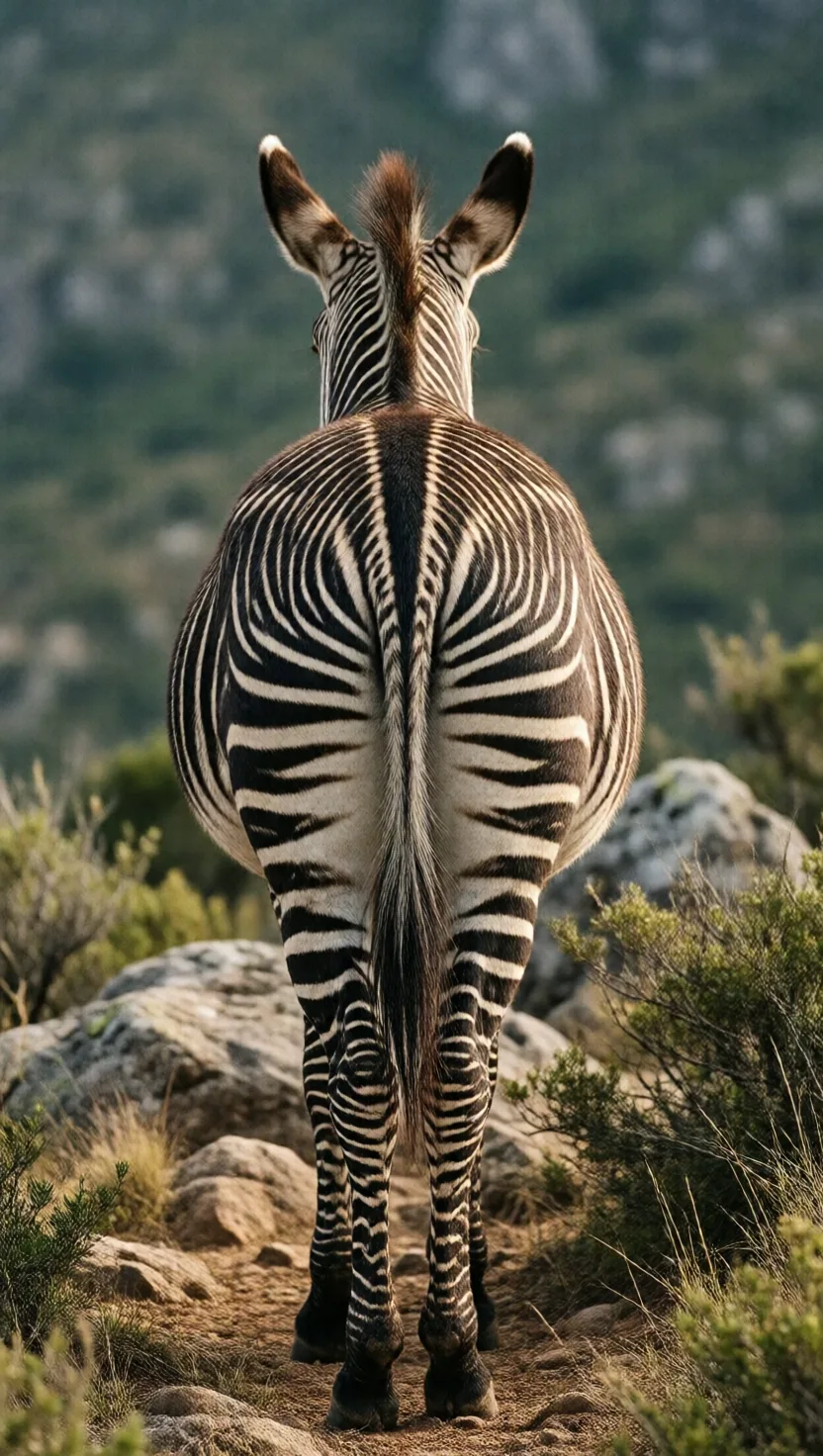
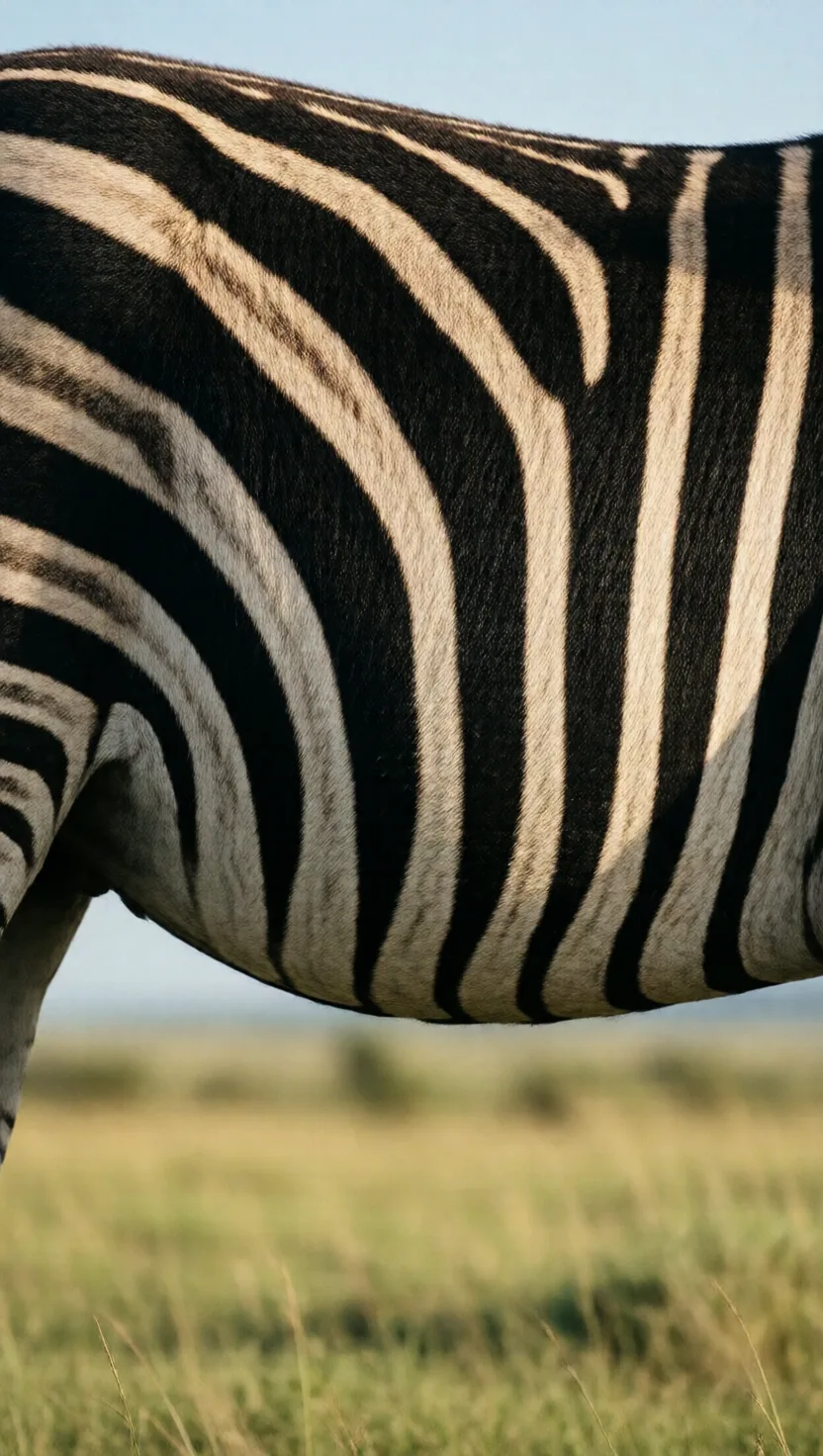
The Cape mountain zebra has a signature its cousins lack: a gridiron of horizontal bars laddered across its rump, plus a small dewlap of skin at the throat. It nearly vanished, with one relic population falling to fewer than 80 animals in the 1950s, before strict protection slowly rebuilt the species back into the thousands.
Zebras make Africa's longest land migration

Zebras make Africa's longest land migration

Africa's longest known land migration belongs not to the wildebeest but to plains zebras: a round trip of about 500 kilometres between the Chobe River floodplains and Botswana's Nxai Pan. Astonishingly, it went unnoticed until 2014, when GPS collars revealed the herds walking a near-straight line across the Kalahari and back again.
No one has ever tamed the zebra into a workhorse

No one has ever tamed the zebra into a workhorse

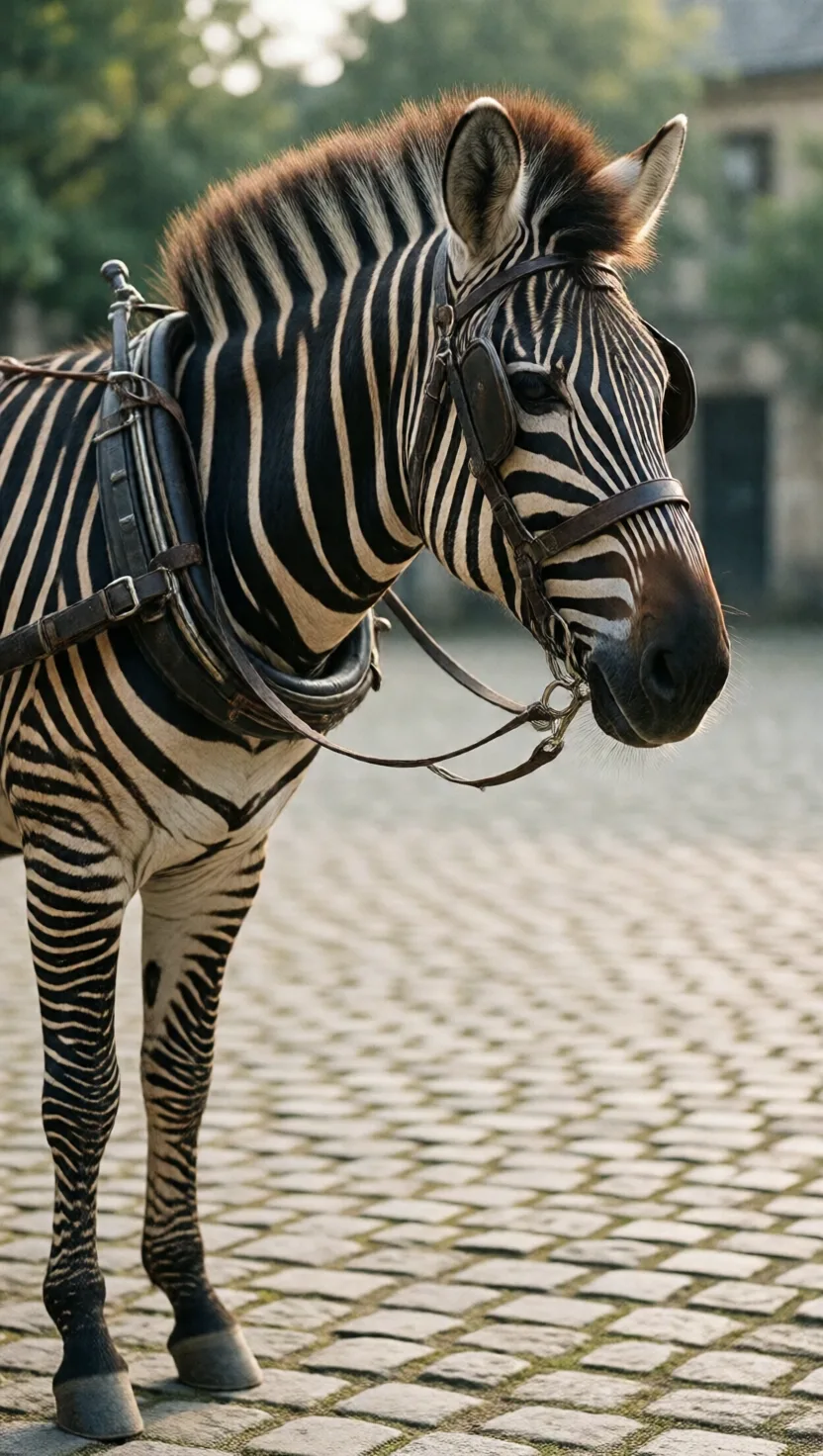
Horses were domesticated roughly 5,500 years ago and donkeys even earlier, yet the zebra has never joined them. It spooks easily, lacks the follow-the-leader herd hierarchy that lets people control horses, and dodges a lasso with uncanny skill. That has not stopped anyone trying: in the 1890s an eccentric British baron drove a carriage harnessed to zebras through London just to prove it could be done.
tap →swipe ↑ for depthswipe ↓ to exit