Eight things herons and egrets do in the shallows

DC·223 Deep Cuts
The green heron drops bait to lure fish up

The green heron drops bait to lure fish up

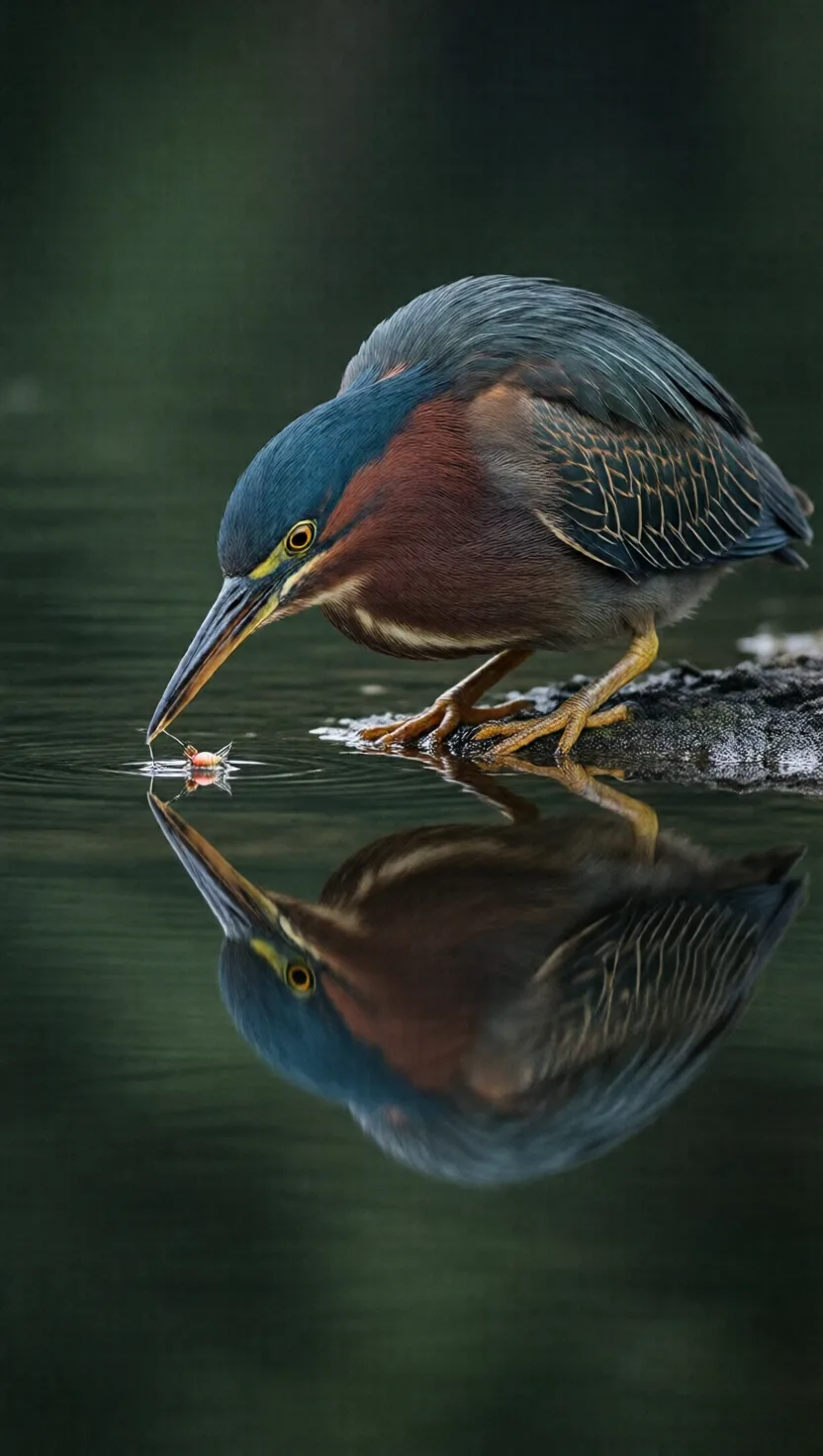
One of the very few birds known to use tools, the green heron goes fishing with bait. It drops a lure onto the water — an insect, a twig, a feather, even a scrap of bread or a foam pellet — then waits, frozen, and snatches any fish that swims up to investigate. It will even fetch a drifting lure back into striking range. Live insects work best, drawing fish in under five seconds, and the trick turns up in related herons worldwide.
A heron's sixth neck bone springs its bill like an arrow

A heron's sixth neck bone springs its bill like an arrow

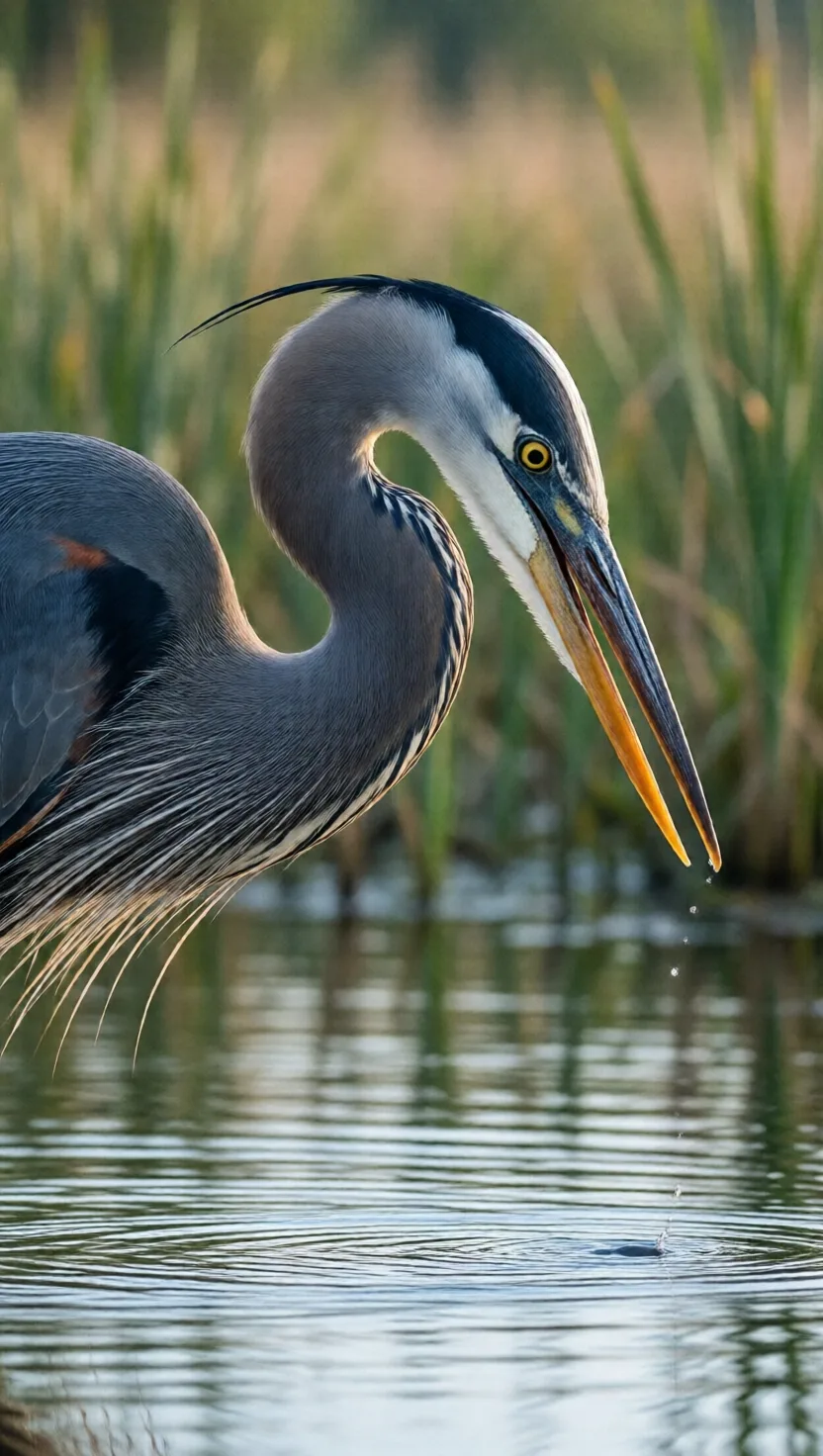
A heron's S-curved neck hides a loaded spring. Of its twenty-odd neck vertebrae, the sixth is elongated and hinged so the kinked neck can snap straight, firing the head and bill forward faster than the eye can follow while the body stays dead still. That single modified bone turns patient wading into a lightning stab — fast enough to spear fish, frogs and crustaceans before they have time to flee.
The cattle egret flew the Atlantic on its own

The cattle egret flew the Atlantic on its own

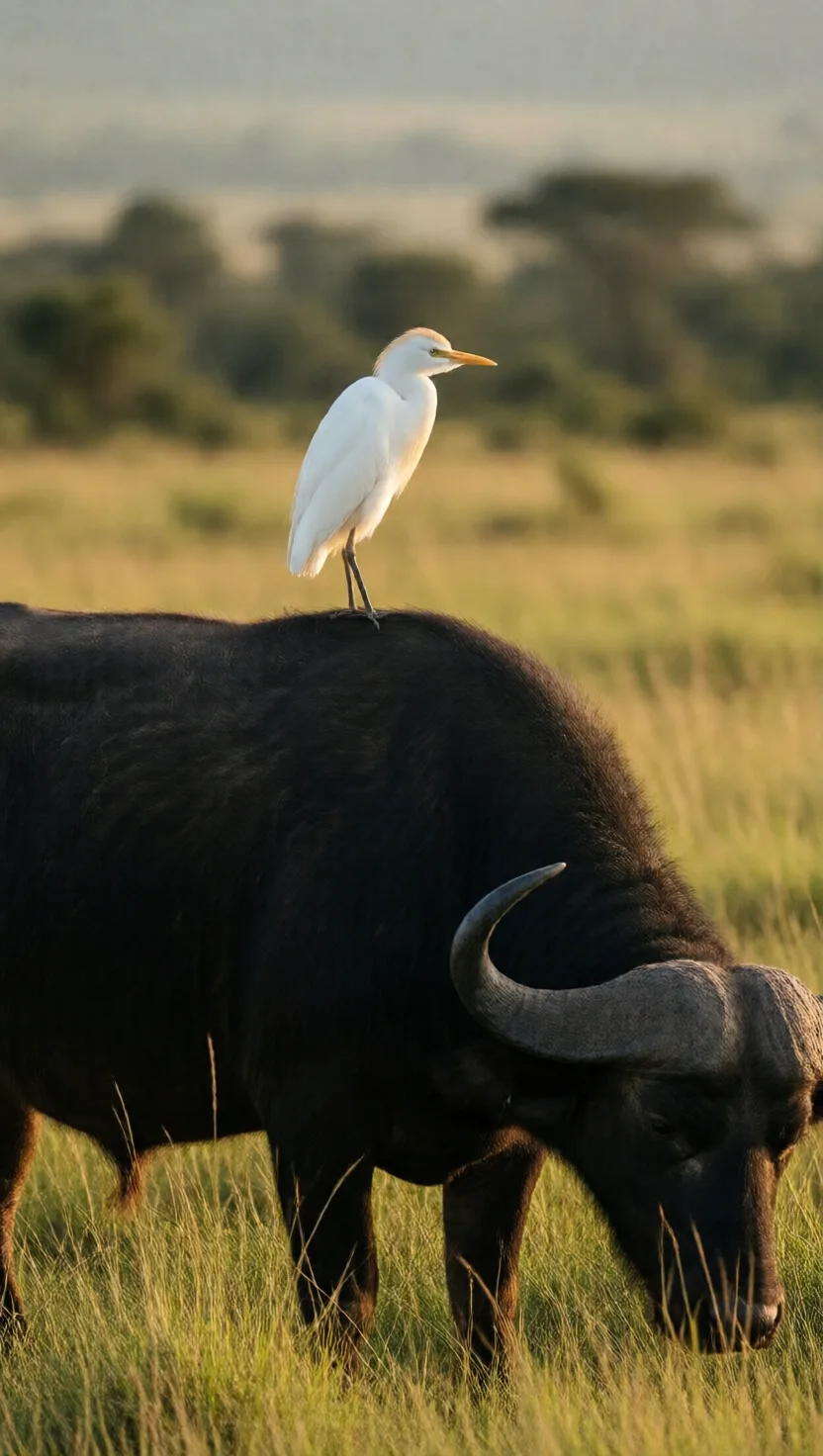
Most birds reach a new continent by accident or by human hand — the cattle egret simply flew. First recorded in South America in 1877, it appears to have ridden the trade winds from Africa across the Atlantic in under a week, with no help from people. Finding herds of cattle to shadow — snapping up insects flushed from the grass — it then spread across the Americas within a few decades, one of the fastest natural range expansions ever documented.
A heron flies with its neck folded into an S

A heron flies with its neck folded into an S

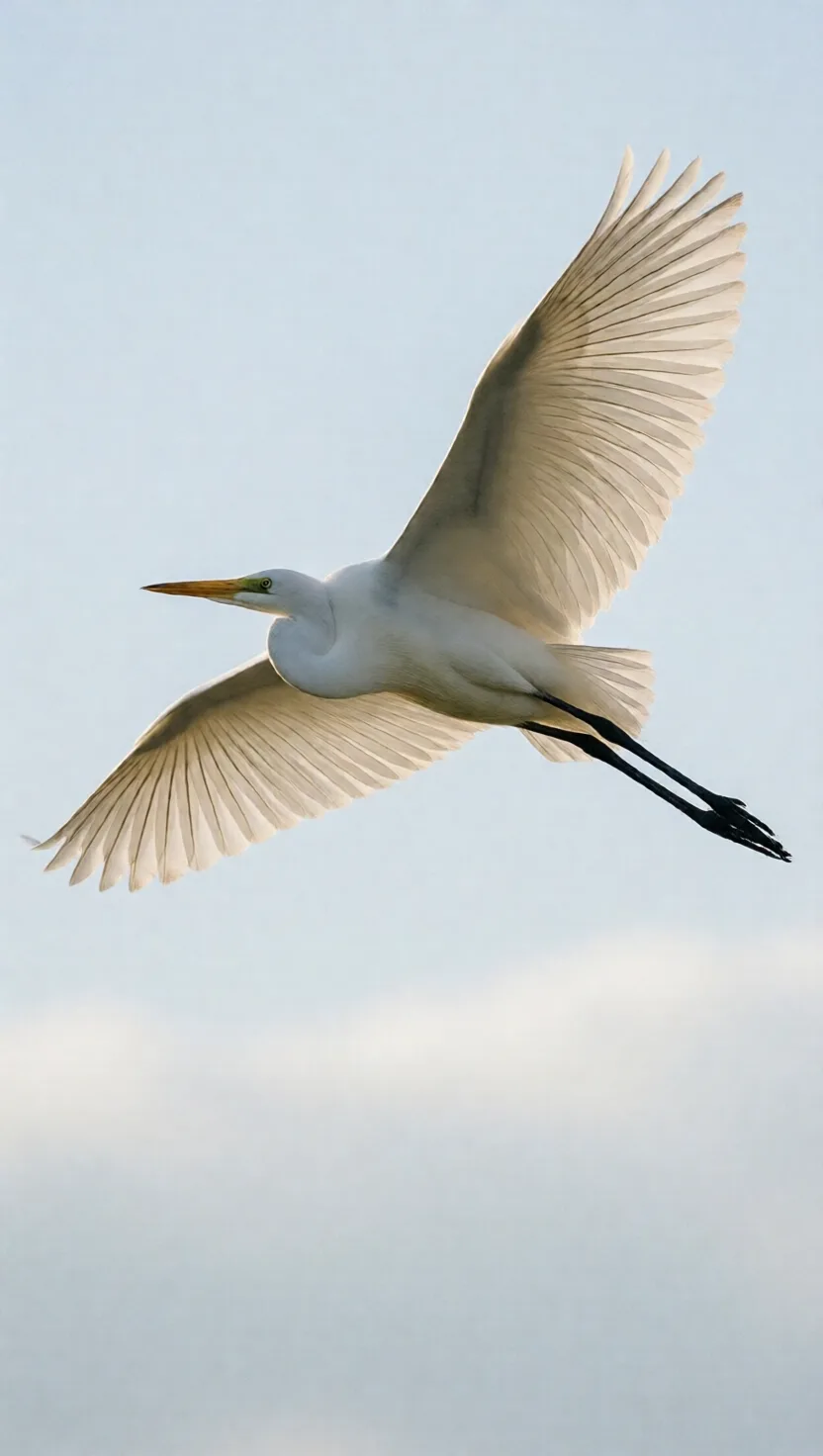
You can name a flying heron by its neck. Unlike cranes, storks, ibises and spoonbills — which fly with their necks stretched straight out — herons and egrets pull the neck back into a tight S, head tucked near the shoulders, only the long legs trailing behind. Carrying little body mass behind the wings, drawing the head back balances the weight of those trailing legs. It is the surest way to tell a heron from its look-alikes overhead.
The black heron makes an umbrella of its wings to fish

The black heron makes an umbrella of its wings to fish

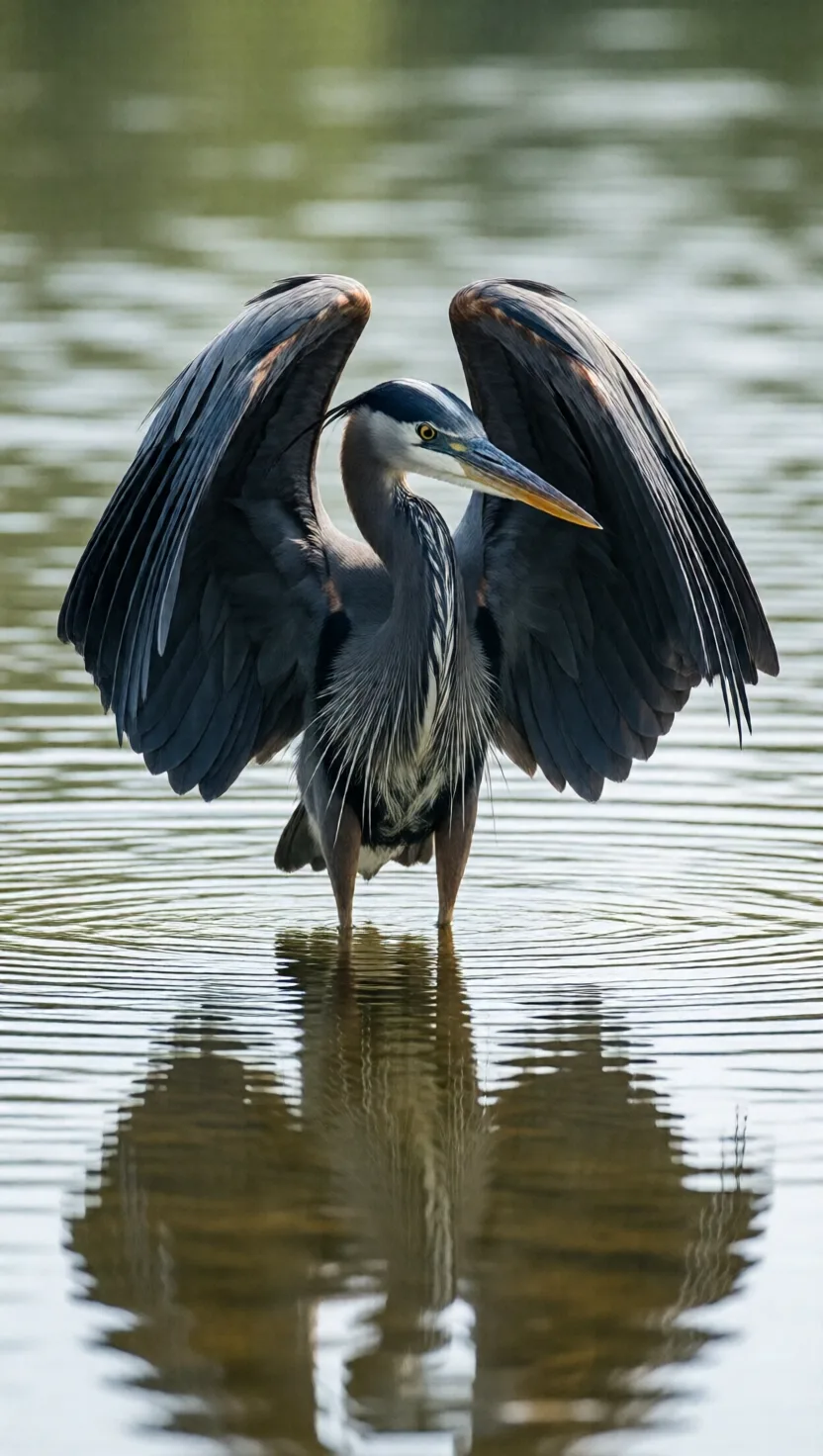
The black heron fishes in the shade it makes itself. Wading the shallows, it sweeps both wings forward over its head into a tidy umbrella, tucks its face into the gloom, and waits. The canopy kills the sky's glare so it can see fish clearly — the same reason anglers wear polarized glasses — and small fish, fooled into seeking shelter, gather right beneath its bill. Reddish egrets use a looser version of the same shadow trick.
A hidden bittern booms like a foghorn across the marsh

A hidden bittern booms like a foghorn across the marsh

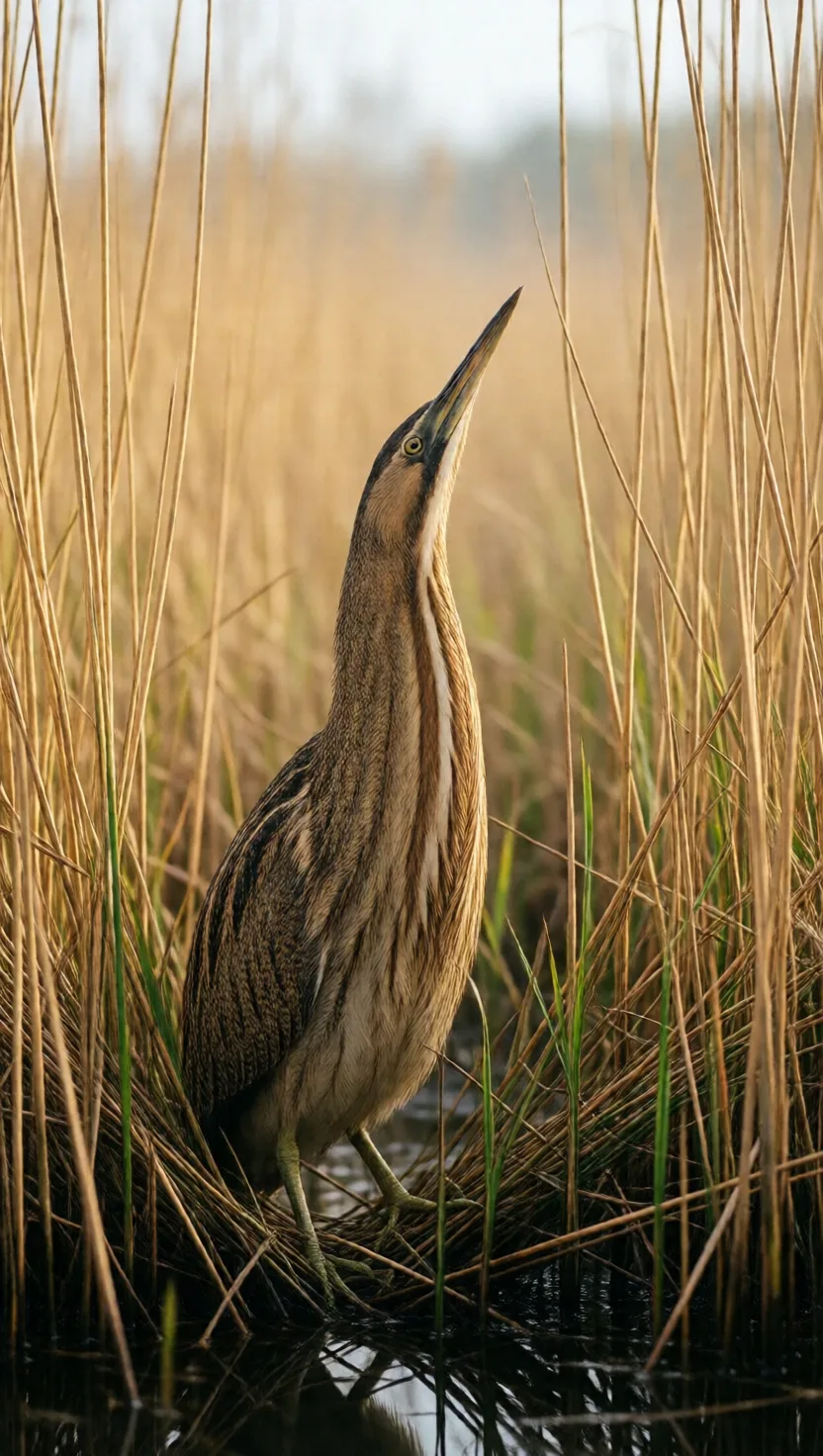
Deep in the reeds, a male bittern makes a sound like someone blowing across a vast bottle — a low foghorn boom that can carry up to five kilometres. He inflates his oesophagus into an air-filled echo chamber, then forces the air out in thumping pulses near 150 hertz, a pitch low enough to travel through dense vegetation. The bird itself is almost impossible to spot: streaked brown, it freezes with bill pointed skyward and sways gently to match the reeds.
An egret's breeding plumes once cost more than gold

An egret's breeding plumes once cost more than gold

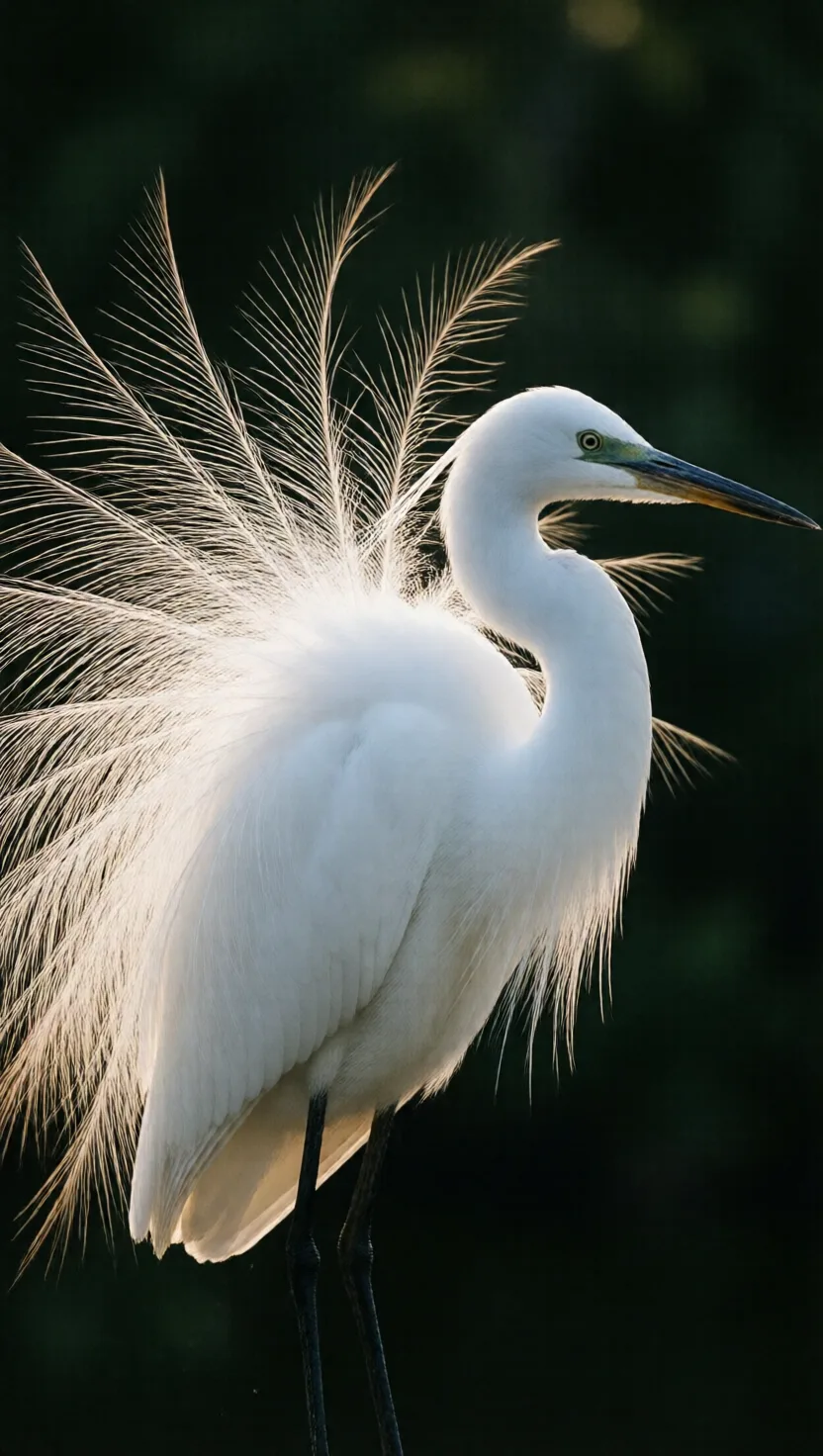
In the early 1900s an egret's wispy breeding plumes — called aigrettes — sold by the ounce for roughly the price of gold, to crown fashionable hats. Hunters shot the birds at their nests in full breeding dress, leaving the chicks to starve, and snowy egret numbers crashed by more than 95 percent. The outrage helped launch the first bird-protection societies and, in 1918, a landmark treaty that outlawed the trade and pulled the egrets back from the brink.
The snowy egret wears yellow feet to flush its prey

The snowy egret wears yellow feet to flush its prey

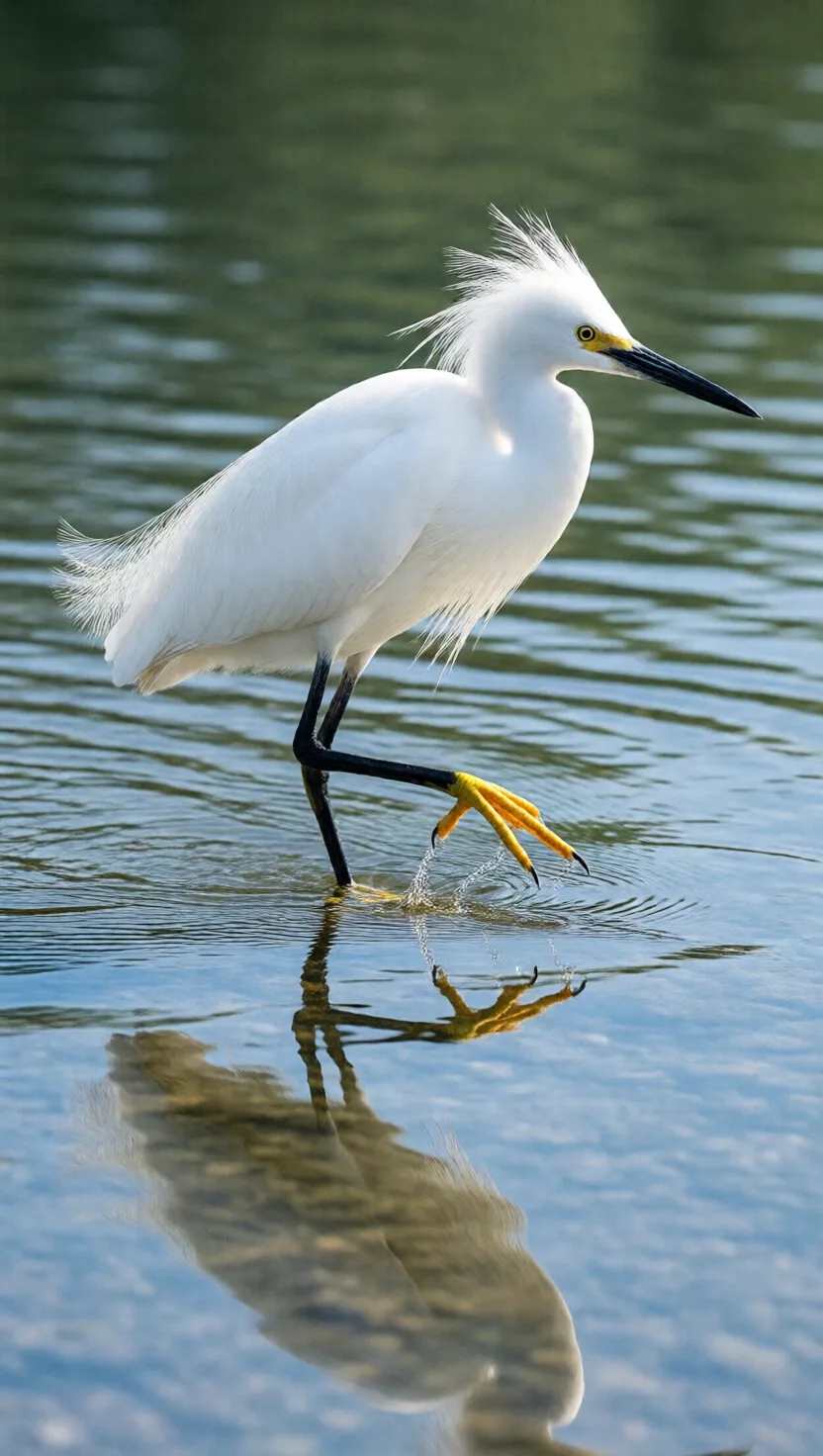
The snowy egret hunts with startlingly bright yellow feet below jet-black legs — birders call them 'golden slippers'. Wading the shallows, it shuffles, rakes and paddles those vivid feet across the bottom to startle small fish, shrimp and insects out of hiding, then snaps them up in an instant. The sudden flash of yellow may also lure curious prey within reach. Few wading birds work the mud so actively for their meals.
tap →swipe ↑ for depthswipe ↓ to exit