Eight things hiding inside an ordinary grey metal

DC·213 Deep Cuts
A metal named after a goblin

A metal named after a goblin

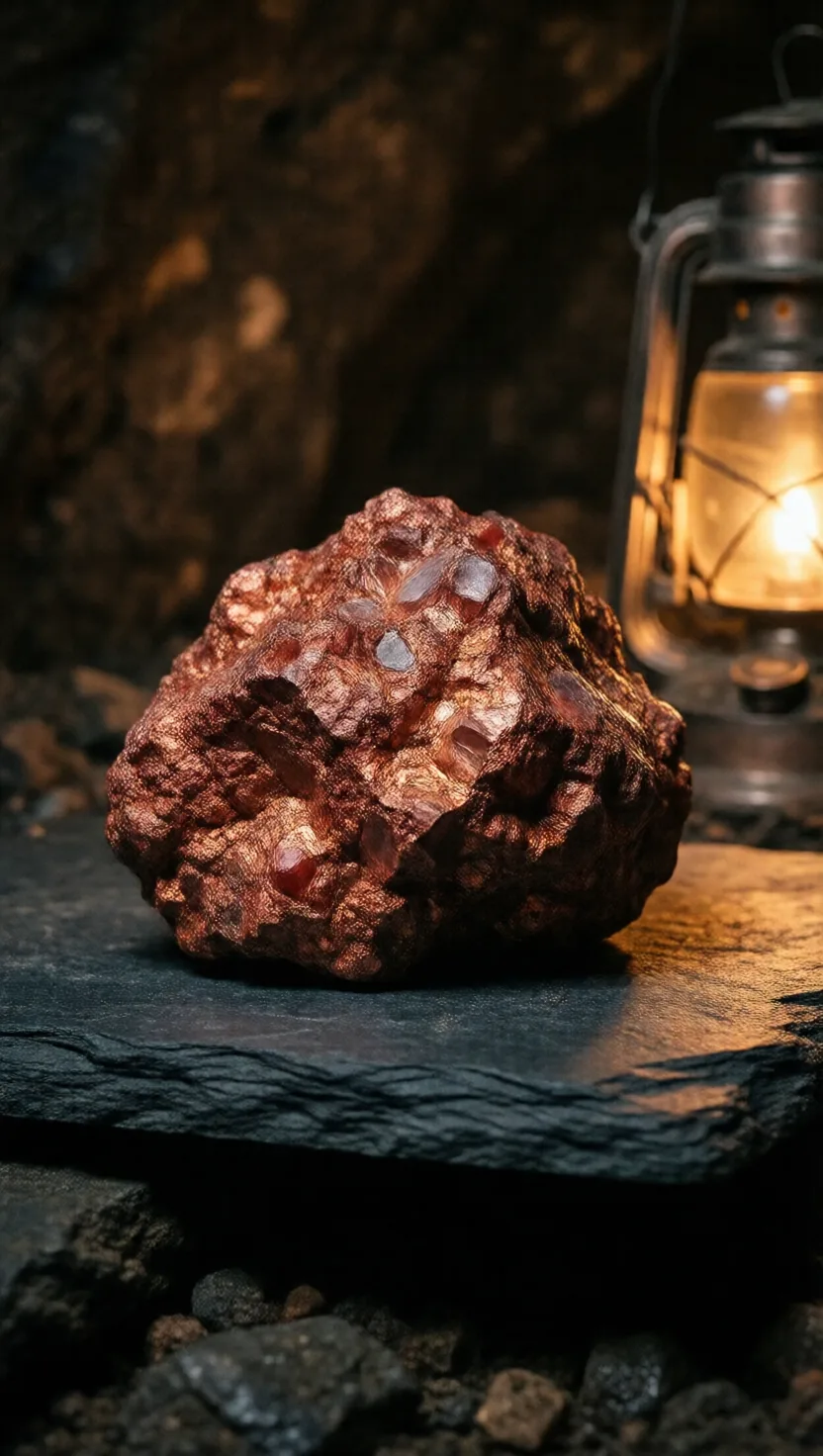
German miners kept finding a reddish ore that looked like copper but yielded none, and the fumes left them ill. They blamed a mischievous mountain sprite called Nickel and named the worthless rock kupfernickel, the goblin's copper. In 1751 the Swedish chemist Axel Cronstedt pulled a new silvery metal out of that very ore and kept the insult as its name: nickel. The cursed rock was nickel arsenide all along.
The wire that glows but won't melt

The wire that glows but won't melt

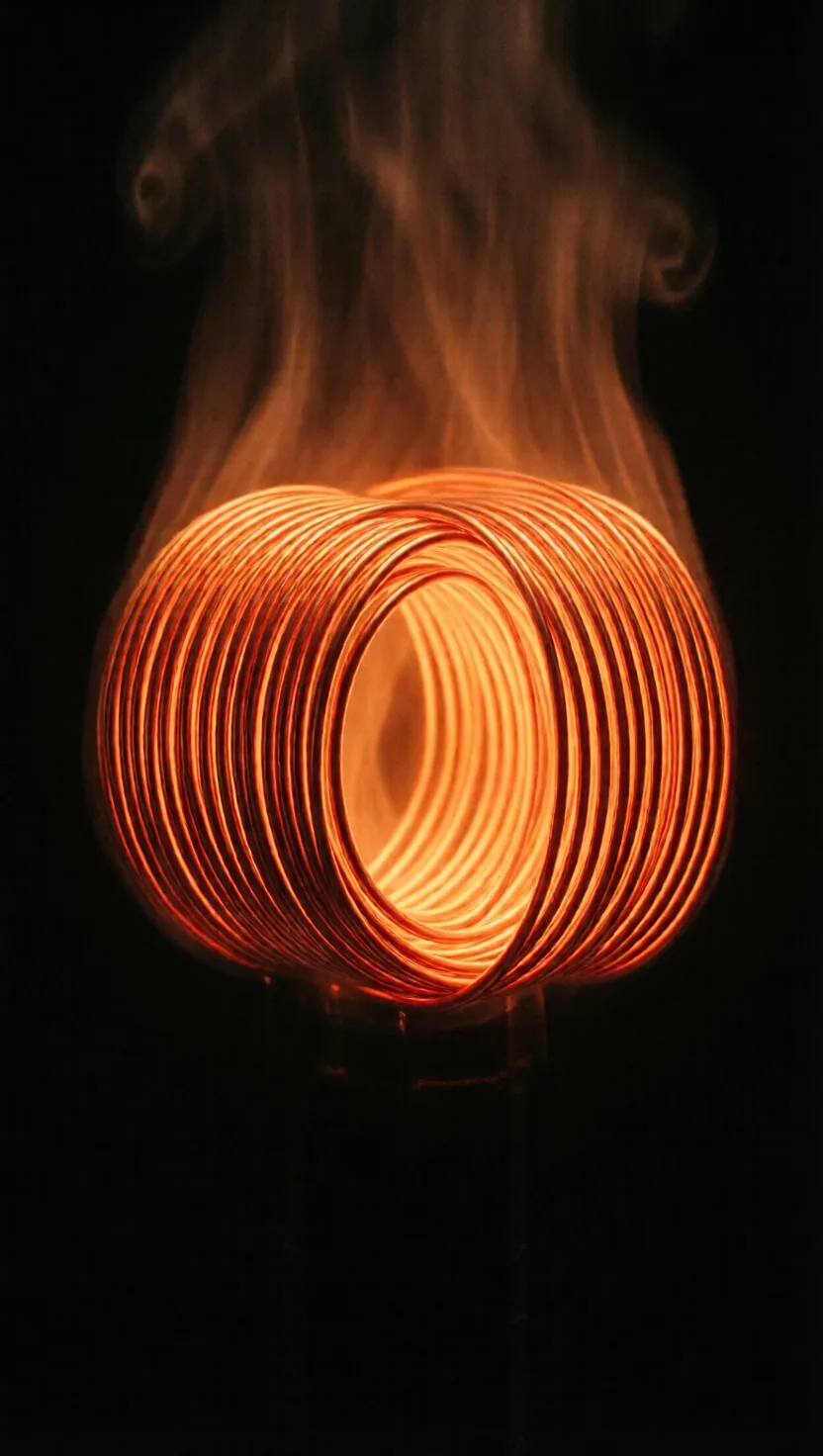
The orange coils inside a toaster are nichrome, about 80% nickel and 20% chromium. Push a current through and its high electrical resistance turns the wire red-hot, near 1,000C. It ought to burn away at that heat, but the chromium grows a thin, tight skin of chromium oxide that seals the surface and stops it oxidising. With a melting point around 1,400C, the glowing wire just sits there, cycle after cycle, for years.
Eyeglasses that remember their shape

Eyeglasses that remember their shape

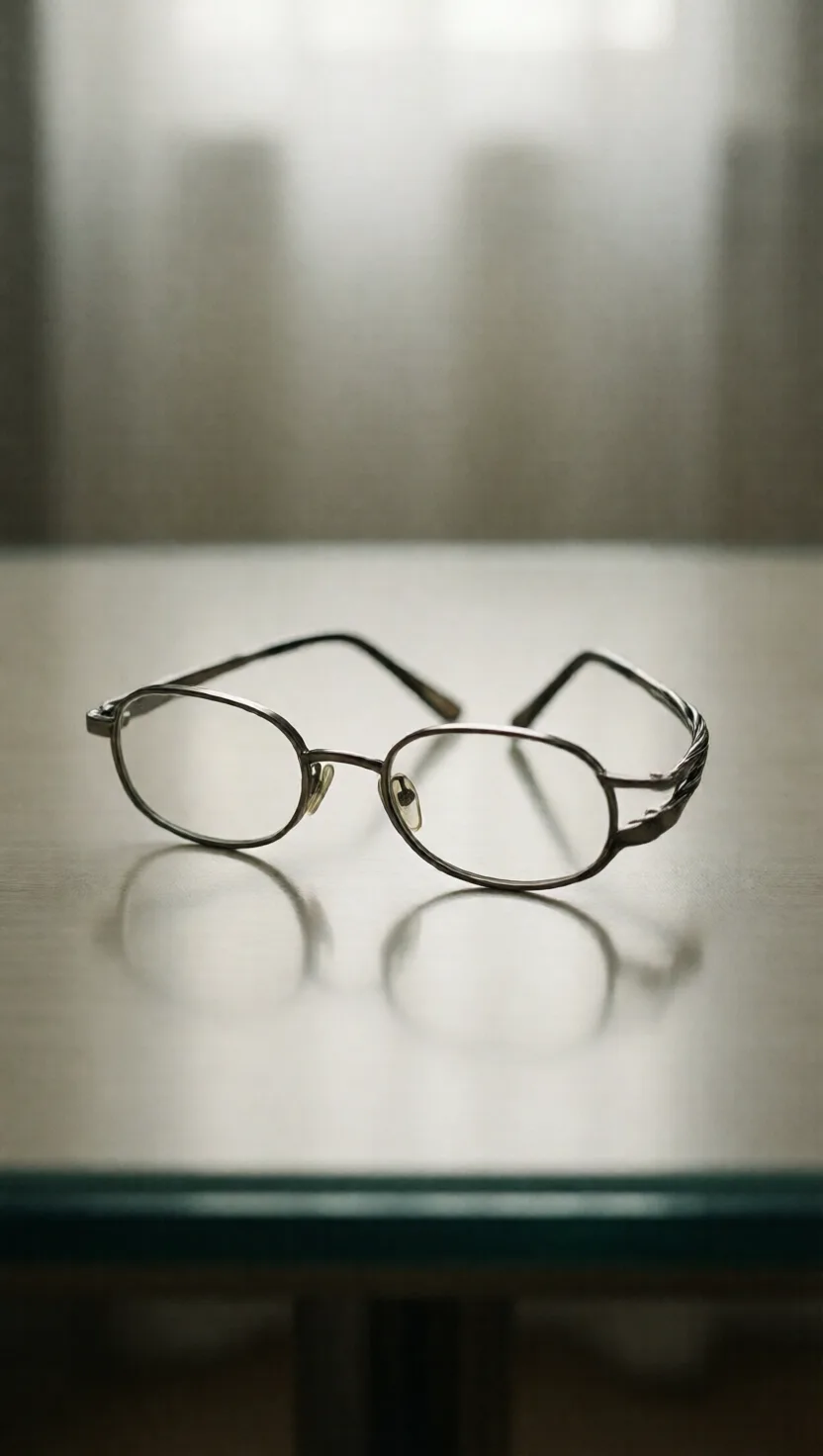
Nitinol is a near-even blend of nickel and titanium, discovered by accident in 1959 at the U.S. Naval Ordnance Laboratory; its name packs in Ni, Ti and NOL. Warm it, train it, and it remembers: the crystal structure snaps back to its set form when heated. Bend a pair of nitinol spectacle frames badly out of shape and a dip in hot water springs them straight again. The same trick lets folded stents pop open inside arteries.
The world's most common skin allergy

The world's most common skin allergy

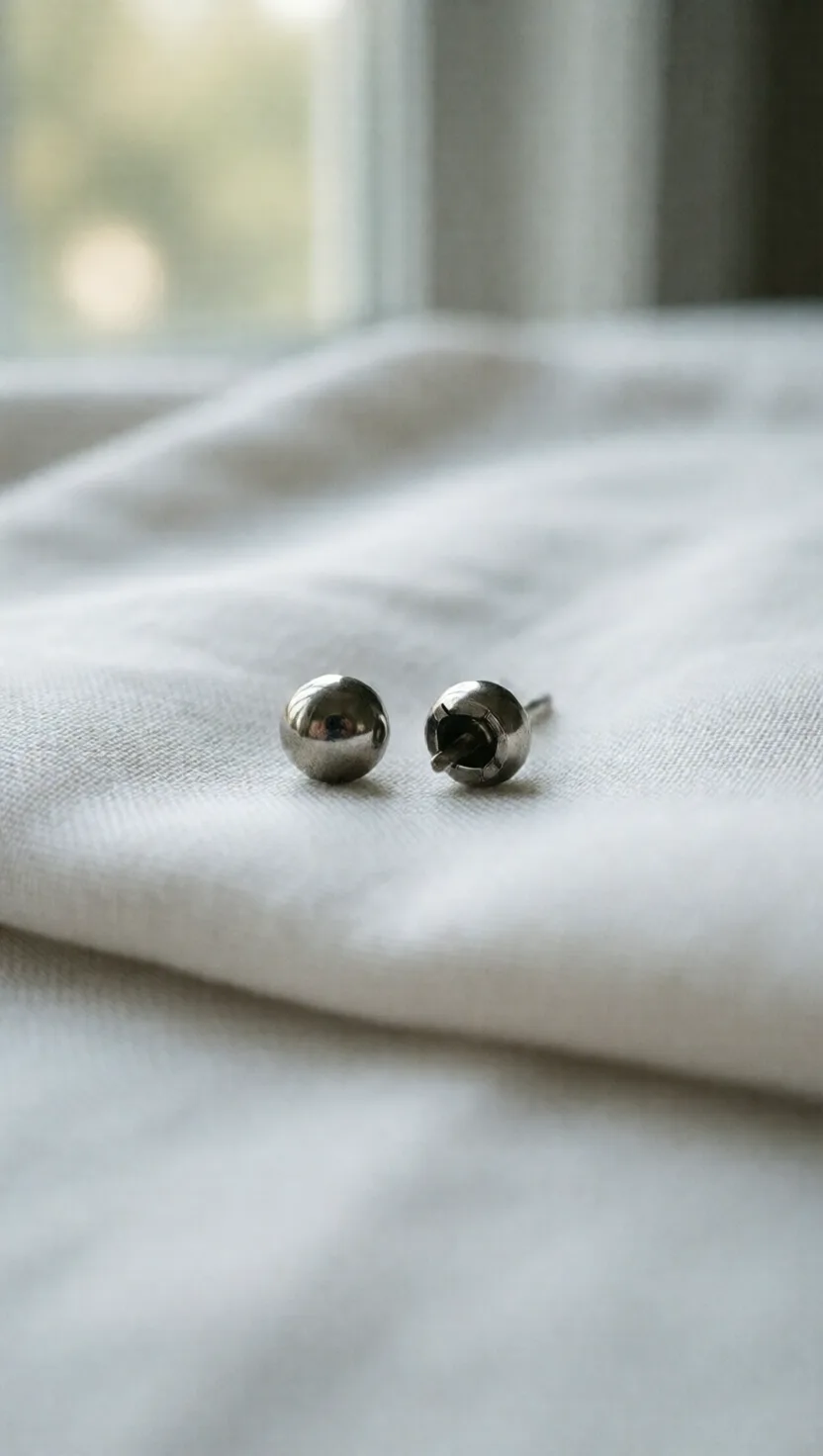
Nickel is the single most frequent cause of allergic contact dermatitis on Earth. Sweat slowly leaches nickel ions out of earrings, watch backs, belt buckles and coins; the immune system learns to attack them, leaving an itchy red rash wherever metal touches skin. It hits women far more than men, around 17% versus 3%, mostly because of pierced ears. Once you are sensitised to it, it is for life.
Blades that run hotter than they melt

Blades that run hotter than they melt

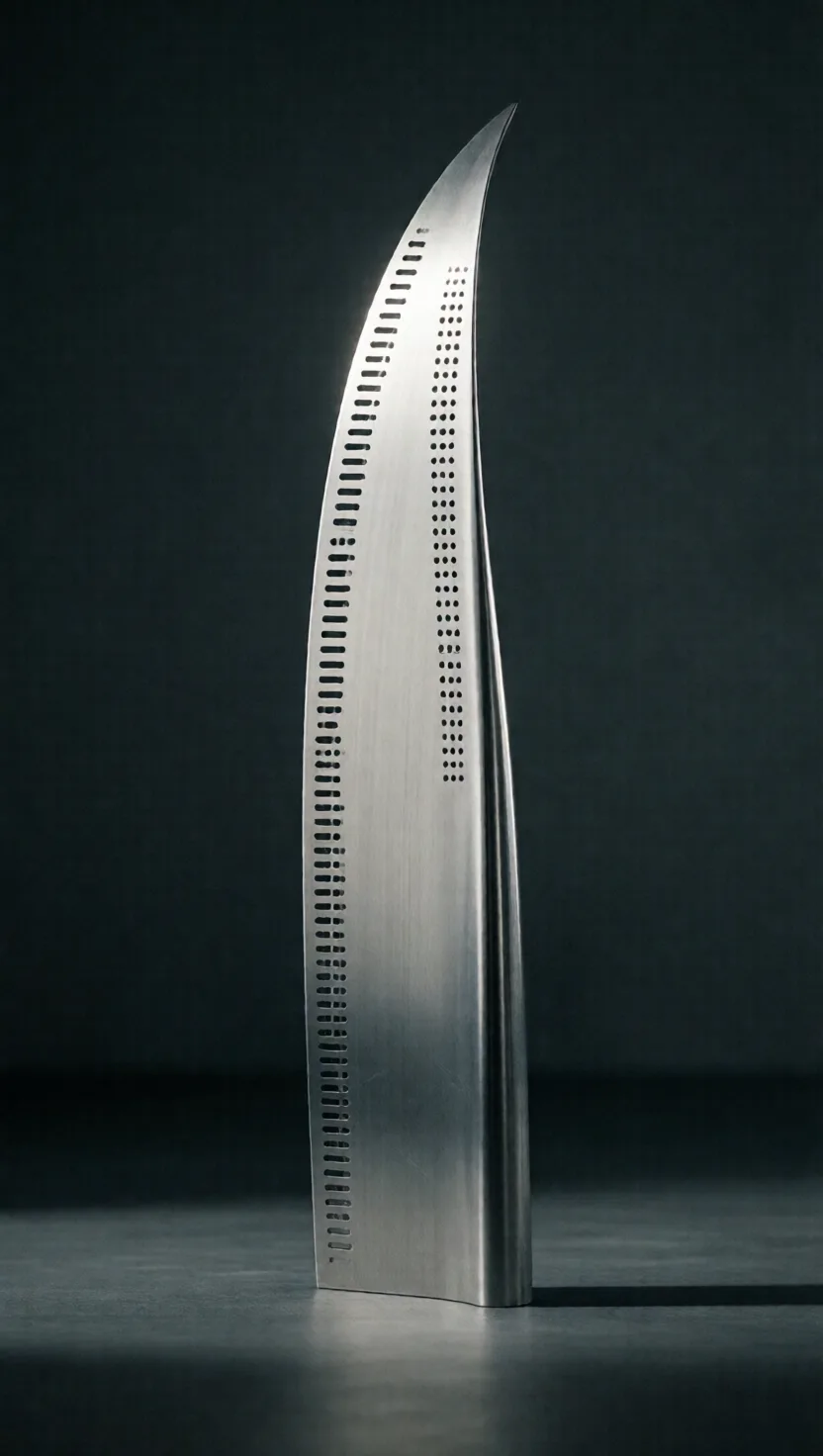
Inside a jet engine the gas roaring past the turbine can reach 1,600 to 1,700C, hotter than the nickel superalloy blades themselves, which melt near 1,300C. The blades survive by cheating: each is grown as a single flawless crystal, drilled with rows of tiny holes that bleed cool air across its skin in a protective film, and coated with a ceramic heat shield. Without that, the blade would soften and tear apart in seconds.
A city's nickel fell from the sky

A city's nickel fell from the sky

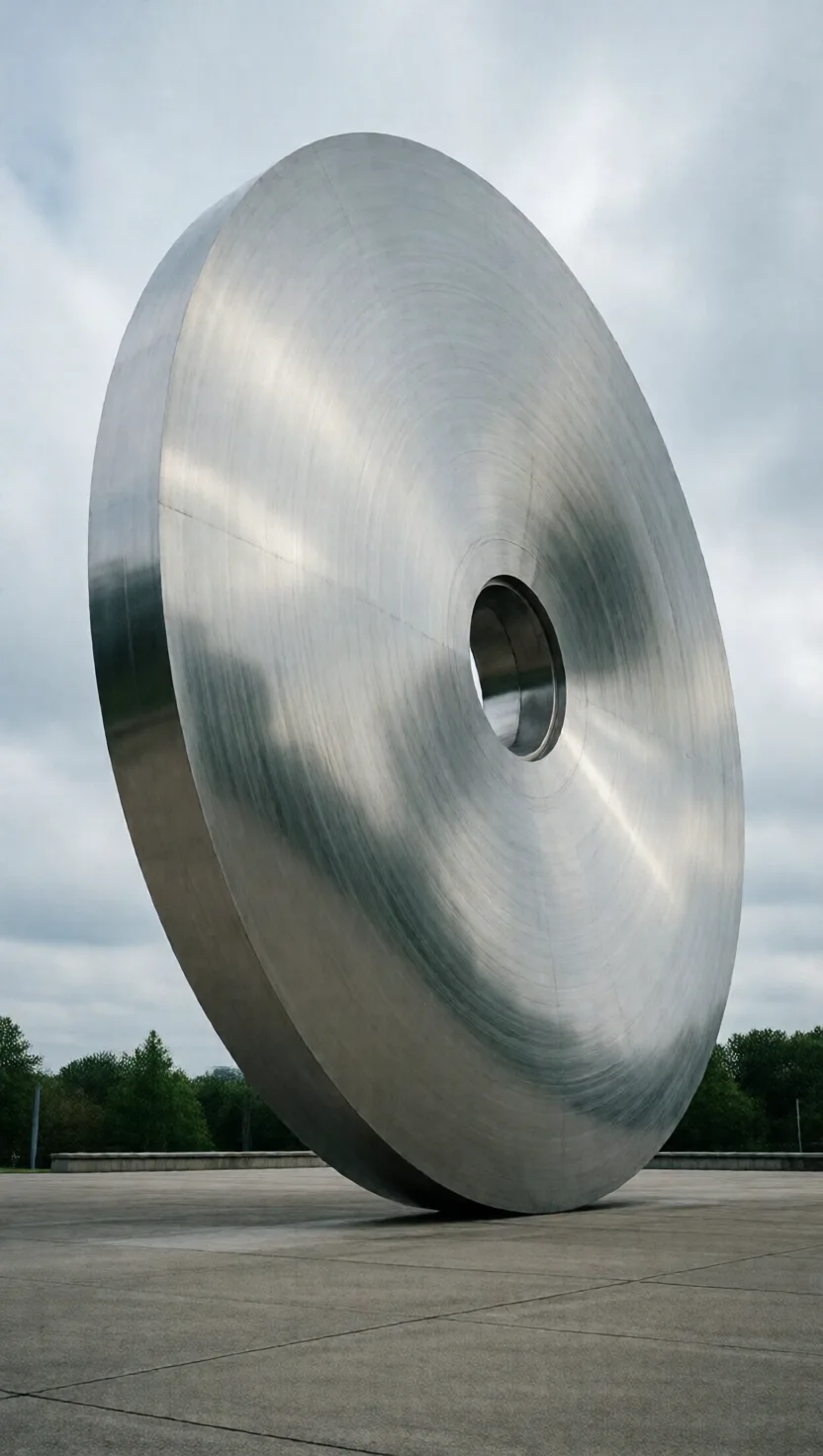
Sudbury, Ontario sits in one of Earth's richest nickel patches, and it owes that wealth to a catastrophe. About 1.85 billion years ago a meteorite perhaps 10 to 15 km wide slammed into the rock, melting it and concentrating nickel, copper and platinum into the basin still mined today. The town celebrates with the Big Nickel: a nine-metre metal replica of a 1951 five-cent coin, raised in 1964.
German silver has no silver in it

German silver has no silver in it

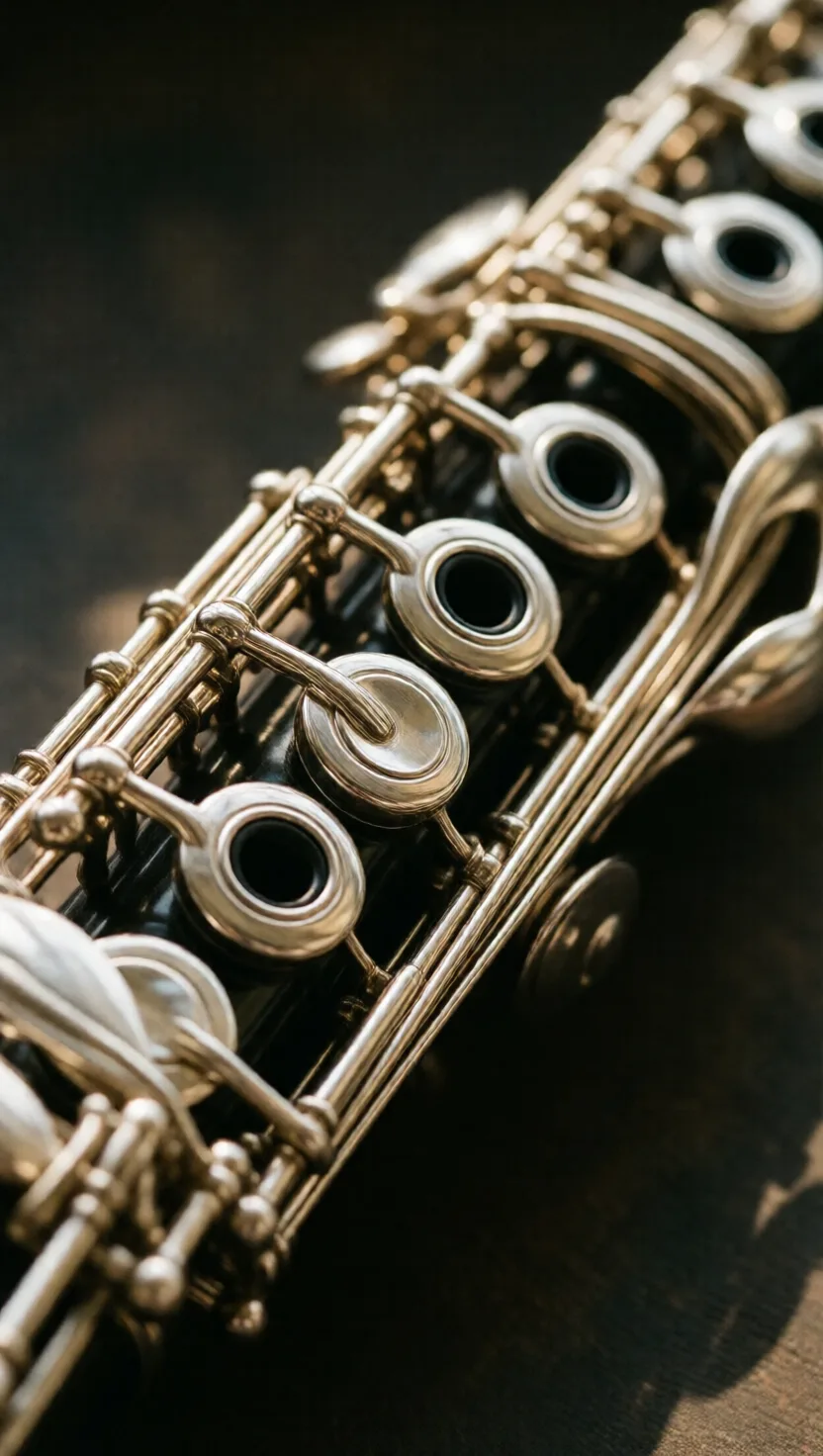
The bright silvery metal of clarinet keys, old cutlery and zips is often nickel silver, and there is not a trace of silver in it. It is roughly 60% copper, 20% nickel and 20% zinc; the nickel simply bleaches the copper's pink to a convincing silvery white. European metalworkers copied it in the 1700s from a Chinese alloy called paktong, and the misleading name German silver stuck to the imitation.
An alloy dug straight from the ground

An alloy dug straight from the ground

Most alloys are recipes: melt the metals, mix to taste. Monel almost isn't. The nickel-copper ore at Sudbury came out of the ground at close to a 2-to-1 nickel-to-copper ratio, near enough to a useful alloy that engineers in 1905 essentially smelted it whole. The result resists seawater so well it is used for propeller shafts and valves. It was named for the company president Ambrose Monell, with one L dropped.
tap →swipe ↑ for depthswipe ↓ to exit