Eight things the most stubborn metal on Earth quietly does

DC·207 Deep Cuts
The metal that won't melt until 3,422°C

The metal that won't melt until 3,422°C

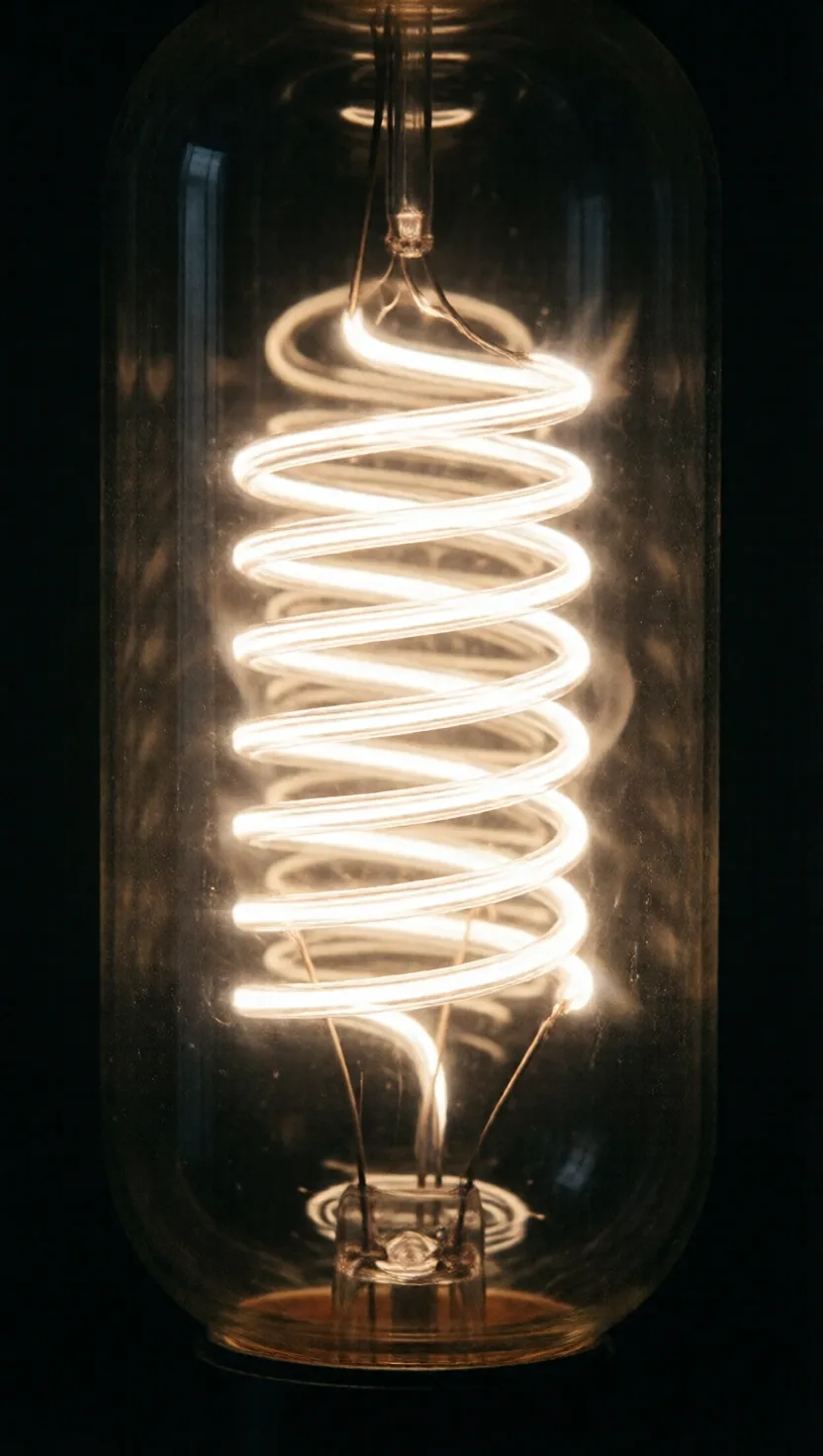
Tungsten melts at 3,422°C (6,192°F) — the highest melting point of any metal, and second only to carbon among all the elements. Its atoms are locked together by some of the strongest metallic bonds known, so a tungsten coil can glow white-hot in a furnace or a vacuum and keep its shape where almost everything else would slump into liquid. It also has the lowest vapour pressure of any metal, barely evaporating even when blazing.
The metal forgers hide inside gold bars

The metal forgers hide inside gold bars

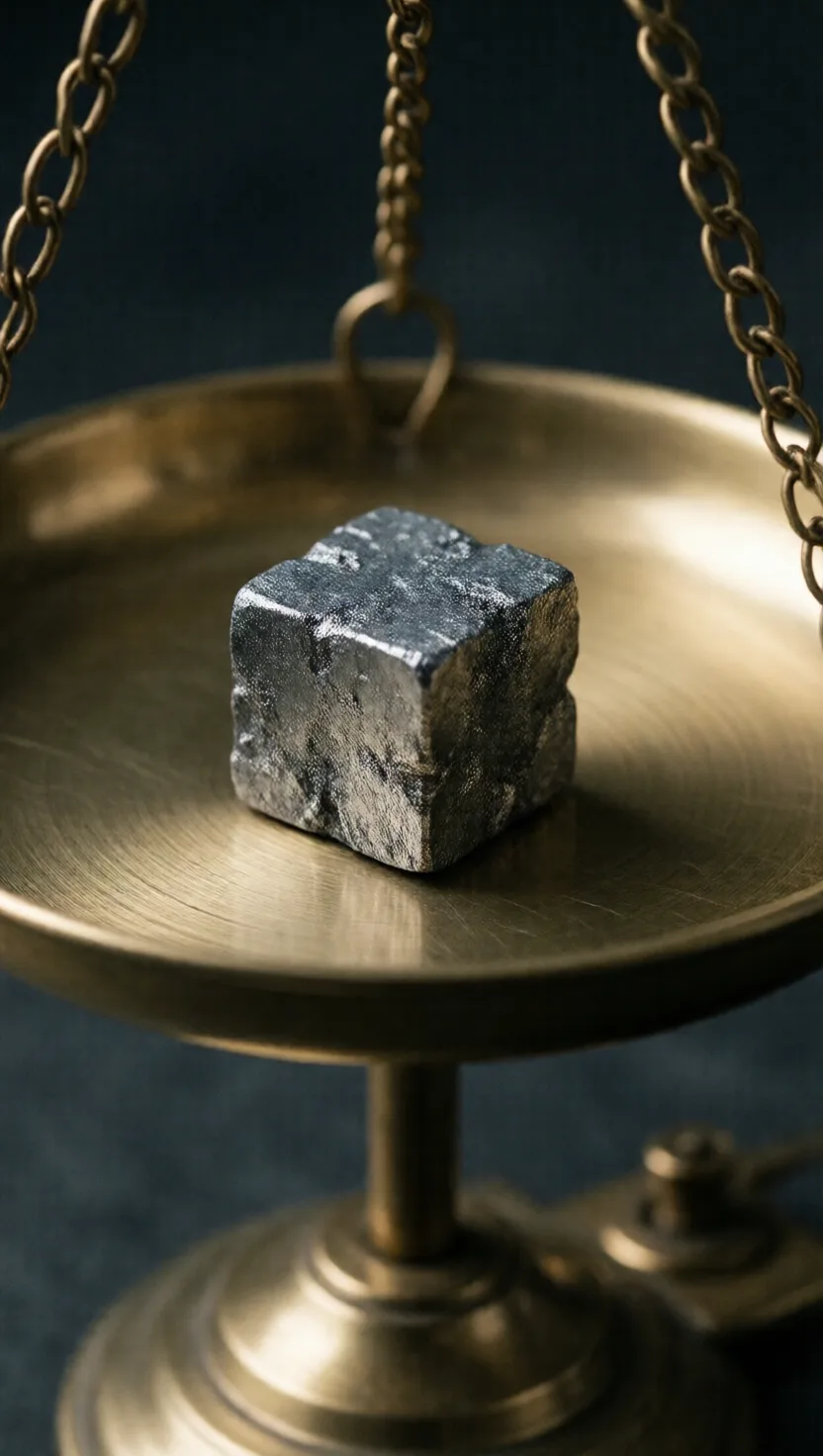
Tungsten's density is 19.25 g/cm³ — almost exactly that of gold, at 19.30. The match is so close that a tungsten core wrapped in a thin gold skin can pass the heft test of a real bar. Counterfeiters have exploited this: the fake weighs right and looks right, and only an ultrasound scan or a drilled core gives it away. A tungsten cube the size of a sugar lump feels absurdly, wrongly heavy in the hand.
Almost as hard as diamond, it eats steel

Almost as hard as diamond, it eats steel

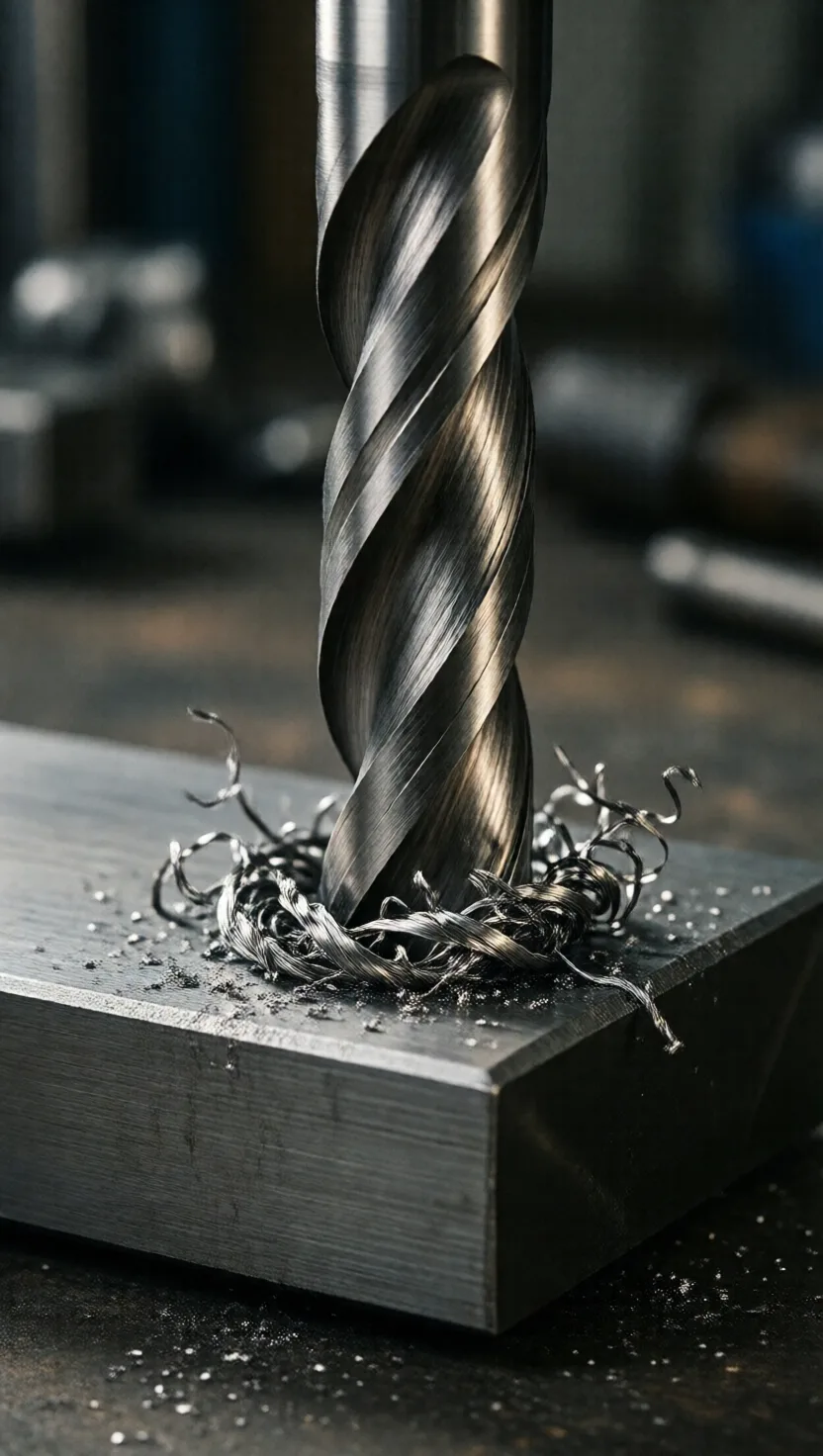
Bonded with carbon into tungsten carbide, this metal reaches 9 to 9.5 on the Mohs hardness scale — just short of diamond at 10. That hardness is why tungsten-carbide tips drill through hardened steel, concrete and stone, holding their edge at temperatures over 500°C and lasting many times longer than ordinary steel bits. The same carbide armours mining teeth, milling cutters, and the tiny rolling ball in a pen tip.
Named for a mineral that 'ate tin like a wolf'

Named for a mineral that 'ate tin like a wolf'

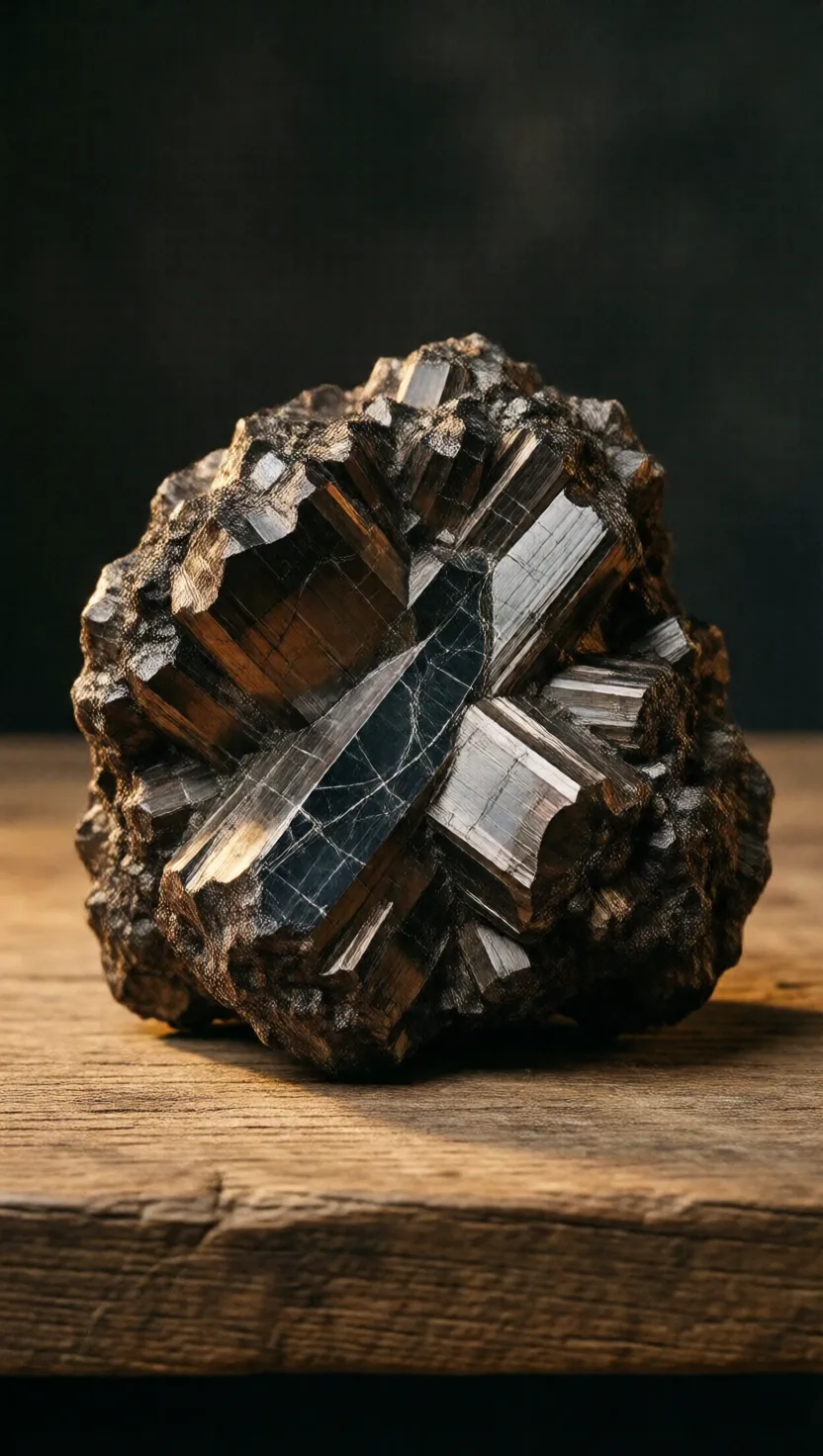
Tungsten's two names hide a story. 'Tungsten' is old Swedish for 'heavy stone.' But its chemical symbol is W, for wolfram — from the ore wolframite, whose name traces back to a 1546 Latin phrase meaning 'wolf's froth.' Tin smelters blamed the dark mineral for devouring their tin during smelting, as if a wolf were eating it. The element was finally isolated from that very ore in 1783.
The welding rod that never melts

The welding rod that never melts

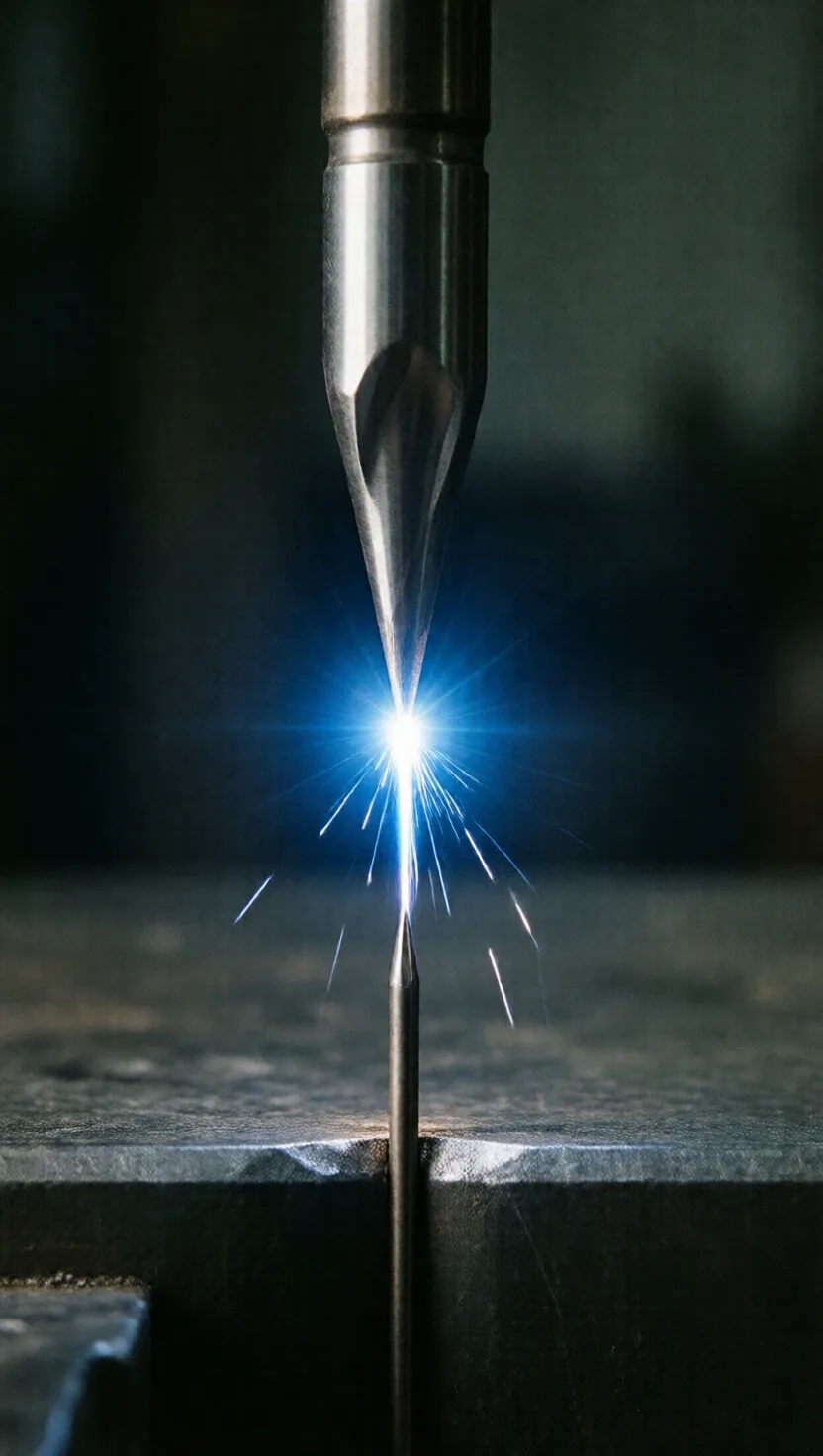
In TIG welding — the 'T' literally stands for tungsten — the electrode is the one part that doesn't melt. An electric arc leaps from a sharpened tungsten tip to the workpiece, melting the metal being joined while the rod itself stays solid. Only tungsten, with the highest melting point of any metal at 3,422°C and high thermal conductivity, can sit in that searing arc and keep its point intact, weld after weld.
Slim darts hit the triple because they're tungsten

Slim darts hit the triple because they're tungsten

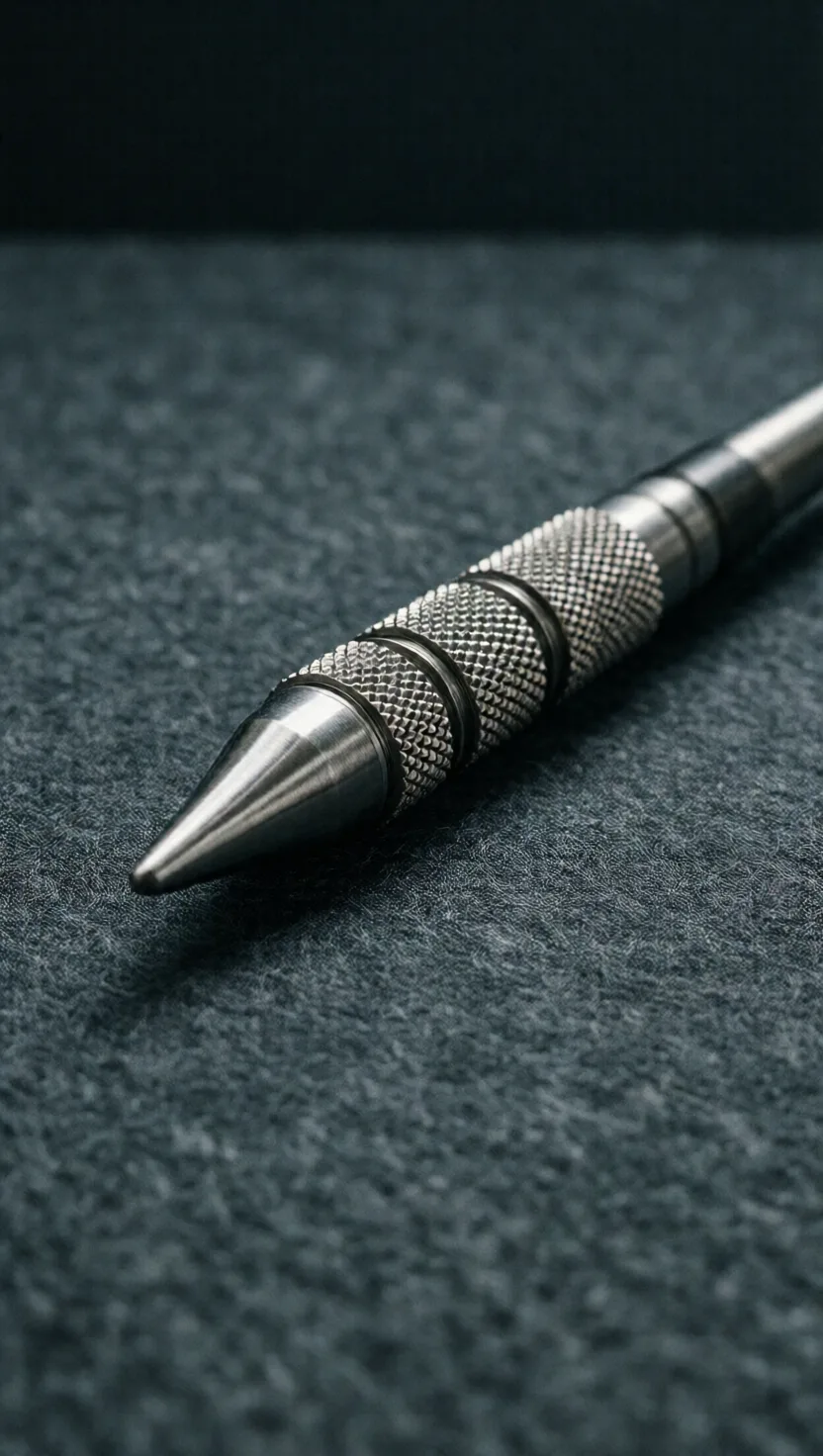
A dart needs to be heavy yet thin, so several can crowd the same tiny treble bed. Brass is too light: a 22-gram brass dart must be about 7 mm thick. Made of dense tungsten alloy, the same 22 grams shrinks to roughly 5 mm — slim enough for three darts to nestle side by side. Pure tungsten would be too brittle to survive the knocks, so barrels are usually about 90% tungsten with nickel mixed in.
This ring can't be cut off — only shattered

This ring can't be cut off — only shattered

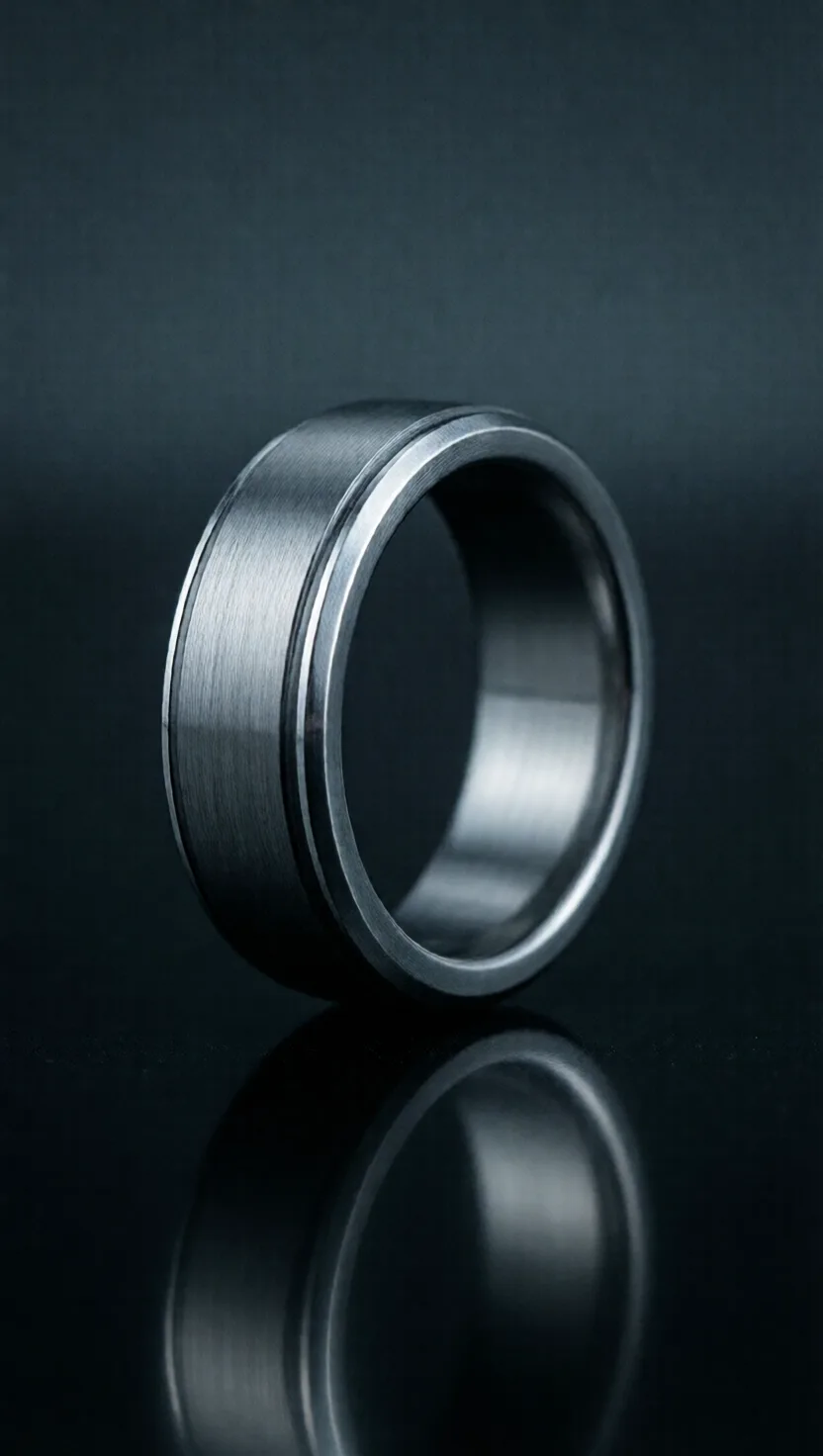
A tungsten-carbide wedding band is almost unscratchable, but it is also brittle. So when a finger swells and the ring must come off, a jeweller's ring-saw is useless — instead, responders clamp locking pliers around it and tighten. The hard, rigid metal can't bend, so it cracks cleanly into pieces, freeing the finger in about 20 seconds. Its weakness is exactly what makes it safe in an emergency.
The strongest pure metal is also brittle

The strongest pure metal is also brittle

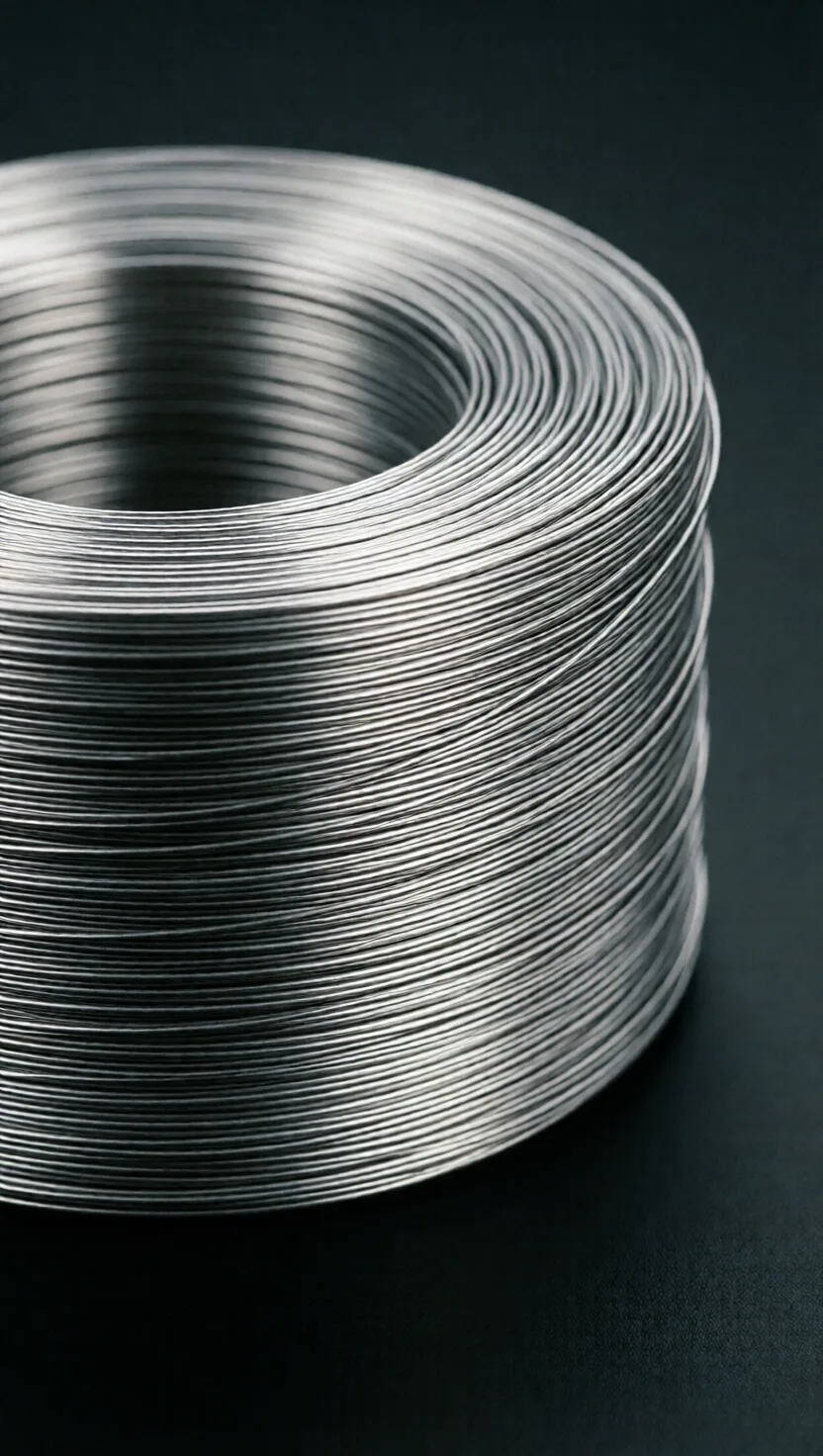
Drawn into wire, tungsten has the highest tensile strength of any pure metal — up to about 500,000 psi at room temperature, and it keeps much of that strength even glowing past 1,500°C. Yet a thick tungsten bar can snap rather than bend. The secret is the drawing: pulling the metal into fine filament aligns its crystal grains, turning a brittle solid into thread that resists being pulled apart better than steel.
tap →swipe ↑ for depthswipe ↓ to exit