Eight things hiding in the world's toughest light metal

DC·201 Deep Cuts
The whitest white hides a heavy metal

The whitest white hides a heavy metal

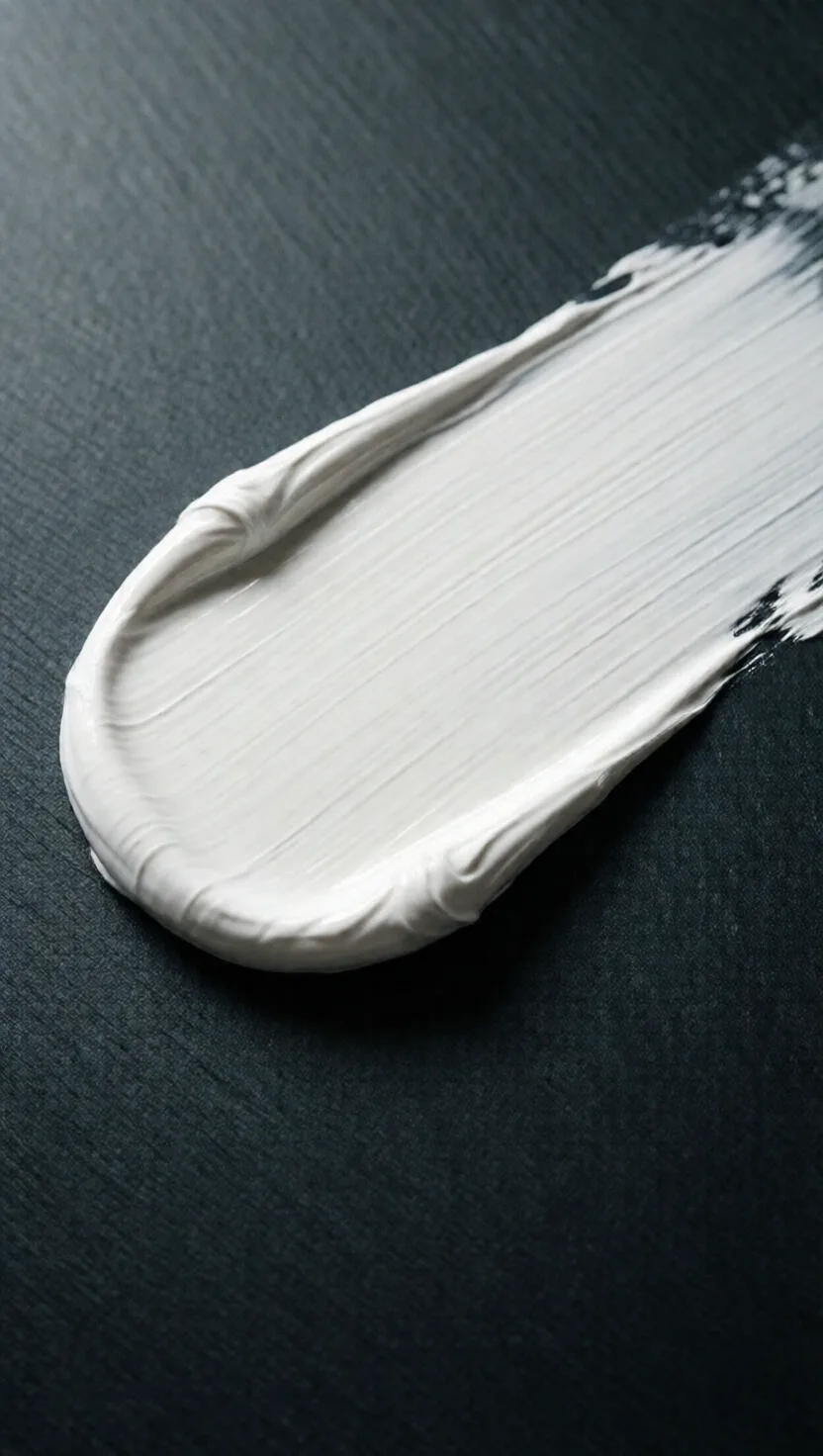
The bright white in paint, sunscreen, paper and even toothpaste is almost always one compound: titanium dioxide. It bends light harder than diamond does, with a refractive index near 2.7, so its tiny particles scatter every wavelength straight back at you and leave no colour behind. A few grams turn a wall opaque. It replaced poisonous lead white in the last century and is now the most-used white pigment on Earth.
These colours are made of nothing but light

These colours are made of nothing but light

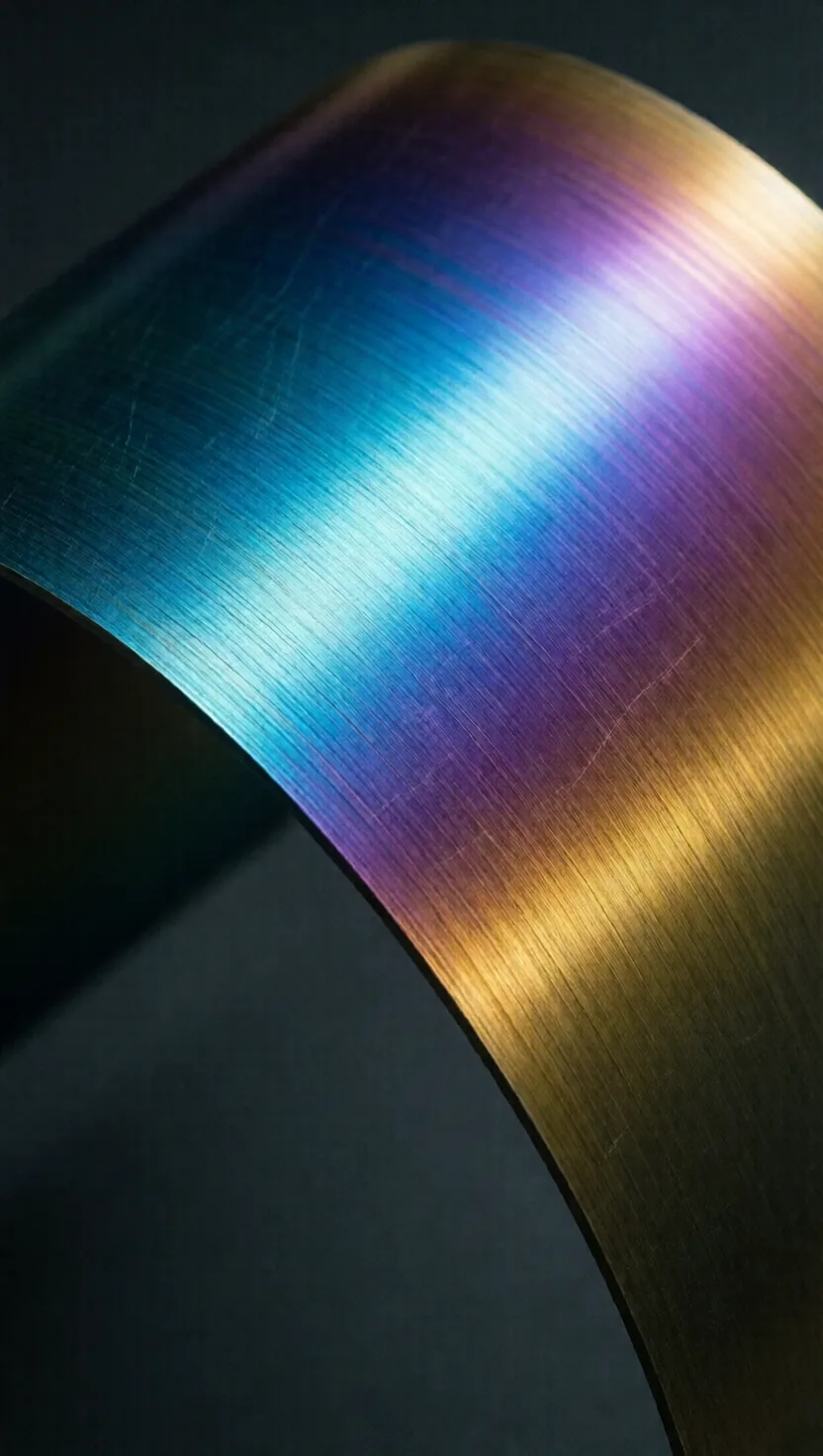
Anodised titanium needs no dye or paint. Pass a current through it in a bath and a transparent oxide skin grows on its surface, and the thicker that skin, the more it bends reflected light against itself. At about 25 nanometres it reads gold; near 150 nanometres it shifts to deep blue. The colour is pure interference, the same physics as an oil sheen on water, tuned to the nanometre by voltage alone.
A scientist found bone had eaten his metal

A scientist found bone had eaten his metal

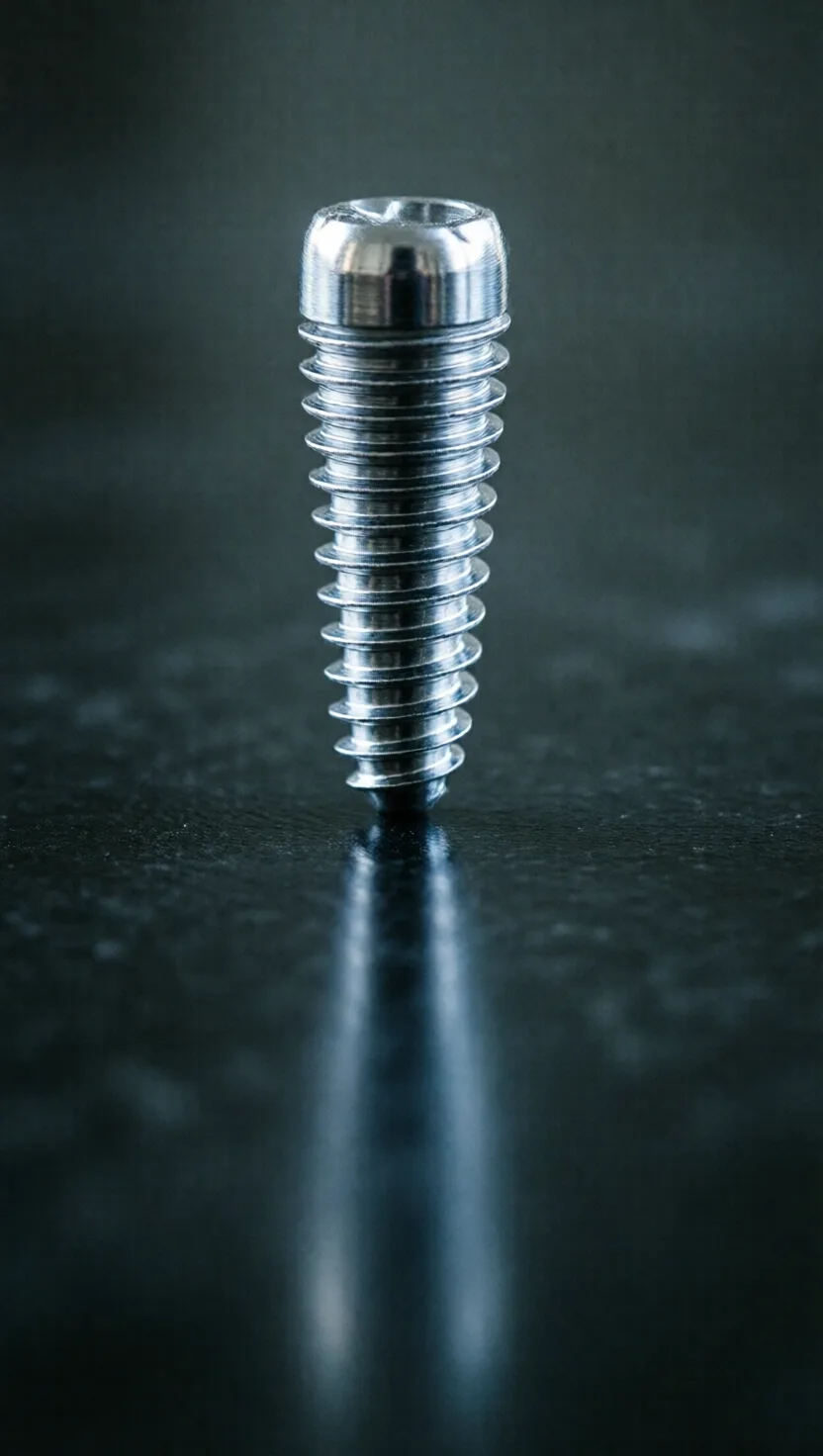
In 1952 an anatomist screwed a little titanium chamber into a rabbit's leg to watch blood flow through bone. When the study ended he tried to retrieve the costly metal and could not: living bone had grown into its surface and locked it fast. That accident named a phenomenon, osseointegration, and led to the first titanium dental implant in a human in 1965. Those original implants were still working forty years later.
A country vicar found it in black river sand

A country vicar found it in black river sand

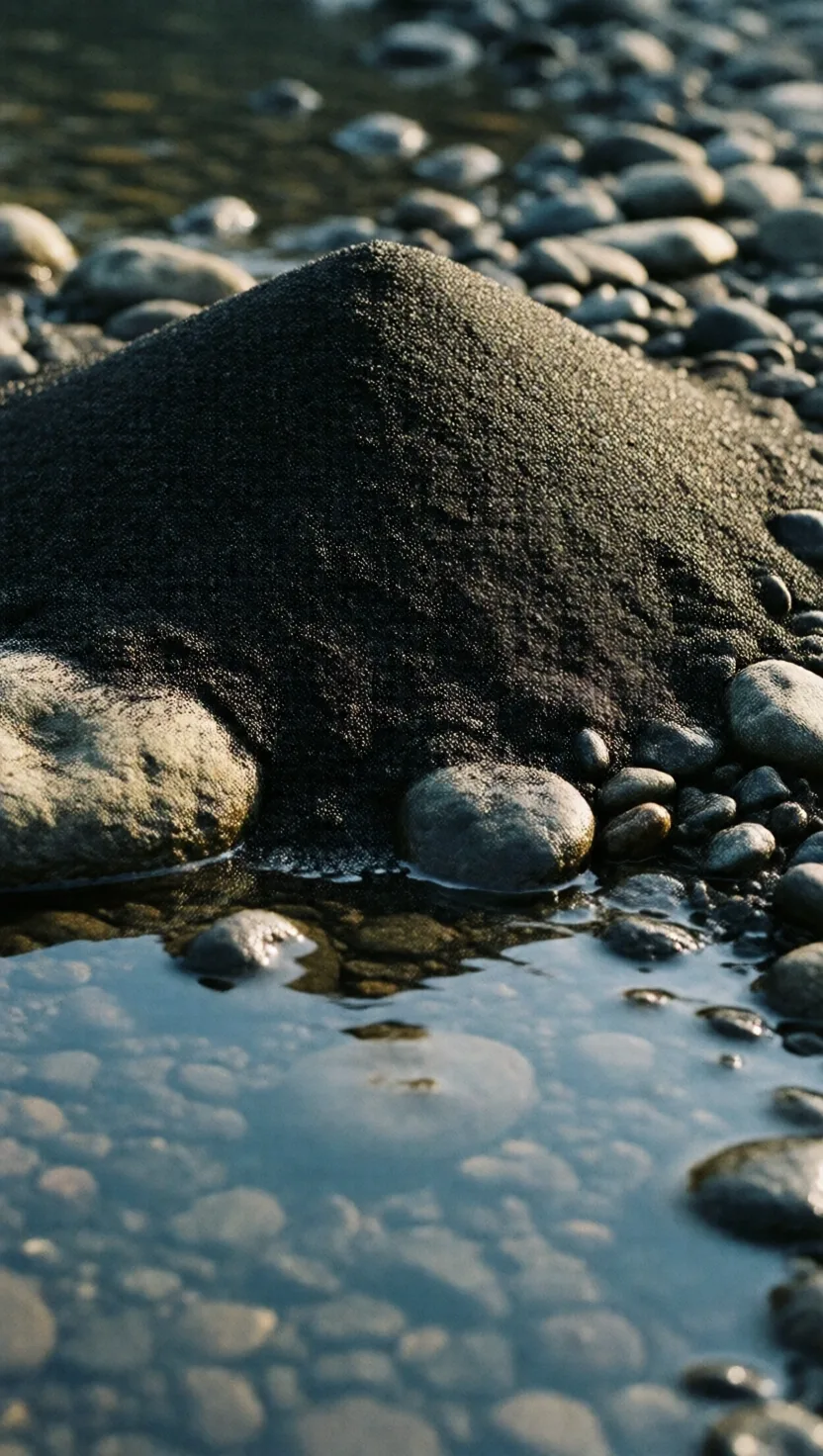
In 1791 a Cornish clergyman sieving black sand from a parish stream noticed the grains clung to a magnet. He pulled out the iron and was left with a strange white oxide he could not name. Four years later a German chemist found the same element in another mineral and named it titanium, after the Titans of Greek myth. The vicar was later credited with the discovery, but the chemist's grand name stuck.
A metal that burns in the air we exhale

A metal that burns in the air we exhale

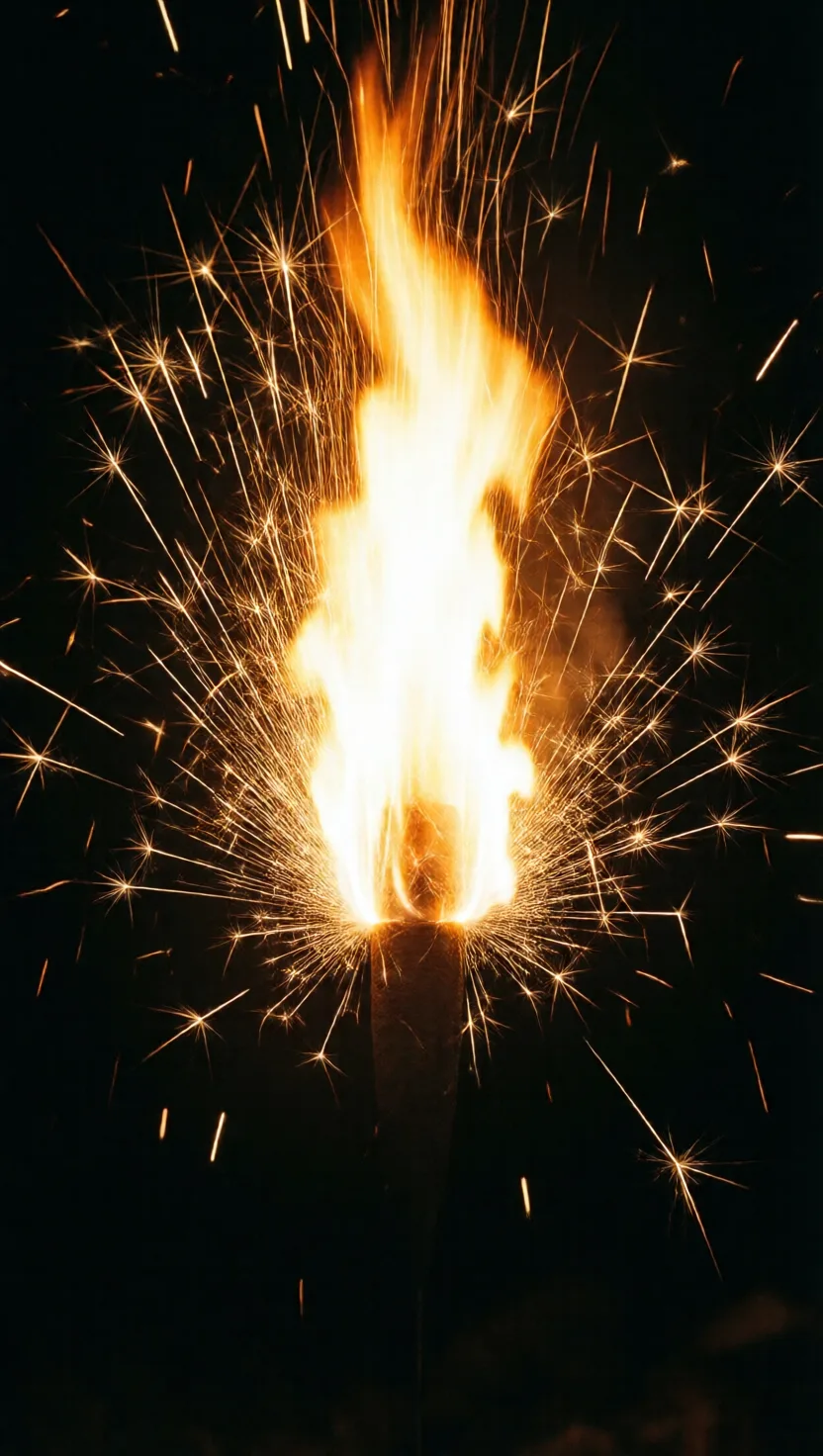
Most fires die without oxygen. Titanium does not play fair: heated past about 800 degrees Celsius it keeps burning in pure nitrogen, forming a hard golden ceramic called titanium nitride, and it burns in carbon dioxide too. So the usual rescues backfire. Water can make burning titanium explode, and a carbon-dioxide blanket only feeds it. Firefighters have to smother it with dry powder or inert argon instead.
Bend this wire, warm it, and it un-bends itself

Bend this wire, warm it, and it un-bends itself

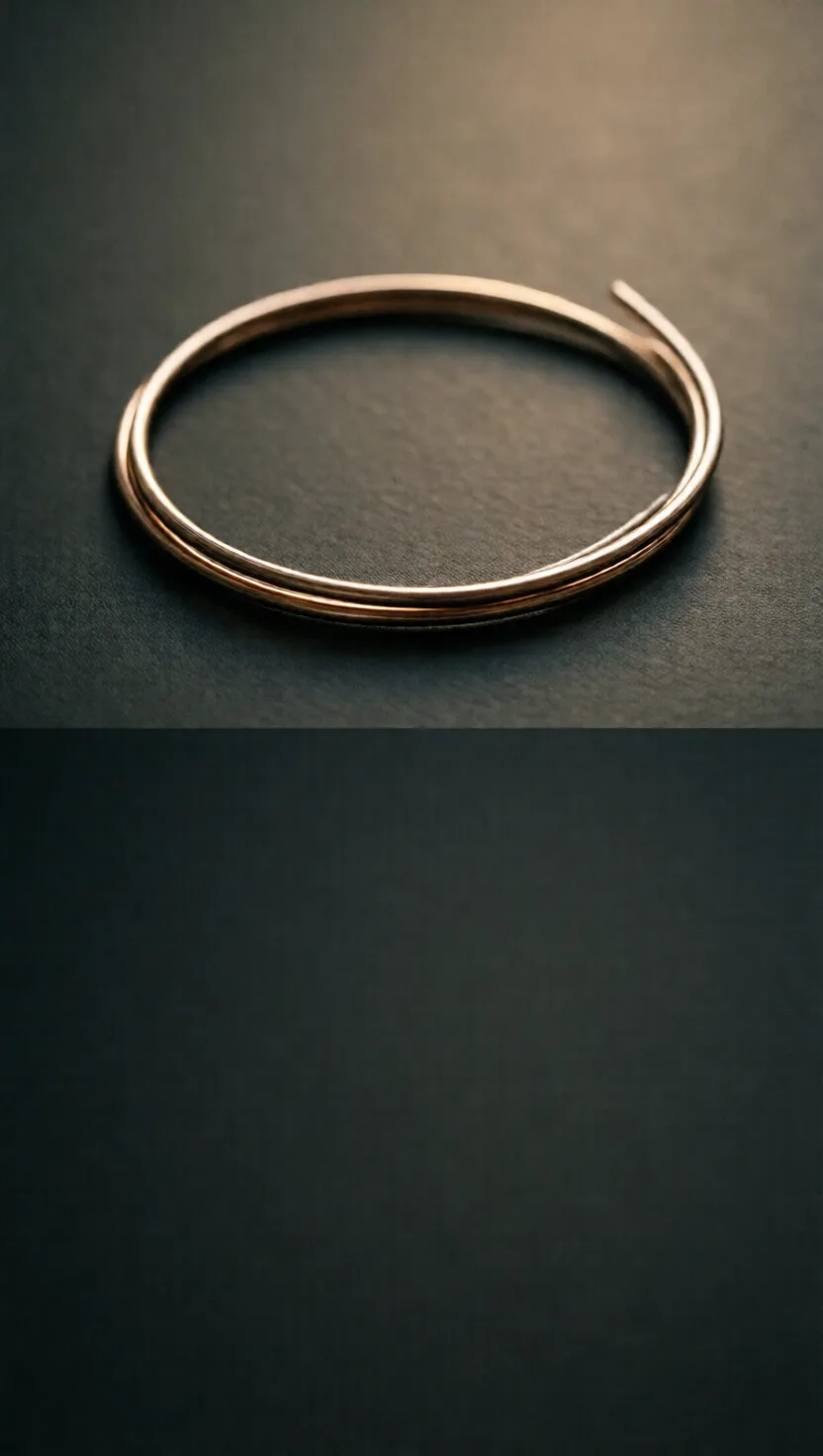
Mix titanium with nickel in near-equal parts and you get nitinol, a metal with a memory. Deform it cold and it stays bent, but warm it past its set temperature and the crystal structure flips back, snapping the metal to its original shape on its own. A cousin trick, superelasticity, lets it survive bends ten to thirty times larger than ordinary metal, which is why kinked spectacle frames spring straight again in warm water.
The one metal a giant magnet ignores

The one metal a giant magnet ignores

An MRI scanner's magnet can rip steel tools across a room, so most metal in the body is a hazard. Titanium barely notices it. The metal is only weakly paramagnetic, so a titanium plate or hip will not tug, twist or dangerously heat in the field; temperature rises stay within a few degrees. That near-indifference to magnetism is a big part of why surgeons trust it inside people.
A building wears 33,000 fish-scale skins

A building wears 33,000 fish-scale skins

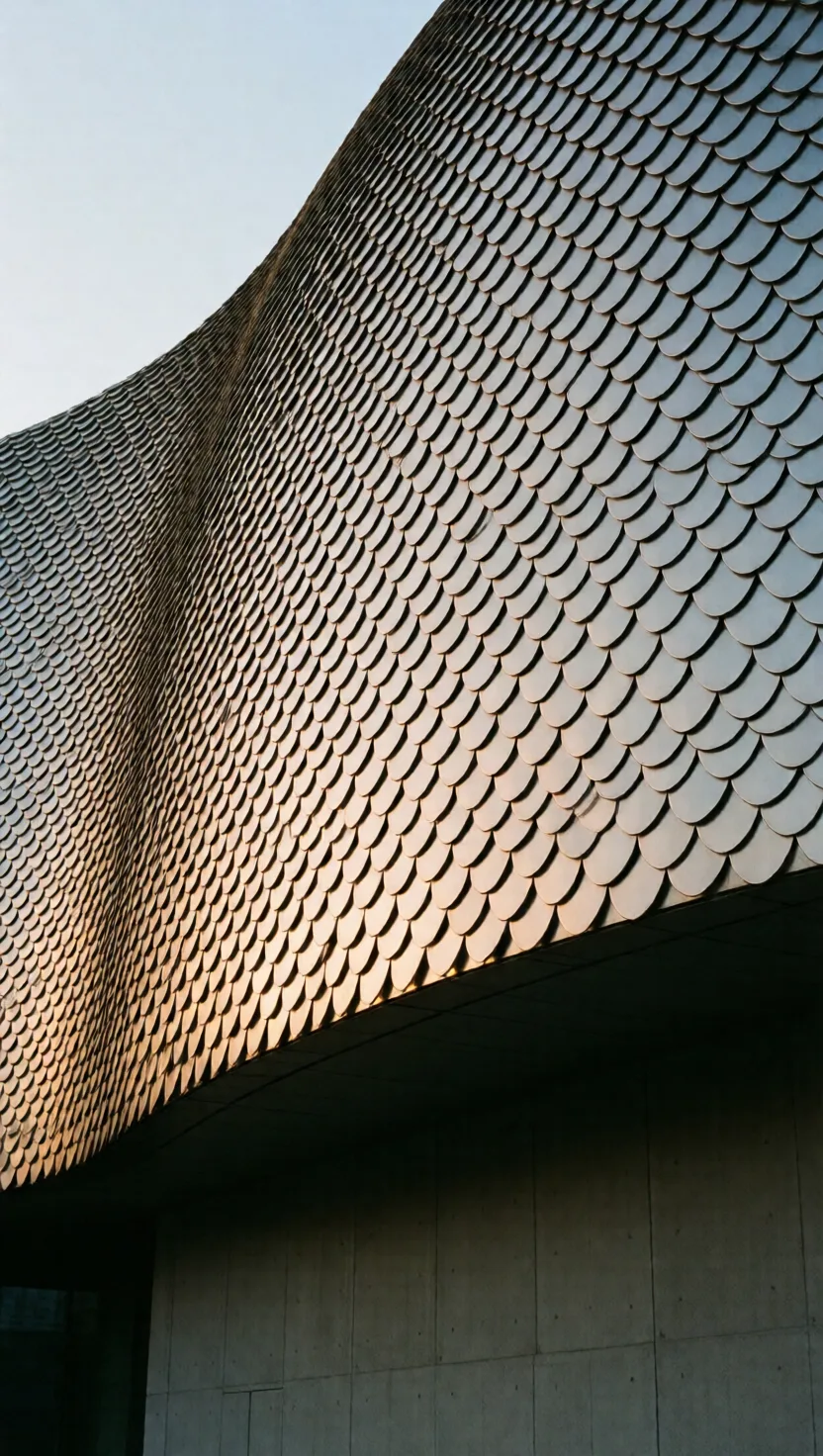
A famous riverside museum in Bilbao is wrapped in titanium so thin it ripples in the wind. Its skin is about 33,000 separate panels, each only 0.38 millimetres thick, thinner than three sheets of paper stacked together, laid like overlapping fish scales across 36,000 square metres. Titanium was chosen because it shrugs off corrosion for a lifetime and quietly changes colour with the passing light and weather.
tap →swipe ↑ for depthswipe ↓ to exit