Eight things the only liquid metal does

DC·178 Deep Cuts
It stays liquid because its electrons obey Einstein

It stays liquid because its electrons obey Einstein

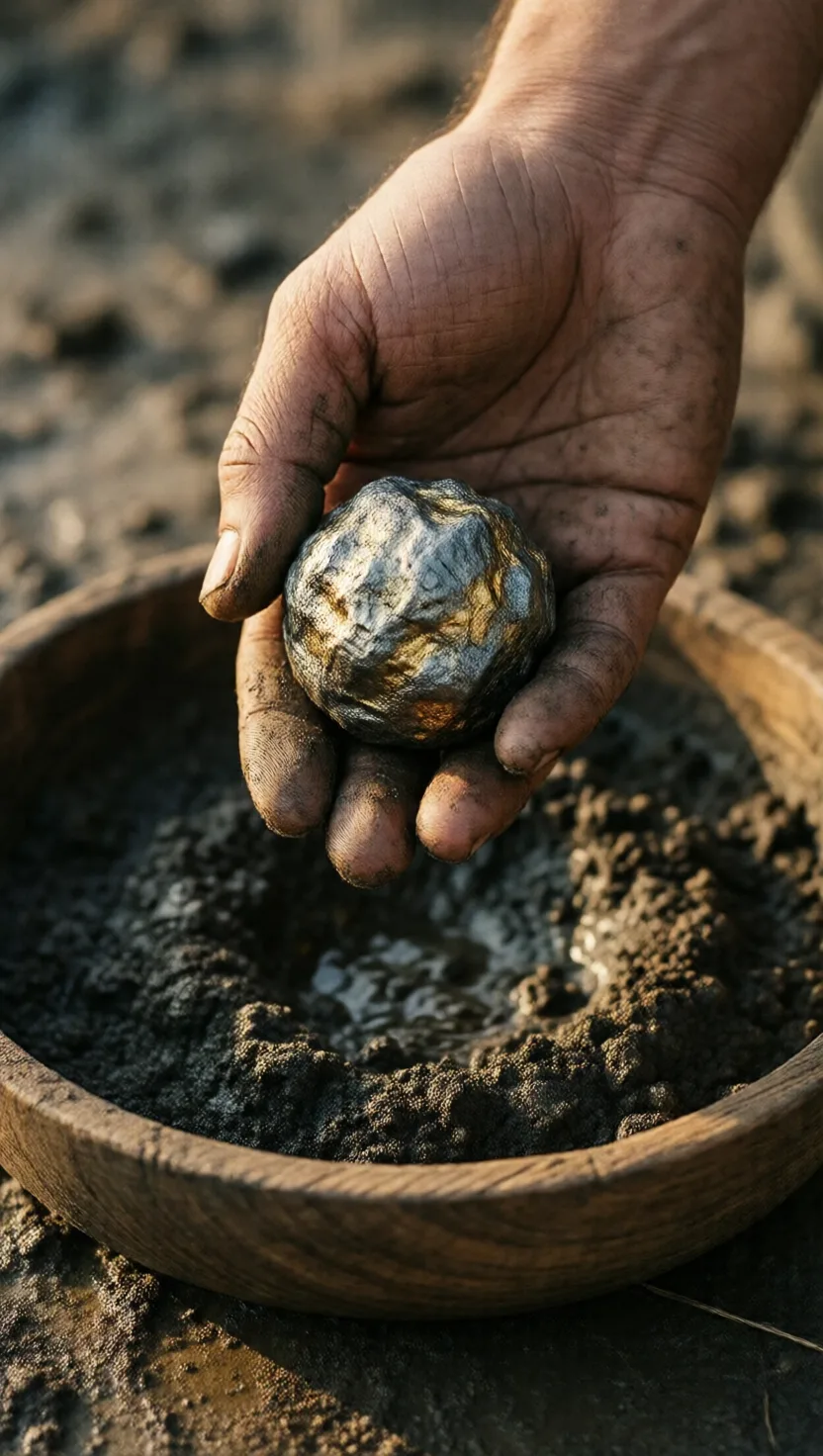
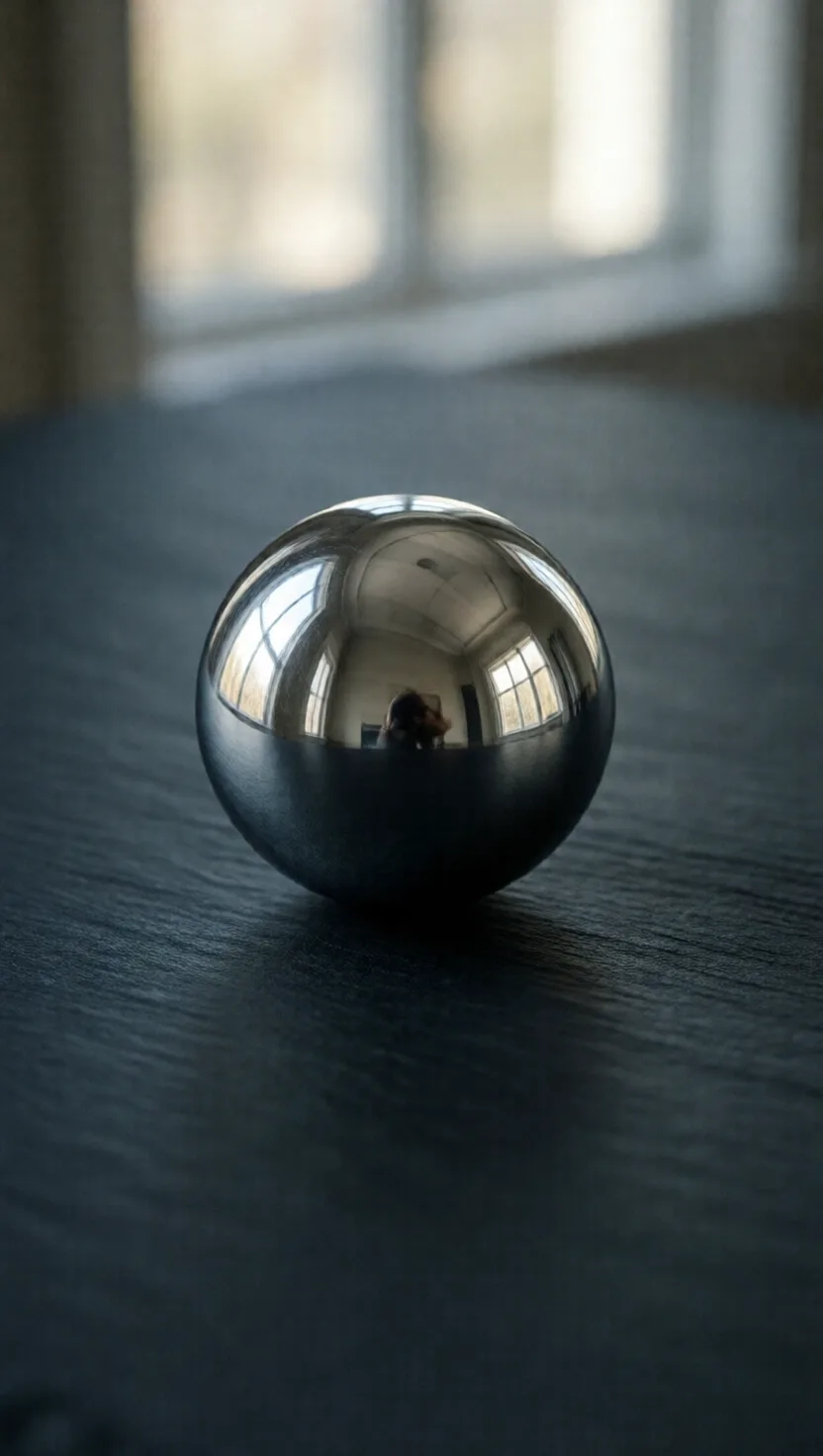
Mercury is the only metal that is liquid at everyday temperatures, melting at minus 38.83 degrees Celsius. The reason is relativity: mercury's nucleus is so heavy that its inner electrons race at a large fraction of light speed, gaining mass and pulling the outer electrons in tight. Those electrons stay locked to their own atoms instead of forming strong metallic bonds, so the atoms barely hold together. Calculations that ignore relativity predict melting near 82 degrees; including it gives the real, near-freezing value. A silver bead that flows is quantum physics you can see.
A solid iron ball floats on this liquid metal

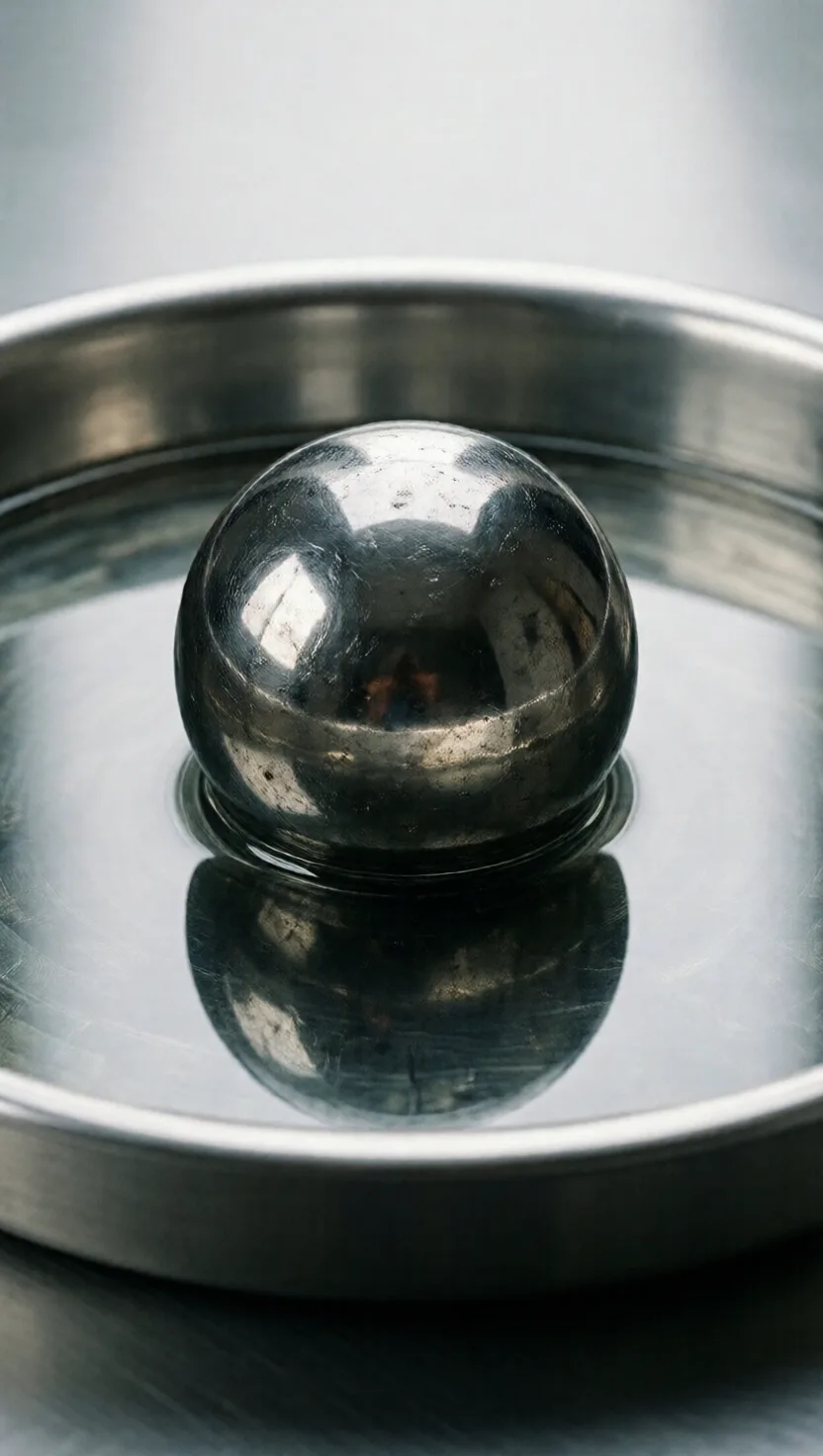
A solid iron ball floats on this liquid metal

Drop a heavy iron cannonball onto a pool of mercury and it bobs like a cork. Mercury's density is about 13.5 grams per cubic centimetre, while iron is only around 7.9, so the iron is buoyant and rides high, sinking in just a couple of centimetres before the upward push balances its weight. It looks wrong because nothing in daily life is denser than solid iron, yet here a flowing metal holds steel aloft. The same buoyancy let mercury support lead, gold and even people's misplaced confidence for centuries.
One Spanish mine gave the world a third of its mercury

One Spanish mine gave the world a third of its mercury

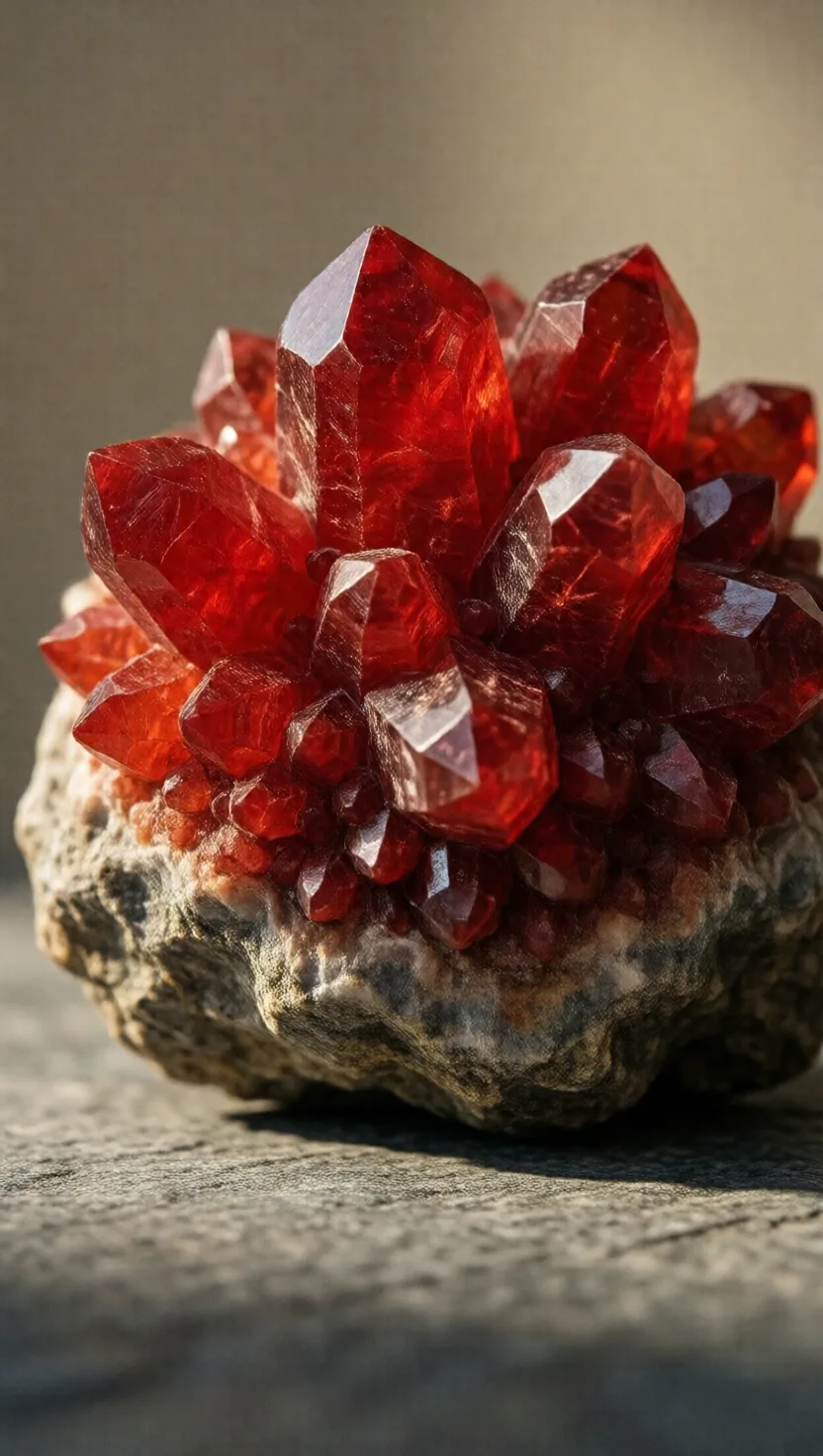
The mine at Almaden in Spain was worked for roughly 2,000 years, since Roman times, and produced about 250,000 metric tons of mercury before it closed in the early 2000s. Geologists estimate this single district yielded close to one third of all the mercury humanity has ever extracted, far more than any other source. The metal hides inside cinnabar, a brilliant blood-red ore of mercury sulfide; roasting the crystals drives off silvery mercury vapour that is condensed back to liquid.
A buried emperor still leaks mercury into the soil

A buried emperor still leaks mercury into the soil

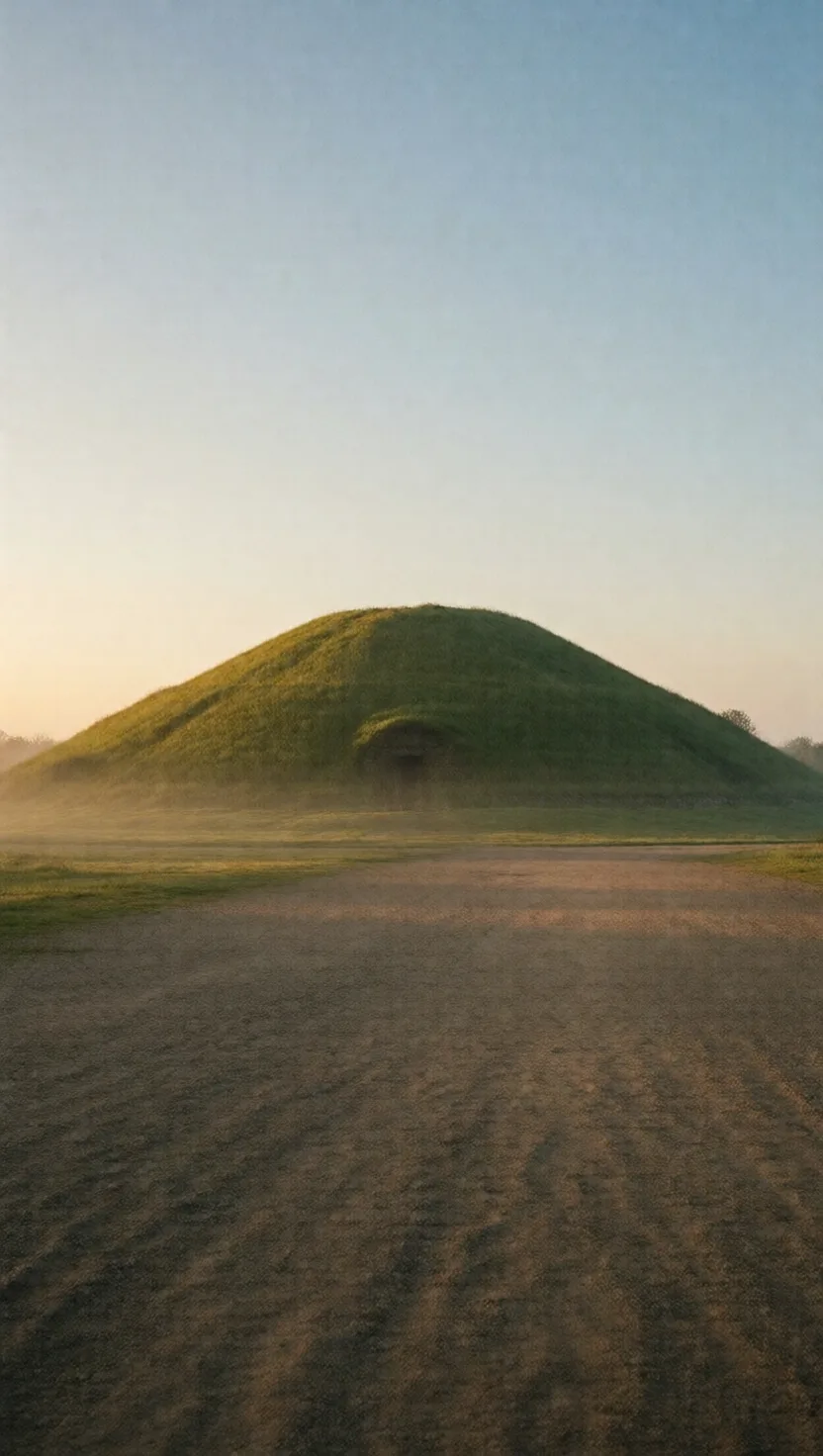
China's first emperor, Qin Shi Huang, was entombed around 210 BCE. An ancient historian wrote that his underground palace held the rivers and seas of China recreated in flowing mercury. For centuries this sounded like legend, until soil surveys over the sealed burial mound near Xi'an found mercury in the air reaching about 27 nanograms per cubic metre, against a normal background of only 5 to 10. The pattern even echoes the geography of China's real rivers. The chamber remains unopened; archaeologists lack a safe way to enter the toxic vault.
Frozen solid, mercury can be hammered like a nail

Frozen solid, mercury can be hammered like a nail

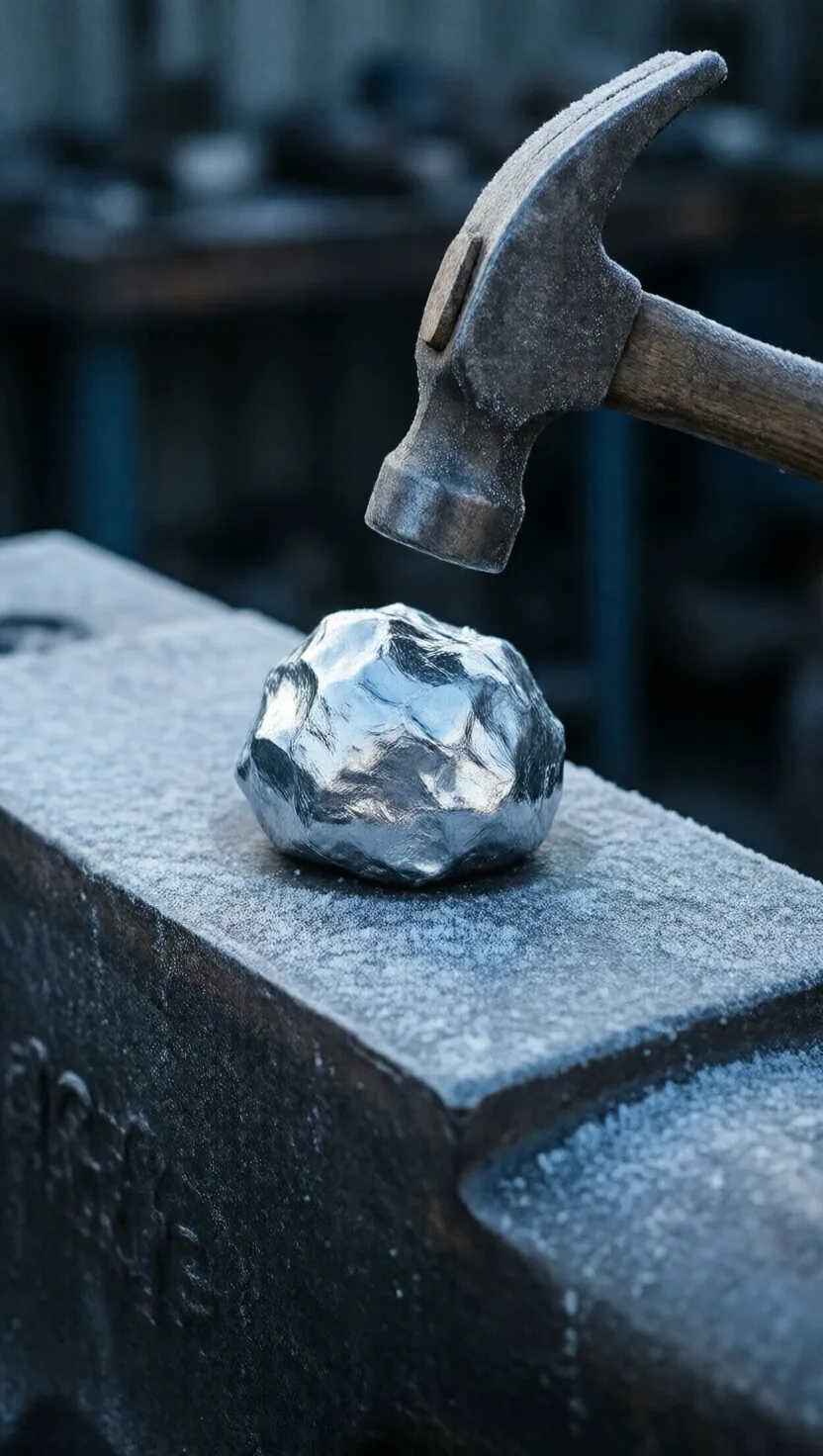
In the brutal winter of 1759 in St Petersburg, two researchers chilled mercury with a slush of snow and concentrated acid and watched it freeze solid for the first time on record, at minus 38.83 degrees Celsius. The frozen blob behaved like an ordinary soft metal: malleable, dense, and so hard they could strike it flat and bend it like lead. It proved mercury was a true metal, merely melted by Earth's mild climate. Within minutes the cold object warmed, cracked and flowed back into a silver pool.
Water needed a 10-metre tube; mercury shrank it to 76 cm

Water needed a 10-metre tube; mercury shrank it to 76 cm

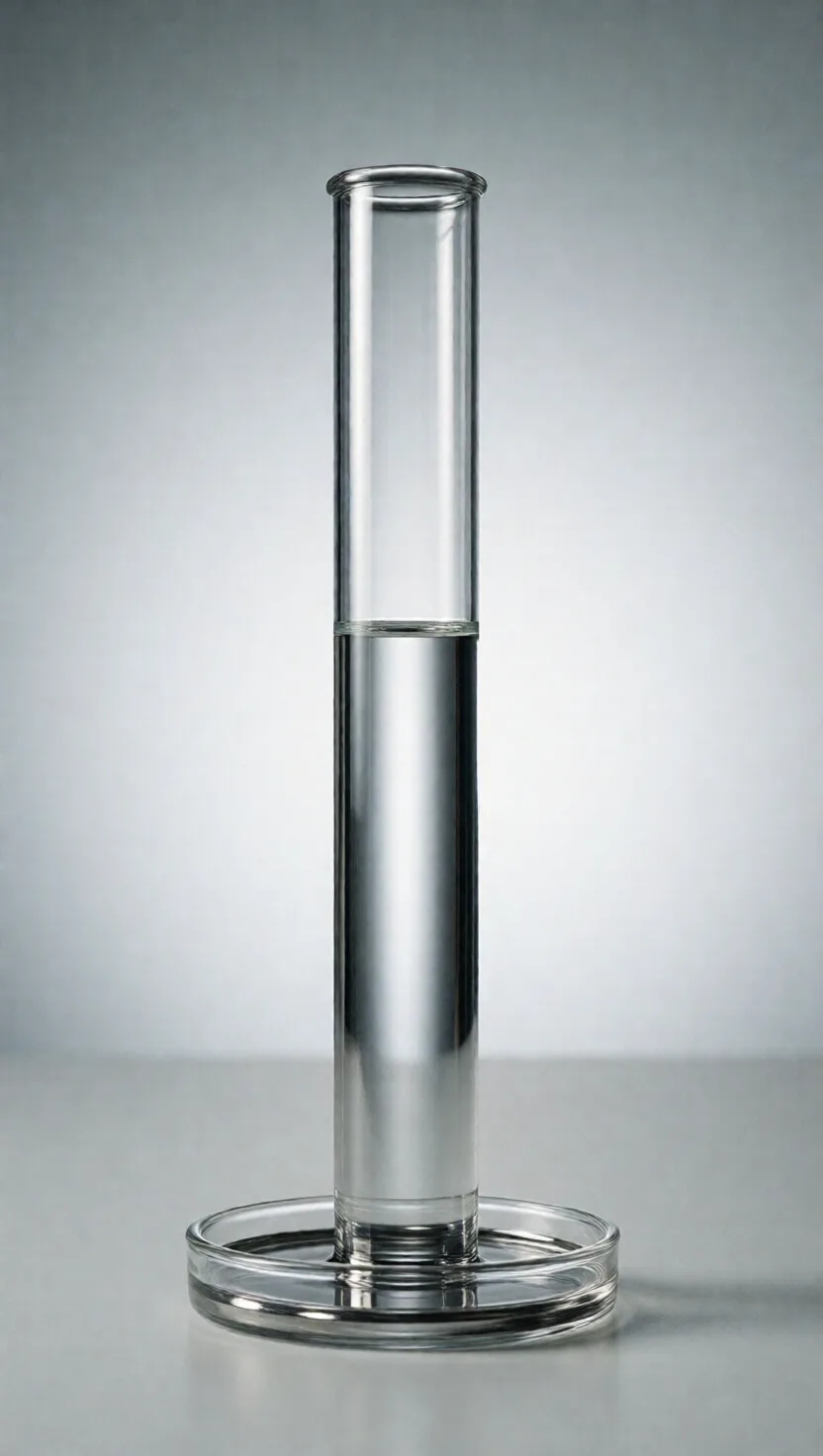
In 1643 Evangelista Torricelli sealed mercury in a glass tube, upended it in a dish, and the column fell until it stood about 760 millimetres tall, leaving empty space above it. That gap was the first laboratory vacuum, and the steady column was the first barometer, weighing the atmosphere itself. He used mercury for a practical reason: it is roughly 14 times denser than water, so where a water barometer needs an absurd tube over 10 metres tall, mercury balances the same air pressure in well under a metre of glass.
Backyard gold mining is the planet's top mercury polluter

Backyard gold mining is the planet's top mercury polluter

To pull gold from crushed ore, millions of small-scale miners stir in liquid mercury, which clings to the gold as a soft silvery amalgam. They then heat that lump with a torch, boiling the mercury away as vapour to leave the gold behind, and the metal escapes into the air and rivers. International agencies estimate this single practice causes about 38 percent of all human mercury emissions to the atmosphere, more than any other source, releasing over a thousand tonnes a year and poisoning the miners and waters around them.
This brilliant red paint slowly rots to black

This brilliant red paint slowly rots to black

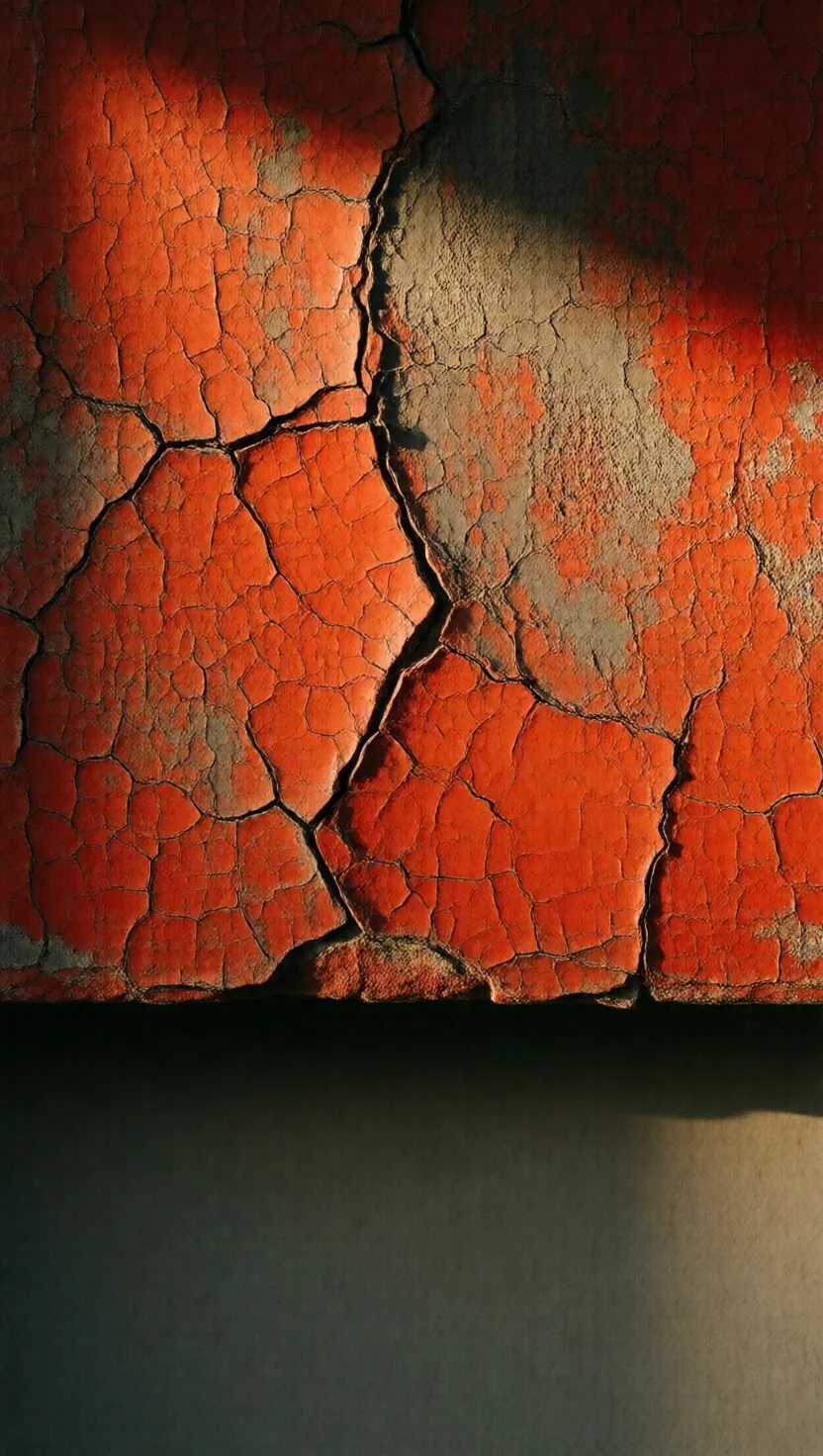
Vermilion, the fiery red of countless old paintings, is powdered cinnabar, the mineral form of mercury sulfide. It looks permanent but is quietly unstable: exposed to light and humid air, the red surface degrades, growing a dark coating that can turn whole passages grey or black. Studies of murals at Pompeii and of Old Master panels trace this to mercury and chlorine reactions on the grains, and the structural flip from red to black mercury sulfide can also be driven by heat near 345 degrees Celsius. The Romans already knew to keep vermilion out of direct sun.
tap →swipe ↑ for depthswipe ↓ to exit